
 en
en  English
 中文简体
中文简体 Español

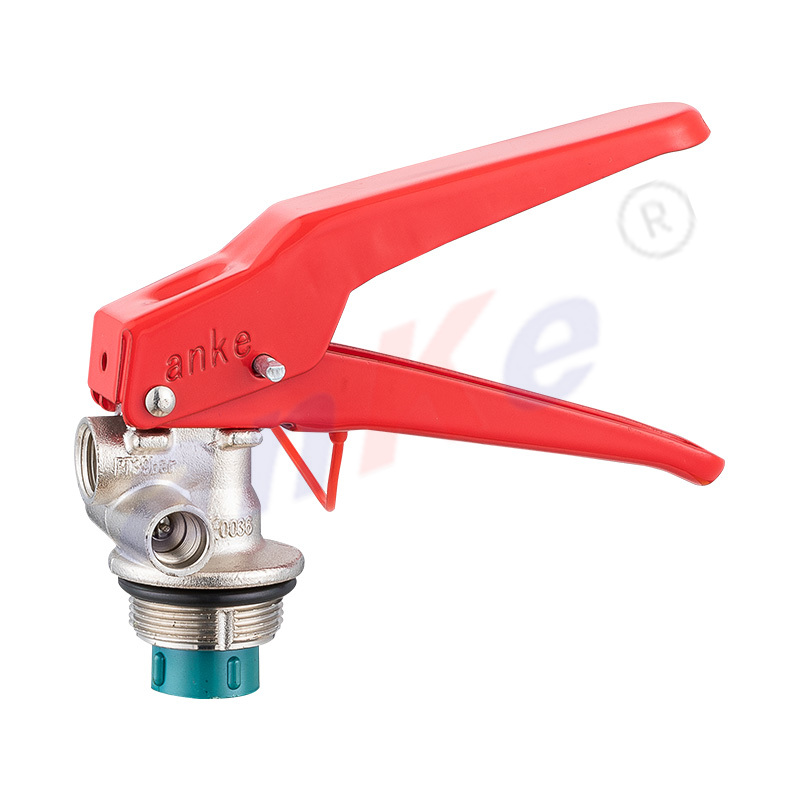
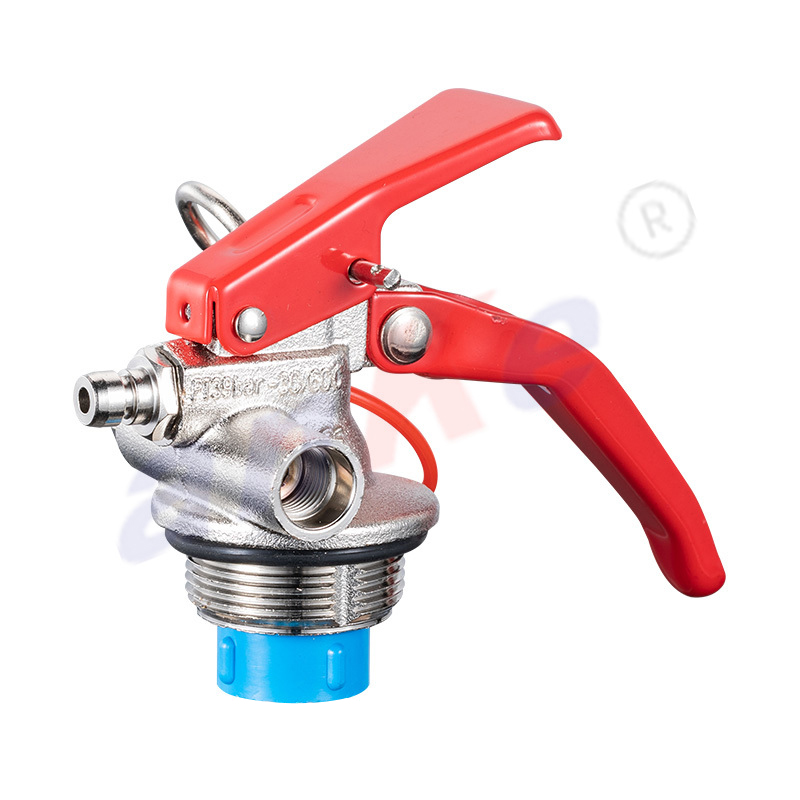
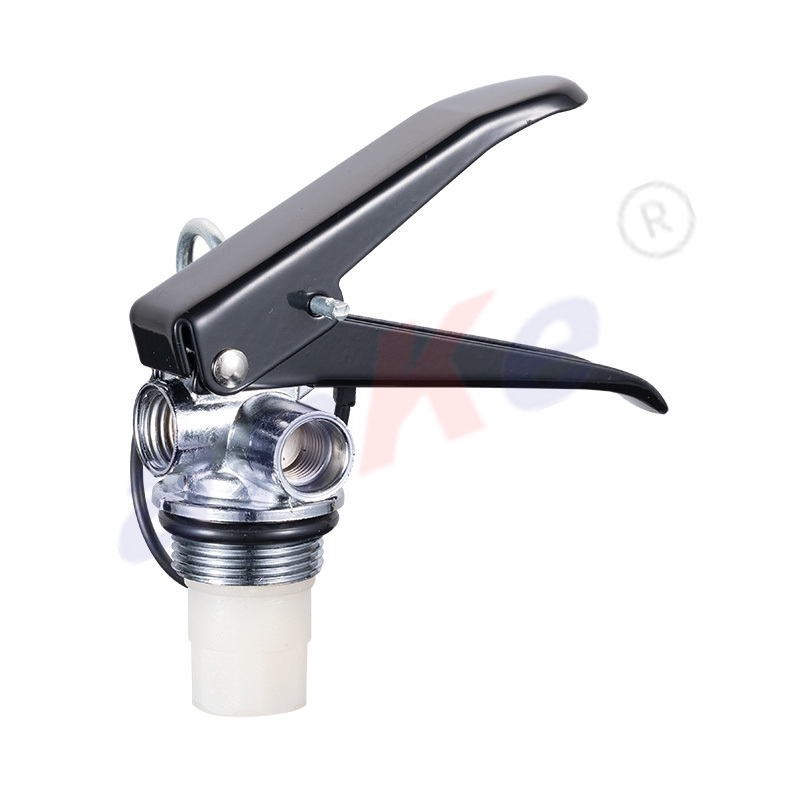
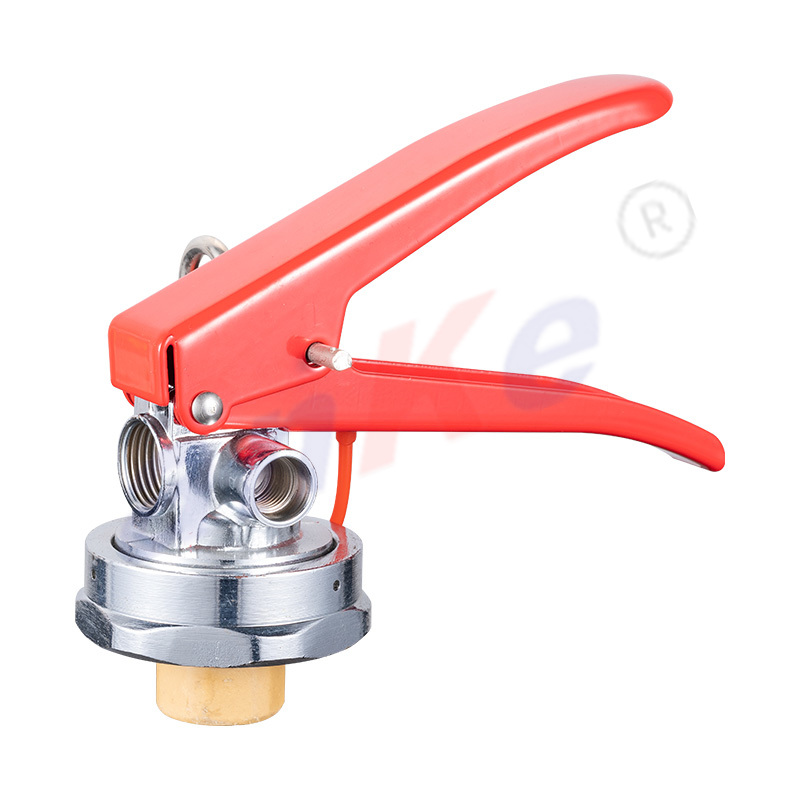
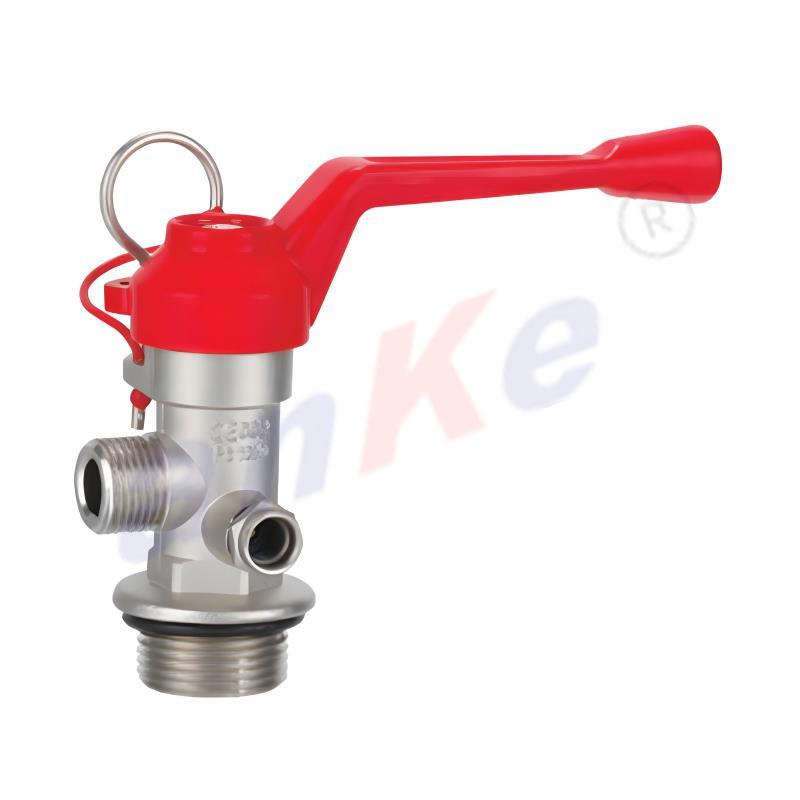
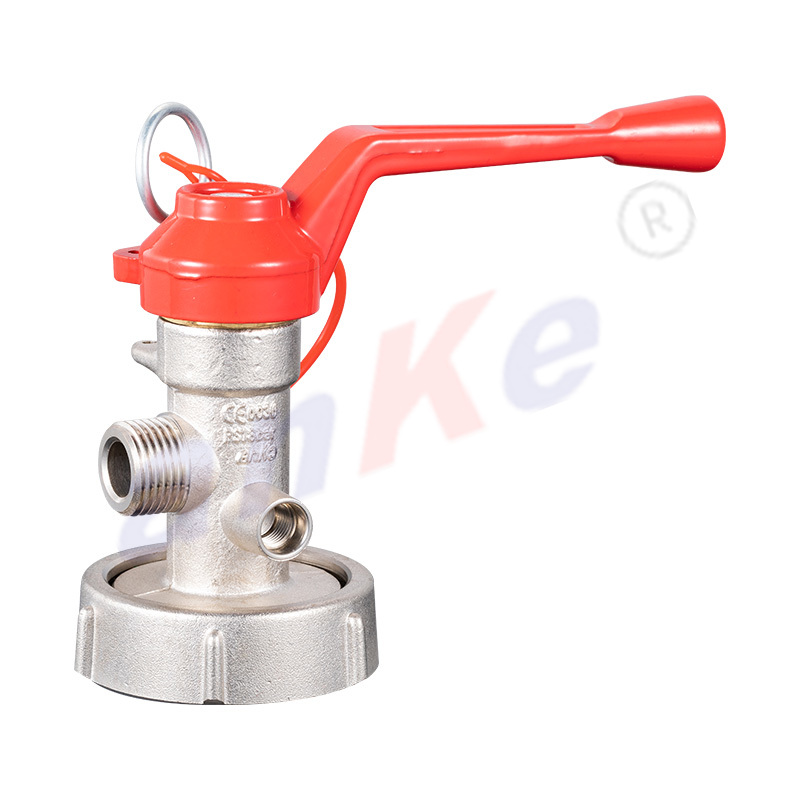
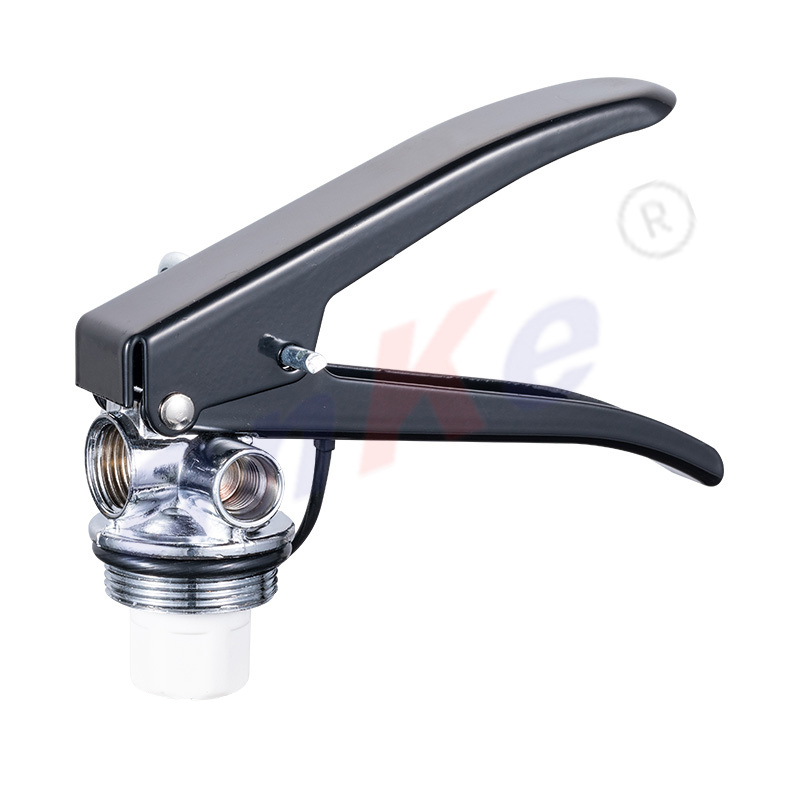
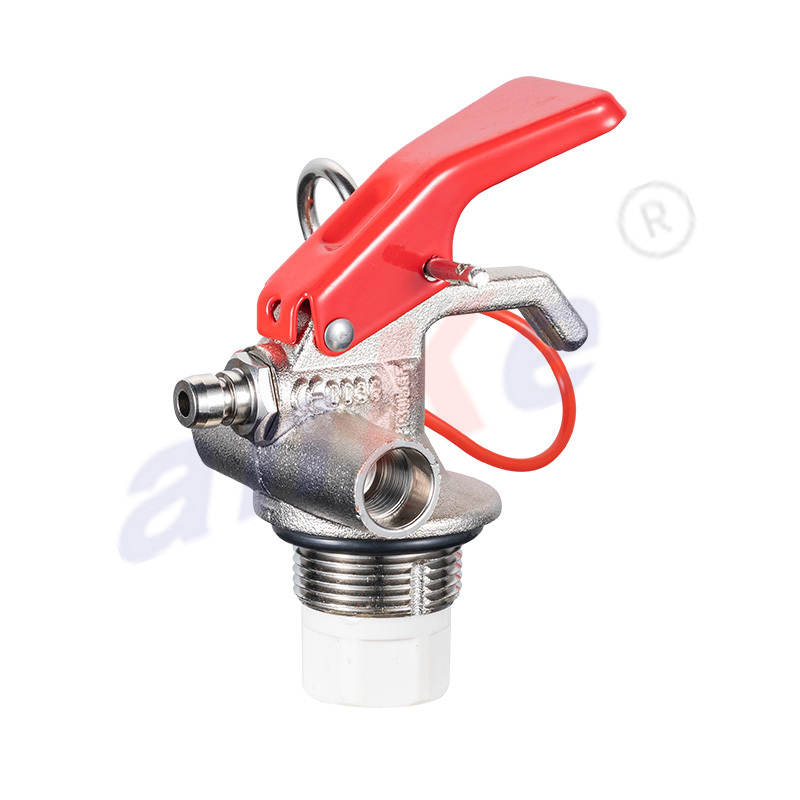
In the field of fire safety, the fire extinguisher valve serves as the heart of the extinguisher system, directly determining the reliability and efficiency of the unit in emergencies. Whether in industrial facilities or commercial buildings, understanding the construction of different extinguisher valve types is essential for the proper maintenance and safety of fire equipment.
Mechanical Structure and Function of Extinguisher Valve
The primary function of an extinguisher valve is to control the release of the extinguishing agent and the containment of pressure. A standard industrial-grade valve typically consists of a valve body, valve stem, spring, seal, and operating handle. The core operating principle involves applying pressure to the handle, which pushes the valve stem down, overcoming the resistance of the internal spring to open the sealing channel, allowing the agent to spray out rapidly under internal pressure.
For pressure vessels, the airtightness of a valve fire extinguisher is critical. If the seals age or the stem lubrication fails, it may lead to a slow leak of the extinguishing agent, resulting in the pressure gauge needle dropping into the red zone. Therefore, the material of the valve (usually high-strength brass or aluminum alloy) and the weather resistance of the internal O-ring seals directly determine the service life of the extinguisher.
Technical Characteristics of ABC Fire Extinguisher Valve
The ABC fire extinguisher valve is primarily designed for dry chemical fire extinguishers. Because monoammonium phosphate dry powder is corrosive, the internal design of these valves focuses on preventing powder caking and corrosion.
Valve Seat Design: Aimed at the flow characteristics of dry powder particles, the valve seat typically features a wide-bore design to prevent powder from clogging the channel during discharge.
Anti-Corrosion Treatment: The valve body exterior is often coated, while the interior uses chemically resistant materials to adapt to extreme storage environments.
Pressure Relief Mechanism: To comply with safety regulations, the ABC fire extinguisher valve usually integrates a pressure relief valve to automatically vent if the internal pressure exceeds the rated safety threshold, preventing explosion risks.
Special Requirements for CO2 Fire Extinguisher Valve
The design of a valve for fire extinguisher must match the physical state of the extinguishing agent. Carbon dioxide (CO2) is stored in a liquid, high-pressure state, so the requirements for a CO2 fire extinguisher valve are significantly higher than those for powder or water-based valves.
Material Strength: The internal pressure of a CO2 extinguisher is extremely high, requiring the valve body to be made of forged brass to withstand extreme pressure changes.
Flow Control: Since CO2 is extremely cold when discharged, the valve interior is equipped with an anti-freezing filter to prevent discharge interruption caused by temperature-induced icing.
Safety Insurance: These valves are typically equipped with a bursting disc, a critical redundancy design that ensures gas is safely released during high-temperature environments outside of fire scenarios, rather than causing physical rupture of the vessel.
Technical Parameter Comparison
To facilitate engineering maintenance and selection, the table below compares the core differences between different types of valves:
| Characteristic | ABC Fire Extinguisher Valve | CO2 Fire Extinguisher Valve |
| Primary Material | Brass/Aluminum Alloy | High-strength Forged Brass |
| Seal Tolerance | Designed against dry powder caking | Designed for ultra-high pressure and low temperature |
| Core Safety Device | Safety pin and relief hole | Bursting Disc |
| Applicable Agent | Monoammonium phosphate dry powder | Liquid Carbon Dioxide |
| Maintenance Focus | Prevent powder clogging of seals | Check for metal fatigue and anti-freeze performance |
Maintenance and Troubleshooting Suggestions
Regardless of the type of fire extinguisher valve, regular maintenance is key to ensuring performance. Users should pay attention to the following points during daily inspections:
Visual Inspection: Check the handle for severe rust and the safety pin for integrity. If the safety pin is cut or loose, the pressure must be checked immediately.
Seal Inspection: Spray soapy water on the valve stem interface. If bubbles appear, the seal has failed, and the entire valve assembly must be replaced.
Functional Testing: In a professional repair environment, the valve stem's elasticity should be inspected regularly through disassembly. Due to long-term fixed positioning, the spring may suffer from elastic fatigue, preventing the valve from opening fully when the handle is pressed.
Environmental Adaptation: For a valve for fire extinguisher placed outdoors, a protective cover should be installed to prevent ultraviolet rays from causing the sealing rubber to age prematurely, thereby extending the equipment service cycle.
Mastering this professional knowledge regarding the extinguisher valve can effectively avoid safety risks caused by misuse and significantly improve the response speed and discharge efficiency of fire extinguishers when dealing with fires. During regular inspections, always refer to the real-time data on the pressure gauge combined with the visual state analysis of the valve to ensure the fire system is ready at all times.
 Phone: +86-13456107058/+86-15967800709
 Tel: +86-574-62010128/+86-574-62010688
 E-mail:
  Factory: Huilong Village, Huangjiabu Town, YuyaoCity,Zhejiang Province, China





 Domestic Trade Manager
 Foreign Trade Manager
 VR Catalogue
