 en
en  English
 中文简体
中文简体 Español

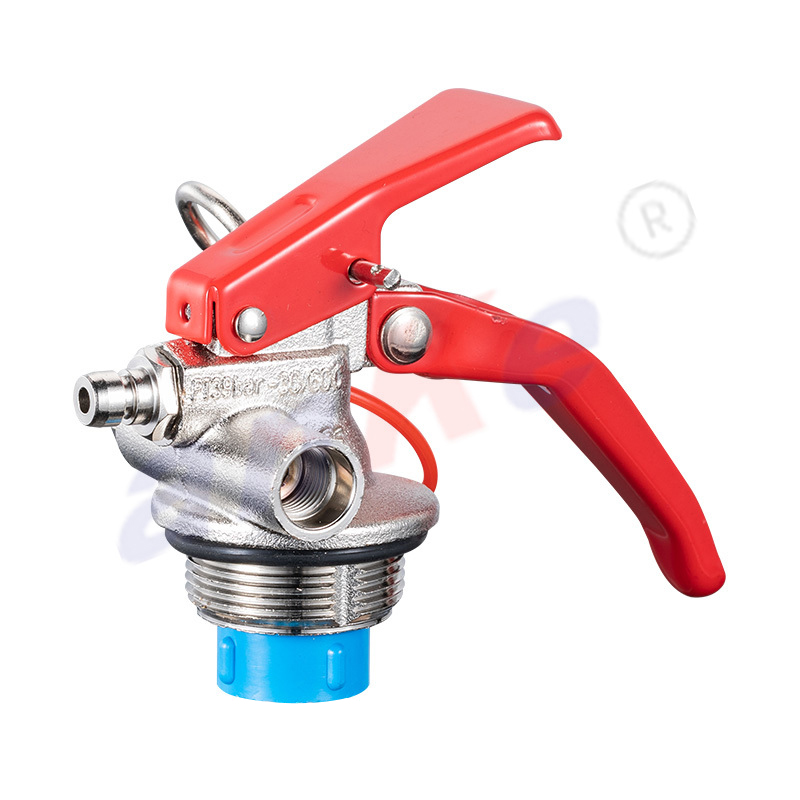
1-2KG Fire Extinguisher Valve 1003
Parameter table
| Material | Copper |
| Surface treatment | According to customer requirements (chrome/nickel plated) |
| Inlet thread | M30X1.5 |
| Outlet thread | G1/8 |
| Gauge thread | M10X1-12.5/NPT1/8 |
| Dip tube pipe thread | M16X1.5/M16X1 |
| Valve with safety pressure relief device (24±2BAR) | |
-
Description
Used for 1-2Kg Fire Extinguisher.
The 1-2KG fire extinguisher valve is a key component of fire extinguisher, it have safety device and check valve to prevent accidental release of extinguisher agent.
Well-designed valves ensure rapid and reliable release of extinguishing agent when needed to respond to fire emergencies.
The valve's ease of operation enables users to take quick action in the event of a fire, minimizing damage caused by the fire.
In addition, the 1-2kg fire extinguisher valve has precise pressure control capabilities, which can ensure that the appropriate amount of fire extinguishing agent is released when needed and effectively cease fire.
Material
Copper
Inlet Thread
M30×1.5
Outlet Thread
G1/8
Gauge Thread
M10×1-12.5 / NPT1/8
Relief Device
24±2 BAR
Anatomy of the Valve 1003
A compact valve built for 1–2kg cylinders still carries every functional component a larger valve has, sized down without being simplified away.
How the Valve Responds When Triggered
The same working principle as a larger valve, compressed into a smaller footprint for handheld and vehicle-mounted units.
Lever Is Squeezed
Manual pressure on the lever pushes the stem down off its seat.
Discharge Path Opens
A channel connects the pressurized chamber to the outlet port for as long as the lever stays depressed.
Agent Travels Up the Dip Tube
Stored nitrogen pressure drives the extinguishing agent from the cylinder base, through the dip tube, into the valve body.
Check Valve Holds the Line During Filling
At refill, the same check valve mechanism that seals against backflow during use also prevents propellant loss immediately after charging.
Relief Device Stands By
If pressure ever exceeds 24±2 bar — from overcharging or heat exposure — the relief device vents before the cylinder is put at risk.
Why a Small Valve Still Uses Copper
At this size, the case for copper is less about raw strength and more about how consistently it can be machined and sealed.
| Consideration | Why It Matters at 1–2kg Scale |
| Fine Thread Tolerance | Four separate threaded ports (inlet, outlet, gauge, dip tube) fit into a compact body — copper machines cleanly enough to hold all four to spec without distortion. |
| Surface Finishing | Chrome or nickel plating (offered to customer requirement) adheres evenly to copper, giving corrosion resistance without adding meaningful bulk to a small housing. |
| Check Valve Seating | The check valve's seal depends on a smooth, consistent seat surface — easier to hold on machined copper than on lower-cost cast alternatives at this scale. |
| Weight Budget | A 1–2kg extinguisher is often carried or vehicle-mounted, so the valve's own weight is a larger share of the total — copper keeps the component compact without needing thicker walls. |
Where the 1-2KG Valve Fits
Sized for extinguishers that need to be light enough to carry, mount, or store in a tight space.
Vehicle Cabins
Cars, delivery vans, and light trucks carry small extinguishers within reach of the driver — weight and mounting footprint matter as much as fire rating.
Home Kitchens & Small Offices
A compact unit mounted near a stove or server room needs to be easy for a non-specialist to grab and operate without hesitation.
Boats & Small Watercraft
Limited storage space and exposure to humid, salt-laden air call for a small, corrosion-resistant valve rather than a bulkier industrial one.
Emergency & First-Response Kits
Portable kits assembled for construction sites or field teams favor lighter units that don't add significant weight to a carried kit.
Agent and Cylinder Compatibility
The valve's port sizing and check-valve design are matched to small stored-pressure cylinders — not every extinguisher format.
Terminology Reference
Ordering Information
Common Questions
Q. Why does the outlet use a G1/8 thread instead of a direct nozzle fitting?
A. The G1/8 thread lets the same valve accept different hose or nozzle configurations depending on the extinguisher assembler's design, rather than locking in one fixed outlet style.
Q. Can the gauge port take either a metric or an NPT gauge?
A. Yes — the M10×1-12.5 and NPT1/8 options cover both metric and imperial gauge standards, so the same valve body works for either sourcing preference.
Q. What does the check valve actually protect against?
A. It stops the pressurized propellant from leaking back out through the charging port after the cylinder has been filled, which is separate from the lever-and-stem mechanism used during discharge.
Q. Is this the same valve used on the 4–12kg models?
A. No — larger cylinders use a different valve series sized for higher flow and a longer dip tube; thread sizes and body dimensions are not interchangeable between the two.
Related Products
-
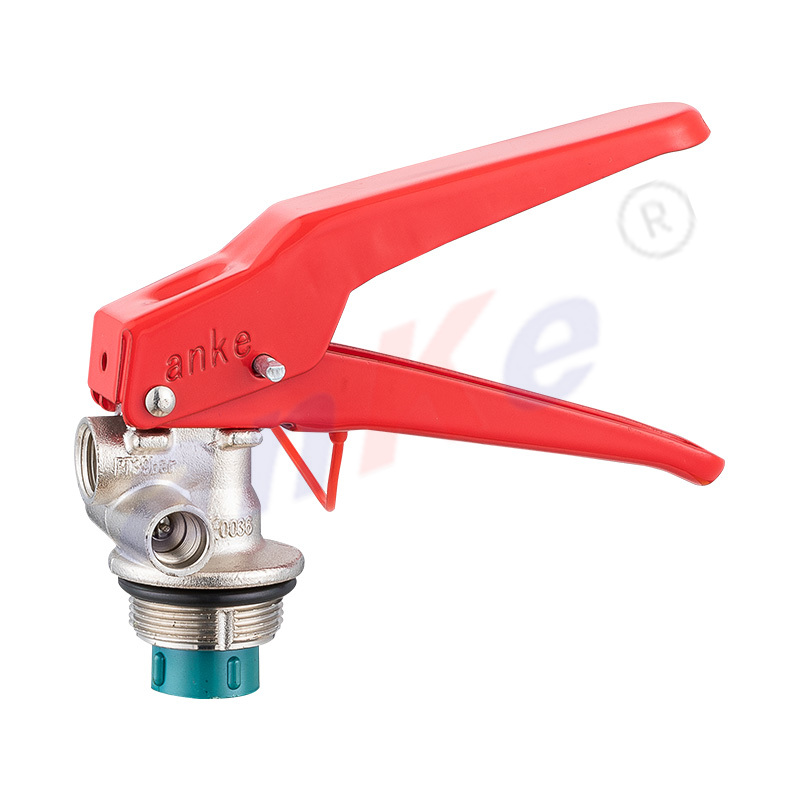
4-12KG Dry Powder Fire Extinguisher Valve 1001
-
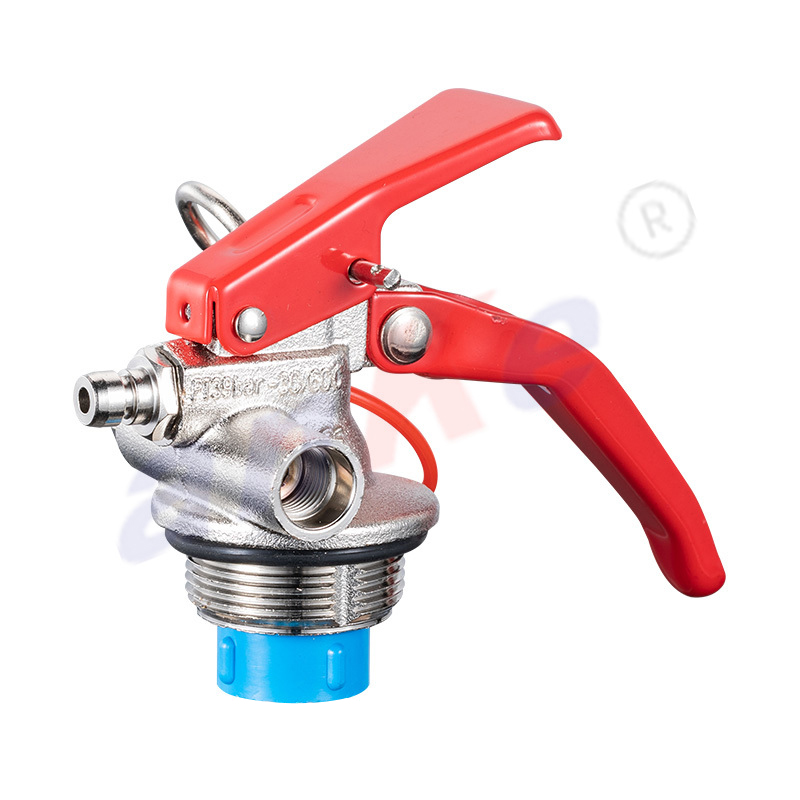
1-2KG Fire Extinguisher Valve 1003
-
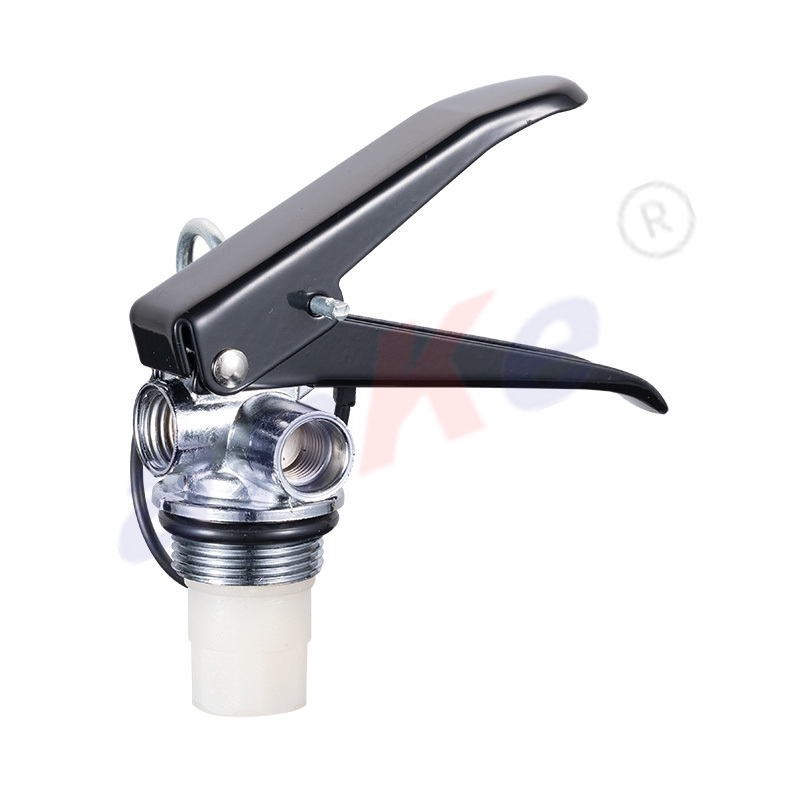
1-2KG Fire Extinguisher Copper Valve 1004
-
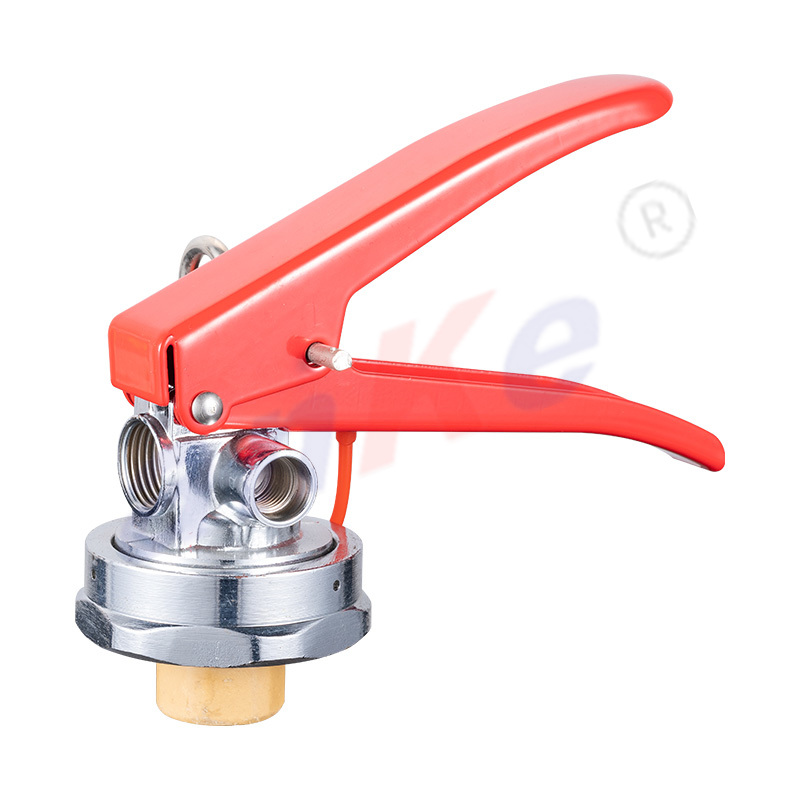
3-12KG Fire Extinguisher High Pressure Valve 1010
-
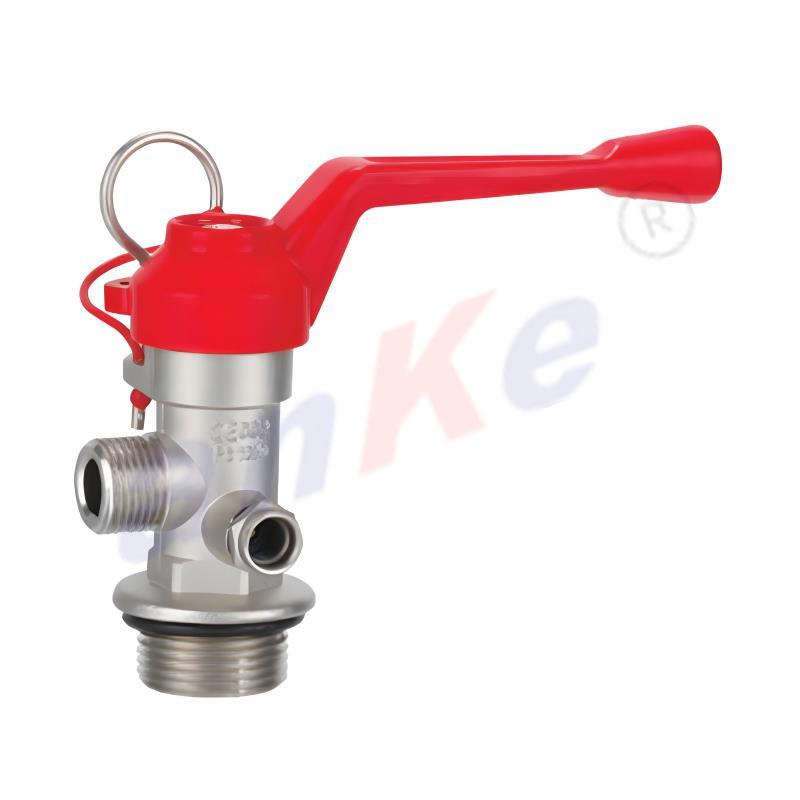
25-50kg trolley type Fire Extinguisher Copper Valve 1036
-
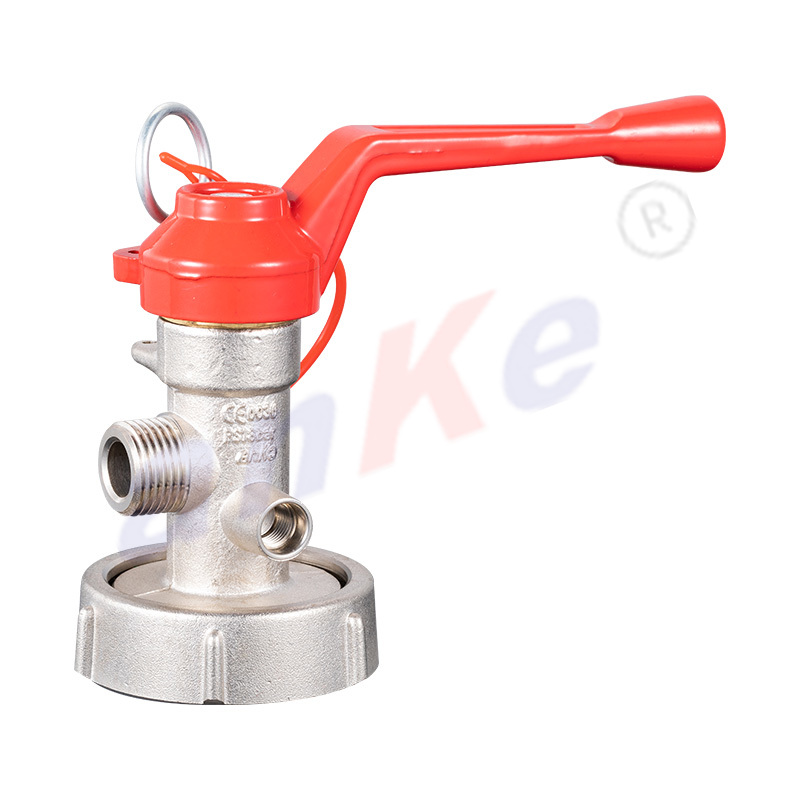
25-50KG fire extinguisher copper alloy valve 1037
-
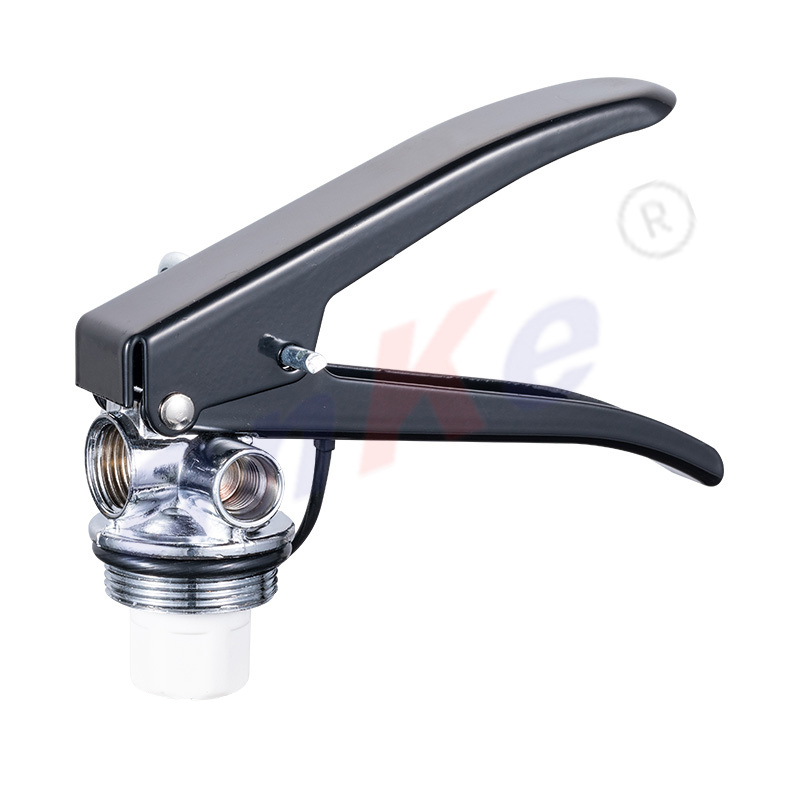
3-9Kg Portable Fire Extinguisher Valve 1017
-
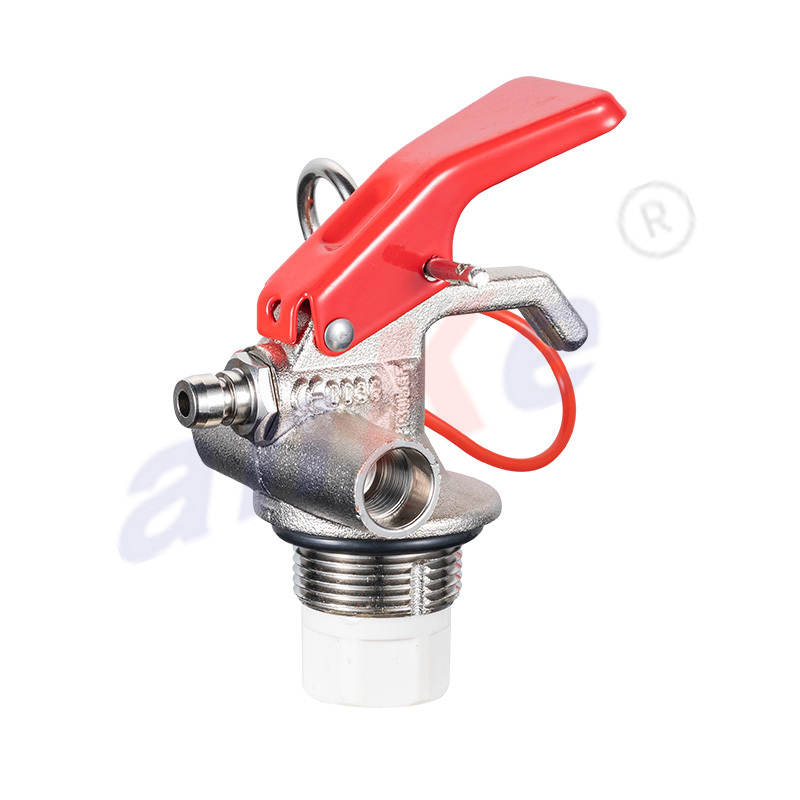
1-2KG Dry Powder Fire Extinguisher Valve 1033
-
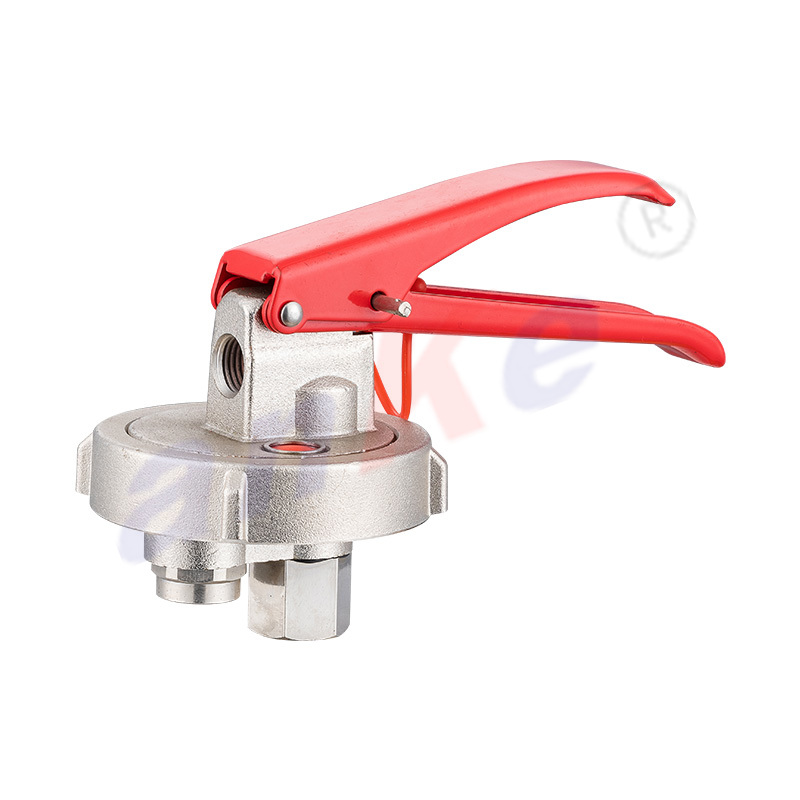
6-12Kg Cartridge Fire Extinguisher Valve 1041
-
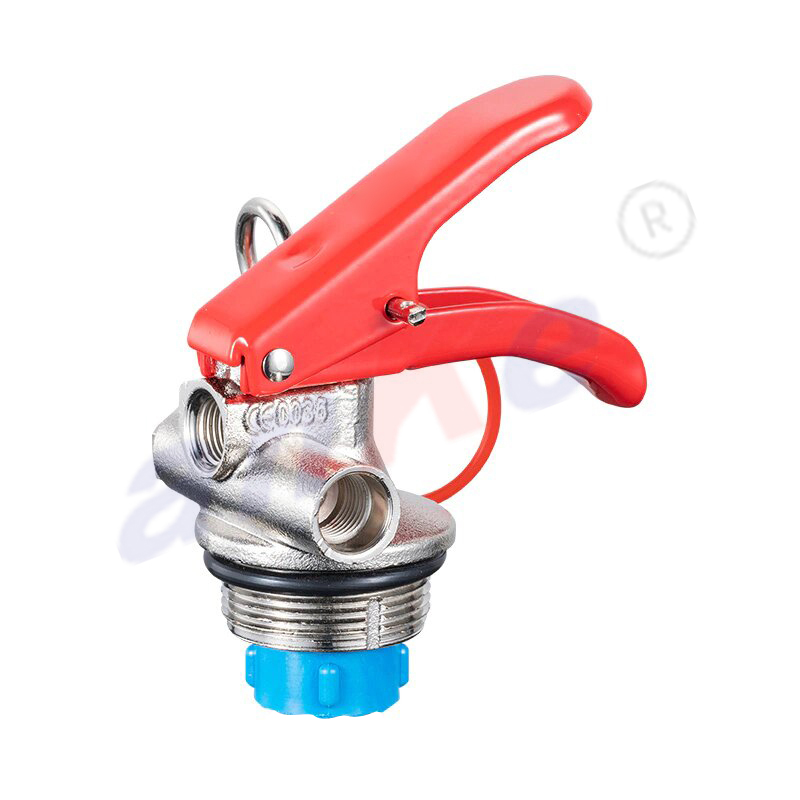
1-2Kg Fire Extinguisher Check Valve 1048
-
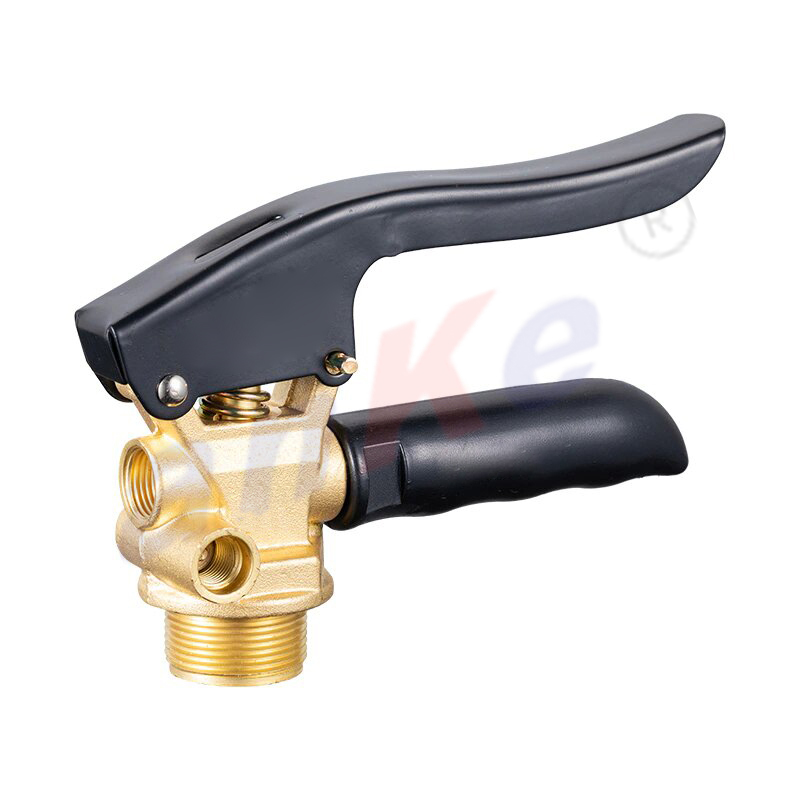
6-12Kg Copper Fire Extinguisher Valve 1065
-
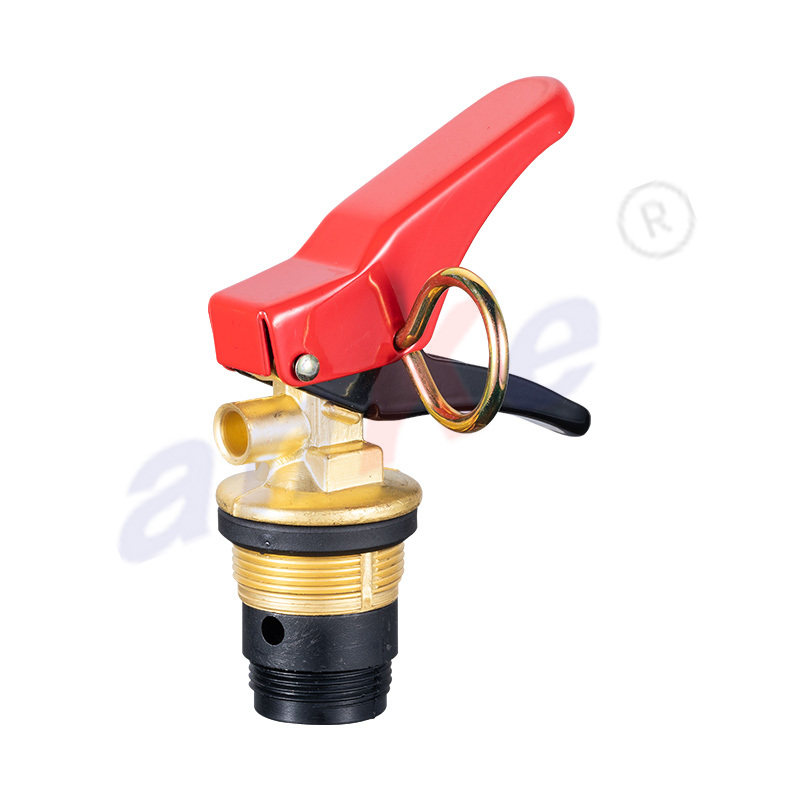
1-2KG Dry Powder Fire Extinguisher Copper Valve 1069A
-
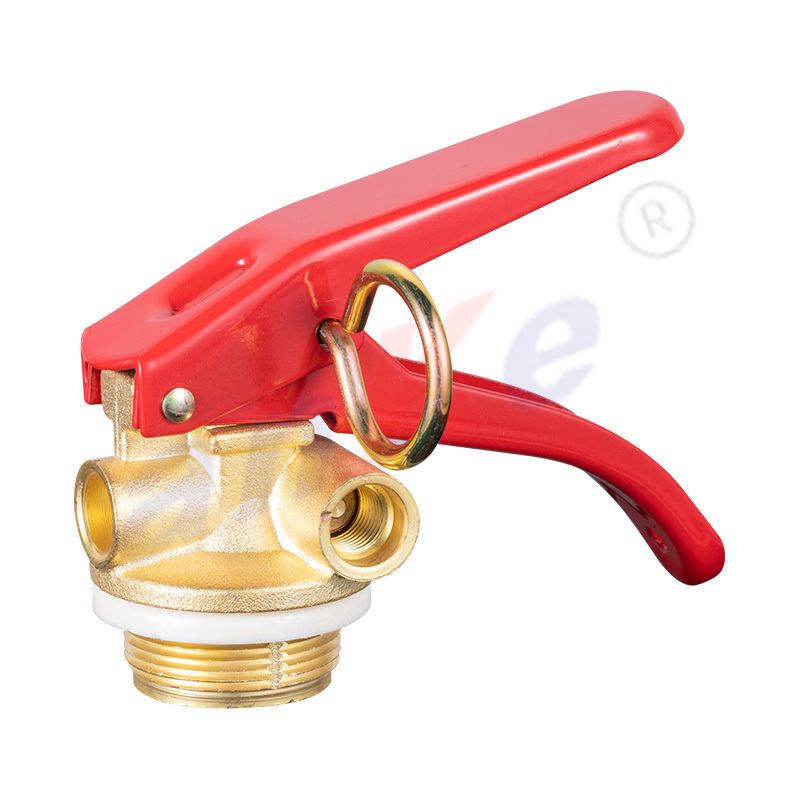
3-12KG Fire Extinguisher Foam Valve 1060
-
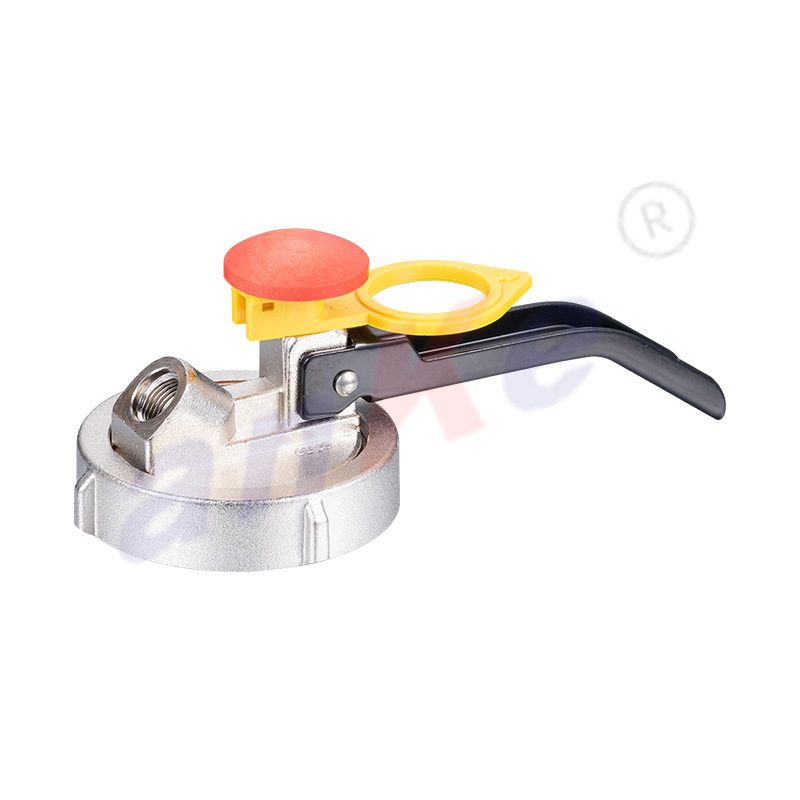
6-12KG Cartridge Dry Powder Fire Extinguisher Valve 1072
-
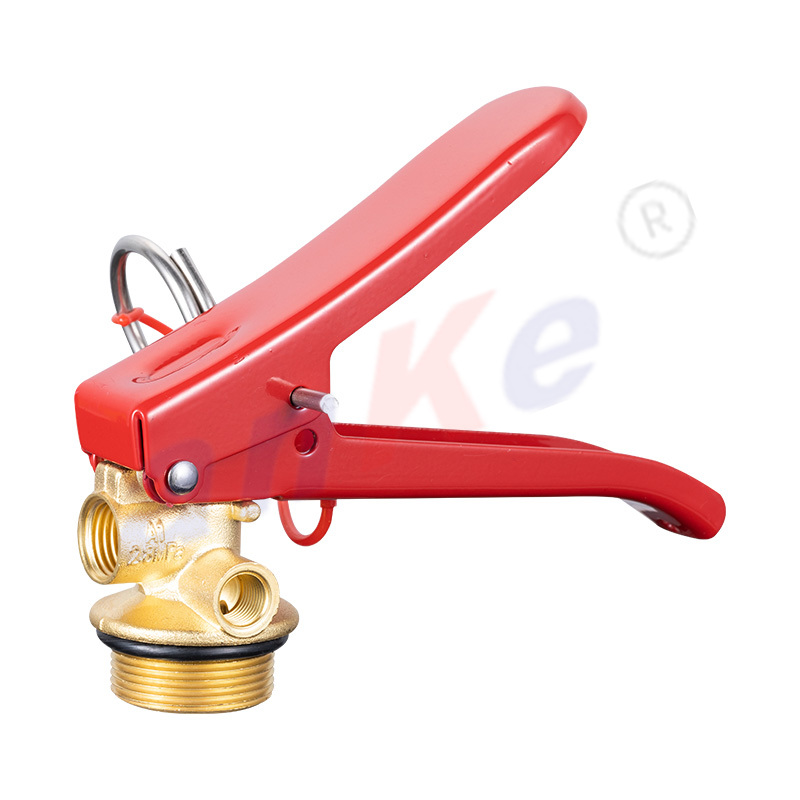
4-12KG Fire Extinguisher Metal Coating Valve 1087C
-
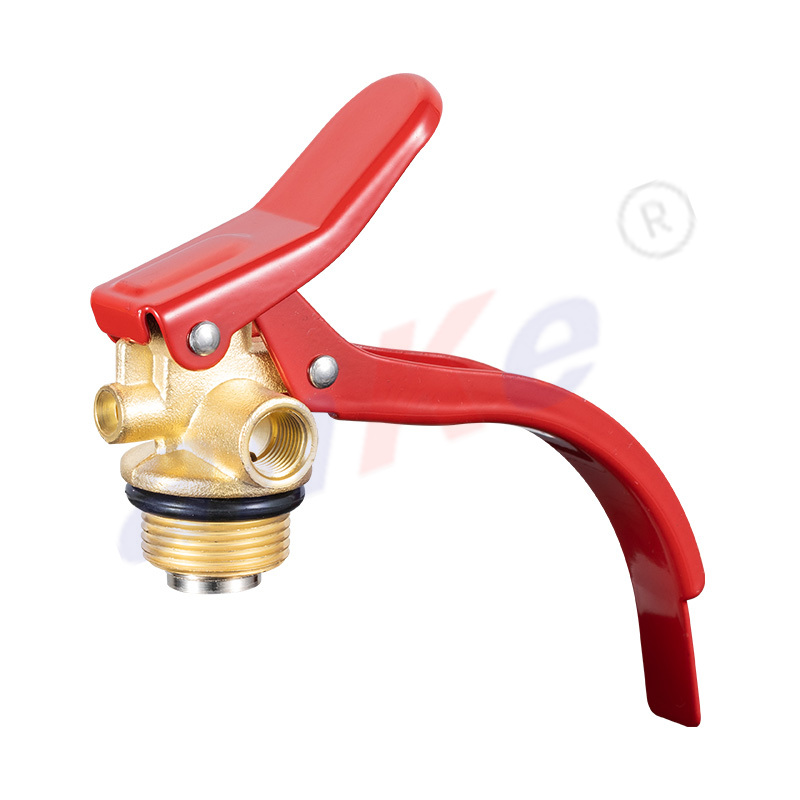
1-2KG Fire Extinguisher Metal-plated Copper Valve 1095
Comfort Starts Here
Founded in 2001, our company mainly provides high-quality fire protection products for the international market, specializing in the production of various types of fire extinguisher accessories, marine gas cylinder valves, gas valves, etc. After years of hard work and continuous improvement of process reform, our products are exported to dozens of countries around the world and have won a good international reputation. All of our products have obtained the EU EN, CE certification in 2007.
Welcome all customers to call and visit us. Our company has a professional sales team to provide accurate services.

 Phone: +86-13456107058/+86-15967800709
 Tel: +86-574-62010128/+86-574-62010688
 E-mail: [email protected]
 Factory: Huilong Village, Huangjiabu Town, YuyaoCity,Zhejiang Province, China
Branch Office: Hengye Building 509, No.158 Tai'an Middle Road, Yinzhou District, Ningbo, Zhejiang, China





 Domestic
 Overseas
 VR Catalogue
Copyright 2024 Ningbo Kaituo Valve Co., Ltd. All Rights Reserved
