
 en
en  English
 中文简体
中文简体 Español

Before you commit to a fire extinguisher purchase, you need to answer one question: what should you not use a CO2 fire extinguisher on? CO2 extinguishers save lives in the right conditions, but they have hard limits. Use one on the wrong fire and you can scatter burning fuel, trigger re-ignition, or create an oxygen hazard. This guide covers each wrong-use scenario, explains why it fails, and offers a safer alternative.
What Is a CO2 Fire Extinguisher and How Does It Work?
CO2 fire extinguishers store liquid carbon dioxide under high pressure. When you squeeze the lever, the liquid expands and rushes through the discharge horn as a jet of gas mixed with dry ice. The mechanism is simple: carbon dioxide is heavier than air, so it settles over the fire and displaces the surrounding oxygen. The flame is suffocated within seconds.
The discharge also cools the fire, but that effect is limited. Once the gas disperses, any fuel still above its ignition temperature can reignite. This is why CO2 works well on fires where the fuel is not deeply heated, such as energized electrical equipment, but poorly on materials that store heat like wood, paper, or oil.
Because CO2 evaporates completely and does not conduct electricity, it is a standard choice for server rooms, switchgear cabinets, laboratories, and other sensitive locations. For a refresher on the available formats, this overview of portable CO2 extinguishers explains common cylinder sizes and applications.
What Should You Not Use a CO2 Fire Extinguisher On?
The answer splits into two tiers. The first tier is absolute: fires where CO2 is prohibited because it increases the danger. The second tier is cautionary: situations where CO2 will likely fail or create unacceptable risks.
Class F Fires — Cooking Oils and Fats
Cooking oil fires are the most common misuse of CO2. When you discharge CO2 into a pan or deep fryer of burning oil, the high-velocity gas hits the oil surface and blows burning droplets in every direction. Instead of extinguishing the fire, you distribute it across the room.
Hot cooking oil stays well above its ignition temperature, often over 340°C. CO2 may displace oxygen above the oil for a few seconds, but as soon as the gas drifts away, the oil ignites again. Kitchen training should emphasize that CO2 is never acceptable for deep fryer fires.
The correct alternative is a wet chemical fire extinguisher for Class K fires, known as Class F in many regions. Wet chemical agents form a foam blanket that cools the oil and blocks re-ignition. For an early pan fire, a fire blanket works well too.
Flammable Metal Fires (Class D)
Burning metals are a different world. Magnesium, titanium, sodium, potassium, and aluminum powder can burn above 2,000°C, and some release their own oxygen during the reaction, so they do not depend on the surrounding air.
Directing CO2 at a metal fire can worsen it. Reactive metals like magnesium are hot enough to strip oxygen from the CO2 molecule, turning the extinguishing gas into an oxidizer.
For combustible metal fires, use a Class D dry powder extinguisher or dry sand for small spills. CO2 should not be part of the equipment plan for workshops or labs that handle these materials.
Flammable Gas Fires
A flammable gas fire is powered by a pressurized stream of fuel — natural gas, propane, acetylene, or hydrogen. As long as the gas flows, the flame continues. CO2 may briefly suppress the visible flame, but the unburned gas re-ignites from any hot surface or spark.
The discharge can also push the gas cloud and mix it with air, creating an explosive atmosphere. The standard protocol is to shut off the gas supply first and extinguish any residual flame afterward. If you cannot reach the valve, evacuate and call the fire service.
When you must protect an opening while someone shuts off the gas, an ABC dry powder extinguisher is the conventional tool. CO2 has no meaningful role in gas fire response.
When CO2 Extinguishers Are Not Recommended — Situations Requiring Extra Caution
Beyond the prohibitions, there is a second tier: situations where CO2 is not strictly forbidden but is rarely the best choice. These are cases where a CO2 fire extinguisher is not suitable for the actual risk.
Class A Fires — Deep-Seated Solid Material Fires
Wood, paper, and textiles burn deeply, not just on the surface. Heat smolders inside stacked materials, where CO2 gas cannot reach.
A CO2 discharge suppresses the surface flame in seconds, but the internal embers stay hot and reignite the surface once the gas disperses. For solid material fires, a water or foam extinguisher cools the material below ignition temperature. This makes CO2 a poor general-purpose choice where Class A fire loads are heavy.
Confined Spaces — Oxygen Displacement Hazards
CO2 in a confined space creates a hazard unrelated to the fire. CO2 is heavier than air and settles near the floor during discharge. In a small, poorly ventilated room, concentration rises quickly. At about 4%, carbon dioxide causes dizziness, rapid breathing, and impaired judgment. Higher levels cause unconsciousness and death by oxygen displacement.
A typical 5 kg CO2 extinguisher discharged fully into a room smaller than roughly 30 cubic meters can push oxygen below the safe threshold — about the size of a small storage room. If you crouch or crawl toward the exit, you move straight through the highest CO2 concentration.
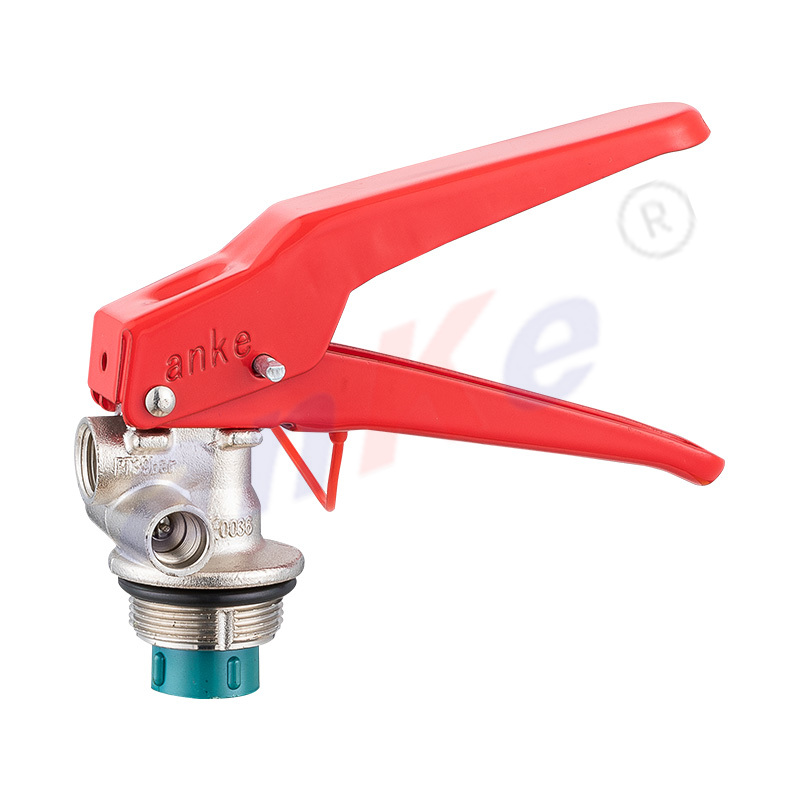
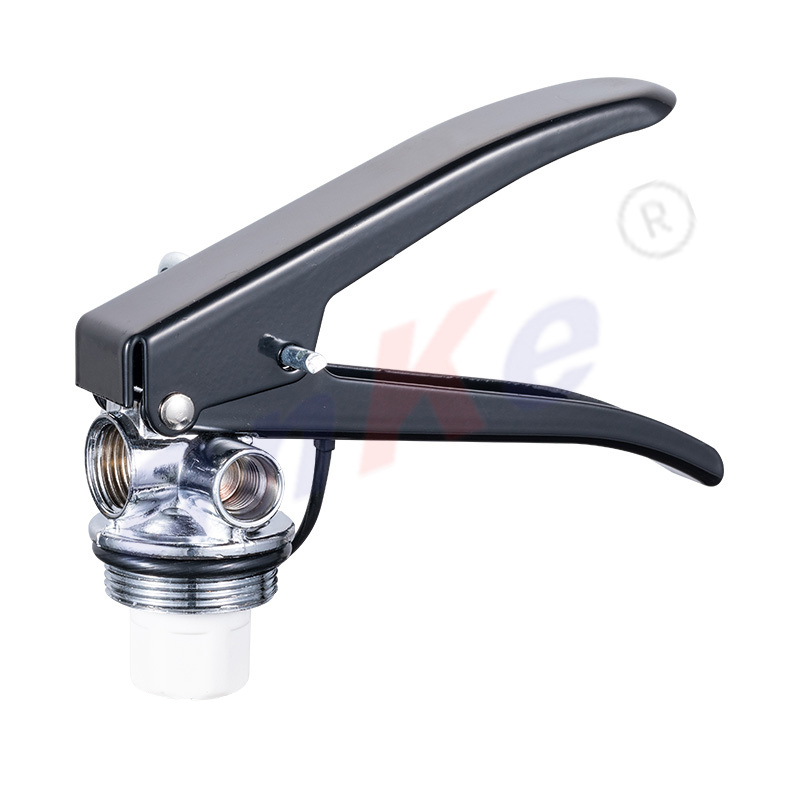
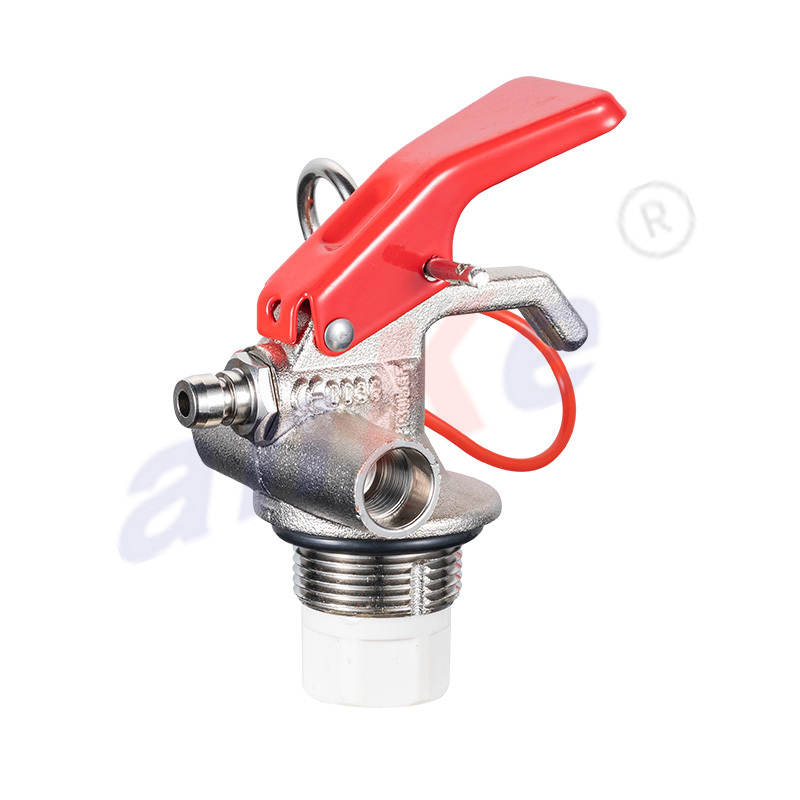
If you must use CO2 indoors, keep your head above the discharge layer, keep an exit path clear, and leave immediately after discharge. For small enclosed spaces, a water mist or foam extinguisher is safer because it does not displace oxygen. Understanding how CO2 fire extinguisher valves control agent release explains why a full 5 kg charge can empty into a small room in seconds.
Outdoor and Windy Conditions
CO2 has a discharge range of only 2 to 3 meters, and the gas is highly sensitive to airflow. Even a light breeze carries it away from the fire before it forms a suffocating blanket. The flame recovers as soon as the gas passes.
For outdoor risks, use a dry powder extinguisher, which has a longer throw and better wind resistance, or foam for liquid spills. These agents do not depend on a localized gas envelope.
What SHOULD You Use a CO2 Fire Extinguisher On?
None of this means CO2 extinguishers are useless. They are the best tool for several specific risks.
The most important is energized electrical equipment. CO2 does not conduct electricity and leaves no residue, so it can be used on live circuits without shutting power off first. Distribution panels, switchgear, servers, and production machinery all fall into this category. For a home or small office, a 2kg home safety CO2 extinguisher is a compact unit for protecting fuse boxes, appliances, and charging stations.
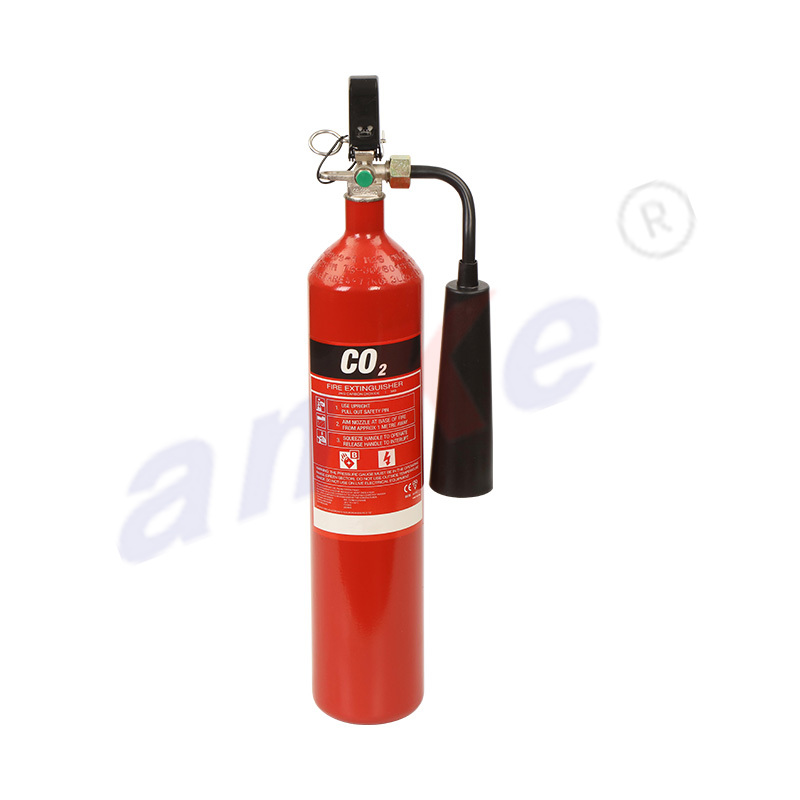 Custom 2KG Home Safety Emergency CO2 Alloy Steel Fire Extinguisher Suppliers, OENingbo Kaituo Valve Co., Ltd. is China 2KG Home Safety Emergency CO2 Alloy Steel Fire Extinguisher Suppliers and Custom 2KG Home Safety ...View Product →
CO2 also handles small Class B liquid fires — gasoline, diesel, solvents — while they are still small. Spray across the liquid surface to break the flame, then back away and watch for re-ignition. For hot liquids or larger pools, use foam instead.
In commercial settings like data centers, telecom rooms, and medical suites, a 5kg portable CO2 extinguisher for commercial use provides greater capacity without the risk of water damage or powder contamination.
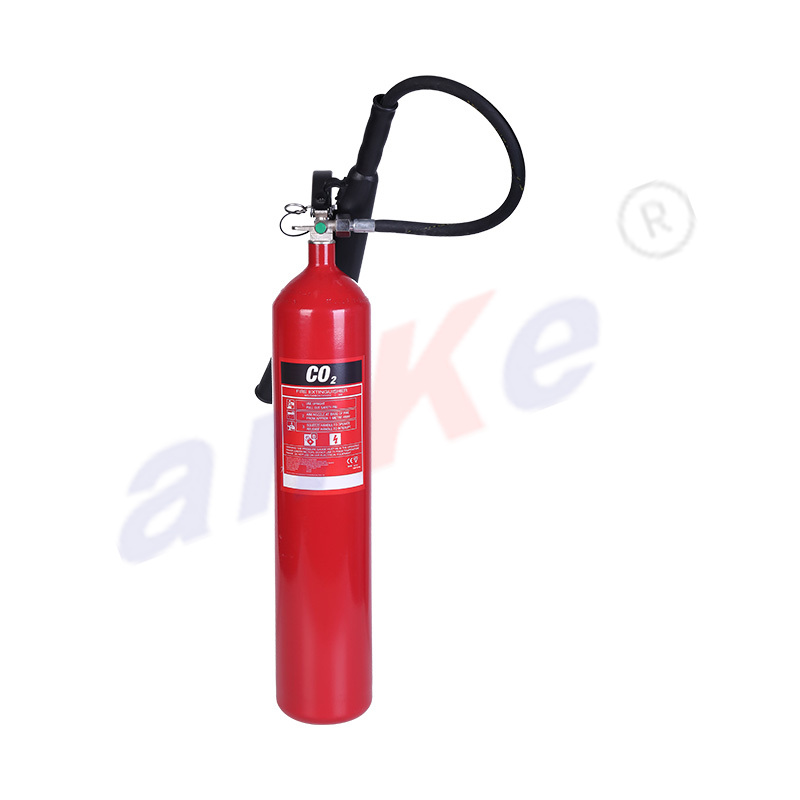 Custom 5KG Portable CO2 Alloy Steel Fire Extinguisher Suppliers, OEM/ODM FactoryNingbo Kaituo Valve Co., Ltd. is China 5KG Portable CO2 Alloy Steel Fire Extinguisher Suppliers and Custom 5KG Portable CO2 Alloy Steel ...View Product →
How to Safely Operate a CO2 Fire Extinguisher
When CO2 is the right choice, technique matters. Discharge lasts only 8 to 30 seconds, so every second counts.
- Pull the safety pin to break the seal.
- Aim the discharge horn at the base of the fire, not at the flames themselves.
- Squeeze the lever steadily to release the gas.
- Sweep the horn from side to side across the base of the flames.
Start 1 to 2 meters away and move closer as the fire shrinks. Never touch the horn or metal discharge tube during use. The gas exits near -78°C, and skin contact can cause severe frostbite.
Ventilation is part of safe operation. Even in a normal room, a full discharge releases a large gas volume. Open doors or windows if possible and leave the room promptly after the fire is out.
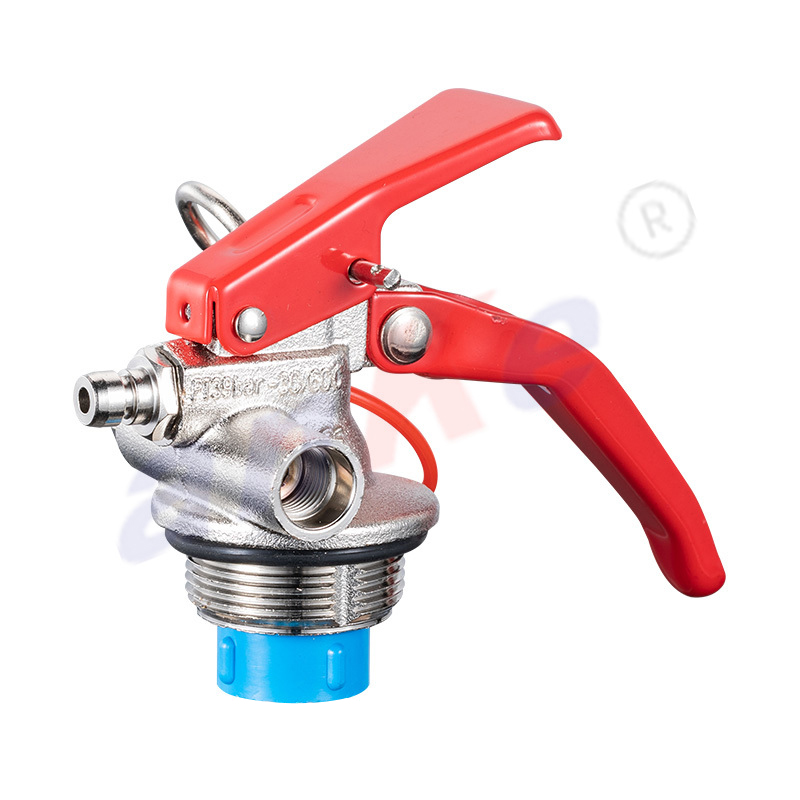
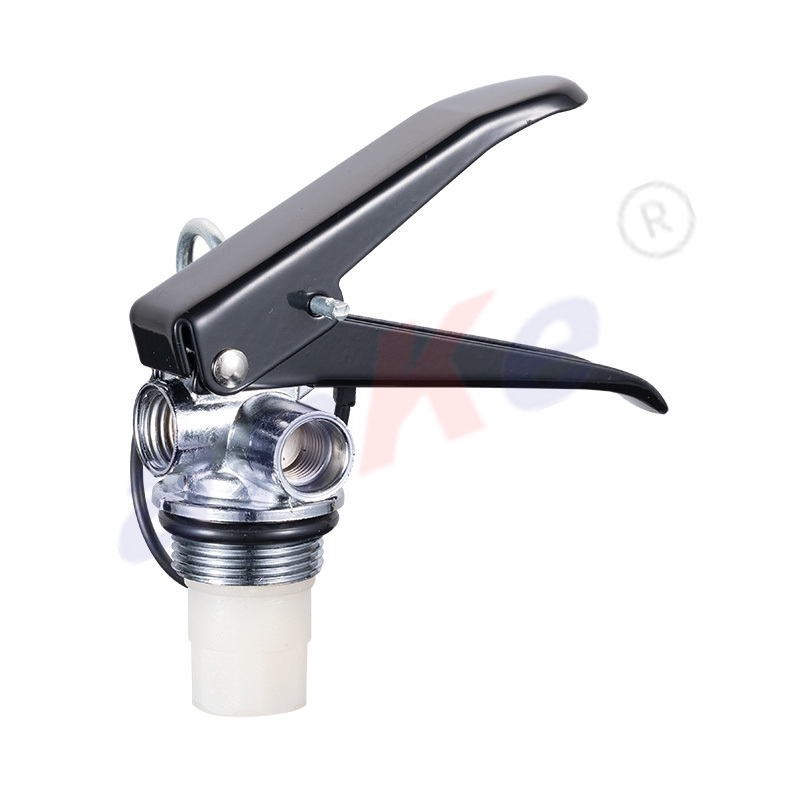
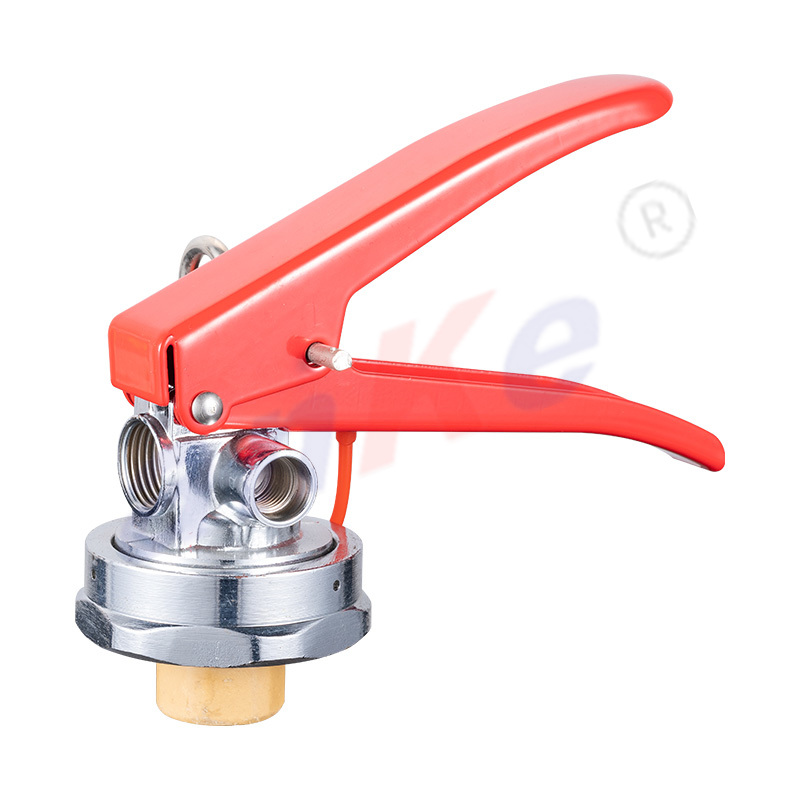
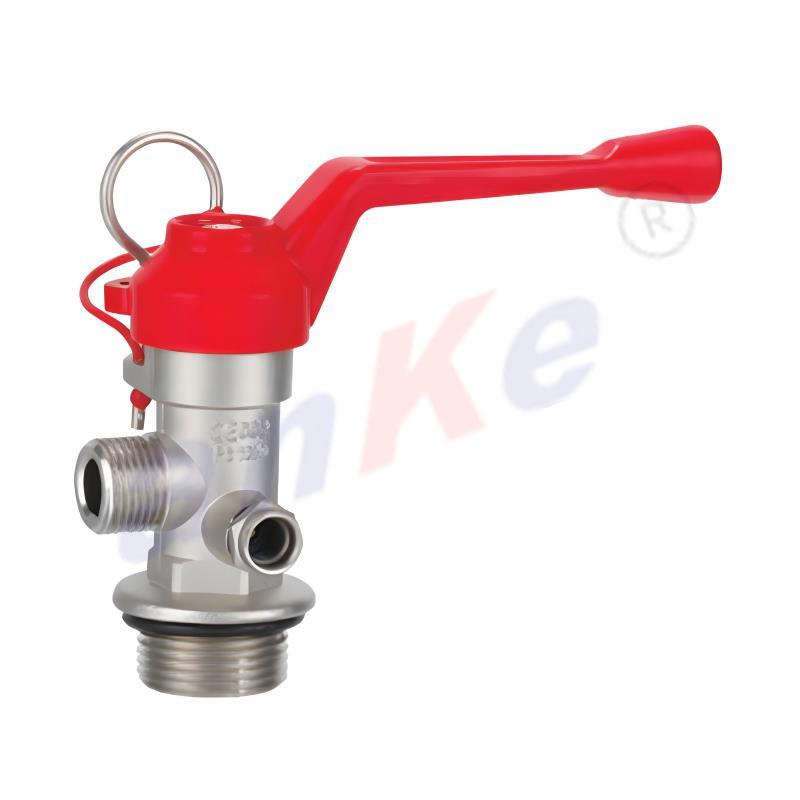
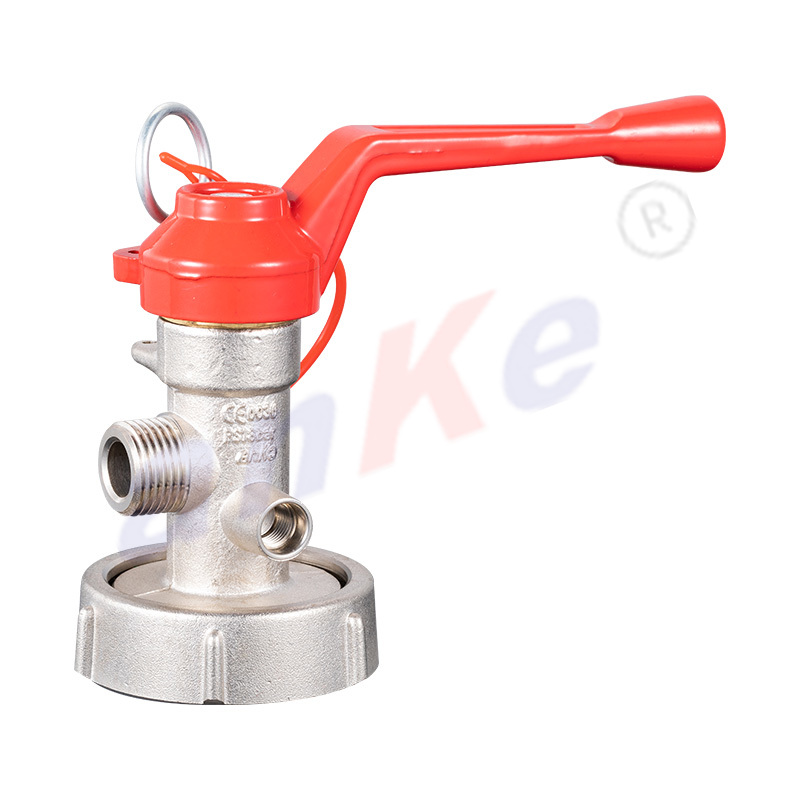
Routine maintenance is essential. Check the pressure gauge needle in the green zone, verify the safety pin and seal, and inspect the horn and hose for cracks. The valve's seal keeps the cylinder ready, which is why a CO2 fire extinguisher valve with stainless steel construction matters for facilities that need dependable performance.
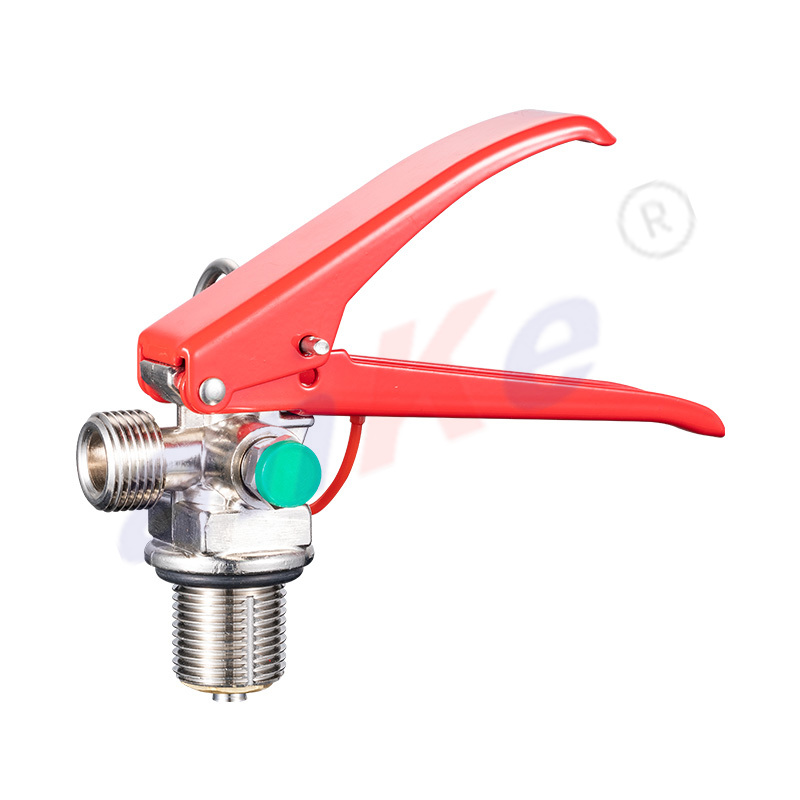 Custom 2-7KG CO2 Fire Extinguisher Red Handle Valve 2030 Suppliers, OEM/ODM FactNingbo Kaituo Valve Co., Ltd. is China 2-7KG CO2 Fire Extinguisher Red Handle Valve 2030 Suppliers and Custom 2-7KG CO2 Fire Extinguishe...View Product →
Final Word — Match the Extinguisher to the Fire
No single extinguisher answers every fire risk. CO2 protects valuable electrical assets, yet it can turn a kitchen fire into a building-wide emergency. Match the extinguisher to the risks that actually exist in each room.
| Fire scenario | Can CO2 be used? | Recommended agent |
|---|---|---|
| Cooking oil and fat fires (Class F / K) | Never | Wet chemical extinguisher or fire blanket |
| Flammable metal fires (Class D) | Never | Class D dry powder or dry sand |
| Flammable gas fires with open supply | No | Shut off gas first; ABC dry powder if needed |
| Deep-seated solid fires (Class A) | Generally not recommended | Water or foam extinguisher |
| Energized electrical equipment | Yes | CO2 or dry powder |
| Small liquid spill fires (Class B) | Yes, at early stage | CO2 or foam |
| Confined indoor spaces | With extreme caution | Water mist or foam |
| Outdoor windy areas | Not effective | Dry powder or foam |
Walk through your facility and list the fuels that could realistically catch fire. If you have fryers, add a wet chemical unit. If you have electrical rooms, add CO2. If both risks exist, you may need several types. A site-specific assessment is the only reliable approach.
For a broader comparison, review this fire extinguisher selection guide and verify your equipment against the hazards in each room. If you choose CO2 for electrical or IT environments, inspect valve quality and the pressure gauge as part of procurement, because those parts determine whether the extinguisher will be ready when you need it.
 Phone: +86-13456107058/+86-15967800709
 Tel: +86-574-62010128/+86-574-62010688
 E-mail:
  Factory: Huilong Village, Huangjiabu Town, YuyaoCity,Zhejiang Province, China





 Domestic Trade Manager
 Foreign Trade Manager
 VR Catalogue
