
 en
en  English
 中文简体
中文简体 Español

If you have ever looked at the black-horned extinguisher beside a server rack and asked what does a CO2 fire extinguisher stand for, the answer is straightforward: CO2 stands for carbon dioxide. A CO2 fire extinguisher is a portable device that stores carbon dioxide as a liquid under pressure and releases it as a gas to extinguish fire by removing oxygen and cooling the fuel. This carbon dioxide fire extinguisher guide explains what CO2 means on a fire extinguisher, which fires a CO2 unit can handle, how the extinguisher works, what to check in the hardware, and the safety rules that matter in practice.
What Does CO2 Stand For?
CO2 is the chemical formula for carbon dioxide. The molecule contains one carbon atom and two oxygen atoms. Carbon dioxide is colorless, odorless, non-conductive, and non-flammable. Those properties make it a practical fire suppressant: it can displace the oxygen around a fire without adding electrical conductivity or leaving chemical residue behind. After discharge, CO2 simply disperses into the air.
That is the main reason CO2 extinguishers are common around computers, electrical panels, laboratories, and vehicles. Where a dry chemical extinguisher leaves a corrosive powder that can ruin sensitive equipment, a CO2 extinguisher leaves nothing. It interrupts combustion by removing one side of the fire triangle: oxygen. In addition, when liquid CO2 expands into gas, the expansion absorbs heat and creates a cooling effect that helps prevent the fuel from re-igniting.
What Types of Fire Can a CO2 Fire Extinguisher Put Out?
CO2 is not a universal extinguisher. It is effective on certain fire classes and a poor choice for others. In North American fire class terminology, a typical portable CO2 extinguisher is suitable for Class B and Class C fires.
- Class B: flammable liquids. Gasoline, diesel, oil, paint, and solvents are examples. CO2 smothers the surface without spreading the burning liquid.
- Class C: energized electrical equipment. Because CO2 is non-conductive, it is a safe choice for live switchgear, computers, servers, and lab equipment.
CO2 should not be used as the primary extinguisher for ordinary combustibles or cooking oil fires.
- Class A: ordinary combustibles. Wood, paper, and textiles can smolder after the CO2 gas dissipates, allowing the fire to reignite.
- Cooking oils. In the U.S. this is Class K, and in some international systems it is Class F. The discharge velocity can splash hot oil and spread the fire.
These limitations explain why CO2 extinguishers are placed near electrical risks rather than general office areas. Common locations include server rooms, electrical rooms, laboratories, charging areas, and control rooms.
How Does a CO2 Fire Extinguisher Work?
Inside the cylinder, CO2 is stored as a liquid at high pressure, typically around 50 to 60 bar. When you squeeze the handle, the valve opens and liquid CO2 moves up a siphon tube toward the horn. At atmospheric pressure, it expands into gas immediately. The rapid expansion chills part of the CO2 into dry-ice particles, so the discharge temperature at the horn can reach roughly -78 degrees Celsius.
The cold, heavy CO2 gas settles over the fire and reduces the oxygen level around the fuel. At the same time, the cold gas cools the fuel surface and makes re-ignition harder. These two mechanisms explain why CO2 works well in enclosed rooms and poorly in open-air locations: wind can blow the gas away before it builds an effective layer. The effective stream is short, usually about 3 to 10 feet, and the discharge time can be as short as 10 to 30 seconds, so the operator must aim at the base of the fire and start from a safe distance.
Anatomy of a CO2 Fire Extinguisher: Key Components
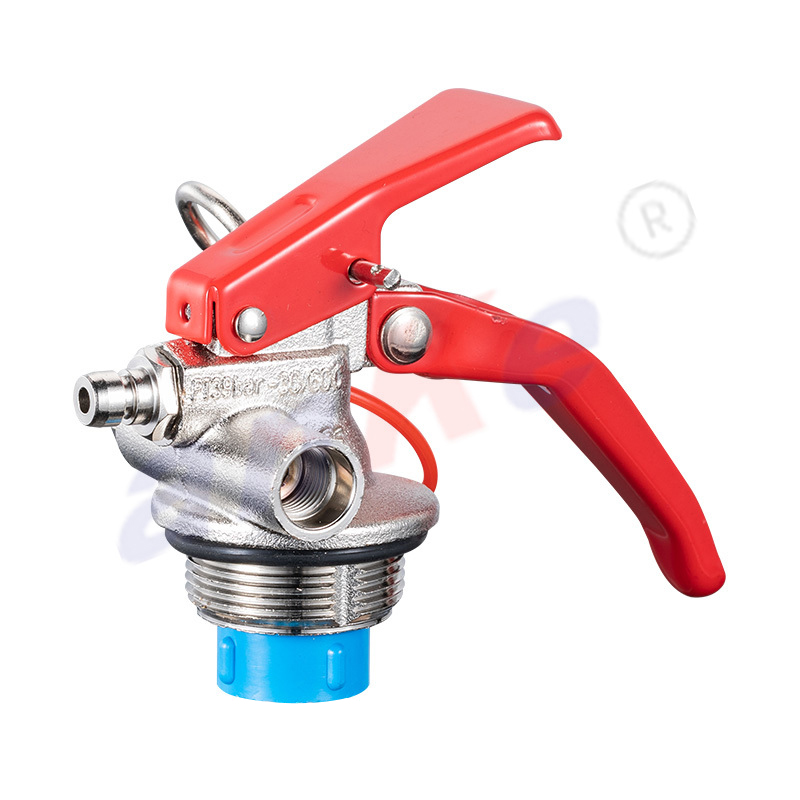
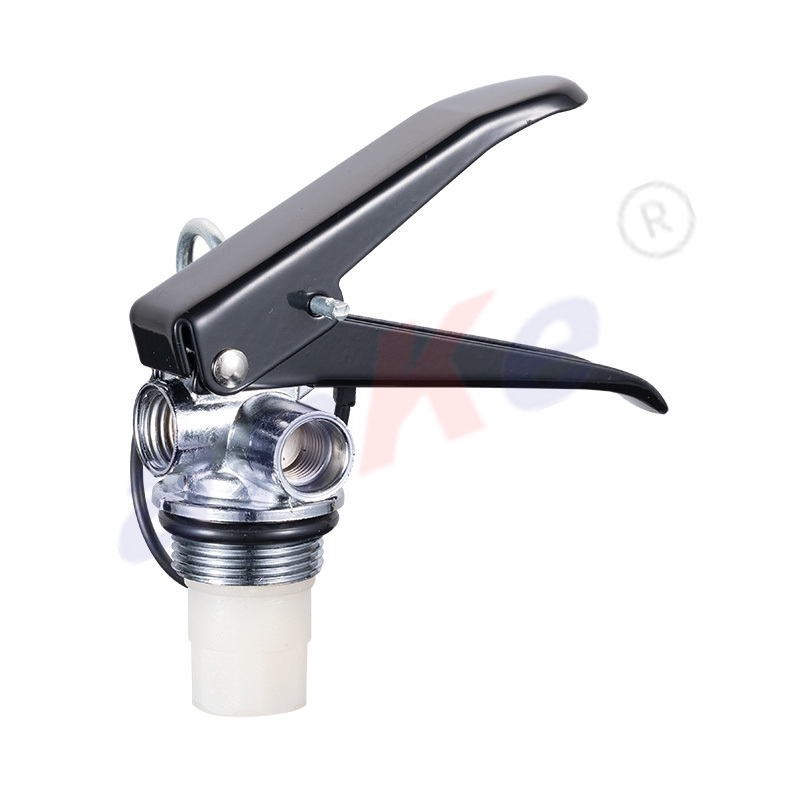
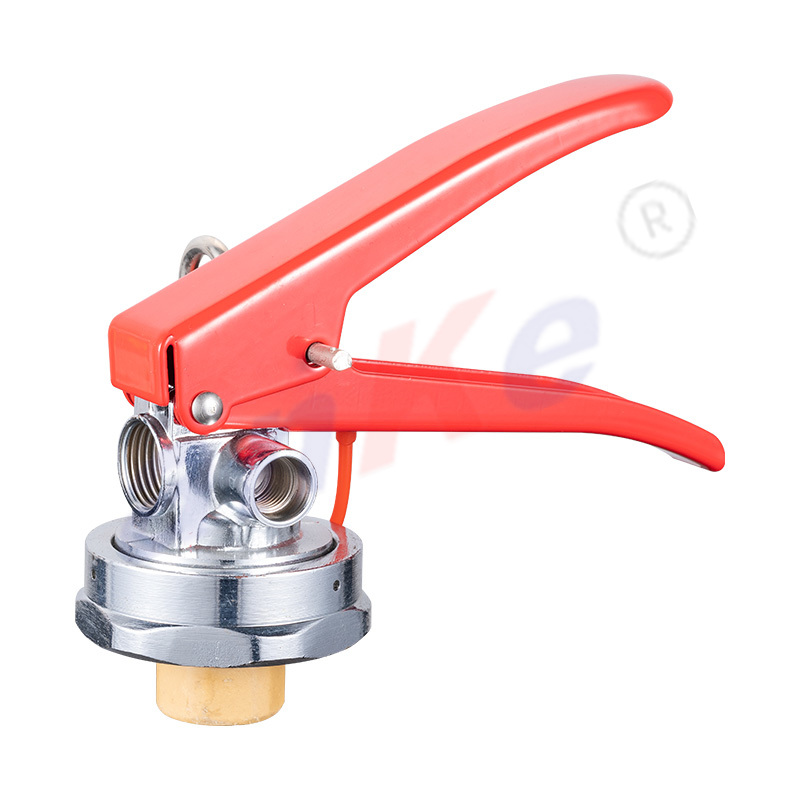
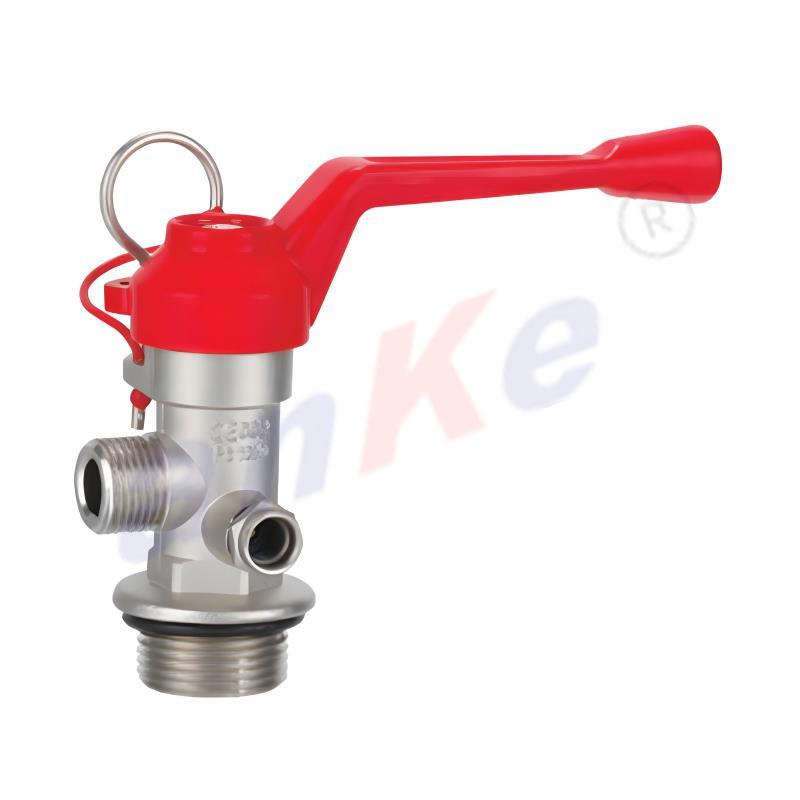
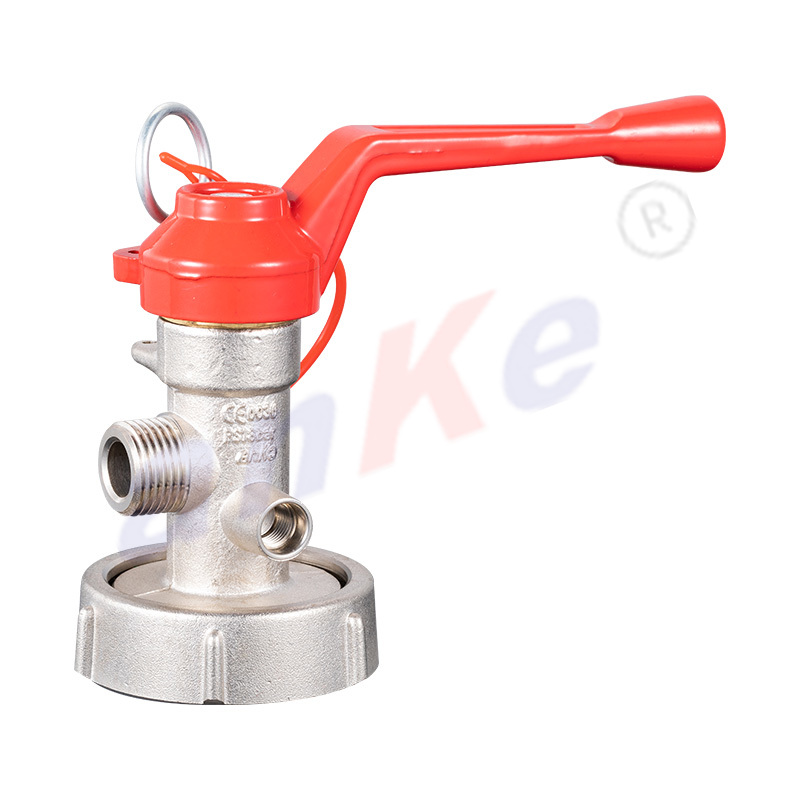
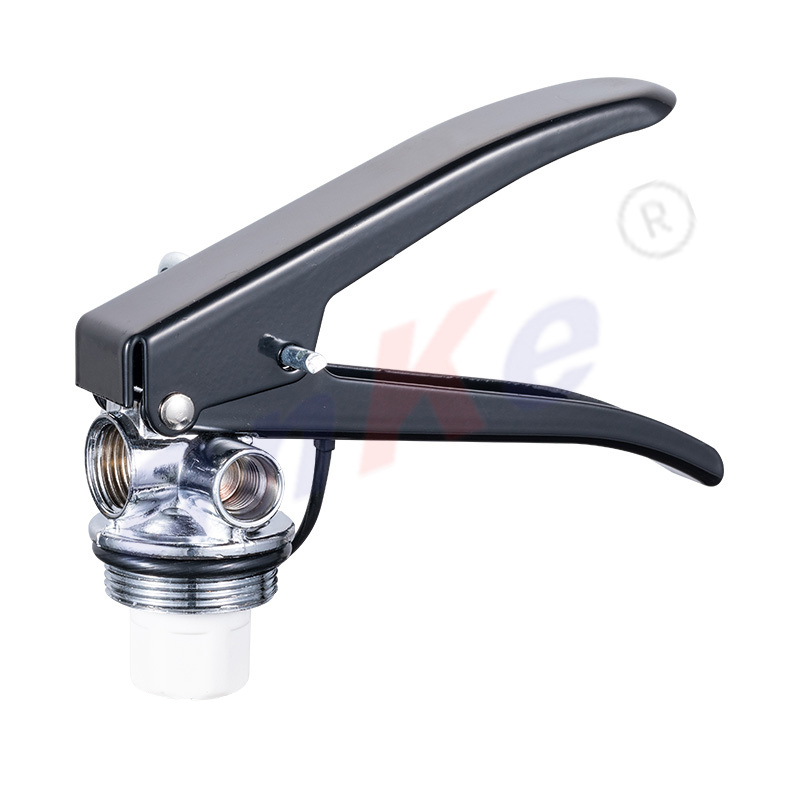
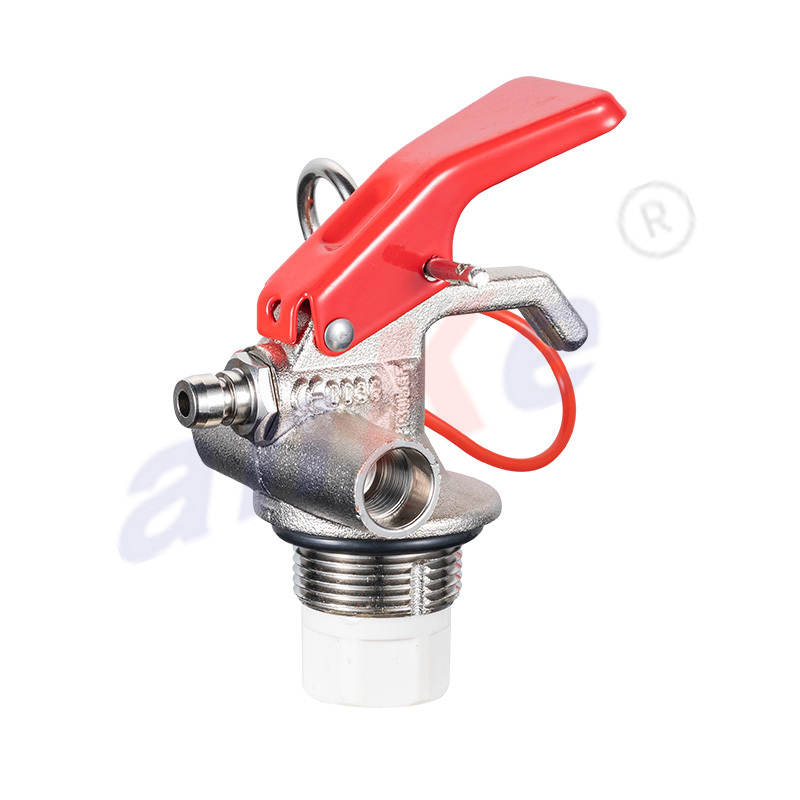
A CO2 extinguisher is a pressure system, and every component affects its reliability. From a manufacturer's perspective, the valve is the most important part of the extinguisher. The cylinder has to hold liquid CO2 at high pressure for years, but the valve has to seal that pressure, release it on demand, and keep the extinguisher safe during abnormal conditions such as heat exposure. Good valve assemblies include an overpressure relief device, a corrosion-resistant body, and a handle design that is easy to operate with gloved hands.
If you are comparing components, inspect brass-body CO2 fire extinguisher valves to see how body material and handle design influence long-term performance. For a deeper look at the release mechanism, you can read how CO2 extinguisher valves ensure safe discharge.
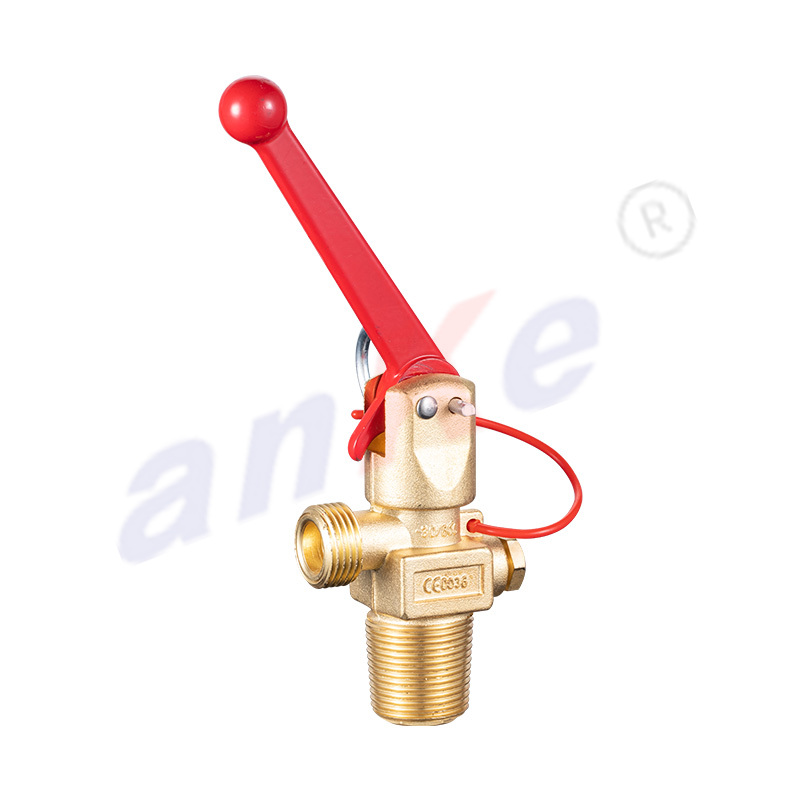 Custom 10-25KG CO2 Fire Extinguisher Applicable Brass Body Valve 2031 Suppliers,Ningbo Kaituo Valve Co., Ltd. is China 10-25KG CO2 Fire Extinguisher Applicable Brass Body Valve 2031 Suppliers and Custom 10-25KG CO2 F...View Product →
The other components matter too. A siphon tube carries liquid CO2 from the bottom of the cylinder to the valve; without it, the extinguisher would lose proper discharge as the cylinder empties. The horn, usually black, slows and spreads the gas so it can cover a wider area. It also acts as a visual identifier for CO2 extinguishers. Because the horn becomes extremely cold during discharge, it must be made from a non-conductive, low-temperature material. If you are sourcing spare parts, replacement horns for CO2 fire extinguishers are a routine purchase when the original cracks or is damaged.
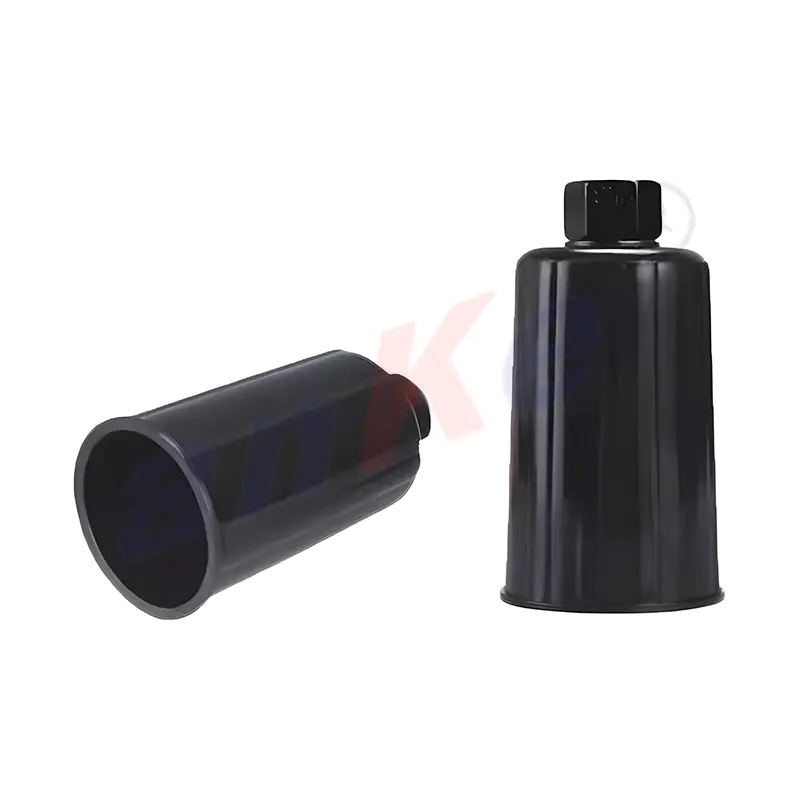 Custom CO2 Fire Extinguisher Spare Parts 1-3KG CO2 HORN 19-31 Suppliers, OEM/ODMNingbo Kaituo Valve Co., Ltd. is China CO2 Fire Extinguisher Spare Parts 1-3KG CO2 HORN 19-31 Suppliers and Custom CO2 Fire Extinguisher...View Product →
The hose between the valve and the horn must stay flexible at low temperatures, and the safety pin and tamper seal prevent accidental discharge during transport and storage. Unlike dry powder extinguishers, most CO2 extinguishers have no pressure gauge. Checking the unit usually means weighing it and comparing the weight to the marked service weight.
CO2 Fire Extinguisher vs. Other Types: How to Choose?
Choosing between CO2 and other extinguishers means matching the agent to the environment. CO2 is the strongest option for protecting electrical equipment because it leaves no residue and does not conduct electricity. Dry chemical extinguishers are better for general Class A and B protection because they have longer range and are less expensive, but the powder is corrosive and creates heavy cleanup after discharge. Foam extinguishers are effective on Class A and B fires and cost less, but they are not safe on live electrical equipment.
A typical office or research facility keeps CO2 units near electronics and a dry chemical or foam unit near ordinary combustibles. Portable CO2 extinguishers are usually sold in 2 kg and 5 kg sizes. A 2kg portable CO2 fire extinguisher for home use is small enough for a car, a kitchen, or a lab bench; a 5 kg unit is a better fit for commercial office or workshop areas.
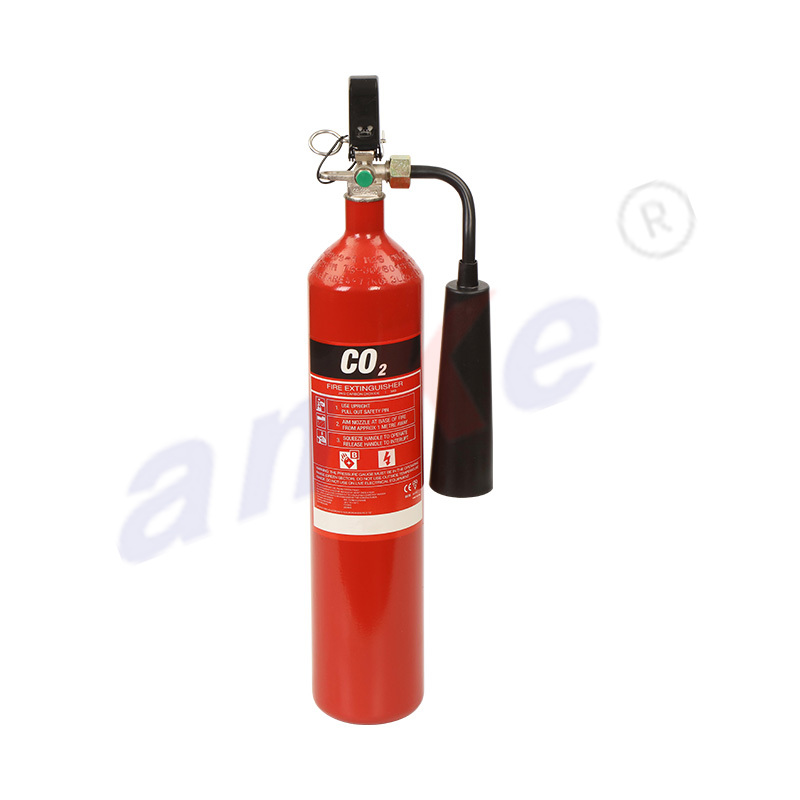 Custom 2KG Home Safety Emergency CO2 Alloy Steel Fire Extinguisher Suppliers, OENingbo Kaituo Valve Co., Ltd. is China 2KG Home Safety Emergency CO2 Alloy Steel Fire Extinguisher Suppliers and Custom 2KG Home Safety ...View Product →
| Feature | CO2 | ABC Dry Chemical | Foam |
|---|---|---|---|
| Best suited for | Class B, electrical | Class A, B, C | Class A, B |
| Residue after discharge | None | Corrosive powder | Foam film |
| Safe on live electrical equipment | Yes | Yes, but residue can damage gear | No |
| Typical discharge time | 10-30 seconds | 10-20 seconds | 30 seconds or more |
| Common concern | Short range and frostbite risk | Cleanup and visibility | Electrical hazard |
Safety Tips for Using and Maintaining a CO2 Fire Extinguisher
CO2 puts out fire by displacing oxygen, so ventilation matters. In a small room, the gas can lower the oxygen level enough to cause dizziness or suffocation. Leave the area ventilated and re-enter only after the gas has cleared.
Never touch the horn or the metal discharge path during operation. The discharge temperature can cause frostbite. Use the standard P.A.S.S. technique: Pull the pin, Aim at the base of the fire, Squeeze the handle, and Sweep across the base.
Stay after the flames go out. CO2 removes heat and oxygen while it is discharging, but once the gas dissipates, hot surfaces can flare up again. Keep the area monitored or have another extinguisher ready.
Maintenance is mostly about weight. Since CO2 extinguishers rarely have a gauge, weigh the unit and compare the result to the stated service weight on the label. Inspect the safety pin, tamper seal, hose, and horn for damage, and follow the manufacturer's schedule for hydrostatic testing, commonly every five years.
Conclusion
To answer the original question: a CO2 fire extinguisher stands for carbon dioxide, and that single chemical identity explains its strengths and limits. It is non-conductive, residue-free, effective on flammable liquids and electrical fires, and dangerous in confined spaces without ventilation. Use it close to the base of a fire, protect your hands from the cold discharge, and verify the unit's weight on a regular schedule.
Start by reviewing the hazard in your room, then choose the extinguisher class that matches it. If you need a complete unit or simply want to compare configurations, browse our CO2 fire extinguisher range to see what is available.
 Phone: +86-13456107058/+86-15967800709
 Tel: +86-574-62010128/+86-574-62010688
 E-mail:
  Factory: Huilong Village, Huangjiabu Town, YuyaoCity,Zhejiang Province, China





 Domestic Trade Manager
 Foreign Trade Manager
 VR Catalogue
