
 en
en  English
 中文简体
中文简体 Español

Most fire extinguishers tell you their status with a small needle on a pressure gauge. A CO2 fire extinguisher does not. That difference is why learning how to inspect a CO2 fire extinguisher properly is not just a matter of reading a dial—it requires a different set of checks, the most important of which is weighing the unit.
In this guide, we’ll walk you through the monthly visual inspection, the weighing method, and the cylinder markings that determine whether a CO2 unit is still legal to use. We’ll also make the boundary clear between what you can do yourself and what must be handled by a certified fire equipment service company.
Why CO2 Fire Extinguishers Need a Different Inspection Approach
CO2 extinguishers discharge by releasing pressurized carbon dioxide gas. The agent is stored as a liquid under its own vapor pressure, and that pressure remains more or less constant until the cylinder is nearly empty. Because a pressure gauge would look normal almost all the way down, manufacturers deliberately omit it. The only externally measurable signal that tells you how much agent remains is weight.
The cylinder itself is a high-pressure gas vessel rather than an ordinary fire extinguisher shell. In the United States, most CO2 cylinders are stamped DOT-3AA or DOT-3AL and are regulated by DOT 49 CFR Part 180. Under those rules, the cylinder must undergo a hydrostatic test every 5 years. That is a much shorter interval than the 12-year hydrostatic test cycle common for dry chemical extinguishers. When you inspect a CO2 fire extinguisher, you are therefore reviewing both its operational condition and its pressure-vessel compliance.
How to Inspect a CO2 Fire Extinguisher: Monthly Visual Checklist
The monthly inspection is a visual and physical check that does not require operating the extinguisher. In most workplaces, this task is assigned to the facility safety person or the floor manager. OSHA 1910.157(e) and NFPA 10 both expect extinguishers to be inspected frequently enough to ensure they are in the correct location, visible, and ready. A complete monthly pass on one CO2 unit should take about five minutes.
Location and Accessibility
Confirm that the extinguisher is on its bracket or wall hook, that the location is marked with the proper sign, and that nothing blocks access. A CO2 unit pushed behind boxes, shelving, or equipment is not available when it is needed. Check the instruction label as well. It should be clean, legible, and securely attached.
Tamper Seal and Safety Pin
The tamper seal is a plastic or wire tie that wraps around the safety pin and the valve. If the seal is broken or missing, the extinguisher may have been used or the pin may have been pulled. That is not a cosmetic issue. Record the finding and schedule a certified inspection. A missing safety pin should take the extinguisher out of immediate service until a technician has looked at the valve.
Cylinder Body, Hose, and Horn
Examine the cylinder for deep dents, corrosion, bulging, or cracks, especially around the shoulder and base. Surface rust can be cleaned, but pitting or rust-through needs a professional opinion. Check the hose for cracking, softening, or loose fittings. Then inspect the discharge horn. CO2 horns are often made of plastic or rubber, and cracks are easy to miss. A damaged horn can make the extinguisher ineffective or unsafe to handle. If the unit uses a replaceable horn, install a new 2KG CO2 horn with swivel bend before putting it back on the wall.
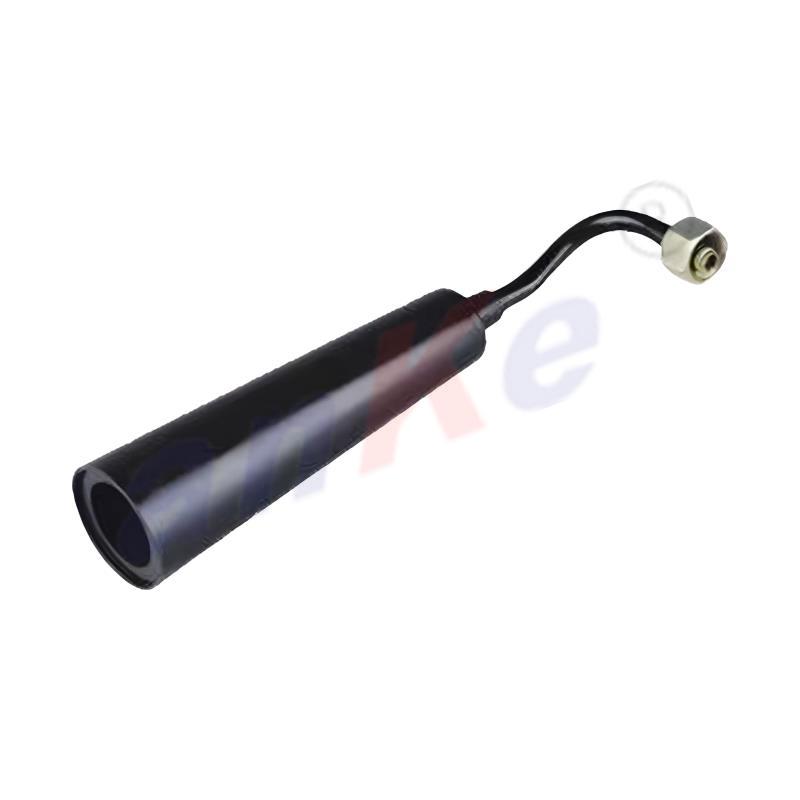
Replacement CO2 discharge horn with swivel bend, sized for 2kg cylinders
The Weighing Method: The Only Way to Verify a CO2 Fire Extinguisher Is Full
The only reliable way to confirm that a CO2 extinguisher still contains the rated amount of agent is to weigh it. You do not need to discharge the unit, and you do not need a special gauge. Every CO2 cylinder carries a tare weight stamp on the shoulder. Tare weight is the empty weight of the cylinder, including the valve but excluding the CO2.
- Read the tare weight from the shoulder stamp. It will appear as TARE, TW, or a number next to a weight unit.
- Weigh the complete extinguisher, including the horn and hose. For small units, a bathroom scale can give a quick answer, but for a compliance-grade result use a scale with 0.1 kg (0.2 lb) divisions.
- Subtract the tare weight from the total weight.
- Compare the result with the rated charge printed on the label or stamped on the cylinder.
The same process applies to a 2kg portable CO2 fire extinguisher as to a larger unit. Example: the label says 2 kg of CO2, and the shoulder is stamped TARE 8.2 kg. If the scale reads 10.1 kg, the net agent weight is 10.1 - 8.2 = 1.9 kg. That is 0.1 kg below the rating, or 5%. Under a strict 5% rule, the unit needs recharging; under a 10% rule, it is still acceptable. The point is to know which rule applies to your site and to record the number.
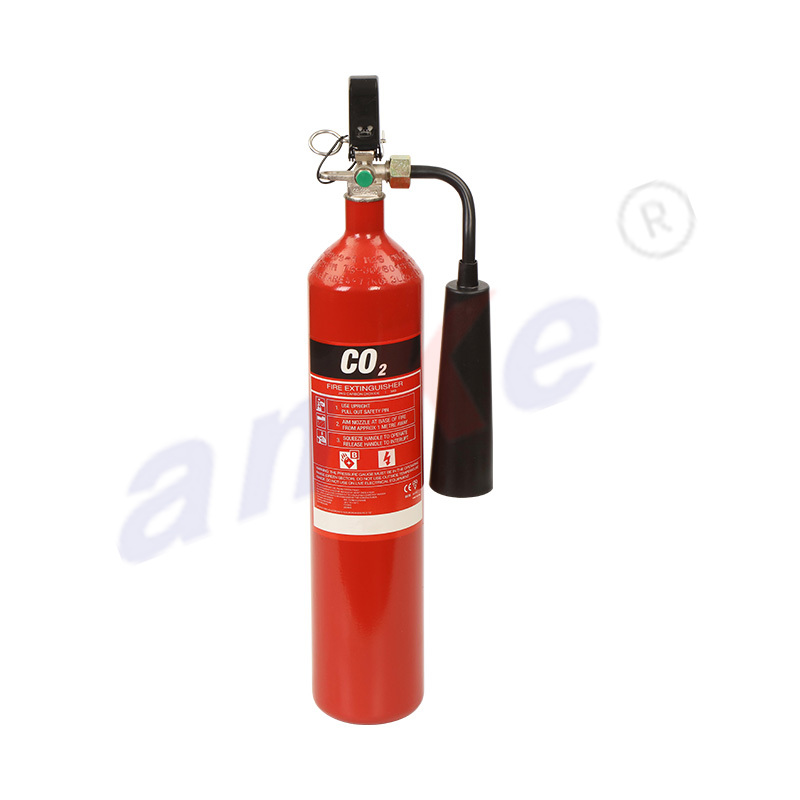
2kg alloy steel CO2 cylinder used in the tare-weight worked example above
Reading the Cylinder Markings: Manufacture Date and Hydrostatic Test Date
The stamped pattern on the cylinder shoulder can look confusing, but it follows a standard format. You will typically see a DOT specification such as DOT-3AL or DOT-3AA, a serial number, a manufacture date, and a hydrostatic test date. Dates are usually written as MM-YYYY. A stamp that reads DOT-3AL 05-2021 means the cylinder was made in May 2021. A separate stamp reading HYD 09-2024 means it passed a hydrostatic test in September 2024.
CO2 fire extinguishers do not have a fixed expiration date. The age of the steel is not the deciding factor; the recent hydrostatic test date is. Because CO2 cylinders operate at high pressure, DOT 49 CFR Part 180 requires a hydrostatic retest every 5 years. If the most recent test date is older than 5 years, the cylinder cannot be refilled and should not remain in active service until it is retested. If no readable test date is present, treat the unit as expired and schedule a professional evaluation.
Annual Professional Inspection and Hydrostatic Testing
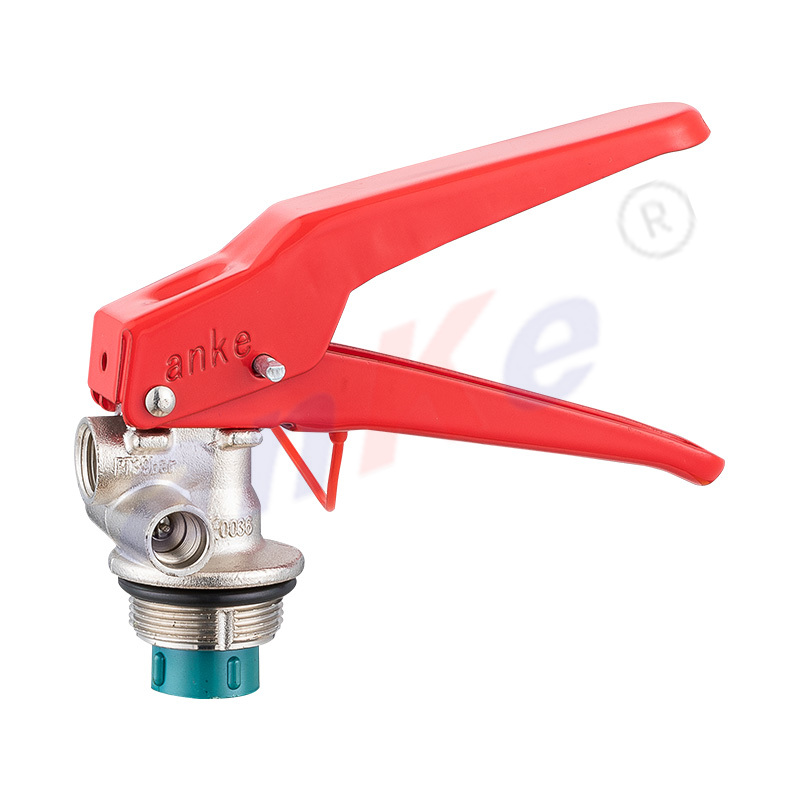
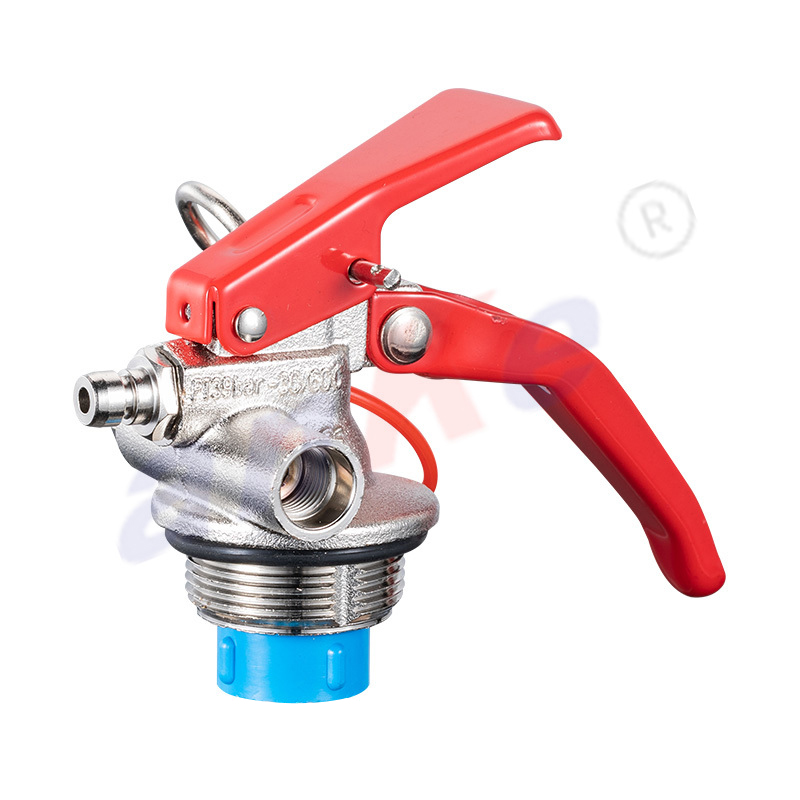
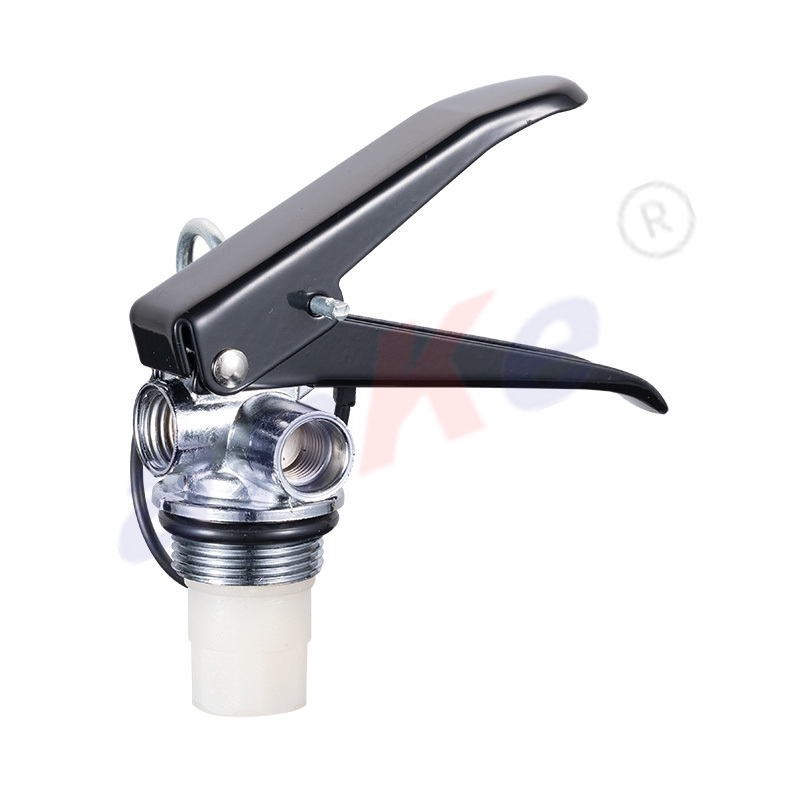
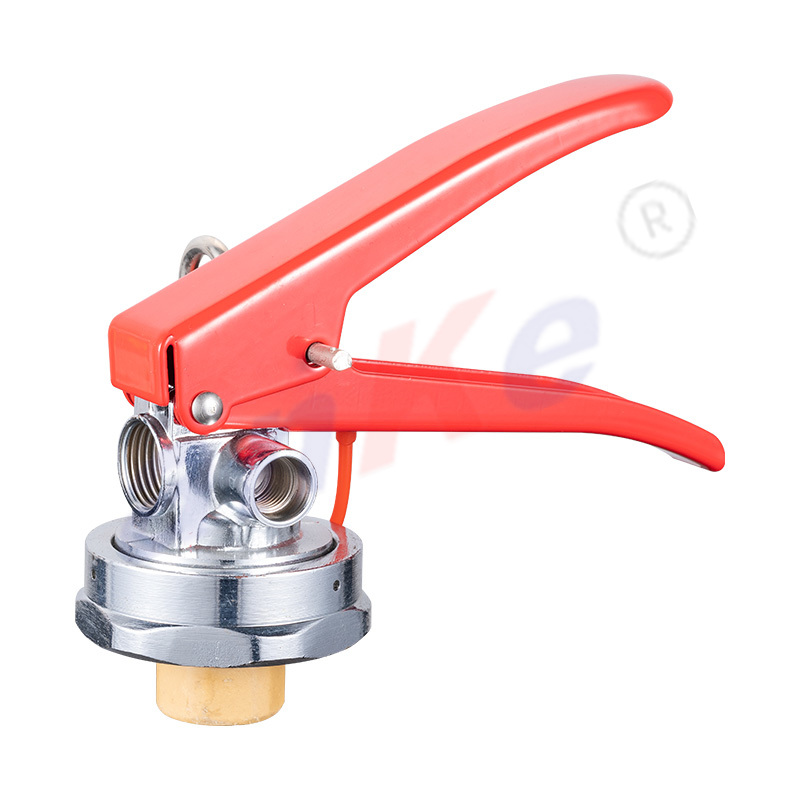
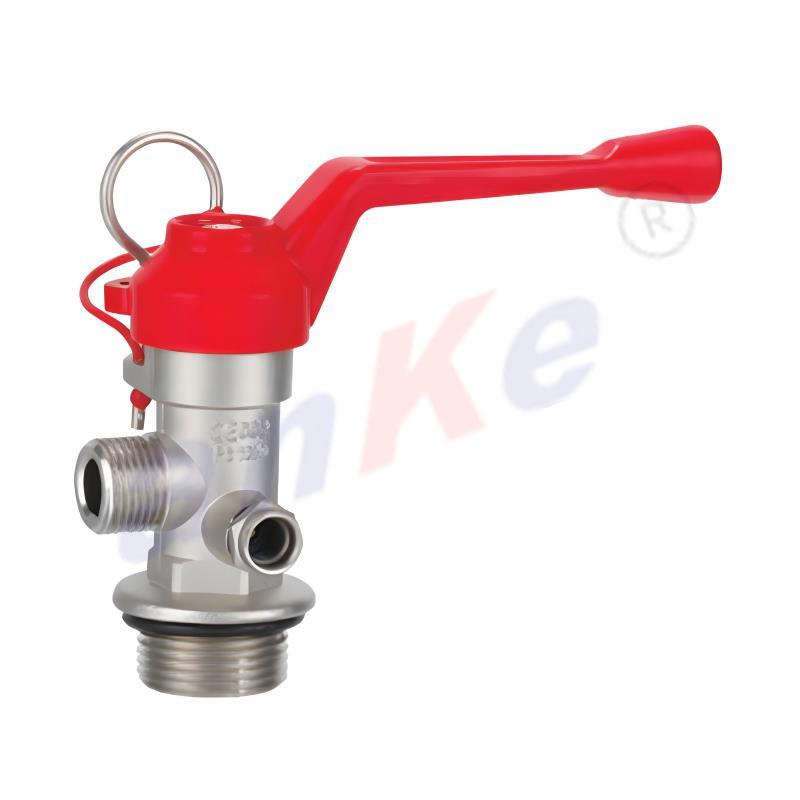
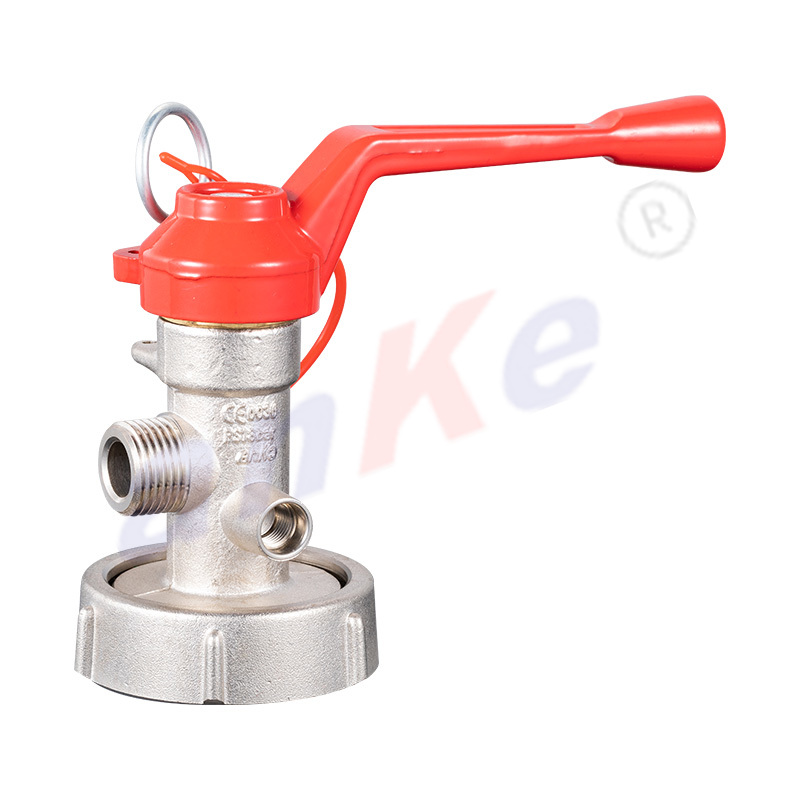
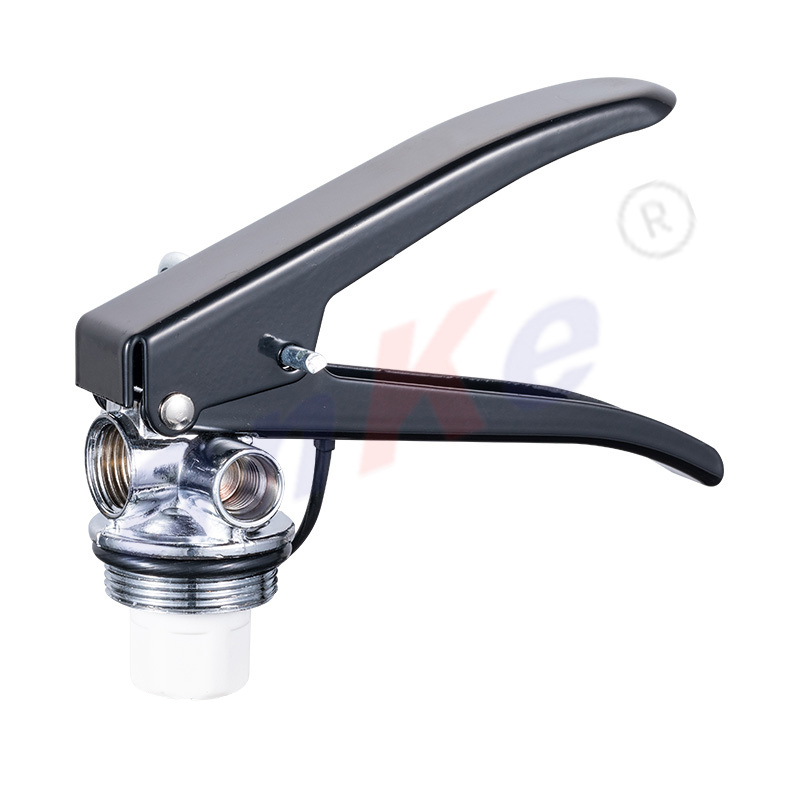
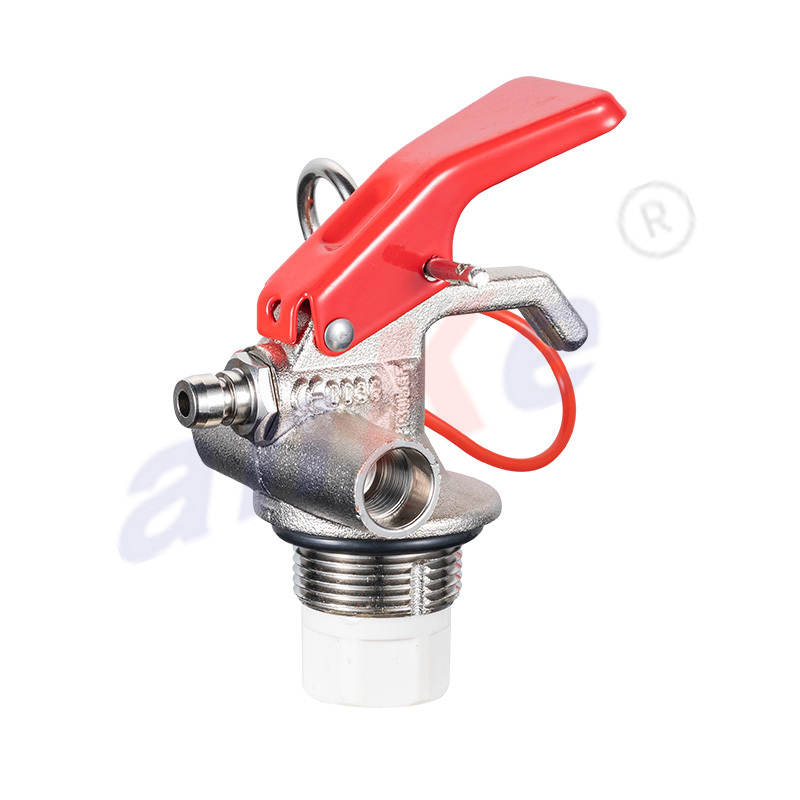
Monthly checks never replace the annual professional inspection. The technician removes the valve and checks the internal components: the valve seat, the safety release, the discharge tube, and the O-ring seals. This is the level of inspection that catches small internal leaks and worn parts. Understanding the internal components of CO2 fire extinguisher valves helps explain why the annual check is so specific. A valve that opens only partway, for example, could allow a slow leak without any visible external sign.
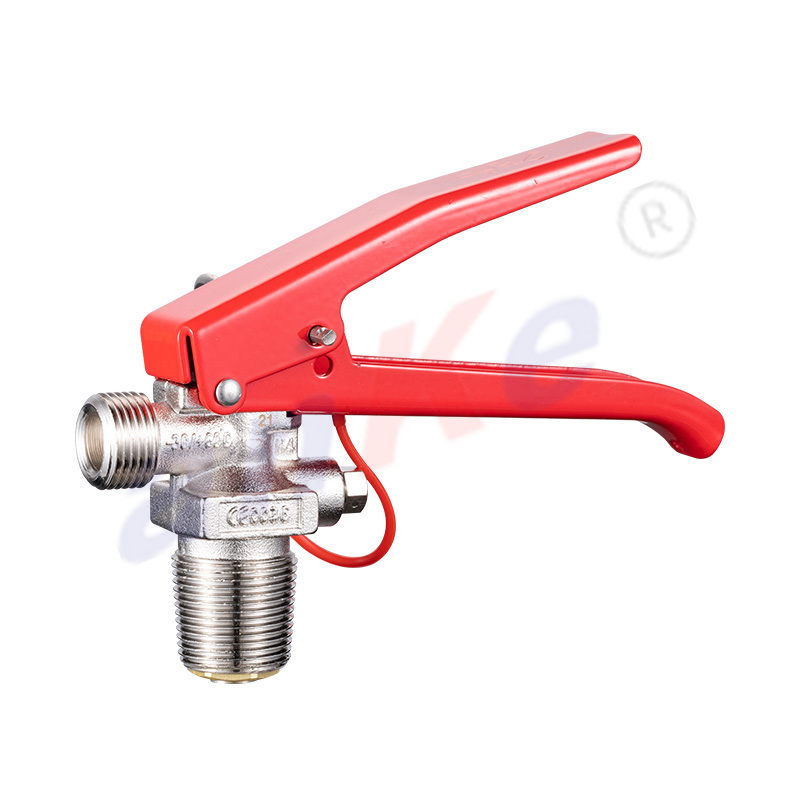
CO2 extinguisher range engineered for consistent valve seating and leak-free discharge
Beyond the annual maintenance check, every 5 years the cylinder must be hydrostatically tested. The hydro test puts water pressure inside the cylinder and measures whether it expands within safe limits. If it passes, the test date is stamped on the shoulder and the unit can be refilled. If it fails, the cylinder is condemned and must be recycled or replaced.
Who is allowed to do these tasks? The monthly visual check and weighing pass can be done by your own staff, as long as they are trained to recognize problems. The annual maintenance and the 5-year hydrostatic test must be performed by a certified fire equipment service company or a DOT-licensed test facility. This difference matters for compliance, and it also matters for safety.
What to Do If You Find a Problem
Some findings are minor, some are immediate service issues, and some mean the extinguisher must leave service altogether. Use this decision path.
- Broken or missing tamper seal: mark the unit, note it on the inspection log, and arrange a certified check.
- Bent or missing safety pin: take the unit out of service and have the valve inspected.
- Cracked, blocked, or missing discharge horn: take the unit out of service and replace the horn before returning it to use.
- Net CO2 weight below the recharge threshold: schedule a recharge. Do not assume a light cylinder will still produce a full discharge.
- Deep dents, severe corrosion, bulges, cracked welds, or a leak at the valve: stop using the unit immediately. The cylinder may need to be replaced rather than repaired.
- Do not use an extinguisher if you are not certain it is safe. Treat any doubt as a reason to call a certified technician.
When replacements are needed, choose components that match the cylinder and valve specifications. Many facility owners find it practical to keep a small stock of CO2 fire extinguisher spare parts and accessories on hand for quick swaps. Always verify compatibility before replacing parts.
CO2 Extinguisher Inspection Checklist: Quick Reference
Here is the inspection sequence in a form you can post near your extinguisher station or use as a training aid. The monthly rows belong to the facility team; the annual and 5-year rows belong to certified technicians.
| Frequency | What to check | If the check fails |
|---|---|---|
| Monthly | Extinguisher is visible, accessible, and on its bracket. | Clear the area or relocate the unit. |
| Monthly | Tamper seal and safety pin are intact. | Tag the unit and arrange a certified inspection. |
| Monthly | Cylinder has no deep dents, corrosion, bulges, or cracks. | Take the unit out of service if damage is significant. |
| Monthly | Hose and discharge horn are free of cracks and blockages. | Replace the horn or hose before the next use. |
| Monthly | Net weight is within tolerance of the rated charge. | Schedule a recharge if weight loss exceeds the threshold. |
| Annually | Certified maintenance inspection of the valve, safety device, and seals. | Repair or replace components as recommended. |
| Every 5 years | Hydrostatic test date is current under DOT 49 CFR Part 180. | Have the cylinder retested or replace it. |
A CO2 extinguisher can serve reliably for decades if it is inspected on the right schedule and repaired with the right parts. The monthly visual check and the weighing pass take almost no time. The annual inspection and the 5-year hydrostatic test keep the pressure vessel legal and safe. When you understand why CO2 extinguishers are different—and how to inspect the parts that matter—you can keep every unit in your building ready for the moment it is actually needed.
Where CO2 Extinguishers Are Required and Why the Agent Fits
Not every fire risk calls for the same agent, and CO2 earns its place in a building's fire plan for a specific reason: it leaves nothing behind. Once the gas disperses, there is no powder to vacuum out of a server rack, no wet residue on a manuscript, and no conductive film sitting on live electrical contacts. The eight settings below are where that property turns into a real safety requirement rather than a nice-to-have.
Data Centers and Server Rooms
A powder-based agent would coat every board and connector in a rack, turning a small fire into a total hardware write-off. CO2 suppresses the flame and evaporates without leaving a residue that could short a circuit board later.
Electrical Panels Near Cooking Lines
Kitchen fire suppression usually centers on wet chemical systems for the cooking surfaces themselves, but the electrical panel feeding that line needs a non-conductive agent close by, which is exactly what a CO2 unit provides.
Laboratories and Clean Rooms
Sensitive instruments, sample storage, and controlled environments cannot tolerate the contamination that a dry chemical discharge would leave behind, making a clean, residue-free agent the standard choice for lab fire response.
Engine Rooms and Machinery Spaces
Diesel and fuel-line fires in a confined engine space respond well to a smothering agent that does not need to be scrubbed off precision machinery afterward, which is why CO2 remains common on vessels alongside fixed flooding systems.
Electrical Switchgear and Transformer Rooms
Anywhere high-voltage equipment is present, an extinguishing agent must not conduct electricity back toward the operator. CO2 gas carries no charge, which makes it a standard rating for Class C electrical fire risk.
Press Rooms and Ink Storage Areas
Solvent-based inks and press electronics sit close together on a production floor, and a residue-free discharge avoids ruining paper stock or press rollers the way a powder agent would.
Museums, Archives, and Libraries
Irreplaceable documents and artifacts cannot be exposed to corrosive dry chemical powder, so collections storage rooms are commonly equipped with CO2 units as a first line of portable response.
Paint Booths and Spray Areas
Flammable solvent vapors in a paint booth pair badly with an agent that could scatter dust into the airflow. A clean-discharge unit reduces the chance of secondary contamination across a freshly painted surface.
Comparing CO2 Against Other Portable Extinguishing Agents
Choosing between agent types is easier once the common options sit side by side against the same set of practical questions. CO2 wins on cleanliness and electrical safety, while other agents cover fire classes CO2 cannot touch, so the right unit almost always depends on what is actually stored or wired in the room.
| Criteria | CO2 | Dry Chemical (ABC/BC) | Foam (AFFF) | Wet Chemical |
|---|---|---|---|---|
| Primary fire classes | B, C | A, B, C | A, B | K, some A |
| Residue after discharge | None | Fine powder over the entire area | Wet foam blanket | Wet, soapy film |
| Electrically conductive | No | No when dry, risk if damp | Yes, avoid on live equipment | Yes, avoid on live equipment |
| Corrosion risk to nearby equipment | Low | Moderate to high | Moderate | Low to moderate |
| Typical cylinder retest cycle | 5 years | 12 years | 5 years | 5 years |
| Best fit | Electronics, labs, electrical rooms | General-purpose coverage | Flammable liquid spills, storage areas | Commercial kitchen cooking appliances |
Fire Classifications a CO2 Extinguisher Is Actually Rated For
A CO2 extinguisher's rating label is not a marketing detail; it defines exactly which fires the unit is expected to control. Reading the classification correctly prevents a unit from being relied on outside its actual capability.
Class B
Flammable liquids such as solvents, oils, and fuels. CO2 smothers the surface by displacing oxygen, which is effective on pooled or splashed liquid fires.
Class C
Fires involving energized electrical equipment. CO2's non-conductive discharge makes it the standard choice for panels, motors, and switchgear that cannot be de-energized quickly.
Class A (limited)
Ordinary combustibles like paper, wood, and cloth. CO2 can knock down small surface flames but has little cooling effect, so re-ignition is a real risk and it is not rated as a primary Class A agent.
Not Rated
Cooking oil fires (Class K) and combustible metal fires (Class D) need a wet chemical or specialty dry powder agent respectively; a CO2 unit should not be the primary response for either.
Frequently Asked Questions From Facility and Safety Managers
Why doesn't a CO2 extinguisher have a pressure gauge?
The CO2 inside the cylinder sits as a liquid under its own vapor pressure, and that pressure stays close to its starting value until the cylinder is almost completely empty. A gauge reading full for 95% of the unit's service life would give a false sense of security, so weighing the cylinder is used instead as the only accurate way to measure remaining agent.
Can a CO2 extinguisher be used safely in a small enclosed room?
CO2 displaces oxygen as it discharges, which is part of how it suppresses fire, so a large discharge in a small, poorly ventilated space can create a breathing hazard for anyone still inside. Standard guidance is to discharge from the doorway when possible and ventilate the space immediately afterward before re-entry.
What's the difference between a DOT-3AA and a DOT-3AL cylinder?
DOT-3AA describes a seamless steel cylinder, while DOT-3AL describes a seamless aluminum cylinder, and both are rated for the same class of high-pressure service under DOT 49 CFR Part 180. The material choice mainly affects weight and corrosion behavior rather than the retest interval, which is 5 years for both.
Can facility staff refill a CO2 extinguisher themselves?
Refilling requires precise weighing equipment, a CO2 supply, and training on the valve assembly, which is why recharge work is performed by a certified fire equipment service company rather than in-house staff. In-house responsibility stops at the monthly visual check and the weighing pass described earlier in this guide.
What happens if a cylinder fails its hydrostatic test?
A cylinder that fails the water-pressure test is condemned on the spot by the testing facility and cannot be refilled or returned to service under any circumstances. The only path forward is replacement with a new cylinder that carries a fresh manufacture stamp and test date.
Do CO2 extinguishers expire on a fixed timeline?
There is no fixed expiration date printed on the unit the way there might be on a food product; what determines whether it can stay in service is the most recent hydrostatic test date relative to the 5-year cycle, combined with a passing monthly and annual inspection record.
Is a heavier-than-expected reading ever a problem?
An overweight reading is uncommon but can indicate moisture or foreign material trapped inside the valve assembly, which should be flagged to a certified technician rather than assumed to mean extra protection, since it may point to a fault rather than a benefit.
Why do some facilities choose wheeled CO2 units over handheld ones?
Larger risk areas such as generator rooms or industrial switchgear bays often need more discharge time and range than a handheld cylinder can deliver, so a wheeled unit with a larger CO2 charge is specified to cover that extended area from a single position.
Configuration Options Available From Our Production Line
Facilities rarely need just one extinguisher size or mounting style, and specifying the wrong configuration usually surfaces only after installation, when the wrong bracket or the wrong horn shows up on site. We build CO2 units and their accessories as a configurable range so each order can be matched to the site plan before it ships.
Cylinder capacity
Handheld cylinders from 2kg through 7kg cover most indoor rooms, while wheeled units up to 45kg extend coverage across larger industrial and marine spaces.
Cylinder material and finish
Alloy steel or aluminum cylinders are available with a painted, powder-coated, or polished finish to match indoor, outdoor, or marine exposure conditions.
Valve and horn assembly
Swivel-bend horns, fixed horns, and extended discharge hoses can be paired with the valve type your site standard specifies.
Mounting and cabinet options
Wall brackets, vehicle mounts, and weatherproof cabinets are available for units installed outdoors or in exposed industrial areas.
Labeling and language
Instruction labels, inspection tags, and rating markings can be produced in the language and layout required for the destination market.
Spare parts kits
Matched sets of horns, safety pins, tamper seals, and valve components can be packaged together so facility teams can restock without ordering each part separately.
How Each Cylinder Is Verified Before It Leaves the Factory
A CO2 cylinder is a pressure vessel before it is anything else, so verification happens at each stage of production rather than only at the end. The sequence below reflects the order a unit actually moves through on the line.
Raw material and weld inspection
Steel or aluminum stock and, where applicable, weld seams are checked against material and dimensional specifications before the cylinder shell is finished.
Hydrostatic pressure test
Every cylinder is pressure tested with water before it is filled, confirming it holds and recovers within the expansion limits required for its DOT rating.
Valve torque and leak test
The valve assembly is torqued to specification and checked for leaks at the threaded connection before the cylinder is approved for charging.
Fill weight calibration
CO2 charge weight is verified against the rated fill on a calibrated scale, and the tare weight stamp is checked for legibility before the shoulder markings are applied.
Final functional and visual check
The finished unit is checked for proper pin seating, tamper seal placement, correct horn or hose fit, and clean, legible labeling before packing.
Building a Recordkeeping Routine Around Your Inspection Schedule
A single inspection is only as useful as the record left behind it. Facilities that stay consistently compliant tend to treat recordkeeping as part of the inspection itself rather than a separate paperwork task done later. The practices below extend past the monthly checklist covered earlier in this guide.
Attach a dated inspection tag to each unit and initial it at every monthly pass so gaps in the schedule are visible at a glance.
Keep a running log of net weight readings per unit, since a gradual downward trend over several months can flag a slow leak before it fails a check outright.
Track hydrostatic test dates on a separate calendar from routine maintenance, since missing the 5-year window takes a cylinder out of service regardless of its physical condition.
Store a small inventory of tamper seals, safety pins, and horns so a minor finding can be corrected the same day instead of leaving a unit out of service.
Refresh staff training on the monthly checklist periodically, particularly after any personnel change in the safety or facilities team.
Plan cylinder replacement budgets around the retest cycle rather than reacting to a failed hydro test, since planned replacement is cheaper than emergency sourcing.
Glossary of Terms Used on CO2 Cylinder Markings and Labels
| Term | Meaning |
|---|---|
| Tare weight | The empty weight of the cylinder and valve, stamped on the shoulder, used as the baseline for the weighing method. |
| DOT-3AA / DOT-3AL | Specification stamps identifying a seamless steel (3AA) or seamless aluminum (3AL) high-pressure cylinder under DOT 49 CFR Part 180. |
| Hydrostatic test | A water-pressure test performed every 5 years on CO2 cylinders to confirm the vessel still expands within safe limits. |
| Vapor pressure | The self-generated pressure of the liquid CO2 inside the cylinder, which stays largely constant regardless of how much agent remains. |
| Discharge horn | The funnel-shaped nozzle at the end of the hose that directs and expands the CO2 gas as it leaves the cylinder. |
| Siphon tube | An internal tube that draws liquid CO2 from the bottom of the cylinder up to the valve when the unit is discharged. |
| Safety pin | The pin that locks the discharge lever in place until deliberately pulled, preventing accidental discharge. |
| Tamper seal | A plastic or wire tie through the safety pin that shows at a glance whether the unit has been operated or handled since its last check. |
| Class B / Class C | Fire ratings for flammable liquids (B) and energized electrical equipment (C), the two categories a CO2 extinguisher is primarily rated for. |
If you are specifying CO2 units, replacement horns, or valve assemblies for a new site, our team can match cylinder size, mounting style, and labeling to your facility's compliance requirements before the order ships.
 Phone: +86-13456107058/+86-15967800709
 Tel: +86-574-62010128/+86-574-62010688
 E-mail:
  Factory: Huilong Village, Huangjiabu Town, YuyaoCity,Zhejiang Province, China





 Domestic Trade Manager
 Foreign Trade Manager
 VR Catalogue
