
 en
en  English
 中文简体
中文简体 Español

Introduction: Clean Suppression for Electrical and Liquid Fires
Carbon Dioxide (CO2) Extinguishers are high-pressure, non-conductive fire suppressants primarily used for Class B (Flammable Liquids) and Class C (Electrical Equipment) fires. They work by displacing oxygen (smothering) and cooling the burning material (particularly effective for B fires). CO2 is a "clean agent" because it leaves no residue, making it ideal for protecting sensitive electronics, data centers, and industrial machinery.
These extinguishers are easily identified by their distinct hard horn/nozzle (which must be held by the handle to avoid freeze burn) and the absence of a pressure gauge. The CO2 is stored as a liquid under high pressure (up to 1800 psi or 124 bar) in a seamless steel or aluminum cylinder. Since the pressure is temperature-dependent, the cylinder's readiness is always verified by weight measurement (NFPA 10).
Common sizes are 5 lb, 10 lb, 15 lb, and 20 lb units, with larger units typically mounted on wheeled carts. (Approx. 540 words)
Related Products
-
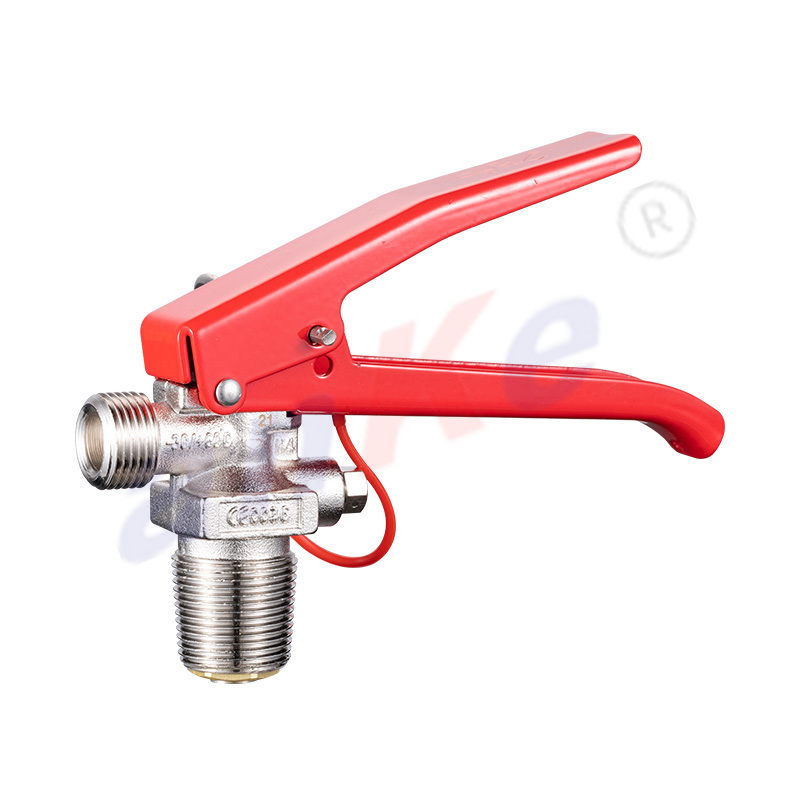
2-9KG Carbon Dioxide Fire Extinguisher valve Brass Valve 2048
-
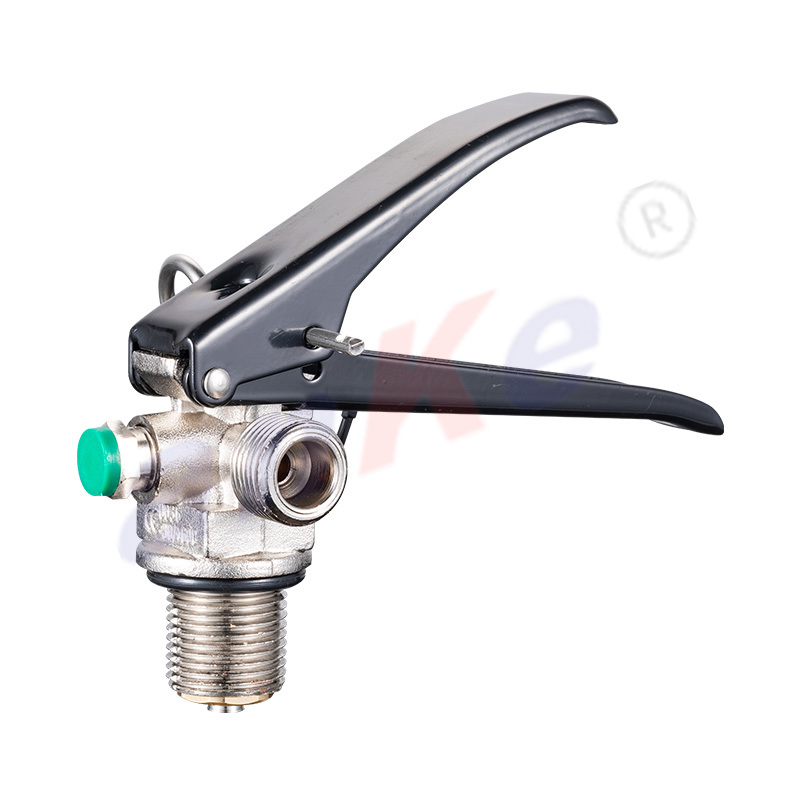
2-9KG Portable CO2 Fire Extinguisher Valve 2021
-
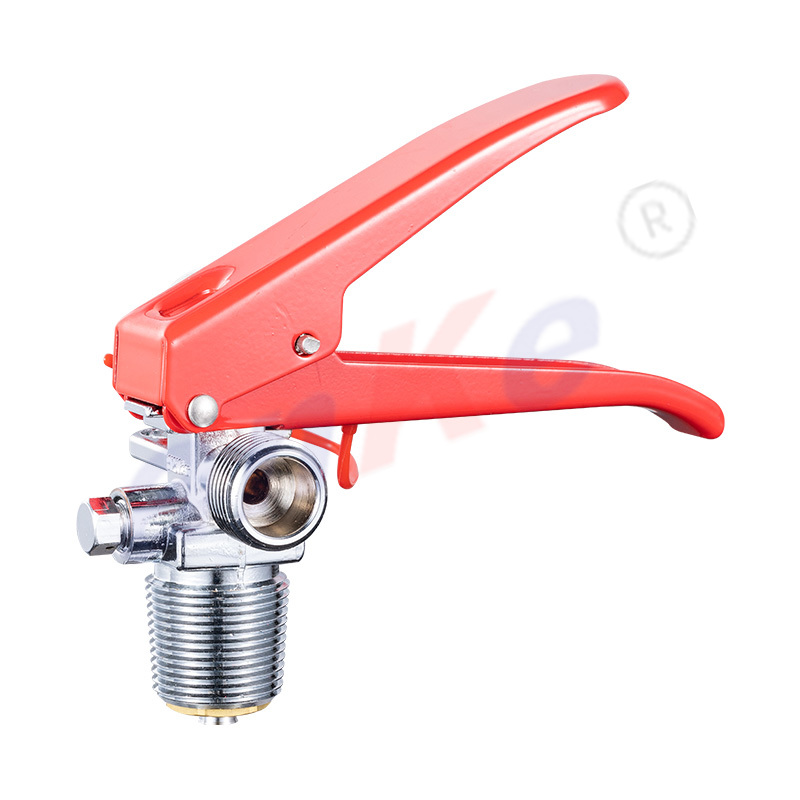
2-9KG CO2 Fire Extinguisher Copper Valve 2045
-
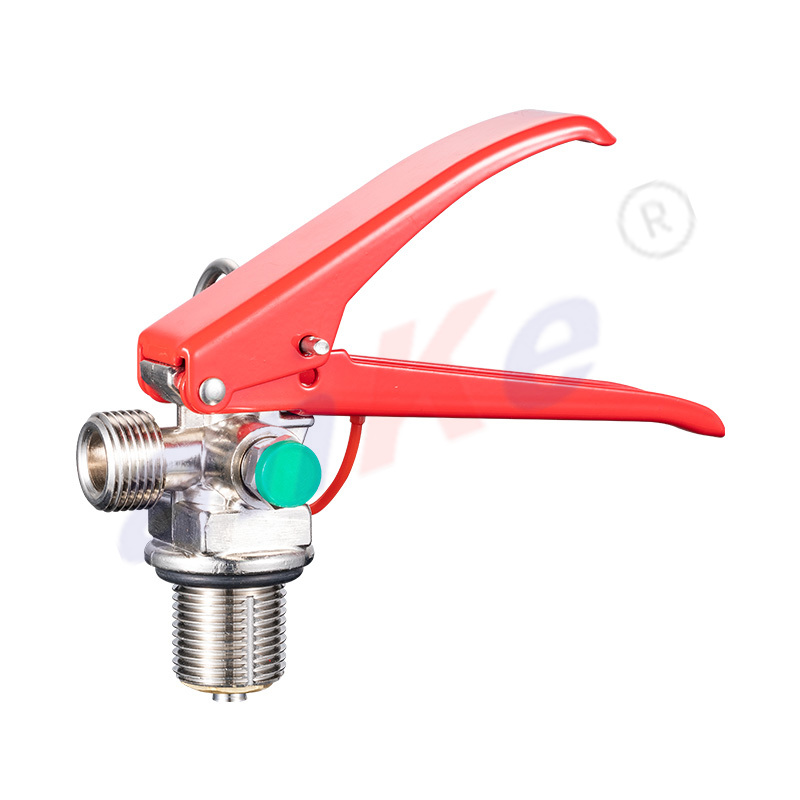
2-7KG CO2 Fire Extinguisher Red Handle Valve 2030
-
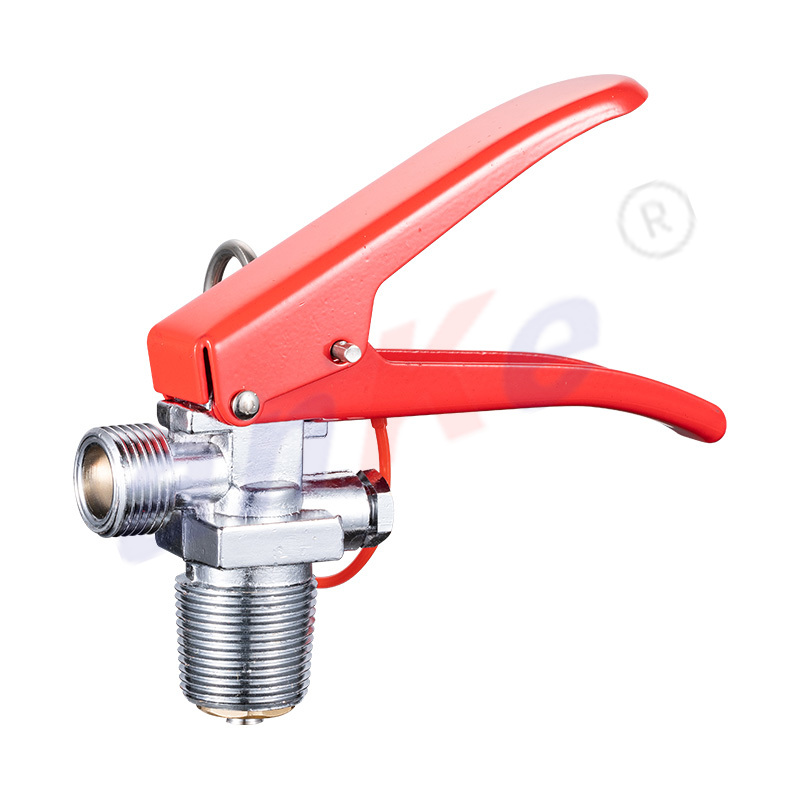
2-7KG CO2 Fire Extinguisher Red Handle High quality Valve 2061
-
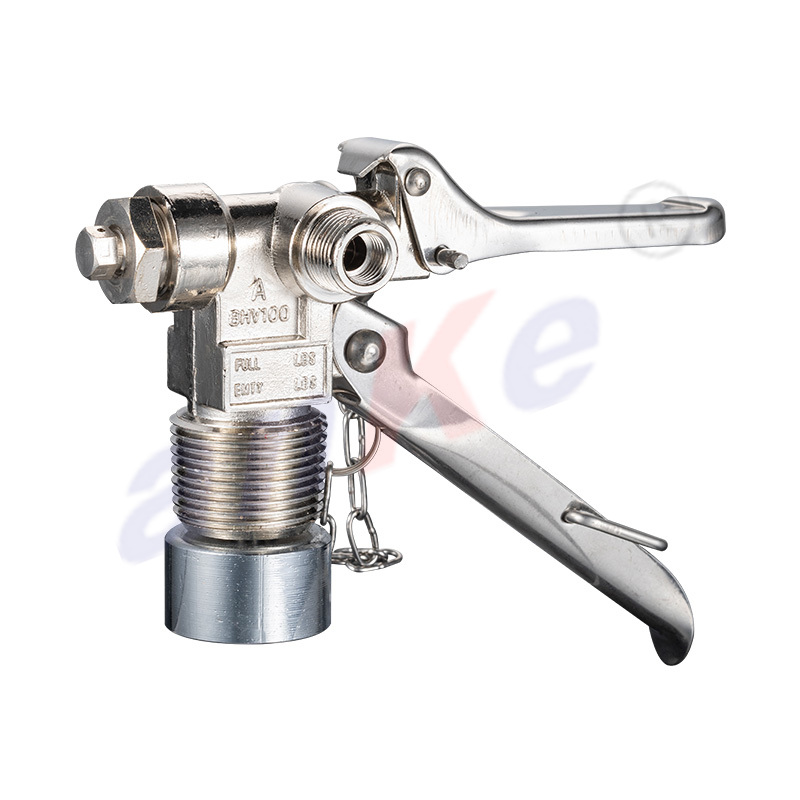
American Type CO2 Fire Extinguisher Valve 2059
-
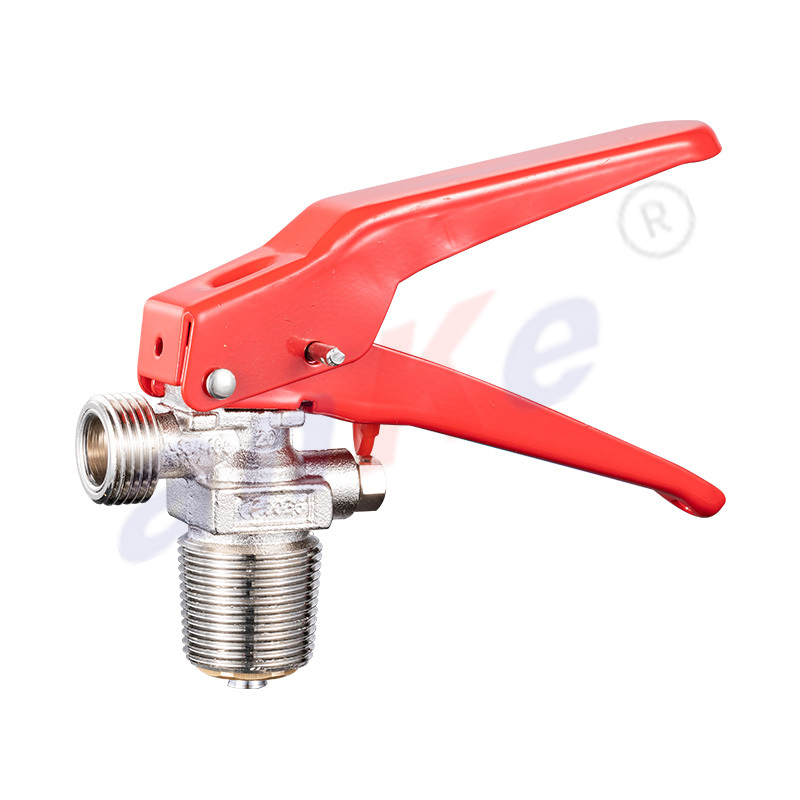
Italian style CO2 Fire Extinguisher Valve with Safety Divice Suit For 2-9KG Cylinders Nickel-plating and chrome-plating 2016
-
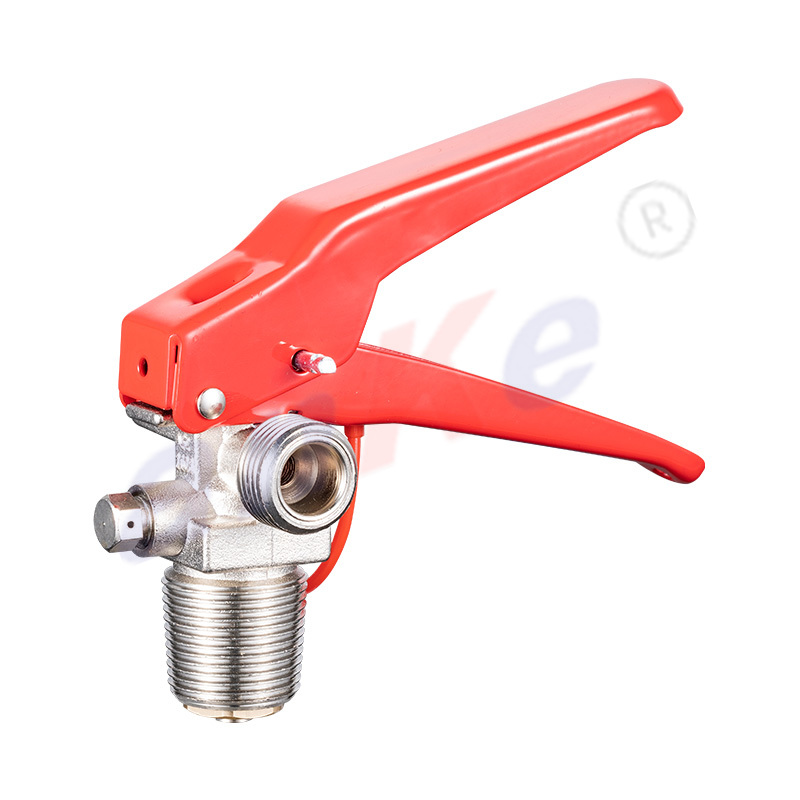
Cylinder Valve for 2-3KG Portable CO2 Fire Extinguisher 2088
-
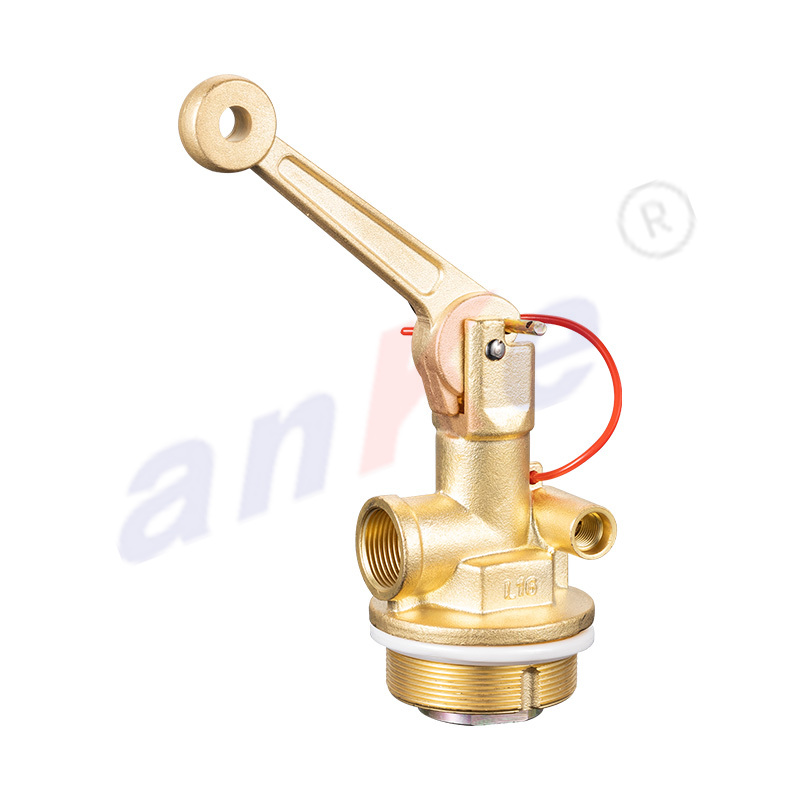
25-150KG Trolley Type Fire Extinguisher Valve 1100
-
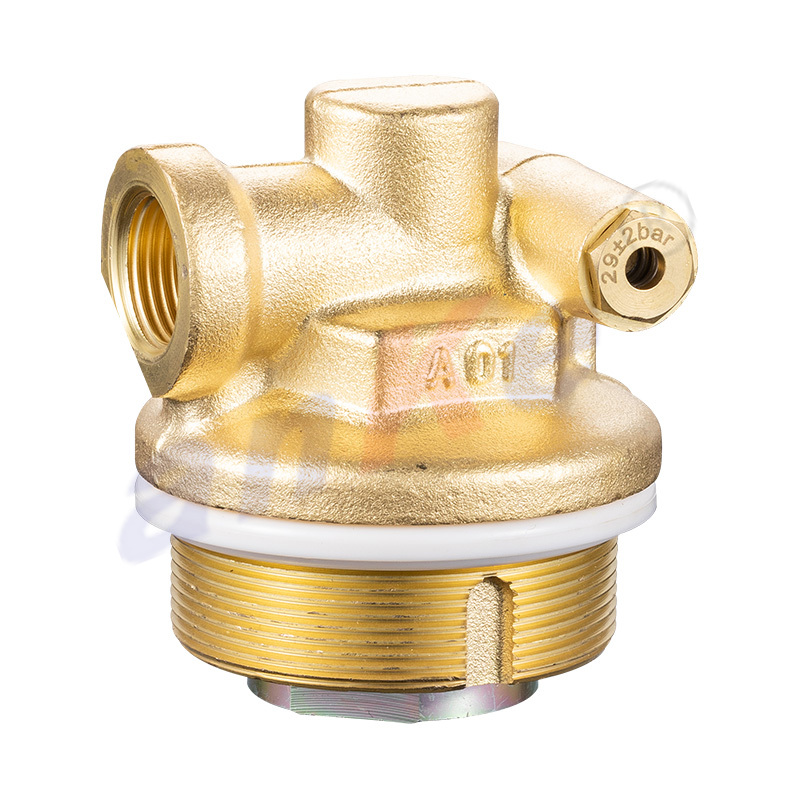
25-100Kg Large-capacity Fire Extinguisher Automatic Valve 1099
-
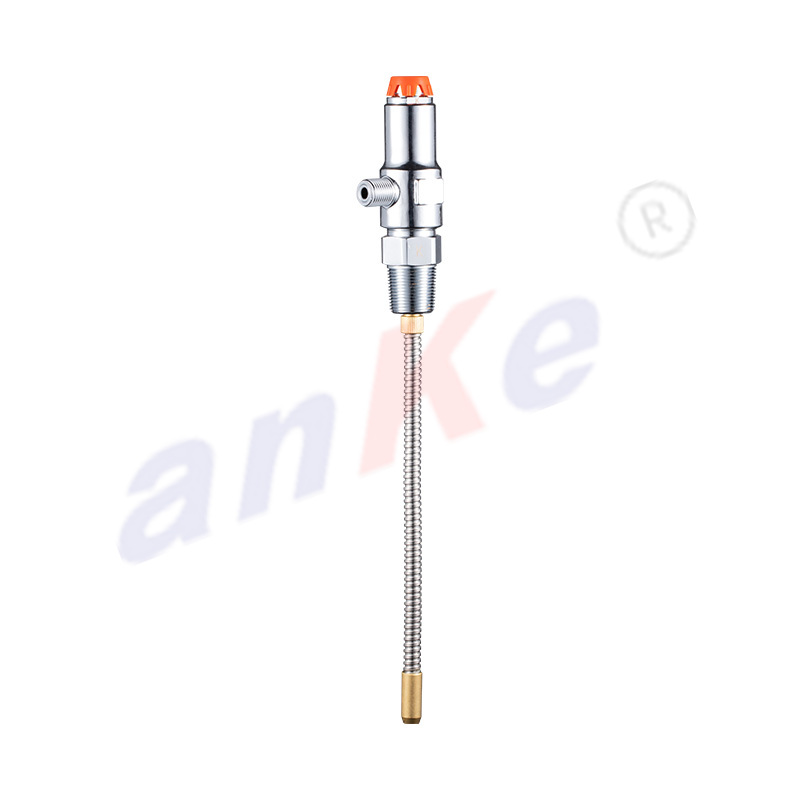
2083
-
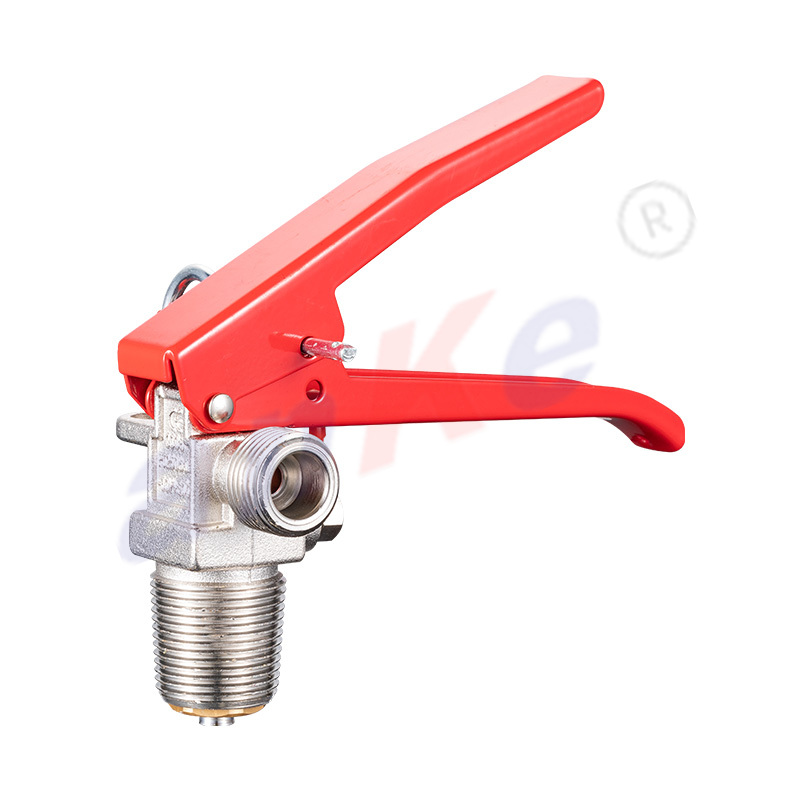
Red Handle High Quality Cylinder Valve for CO2 Fire Extinguisher 2049
Advantage: No Residue, Non-Conductive, and Deep Penetration
- Zero Residue: Discharges as a gas/snow, eliminating the need for complex, costly cleanup associated with dry chemicals.
- Safe for Electronics: Non-conductive and non-corrosive, making it the preferred choice for areas with computers and sensitive equipment.
- Deep Penetration: The gas can permeate hard-to-reach areas within equipment cabinets and machinery enclosures.
- Temperature Resistance: The high-pressure cylinder is robust and suitable for industrial environments.
- Immediate Cooling: The rapid expansion of CO2 provides a significant cooling effect (sub-zero temperature) on the fuel source.
- Visual Verification by Weight: Tamper/leakage is reliably detected by simply weighing the unit against its marked full weight (NFPA 10).
Specification: Agent, Pressure, and Valve Type
| Agent Type | Liquefied Carbon Dioxide (CO2) |
| Fire Class Coverage | Class B (Liquids), C (Electrical) |
| Stored Pressure | 850 psi to 1800 psi (Temperature Dependent) |
| UL Fire Rating | 2B:C to 10B:C (No Class A Rating) |
| Cylinder Material | Seamless High-Pressure Steel or Aluminum |
| Discharge Time | 8 to 30 Seconds (Dependent on Size) |
| Valve Type | Heavy-Duty Pinch Valve (Required for High Pressure) |
| Standard Compliance | NFPA 10, UL 711/299, DOT/TPED (Cylinder) |
Clean Suppression for High-Value and Liquid Hazards
Data Centers and Server Racks
Used for clean suppression of electrical faults, leaving no corrosive residue that could damage sensitive IT equipment.
Laboratories and Clean Rooms
Ideal for protecting costly testing equipment and preventing contamination from dry chemical residue.
Manufacturing/Machinery
Used on industrial machinery and hydraulic systems where flammable oils/liquids (Class B) and electrical components (Class C) are present.
Printing Presses and Commercial Kitchens (Electrical)
Protecting high-voltage motors, electrical panels, and control systems near flammable materials.
Flammable Liquid Storage
Effective on shallow liquid fires (Class B) by quickly smothering the vapor layer and cooling the fuel.


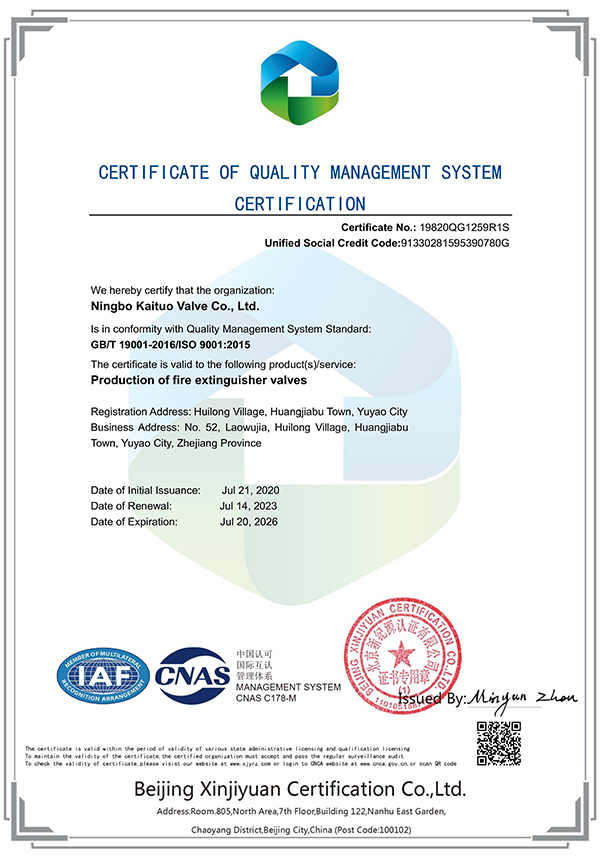

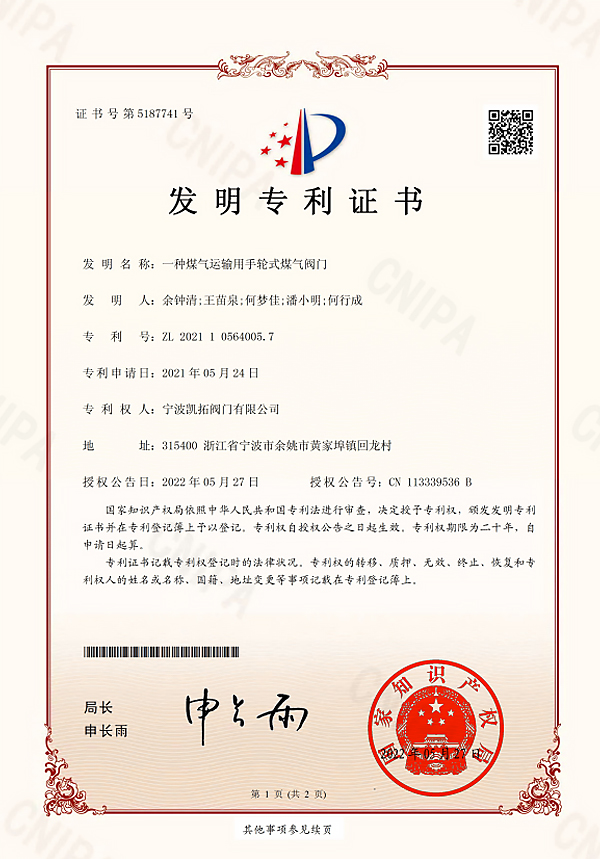

 Phone: +86-13456107058/+86-15967800709
 Tel: +86-574-62010128/+86-574-62010688
 E-mail:
  Factory: Huilong Village, Huangjiabu Town, YuyaoCity,Zhejiang Province, China





 Domestic
 Overseas
 VR Catalogue
