
 en
en  English
 中文简体
中文简体 Español

Introduction: Residue-Free Suppression for Class A Hazards
Water and Water Mist Extinguishers are primary tools for combating Class A fires (Ordinary Combustibles) such as wood, paper, textiles, and trash. They work primarily by cooling the fuel below its ignition temperature. Both are environmentally friendly and leave little to no corrosive residue, especially the Water Mist variant.
Water Extinguishers (often stored-pressure APW - Air Pressurized Water) are the simplest type. Water Mist Extinguishers use de-ionized water and a fine mist nozzle to spray microscopic water droplets. This mist reduces oxygen concentration (smothering) and cools more effectively due to the increased surface area of the droplets. Crucially, the fine mist is non-conductive and is often explicitly rated for use on Class C (Electrical) fires up to 100 kV.
They are stored-pressure units, requiring a gauge to confirm readiness. Water Mist is often preferred in hospital MRI rooms, telecom facilities, and archives where the risk is predominantly Class A, but electrical hazards or water damage minimization are also key concerns. (Approx. 580 words)
Related Products
-
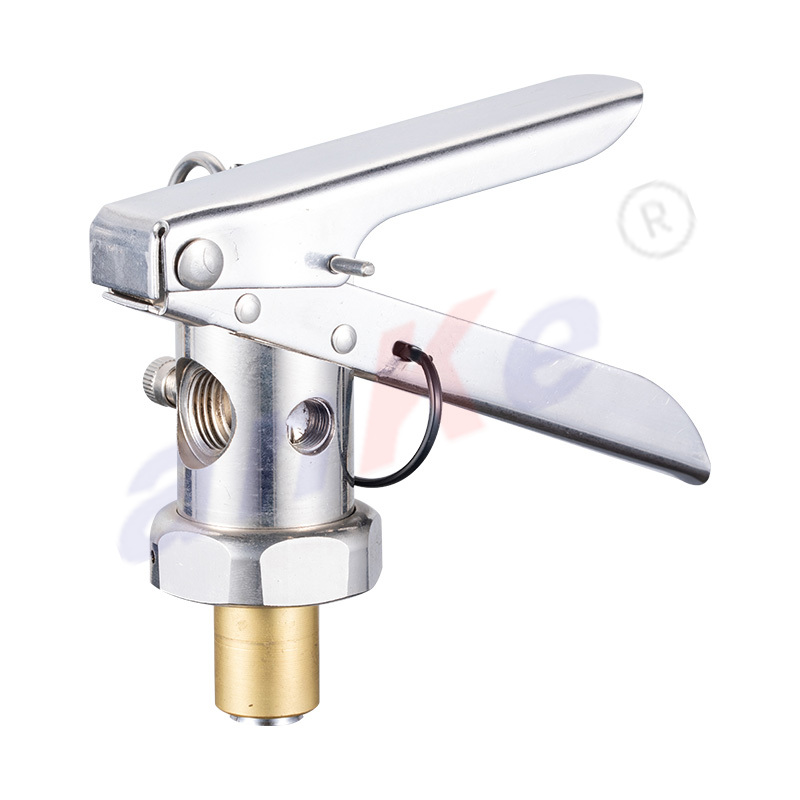
Water agent fire extinguisher Stainless steel Valve 1122
-
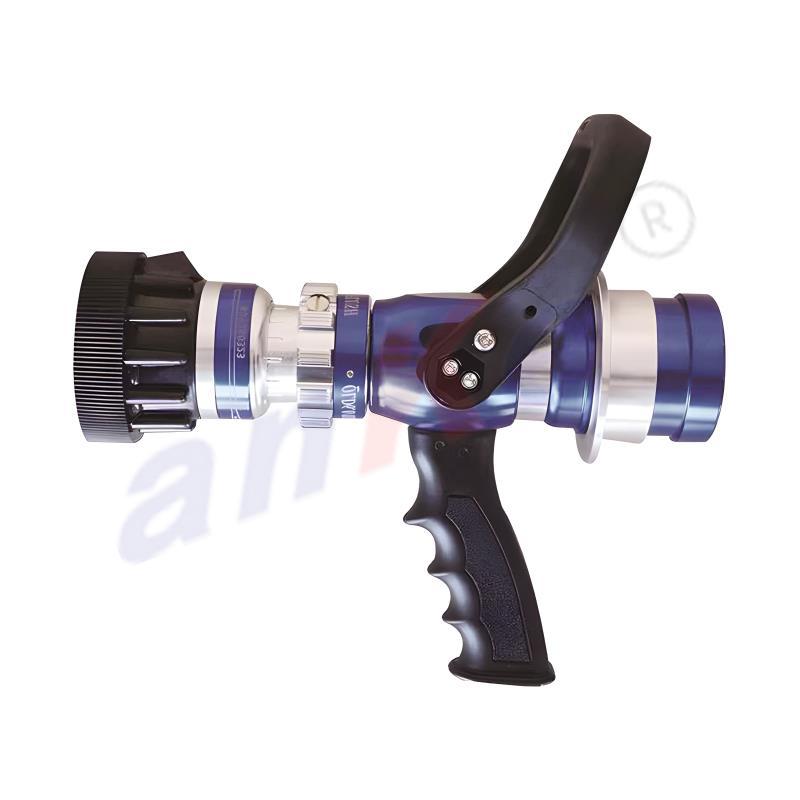
Multi Function Fire Extinguisher Water Gun
-
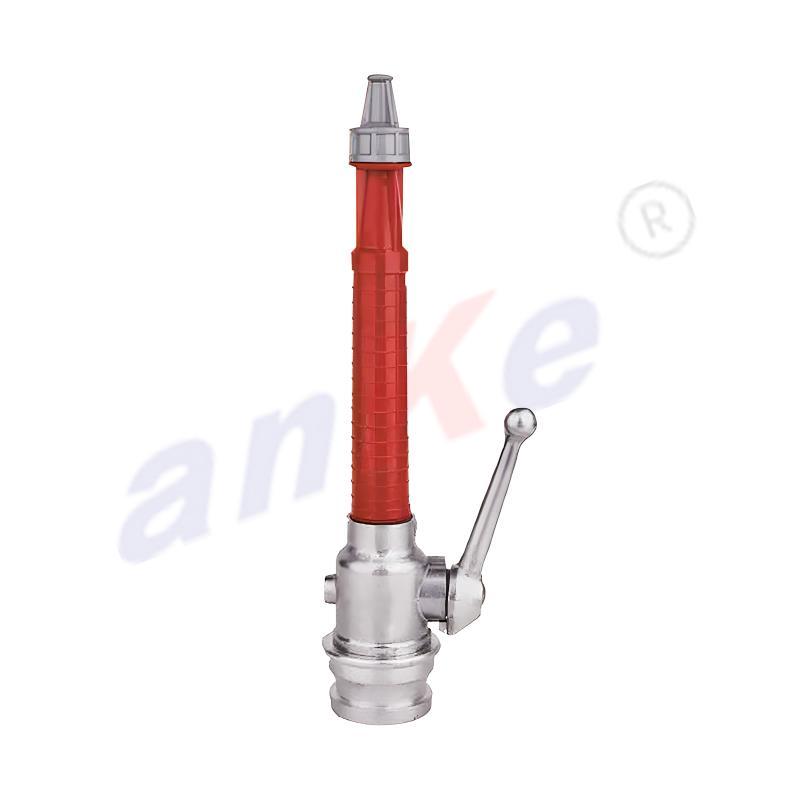
British Style DC Switched Water Gun for Fire Extinguisher
-
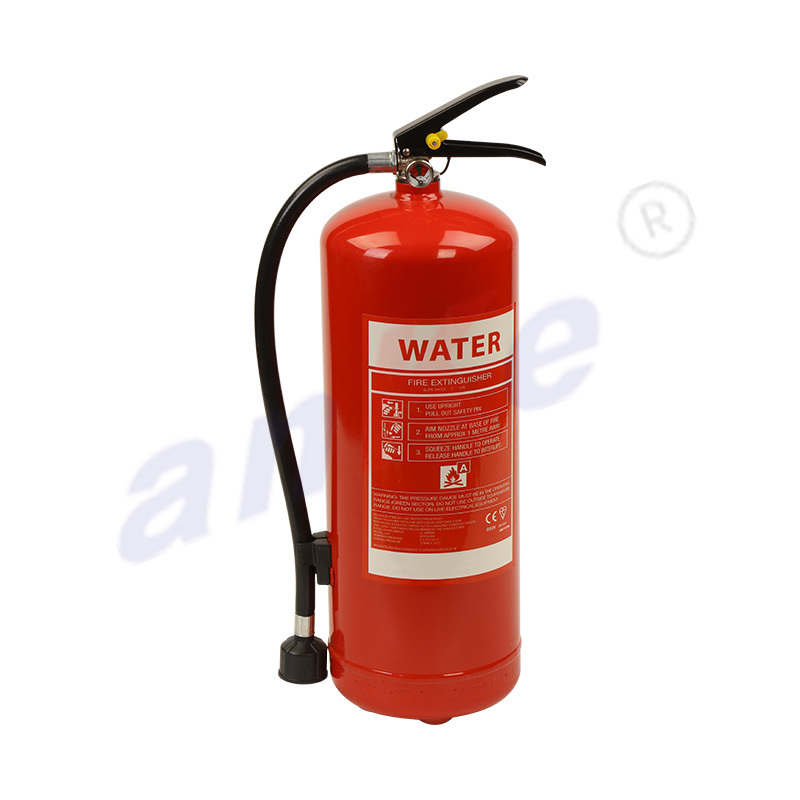
9L Commercial Emergency Water Fire Extinguisher
-
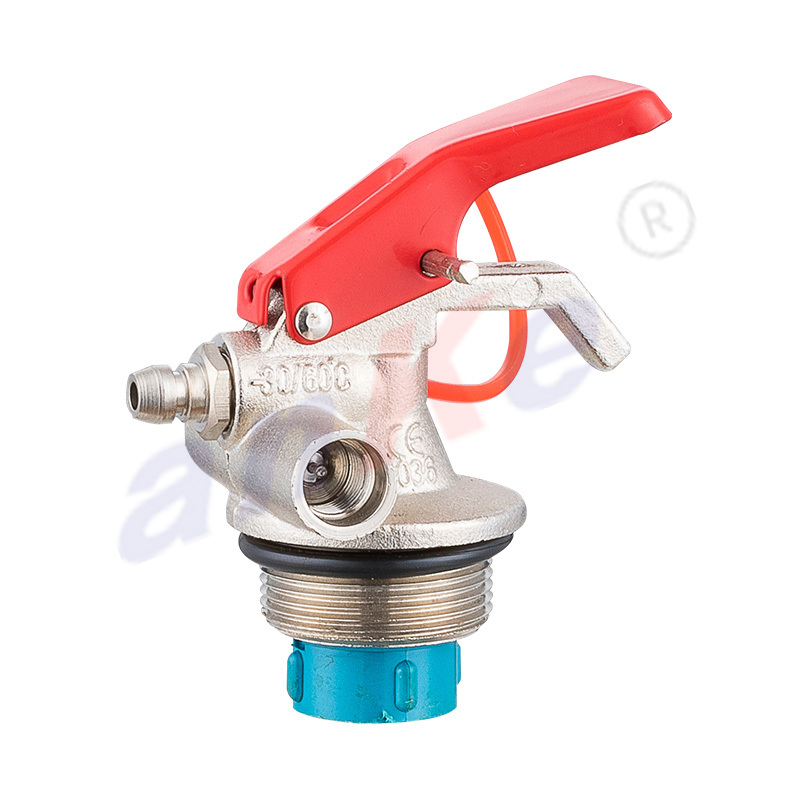
1-2KG Water/ Powder Fire Extinguisher Fire Eipument Safety Valve 1002C
-
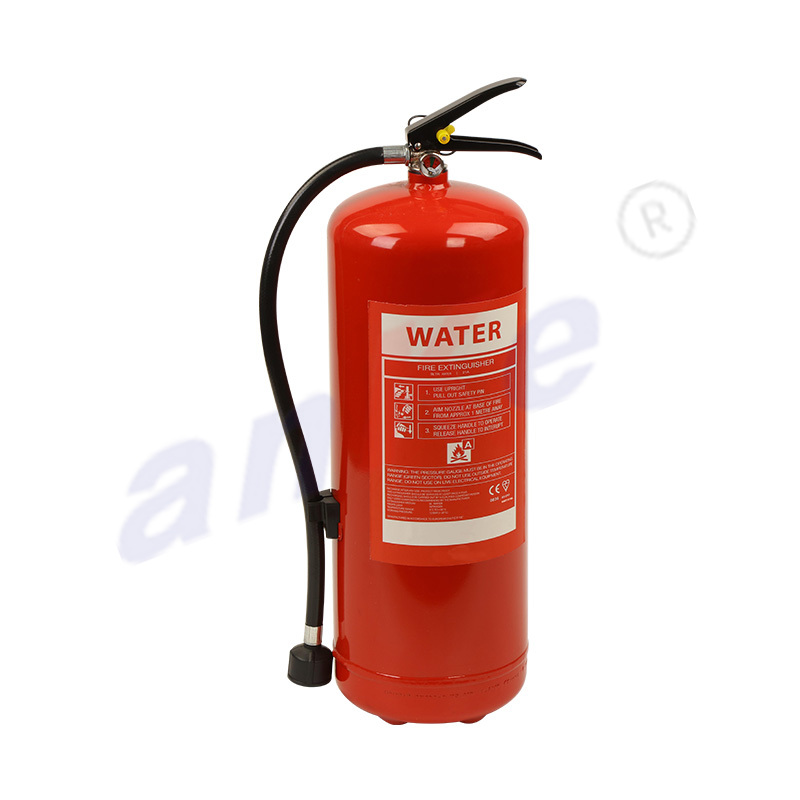
Easy to Operate 6L Water Fire Extinguisher
-
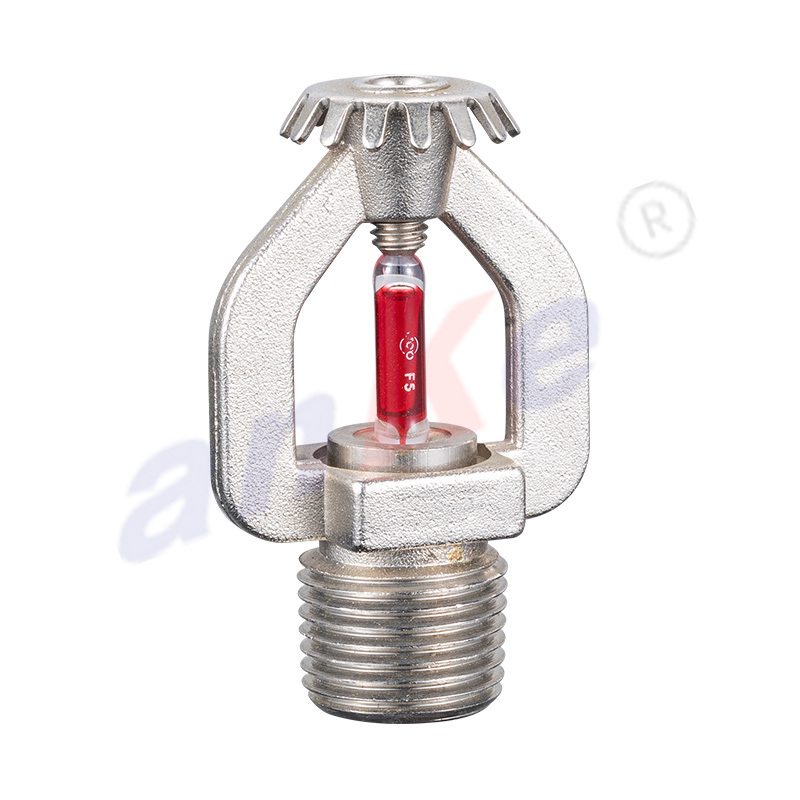
Automatic Fire Extinguisher Sprinkler Valve for Fire Fighting Sprinkler System Water Pipe 3010
-
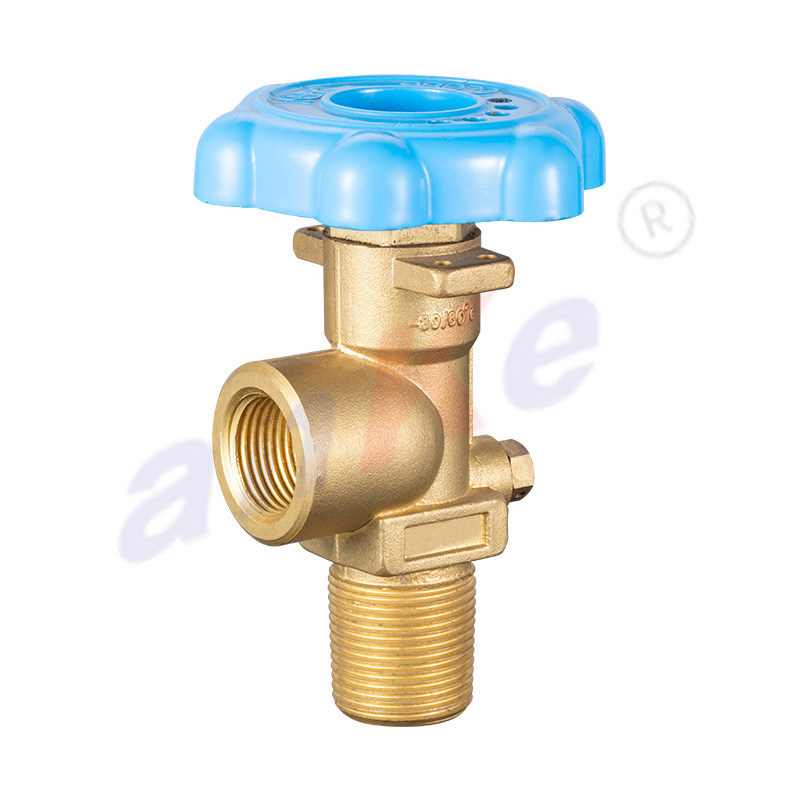
High Quality Handwheel Gas valve Safety Gas Control Valve 2013
-
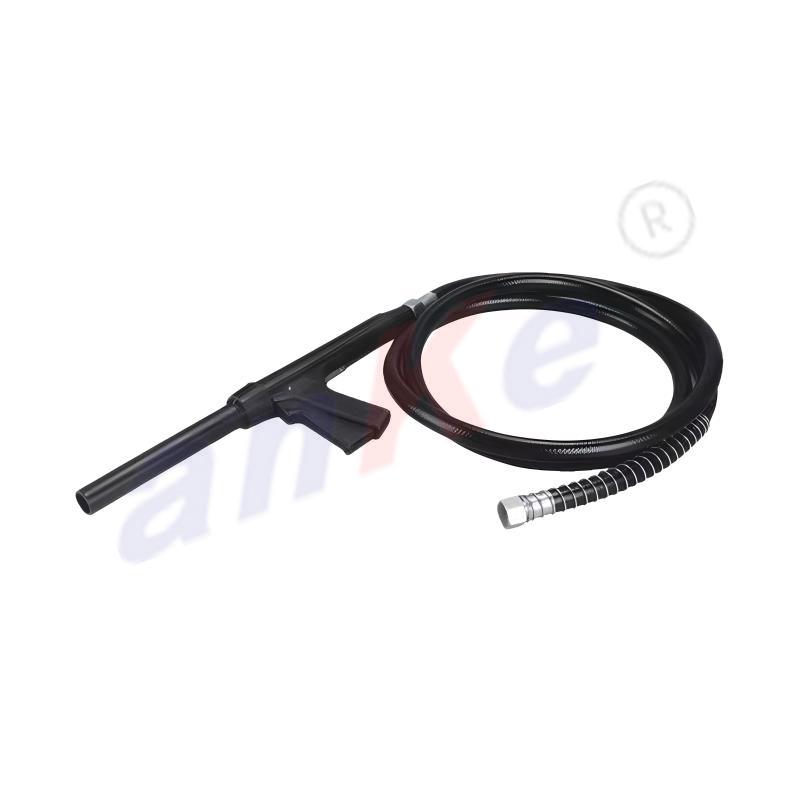
Hose & Horn Pusher for Powder Wheeled Fire Extinguishers 19-73
-
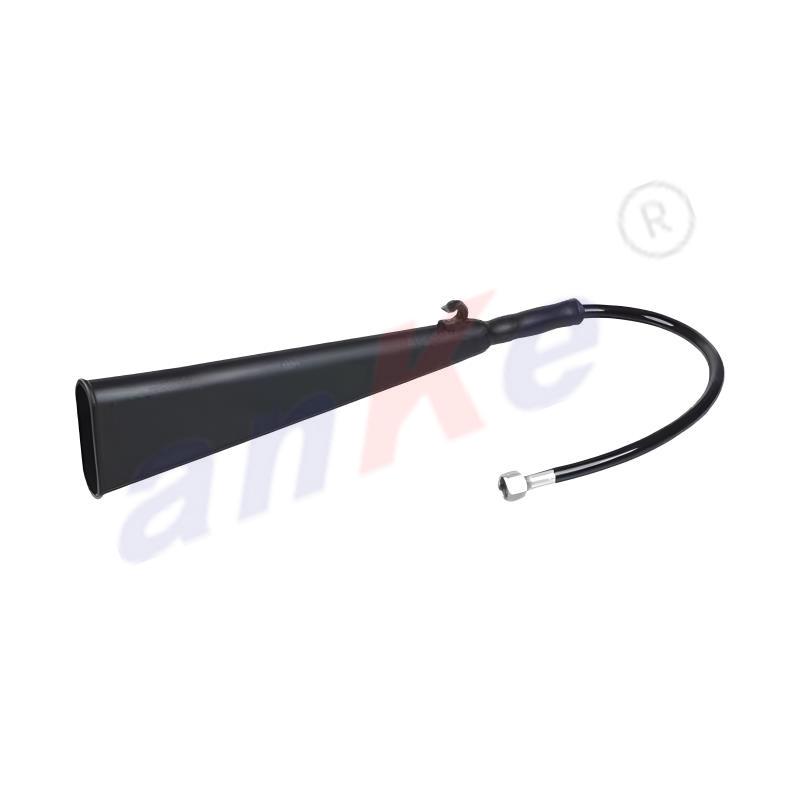
5-7KG CO2 Fire Extinguisher Horn and Hose 19-01 19-02
-
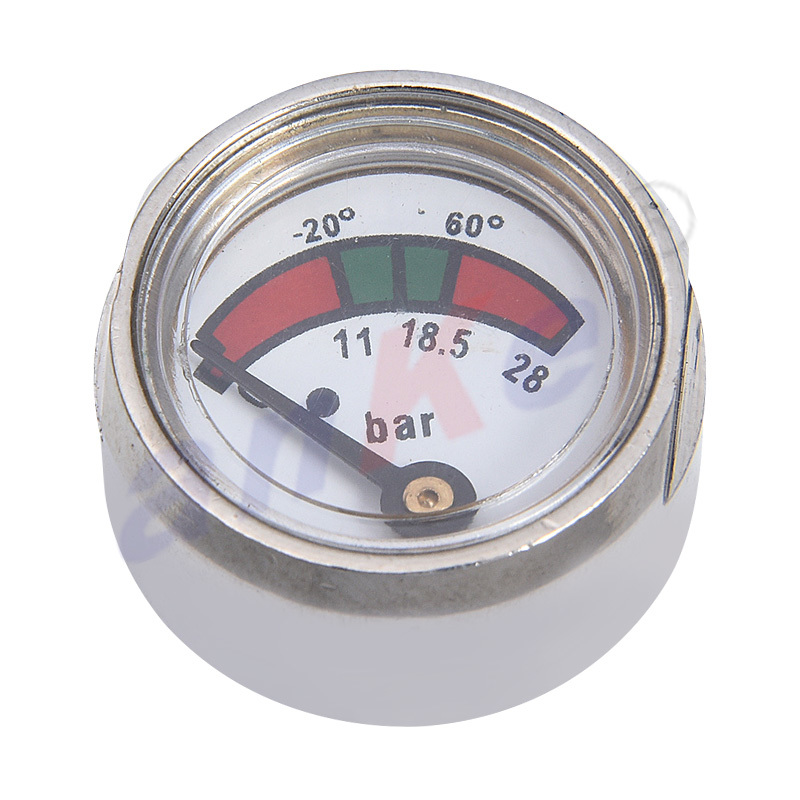
Silver Diaphragm Pressure Gauge For Fire Extinguishers
-
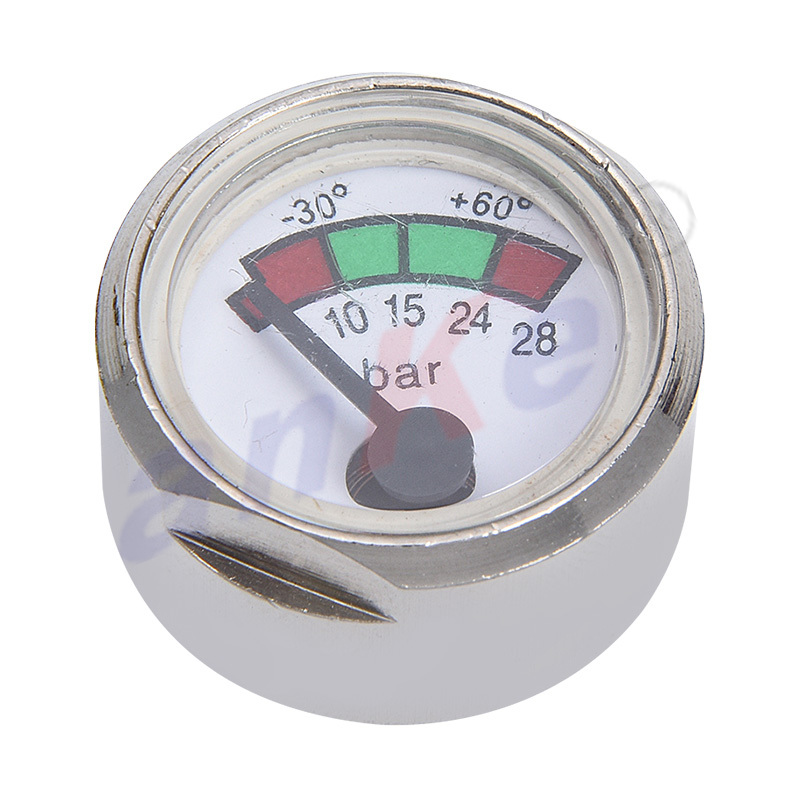
Fire Extinguishers Imitation Pressure Gauge
Advantage: Non-Toxic, Clean Agent, and Class C Rating (Mist)
- Non-Toxic: Contains only water, making it safe for use in areas with high occupant density (hospitals, schools).
- Minimal Damage: Discharges less aggressively than dry chemical, minimizing collateral damage to the premises and contents.
- Class C (Mist): Water Mist uses de-ionized water, which prevents electrical conductivity, allowing its use on energized circuits (unlike standard water units).
- Environmentally Friendly: Contains no harmful fluorinated chemicals (like older AFFF foams) or residual powders.
- Long Discharge Time: The fine mist delivery system allows for an extended discharge time compared to standard water units.
- Hydrostatic Advantage (Mist): Often requires hydrostatic testing only every 5 years, similar to CO2, due to the specialized cylinder design.
Specification: Agent, Non-Conductivity, and Size
| Agent Type | Water (APW) or De-Ionized Water (H2O) Mist |
| Fire Class Coverage | Class A (Solids), Mist Only: Class C (Electrical, 100 kV Tested) |
| Working Pressure | 100 psi to 175 psi (Propellant: Air/Nitrogen) |
| UL Fire Rating | 2A or 3A (Dependent on Volume) |
| Valve Material | Chrome-Plated Brass or Stainless Steel |
| Hose/Nozzle | Standard Hose with Mist/Fine Spray Nozzle (Mist Units) |
| Standard Compliance | NFPA 10, UL 711/299, EN 3 |
| Hydrostatic Test Interval | 5 years (Water Mist) or 12 years (Standard Water) |
Clean and Safe Cooling for Solid Fuel Fires
Office and Residential Areas
Standard water units placed in general areas where wood, paper, and trash (Class A) are the primary fire hazards.
Hospitals and Clinics
Water Mist units used for Class A hazards, as the clean, non-toxic agent minimizes contamination risk and electrical shock risk.
Libraries and Archive Rooms
Water Mist is ideal for protecting paper and historical documents, as the agent is less damaging than dry chemicals or standard water spray.
Telecom Equipment/MRI Suites
Water Mist units with Class C rating used to protect sensitive, high-value electrical equipment from Class A fires.
Areas requiring non-chemical agents
Where food processing or specific clean environments prohibit the use of chemical powders or foam. (Mist is preferred).



 Phone: +86-13456107058/+86-15967800709
 Tel: +86-574-62010128/+86-574-62010688
 E-mail:
  Factory: Huilong Village, Huangjiabu Town, YuyaoCity,Zhejiang Province, China





 Domestic
 Overseas
 VR Catalogue
