
 en
en  English
 中文简体
中文简体 Español

Introduction: Specialized Suppression for Commercial Cooking Fires
Wet Chemical Extinguishers, also known as Class K extinguishers, are specifically designed for combating fires involving commercial cooking oils and fats (Class K), such as those found in deep fat fryers, griddles, and commercial kitchen hoods. They are mandatory in all commercial kitchens using combustible cooking media (NFPA 10).
The agent is an aqueous solution of potassium acetate, potassium carbonate, or potassium citrate. When discharged, it creates a chemical reaction called saponification—the agent converts the burning oil or fat into a non-combustible soap-like foam (or blanket). This blanket both smothers the fire and rapidly cools the hot cooking media below its auto-ignition temperature, preventing flash-back.
The extinguisher is low-pressure, stored-pressure, and features a specialized long application wand/nozzle to ensure the operator can apply the agent gently, preventing splashing of the hot grease. Common sizes are 6 Liter and 2.5 Gallon units. (Approx. 500 words)
Related Products
-
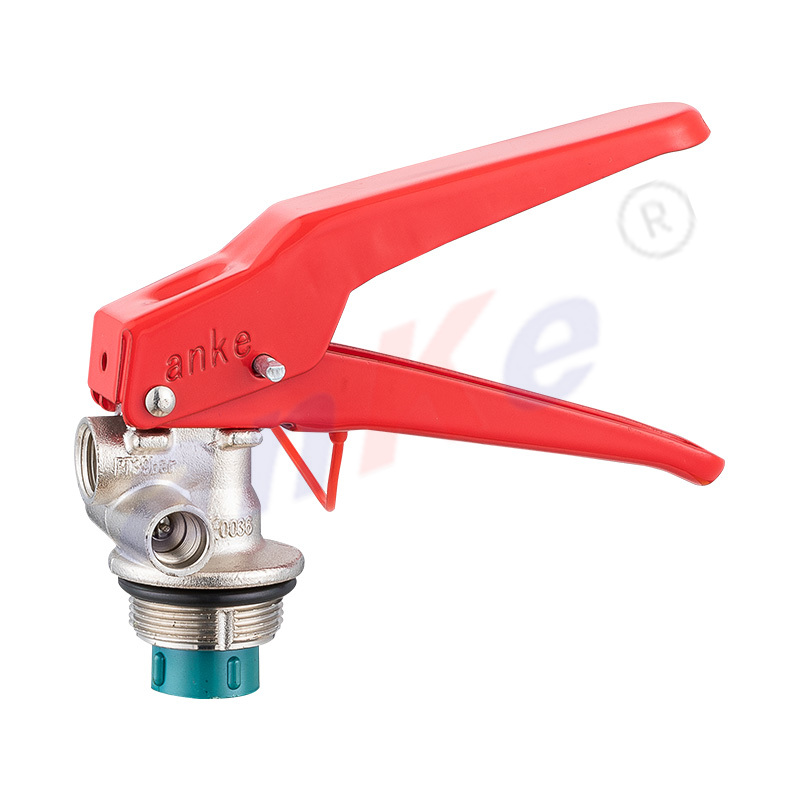
4-12KG Dry Powder Fire Extinguisher Valve 1001
-
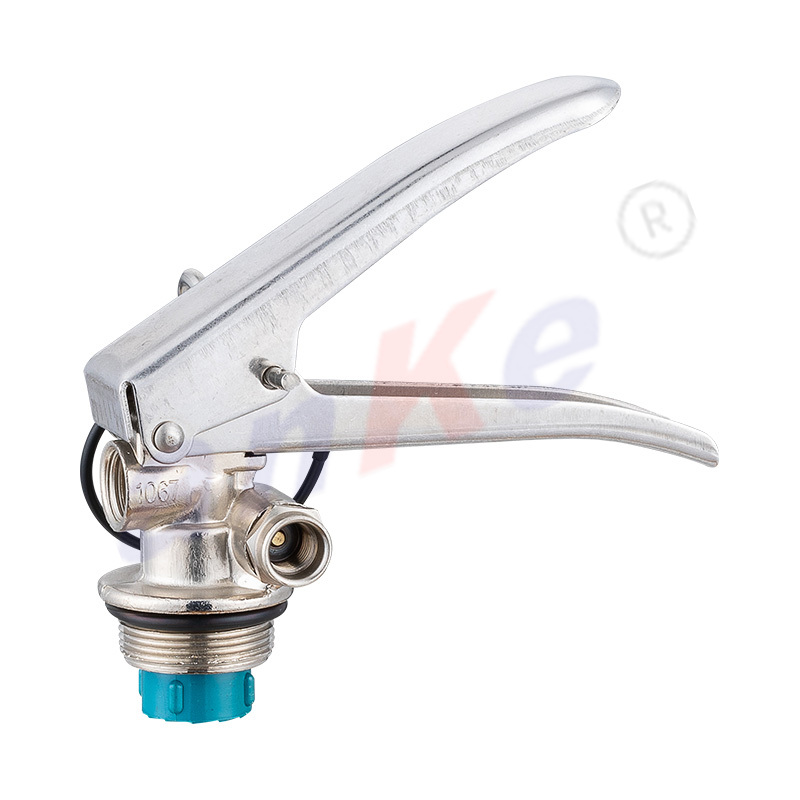
4-9KG Fire Extinguisher Silver Handle Cylinder Valve 1067
-
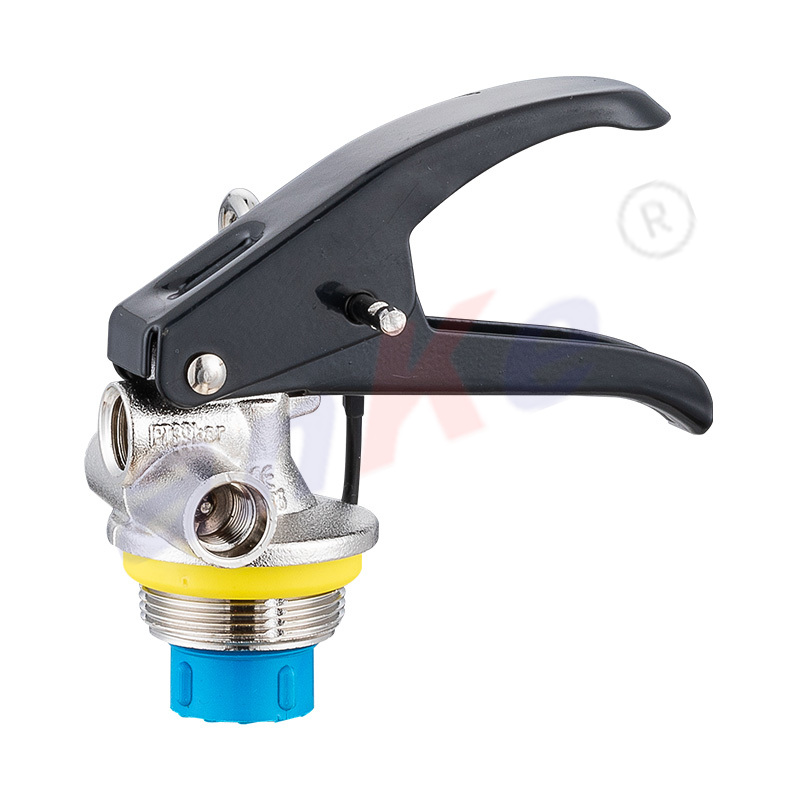
CE type High Quality 1-3KG Fire Extinguisher Cylinder Valve 1141
-
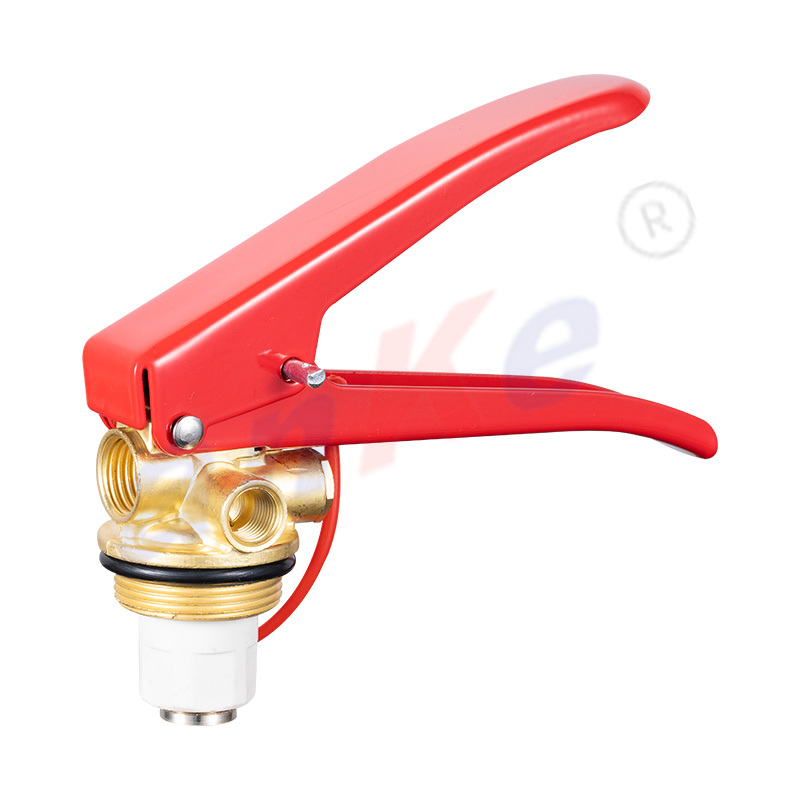
Brass Cylinder Valve FOR 4-9KG Fire Extinguisher 1139
-
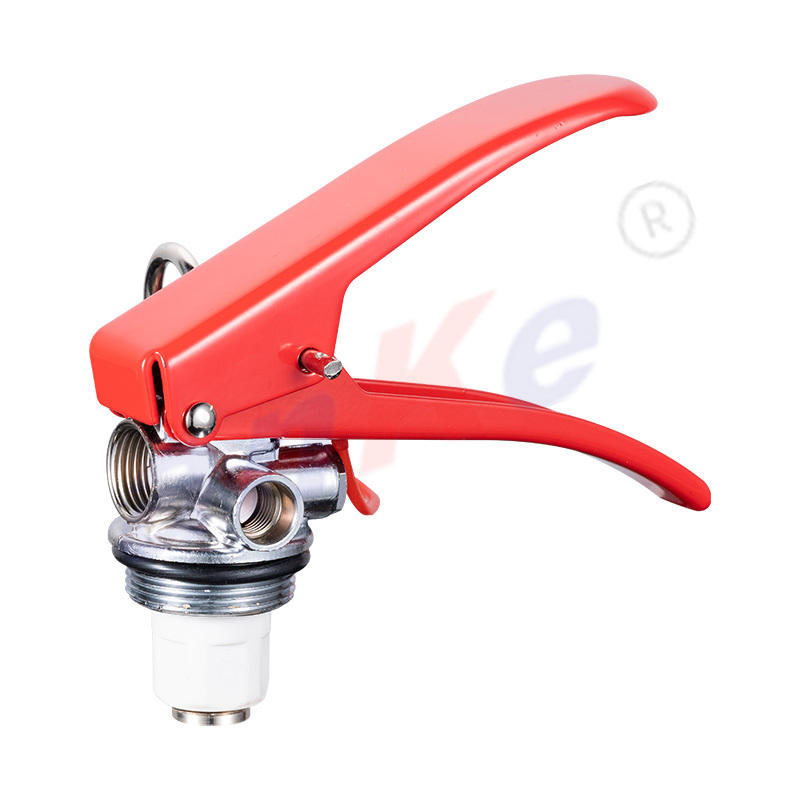
Cylinder Valve FOR 4-9KG foam Fire Extinguisher 1139A
-
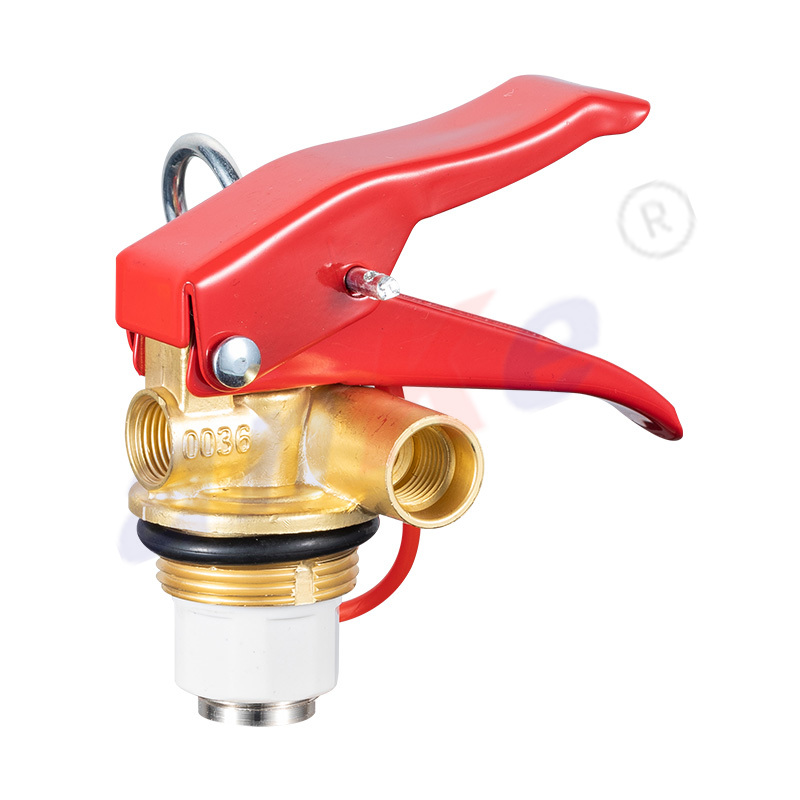
1-2KG Fire Extinguisher Brass Safety Cylinder Valve 1135
-
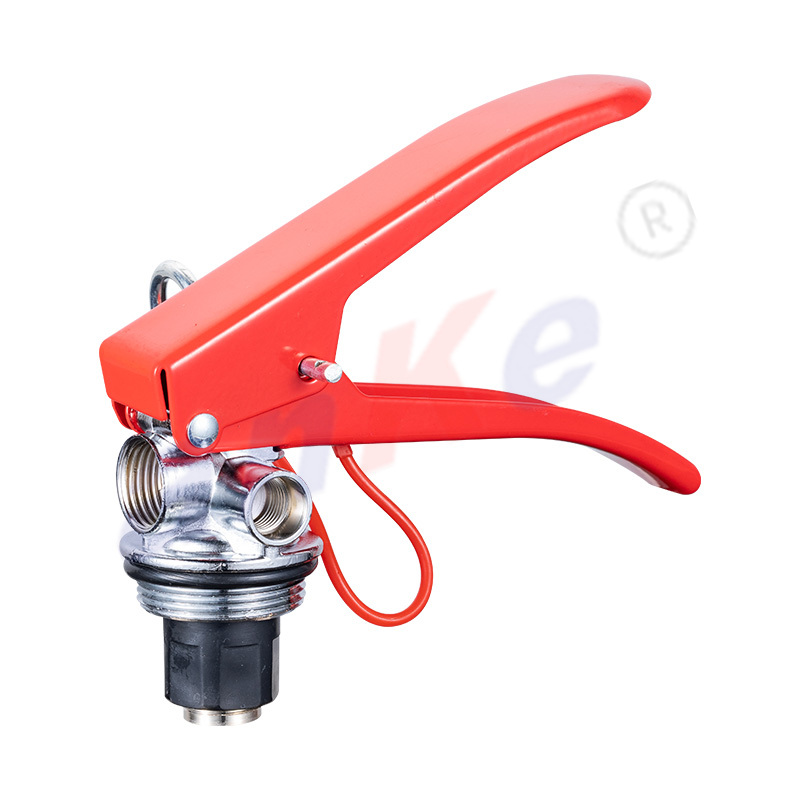
4-6KG Firefighting Equipment & Accessory Fire Extinguisher Valve 1128
-
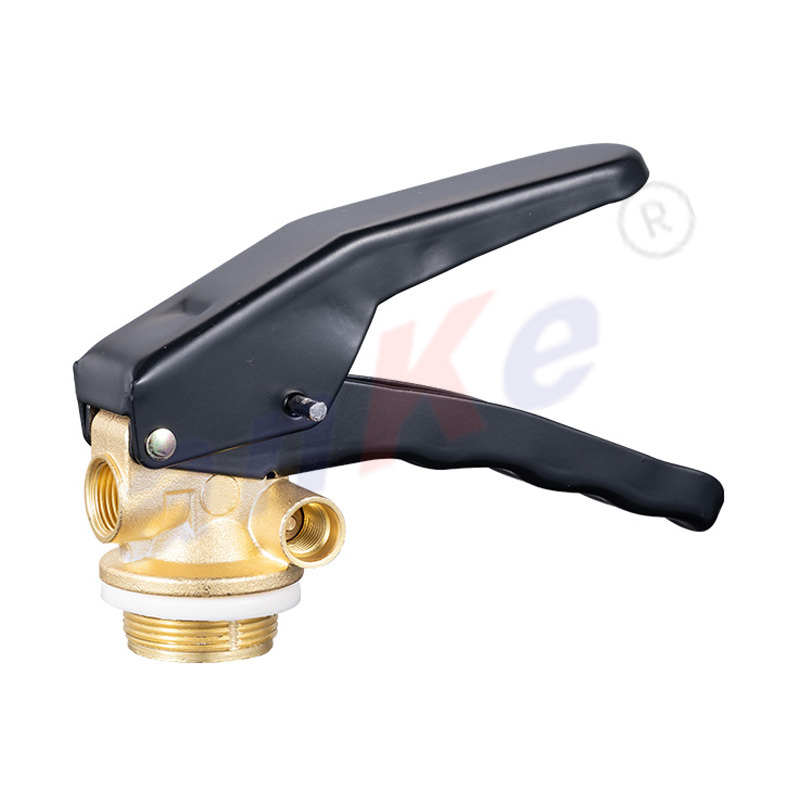
Brass Valve FOR 6-9KG Dry Powder Fire Extinguisher 1115
-
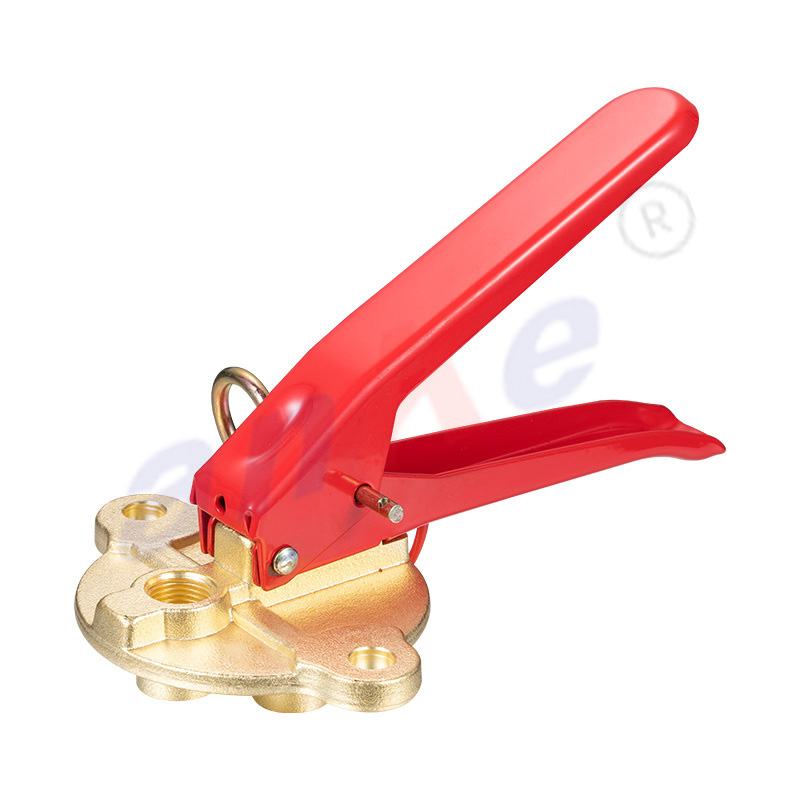
Brass Body 6-9KG Dry Powder Fire Extinguisher Valve 1108
-
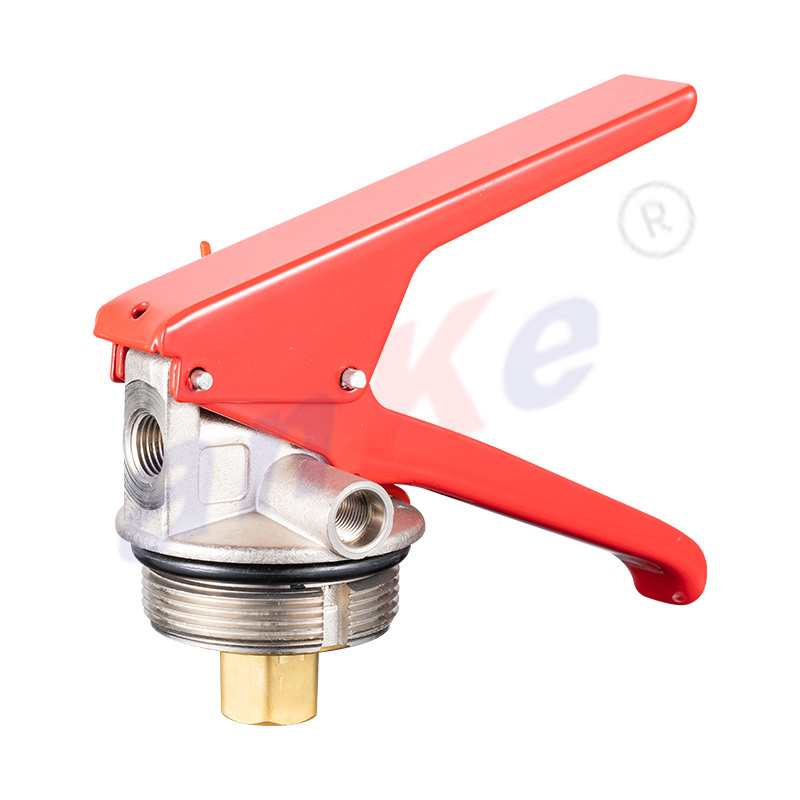
Red Safety Handle Valve for 6-9KG Fire Extinguisher 1107
-
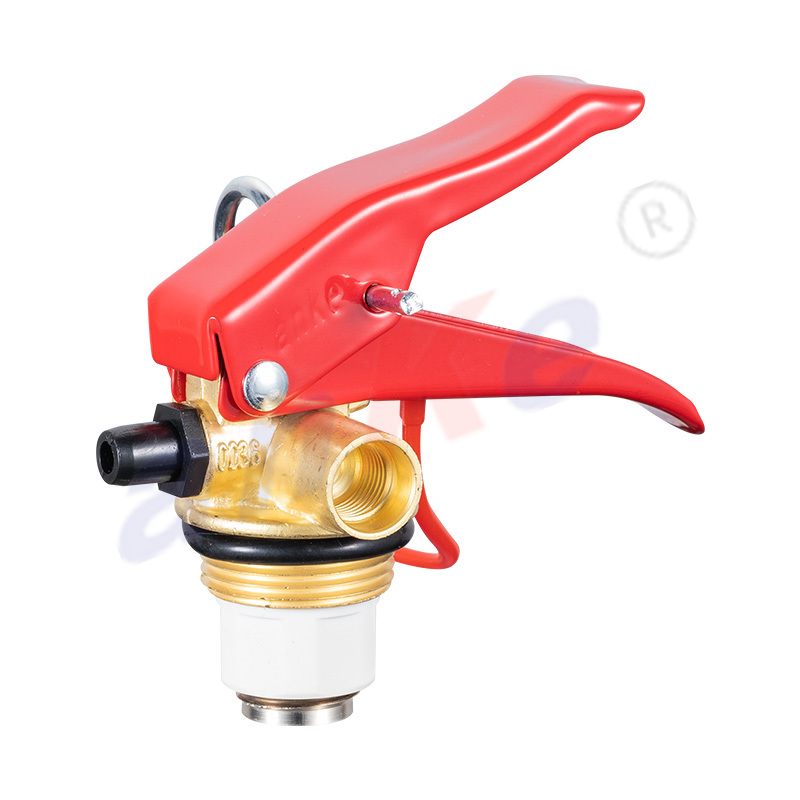
Red Handle Brass Body Cylinder Valve for 1KG Fire Extinguisher 1133
-
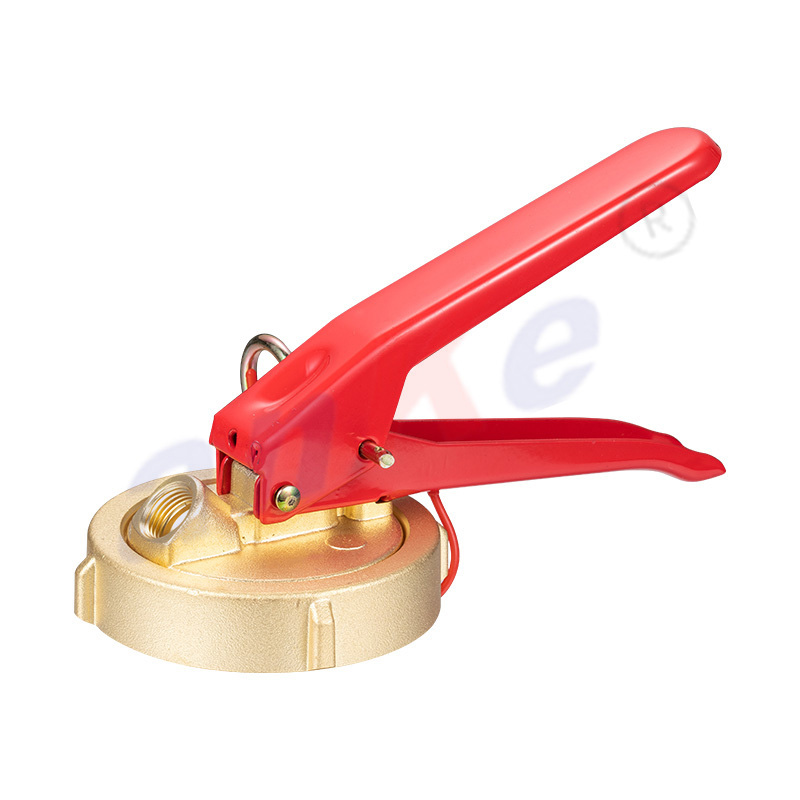
Fire Eipument Cylinder Valve for 6-9KG Cartridge Fire Extinguisher 1046
Advantage: Saponification Effect, No Splashing, and Superior Cooling
- Saponification: Chemically converts burning oil into a foam blanket, providing superior and long-lasting suppression compared to ABC powder.
- Prevents Flash-Back: Rapid cooling of the oil below its auto-ignition point (around 700∘F) prevents immediate re-ignition of the fat/oil.
- Safe Application: The long wand and mist nozzle ensure the agent is applied gently, preventing hot oil splashing onto the operator or surrounding areas.
- Mandated by Code (NFPA 10): The only acceptable portable extinguisher for commercial deep fat fryer hazards.
- Ancillary Ratings: Often carries secondary Class A and Class B ratings, allowing some use on surrounding non-K hazards.
- Ease of Cleanup: The resulting soap-like film is easier to clean from surfaces than powder residue, though professional cleaning is still required.
Specification: Agent, Suppression Method, and Nozzle
| Agent Type | Potassium Acetate/Carbonate Solution (Wet Chemical) |
| Fire Class Coverage | Class K (Cooking Oils/Fats) |
| Suppression Method | Saponification (Creates a Soap Blanket) and Cooling |
| UL Fire Rating | 1A:2B:C (Ancillary Rating) and K (Primary Rating) |
| Working Pressure | 100 psi to 150 psi (Propellant: Air/Nitrogen) |
| Discharge Feature | Long Applicator Wand with Fine Mist Spray Nozzle |
| Valve Material | Stainless Steel or Chrome-Plated Brass |
| Standard Compliance | NFPA 10, UL 711/300 (Kitchen Systems), UL 8 |
Protection for High-Heat Commercial Kitchens
Commercial Restaurant Kitchens
Mandatory placement near deep fryers and cooking equipment that use vegetable oils or animal fats.
Hospital and University Cafeterias
Protecting high-volume kitchen equipment from Class K fires, often supplementing an overhead hood suppression system (NFPA 96).
Mobile Food Trucks and Catering Units
Smaller, portable units used to meet code requirements for cooking equipment in mobile food service operations.
Industrial Food Processing Plants
Used in areas with large-scale frying or oil processing equipment to handle Class K fire risk.
Marine Galleys
Corrosion-resistant stainless steel units used in ship galleys to protect against cooking oil fires at sea.




 Phone: +86-13456107058/+86-15967800709
 Tel: +86-574-62010128/+86-574-62010688
 E-mail:
  Factory: Huilong Village, Huangjiabu Town, YuyaoCity,Zhejiang Province, China





 Domestic
 Overseas
 VR Catalogue
