
 en
en  English
 中文简体
中文简体 Español

Introduction: The Core Sealing and Actuation Component
The Dry Chemical Extinguisher Valve Stem is the internal moving part within the valve body that is responsible for sealing the pressurized agent and propellant inside the cylinder. It is a precision-machined component, typically made of brass or polymer, which is held in the closed (sealed) position by a compressed spring and the force of the internal pressure.
The stem features specific grooves for O-rings and a sealing surface (seat) at the bottom of the valve body. When the operator squeezes the handle, the operating lever pushes down on the top of the valve stem, overcoming the sealing force. This downward movement lifts the stem off its seat, allowing the pressurized nitrogen propellant to force the dry chemical agent up the siphon tube and out of the extinguisher.
Because it is a critical sealing component, the valve stem and its associated O-rings must be replaced or rigorously inspected every time the extinguisher is internally examined and recharged. (Approx. 550 words)
Related Products
-
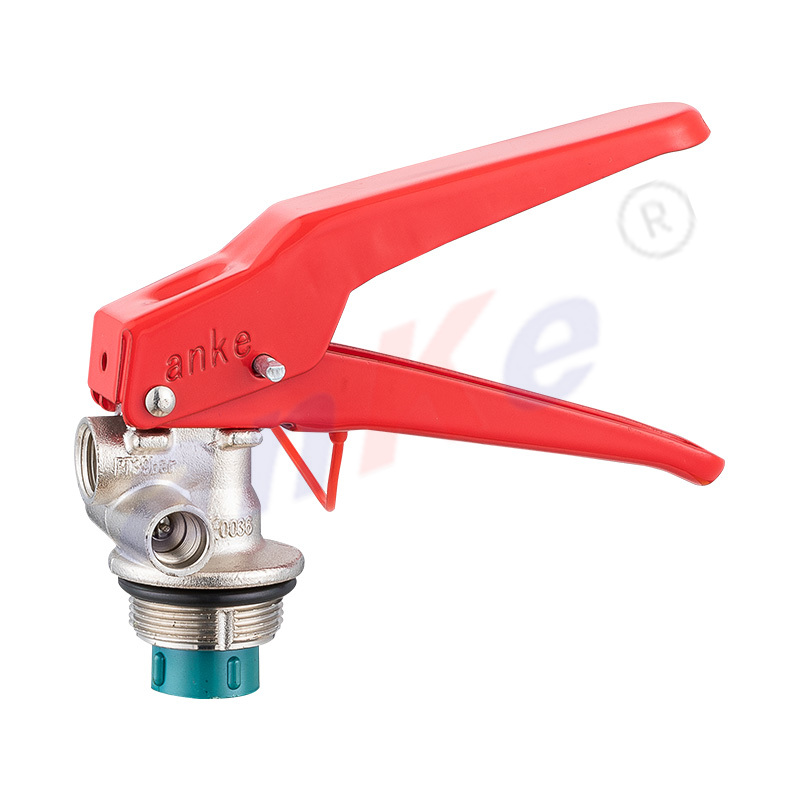
4-12KG Dry Powder Fire Extinguisher Valve 1001
-
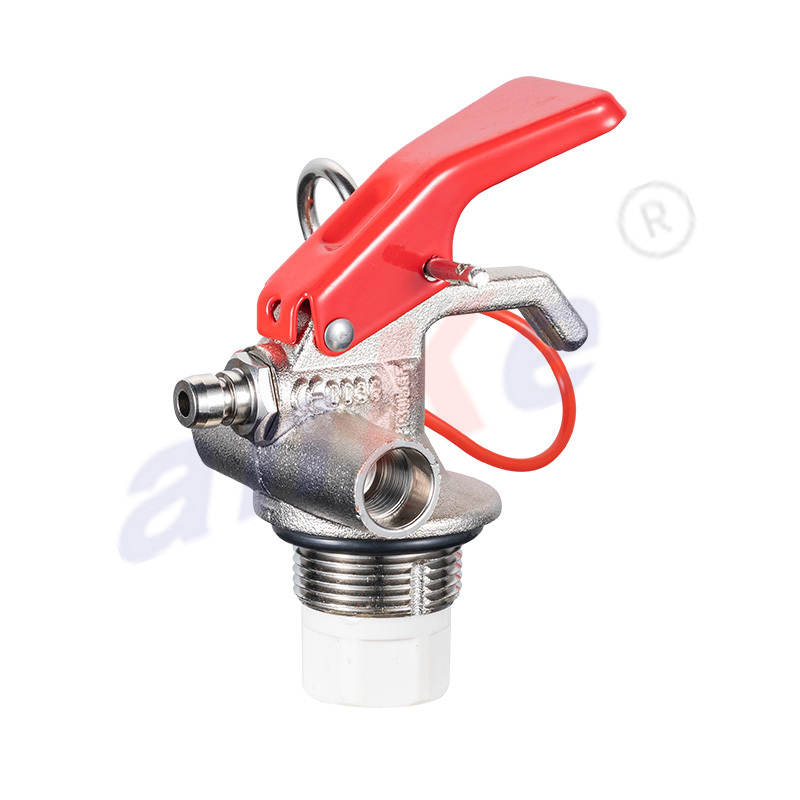
1-2KG Dry Powder Fire Extinguisher Valve 1033
-
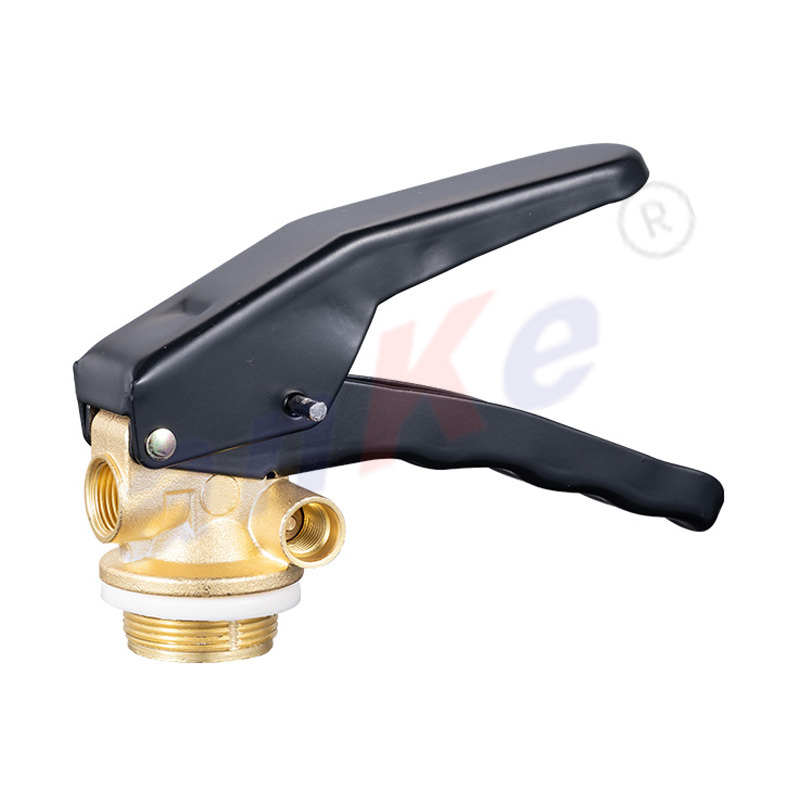
Brass Valve FOR 6-9KG Dry Powder Fire Extinguisher 1115
-
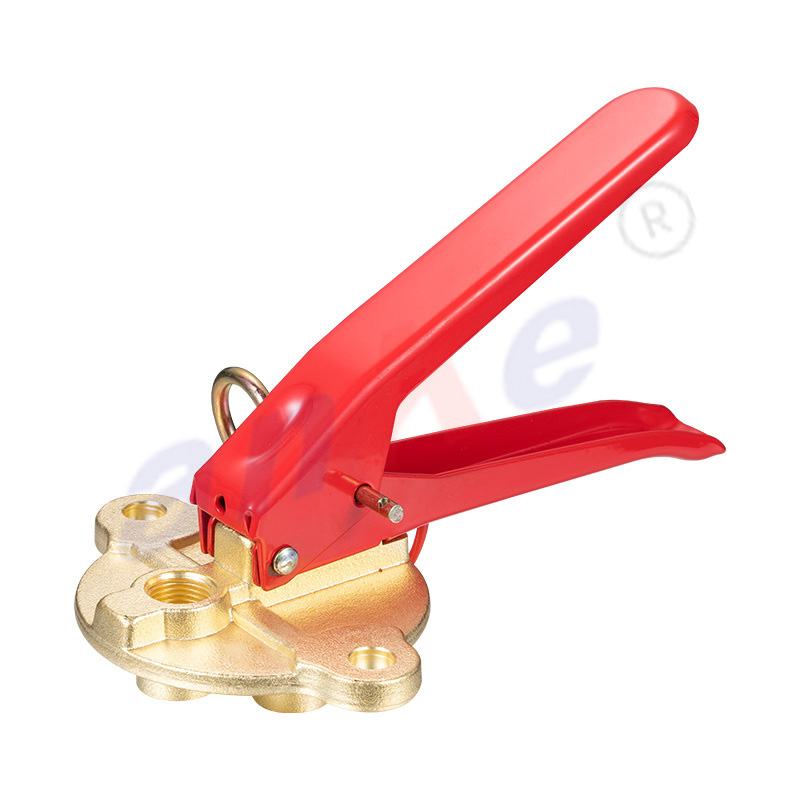
Brass Body 6-9KG Dry Powder Fire Extinguisher Valve 1108
-
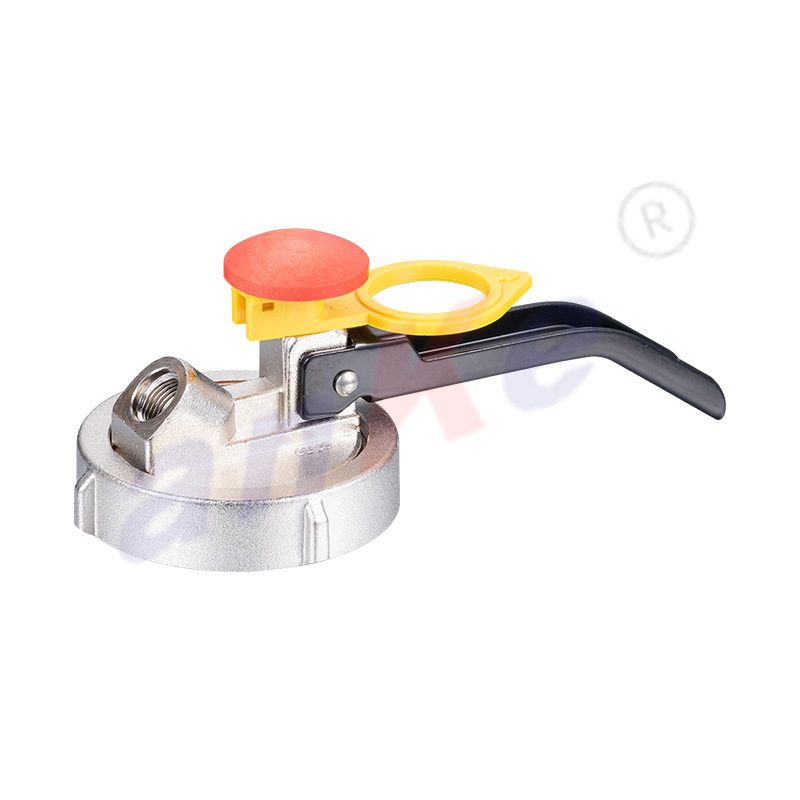
6-12KG Cartridge Dry Powder Fire Extinguisher Valve 1072
-
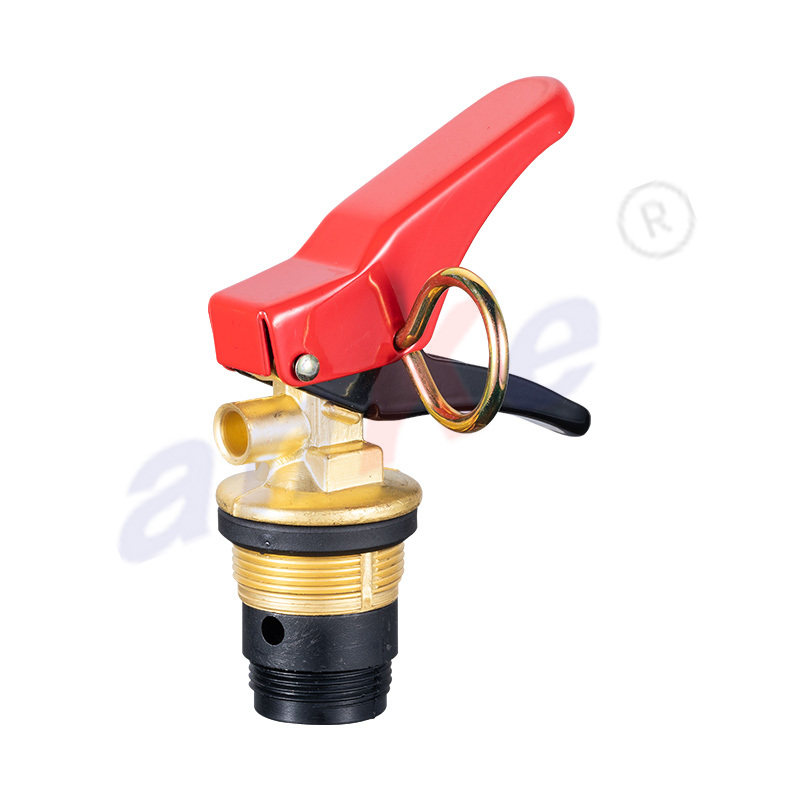
1-2KG Dry Powder Fire Extinguisher Copper Valve 1069A
-
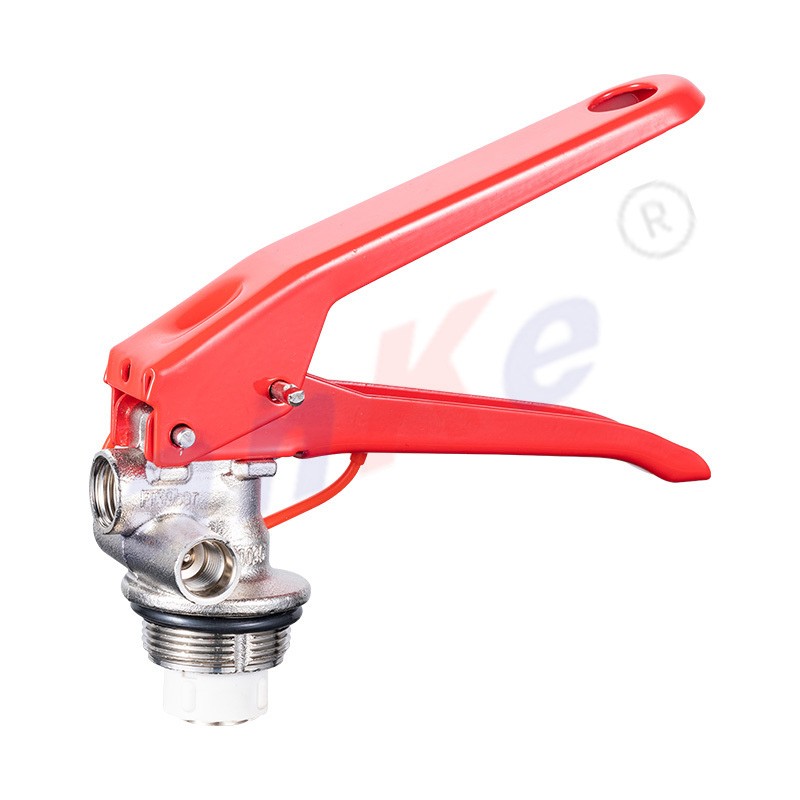
4-12KG Fire Extinguisher Red Plastic Handle Valve 1008
-
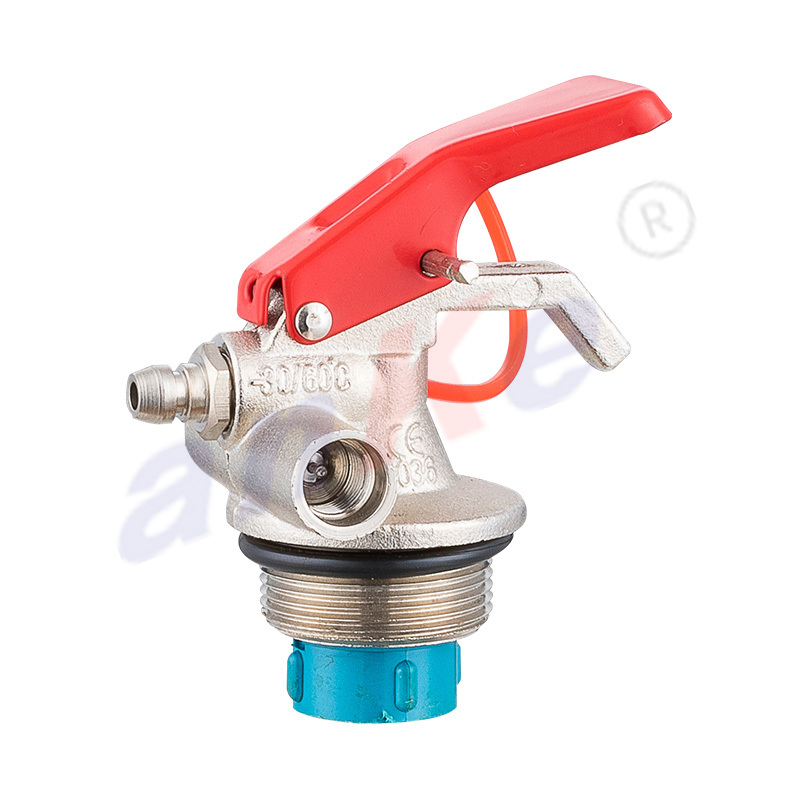
1-2KG Water/ Powder Fire Extinguisher Fire Eipument Safety Valve 1002C
-
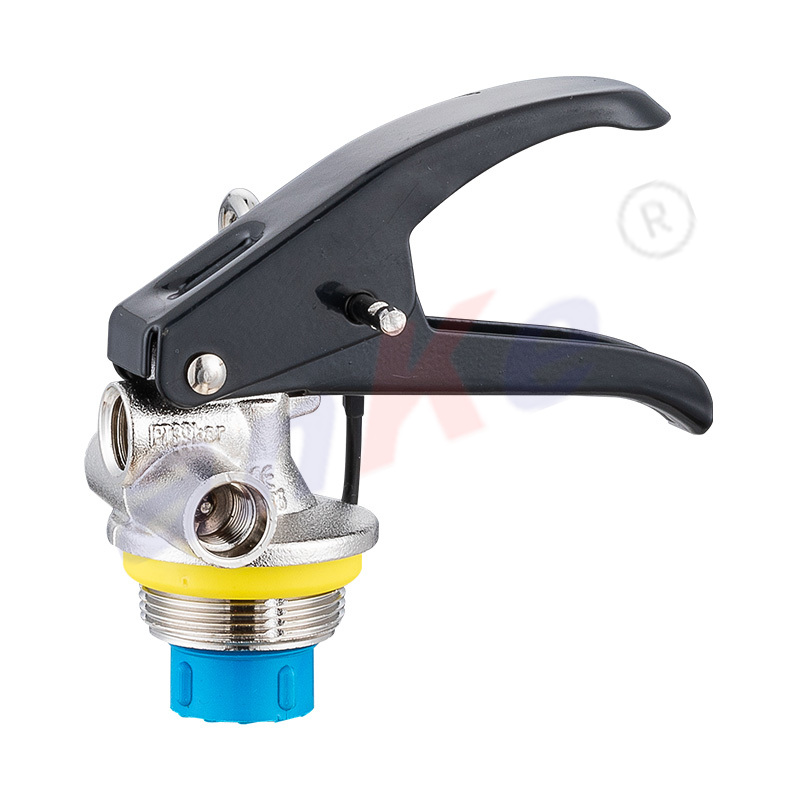
CE type High Quality 1-3KG Fire Extinguisher Cylinder Valve 1141
-
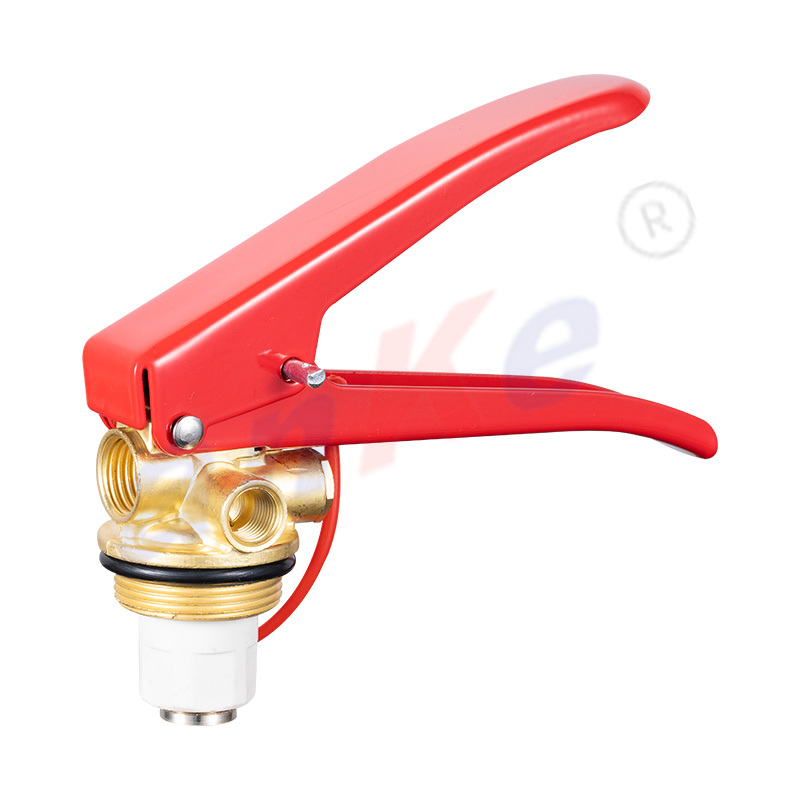
Brass Cylinder Valve FOR 4-9KG Fire Extinguisher 1139
-
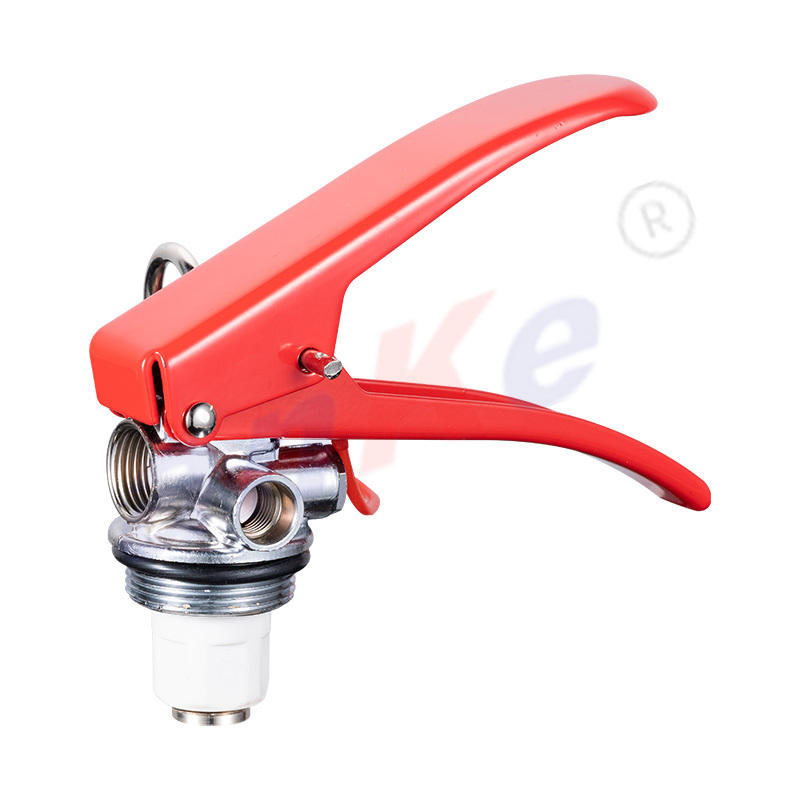
Cylinder Valve FOR 4-9KG foam Fire Extinguisher 1139A
-
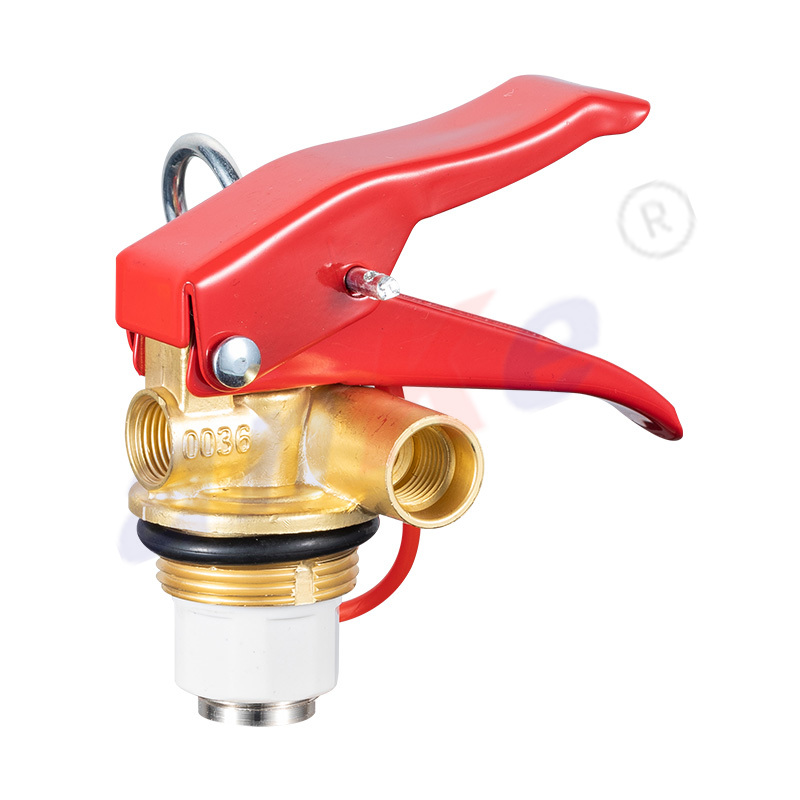
1-2KG Fire Extinguisher Brass Safety Cylinder Valve 1135
Advantage: Precision Sealing, Reliability, and Ease of Replacement
- Leak-Proof Sealing: Precision machining ensures a perfect fit with the O-rings and valve seat, preventing the slow loss of propellant pressure.
- Actuation Reliability: The smooth surface finish and robust material ensure the stem moves cleanly and quickly when the handle is compressed.
- Corrosion Resistance: The brass or high-grade polymer construction prevents chemical reaction with the dry chemical powder.
- Modular Replacement: Designed to be easily extracted and reinstalled during the recharge and internal service process.
- Pressure Efficiency: Its design leverages the internal cylinder pressure to assist in tightly sealing the valve, requiring less spring force.
- Standardization: Stem designs often follow common industry sizes, simplifying parts sourcing for service depots.
Specification: Material, Sealing Method, and Travel Distance
| Component Function | Seals Agent/Propellant and Opens Discharge Flow Path |
| Material | Brass (HPb59-1), Polymer (e.g., POM/Delrin) |
| Sealing Method | O-Rings (Upper/Lower) and Seating Surface Contact |
| Operating Mechanism | Spring-Loaded and Pressure-Seated |
| Standard Compliance | UL 299/711 (Sealing Integrity), EN 3 |
| Key Dimensions | Length, Diameter, and O-Ring Groove Sizes (Specific to Valve Body) |
| Replacement Frequency | Required upon damage or during 6-year internal inspection |
| Compatibility | Must be matched to the specific valve body and spring constant |
Sealing Integrity and Maintenance
Pressure Containment
The stem's O-rings and seating surface must maintain a perfect seal against pressures up to 175 psi.
Agent Compatibility
The stem material must be chemically inert to the dry chemical agent to prevent degradation and binding.
Six-Year Service
The stem is removed and thoroughly cleaned, and all O-rings are replaced during the periodic internal maintenance.
Actuation Reliability
The smooth operation of the stem ensures the extinguisher discharges immediately and completely upon handle squeeze.
Propellant Control
Controls the sudden release of high-pressure nitrogen or air into the agent chamber.



 Phone: +86-13456107058/+86-15967800709
 Tel: +86-574-62010128/+86-574-62010688
 E-mail:
  Factory: Huilong Village, Huangjiabu Town, YuyaoCity,Zhejiang Province, China





 Domestic
 Overseas
 VR Catalogue
