
 en
en  English
 中文简体
中文简体 Español

Introduction: Foundation of Extinguisher Control Mechanism
The Brass Valve Body Extinguisher Parts form the main housing unit that connects the extinguisher cylinder to the discharge components (hose, gauge, handle). Forged or cast from high-grade brass, these valve bodies are preferred for high-pressure agents (CO2) and corrosive agents (wet chemical, foam) due to their superior strength, durability, and corrosion resistance compared to aluminum alternatives.
The valve body serves as the core of the extinguisher's operating system, containing the critical internal components: the valve stem, spring, O-rings, and the siphon tube connection port. Its primary function is to securely contain the pressurized agent until the safety pin is pulled and the operating lever is compressed, opening the internal valve stem.
These components are required to be disassembled, inspected, and have all seals replaced during the periodic internal examination mandated by NFPA 10 to ensure continued operational readiness and system integrity. (Approx. 580 words)
Related Products
-
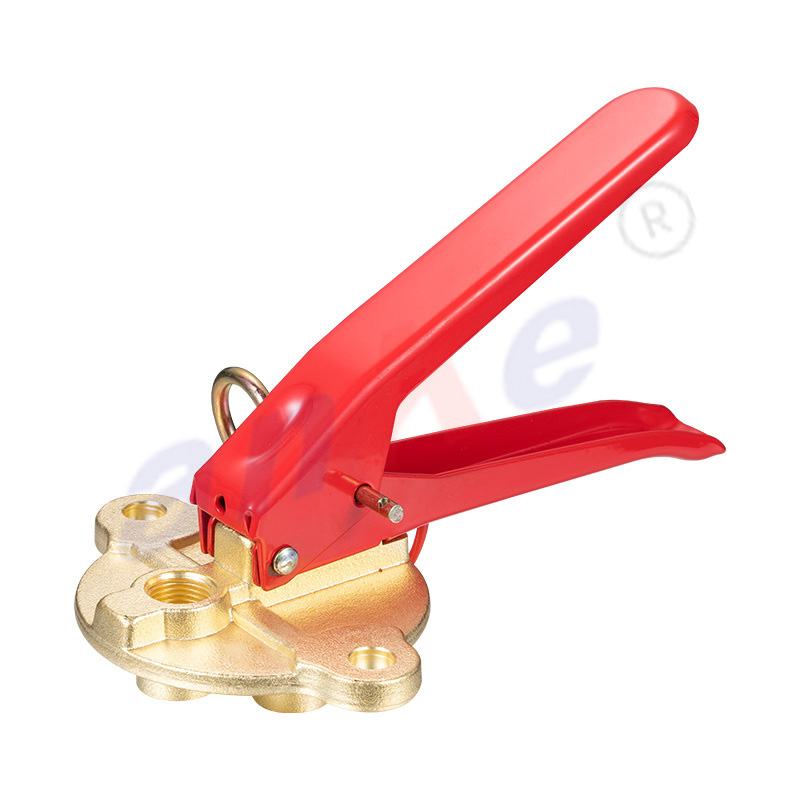
Brass Body 6-9KG Dry Powder Fire Extinguisher Valve 1108
-
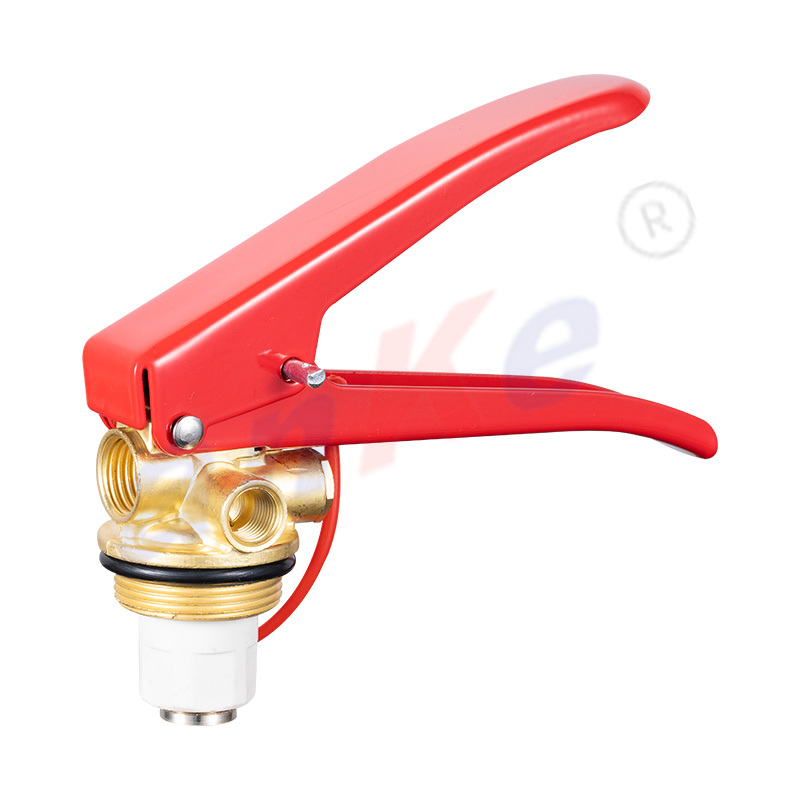
Brass Cylinder Valve FOR 4-9KG Fire Extinguisher 1139
-
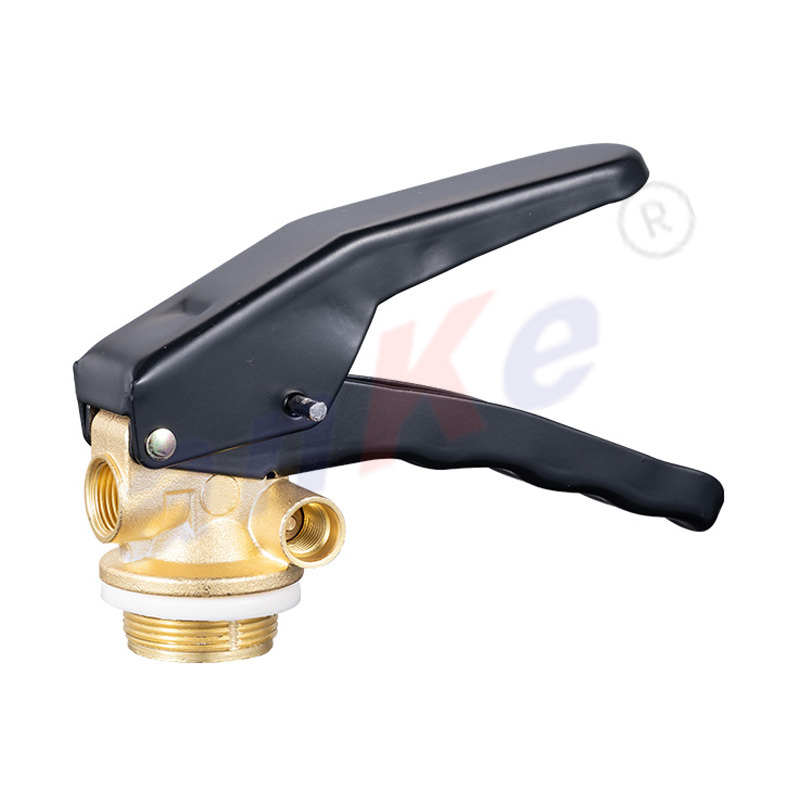
Brass Valve FOR 6-9KG Dry Powder Fire Extinguisher 1115
-
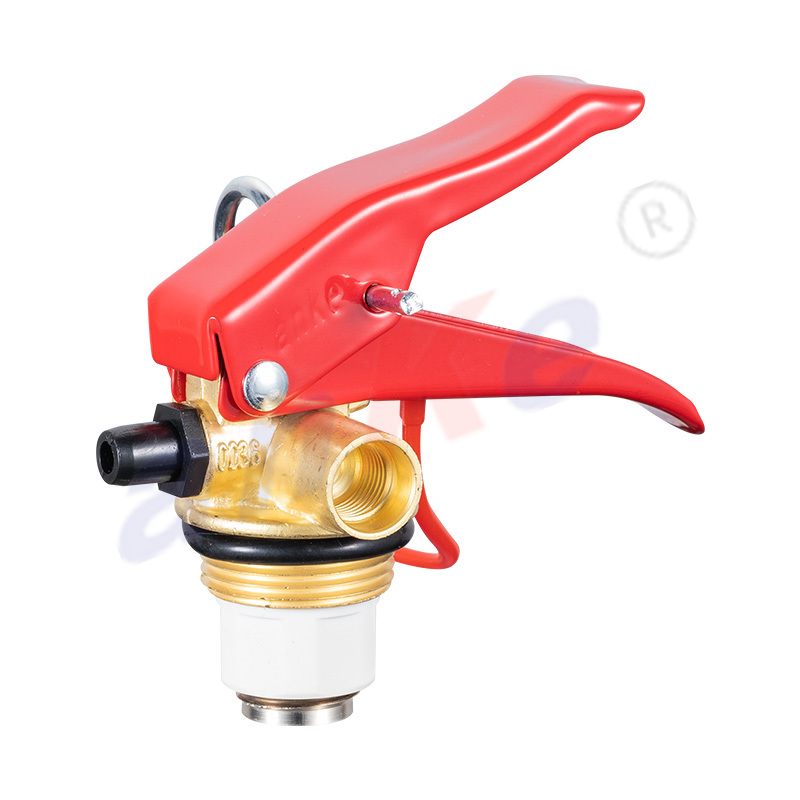
Red Handle Brass Body Cylinder Valve for 1KG Fire Extinguisher 1133
-
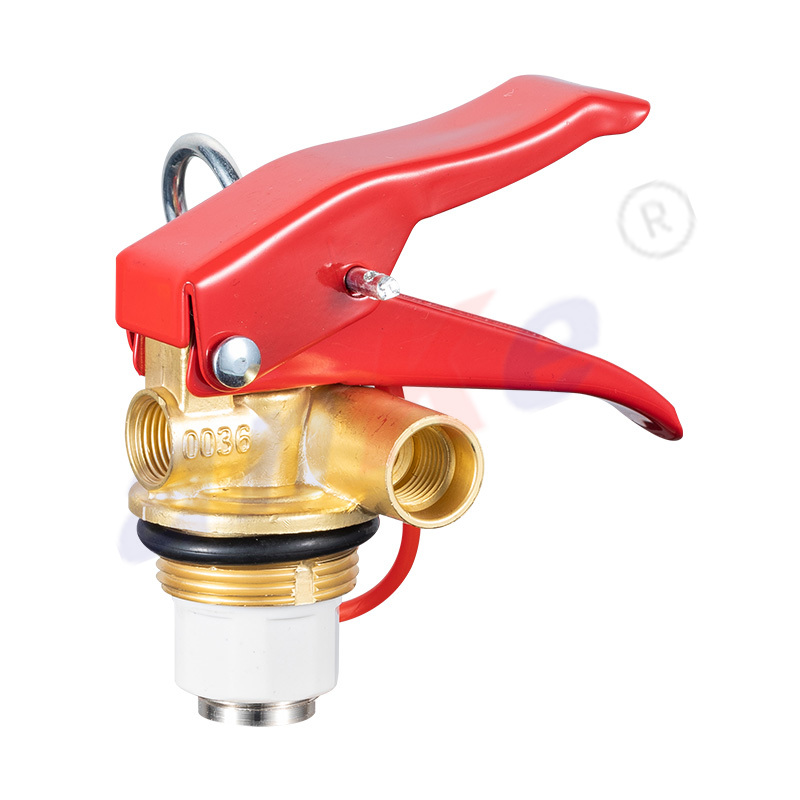
1-2KG Fire Extinguisher Brass Safety Cylinder Valve 1135
-
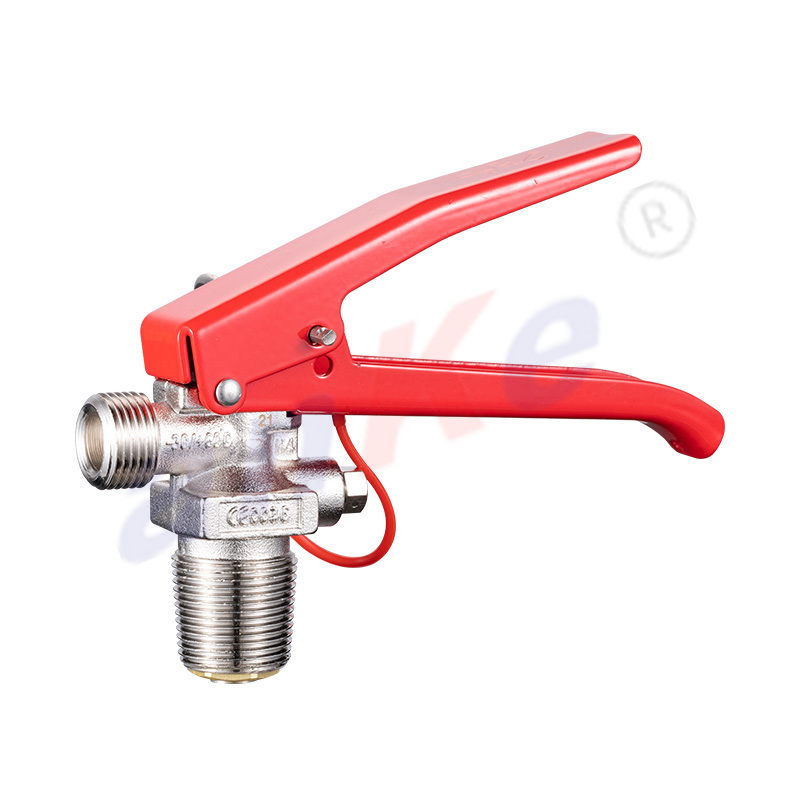
2-9KG Carbon Dioxide Fire Extinguisher valve Brass Valve 2048
-
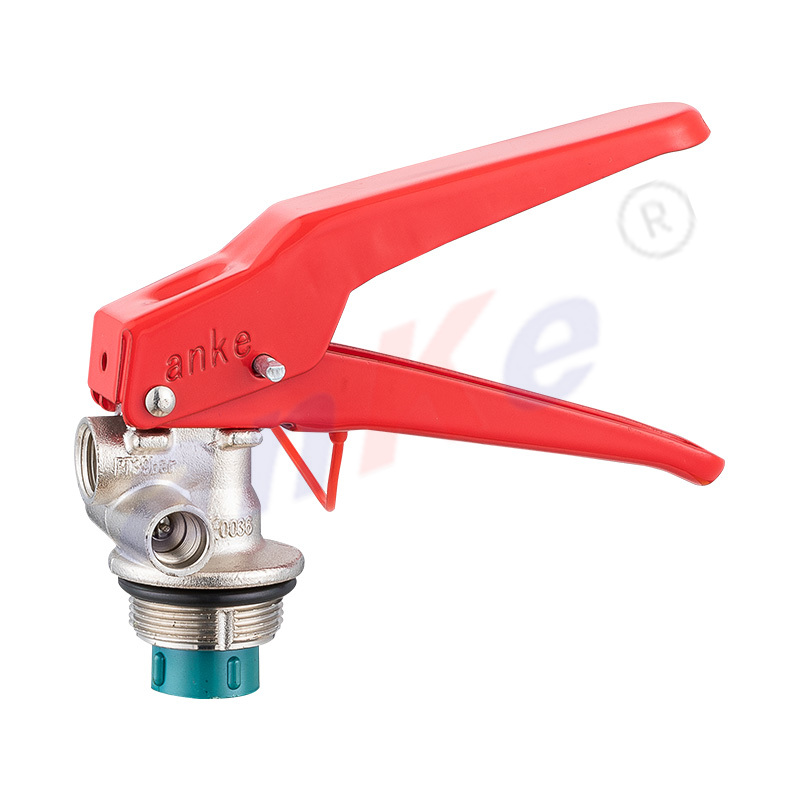
4-12KG Dry Powder Fire Extinguisher Valve 1001
-
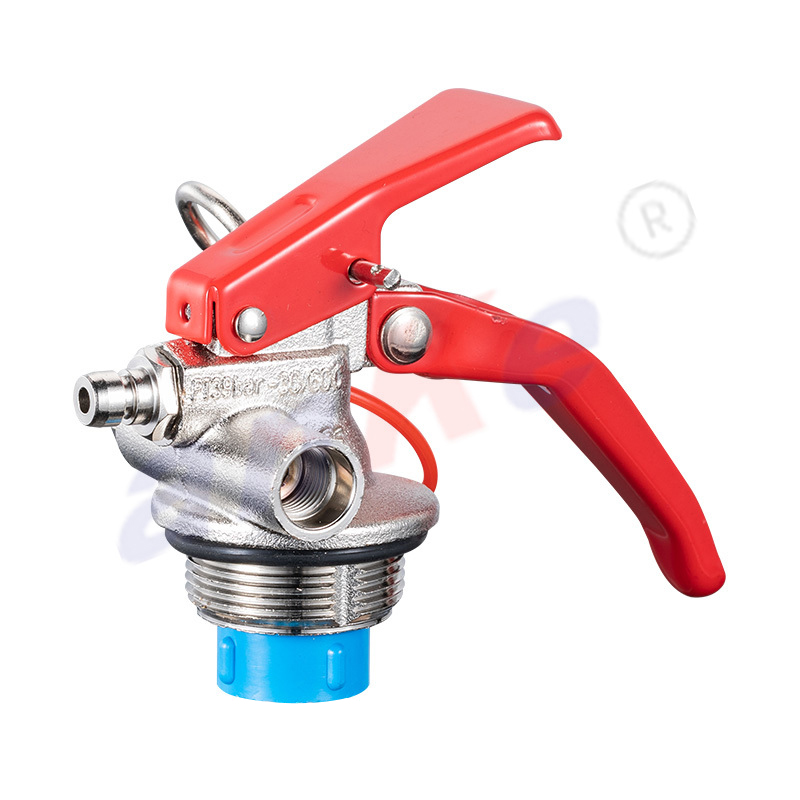
1-2KG Fire Extinguisher Valve 1003
-
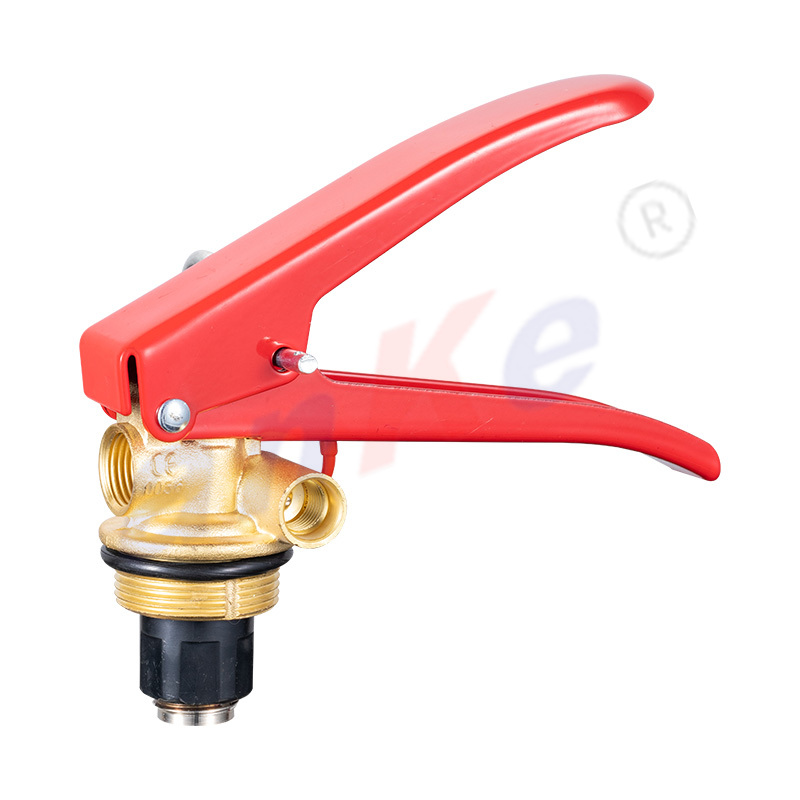
6KG-9KG Valve Fire Extinguisher Cylinder Valve 1143B
-
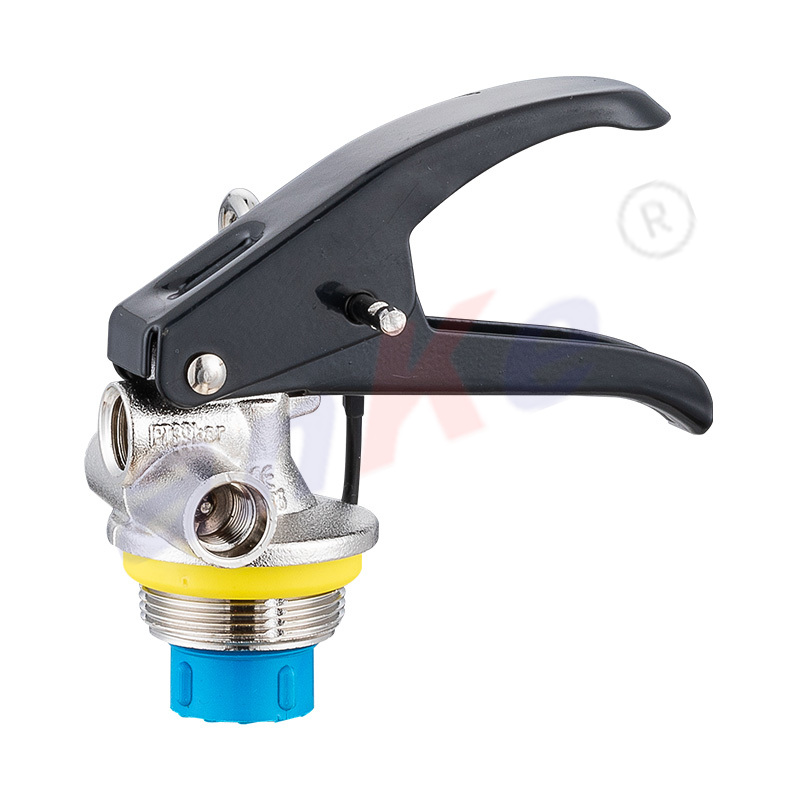
CE type High Quality 1-3KG Fire Extinguisher Cylinder Valve 1141
-
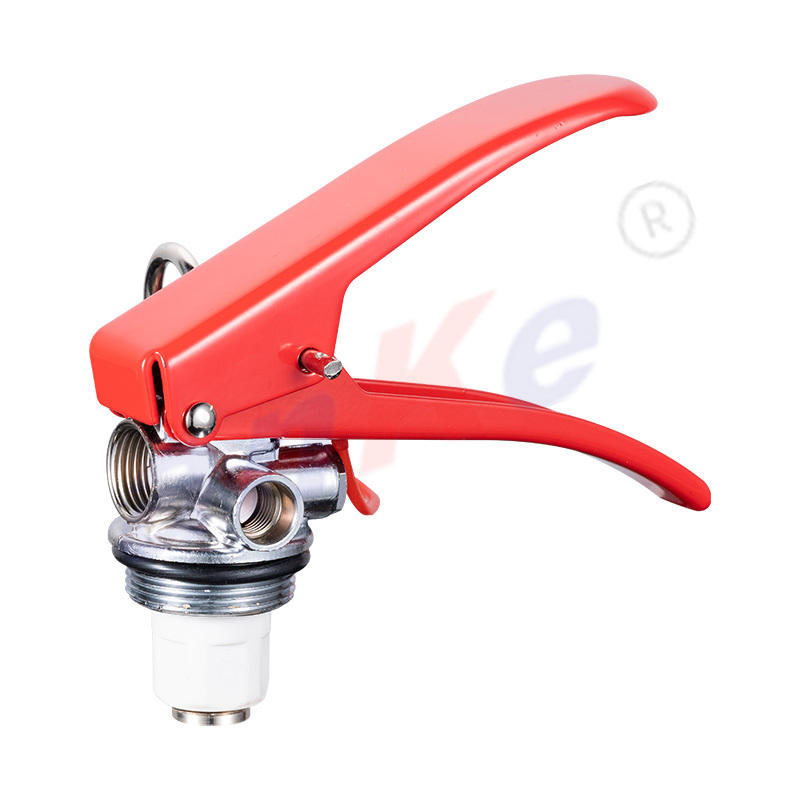
Cylinder Valve FOR 4-9KG foam Fire Extinguisher 1139A
-
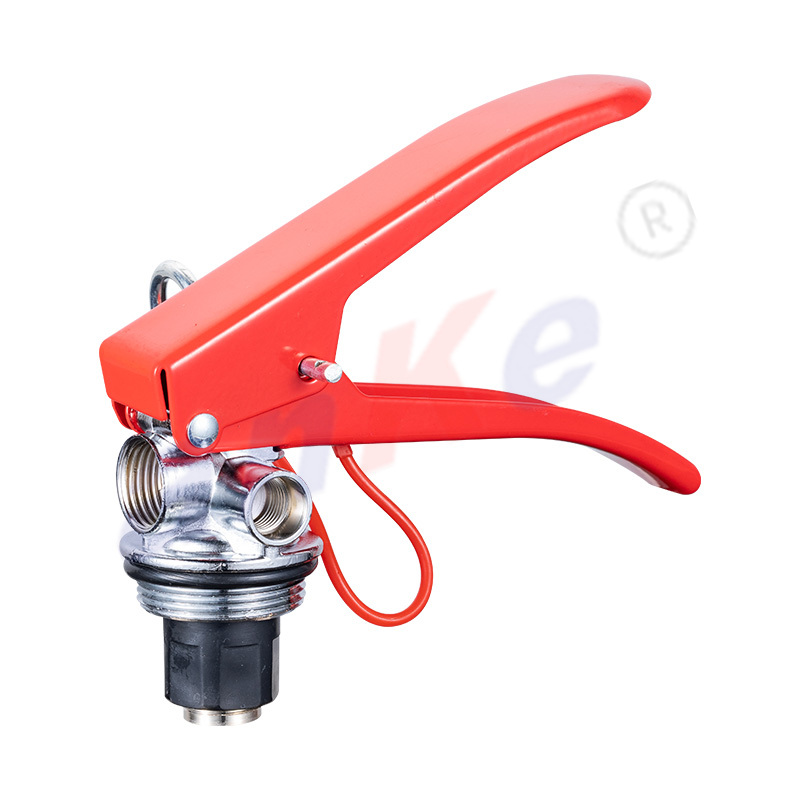
4-6KG Firefighting Equipment & Accessory Fire Extinguisher Valve 1128
Advantage: Durability, High Pressure Capability, and Chemical Inertness
- Extreme Strength: Forged brass offers exceptional tensile strength, making it ideal for containing high-pressure gases like CO2 and Nitrogen.
- Corrosion Resistance: Highly resistant to degradation from both atmospheric elements and specific chemical extinguishing agents.
- Longevity: Brass valves are designed to last for the entire 20-year lifespan of the cylinder, tolerating multiple hydrostatic tests and recharge cycles.
- Precision Machining: Brass is easily CNC machined to tight tolerances, ensuring a perfect, leak-free seal with the cylinder neck and other components.
- Code Acceptance: Universally recognized and accepted by all major fire safety regulatory bodies (UL, FM, BSI, EN).
- Thermal Stability: Maintains structural integrity across a wide range of operating temperatures without deformation.
Specification: Material Grade, Threading, and Pressure Rating
| Component Function | Primary Housing for Valve Mechanism and System Connection |
| Material | Forged Brass (e.g., HPb59-1 or C37700) |
| Pressure Rating | Up to 3000 psi (For CO2 Applications) |
| Cylinder Thread | M30×1.5, M18×1.5 (Metric), or NPT (US) |
| Port Integrations | Gauge, Hose/Horn, Siphon Tube, Safety Burst Disk (Optional) |
| Corrosion Resistance | Excellent (Superior to Aluminum) |
| Standard Compliance | UL 299/711 (Valve Performance), EN 3 |
| Key Feature | High Yield Strength and Durability for Recharge Cycles |
Application in High-Hazard Environments
CO2 Extinguishers
Mandatory for high-pressure liquid storage (up to 1800 psi) where cylinder integrity is paramount.
Wet Chemical (Class K) Units
Used due to brass's superior chemical resistance to the alkaline potassium acetate agent.
Marine and Offshore Use
Preferred in saltwater environments for maximum resistance against chloride corrosion.
High Frequency Use
Chosen for industrial and commercial units subjected to frequent inspections and service/recharge cycles.
Manufacturing and Assembly
Supplied to extinguisher assemblers for use with certified DOT/TPED cylinders.



 Phone: +86-13456107058/+86-15967800709
 Tel: +86-574-62010128/+86-574-62010688
 E-mail:
  Factory: Huilong Village, Huangjiabu Town, YuyaoCity,Zhejiang Province, China





 Domestic
 Overseas
 VR Catalogue
