
 en
en  English
 中文简体
中文简体 Español

Introduction: Controlling Agent Discharge in Portable Units
The Fire Extinguisher Valve is the critical component that controls the release and discharge of the extinguishing agent from a portable fire extinguisher cylinder. The two most common types are the Squeeze Grip Valve (used primarily on dry chemical, foam, and water extinguishers) and the Pinch Valve (used typically on high-pressure CO2 extinguishers).
These valves must be precision-engineered from materials like brass, aluminum, or chrome-plated steel to withstand the specific internal pressures (175 psi for dry chemical, up to 1800 psi for CO2) and resist corrosion from the extinguishing agents. They feature an integrated safety pin/seal, a pressure gauge (where applicable), and a durable valve stem and sealing mechanism (e.g., rubber O-rings or PTFE seals) to ensure continuous readiness and reliable activation.
The valve's design determines the ease of use, ability to interrupt discharge, and compliance with standards such as UL 299/711 and ISO 15500. (Approx. 550 words)
Related Products
-
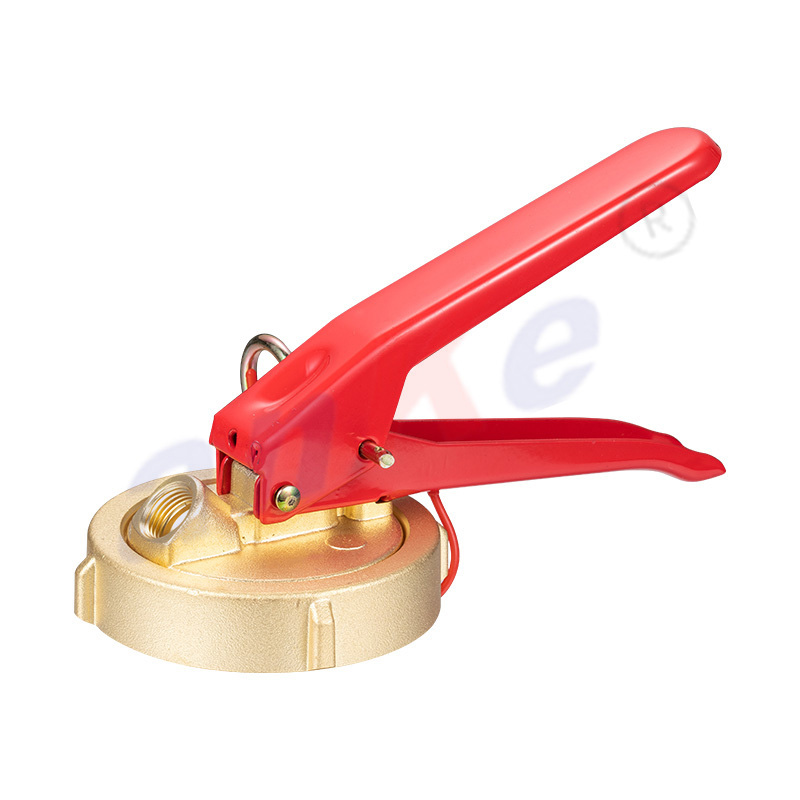
Fire Eipument Cylinder Valve for 6-9KG Cartridge Fire Extinguisher 1046
-
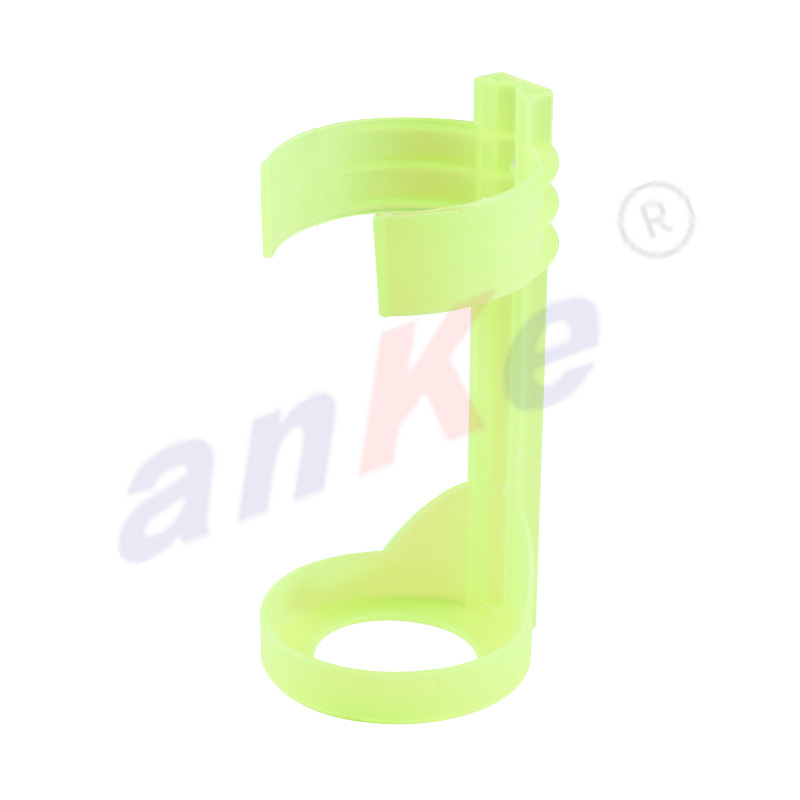
Fire Extinguisher Plastic Wall Mount Bracket 5017
-
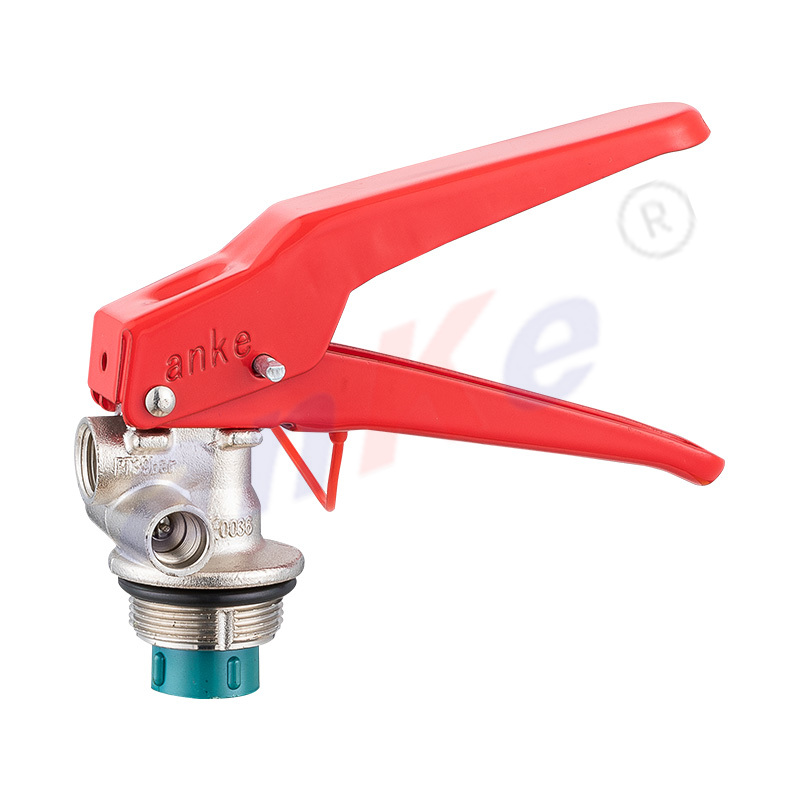
4-12KG Dry Powder Fire Extinguisher Valve 1001
-
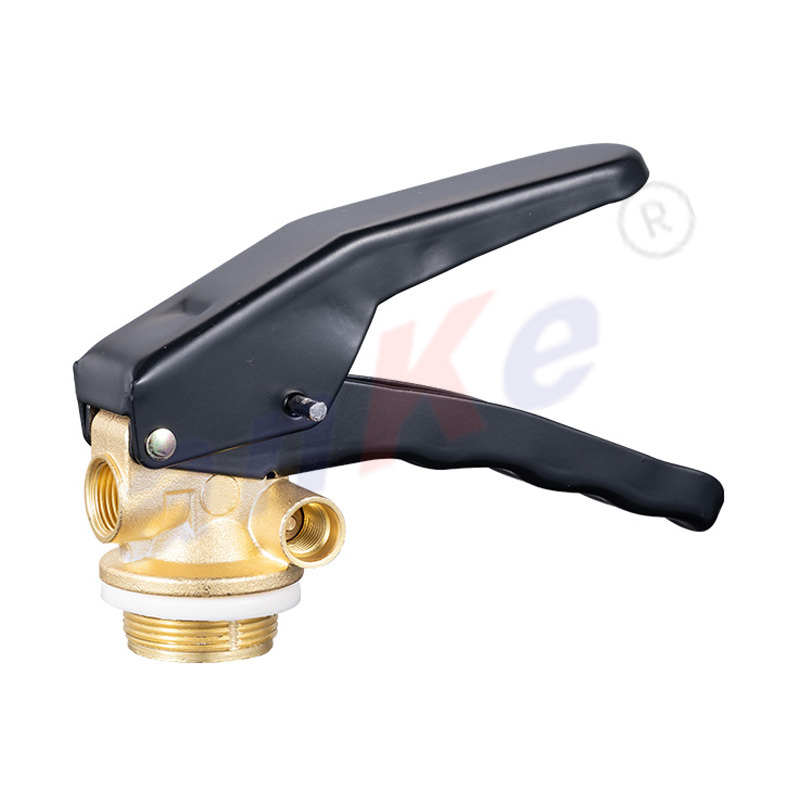
Brass Valve FOR 6-9KG Dry Powder Fire Extinguisher 1115
-
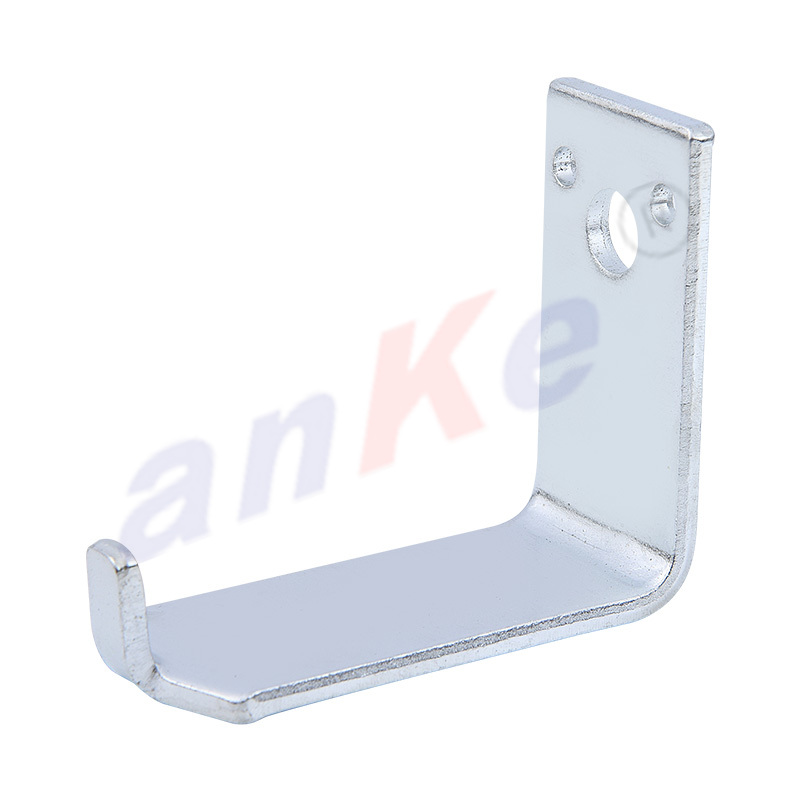
Universal Fire Extinguisher Wall L Mount Bracket For 4-12kg Fire Extinguisher 5024
-
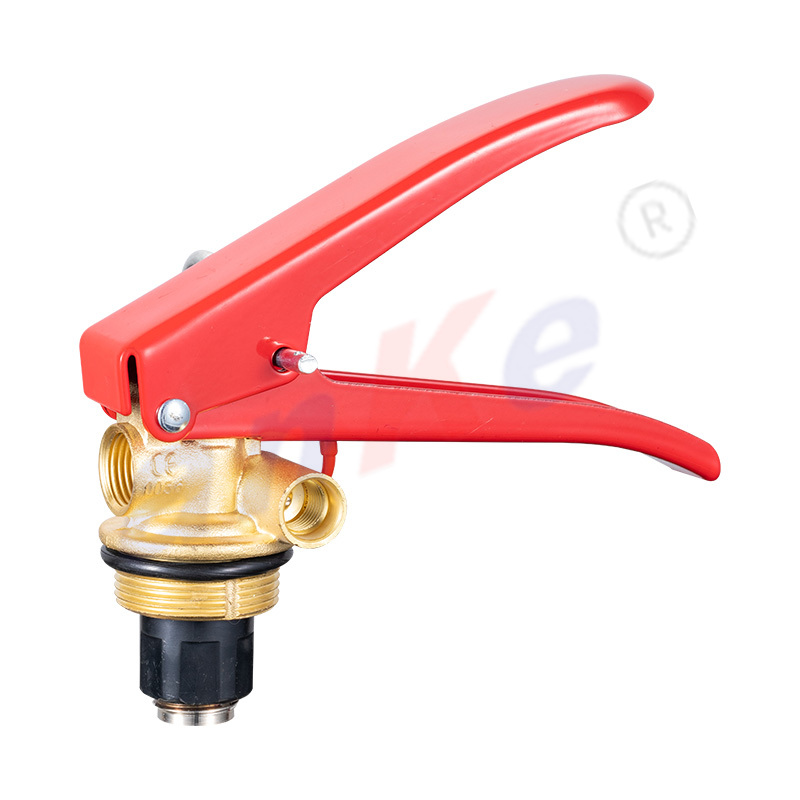
6KG-9KG Valve Fire Extinguisher Cylinder Valve 1143B
-
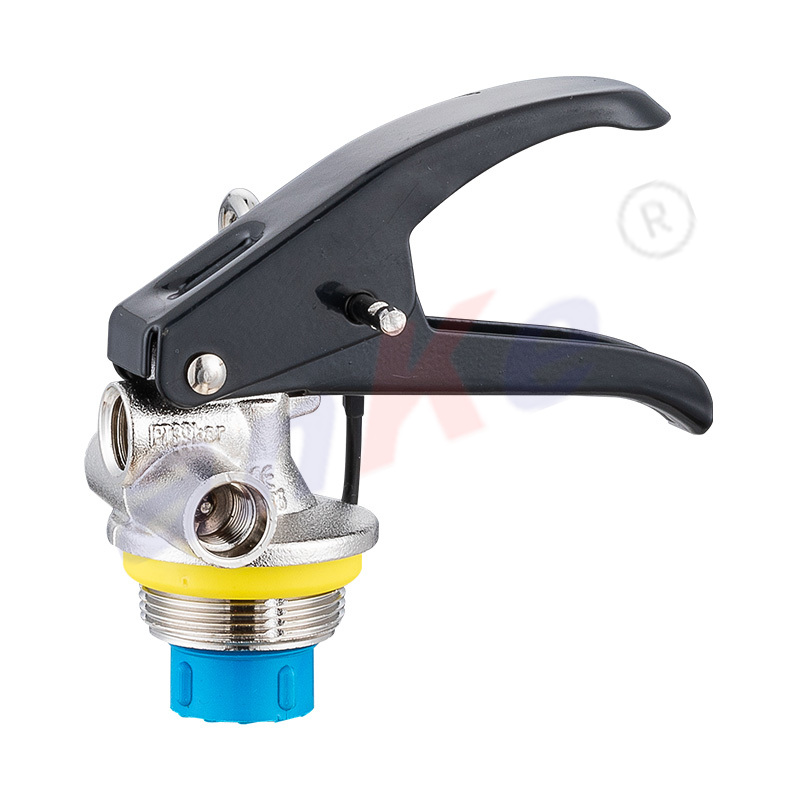
CE type High Quality 1-3KG Fire Extinguisher Cylinder Valve 1141
-
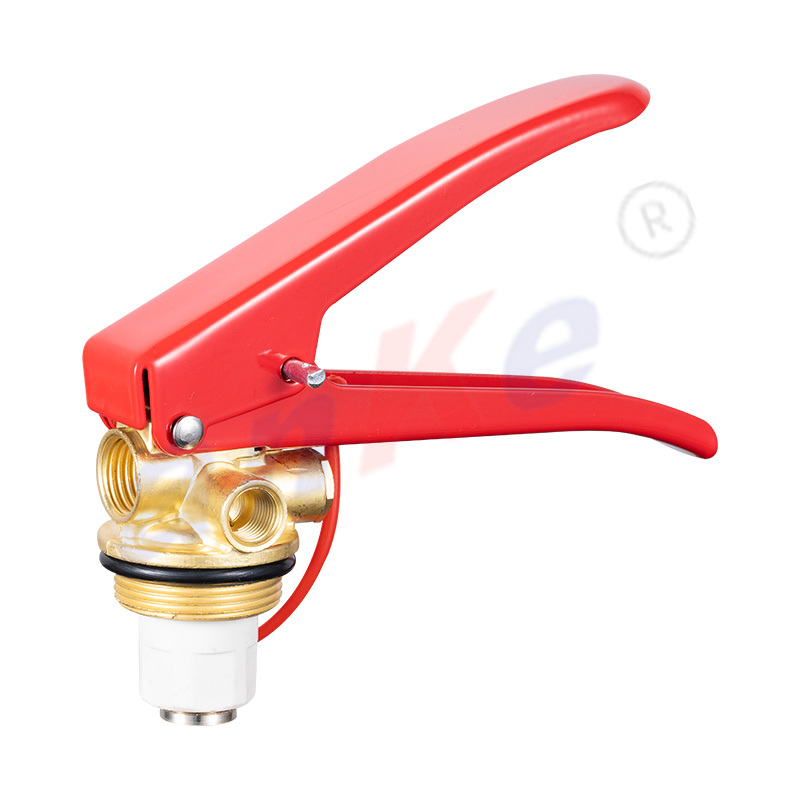
Brass Cylinder Valve FOR 4-9KG Fire Extinguisher 1139
-
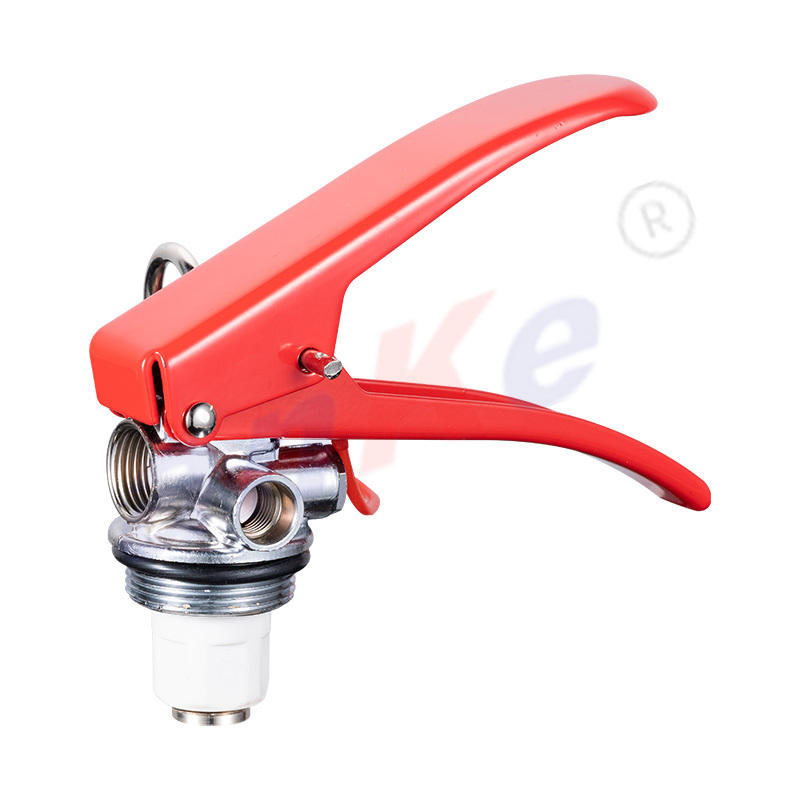
Cylinder Valve FOR 4-9KG foam Fire Extinguisher 1139A
-
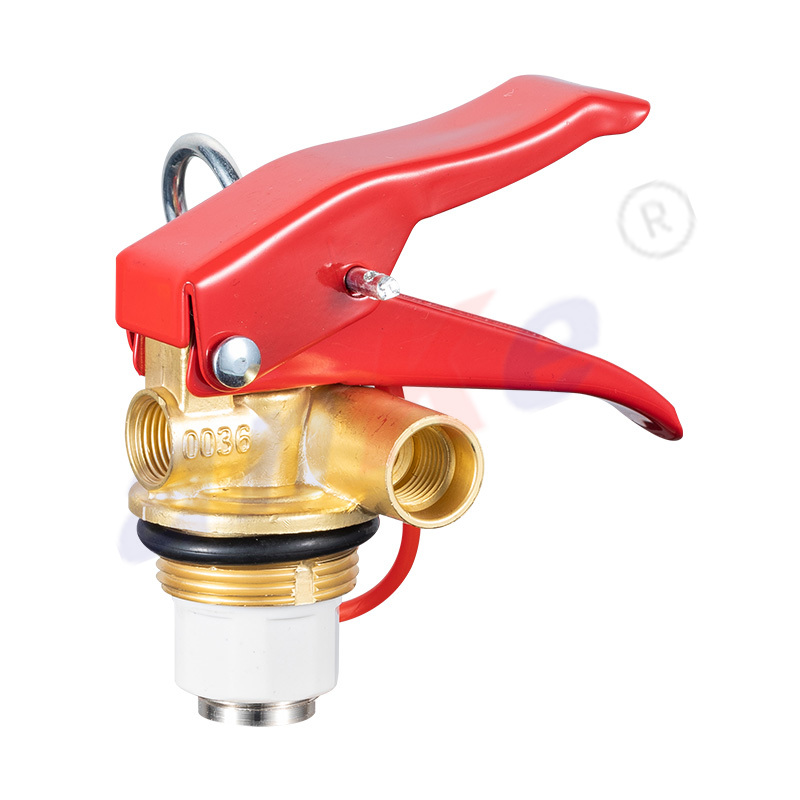
1-2KG Fire Extinguisher Brass Safety Cylinder Valve 1135
-
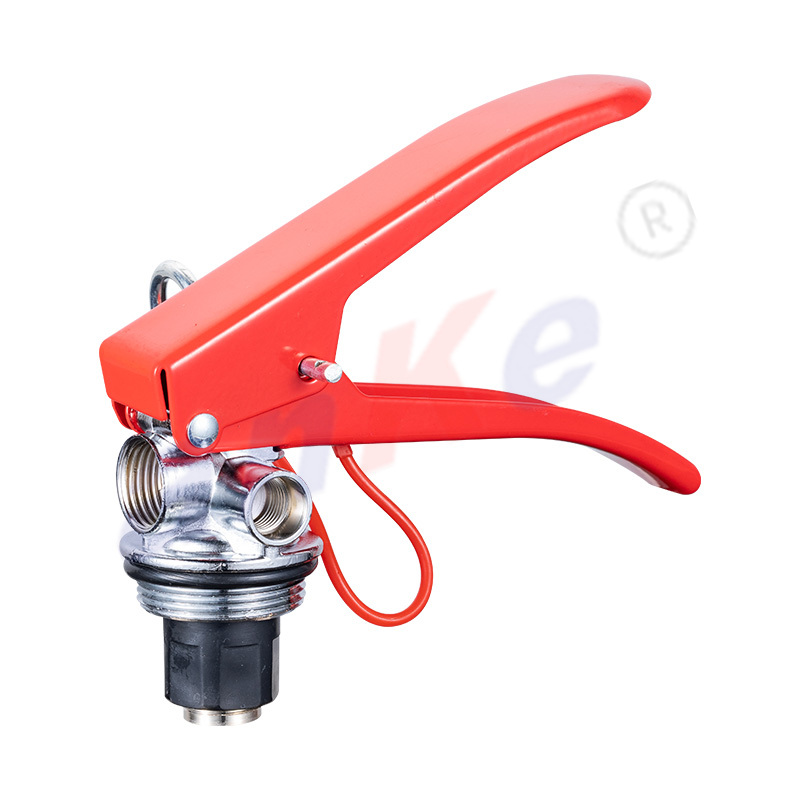
4-6KG Firefighting Equipment & Accessory Fire Extinguisher Valve 1128
-
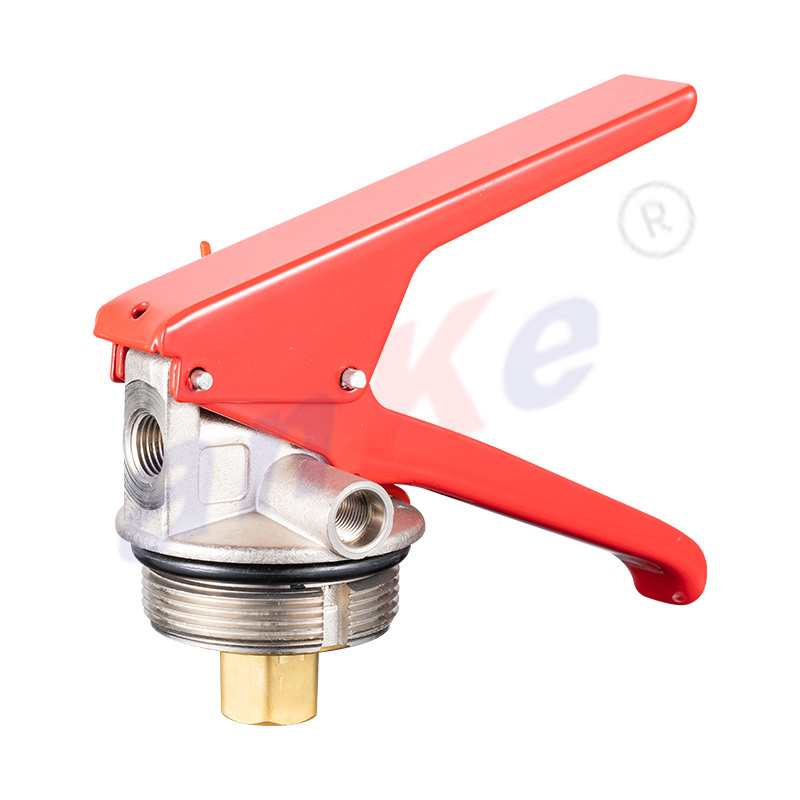
Red Safety Handle Valve for 6-9KG Fire Extinguisher 1107
Advantage: Durability, Agent Compatibility, and Resealing Capability
- Reliable Discharge: Precision machining ensures a clean, immediate opening and proper flow rate when the handle is depressed.
- Corrosion Resistance: High-quality brass/chrome plating ensures long-term integrity, even when exposed to damp environments or aggressive extinguishing agents.
- Interrupted Discharge: Squeeze grip valves allow the operator to start and stop the discharge flow, conserving agent and improving accuracy.
- Safety Pin Mechanism: The integrated pin and tamper seal prevent accidental discharge while providing visual evidence of tampering/prior use.
- Pressure Monitoring: Includes a port for a pressure gauge, enabling immediate visual check of the extinguisher's readiness (required for low-pressure units).
- Serviceability: Designed with internal components (stem, seals) that can be easily accessed, replaced, and verified during hydrostatic testing/recharge.
Specification: Material, Pressure, and Type
| Valve Type | Squeeze Grip (Lever), Pinch Valve (CO2) |
| Material | Forged Brass, Chrome-Plated Aluminum, Stainless Steel |
| Operating Pressure | 175 psi to 1800 psi (Dependent on Agent) |
| Sealing Mechanism | PTFE Seal, Rubber O-Rings, Brass Stem |
| Safety Feature | Pull Pin with Tamper Seal |
| Outlet Connection | NPT/BSP Threading for Hose/Horn Attachment |
| Standard Compliance | UL 299/711 (Extinguisher Performance), ISO 15500 |
| Gauge Port | 1/8 inch NPT for Pressure Gauge Connection (Except CO2) |
Assembly and Maintenance of Portable Extinguishers
Dry Chemical Extinguishers (ABC/BC)
Using brass or aluminum squeeze grip valves designed for low-pressure chemical storage and featuring a gauge port.
Carbon Dioxide (CO2) Extinguishers
Pinch-style valve with heavy-duty construction to manage the extreme high pressure (∼1800 psi) of CO2 liquid/gas.
Water and Foam Extinguishers
Chrome-plated brass valves for corrosion resistance, ensuring the agent (water/foam concentrate) does not damage the internal stem.
Extinguisher Recharge and Servicing
Used during recharge processes to replace seals, springs, and check valve integrity before repressurizing the unit.
Cylinder Manufacturing Assembly
Integrated into newly manufactured cylinders via precision threading to ensure a perfect, high-pressure seal with the shell.



 Phone: +86-13456107058/+86-15967800709
 Tel: +86-574-62010128/+86-574-62010688
 E-mail:
  Factory: Huilong Village, Huangjiabu Town, YuyaoCity,Zhejiang Province, China





 Domestic
 Overseas
 VR Catalogue
