
 en
en  English
 中文简体
中文简体 Español

Introduction: Drawing Agent from the Cylinder Base
The Fire Extinguisher Siphon Tube (also known as the dip tube or internal pick-up tube) is a crucial internal component that extends from the underside of the valve body down into the cylinder, near the base. Its sole function is to ensure that the pressurized propellant gas, stored above the agent, forces the extinguishing agent (powder, foam, or liquid) out of the cylinder and through the valve and hose assembly.
The length and material of the siphon tube are specific to the extinguisher type and size. They are typically made from durable, non-corrosive plastics (like Polyethylene or PVC) for dry chemical and water units, or metal (brass/stainless steel) for high-pressure CO2 cylinders. The CO2 siphon tube is metallic and ensures the liquid CO2 (stored at the bottom) is discharged, not just the vaporized gas at the top.
Damage, blockage, or incorrect length of the siphon tube will result in a failure to fully discharge the agent, rendering the extinguisher ineffective and non-compliant with UL/NFPA standards. (Approx. 520 words)
Related Products
-
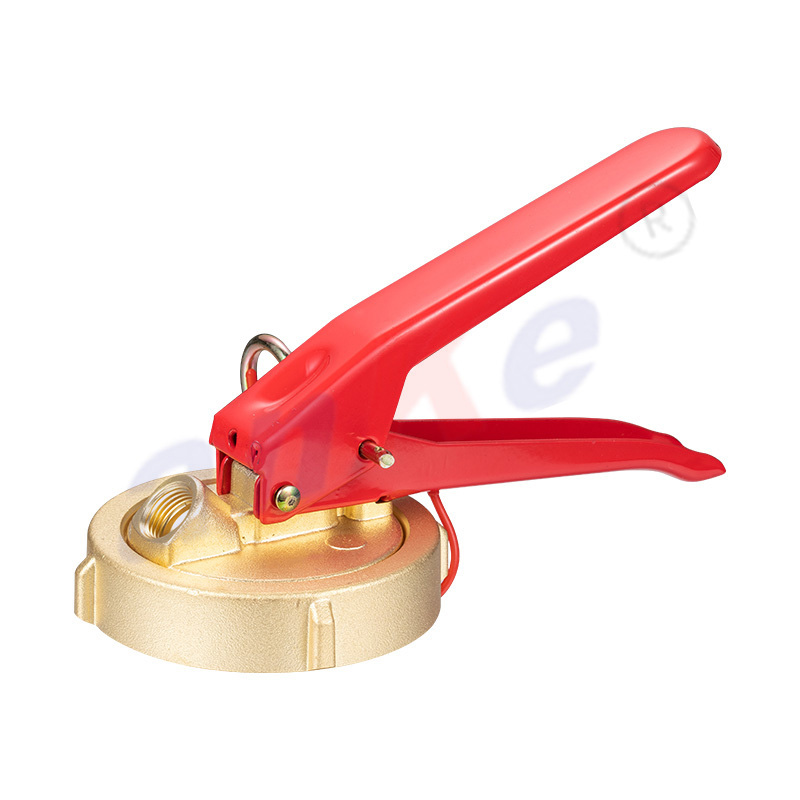
Fire Eipument Cylinder Valve for 6-9KG Cartridge Fire Extinguisher 1046
-
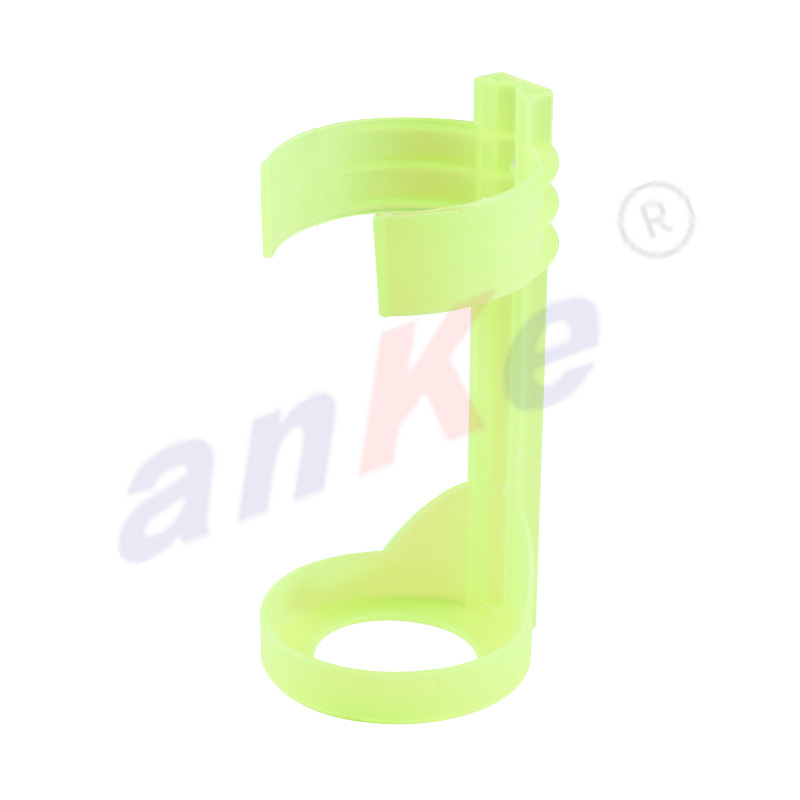
Fire Extinguisher Plastic Wall Mount Bracket 5017
-
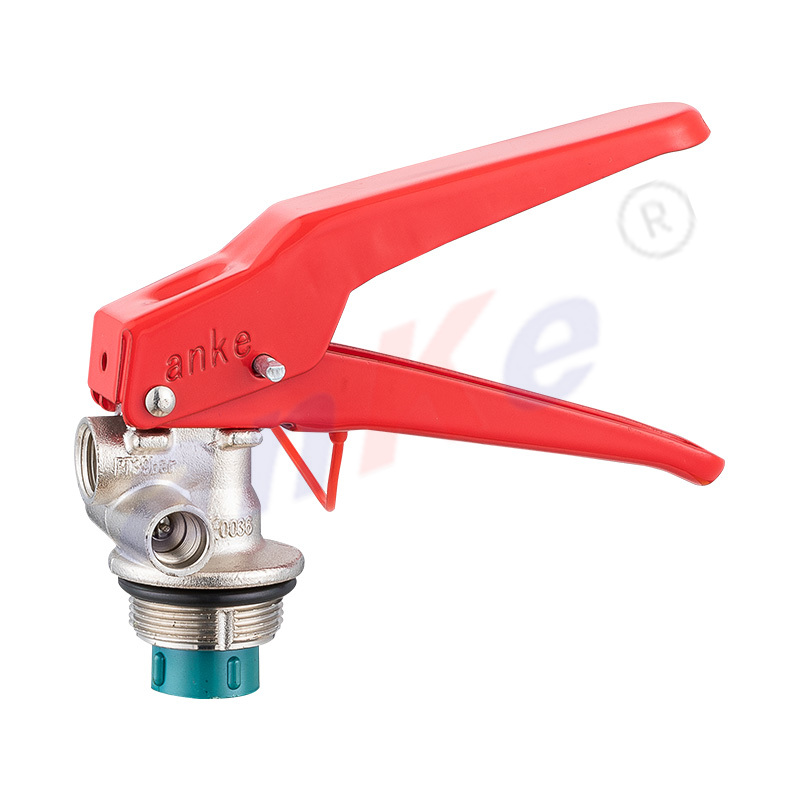
4-12KG Dry Powder Fire Extinguisher Valve 1001
-
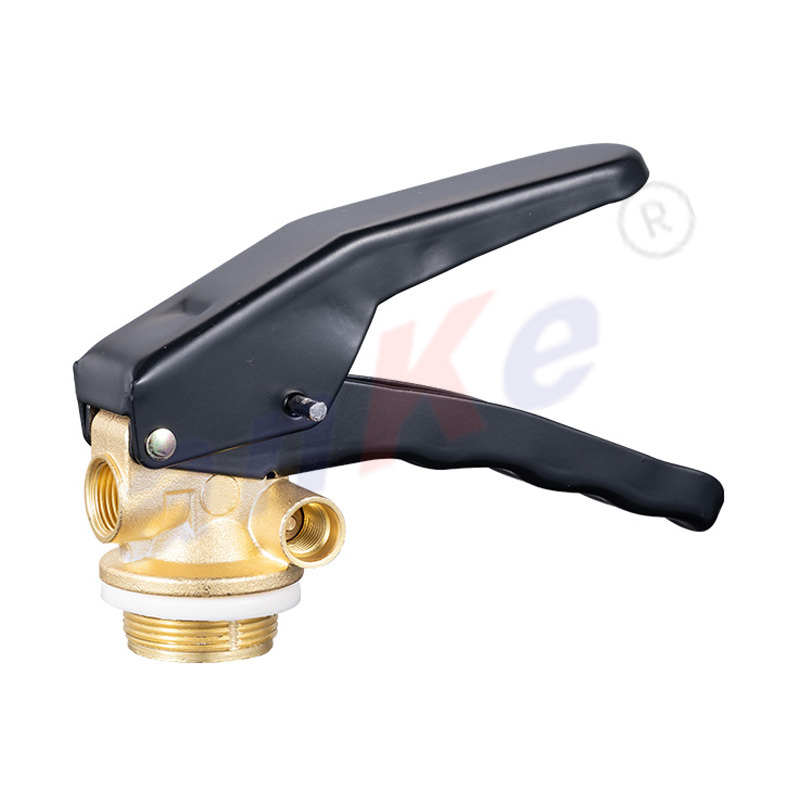
Brass Valve FOR 6-9KG Dry Powder Fire Extinguisher 1115
-
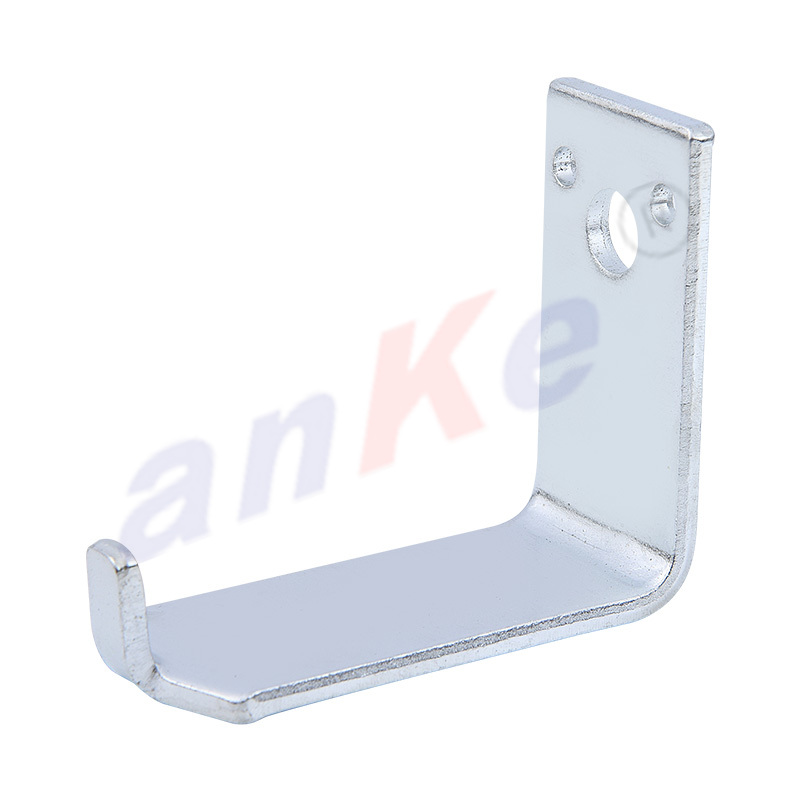
Universal Fire Extinguisher Wall L Mount Bracket For 4-12kg Fire Extinguisher 5024
-
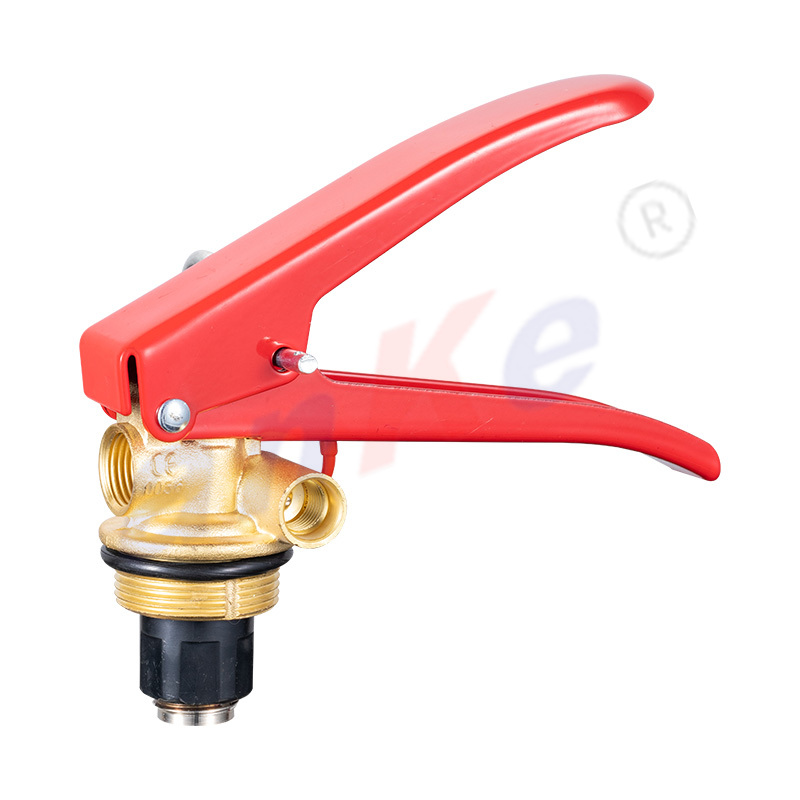
6KG-9KG Valve Fire Extinguisher Cylinder Valve 1143B
-
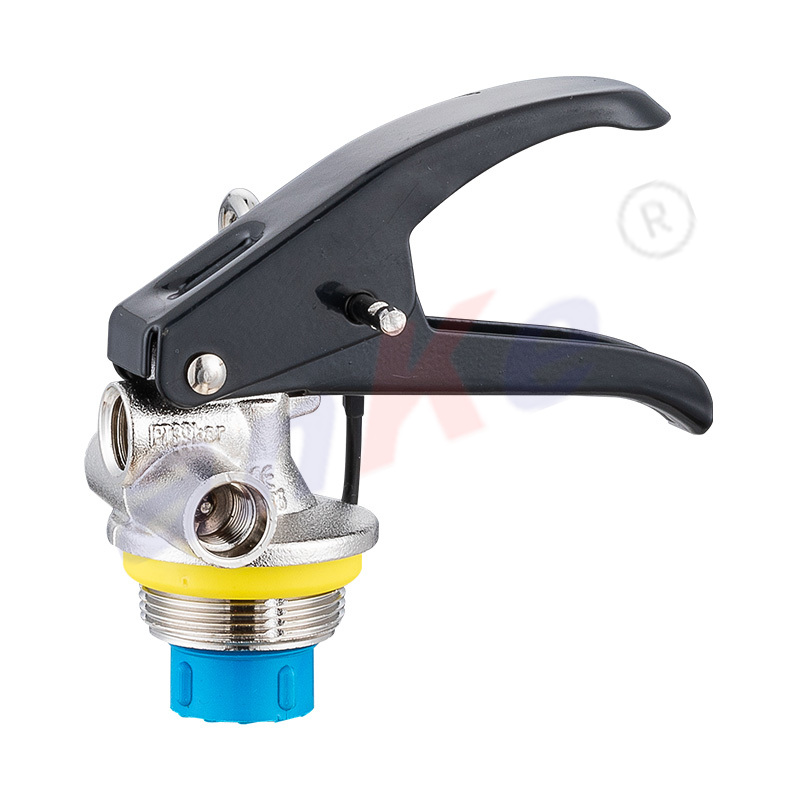
CE type High Quality 1-3KG Fire Extinguisher Cylinder Valve 1141
-
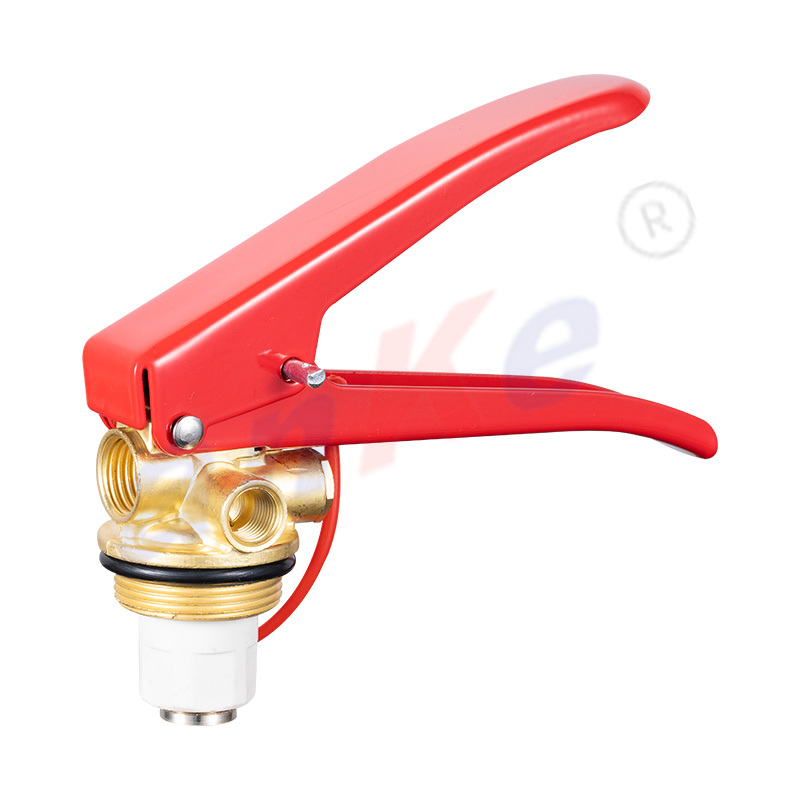
Brass Cylinder Valve FOR 4-9KG Fire Extinguisher 1139
-
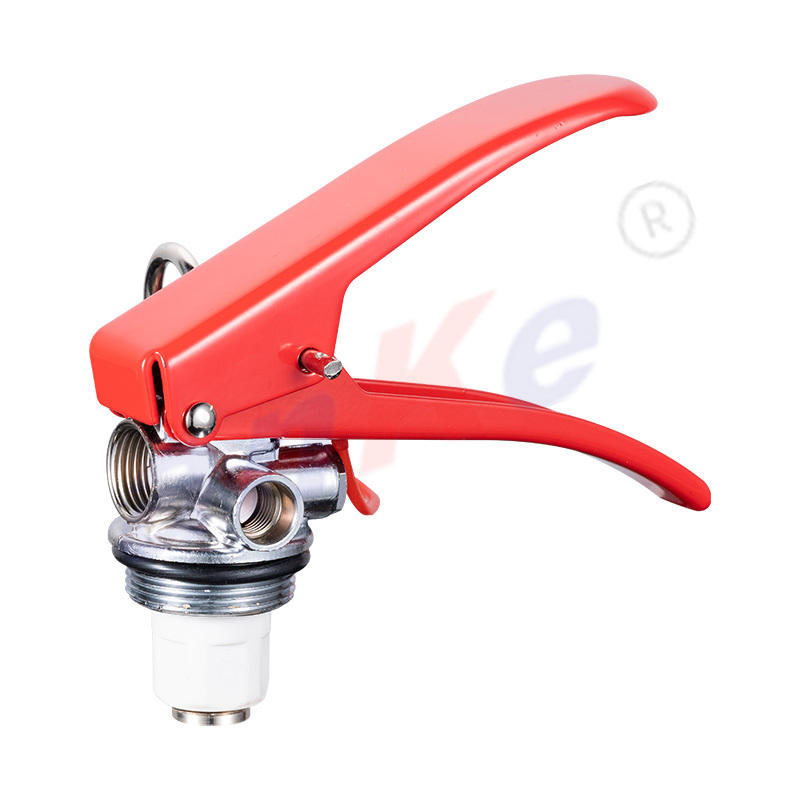
Cylinder Valve FOR 4-9KG foam Fire Extinguisher 1139A
-
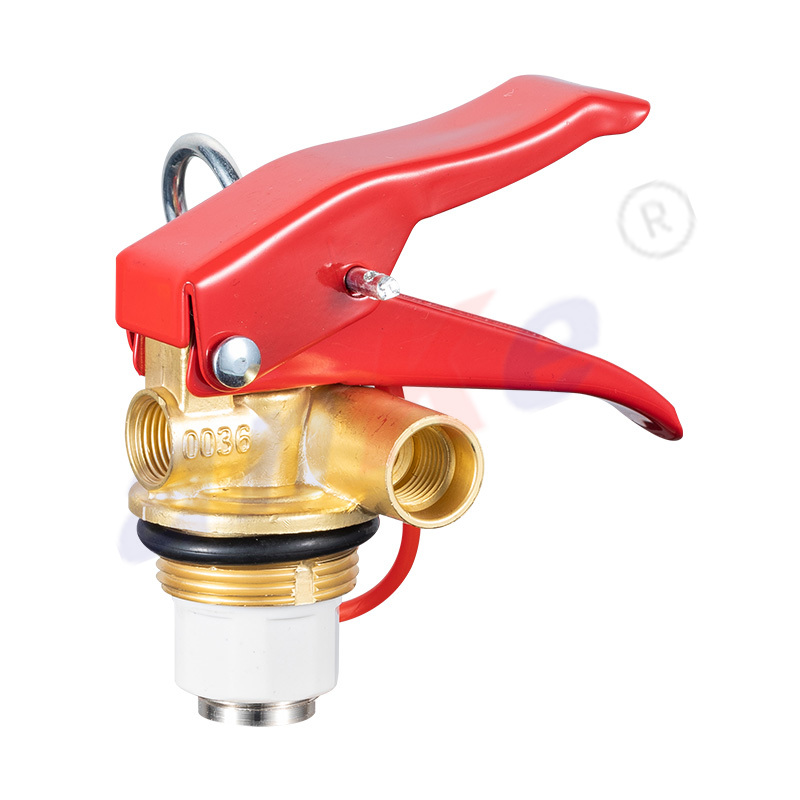
1-2KG Fire Extinguisher Brass Safety Cylinder Valve 1135
-
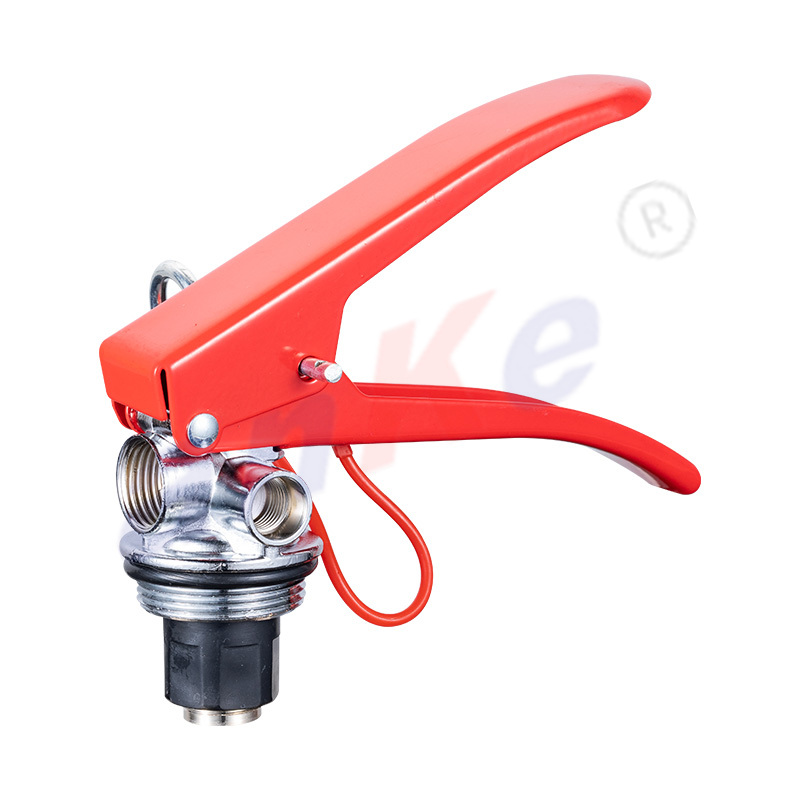
4-6KG Firefighting Equipment & Accessory Fire Extinguisher Valve 1128
-
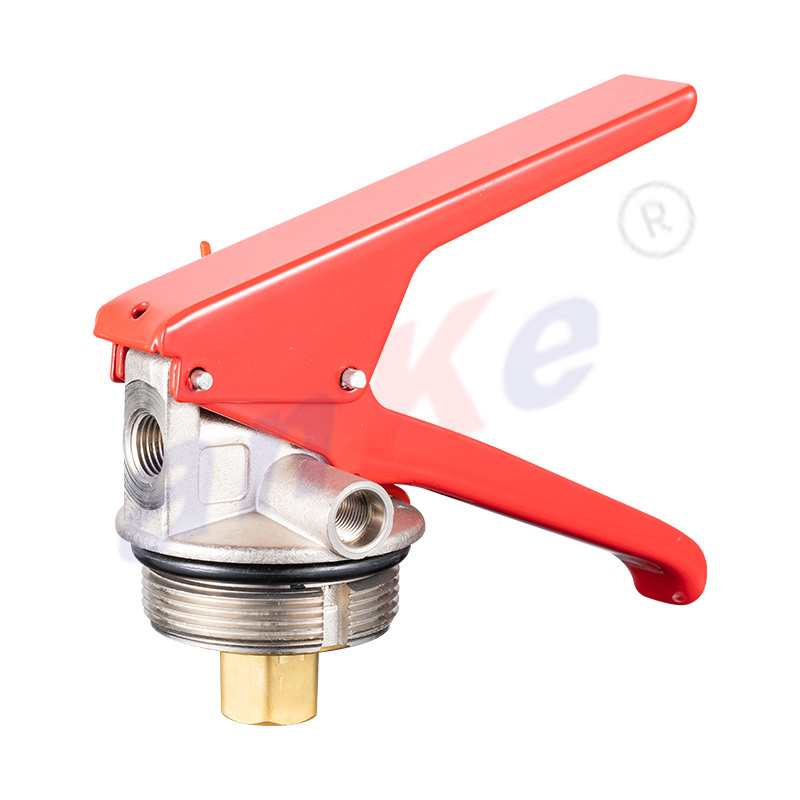
Red Safety Handle Valve for 6-9KG Fire Extinguisher 1107
Advantage: Full Agent Discharge, Agent Specificity, and Durability
- Maximize Discharge: Ensures nearly all of the extinguishing agent is expelled from the cylinder, providing the full UL-rated extinguishing power.
- Pressure Efficiency: Directs the pressure gradient effectively, using the top pressure to push the bottom agent out.
- Agent Specificity: Designed with internal diameters and materials optimized for the viscosity and corrosion potential of the specific extinguishing agent.
- Easy Integration: Designed for simple press-fit or threaded assembly into the standardized ports on the underside of the main valve body.
- Resistance to Blockage: Tubes for powder agents often have wider internal diameters or specialized inlet designs to reduce the risk of caking and blockage.
- Cost-Effective Replacement: Easily sourced and replaced component during mandatory 6- or 12-year internal servicing.
Specification: Material, Length, and Agent Compatibility
| Component Function | Transfers Agent from Cylinder Base to Valve Outlet |
| Material (Dry Chem) | High-Density Polyethylene (HDPE), Polypropylene |
| Material (CO2/Water) | Brass or Aluminum/Stainless Steel |
| Length/Diameter | Specific to Cylinder Volume and Extinguisher Type |
| Agent Compatibility | Chemically resistant to ABC powder, water, or CO2 liquid |
| Connection Type | Pressed-Fit or Threaded onto Valve Underside |
| Standard Compliance | UL 299/711 (Agent Discharge Performance) |
| Wear Point | Base Tip (Risk of cracking or debris blockage) |
Function in Various Extinguisher Types
Stored Pressure Dry Chemical
Ensures the pressurized nitrogen/air forces the powder up from the bottom of the cylinder.
Carbon Dioxide (CO2) Units
Must extend to the bottom to draw out the liquid CO2, which provides the full extinguishing capacity.
Water and Foam Units
Draws the stored liquid agent for discharge, requiring a non-corrosive material to resist water-based agents.
Extinguisher Maintenance/Recharge
Requires removal, cleaning, and inspection during internal maintenance intervals to check for blockages or damage.
Manufacturing Assembly
Installed at the final valve assembly stage before the valve is threaded onto the charged cylinder.



 Phone: +86-13456107058/+86-15967800709
 Tel: +86-574-62010128/+86-574-62010688
 E-mail:
  Factory: Huilong Village, Huangjiabu Town, YuyaoCity,Zhejiang Province, China





 Domestic
 Overseas
 VR Catalogue
