
 en
en  English
 中文简体
中文简体 Español

Introduction: Visual Verification of Extinguisher Readiness
Fire Extinguisher Pressure Gauges are essential safety accessories that provide a quick, visual indication of the internal pressure within a stored-pressure fire extinguisher (e.g., ABC dry chemical, water, or foam). The gauge measures the nitrogen or air propellant pressure required to successfully expel the extinguishing agent.
These gauges are specialized, using a Bourdon Tube or diaphragm mechanism to translate pressure into a needle position. They are universally marked with three zones: Red (Overcharged or Empty), Green (Ready/Optimal Pressure), and Red (Empty). The needle must rest precisely in the green zone for the extinguisher to be considered operable and compliant with NFPA 10 requirements.
Gauges are typically rated for the extinguisher's maximum working pressure (e.g., 100 psi to 250 psi) and must be highly durable, resisting vibration, temperature extremes, and corrosion. They are installed directly onto the extinguisher valve body via a small threaded port (1/8 inch NPT). (Approx. 520 words)
Related Products
-
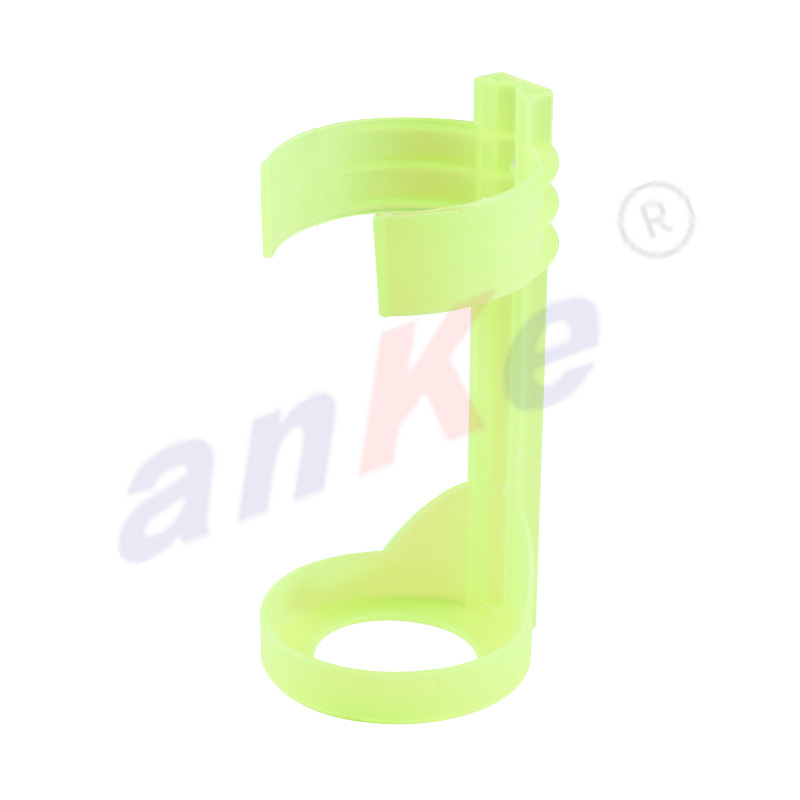
Fire Extinguisher Plastic Wall Mount Bracket 5017
-
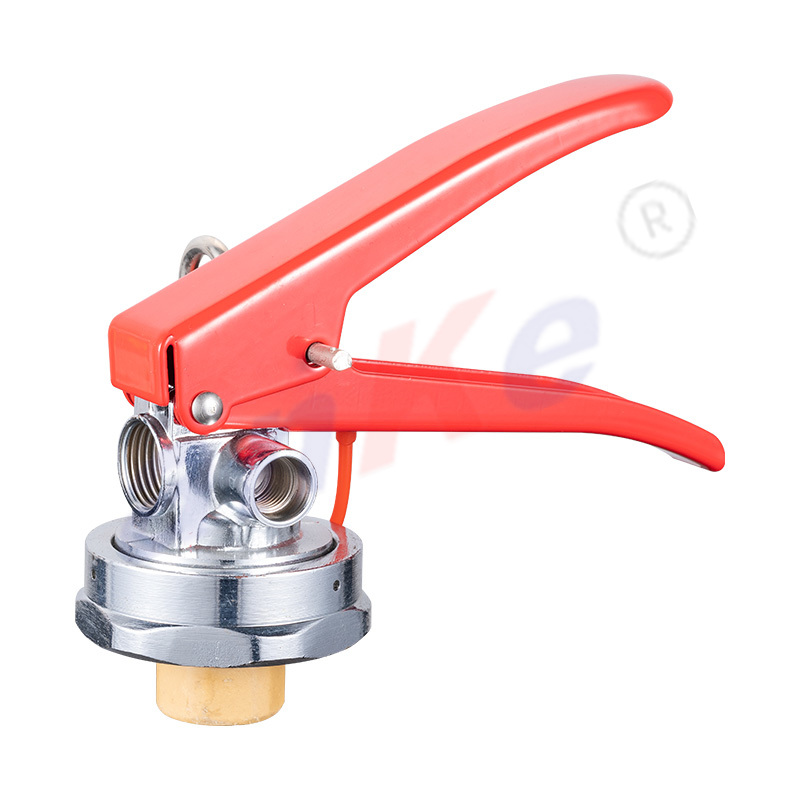
3-12KG Fire Extinguisher High Pressure Valve 1010
-
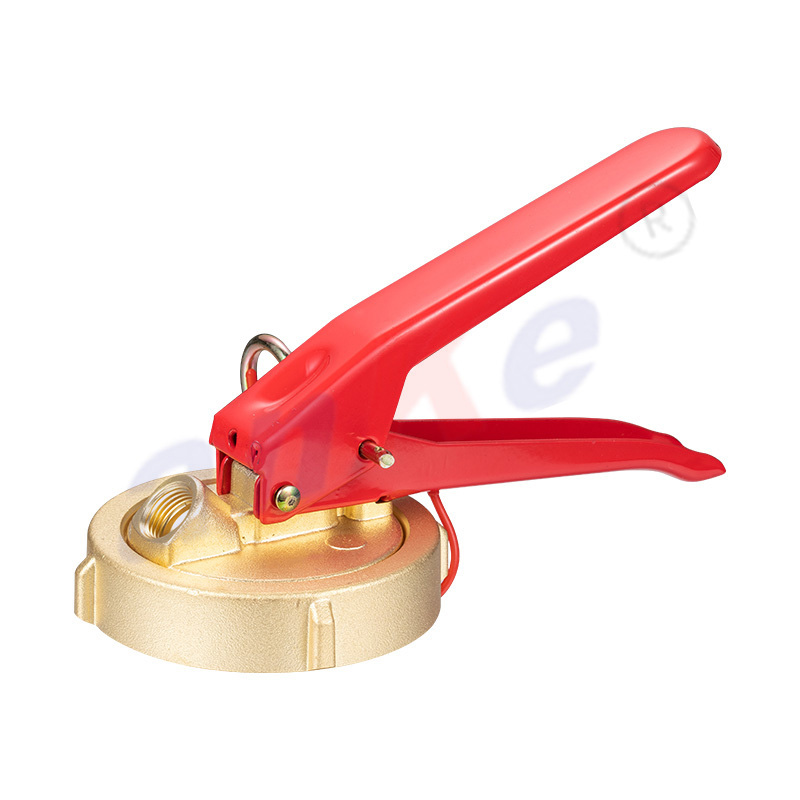
Fire Eipument Cylinder Valve for 6-9KG Cartridge Fire Extinguisher 1046
-
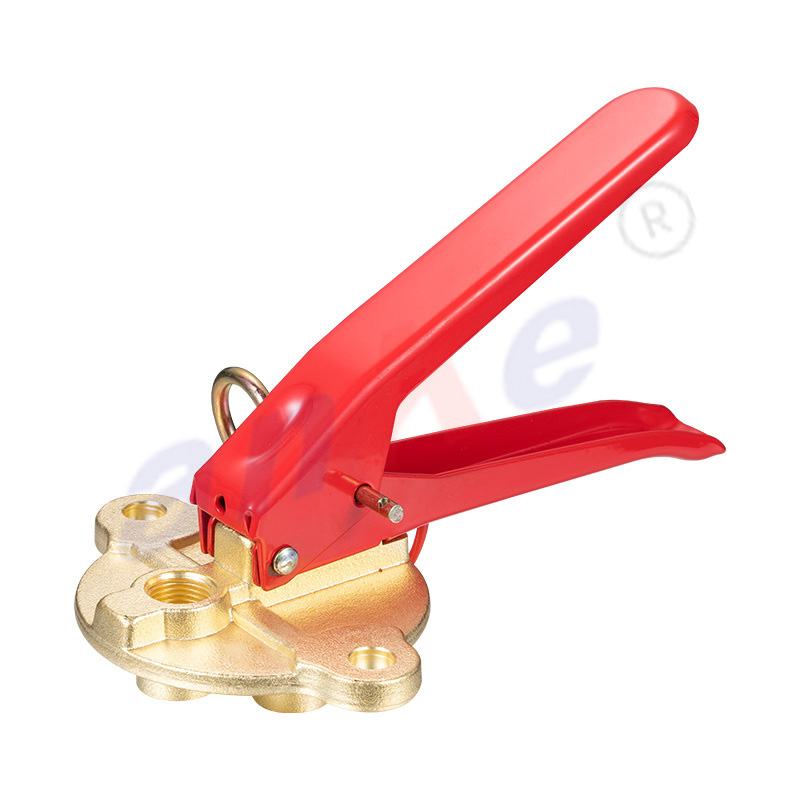
Brass Body 6-9KG Dry Powder Fire Extinguisher Valve 1108
-
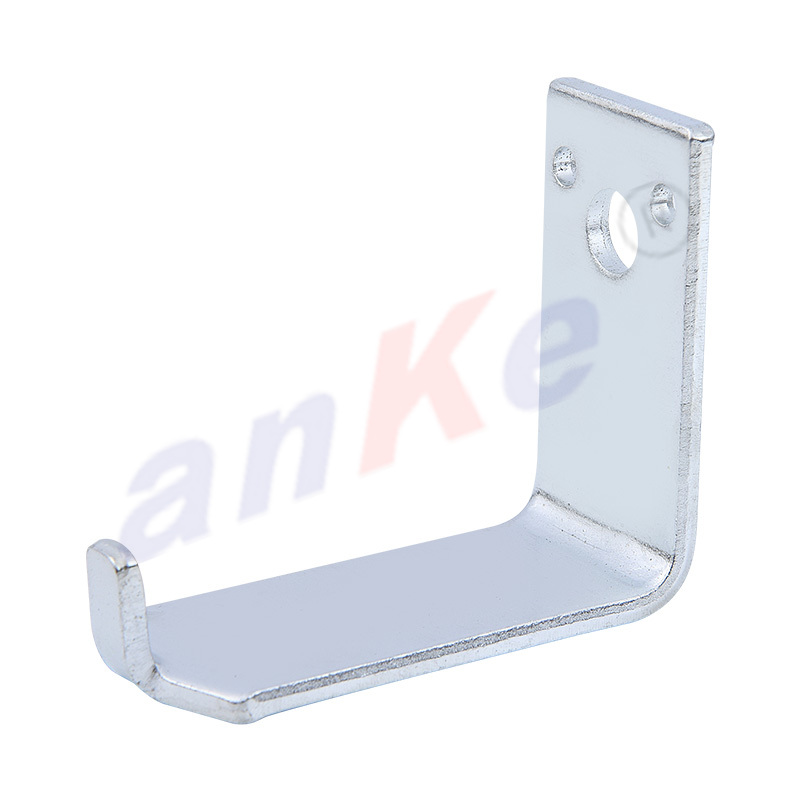
Universal Fire Extinguisher Wall L Mount Bracket For 4-12kg Fire Extinguisher 5024
-
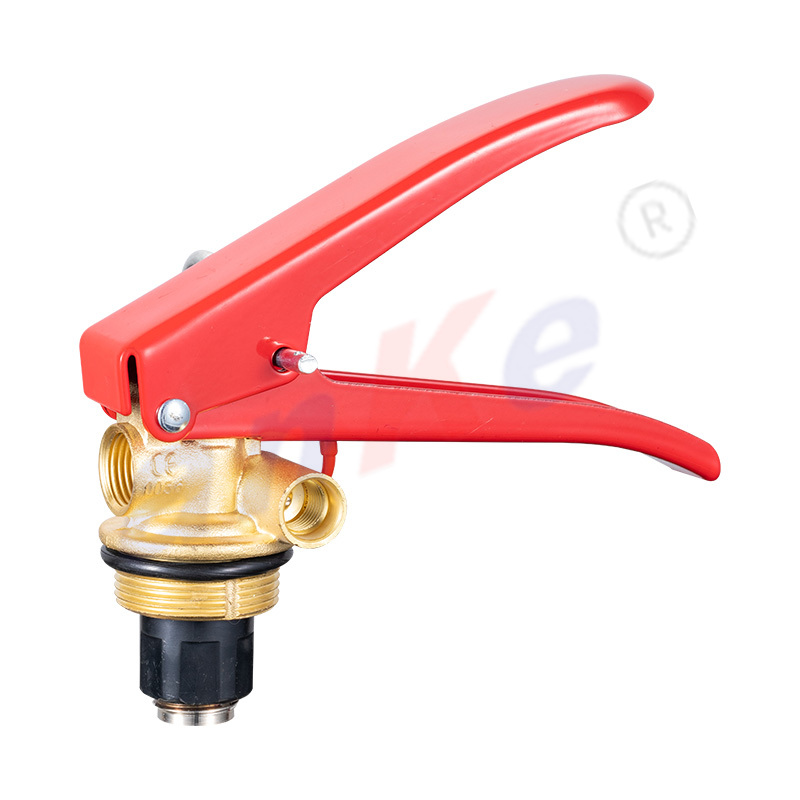
6KG-9KG Valve Fire Extinguisher Cylinder Valve 1143B
-
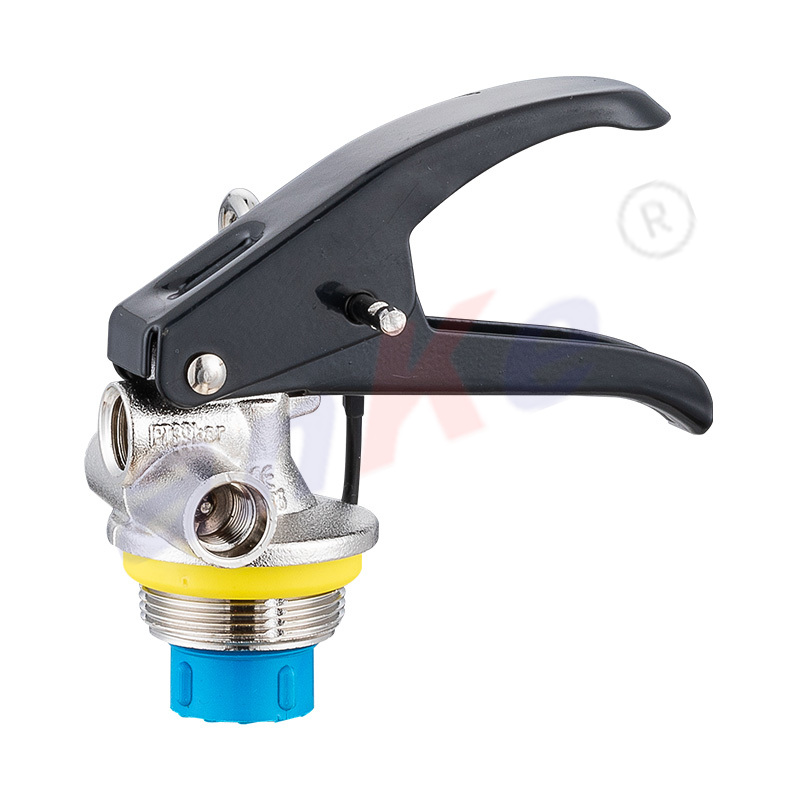
CE type High Quality 1-3KG Fire Extinguisher Cylinder Valve 1141
-
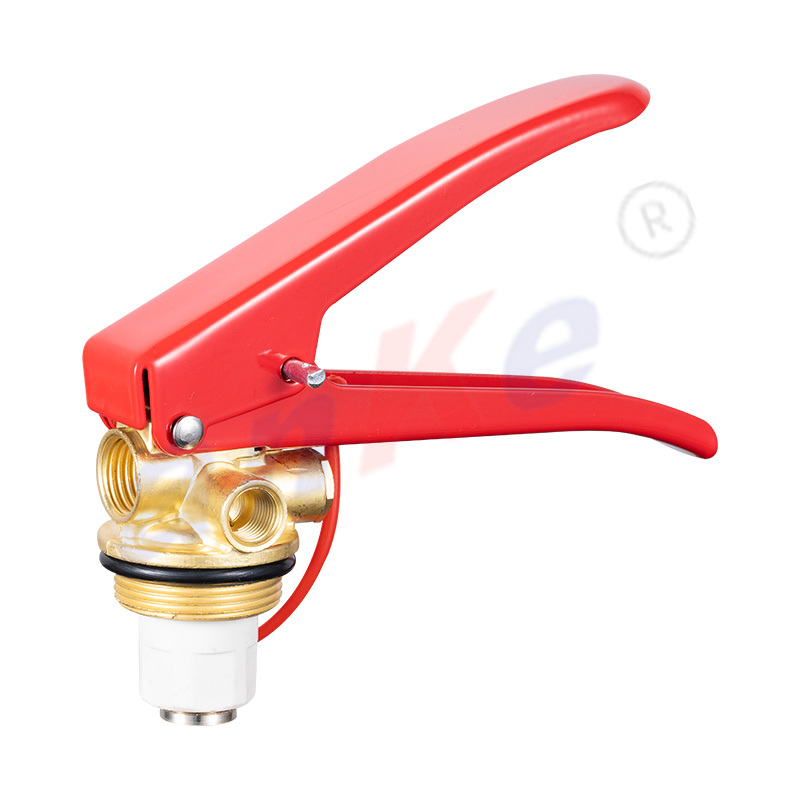
Brass Cylinder Valve FOR 4-9KG Fire Extinguisher 1139
-
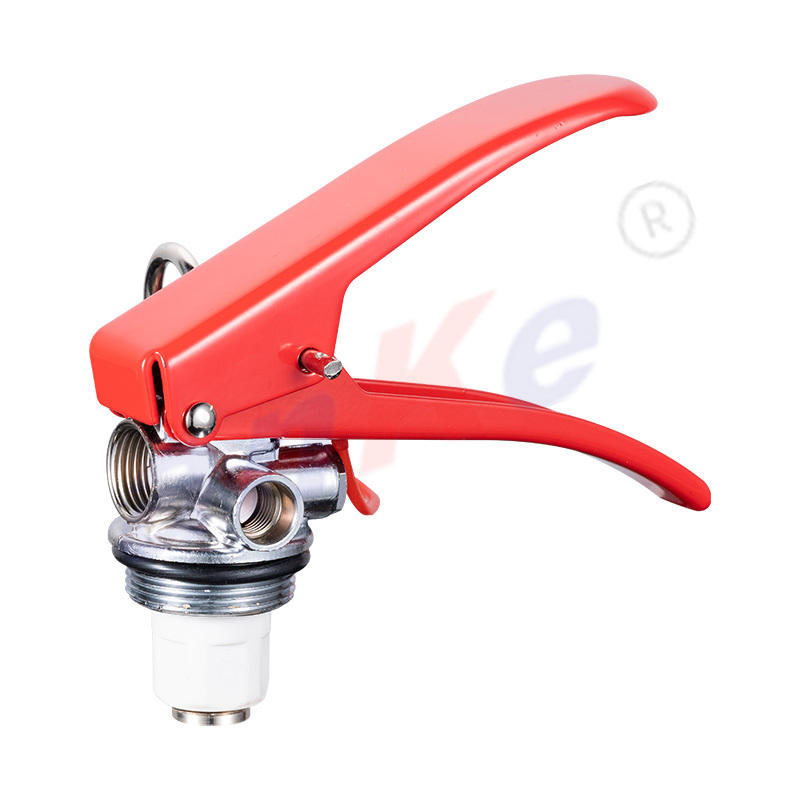
Cylinder Valve FOR 4-9KG foam Fire Extinguisher 1139A
-
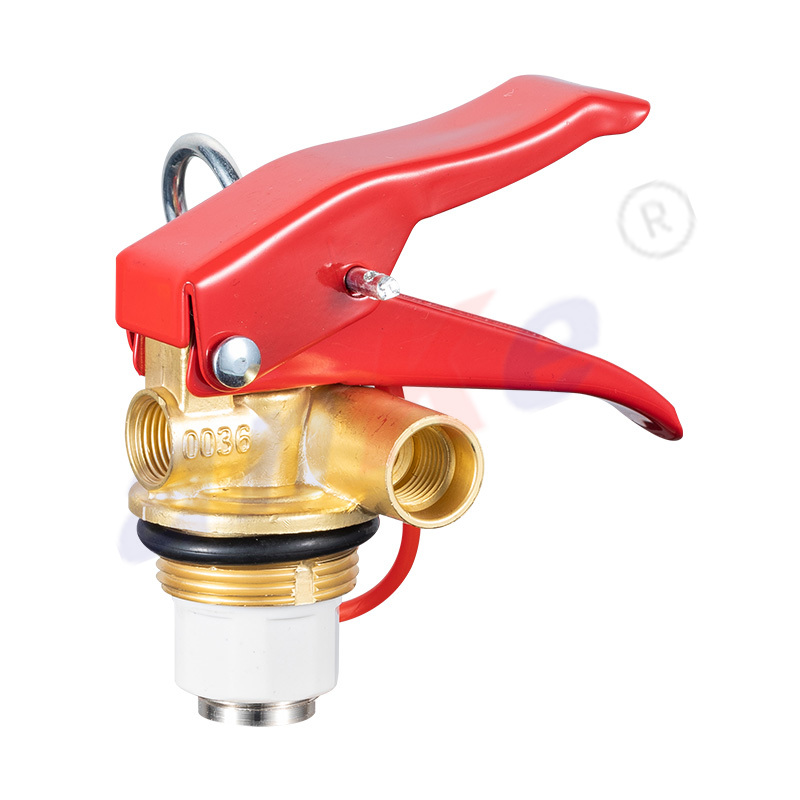
1-2KG Fire Extinguisher Brass Safety Cylinder Valve 1135
-
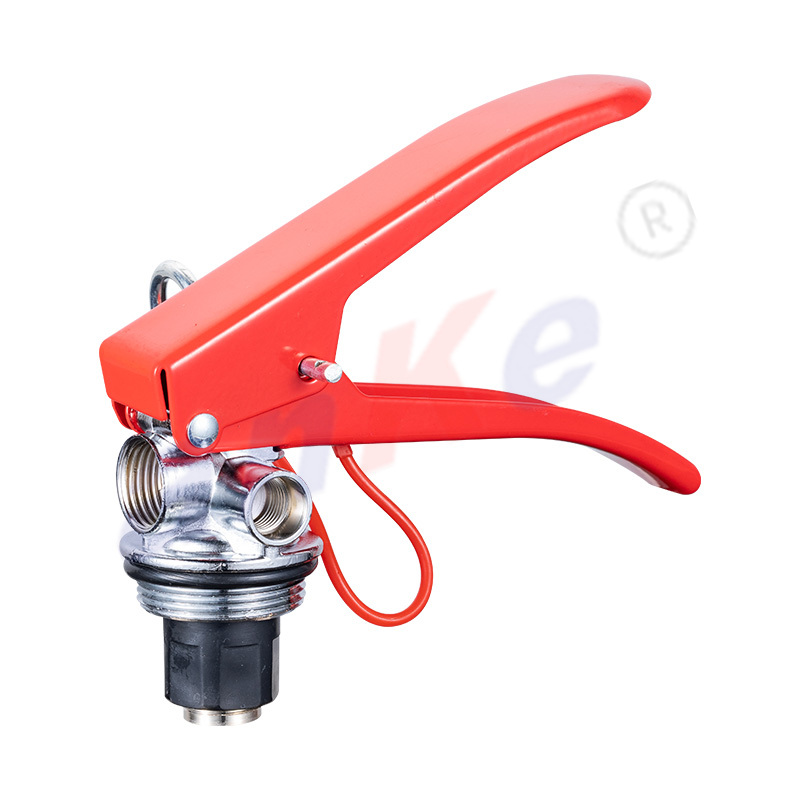
4-6KG Firefighting Equipment & Accessory Fire Extinguisher Valve 1128
-
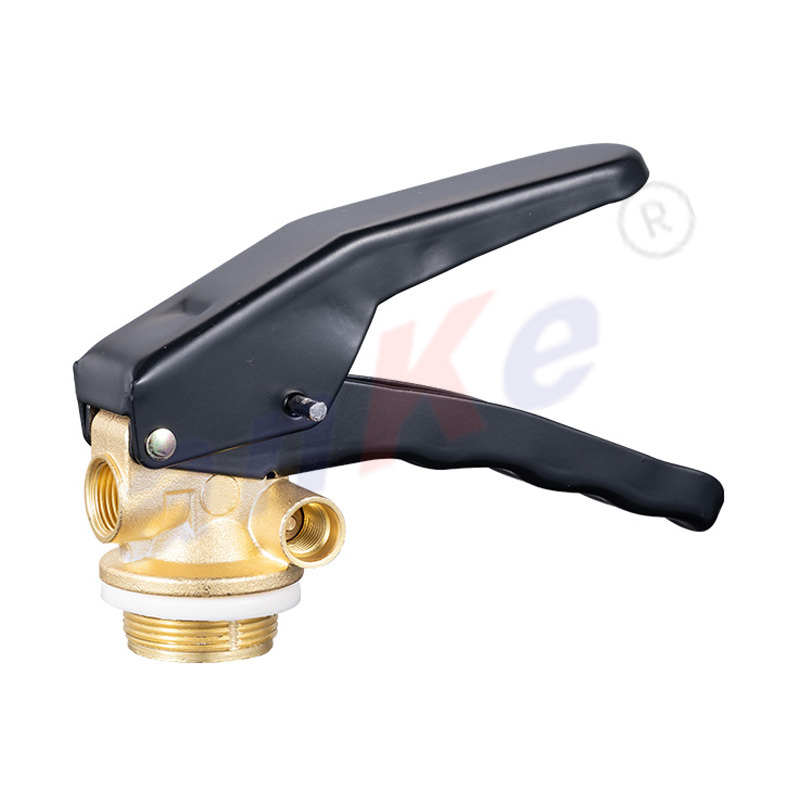
Brass Valve FOR 6-9KG Dry Powder Fire Extinguisher 1115
Advantage: Instant Readiness Check, Cost-Effective, and Mandated
- Visual Verification: Allows users and inspectors to instantly confirm the unit is properly charged simply by looking at the green zone.
- NFPA 10 Mandate: Required by fire codes on all stored-pressure extinguishers to ensure reliability in an emergency.
- High Durability: Robust brass/steel casings and polycarbonate lenses protect the sensitive internal mechanism from physical shock and environmental damage.
- Temperature Compensation: Designed to maintain relative accuracy across a standard operating temperature range (e.g., −40∘C to 60∘C).
- Simple Interface: The color-coded face (Red/Green/Red) eliminates complexity, making the operational status clear to all users.
- Tamper Detection: A sudden drop in pressure (needle in red zone) alerts personnel to possible tampering, slow leaks, or prior discharge.
Specification: Mechanism, Range, and Accuracy
| Gauge Type | Bourdon Tube or Diaphragm Pressure Gauge |
| Working Pressure Range | 0 to 250 psi (Common), 0 to 500 psi (High Range) |
| Scale Marking | Red (High), Green (Ready), Red (Low/Empty) |
| Accuracy | ±3% of Full Scale (Typical) |
| Connection Size | 1/8 inch NPT/BSP (Standard) |
| Case Material | Brass or Chrome-Plated Steel, Acrylic/Polycarbonate Lens |
| Standard Compliance | NFPA 10 (Maintenance), UL/FM Recognition |
| Internal Gas | Not Applicable (Measures Propellant Gas: Nitrogen/Air) |
Monitoring Stored-Pressure Extinguishers
ABC Dry Chemical Units
The most common application, providing continuous monitoring of the 195 psi (∼13.5 bar) nitrogen charge.
Water and Foam Extinguishers
Monitoring the lower pressure propellant required for aqueous agents, ensuring correct spray distance and duration.
Fire Safety Inspections
Used during monthly occupant checks and annual professional inspections (NFPA 10) to confirm the unit's operational status at a glance.
Extinguisher Manufacturing
Installed at the final assembly stage to seal the extinguisher and display the verified, factory-charged pressure.
Vehicle and Marine Units
Robust, stainless steel gauges used on units exposed to vibration and harsh, corrosive environments.




 Phone: +86-13456107058/+86-15967800709
 Tel: +86-574-62010128/+86-574-62010688
 E-mail:
  Factory: Huilong Village, Huangjiabu Town, YuyaoCity,Zhejiang Province, China





 Domestic
 Overseas
 VR Catalogue
