
 en
en  English
 中文简体
中文简体 Español

Introduction: Valve Modification for Pressure Monitoring
The Pressure Gauge Port Extinguisher Valve refers specifically to a valve body (brass or aluminum) that has a dedicated, threaded aperture machined into it for the direct attachment of a pressure gauge indicator. This port is a universal feature on all stored-pressure extinguishers (Dry Chemical, Water, Foam) but is distinct from high-pressure CO2 units which rely on weight checks.
The port is precision-tapped with a standardized thread (often NPT or a specialized valve thread) and positioned strategically to connect the gauge directly to the propellant gas chamber. This allows the gauge to measure the internal working pressure (typically 100 psi to 175 psi) without exposing the gauge mechanism to the extinguishing agent itself.
The integrity of this port is critical; if the threads are damaged or the gauge is improperly sealed, the unit will slowly leak its propellant, rendering the extinguisher non-functional when needed. This valve is the foundational design for the most common types of portable fire protection. (Approx. 540 words)
Related Products
-
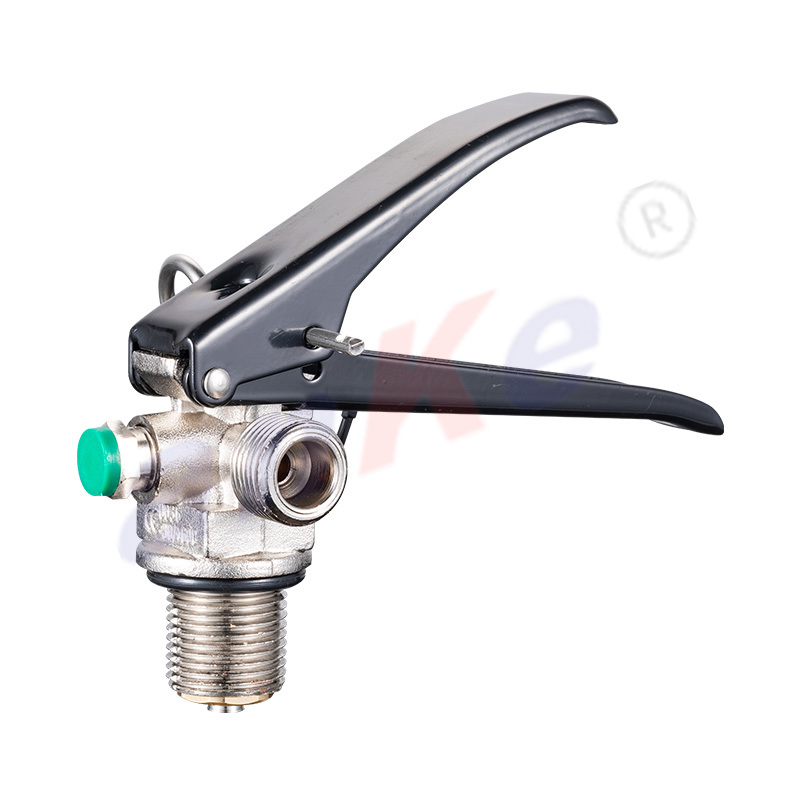
2-9KG Portable CO2 Fire Extinguisher Valve 2021
-
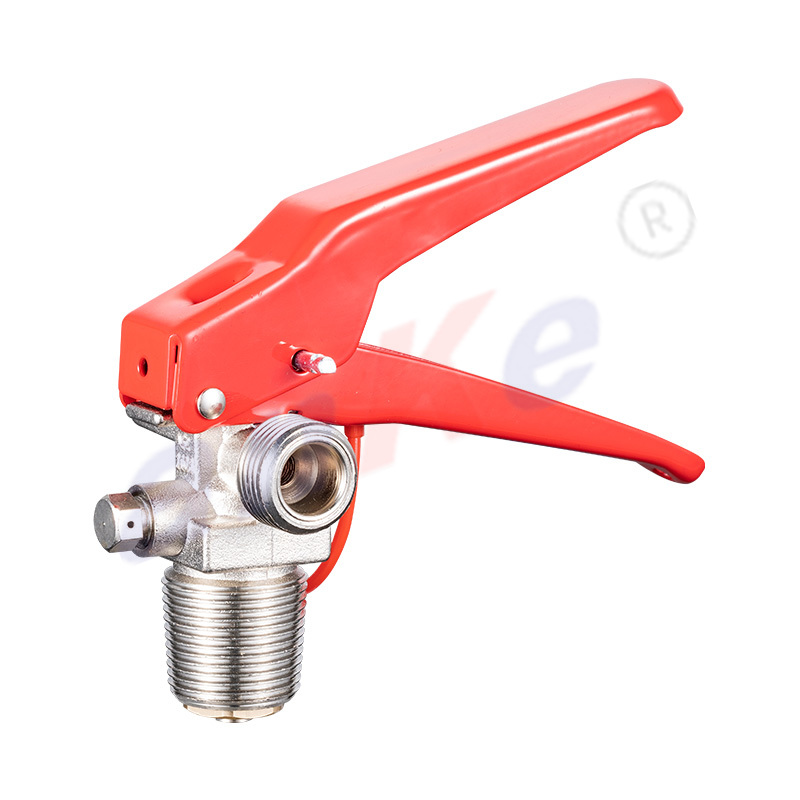
Cylinder Valve for 2-3KG Portable CO2 Fire Extinguisher 2088
-
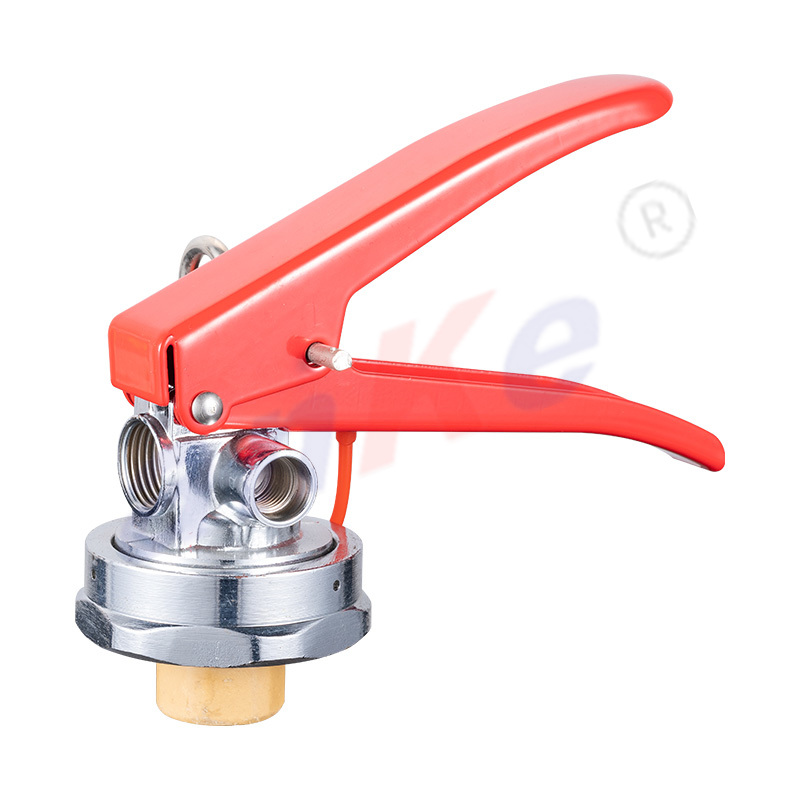
3-12KG Fire Extinguisher High Pressure Valve 1010
-
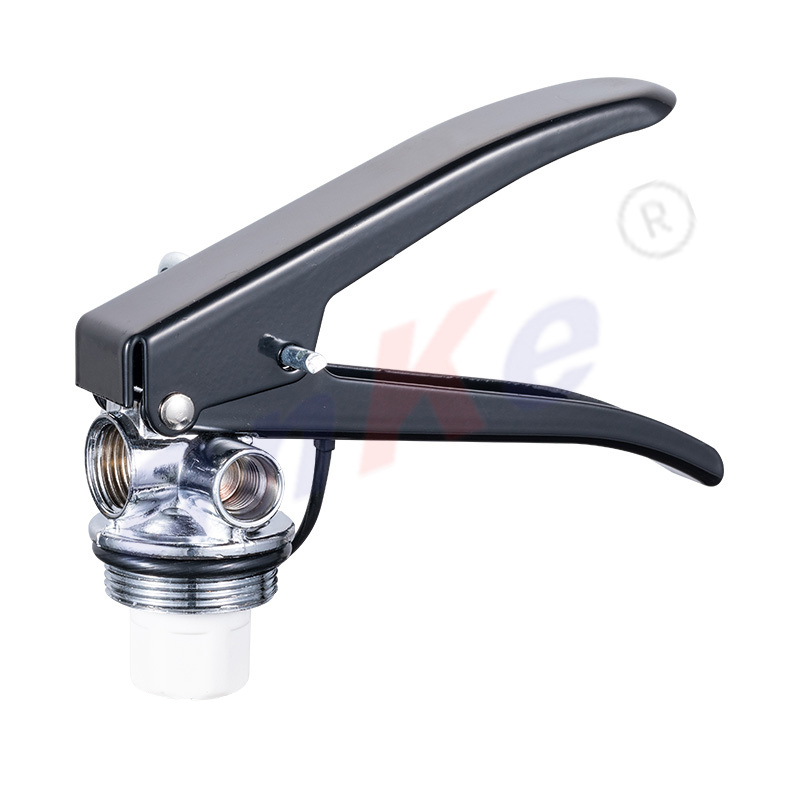
3-9Kg Portable Fire Extinguisher Valve 1017
-
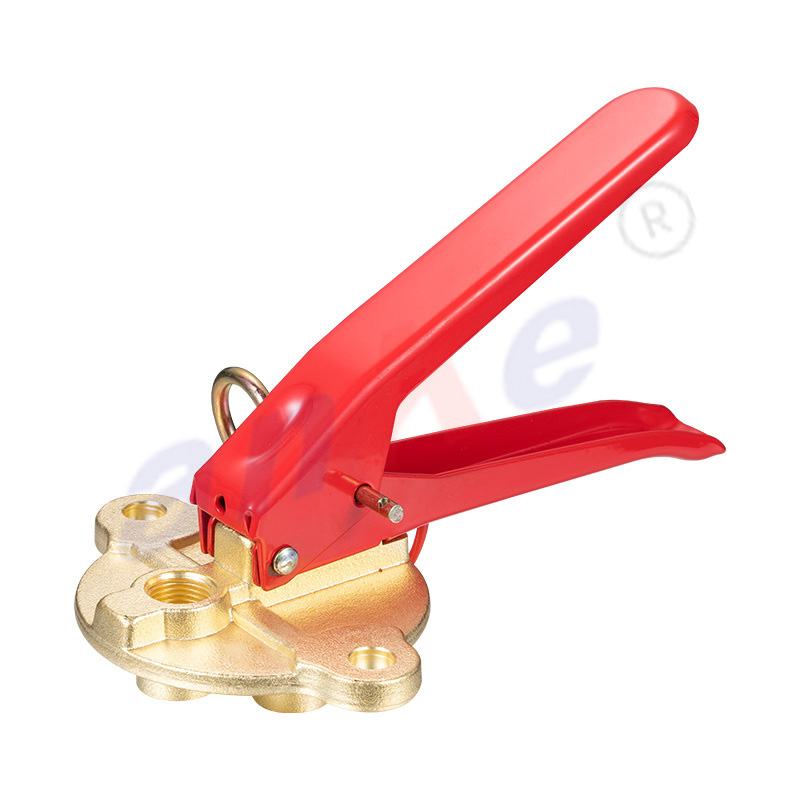
Brass Body 6-9KG Dry Powder Fire Extinguisher Valve 1108
-
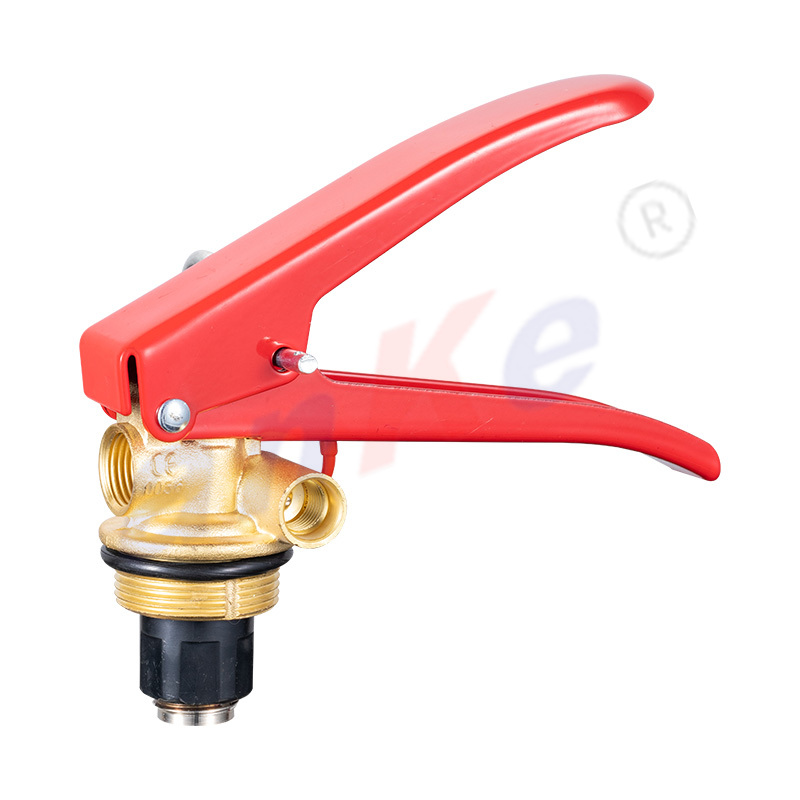
6KG-9KG Valve Fire Extinguisher Cylinder Valve 1143B
-
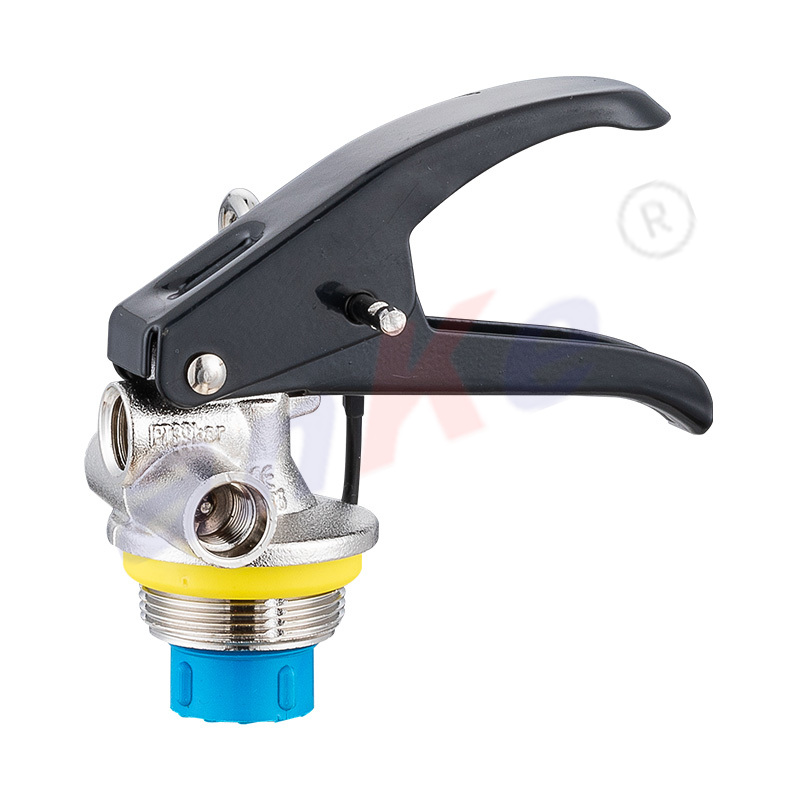
CE type High Quality 1-3KG Fire Extinguisher Cylinder Valve 1141
-
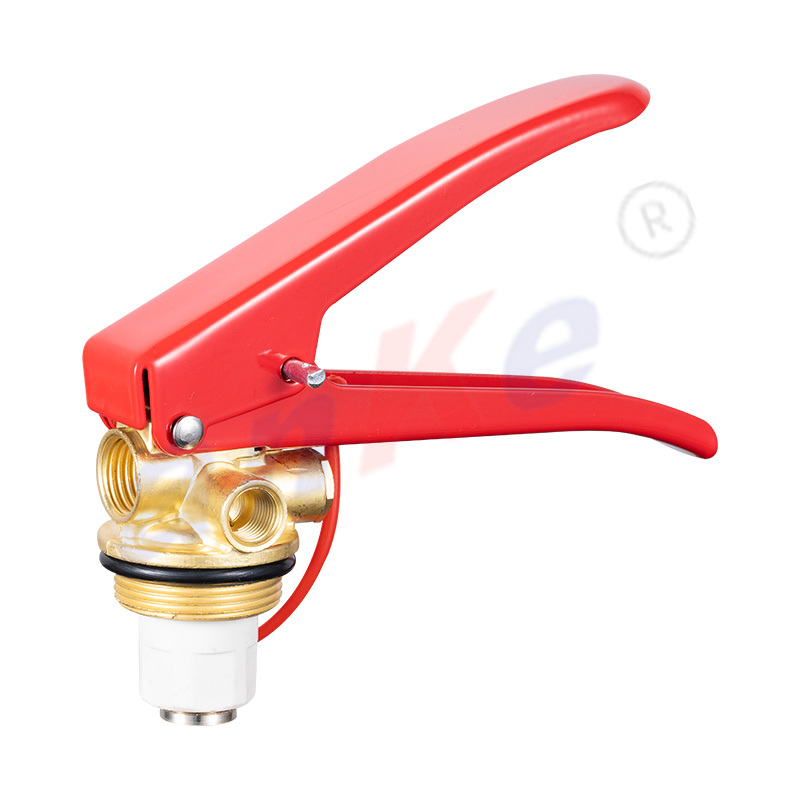
Brass Cylinder Valve FOR 4-9KG Fire Extinguisher 1139
-
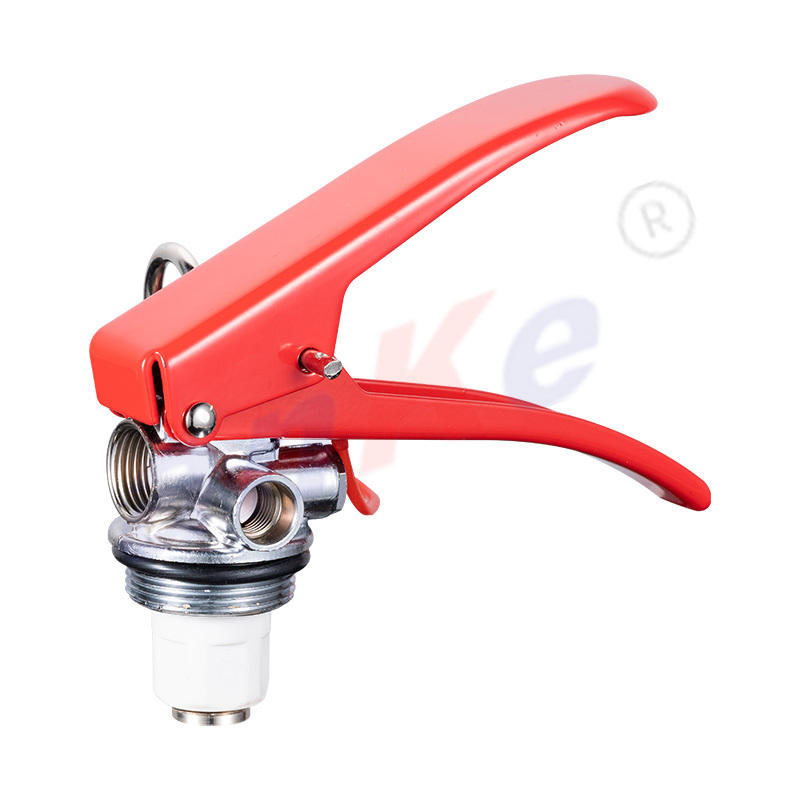
Cylinder Valve FOR 4-9KG foam Fire Extinguisher 1139A
-
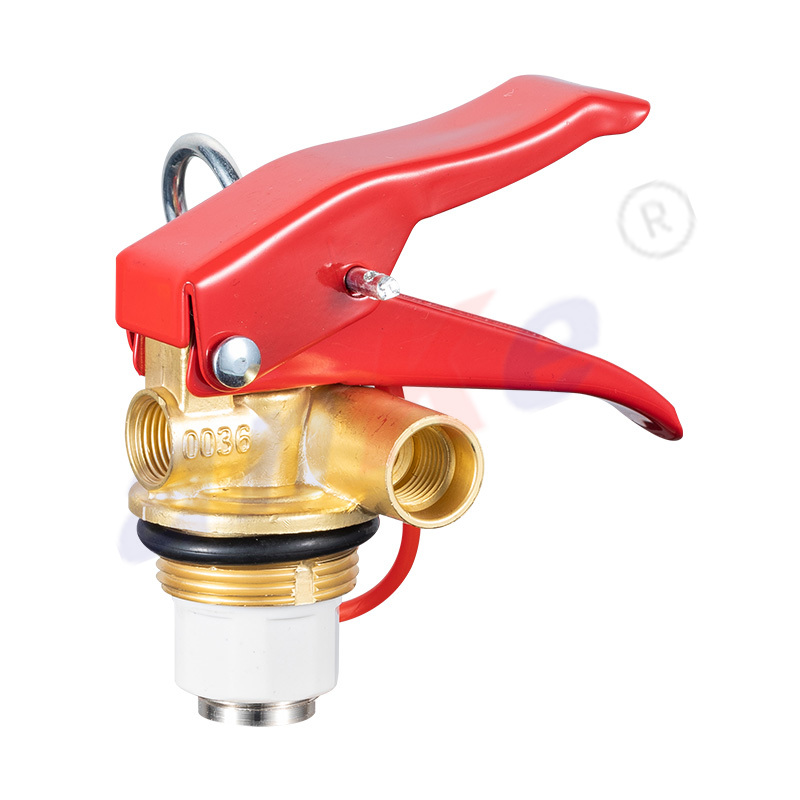
1-2KG Fire Extinguisher Brass Safety Cylinder Valve 1135
-
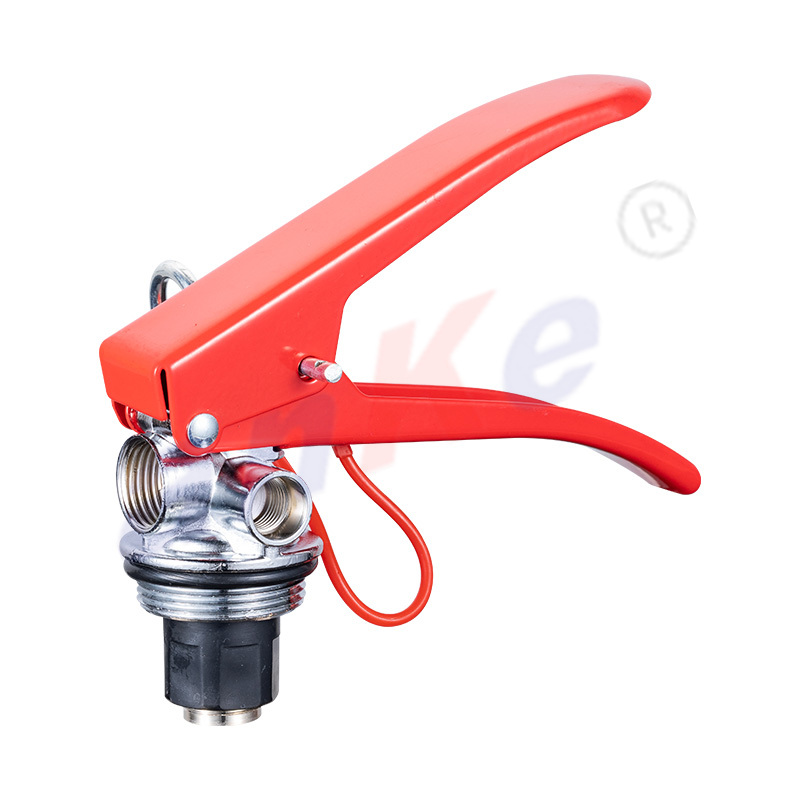
4-6KG Firefighting Equipment & Accessory Fire Extinguisher Valve 1128
-
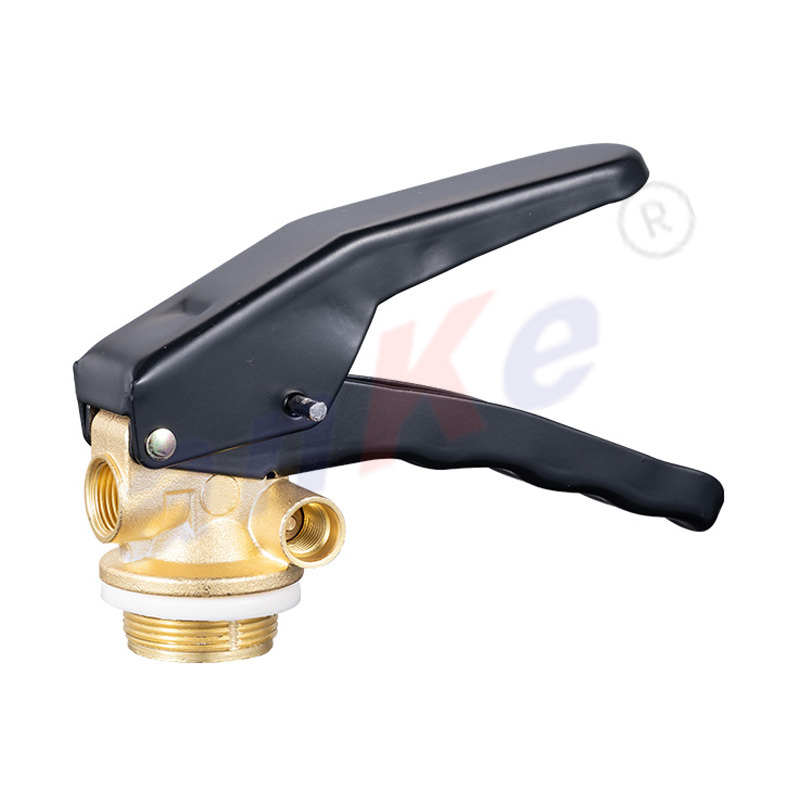
Brass Valve FOR 6-9KG Dry Powder Fire Extinguisher 1115
Advantage: Instant Status Check, Modular Design, and Precision Machining
- Immediate Verification: Allows for the fastest and easiest method to confirm a stored-pressure unit's operational readiness.
- Precision Fit: The port is CNC machined to ensure the gauge threads fit perfectly, minimizing the risk of pressure leaks at the connection point.
- Modular Replacement: The gauge can be easily unscrewed and replaced during service without needing to replace the entire valve body.
- Universal Compliance: The presence of this gauge port is a fundamental design requirement for UL-listed and EN-certified stored-pressure units.
- Robust Seating: Designed with a smooth mating surface to ensure the gauge O-ring/washer creates a high-integrity, leak-proof seal.
- Cost-Effective Design: Eliminates the need for separate pressure monitoring systems for the majority of fire extinguisher types.
Specification: Port Thread, Material, and Location
| Component Function | Threaded Aperture for Mounting Pressure Gauge Indicator |
| Valve Type | For Stored-Pressure Extinguishers Only (ABC, Water, Foam) |
| Port Thread Size | M10×1, M8×1, or 1/8 inch NPT (Gauge Dependent) |
| Valve Material | Brass or Aluminum Alloy |
| Pressure Range | 100 psi to 200 psi (Standard Operating Range) |
| Standard Compliance | UL 299/711 (Sealing Integrity), EN 3 |
| Sealing Method | Thread Sealant (Teflon Tape) and O-Ring/Washer |
| Key Consideration | Precise Threading and Smooth Seating Surface |
Function in Extinguisher Readiness and Service
Monthly Visual Inspection
The port enables the user to quickly verify the unit is charged (needle in the green zone) during mandatory monthly checks.
Propellant Charging
Used during manufacturing and service recharge to monitor and verify the cylinder is filled to the correct pressure.
Leak Detection
A slow drop in the gauge reading is the first indicator of a leak through the valve seat, gauge threads, or stem seals.
Valve Disassembly
The gauge must be removed from this port before the valve can be fully disassembled for internal service (6 or 12 years).
Temperature Monitoring (Indirect)
The gauge reading through this port shows pressure fluctuations due to changes in ambient temperature.




 Phone: +86-13456107058/+86-15967800709
 Tel: +86-574-62010128/+86-574-62010688
 E-mail:
  Factory: Huilong Village, Huangjiabu Town, YuyaoCity,Zhejiang Province, China





 Domestic
 Overseas
 VR Catalogue
