
 en
en  English
 中文简体
中文简体 Español

Introduction: Monitoring and Signaling System Status
Gauges, switches, and alarm devices provide the crucial interface between the fire suppression system's hydraulics and the electrical fire alarm control panel (FACP). They are responsible for monitoring pressure, sensing water flow, and signaling an alarm, ensuring rapid system response and integrity supervision. Reliability in these small components is essential for the entire system's functionality.
We offer three main categories: Pressure Gauges (providing visual system pressure status), Flow Switches (sensing water movement/flow initiation to signal a fire), and Pressure Switches (monitoring high/low pressure conditions, often used for pumps or supervisory air). All these devices must be specifically designed and tested for fire protection use to handle rapid pressure surges and harsh conditions.
All components are UL Listed and FM Approved, ensuring high sensitivity, durability, and accurate signaling as required by NFPA 13 and NFPA 72. We provide models tailored for wet, dry, deluge, and pre-action systems, with relevant NEMA ratings for environmental protection. (Approx. 540 words)
Related Products
-
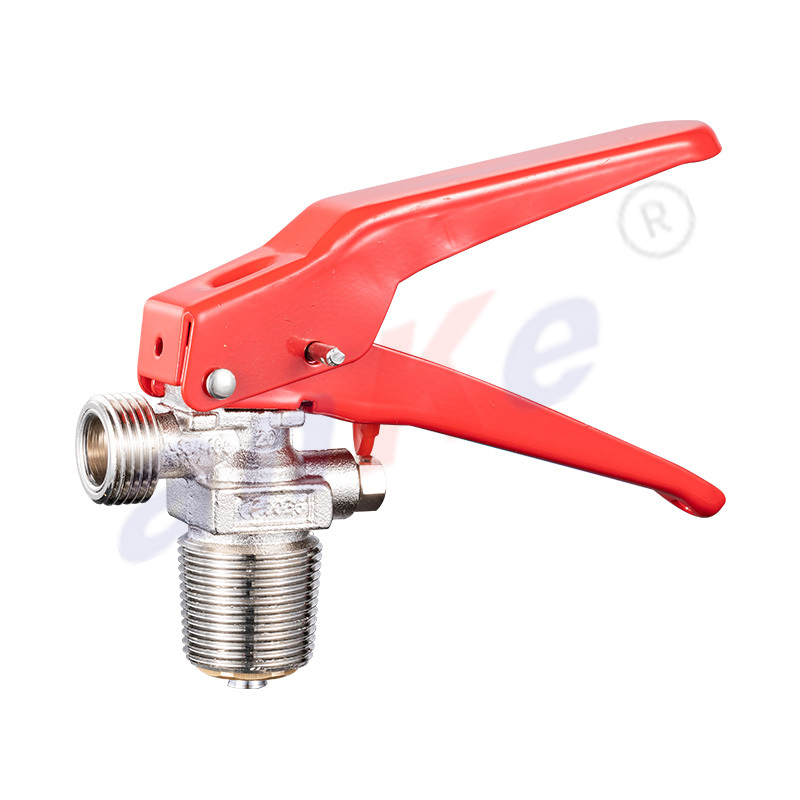
Italian style CO2 Fire Extinguisher Valve with Safety Divice Suit For 2-9KG Cylinders Nickel-plating and chrome-plating 2016
-
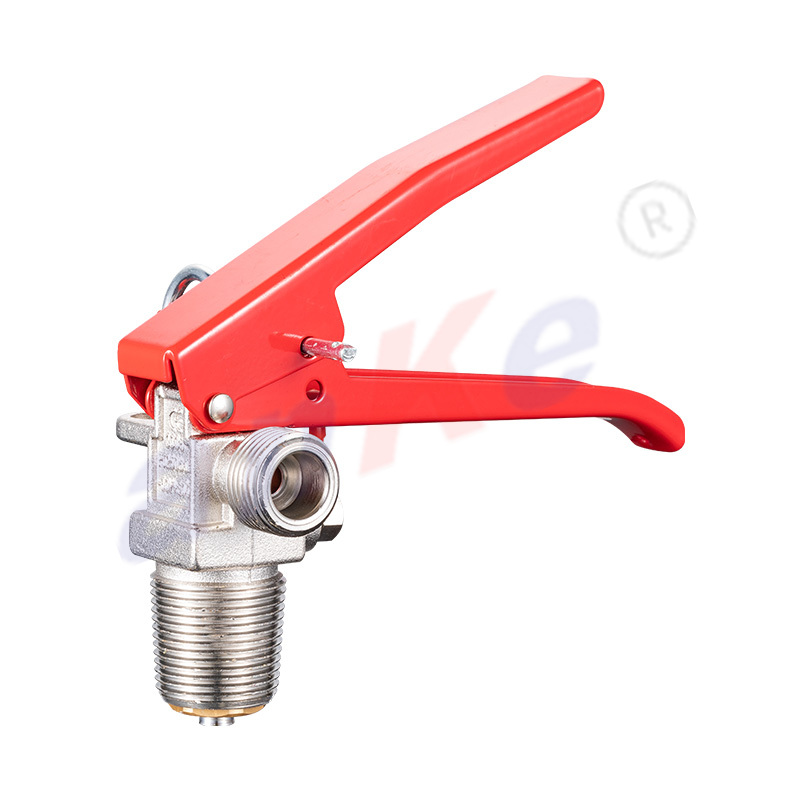
Red Handle High Quality Cylinder Valve for CO2 Fire Extinguisher 2049
-
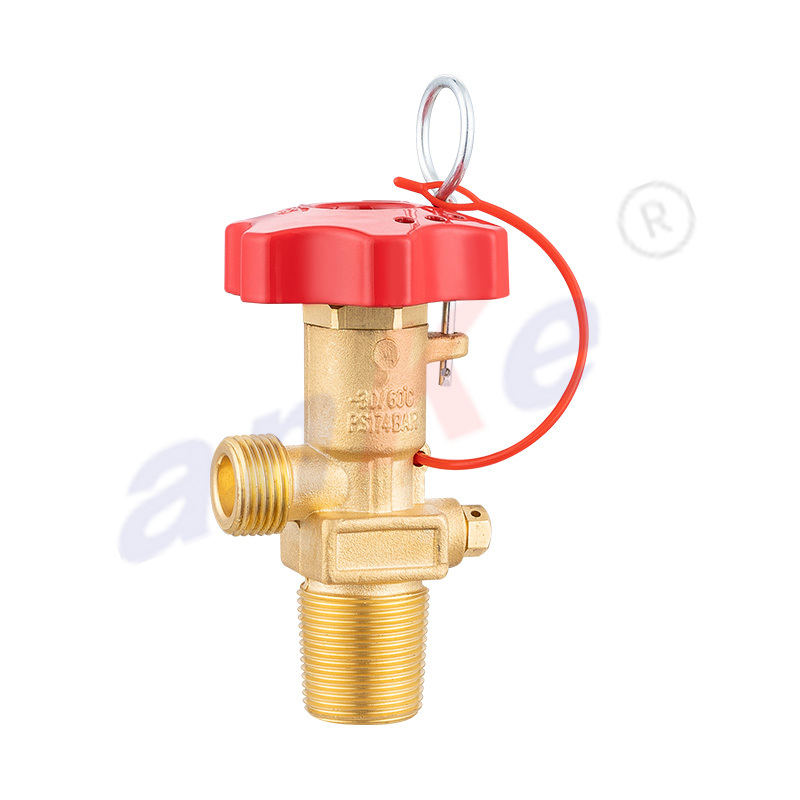
Red Handwheel Male Thread Connecting Valve for Gas Cylinder 2004
-
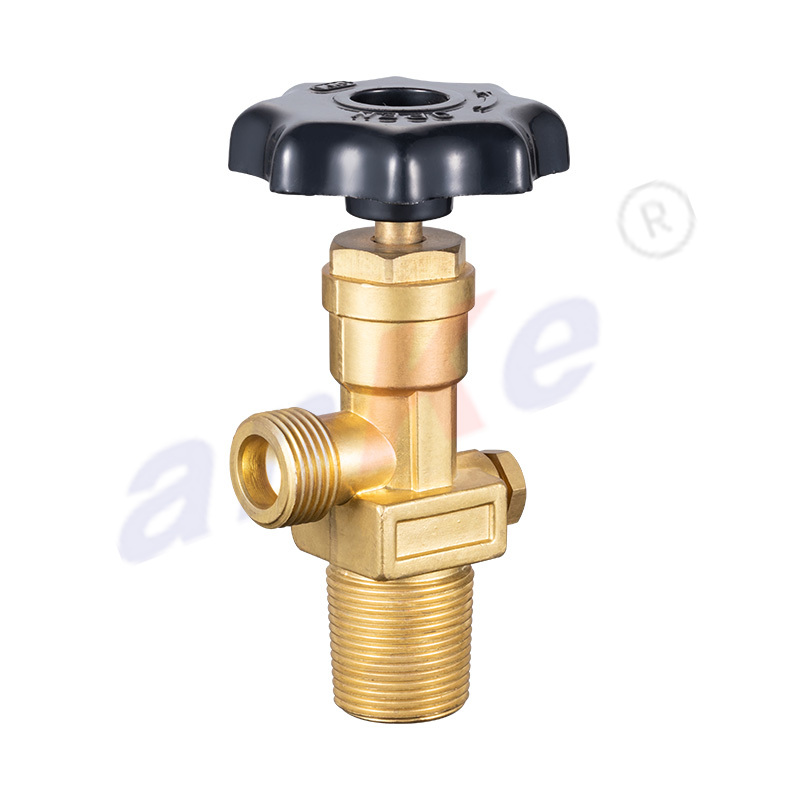
Black Handwheel Brass Body Practical Gas Control Valve 2011
-
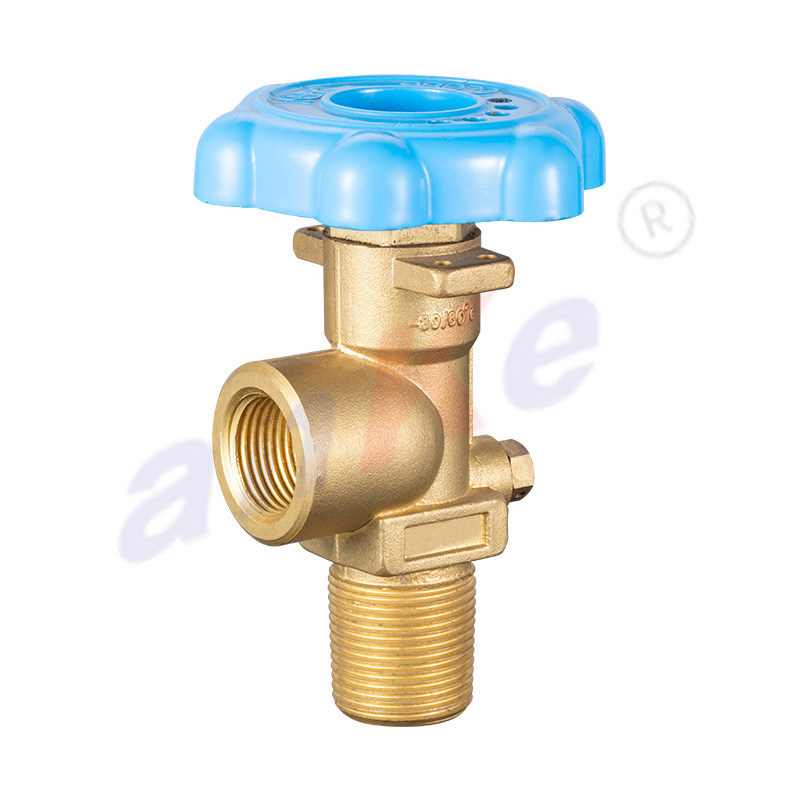
High Quality Handwheel Gas valve Safety Gas Control Valve 2013
-
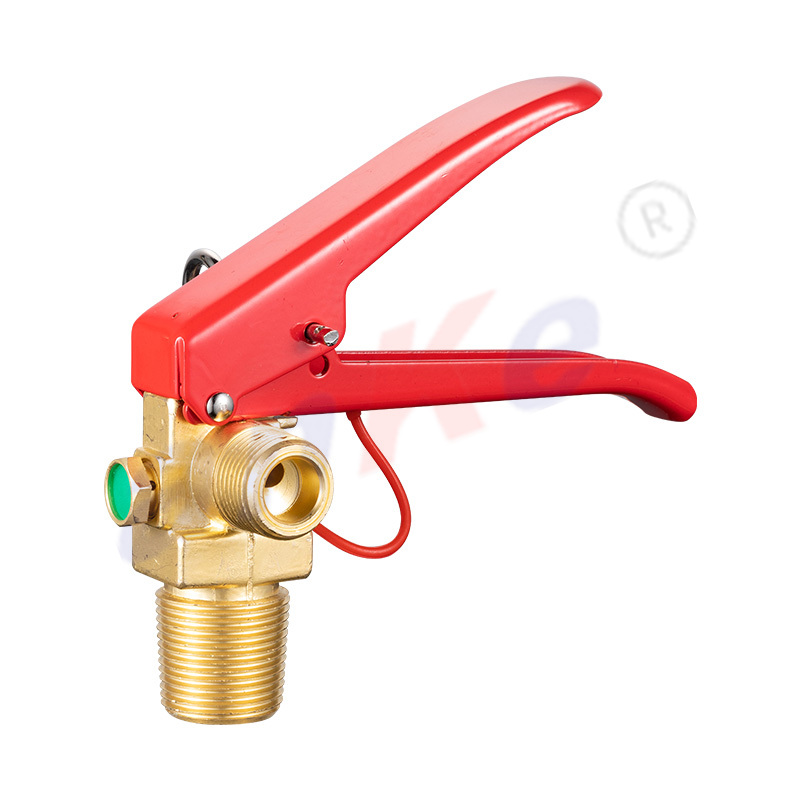
Brass Body Red Handle Safety valve for 2KG, 3KG CO2 fire extinguisher 2007
-
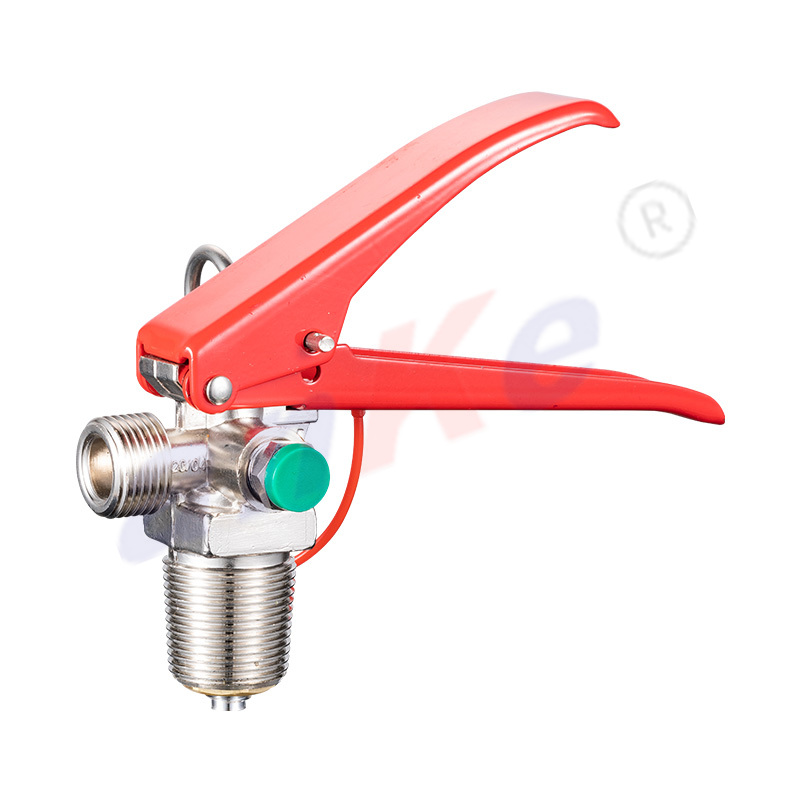
Red Handle Easy to Operate CO2 Fire Extinguisher Valve for 2-7KG CO2 Cylinders 2019
-
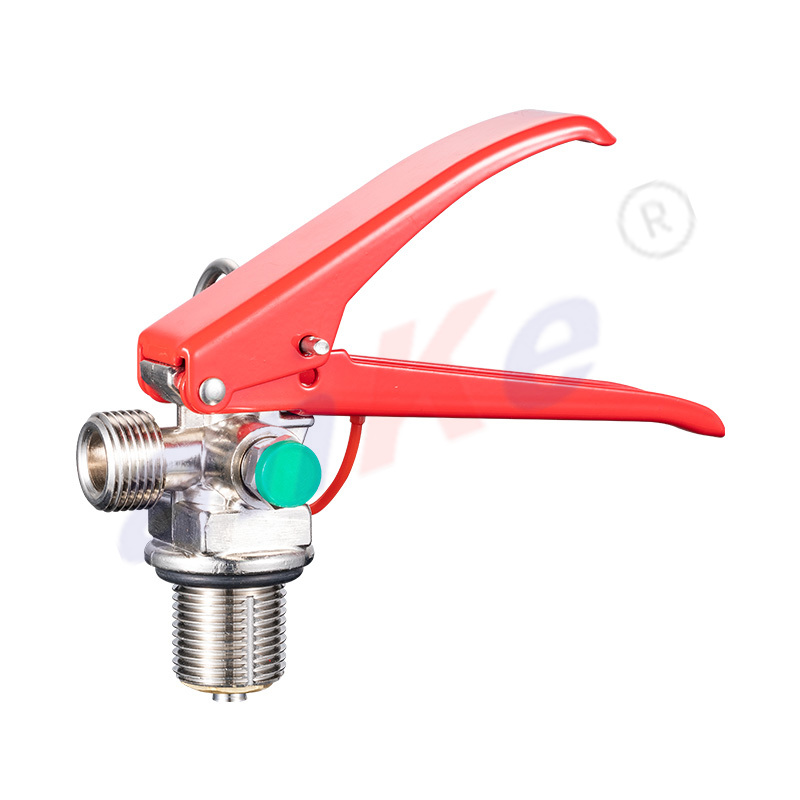
2-7KG CO2 Fire Extinguisher Red Handle Valve 2030
-
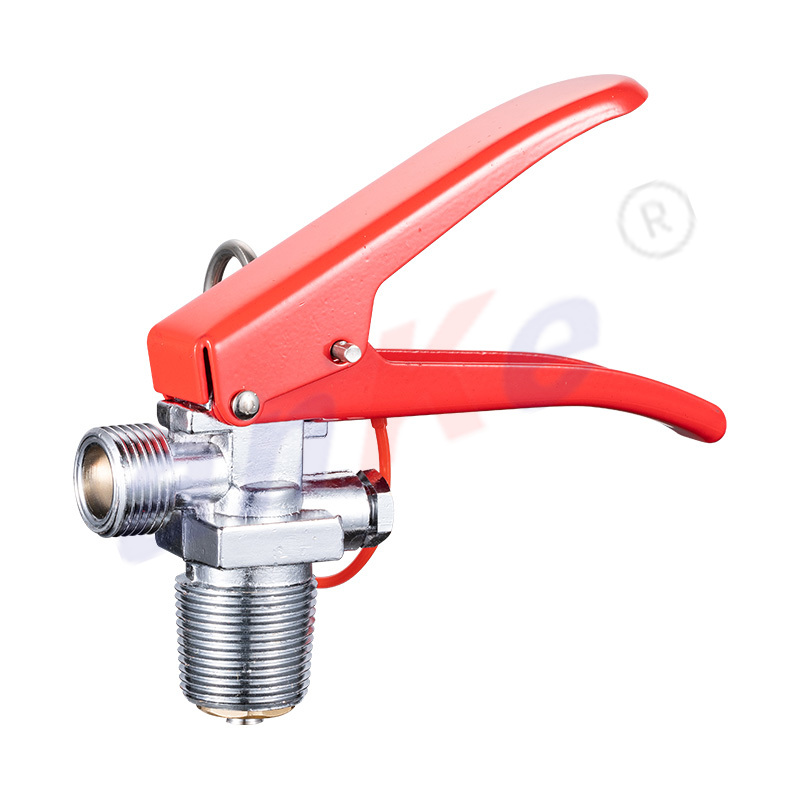
2-7KG CO2 Fire Extinguisher Red Handle High quality Valve 2061
-
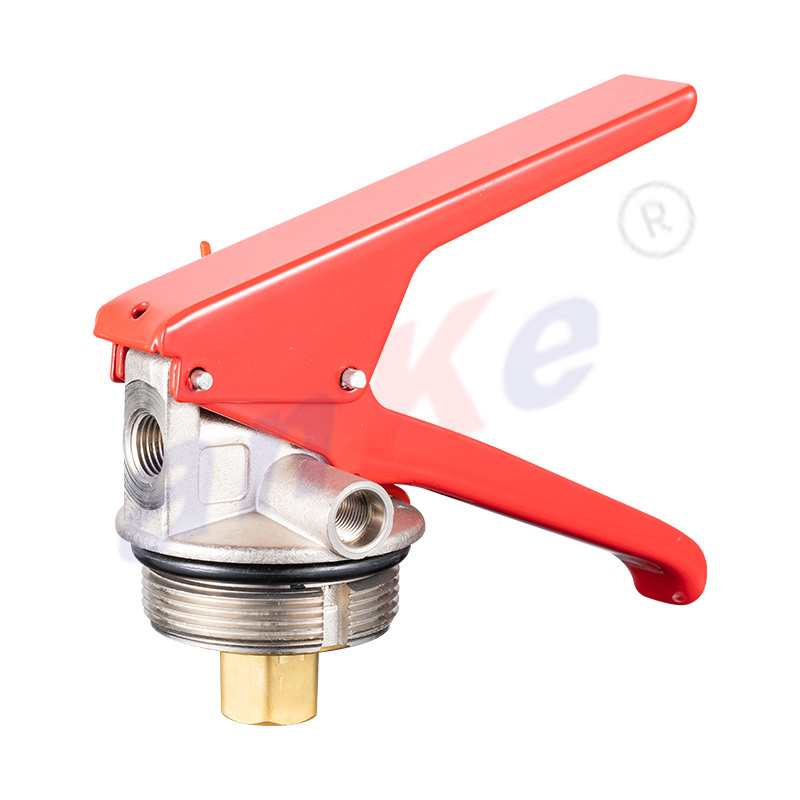
Red Safety Handle Valve for 6-9KG Fire Extinguisher 1107
-
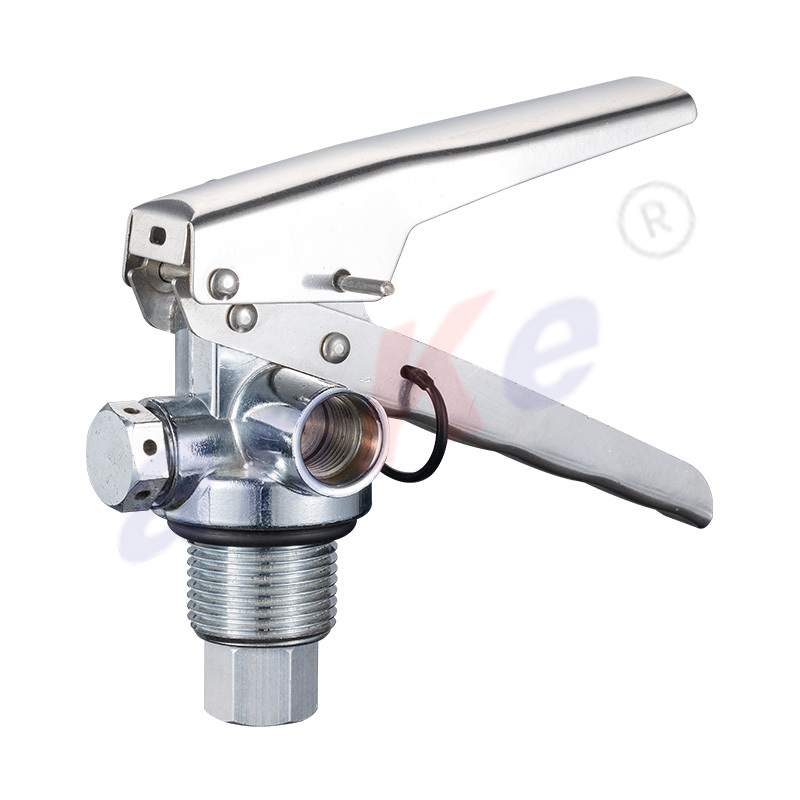
High Corrosion Resistance Stainless Steel Handle Foam Type Fire Extinguisher 2072
-
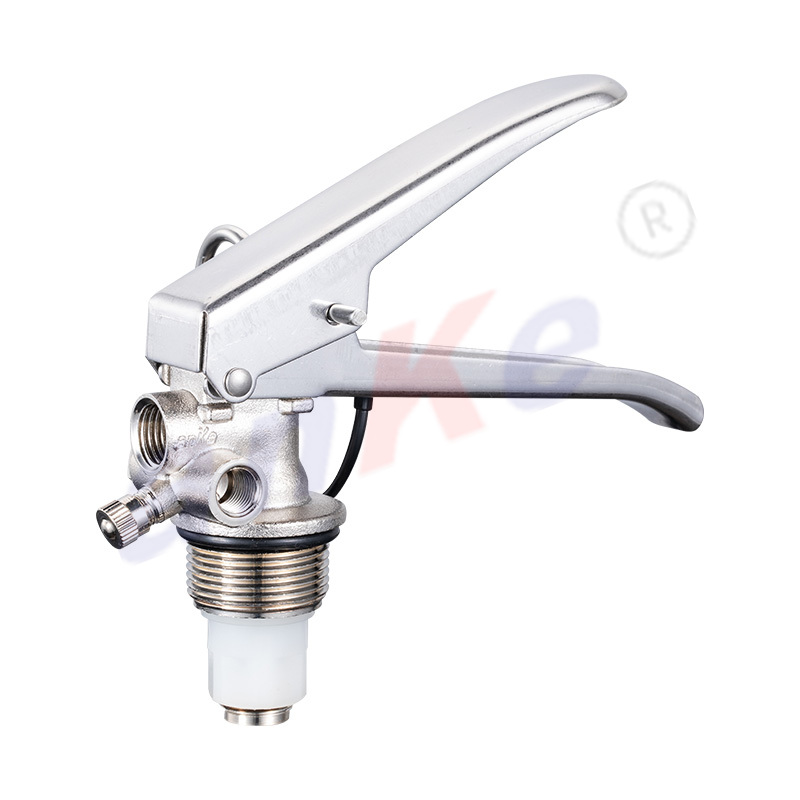
CE Certificated 4-12L Fire Extinguisher Handle Valve 1006
Advantage: Certified Sensitivity and Durability
- UL/FM Certification: Guarantees the devices are specifically tested for reliability and longevity in fire service, including surge pressure resistance.
- Adjustable Time Delay: Flow switches include an adjustable pneumatic or electronic time delay (e.g., 5 to 90 seconds) to prevent false alarms from transient surges.
- Robust Enclosures: NEMA 4 or IP66 enclosures protect electrical switches from dust, moisture, and spray, ensuring reliability in pump rooms or damp environments.
- High Accuracy: Pressure gauges are designed with high precision for critical pressure readings, often filled with liquid (glycol) to dampen needle movement from vibration.
- Pressure Switch Versatility: Switches feature adjustable setpoints, allowing them to be finely tuned for specific supervisory (trouble) and alarm pressure thresholds.
- Visual Indication: Gauges provide immediate, simple verification of system health, allowing maintenance personnel to quickly assess static pressure.
Specification: Device Type, Rating, and Application
| Device Type | Water Flow Switch (Paddle Type), Pressure Switch (Supervisory/Alarm), Pressure Gauges |
| Application | Wet Pipe, Dry Pipe, Deluge, Pre-Action, Fire Pump |
| Pressure Range (Gauges) | 0 psi to 300 psi (Dual Scale - bar/psi) |
| Flow Switch Activation | Flow of 10 GPM (Adjustable time delay) |
| Contact Rating (Switches) | 10 A at 125/250 VAC (Standard) |
| Enclosure Rating | NEMA 4 (Weatherproof) or IP66 |
| Standard Compliance | NFPA 13/72, UL Listed, FM Approved |
| Connection Size | 1/2" NPT to 2" Threaded (Gauges/Switches) |
Monitoring and Signaling in Fire Systems
Wet Pipe Alarm
Flow Switches (e.g., paddle type) installed on system branch lines to detect water flow when a sprinkler head is activated, signaling an alarm.
Dry Pipe Supervision
Low Air Pressure Switches used to monitor the supervisory air pressure in dry pipe systems, signaling a "trouble" if pressure drops due to a leak.
Fire Pump Control
High/Low Pressure Switches used to start (low pressure) and stop (high pressure) the fire pump, maintaining the required system pressure.
System Status Check
Pressure Gauges installed at the system riser, drain, and test connections to provide visual confirmation of system pressure and integrity.
Deluge System Alarm
Vane-type flow switches or pressure switches installed downstream of the deluge valve to confirm water flow and trigger the main building alarm.




 Phone: +86-13456107058/+86-15967800709
 Tel: +86-574-62010128/+86-574-62010688
 E-mail:
  Factory: Huilong Village, Huangjiabu Town, YuyaoCity,Zhejiang Province, China





 Domestic
 Overseas
 VR Catalogue
