Pre-Action Valves and Systems

-- Steady & Reliable Manufacturer --

Introduction: Two-Step Safeguard for Water-Sensitive Areas

Pre-action valves are the preferred safety solution for environments where accidental water discharge must be rigorously prevented. These systems operate on a two-step principle: first, the separate fire detection system (like a deluge system) must activate, and second, an individual sprinkler head must fuse. This double-interlock feature prevents water from entering the piping until a confirmed fire is detected and heat is present at the ceiling level.

We supply single-interlock and double-interlock pre-action valves that are fully certified by UL and FM. The valve mechanism is similar to a deluge valve, held closed by control air pressure. The distinguishing feature is the supervision: the downstream piping contains low-pressure air, which is constantly monitored. In a double-interlock system, both the air pressure drop (sprinkler head activation) and the electric signal (detector activation) must occur for the valve to trip.

These systems are vital for protecting assets where the cost of accidental water damage (due to pipe breaks, maintenance errors, or vandalism) far exceeds the cost of the system itself. Target installations include archives, museums, cold storage facilities, and high-tech server rooms. (Approx. 560 words)

Advantage: Enhanced Safety and Accidental Discharge Prevention

  • Double-Interlock Safety: Requires two independent events (detection + air loss) to trip the valve, offering the highest defense against accidental water discharge.
  • Water-Sensitive Protection: Ideal for protecting inventory or equipment where the value of the assets exceeds the cost of potential water damage.
  • System Integrity Monitoring: The continuous supervisory air pressure monitoring immediately alarms the panel if a pipe or sprinkler is damaged, allowing repairs before a fire event occurs.
  • FM/UL Certification: Our systems are certified for fast, reliable operation, confirming they will transition to a wet system and discharge water quickly upon dual confirmation of a fire.
  • Quick Conversion: Upon confirmation of fire, the system rapidly transitions from a dry, supervised status to a fully wet status, ready to discharge water through the open head(s).
  • Ease of Testing: The electronic detection system and the pneumatic system can be tested independently of each other, simplifying and speeding up mandatory annual inspections.

Specification: System Logic and Valve Control

System Type Single Interlock / Double Interlock
Valve Size DN100 (4"), DN150 (6")
Valve Material Ductile Iron (Coated)
Supervision Low-Pressure Air/Nitrogen Monitoring in Downstream Piping
Double Interlock Trip Requires (1) Detection System Signal AND (2) Loss of Supervisory Air Pressure
Max Working Pressure 175 psi (12 bar)
Standard Compliance UL Listed, FM Approved, NFPA 13
Associated Devices Air Compressor/Maintenance Device, Electric Solenoid, Pressure Switches

Protection of Highly Sensitive Environments

Data Centers and Server Rooms

Double-interlock systems prevent catastrophic water release onto sensitive electronics due to accidental pipe damage or false detection signals.

Museums and Archival Storage

Used to protect irreplaceable historical documents, paintings, and artifacts from accidental water exposure while retaining fire suppression capability.

Freezers and Cold Storage

Single-interlock systems (using nitrogen supervision) prevent accidental freezing/bursting of pipework while waiting for detection signal.

Laboratories and Clean Rooms

Providing high-reliability fire protection where high-purity standards must be maintained and liquid contaminants are strictly avoided.

Telecommunication Facilities

Protecting critical infrastructure where fire must be extinguished, but operational downtime from water damage is unacceptable.

Grow Your Bussiness With KAITUO

  • INNOVATION

    Professional R&D Team

    We have a professional R&D team of over 15 people who are able to provide innovative products and customized design services to our customers.
  • QUALITY

    Product quality assurance

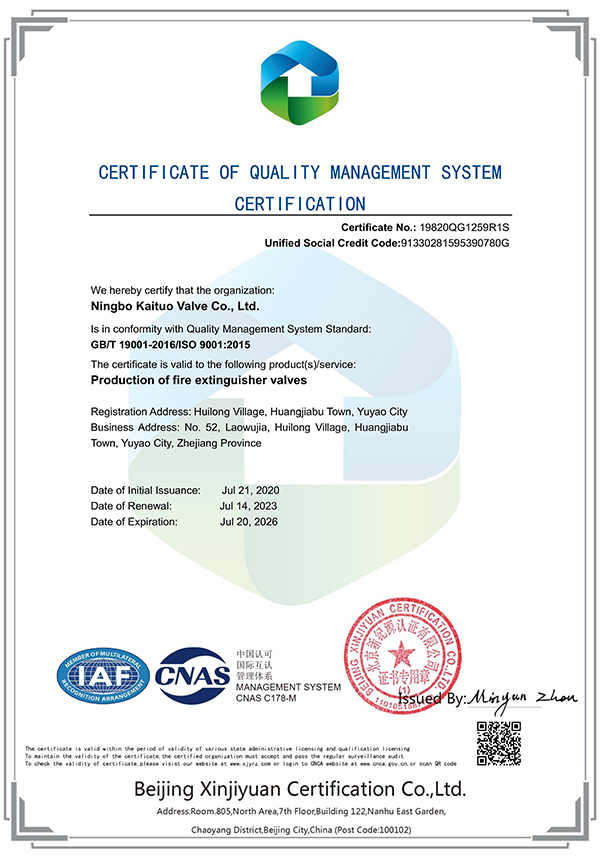
    We adhere to quality as a lifeline for our business development, and strict quality management systems ISO and CE, as well as a variety of advanced quality testing equipment are our guarantees for product quality.
  • PRODUCTION CAPACITY

    Annual output exceeds 400,000

    Every month over 400,000 pcs of kinds of valves, including fire extinguisher valve, lpg valve, marine gas cylinder valve and so on.
  • SERVICE

    One-stop service

    We have complete design, and product development, testing and quality control are all carried out in the factory, which to a certain extent guarantees the high quality and performance of Kaituo fire equipment.

Payment & Shipping: Flexible Global Trade Solutions

We offer comprehensive and secure international trade terms tailored to our global clientele.

  • Accepted Payment Methods:

    Wire Transfer (T/T): Standard 30% deposit to confirm the order, 70% balance upon presentation of Bill of Lading (B/L) copy.

    Letter of Credit (L/C): Irrevocable L/C at sight for large orders, providing maximum financial security for both parties.

  • Shipping Terms (Incoterms):

    FOB (Free On Board): Ningbo Port is our standard shipping hub.

    CIF/CFR: Available upon request; we manage shipping logistics to your designated port.

  • Packaging:

    Valves and trim packages are crated in protective wooden boxes. The air maintenance device and associated electrical components are securely packaged separately.

Comprehensive Information Summary

Minimum Order Quantity (MOQ) 5 Units (Complete Pre-Action Valve with Trim)
Lead Time 60-90 Days (Due to Fabrication of Valve and Procurement of UL/FM Ancillaries)
Packaging Reinforced Wooden Crates, Protection for Delicate Sensing Devices.
Certifications UL Listed, FM Approved, NFPA 13 Compliance.
Raw Materials Ductile Iron (Coated), Bronze/Stainless Steel Internals, Pneumatic/Electric Control Trim.
Customization Options Single/Double Interlock Configuration, Valve Trim Material for Corrosive Environments, Flange Standard.

Professional Usage Tips

  1. Maintain Air Pressure:

    Ensure the air maintenance device and compressor consistently maintain the required low supervisory air pressure (e.g., 15 psi) in the piping. A failure here will result in a "trouble" signal.

  2. Test the Interlocks Separately:

    During annual testing, confirm that tripping only the detection system (electric) or only the air pressure (loss of supervision) does NOT cause the main valve to trip, verifying the double-interlock function.

  3. Use Nitrogen in Freezers:

    In cold storage/freezer applications, use dry Nitrogen instead of compressed air for supervision to eliminate residual moisture that could freeze and obstruct the supervisory piping.

  4. Clear Piping:

    Ensure all piping downstream of the valve is installed with a pitch that allows condensate to drain back to the pre-action valve and be removed via the drain cup, preventing corrosion buildup.

  5. Solenoid Reliability:

    The electric solenoid valve is critical. It must be checked for proper voltage and reliable actuation during the detection system testing to ensure it can vent the control pressure when needed.

Get in Touch

ABOUT KAITUO
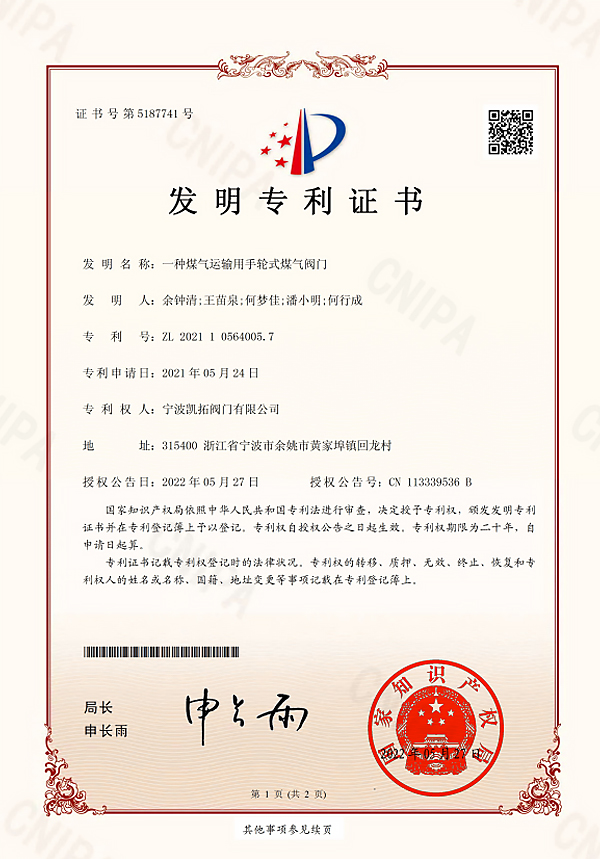
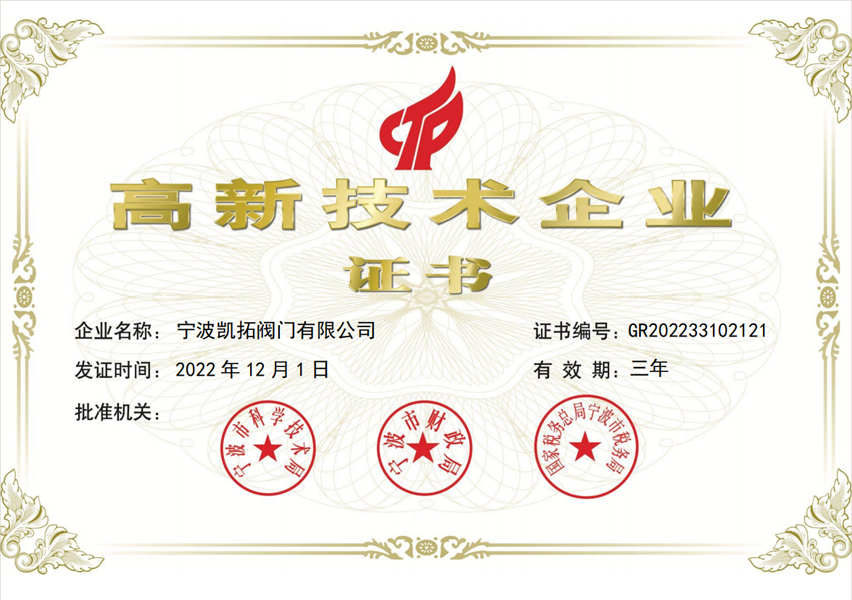
Ningbo Kaituo Valve Co., Ltd., also known as Ningbo Anke Fire Equipment Co., Ltd., is China Pre-Action Valves and Systems Manufacturers and Wholesale Pre-Action Valves and Systems Factory, specializing in the research and development, production and export of fire equipment. It owns the anke brand and a number of national high-tech patents.
Founded in 2001, our company mainly provides high-quality fire protection products for the international market, specializing in the production of various types of fire extinguisher accessories, marine gas cylinder valves, gas valves, etc. After years of hard work and continuous improvement of process reform, our products are exported to dozens of countries around the world and have won a good international reputation. All of our products have obtained the EU EN, CE certification in 2007.
Welcome all customers to call and visit us. Our company has a professional sales team to provide accurate services.
Read More

FAQ

A Single Interlock system requires either the detection system signal or the loss of supervisory pressure to trip the valve. It is typically used for pipe freezing prevention (like in freezers), not for maximum damage prevention like the double interlock.

If only the detection system alarms falsely, the valve will trip, and the piping will fill with water. However, since no sprinkler head has fused, the water will not discharge from the system, preventing water damage.

Pre-action systems require visual checks daily/weekly, a quarterly trip test of the detection system, and a full operational trip test (wet test) annually.

The supervisory pressure (e.g., 15 psi) is kept low enough so that if a pipe or head is damaged, the air pressure drops almost instantly, confirming the physical integrity breach without requiring a high-pressure air source.

Yes. The AMD is essential. It includes a restricted orifice that prevents the system air pressure from building too quickly (which could trip a standard air valve) and maintains the precise, low supervisory pressure.

Yes, like the deluge valve, the pre-action valve can be manually reset by closing the trim valves and restoring the control pressure and the supervisory air pressure.

The main flange connections are typically DN100 (4") or DN150 (6"), depending on the hydraulic design flow rate required for the protected area.

Due to the complexity and the need for certified components (valve, AMD, detection interface), the lead time is typically longer, ranging from 60 to 90 days.

Even though the pipe is dry under supervision, once the pre-action valve trips, the piping immediately becomes a high-pressure wet system (up to 175 psi) and must withstand this pressure.

It's often integrated. The same fire alarm panel monitors the detectors, but the pre-action valve solenoid is typically wired to a specific output on the panel for immediate control signal transmission.