
 en
en  English
 中文简体
中文简体 Español

Introduction: Non-Residual, Electrically Safe Suppression
The Clean Agent HFC Fire Extinguisher is a specialized portable unit using environmentally friendly, non-residue gaseous extinguishing agents, primarily HFC 236 fa or FK−5−1−12 (Novec 1230). These agents are chemically clean, non-conductive, and leave no corrosive residue, making them ideal for use in sensitive electronic and high-value asset areas.
The agent extinguishes fire primarily through heat absorption (cooling the flame at a molecular level) and secondarily through chemical interaction, effectively suppressing Class B and Class C fires (liquids and electrical). HFC extinguishers are stored under pressure, often with a nitrogen charge, and feature heavy-duty valves and seamless cylinders to contain the agent, which is typically liquefied.
These units are mandatory replacements for older, ozone-depleting Halon-based extinguishers and are often found in server rooms, laboratories, and aircraft cockpits. (Approx. 580 words)
Related Products
-
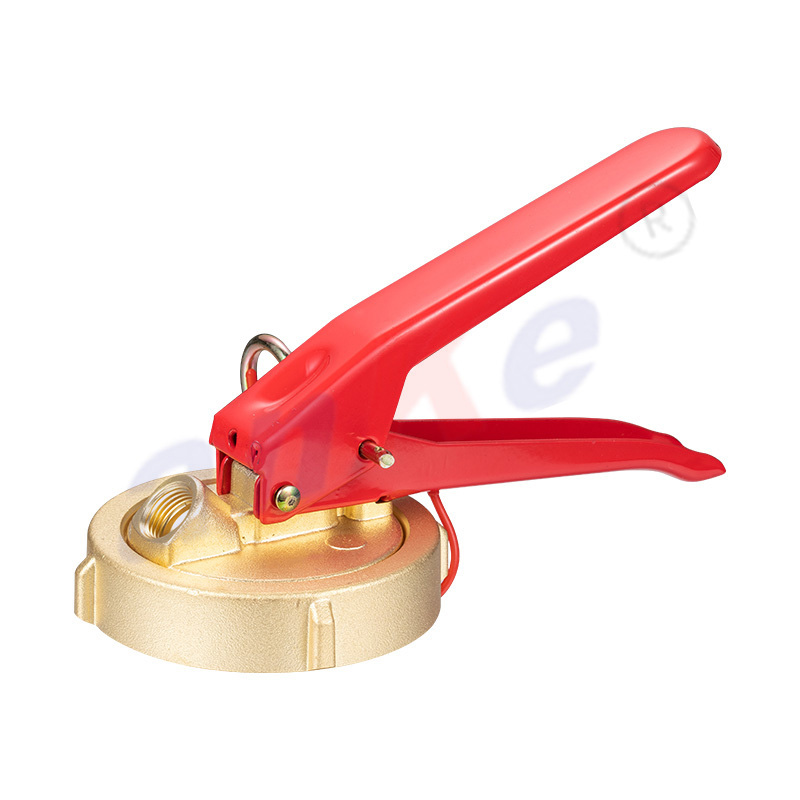
Fire Eipument Cylinder Valve for 6-9KG Cartridge Fire Extinguisher 1046
-
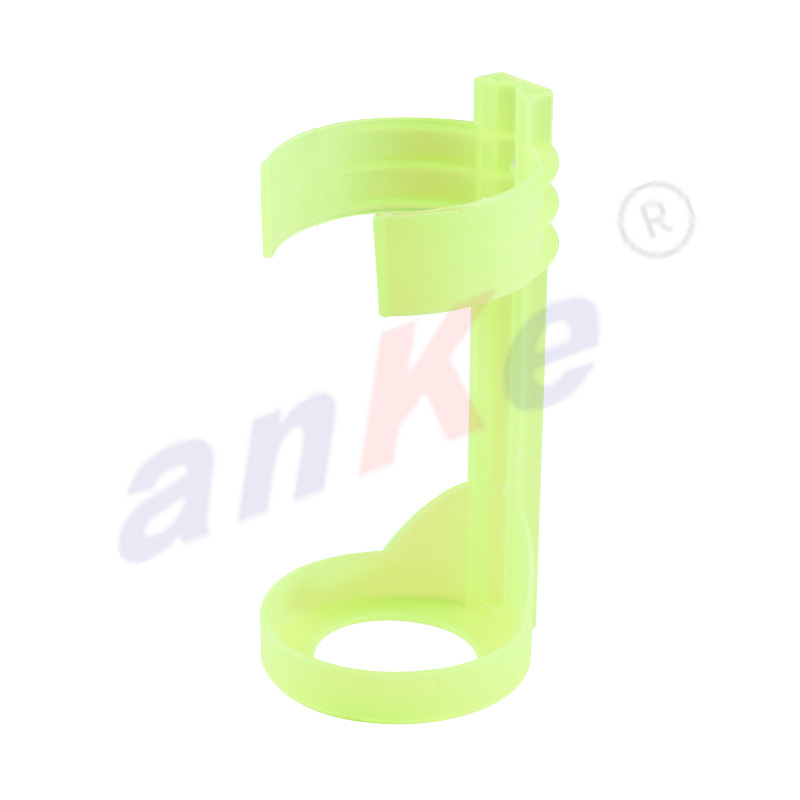
Fire Extinguisher Plastic Wall Mount Bracket 5017
-
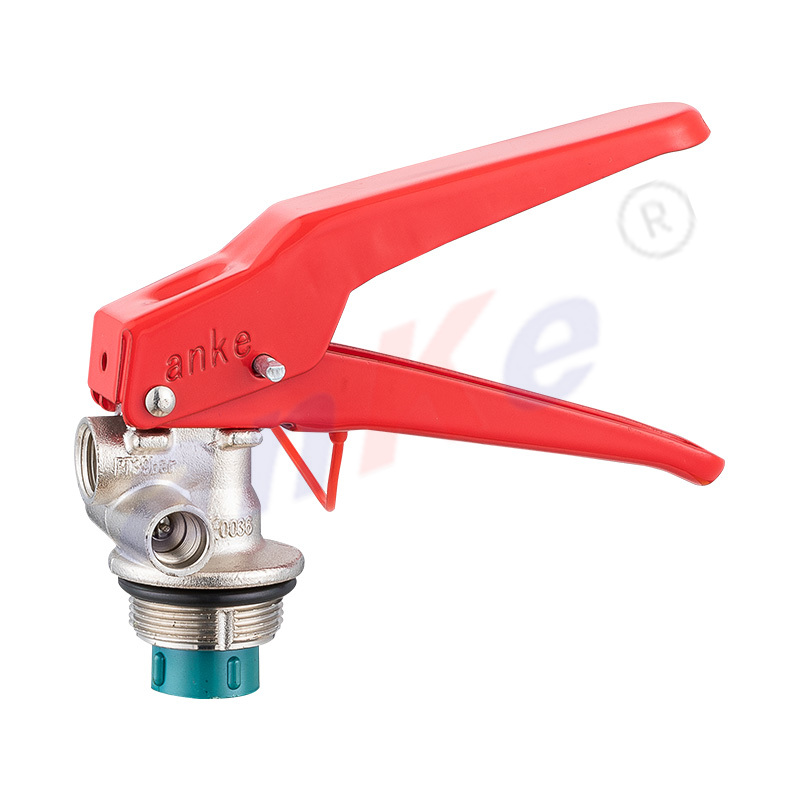
4-12KG Dry Powder Fire Extinguisher Valve 1001
-
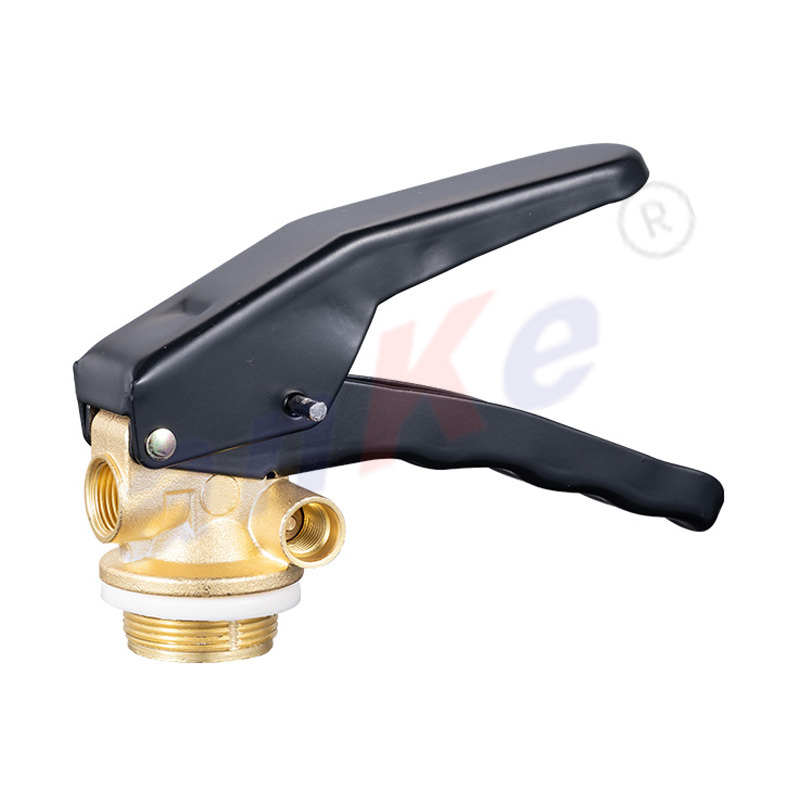
Brass Valve FOR 6-9KG Dry Powder Fire Extinguisher 1115
-
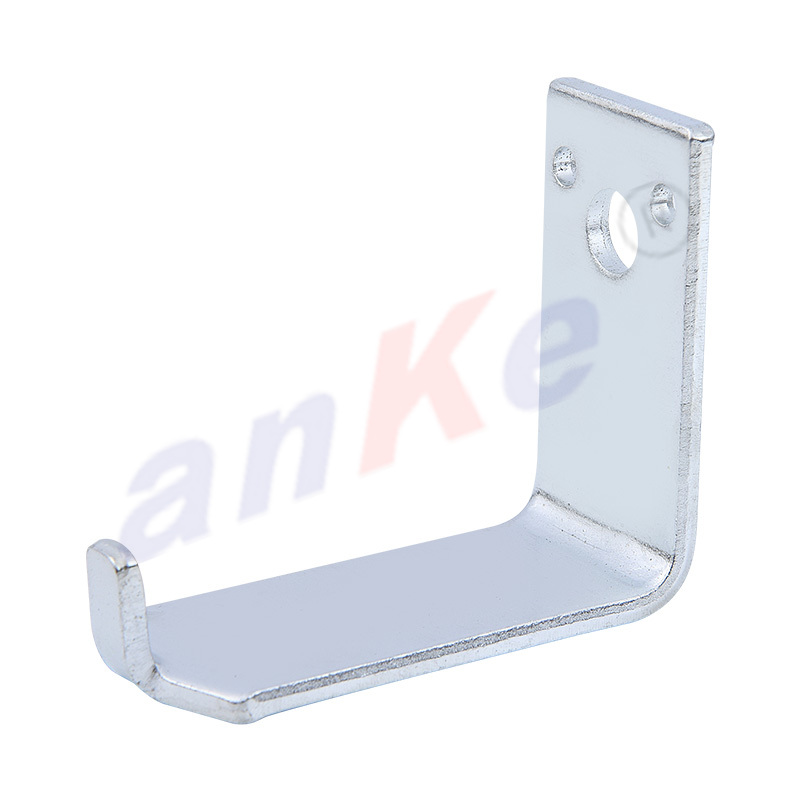
Universal Fire Extinguisher Wall L Mount Bracket For 4-12kg Fire Extinguisher 5024
-
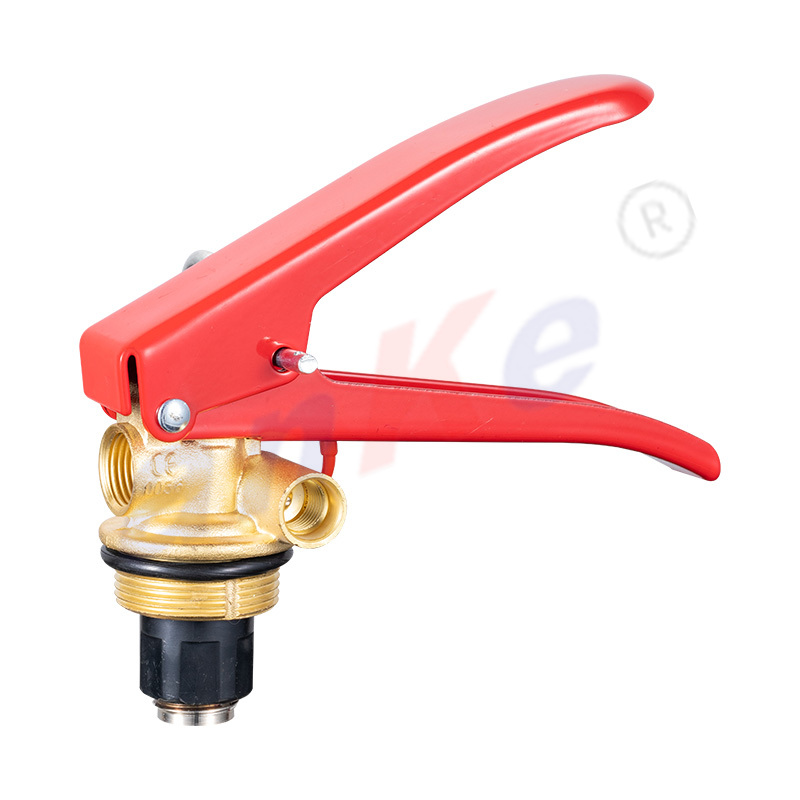
6KG-9KG Valve Fire Extinguisher Cylinder Valve 1143B
-
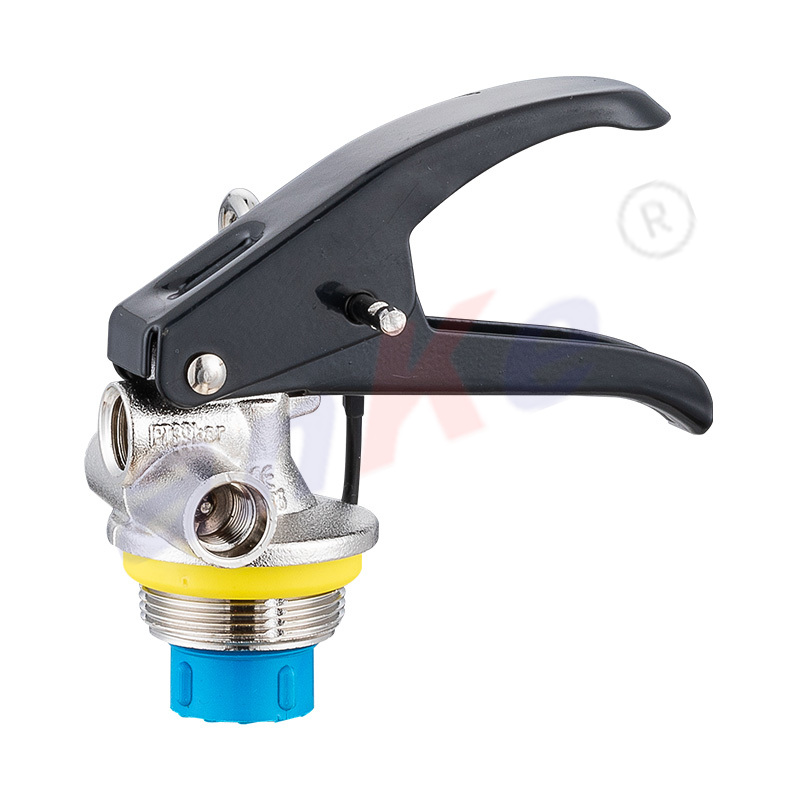
CE type High Quality 1-3KG Fire Extinguisher Cylinder Valve 1141
-
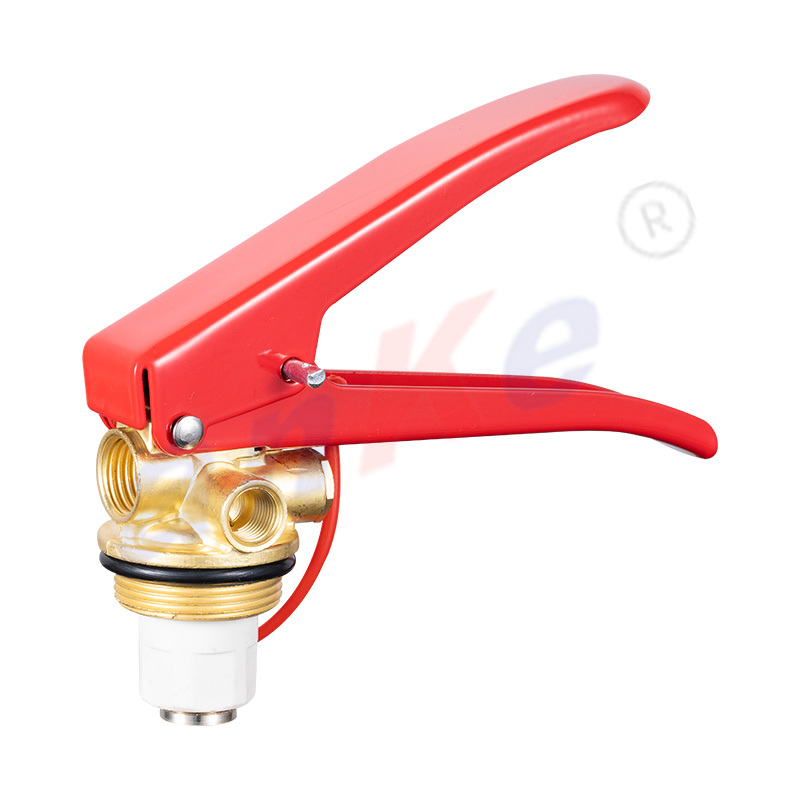
Brass Cylinder Valve FOR 4-9KG Fire Extinguisher 1139
-
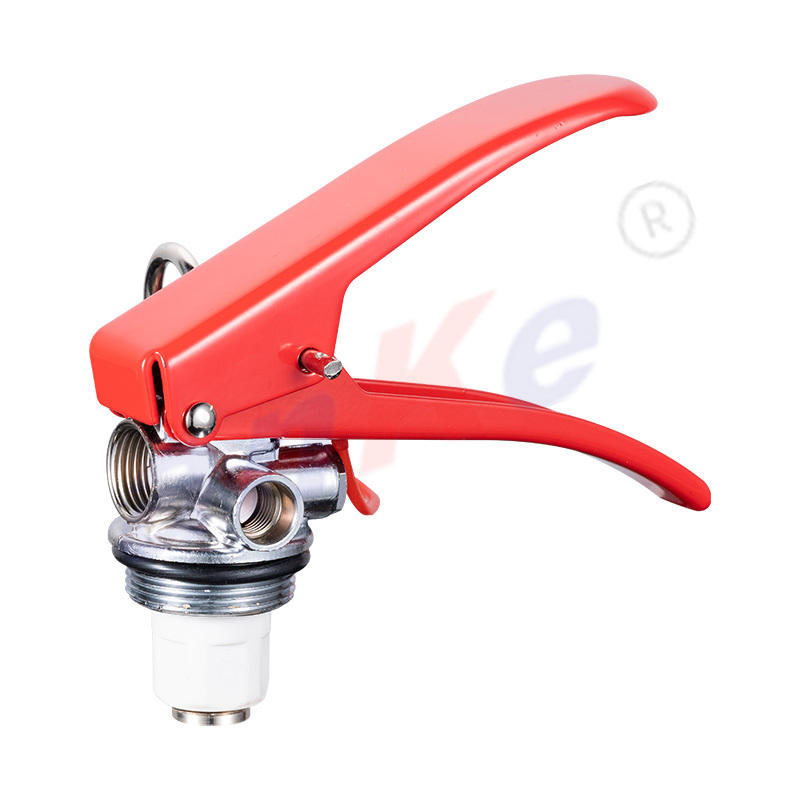
Cylinder Valve FOR 4-9KG foam Fire Extinguisher 1139A
-
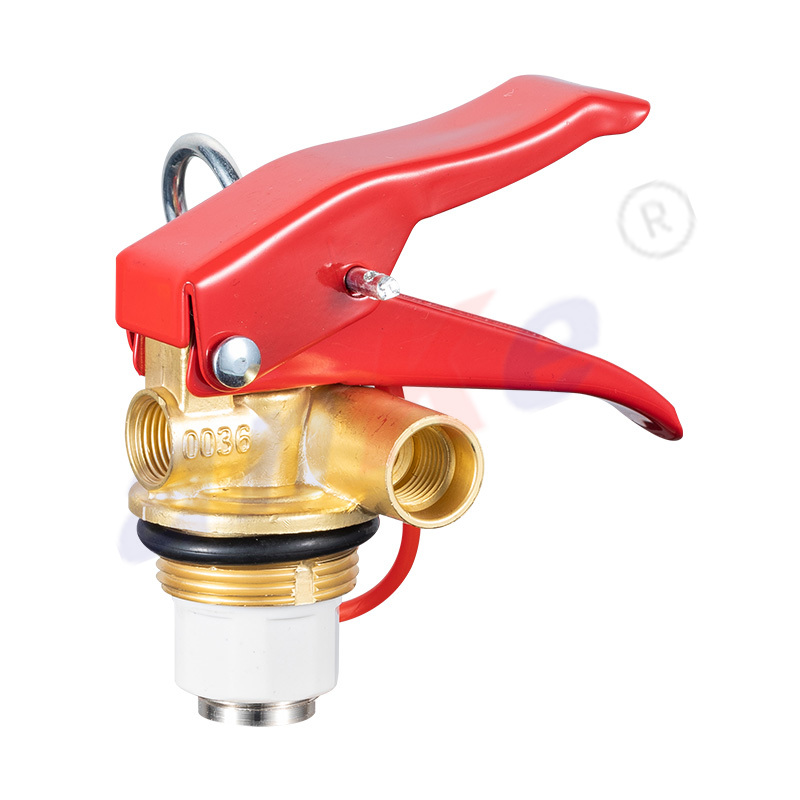
1-2KG Fire Extinguisher Brass Safety Cylinder Valve 1135
-
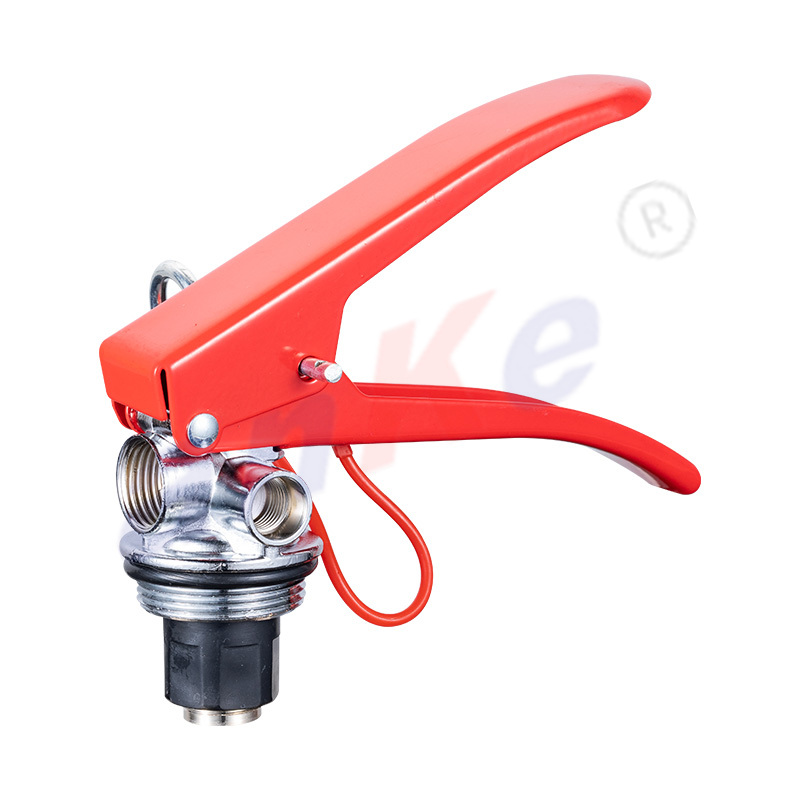
4-6KG Firefighting Equipment & Accessory Fire Extinguisher Valve 1128
-
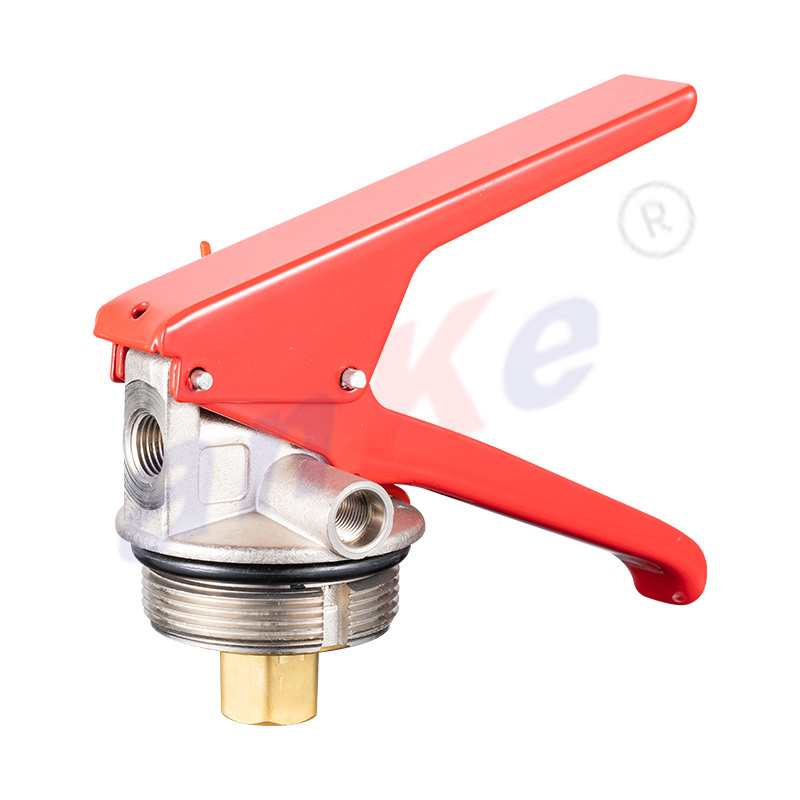
Red Safety Handle Valve for 6-9KG Fire Extinguisher 1107
Advantage: No Residue, Minimal Damage, and Environmental Compliance
- Asset Protection: Extinguishes fire without damaging sensitive electronics, documentation, or machinery, minimizing business interruption.
- Occupant Safety: Agent toxicity (LOAEL) is generally very low, making it safer for use in occupied spaces than older Halon agents.
- Environmental Profile: ODP of zero ensures compliance with international environmental treaties and regulations.
- Superior Flow: Discharges as a gas/mist, allowing the agent to quickly penetrate equipment enclosures and reach deep-seated fire sources.
- Non-Conductive: Class C rated, it can be safely used on energized electrical equipment without electrocution risk.
- Weight Monitoring: Some units use weight to check charge, similar to CO2, ensuring the proper volume of agent is contained.
Specification: Agent Type, ODP, and Electrical Safety
| Component Function | Clean, Non-Conductive, Residue-Free Suppression for B/C Fires |
| Extinguishing Agent | HFC 236 fa or FK−5−1−12 (Novec 1230) |
| Fire Classification | B (Liquid), C (Electrical) - Often rated for A (Small Volume) |
| Ozone Depletion Potential (ODP) | Zero (Environmentally Compliant) |
| Working Pressure | 150 psi to 360 psi (Higher than ABC units) |
| Cylinder Material | Seamless Aluminum or Welded Steel (Internal Coating) |
| Standard Compliance | UL 711/299, NFPA 10, EPA/EU F-Gas Regulations |
| Key Advantage | Safe for High-Value Assets, Zero Cleanup Required |
Targeted High-Value Asset Protection
Data Centers and Server Rooms
Used as the primary defense to prevent water or powder damage to critical IT infrastructure.
Laboratories and Museums
Ideal for protecting delicate instruments, chemical storage, and non-replaceable artifacts.
Aircraft and Marine Cockpits
Mandatory for cockpit protection due to the need for rapid, clean suppression without obstructing visibility.
Telecommunication Facilities
Used for electrical cabinets, generators, and complex wiring areas where conductivity is a risk.
Manufacturing Cleanrooms
Essential where powder residue could contaminate products or sensitive assembly lines.



 Phone: +86-13456107058/+86-15967800709
 Tel: +86-574-62010128/+86-574-62010688
 E-mail:
  Factory: Huilong Village, Huangjiabu Town, YuyaoCity,Zhejiang Province, China





 Domestic
 Overseas
 VR Catalogue
