
 en
en  English
 中文简体
中文简体 Español

Introduction: Directing and Expanding High-Velocity Agent
The CO2 Extinguisher Horn Discharge Assembly is the component responsible for safely conveying and rapidly expanding the high-pressure (≈1800 psi) liquid CO2 agent into a solid/gaseous snow mixture suitable for fire suppression. It consists of three primary parts: the High-Pressure Hose (or flexible connection), the Plastic or Composite Horn, and the Nozzle/Gasket connecting them.
The horn itself is a crucial element of the assembly, designed with a flaring shape to allow the rapid adiabatic expansion of the CO2 as it exits the valve. This expansion process drops the agent's temperature to approximately −110∘F (−79∘C), causing it to transform into dry ice "snow" which smothers the fire. The assembly directs the flow, minimizes blowback, and protects the user's hand from the extreme cold.
The horn assembly must be robust to handle the immense discharge force and is mandatory for all 5 lb and larger CO2 extinguishers. (Approx. 580 words)
Related Products
-
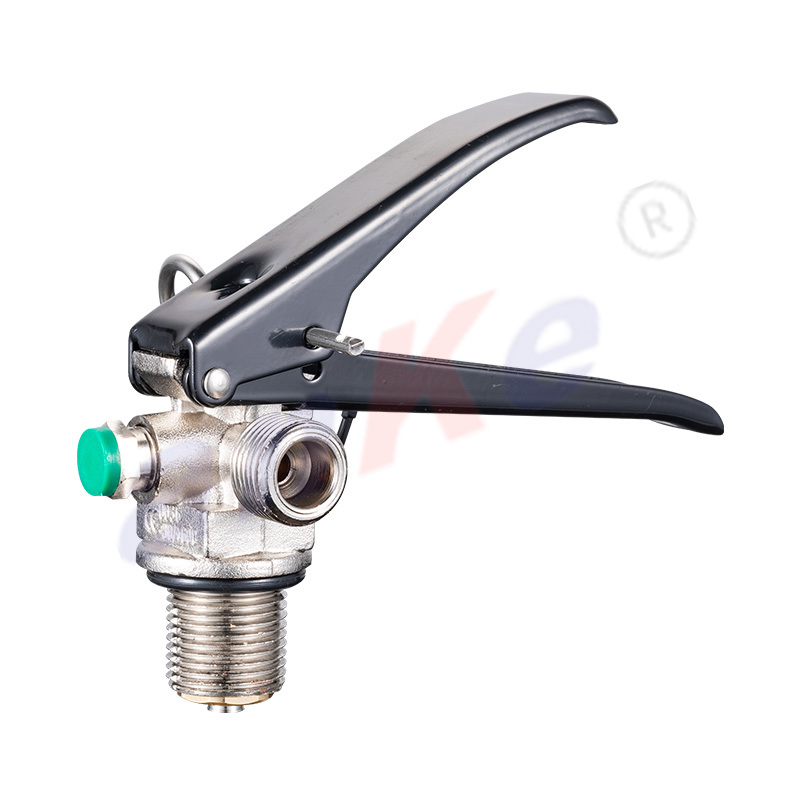
2-9KG Portable CO2 Fire Extinguisher Valve 2021
-
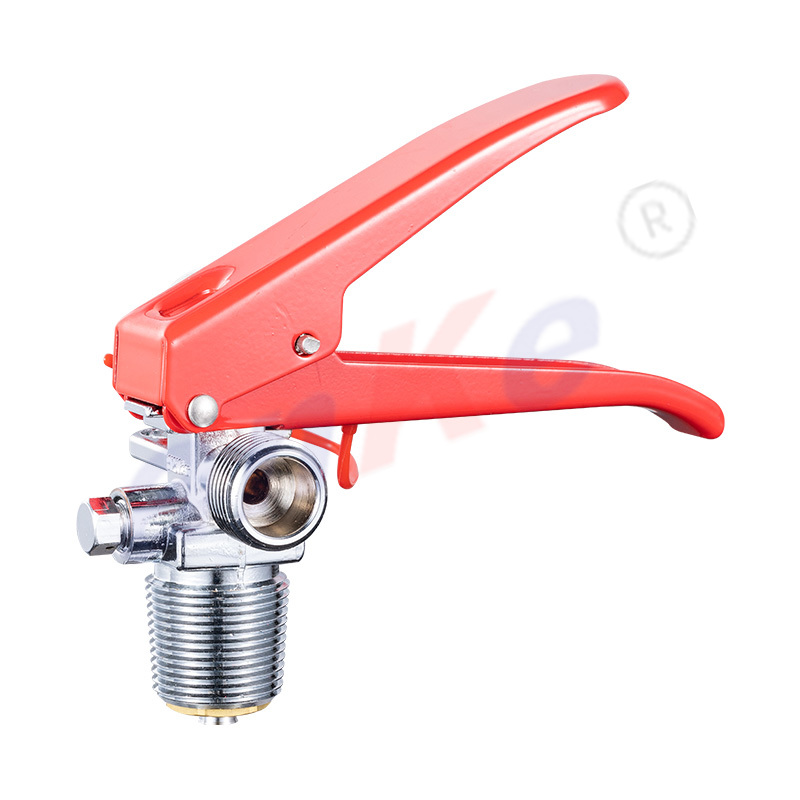
2-9KG CO2 Fire Extinguisher Copper Valve 2045
-
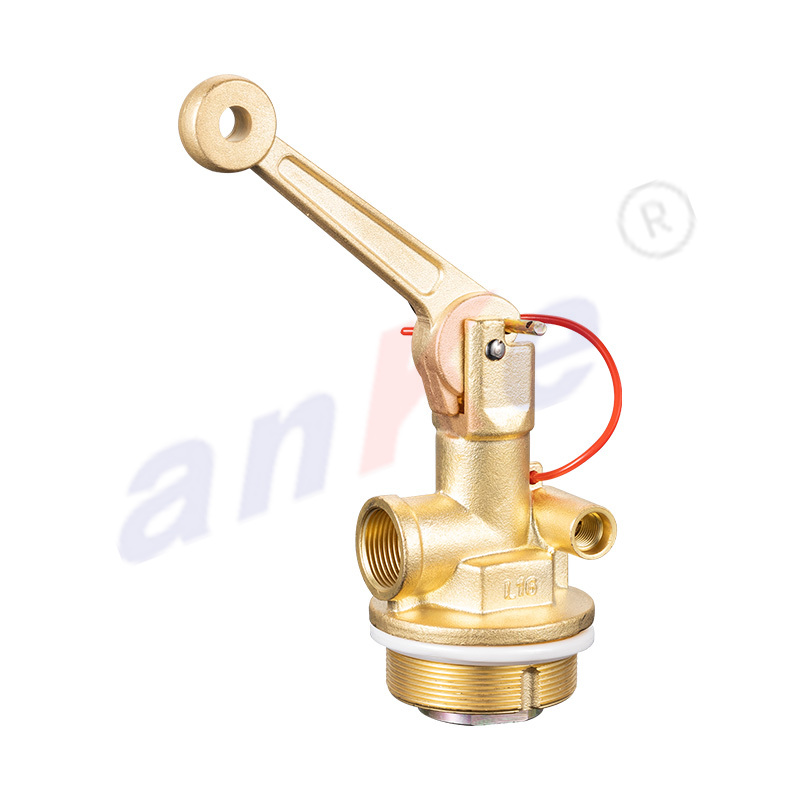
25-150KG Trolley Type Fire Extinguisher Valve 1100
-
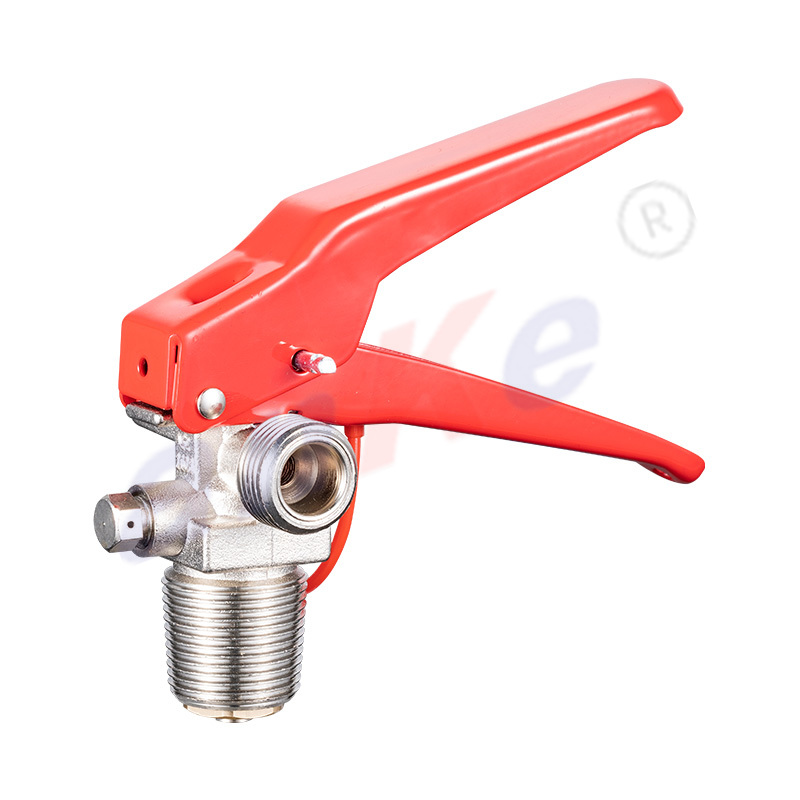
Cylinder Valve for 2-3KG Portable CO2 Fire Extinguisher 2088
-
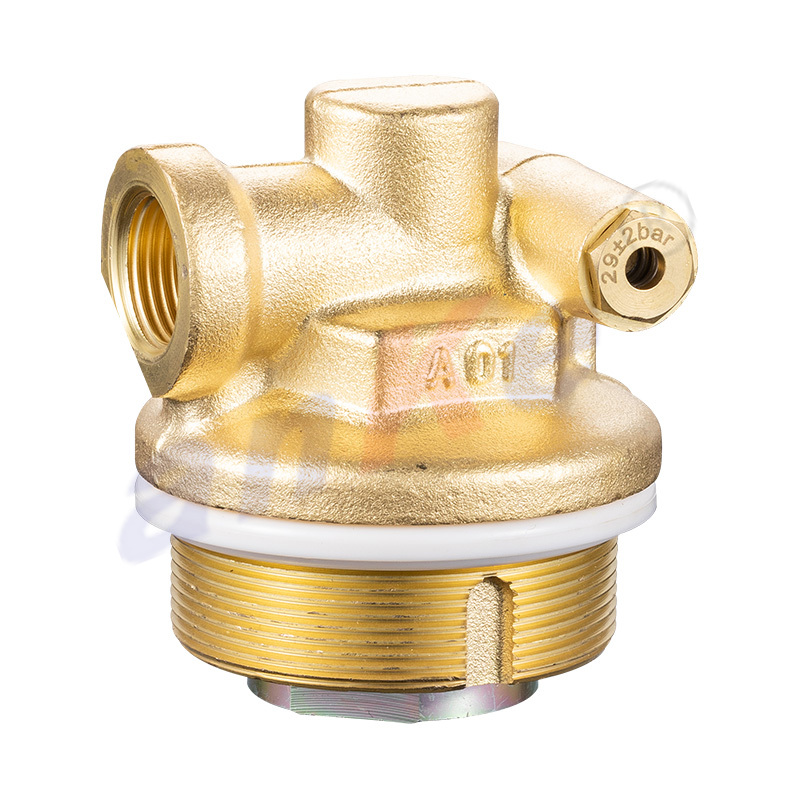
25-100Kg Large-capacity Fire Extinguisher Automatic Valve 1099
-
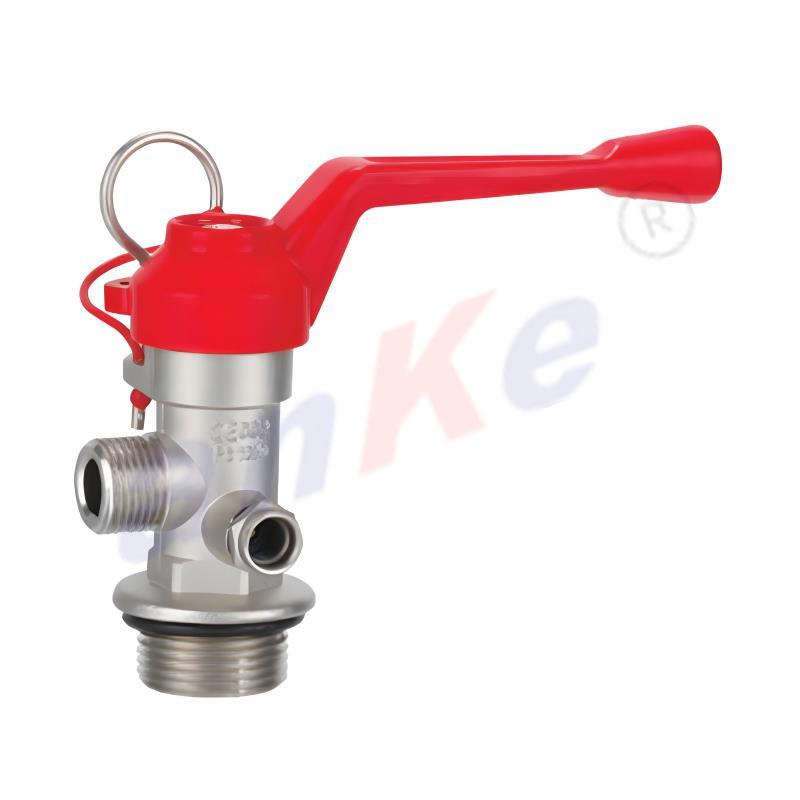
25-50kg trolley type Fire Extinguisher Copper Valve 1036
-
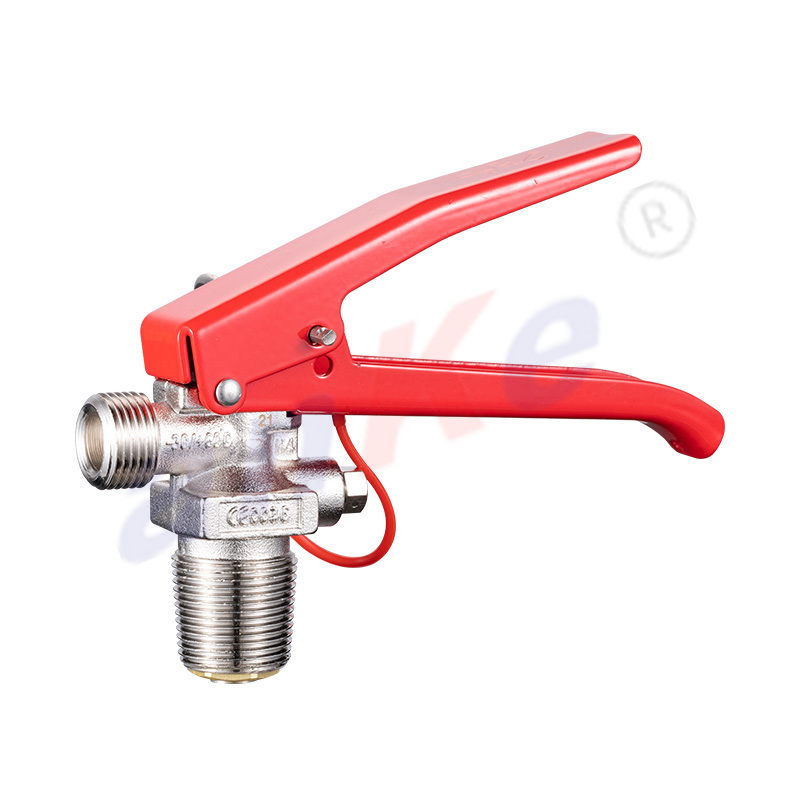
2-9KG Carbon Dioxide Fire Extinguisher valve Brass Valve 2048
-
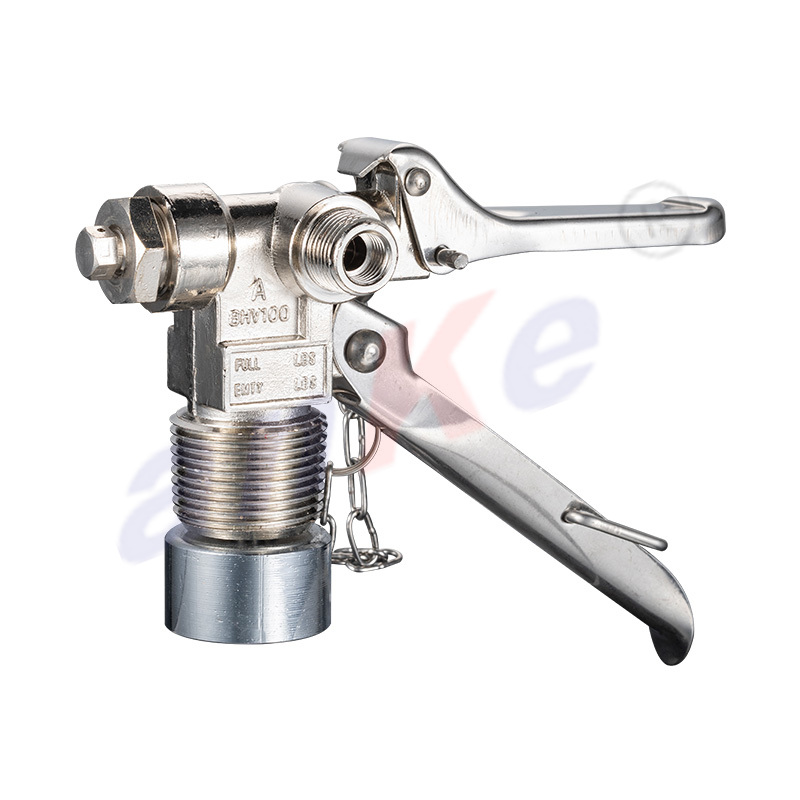
American Type CO2 Fire Extinguisher Valve 2059
-
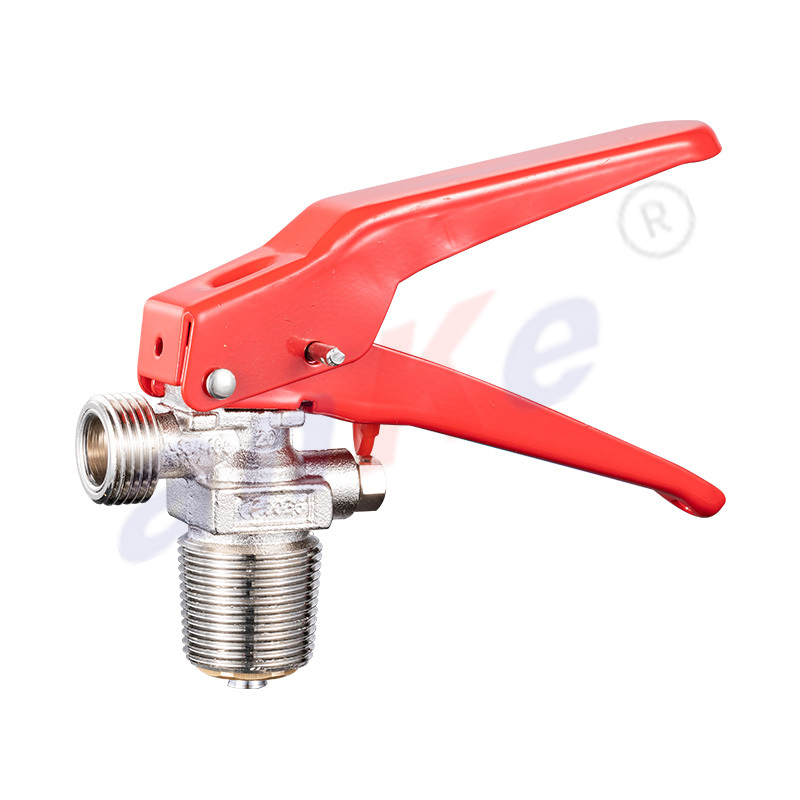
Italian style CO2 Fire Extinguisher Valve with Safety Divice Suit For 2-9KG Cylinders Nickel-plating and chrome-plating 2016
-
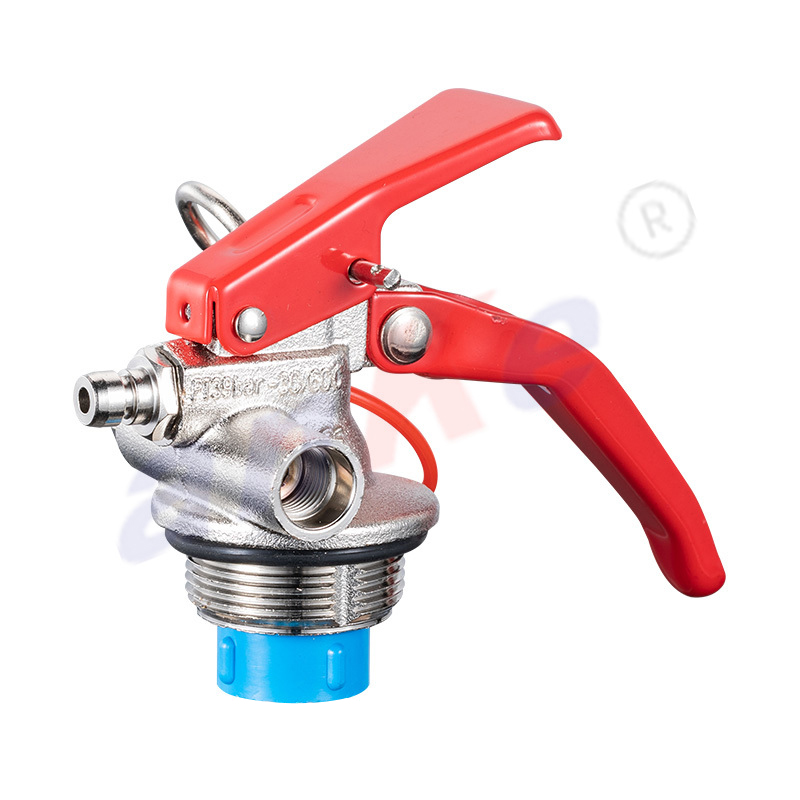
1-2KG Fire Extinguisher Valve 1003
-
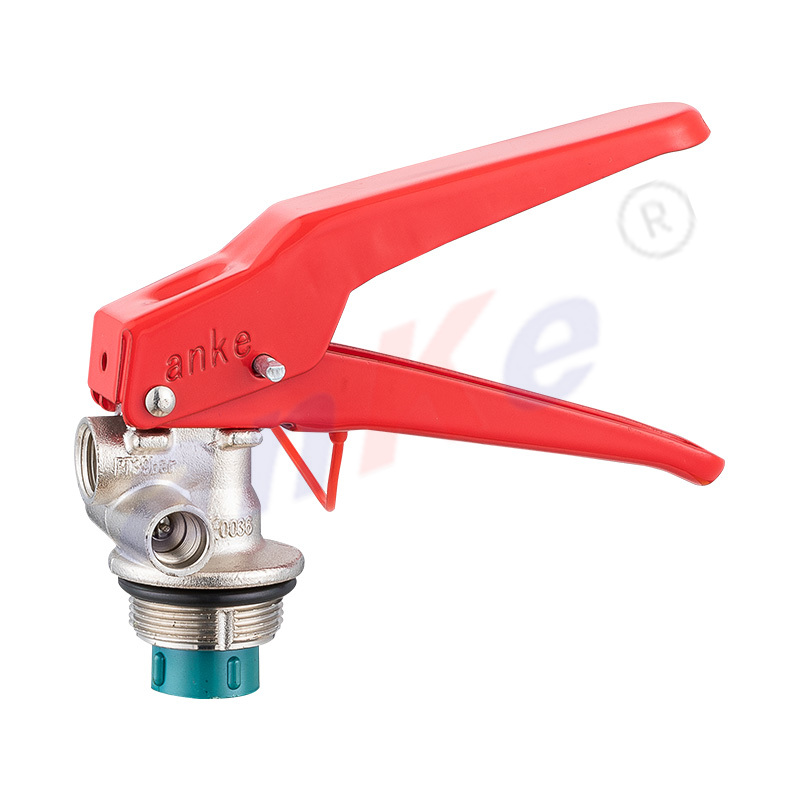
4-12KG Dry Powder Fire Extinguisher Valve 1001
-
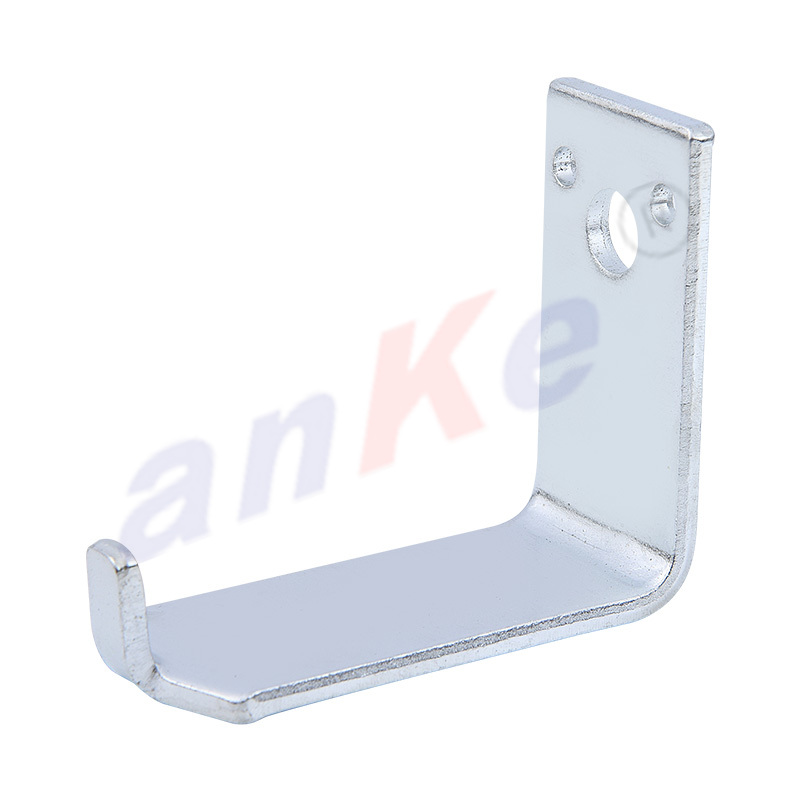
Universal Fire Extinguisher Wall L Mount Bracket For 4-12kg Fire Extinguisher 5024
Advantage: Maximized Efficiency, User Safety, and Targeted Flow
- Agent Efficiency: The horn design maximizes the expansion rate of the CO2, ensuring maximum cooling and gas volume for smothering.
- Frostbite Protection: The plastic horn material and insulated grip area protect the operator's hands from the extreme cold (−110∘F) of the discharging agent.
- Targeting Accuracy: The flared shape focuses the jet of CO2 snow/gas, allowing for precise application onto the fire's base.
- High Integrity: The assembly components (hose and couplings) are engineered to withstand the explosive force and pressure shock of the CO2 discharge.
- Durability: The hose features multiple reinforcement layers (often braided steel or textile) to ensure long-term pressure retention and service life.
- Code Requirement: The presence of a discharge horn is mandatory for optimal performance and safety on portable CO2 units.
Specification: Material, Pressure Rating, and Dimension
| Component Function | Conveys High-Pressure CO2, Expands Agent, and Protects User from Cold |
| Primary Materials | High-Pressure Rubber/Braided Hose, Durable HDPE or Composite Plastic Horn |
| Working Pressure | Up to 3000 psi (Hose Burst Rating) |
| Hose/Valve Connection | Brass or Steel Swivel Nut and High-Pressure Gasket |
| Horn Feature | Flared Shape for Rapid Adiabatic Expansion (Joule-Thomson Effect) |
| Standard Compliance | UL 299/711 (Flow Rate and Integrity), EN 3, NFPA 10 |
| Key Safety Feature | Built-in Handle or Grip to Avoid Frostbite Hazard |
| Horn Size | Dependent on Extinguisher Capacity (Larger horns for larger units) |
Application and Functional Use
Electrical Equipment Fires (Class C)
The assembly ensures rapid discharge of the non-conductive agent onto energized systems and sensitive electronics.
Flammable Liquid Fires (Class B)
The horn focuses the agent, allowing the smothering cloud of CO2 to displace oxygen near the fuel source.
Laboratory and Cleanroom Use
Used where a clean, residue-free suppression method is required; the horn ensures accurate targeting.
Marine and Aviation Use
Essential component for ship engine rooms and aircraft systems to maximize the agent's limited discharge time.
Component Inspection
Hoses must be checked routinely for cracks, stiffness, or cuts that could lead to rupture under high pressure.



 Phone: +86-13456107058/+86-15967800709
 Tel: +86-574-62010128/+86-574-62010688
 E-mail:
  Factory: Huilong Village, Huangjiabu Town, YuyaoCity,Zhejiang Province, China





 Domestic
 Overseas
 VR Catalogue
