
 en
en  English
 中文简体
中文简体 Español

Introduction: Saponification for Cooking Oil Fires
The Class K Wet Chemical Extinguisher Unit is the mandatory fire suppression device for kitchens utilizing commercial deep fat fryers, woks, and cooking appliances that use vegetable oils and animal fats. Class K (Kitchen) fires are designated due to the extremely high heat and potential for re-ignition of these fuels.
The agent is typically an aqueous solution of Potassium Acetate (or Potassium Carbonate), which is non-toxic and non-corrosive. When sprayed onto the fire, the agent creates a chemical reaction called saponification: the agent reacts with the hot oil to form a soapy, foam-like blanket. This blanket cools the oil below its ignition point and, crucially, prevents oxygen from reaching the surface, thereby preventing re-ignition.
Class K units feature a distinctive long, flexible discharge wand/nozzle to ensure the agent is applied gently as a fine mist, preventing splashing of the burning hot oil. (Approx. 560 words)
Related Products
-
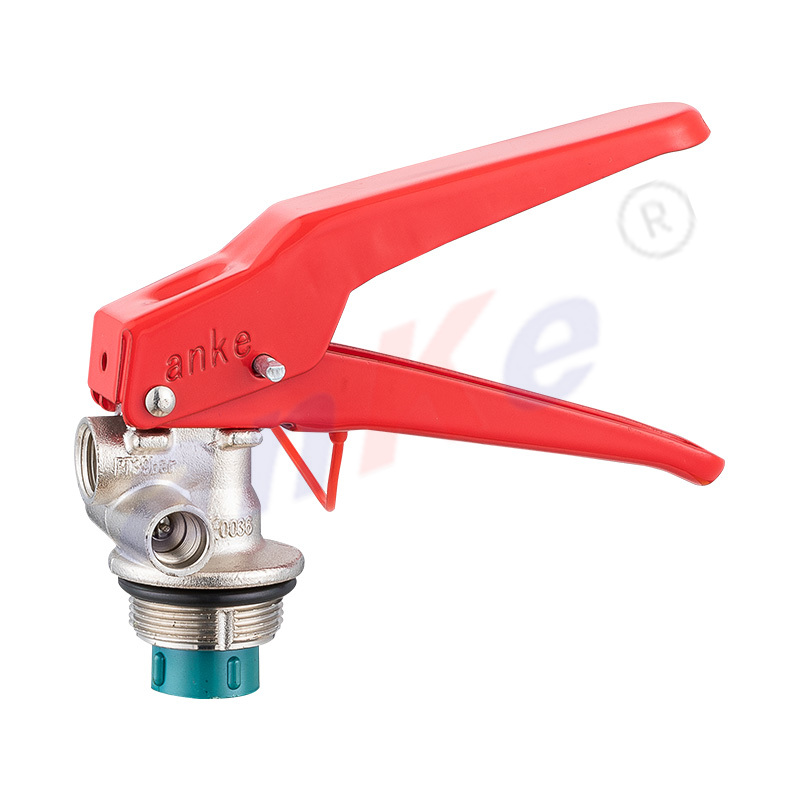
4-12KG Dry Powder Fire Extinguisher Valve 1001
-
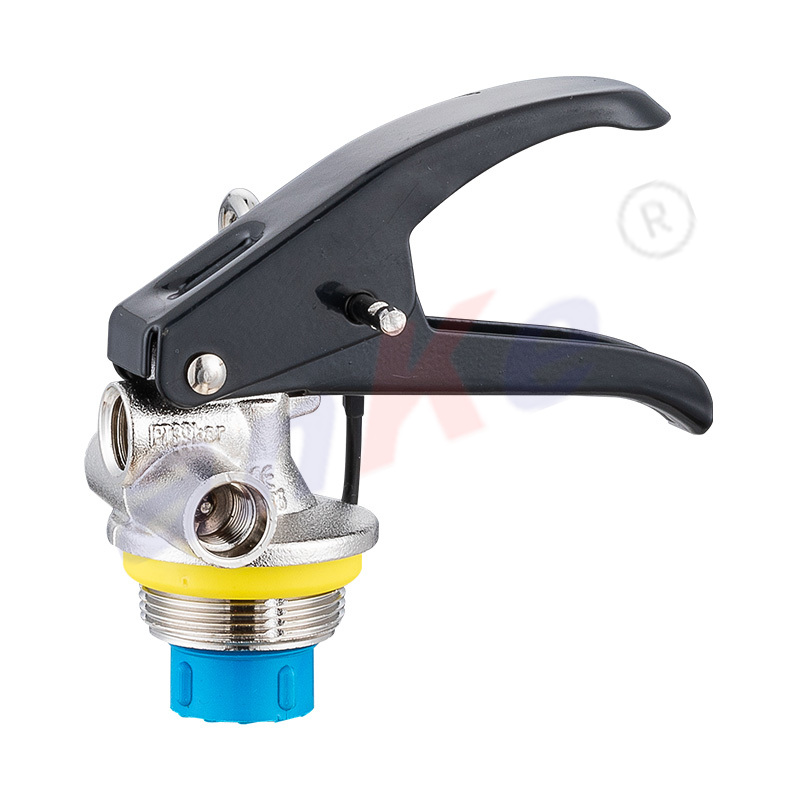
CE type High Quality 1-3KG Fire Extinguisher Cylinder Valve 1141
-
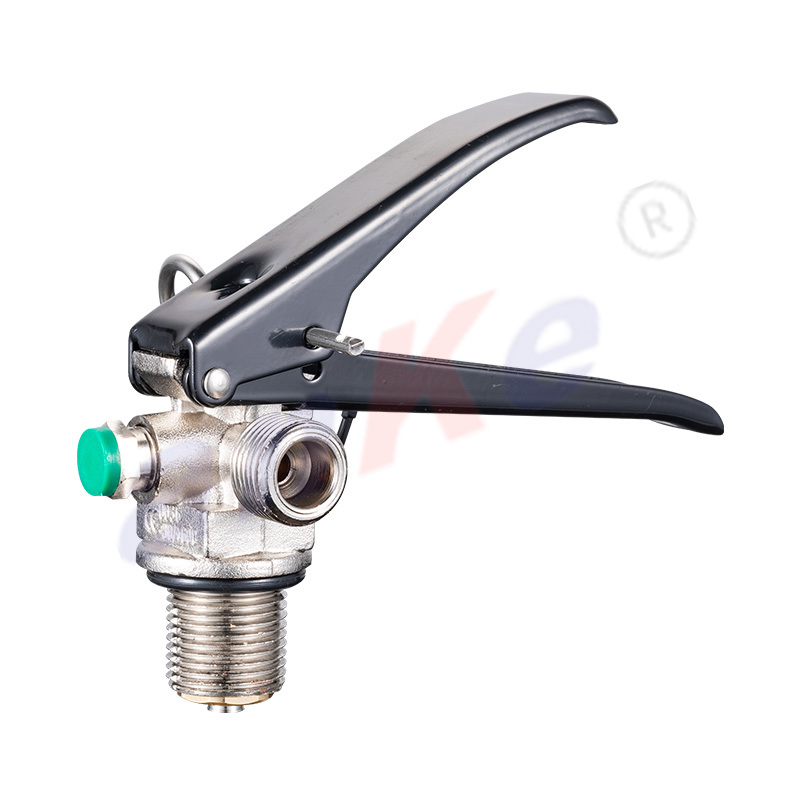
2-9KG Portable CO2 Fire Extinguisher Valve 2021
-
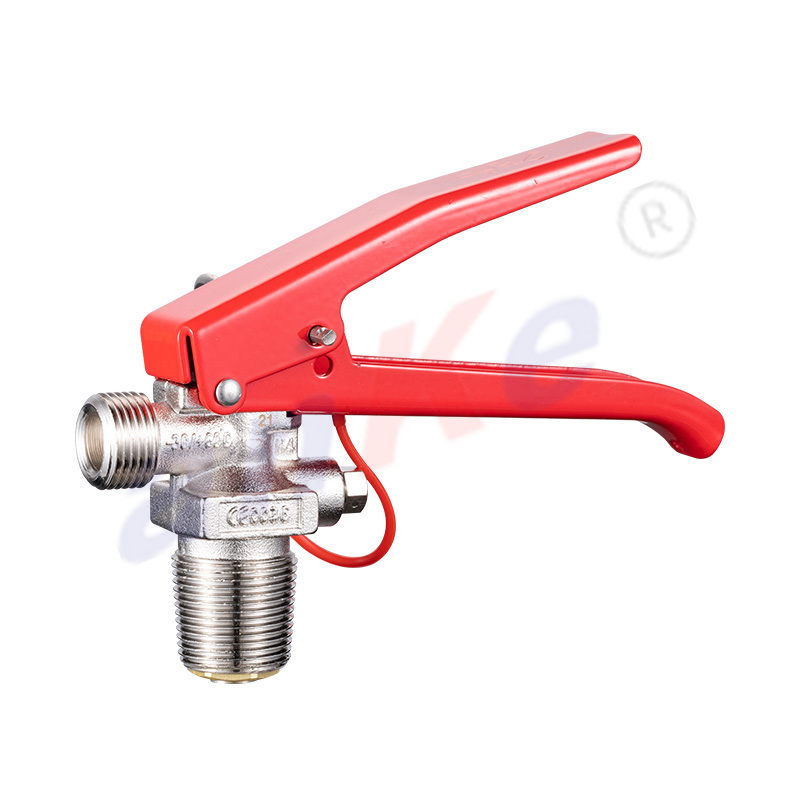
2-9KG Carbon Dioxide Fire Extinguisher valve Brass Valve 2048
-
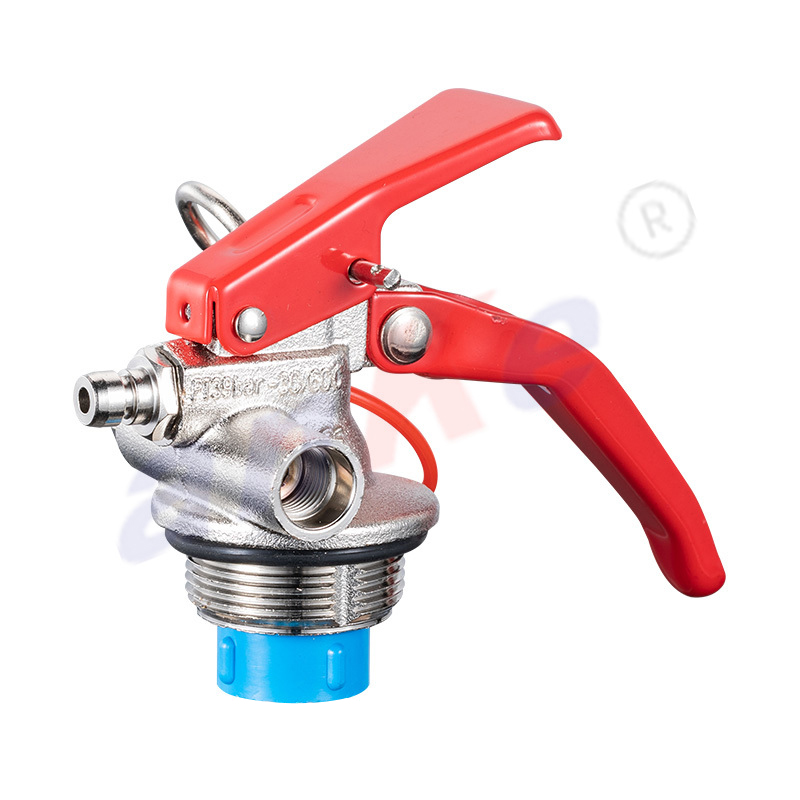
1-2KG Fire Extinguisher Valve 1003
-
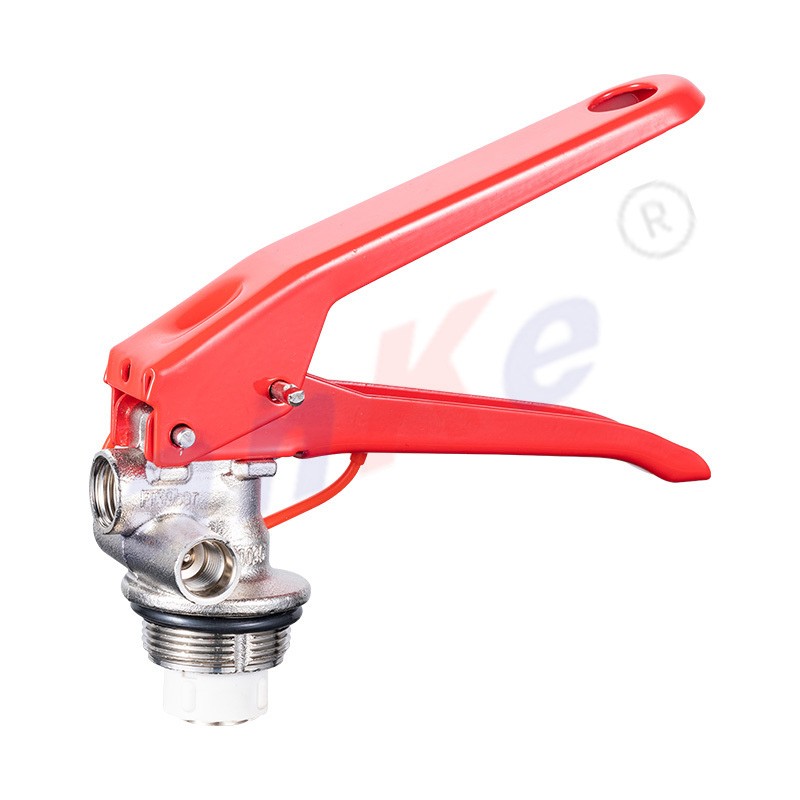
4-12KG Fire Extinguisher Red Plastic Handle Valve 1008
-
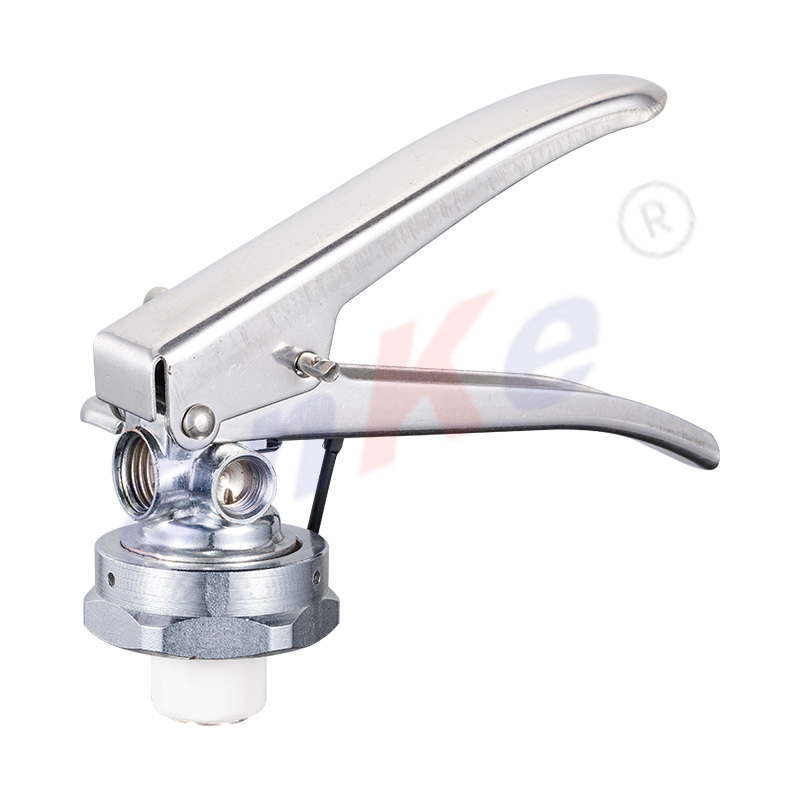
Stainless Steel Handle 4-12KL Fire Extinguisher Valve 1014A
-
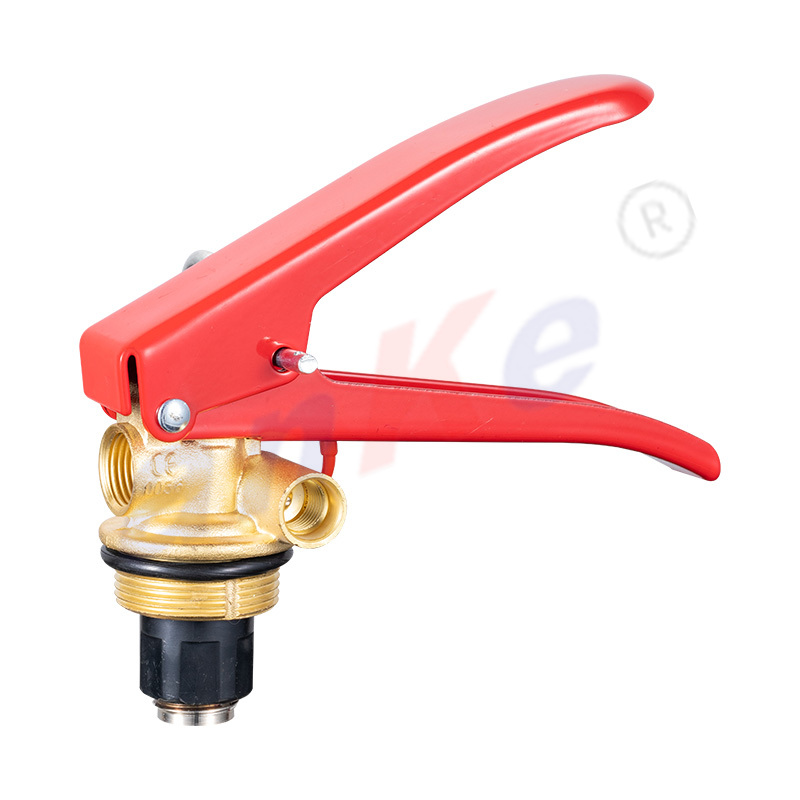
6KG-9KG Valve Fire Extinguisher Cylinder Valve 1143B
-
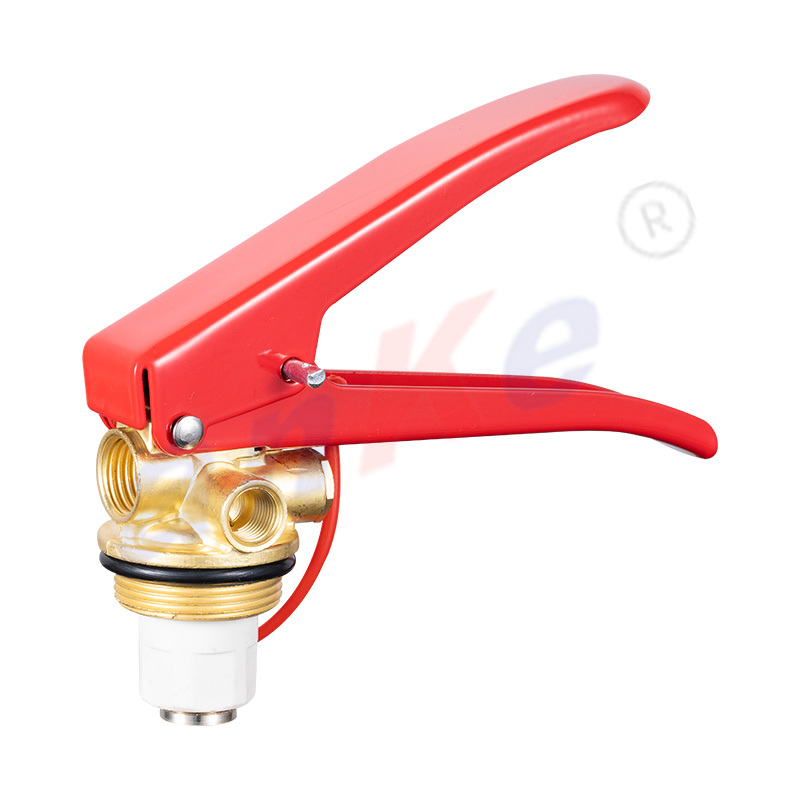
Brass Cylinder Valve FOR 4-9KG Fire Extinguisher 1139
-
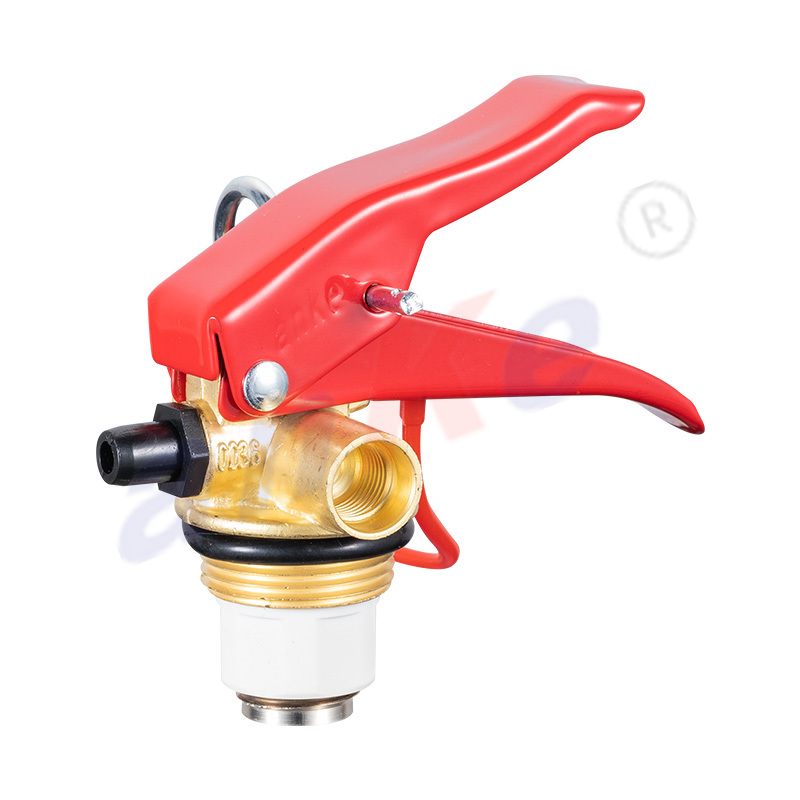
Red Handle Brass Body Cylinder Valve for 1KG Fire Extinguisher 1133
-
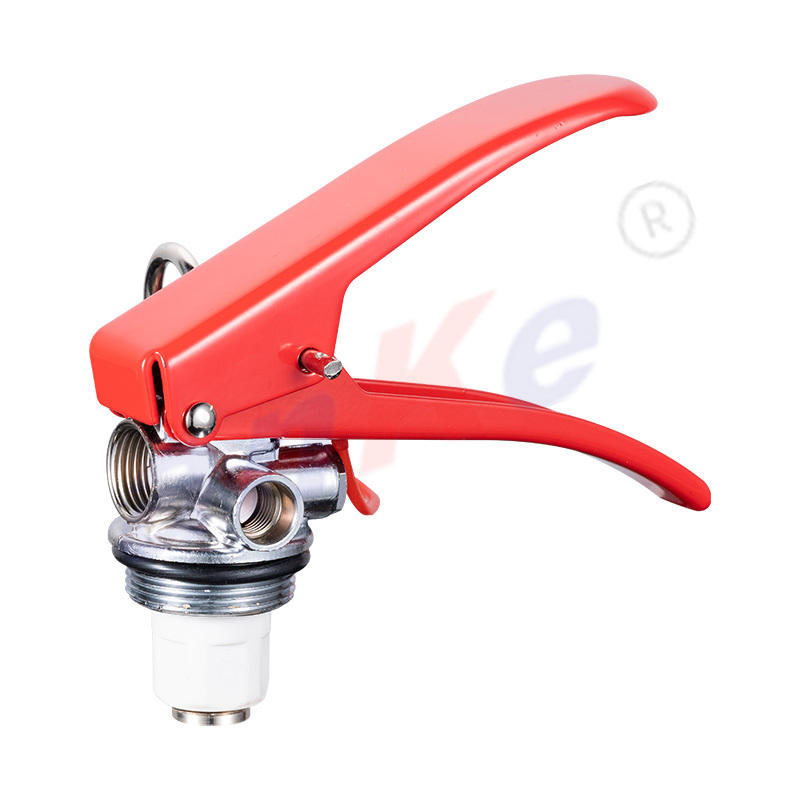
Cylinder Valve FOR 4-9KG foam Fire Extinguisher 1139A
-
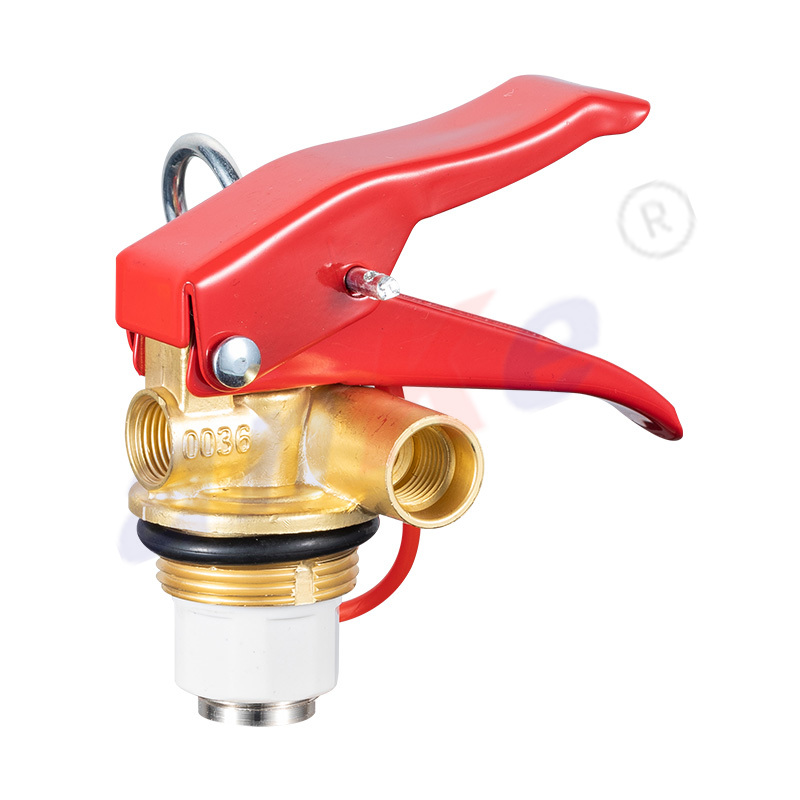
1-2KG Fire Extinguisher Brass Safety Cylinder Valve 1135
Advantage: Saponification, Non-Toxic Agent, and Gentle Discharge
- Re-Ignition Prevention: Saponification creates a durable soap layer that isolates the hot oil from oxygen and air, effectively preventing the fire from flaring up again.
- Safe Application: The fine mist and long wand allow the agent to be applied gently to the burning oil, avoiding dangerous splashing and steam expansion.
- Code Requirement: The only portable unit specifically listed and mandated by NFPA 10/96 for commercial cooking hazards.
- Stainless Steel Durability: The preferred stainless steel construction resists corrosion from the alkaline agent and the humid kitchen air.
- Safe Agent: The Potassium Acetate agent is food-safe, non-toxic, and easy to clean up compared to powders.
- Temperature Drop: The aqueous mist provides significant immediate cooling to the surface of the burning oil.
Specification: Agent, Mechanism, and Discharge
| Component Function | Chemical Saponification and Cooling for Cooking Oil Fires |
| Extinguishing Agent | Potassium Acetate/Potassium Carbonate Aqueous Solution |
| Fire Classification | K (Commercial Kitchens), also rated for A (Small) |
| Design Type | Stored-Pressure (Nitrogen Propelled) |
| Discharge Method | Fine Mist via Long Flexible Wand/Nozzle |
| Cylinder Material | Stainless Steel (Preferred for Corrosion Resistance) |
| Standard Compliance | UL 711/299, EN 3, NFPA 10/96 (Ventilation and Fire Protection) |
| Key Feature | Chemical Saponification (Soap Blanket Formation) |
Mandatory Kitchen Protection
Commercial Restaurants
Required by code in all kitchens with fryers, griddles, or deep-oil cooking equipment.
Food Trucks and Mobile Catering
Mandatory for mobile units utilizing high-heat cooking appliances and animal/vegetable oils.
Hospitals and Institutional Kitchens
Used alongside automatic hood suppression systems to provide immediate manual defense.
Industrial Food Processing
Applicable in processing areas where high volumes of vegetable or animal fats are heated.
Stainless Steel Construction
The cylinder and valve components are often stainless steel to resist the damp, greasy, and corrosive kitchen environment.




 Phone: +86-13456107058/+86-15967800709
 Tel: +86-574-62010128/+86-574-62010688
 E-mail:
  Factory: Huilong Village, Huangjiabu Town, YuyaoCity,Zhejiang Province, China





 Domestic
 Overseas
 VR Catalogue
