
 en
en  English
 中文简体
中文简体 Español

If you manage a server room, an electrical cabinet, or a laboratory, the short answer is this: CO2 fire extinguishers are designed for Class B flammable liquid fires and fires involving live electrical equipment. They work by displacing oxygen and rapidly cooling the fire, and they leave no residue, which makes them a first-choice option for protecting expensive electrical hardware and clean work environments.
What Is a CO2 Fire Extinguisher?
A CO2 fire extinguisher is a cylinder filled with carbon dioxide stored as a liquid under high pressure. When you squeeze the lever, the liquid expands into a gas that suppresses the fire by removing oxygen. The discharge is extremely cold, often around -78°C at the nozzle, which helps cool the flame zone.
Unlike dry powder or foam units, a CO2 extinguisher leaves no chemical residue. This is a major advantage in places where cleanup would be expensive or disruptive, such as data centers, diagnostic labs, and switchgear rooms. You can identify one by the red body, black label, and black discharge horn.
Most portable units store CO2 at around 50-60 bar, depending on temperature and cylinder design. The exact pressure and discharge behavior vary by model, but the operating principle stays the same: oxygen displacement plus cooling, with no contamination left behind. If you are evaluating a specific unit, start by reviewing the available portable CO2 fire extinguisher models to see common cylinder sizes and configurations.
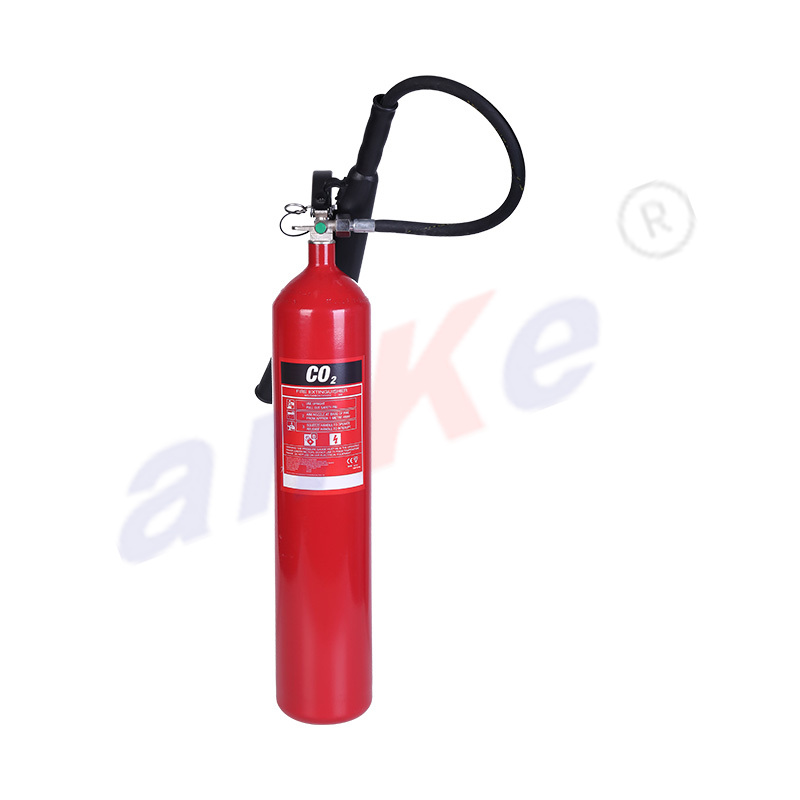 Wholesale Portable C02 Fire Extinguisher Manufacturers, FactoryNingbo Kaituo Valve Co., Ltd is China Carbon Extinguisher Manufacturers and Portable C02 Fire Extinguisher Factory, offer Wholesale Porta...View Product →
What Types of Fire Can a CO2 Extinguisher Put Out?
CO2 extinguishers are suitable for two main categories:
- Class B fires involving flammable liquids such as gasoline, diesel, kerosene, oils, solvents, and oil-based paints.
- Electrical fires involving live equipment such as servers, generators, control panels, electrical cabinets, and laboratory instruments. In U.S. fire classifications this is Class C; in many European systems it is referred to as Class E.
The reason CO2 works well in both cases is that the gas does not conduct electricity and it evaporates completely, leaving no film or powder that could damage contacts, circuit boards, or sensitive components.
Why CO2 Is Effective on Electrical Fires
On energized equipment, the safest extinguishing agent must not conduct current. CO2 is non-conductive, so it can be used while the circuit is still live. More importantly, because there is no residue, you do not have to spend hours wiping powder out of enclosures, connectors, or printed circuit boards after an incident. That is why CO2 extinguishers are a standard recommendation for server rooms, telecommunication closets, control rooms, and research laboratories.
Important Limitations on Class B Fires
CO2 is effective on Class B fires, but it has limits. The gas does not cool the burning liquid itself, so if the ignition source remains hot, the fuel can reignite. It also disperses quickly, especially in outdoor or windy conditions, making it less reliable for open-air fuel spills. For these reasons, CO2 is best used on small, contained flammable liquid fires at an early stage, not on large flowing fuel leaks.
| Fire class | Material involved | CO2 suitable? |
|---|---|---|
| Class A | Wood, paper, cloth, plastics | Not recommended |
| Class B | Flammable liquids and solvents | Yes, for small contained fires |
| Class C / Class E | Energized electrical equipment | Yes |
| Class D | Combustible metals such as magnesium or sodium | No |
| Class F | Cooking oils and fats | No |
What Fires Should You NOT Use a CO2 Extinguisher On?
Knowing what not to do is just as important as knowing what to do. Using CO2 on the wrong fire can make the situation worse or put you in danger.
- Class A fires involving wood, paper, textiles, and similar solid materials. CO2 can flare across the surface, but it does not soak into the material or cool it deeply. The fire often reignites as soon as the gas disperses.
- Class D fires involving combustible metals such as magnesium, sodium, potassium, or titanium. CO2 may be ineffective and can react with certain metal fires.
- Class F fires involving cooking oils and fats in commercial kitchens or fryers. The high-pressure discharge can splash hot oil and spread the fire instead of containing it.
- Flammable gas fires such as propane or natural gas. Even if CO2 briefly knocks down the flame, the gas leak continues to feed an explosive atmosphere. You must shut off the supply before considering any extinguisher.
If you are not sure what is burning, or if the fire involves ordinary solid materials and metal, step back, activate the fire alarm, and let the fire department handle it.
Where Should CO2 Fire Extinguishers Be Installed?
CO2 extinguishers belong in areas where electrical equipment and flammable liquids create a direct risk, and where residue-free suppression matters most.
Recommended locations
- Server rooms and network equipment closets
- Electrical switchgear rooms and generator rooms
- Control rooms and automation panels
- Laboratories with solvents or small flammable liquid quantities
- Archives and document storage areas where water or powder would cause severe secondary damage
- Printing and finishing shops using solvent-based inks, thinners, or cleaning agents
- Vehicle service areas and small workshop bays
Locations to avoid
- Outdoor areas with open wind exposure, because the gas disperses too quickly
- Very small enclosed spaces without ventilation, because of the risk of oxygen depletion
- Commercial kitchens and industrial cooking areas, where Class F hazards are present
- Large areas with Class A fuel loads, such as warehouses full of palletized paper or wood
Mount the extinguisher along normal escape routes or next to the hazard zone, so the person using it can reach the unit without passing close to the fire.
How to Use a CO2 Fire Extinguisher Safely
The general sequence is similar to other fire extinguishers, but CO2 has specific handling requirements because of the extremely cold discharge.
- Pull the safety pin to break the tamper seal.
- Aim the discharge horn at the base of the fire, not at the flames.
- Squeeze the lever slowly to control the gas flow.
- Sweep the horn from side to side across the base of the fire until it goes out.
For CO2-specific safety, keep these points in mind:
- Hold the horn by the plastic handle or the insulated grip. Never touch the metal discharge horn or the nozzle itself; the temperature is so low that it can cause severe frostbite.
- Stay about one to one-and-a-half meters from the fire, because the discharge distance is shorter than for dry powder units.
- Do not hold the horn during discharge unless you are using a model with a designed handle. The white dry ice particles form rapidly and are dangerously cold.
- Use the extinguisher in a ventilated area. CO2 displaces oxygen, so in a small sealed room it can cause suffocation.
- If the fire is small and you can attack it from an exit path, do so. If it grows, leave the room and close the door behind you.
Choosing the Right CO2 Extinguisher Size
Size selection depends on the hazard, the available mounting space, and the ability of your staff to handle the cylinder. The most common portable choices are 2 kg and 5 kg units, while wheeled CO2 extinguishers cover larger industrial risks.
- 2 kg CO2 extinguisher suits small control cabinets, vehicles, and localized electrical risks where a compact unit can be reached quickly.
- 5 kg CO2 extinguisher is the typical commercial specification for server rooms, electrical rooms, and small machine enclosures. It gives a longer discharge time and greater reach than a 2 kg unit.
- Wheeled CO2 extinguishers are reserved for bigger flammable liquid or electrical hazards in industrial plants, transformer bays, and large switchgear rooms.
A 5 kg portable CO2 extinguisher is often the right balance for a typical facility because it covers most electrical and small liquid fire scenarios without being too heavy to operate. For exact placement and sizing requirements, check your local fire code or the applicable standard such as NFPA 10, rather than relying on a generic floor-area estimate.
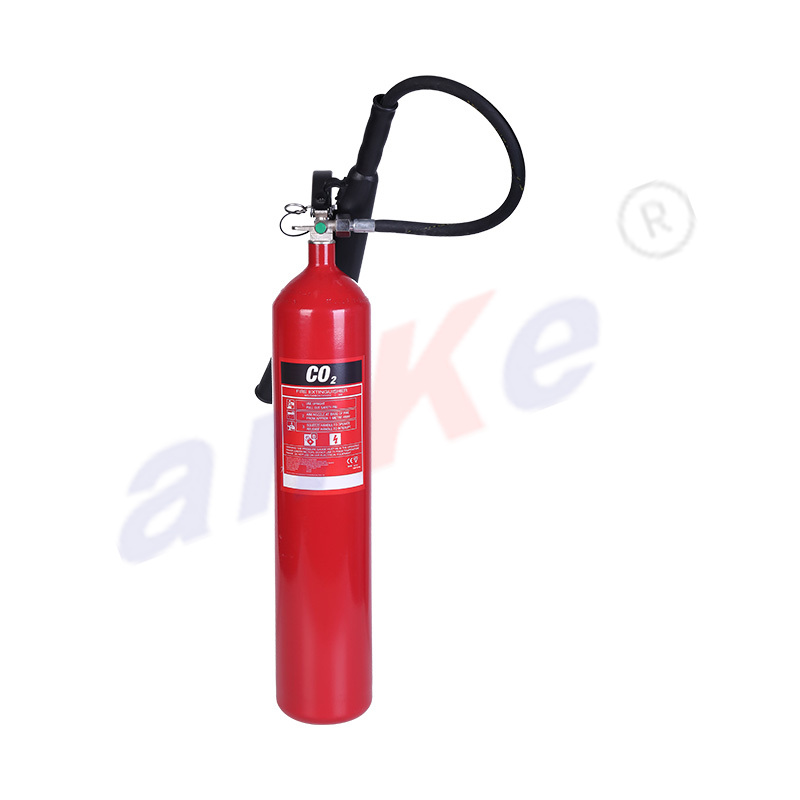 Custom 5KG Portable CO2 Alloy Steel Fire Extinguisher Suppliers, OEM/ODM FactoryNingbo Kaituo Valve Co., Ltd. is China 5KG Portable CO2 Alloy Steel Fire Extinguisher Suppliers and Custom 5KG Portable CO2 Alloy Steel ...View Product →
Maintaining Your CO2 Fire Extinguisher
Regular maintenance is the only way to be sure the extinguisher will operate when you need it. CO2 units have no visible agent level, so a slight leak can go unnoticed for months.
- Perform a monthly visual check. Look for dents, corrosion, a missing safety pin, loose handles, or damage to the horn and hose.
- Weigh the cylinder according to the manufacturer's recommended interval. A loss of more than the allowable amount usually means the valve or seal is leaking.
- Check the valve and discharge horn for blockage, cracks, or signs of aging. A damaged horn can reduce discharge efficiency and expose the operator to dangerous cold gas.
- Arrange for a professional service annually, and follow the local code for hydrostatic testing, which is commonly required every five years for CO2 cylinders.
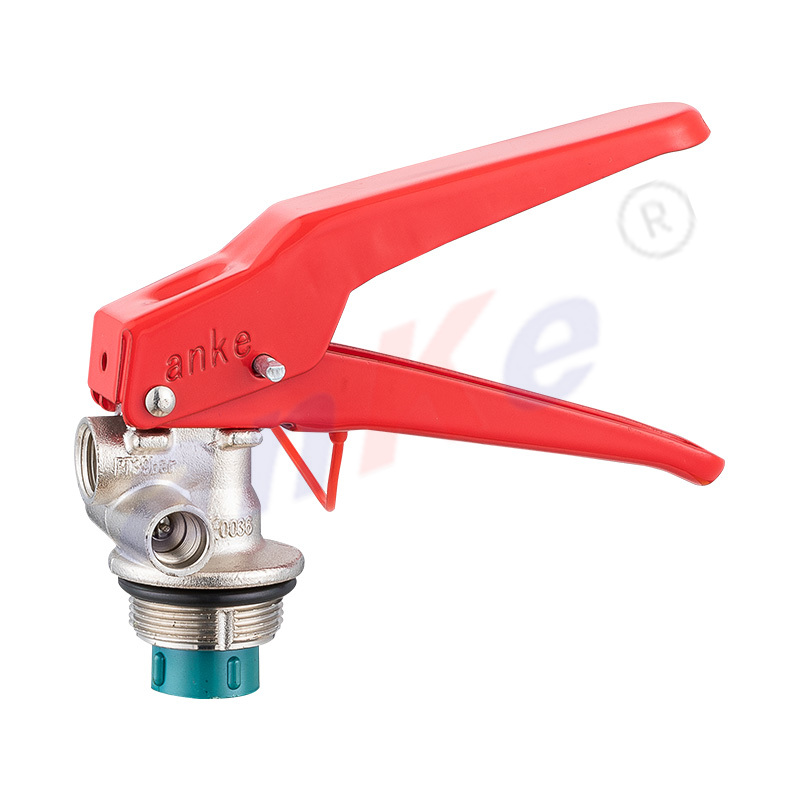
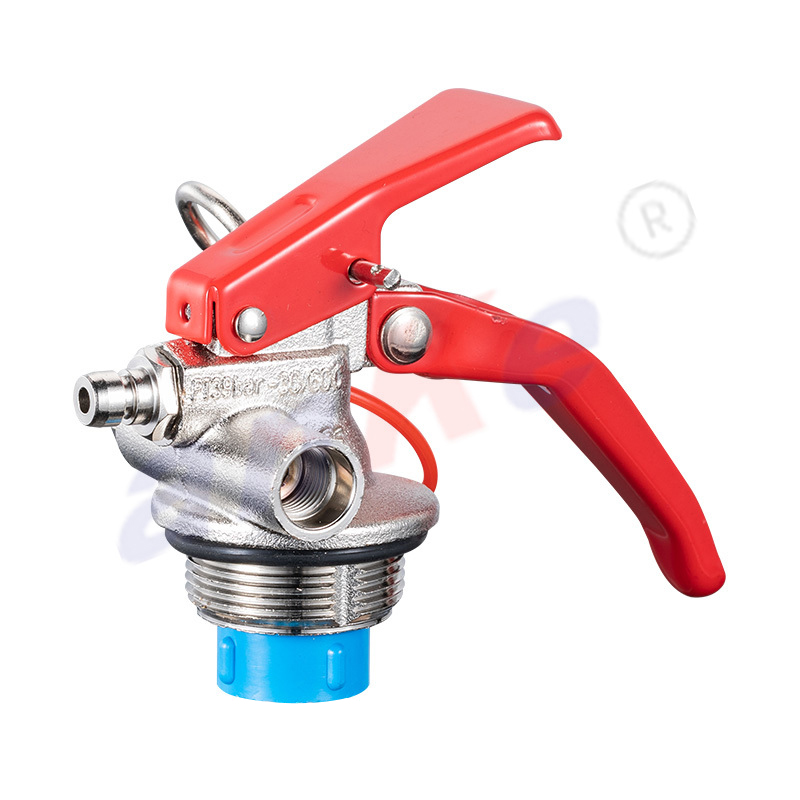
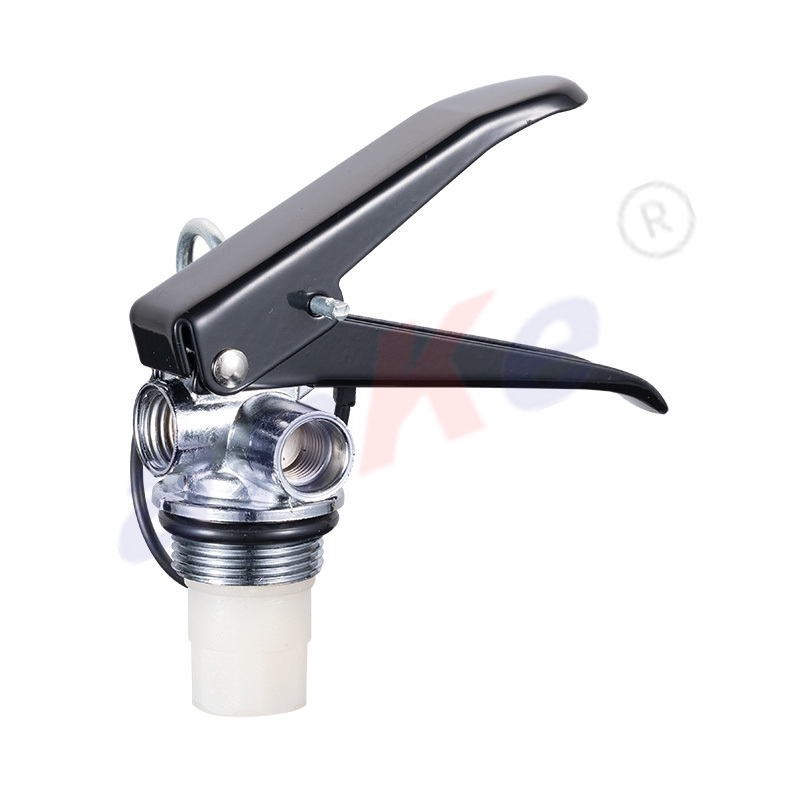
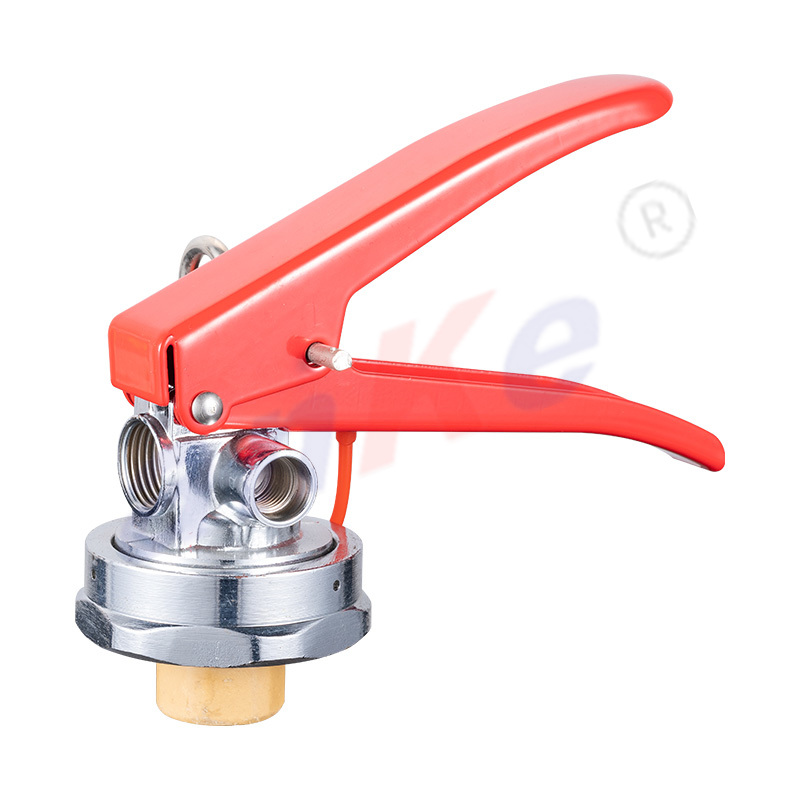
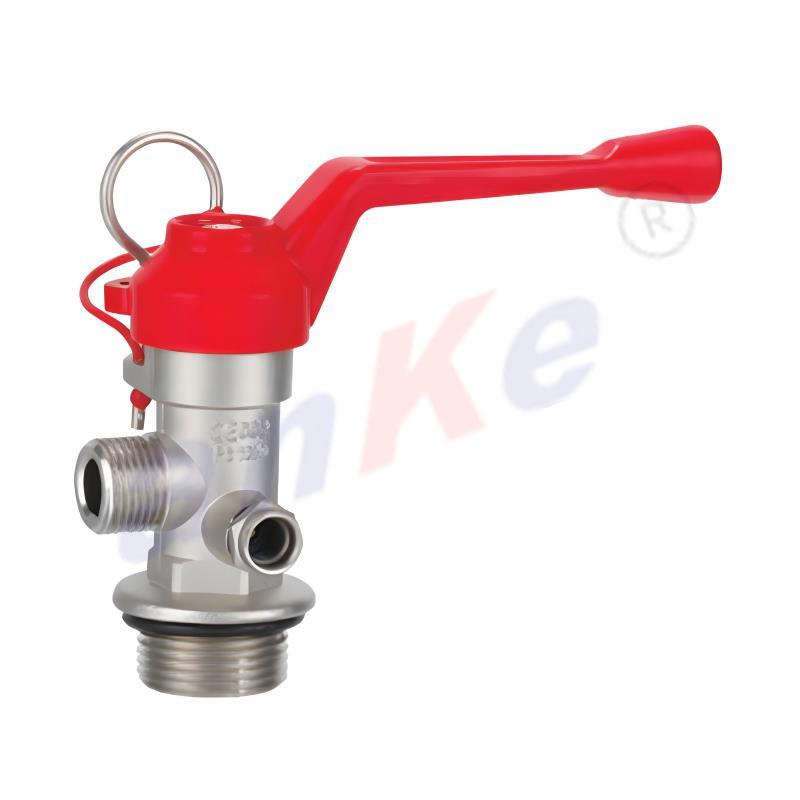
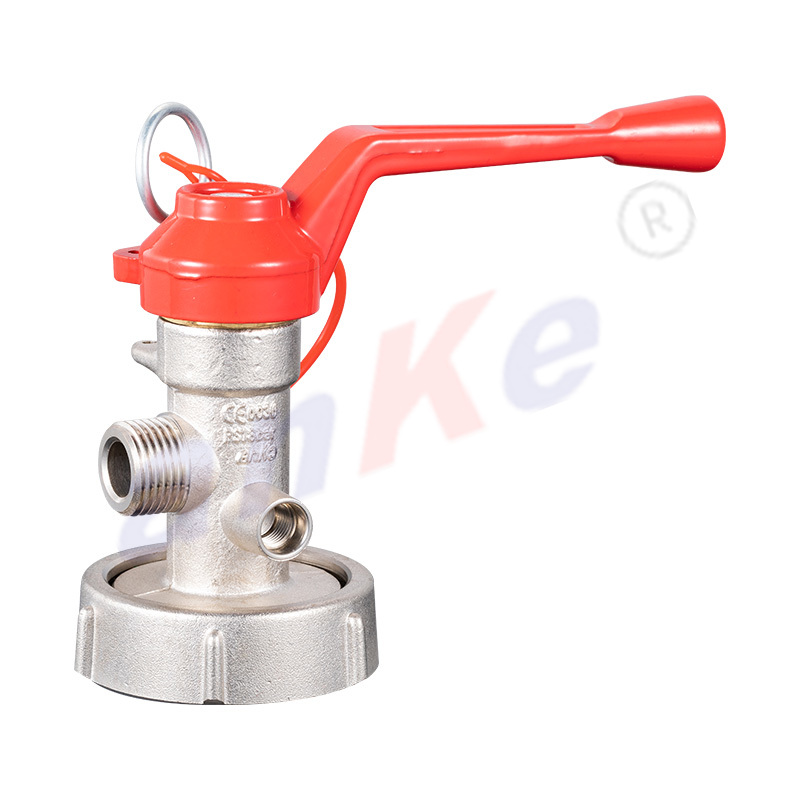
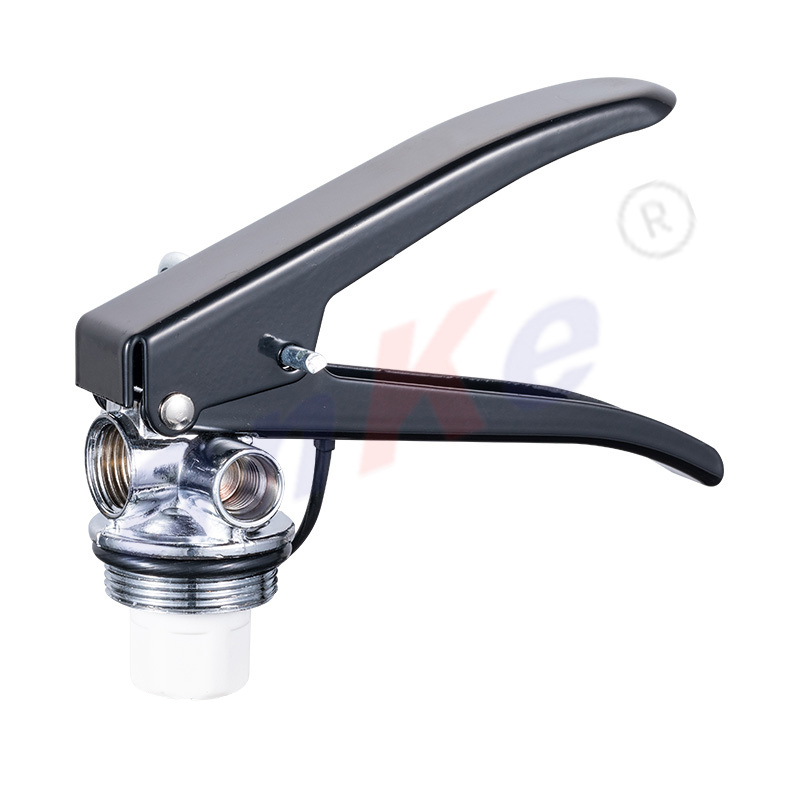
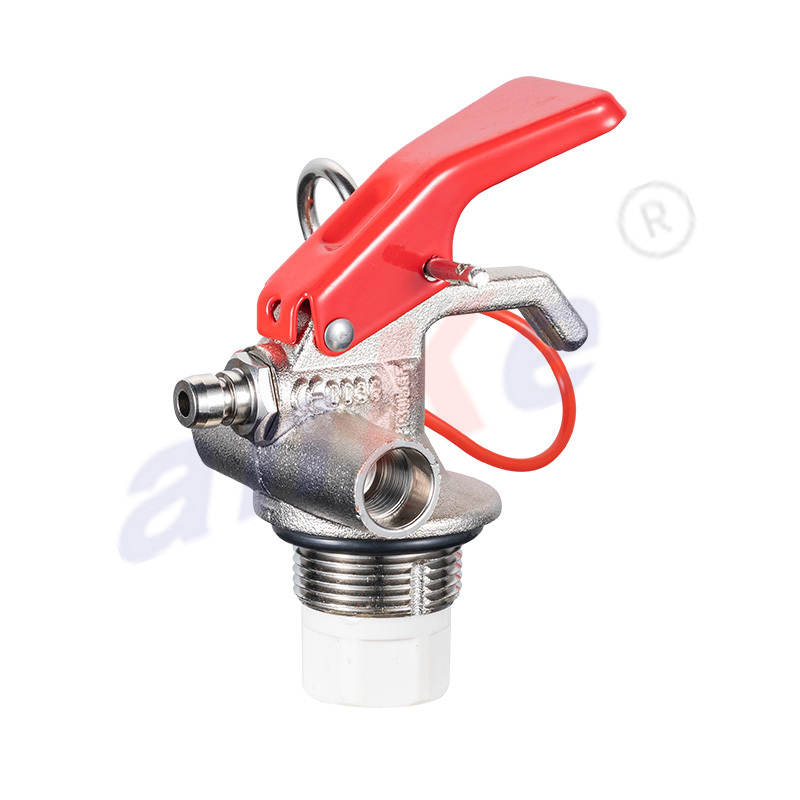
The valve is the most safety-critical component on a CO2 extinguisher. It must seal tightly for years, then release smoothly under pressure. That is why procurement teams should specify valves from a manufacturer with consistent quality control. If you are buying CO2 valves for production or servicing, review the available CO2 fire extinguisher valves to compare body materials, handle types, and compatible cylinder sizes.
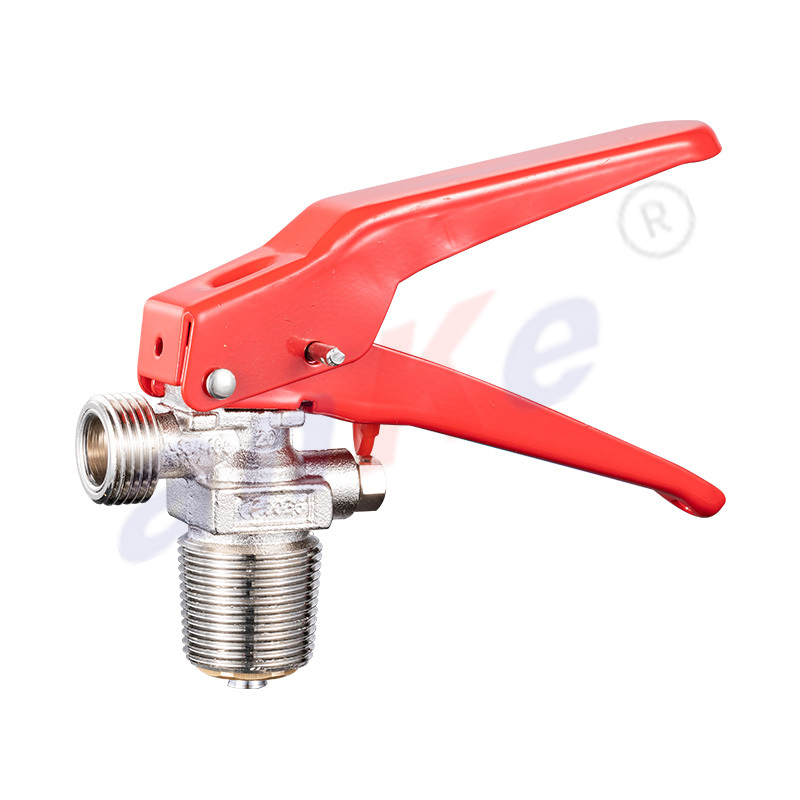 Wholesale CO2 Fire Extinguisher Valve Manufacturers, FactoryAs China CO2 Fire Extinguisher Valve Manufacturers and CO2 Fire Extinguisher Valve Factory, Ningbo Kaituo Valve Co., Ltd. supply Wholesal...View Product →
CO2 vs Other Fire Extinguisher Types
No single extinguisher works for every fire, so CO2 is often paired with other types such as foam or dry powder. The table below compares the key differences.
| Extinguisher type | Best for | Residue | Electrical safety | Main limitation |
|---|---|---|---|---|
| CO2 | Class B and live electrical equipment | None | Excellent | Limited cooling; poor in windy areas |
| Dry powder | Class A, B, and electrical fires | Powder film that can damage contacts | Good | Messy cleanup and visibility reduction |
| Foam | Class A and Class B liquid fires | Foam blanket | Not for live electrical equipment | Cannot be used on energized circuits |
In practical facility layouts, CO2 extinguishers are often installed next to foam units: foam handles general solids and larger liquid spills, while CO2 covers the electrical and equipment-sensitive zones.
Final Thoughts: Is a CO2 Extinguisher Right for You?
Choose CO2 when your priority is protecting live electrical equipment, maintaining a clean environment, and handling small flammable liquid fires before they grow. Choose another type if your main risks are ordinary combustibles like wood and paper, cooking oils, combustible metals, or large outdoor fuel spills.
Walk through your facility and ask a simple question: where would an electrical fire start, and what would it damage? If the answer points to servers, control panels, lab benches, or solvent storage cabinets, a CO2 extinguisher is a practical addition to your fire protection plan. If you are still unsure about the right size or placement, consult a fire safety professional and reference the local code before committing to an installation.
 Phone: +86-13456107058/+86-15967800709
 Tel: +86-574-62010128/+86-574-62010688
 E-mail:
  Factory: Huilong Village, Huangjiabu Town, YuyaoCity,Zhejiang Province, China





 Domestic Trade Manager
 Foreign Trade Manager
 VR Catalogue
