
 en
en  English
 中文简体
中文简体 Español

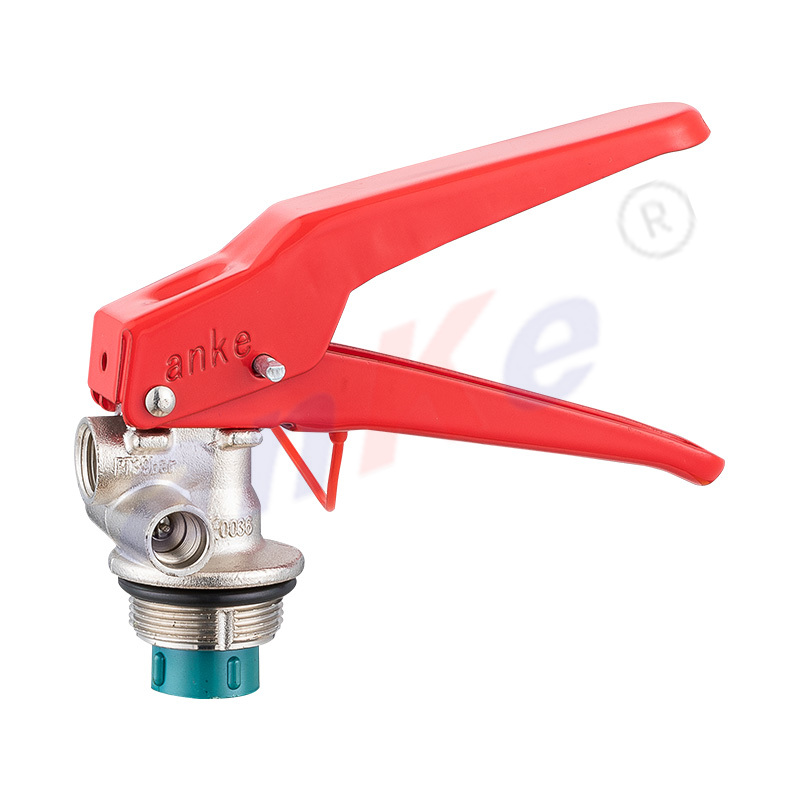
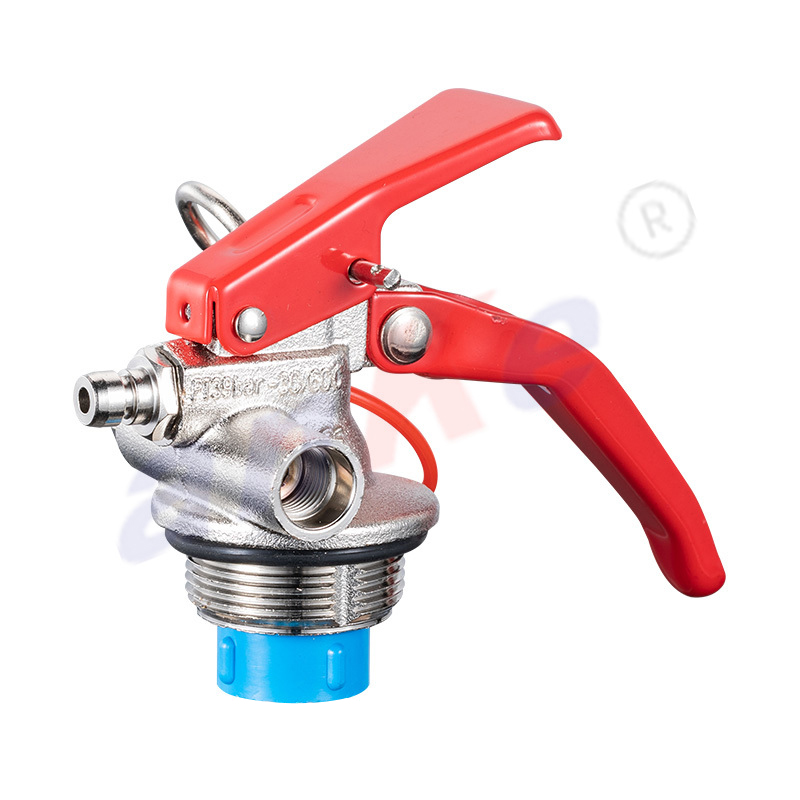
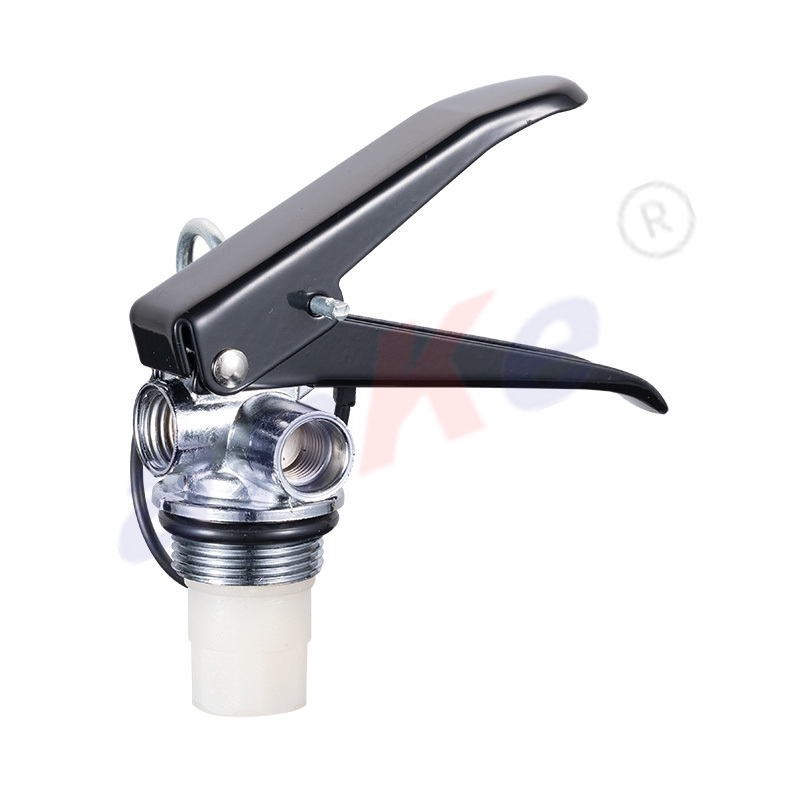
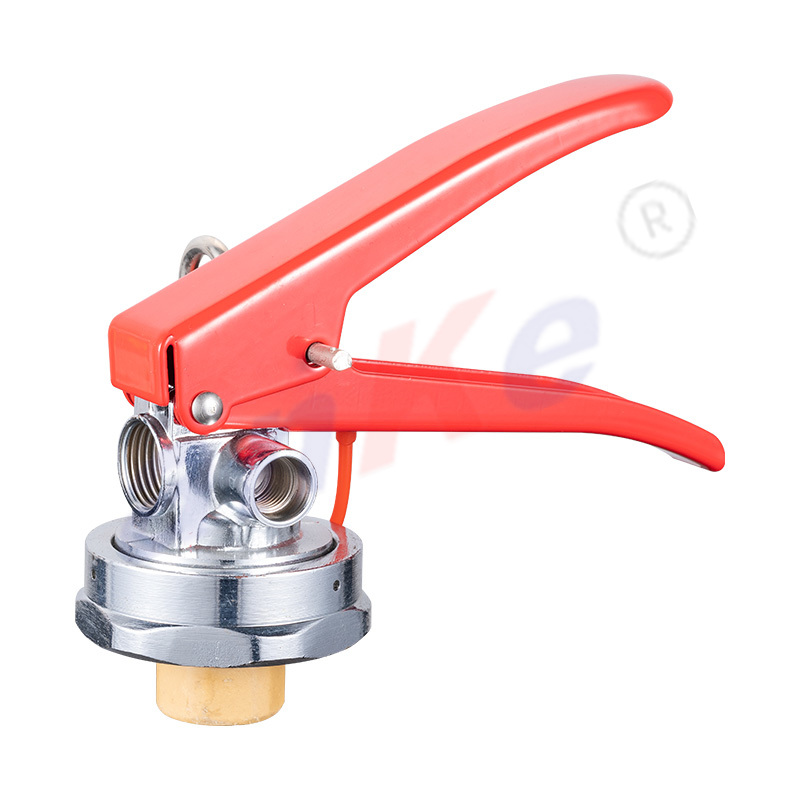
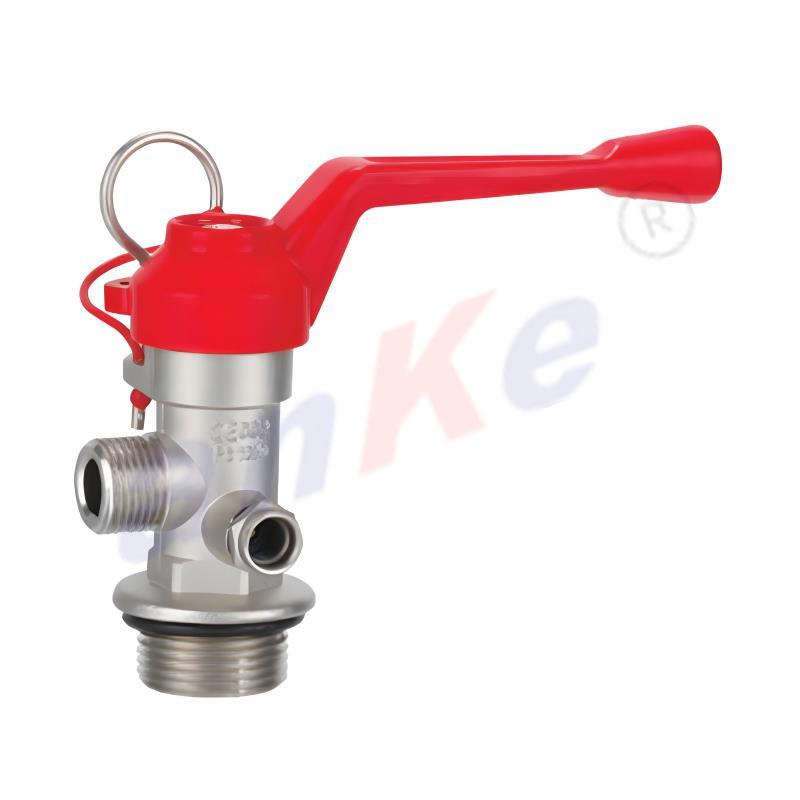
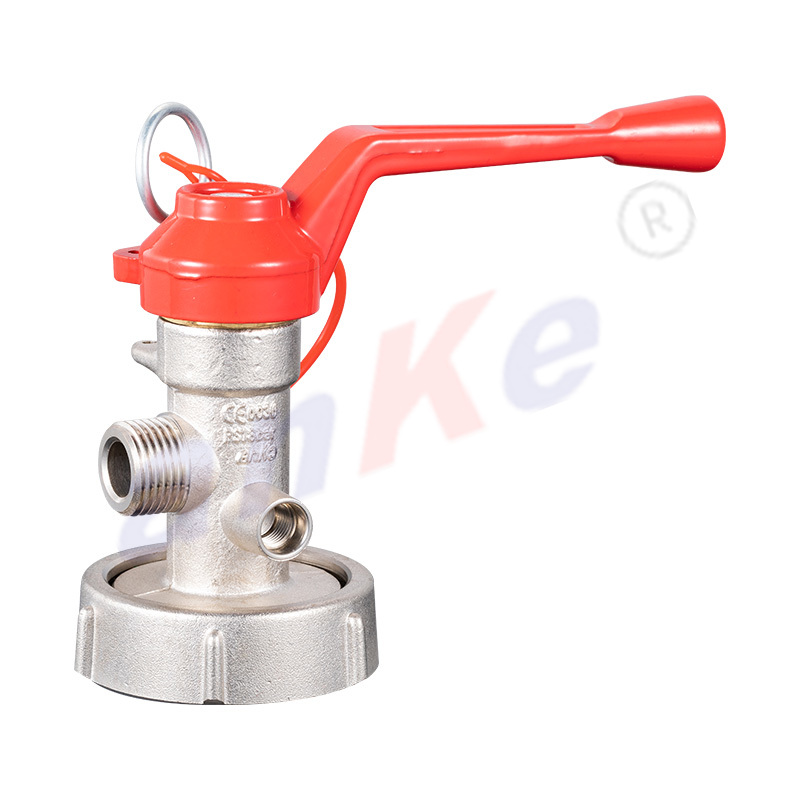
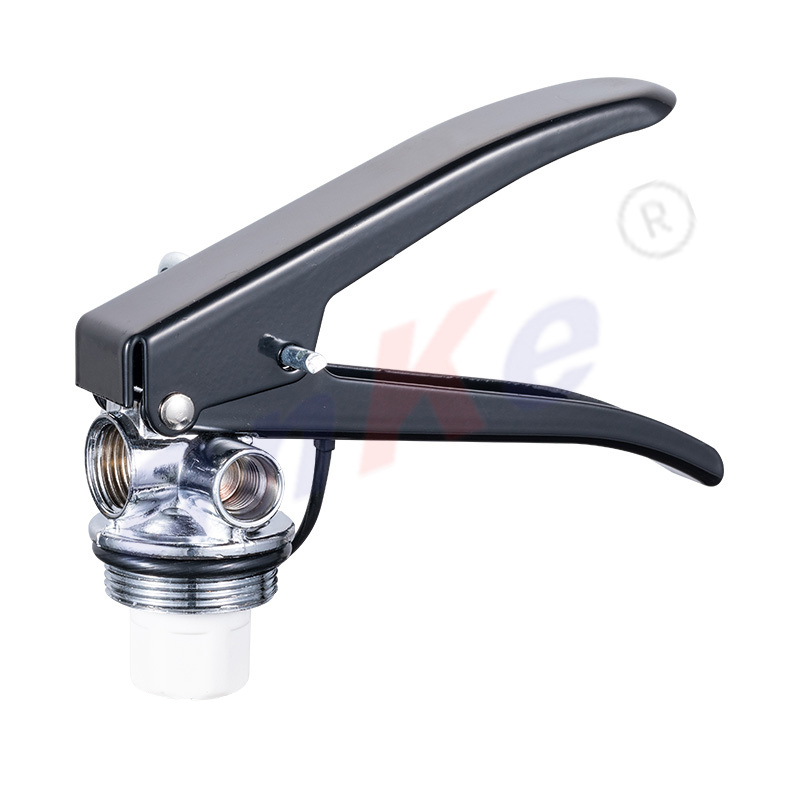
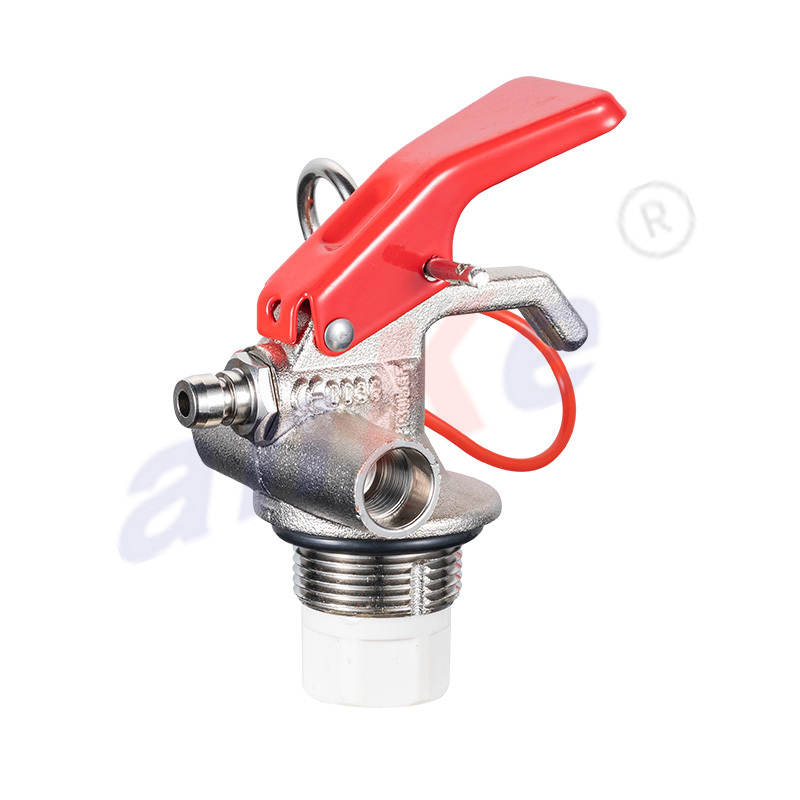
Automatic fire extinguisher valves are critical components in fire suppression systems, directly influencing the system's effectiveness and safety. Regular inspection and maintenance of these valves are crucial to ensuring their long-term reliability and proper functioning. This article provides a detailed overview of how to conduct regular inspections and maintenance of automatic fire extinguisher valves, helping users ensure the optimal performance of their fire suppression systems.
1. Regular Inspection of the Electrical Control System
Automatic fire extinguisher valves typically operate through solenoid valves or electrically controlled valves, which are activated by an electrical control system. Ensuring the proper function of the electrical control system is vital for the smooth operation of the valve.
Inspection Items:
-
Power Supply Check: Ensure that the power supply is stable and within the voltage range specified for the valve's electrical system. Voltage fluctuations can cause the solenoid valve to operate erratically or fail.
-
Electrical Connections: Regularly inspect the wiring and connectors to ensure there are no loose connections, corrosion, or breaks. Control cables, terminals, and electrical connections should all be secure and free from damage to prevent signal transmission issues.
-
Solenoid Valve Check: The solenoid valve, which is responsible for controlling the valve's opening and closing, should be checked for proper functioning. Ensure that the solenoid coil is in good condition and not overheating or showing signs of wear.
Maintenance Recommendations:
-
Use insulation tape on connectors to protect against moisture or dust contamination.
-
Replace any damaged or corroded electrical components promptly.
-
Test the solenoid valve annually to ensure it responds to control signals correctly.
2. Cleaning and Lubricating Mechanical Components
The internal mechanical components of the valve, such as the valve seat, valve stem, and seals, can wear down over time due to friction or exposure to harsh conditions. Regular cleaning and lubrication are essential to ensure the valve operates smoothly and efficiently.
Inspection Items:
-
Valve Interior Cleaning: Dust, debris, or corrosion inside the valve can cause mechanical components to jam or operate slowly. It's important to disassemble and clean the valve periodically, particularly the valve seat and sealing surfaces.
-
Lubrication Check: Certain parts of the valve, such as the valve stem or other moving components, require lubrication to reduce friction and wear. Ensure that the lubricating oil is sufficient and of good quality. Insufficient lubrication can cause the parts to seize or degrade more rapidly.
Maintenance Recommendations:
-
Use appropriate lubricants to grease moving components and reduce friction.
-
Clean the valve every six months, or more frequently in environments with high humidity or contamination.
3. Checking the Valve's Sealing Performance
The sealing performance of the valve is crucial to prevent leakage of the fire extinguishing agent. A compromised seal can reduce the effectiveness of the suppression system and even cause the system to fail entirely.
Inspection Items:
-
Seal Integrity: Inspect the valve's seals for wear and tear, such as cracks, deformation, or aging. Over time, seals can degrade, leading to leakage. Ensure the seals are still capable of creating a tight seal against the valve seat.
-
Valve Body Check: Examine the valve body for any cracks, corrosion, or deformation that could affect sealing performance. Pay special attention to the sealing surfaces, which should be smooth and free from damage.
Maintenance Recommendations:
-
Replace damaged or aged seals promptly to prevent leakage.
-
Apply a specialized seal lubricant to the sealing surfaces to ensure a tight seal and reduce friction.
4. Checking Pressure and Flow
Automatic fire extinguisher valves must operate under specific pressure and flow conditions. Regular checks of pressure and flow ensure that the valve is capable of releasing the fire suppression agent at the proper rate when needed.
Inspection Items:
-
Pressure Check: Use a pressure gauge to monitor the valve’s operating pressure. Ensure that the pressure is within the specified range. Low or excessive pressure can prevent the valve from functioning properly.
-
Flow Testing: Check that the valve releases the required amount of fire suppression agent at the correct flow rate. Blockages, such as dirt or debris, can restrict flow and reduce the valve’s effectiveness.
Maintenance Recommendations:
-
Conduct a pressure test annually to ensure the system is maintaining the correct pressure.
-
Clean the valve’s internal components regularly to prevent blockages and maintain consistent flow rates.
5. Testing the Control System’s Responsiveness
The response time and accuracy of the control system are critical to ensuring that the valve opens and closes as needed during a fire emergency. Regular testing of the control system ensures that the valve will function promptly and reliably when required.
Inspection Items:
-
Sensor Check: Inspect the fire detection sensors for proper sensitivity and accuracy. The sensors should detect fire signals quickly and transmit them to the valve control system without delay.
-
Signal Transmission Test: Test the signal transmission system to ensure that signals from the sensors are correctly communicated to the valve. Any malfunction in the signal transmission can cause a delay or failure in valve operation.
Maintenance Recommendations:
-
Calibrate fire detection sensors annually to ensure they can detect fires at the correct threshold.
-
Inspect and repair any faulty signal transmission lines to ensure accurate communication between sensors and the valve control system.
6. Conducting Regular Functional Testing
Functional testing simulates fire conditions to test whether the valve opens and closes properly in response to an emergency. This is an essential part of valve maintenance, as it verifies that the valve and associated fire suppression system will operate as expected during a fire.
Testing Items:
-
Opening and Closing Test: Perform periodic opening and closing tests of the valve to ensure it responds correctly to fire signals. Simulate a fire scenario and verify that the valve opens and closes within the required timeframe.
-
System Integration Test: Test the valve’s interaction with other components of the fire suppression system, such as sprinklers or detectors, to ensure that the entire system operates in harmony.
Maintenance Recommendations:
-
Conduct a full functional test at least once a year to ensure the valve responds correctly to simulated fire conditions.
-
Keep records of each test to document performance and identify any potential issues early.
 Phone: +86-13456107058/+86-15967800709
 Tel: +86-574-62010128/+86-574-62010688
 E-mail:
  Factory: Huilong Village, Huangjiabu Town, YuyaoCity,Zhejiang Province, China





 Domestic Trade Manager
 Foreign Trade Manager
 VR Catalogue
