How to Select a High-Pressure Fire Extinguisher Valve for Maximum Reliability and System Safety
Jul 03, 2026
Engineering Precision of Our Fire Extinguisher Valves
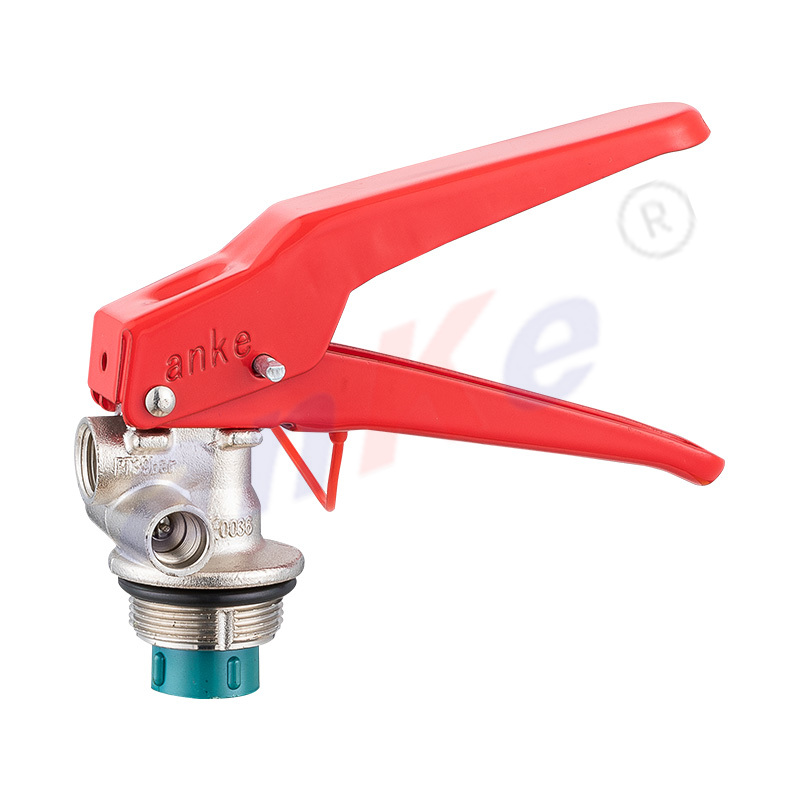
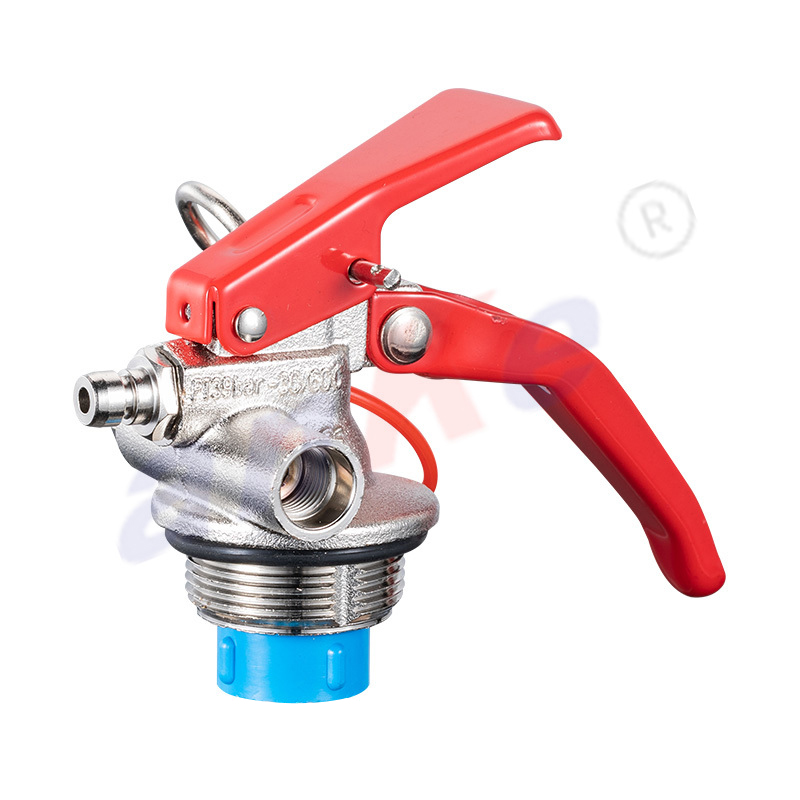
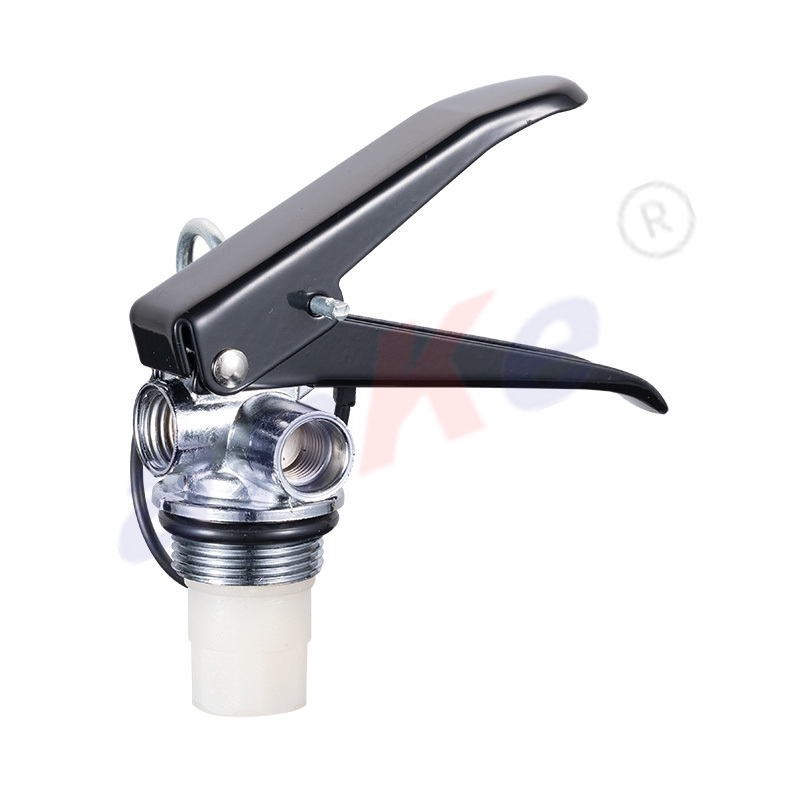
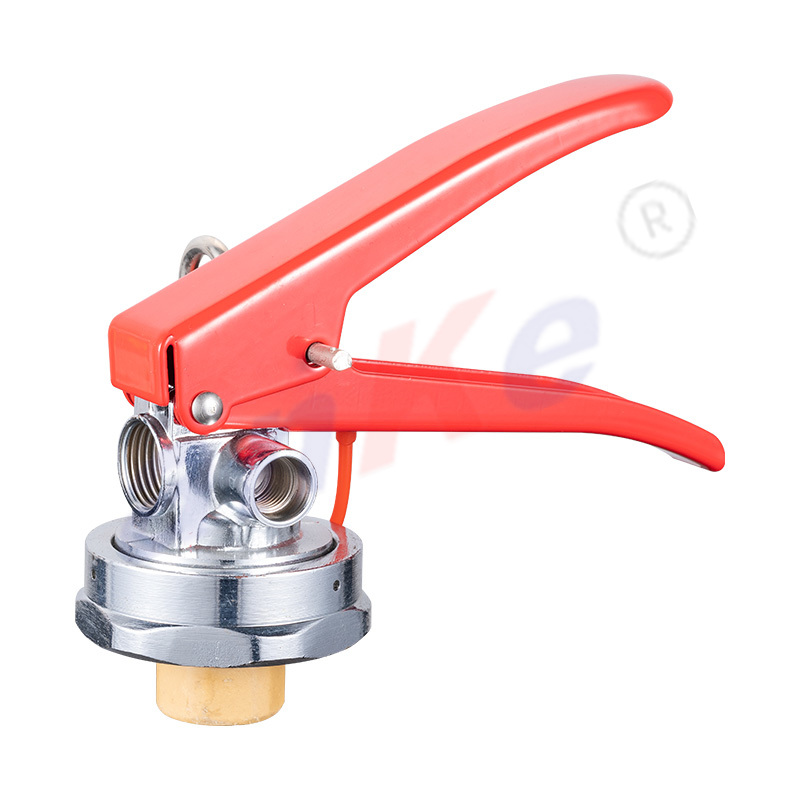
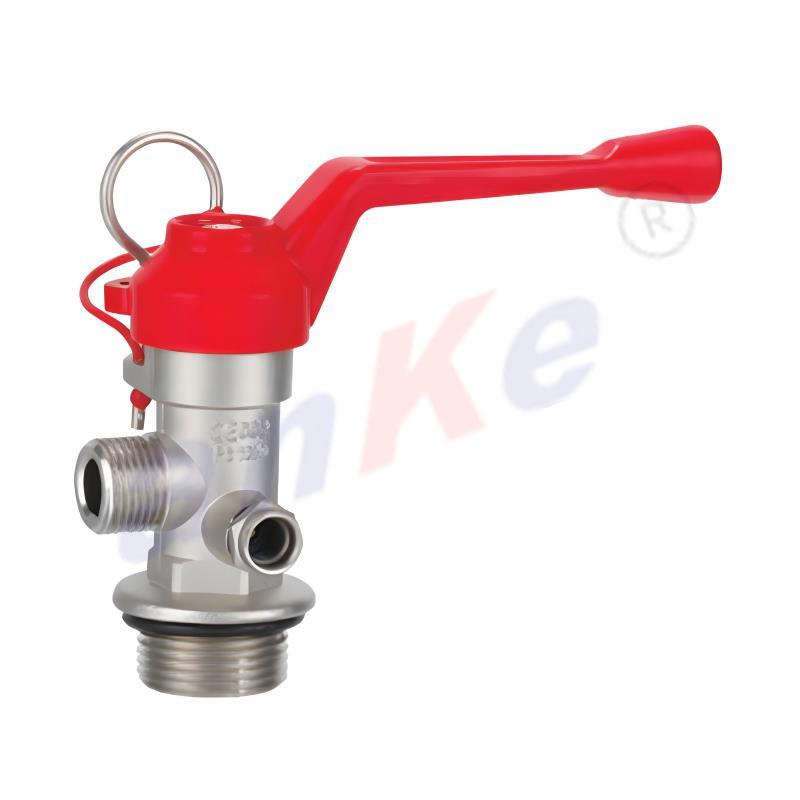
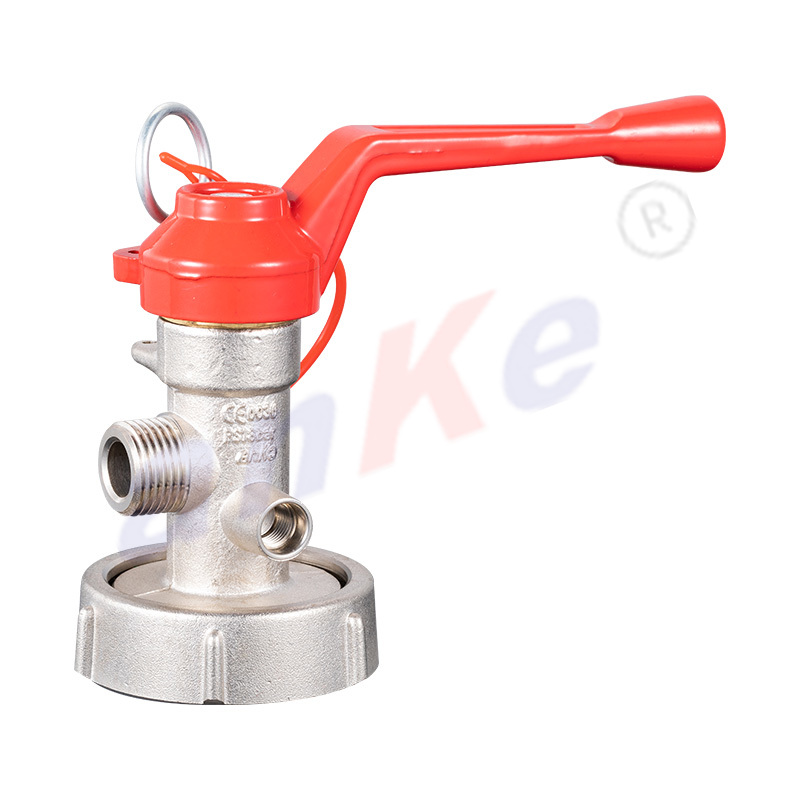
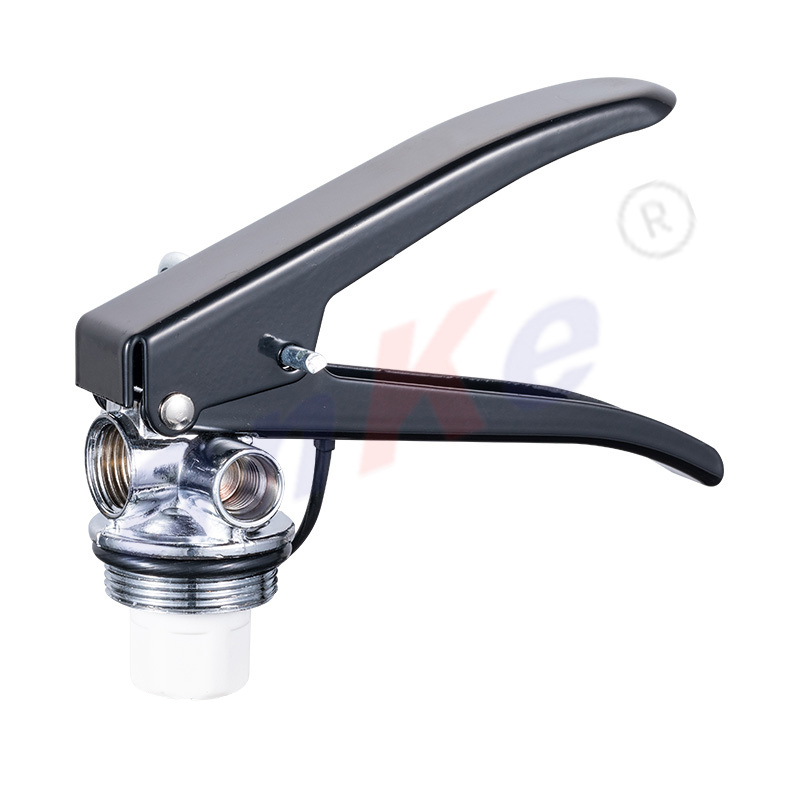
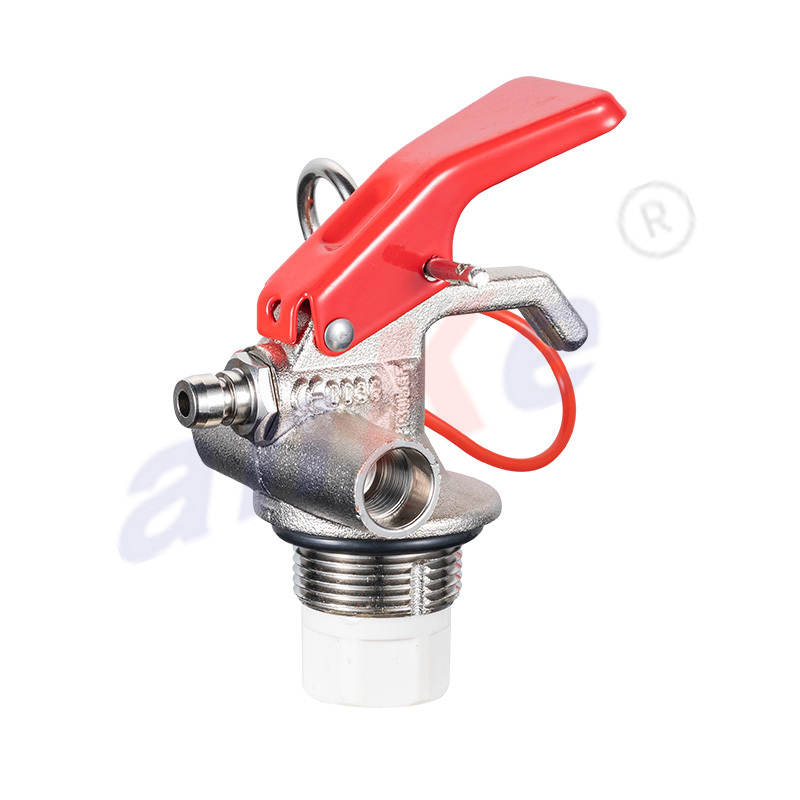
As a specialized manufacturer, we engineer every fire extinguisher valve to exceed global safety benchmarks. Beyond basic mechanical function, our valves incorporate high-precision pressure modulation and fatigue-resistant spring systems. This complete set head valve fire extinguisher series is designed for rapid deployment, ensuring that extinguishing agent discharge begins in milliseconds upon activation.
Technical Compliance and Material Excellence
Our manufacturing process utilizes lead-free brass alloys and high-purity seal elastomers, ensuring the co2 fire extinguisher valve remains airtight even after years of static storage. Every batch undergoes hydrostatic testing at 1.5 times the maximum rated pressure to guarantee absolute structural integrity.
Installation and Field Integration Guide
For seamless integration into your suppression systems, follow our torque-specific mounting protocols. Improper tightening is the leading cause of seal failure; we recommend a controlled torque application of 80-100 Nm for standard cylinder threads.
Performance Metric
Standard Industry Baseline
Our Manufacturing Standard
Cycle Durability
500 Operations
1,200+ Operations
Salt Spray Resistance
48 Hours
240 Hours
Seal Leak Rate
1.0g/year
<0.1g/year
Maintenance Checklist for Longevity
Monthly Gauge Inspection: Confirm pressure needle is within the optimal operating range.
Quarterly Actuation Test: Verify handle pins are removable and not seized by oxidation.
Annual Seal Integrity: Use an ultrasonic leak detector or soap-water test around the primary valve stem.
Note: If you detect any physical damage to the complete set head valve fire extinguisher assembly, do not attempt a repair; replace the entire valve head to ensure workplace safety.
Troubleshooting Common Valve Issues
During maintenance, users often encounter issues like dropping pressure gauge readings or difficulty opening the valve. These are typically caused by internal leakage or debris blockage.
Internal Leakage: Worn stem seals caused by long-term inactivity lead to slow gas discharge. Replace the entire assembly rather than just the seal ring.
Debris Blockage: External dust entering the nozzle during long idle periods may hinder discharge. Proper storage covers are recommended for harsh environments.

 en
en  English
 中文简体
中文简体 Español

 Phone: +86-13456107058/+86-15967800709
 Tel: +86-574-62010128/+86-574-62010688
 E-mail:
  Factory: Huilong Village, Huangjiabu Town, YuyaoCity,Zhejiang Province, China





 Domestic Trade Manager
 Foreign Trade Manager
 VR Catalogue
