
 en
en  English
 中文简体
中文简体 Español

Forbidden Scenarios for Portable CO2 Fire Extinguisher
Although carbon dioxide is an efficient extinguishing medium, it must never be used in the following situations, as it may lead to fire expansion or casualties:
Class A Fires (Solid Organic Matter): Strictly prohibited for wood, paper, textiles, and other flammable solids. CO2 cannot penetrate the interior of fibers, and the strong discharge pressure may scatter embers, causing the fire to reignite or spread.
Flammable Metals (Class D Fires): Strictly prohibited for metal fires such as magnesium, lithium, sodium, and aluminum. High-temperature metals will decompose CO2, potentially causing violent chemical reactions or explosions.
Kitchen Grease Fires (Class F/K): Not recommended for deep fryers or commercial oil pans. The high-pressure gas stream can cause boiling oil to splash, expanding the fire area.
Confined Spaces with Crowds: Extreme caution is required in poorly ventilated, confined spaces. CO2 rapidly displaces oxygen, which can lead to asphyxiation of personnel.
Core Parameters and Technical Comparison
When selecting a Portable CO2 Fire Extinguisher, understanding its standard specifications and performance parameters is essential for safety. The following table lists technical comparisons of common specifications:
| Model (Capacity) | Fire Rating (Class B/Electrical) | Discharge Time (Approx.) | Effective Range | Operating Temperature |
| 2kg | 34B / Electric | 8 - 10 Seconds | 1.5 - 2 Meters | -30°C to +60°C |
| 5kg | 70B / Electric | 12 - 15 Seconds | 2 - 3 Meters | -30°C to +60°C |
| 9kg | 113B / Electric | 18 - 22 Seconds | 3 - 4 Meters | -30°C to +60°C |
Note: The above parameters are standard industrial reference values. The discharge range of a Portable CO2 Fire Extinguisher is relatively short; operators must stay closer to the fire source than when using dry powder extinguishers.
Core Extinguishing Principles and Scope of Application
Understanding the working mechanism of the Portable CO2 Fire Extinguisher helps in using it more safely:
Physical Extinguishing Mechanism
Physical Asphyxiation: The density of CO2 is approximately 1.5 times that of air. Upon discharge, it quickly covers the surface of the burning material and displaces surrounding oxygen. When the oxygen concentration drops below 15%, the flame is usually extinguished.
Cooling Effect: Liquid CO2 vaporizes rapidly upon discharge, absorbing a significant amount of heat. Although its primary effect is asphyxiation, this instantaneous cooling helps suppress the fire.
Non-conductivity: CO2 is an excellent insulator with a high breakdown voltage, making it ideal for extinguishing energized precision electronic equipment.
Fire Type Suitability Comparison Table
| Fire Class | Suitability | Analysis |
| Class B (Flammable Liquids) | Excellent | Rapidly covers the liquid surface, cutting off oxygen supply. |
| Class C (Flammable Gases) | Limited | Only suitable if the gas source can be cut off immediately; otherwise, secondary explosions may occur. |
| Class E (Electrical Fires) | Best | Non-conductive and leaves no residue, ensuring no damage to circuits. |
| Class A (Solid Fires) | Ineffective/Dangerous | Cannot penetrate deep fire sources; high-pressure discharge may cause sparks to fly. |
Structural Components and Material Specifications
Understanding the physical properties of components is vital for safe operation. Since CO2 is stored as a high-pressure liquid, its container requirements are much higher than those of standard dry powder extinguishers.
Technical Parameters of Core Components
| Component Name | Material Requirement | Functional Description | Key Parameters |
| Cylinder | Seamless Manganese Steel or Aluminum Alloy | Stores high-pressure liquid CO2 | Working pressure approx. 5.5-6.0 MPa (at 20°C) |
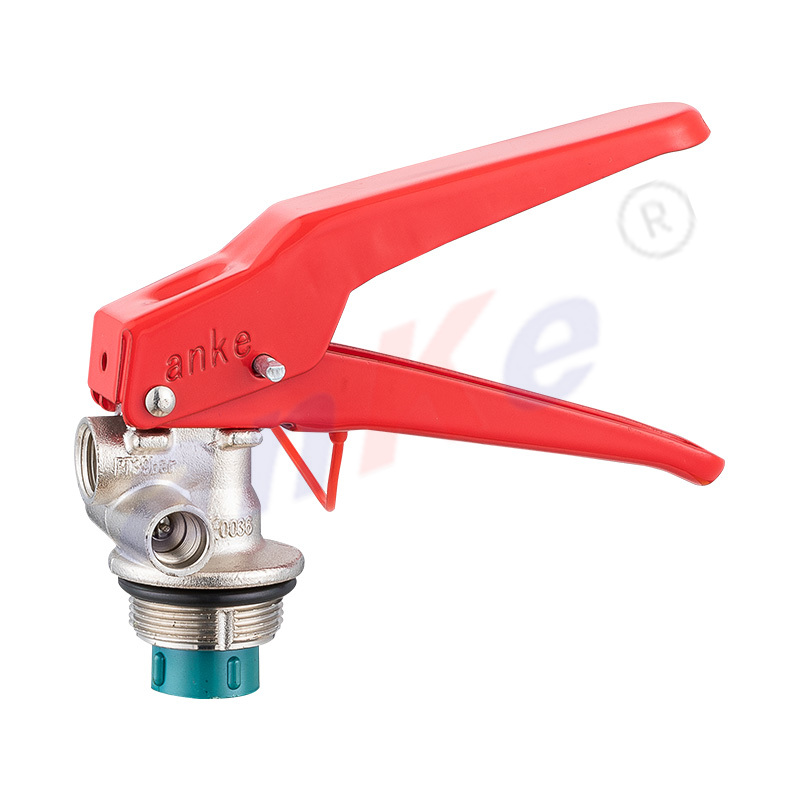
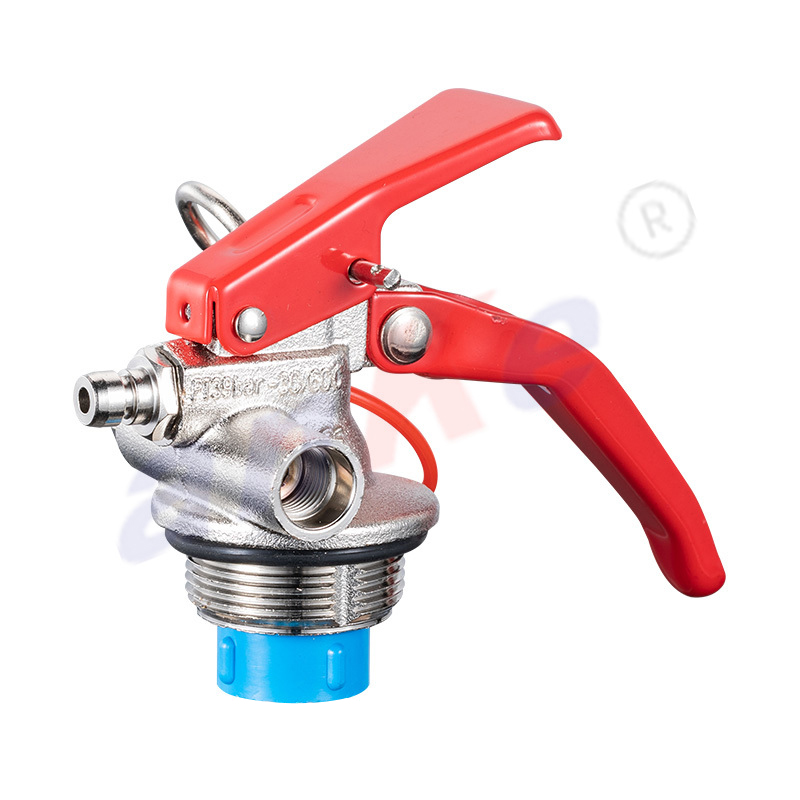
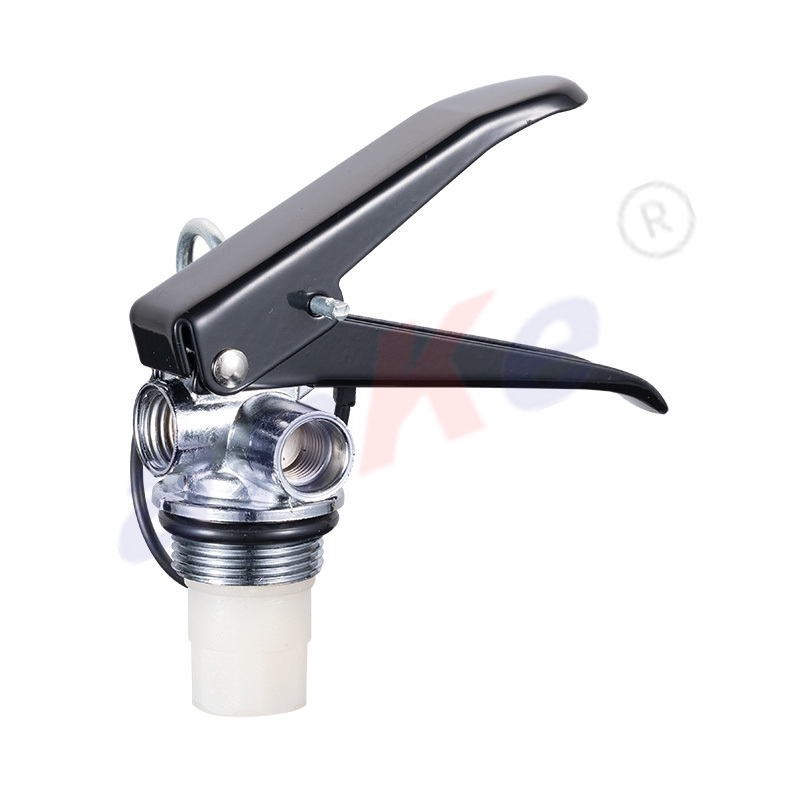
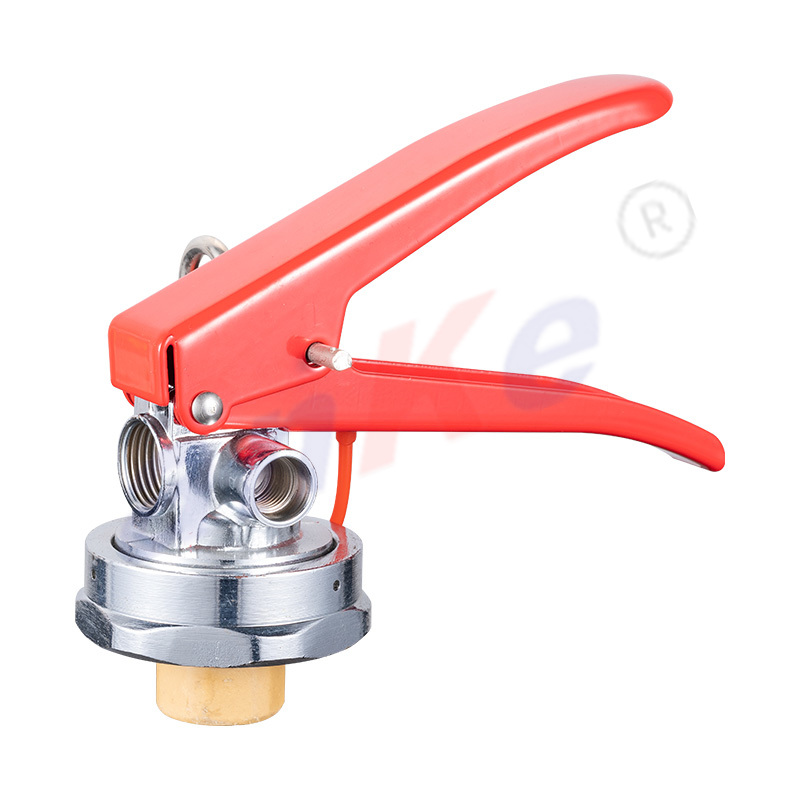
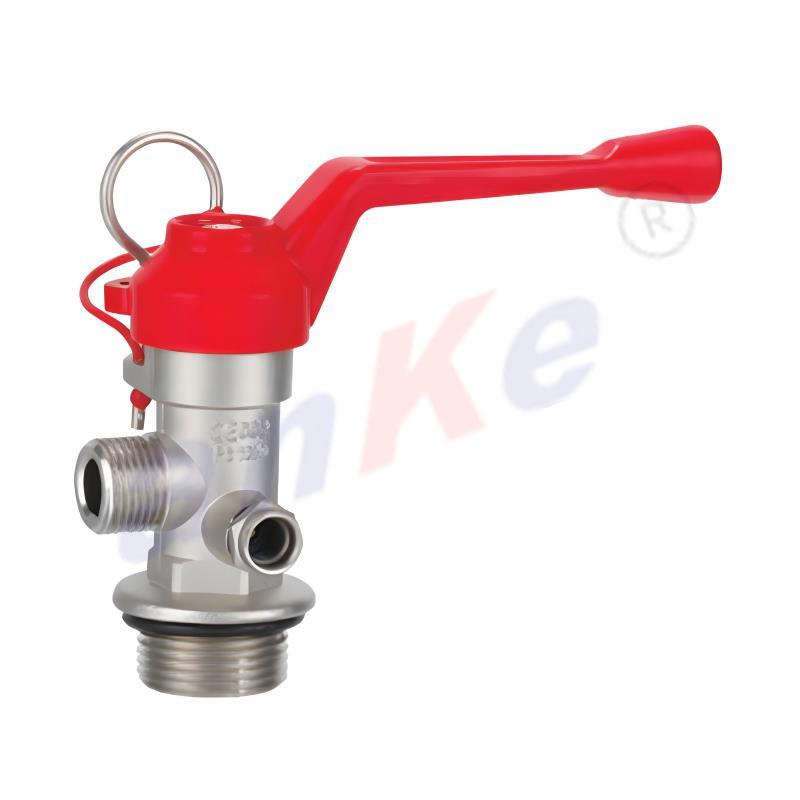
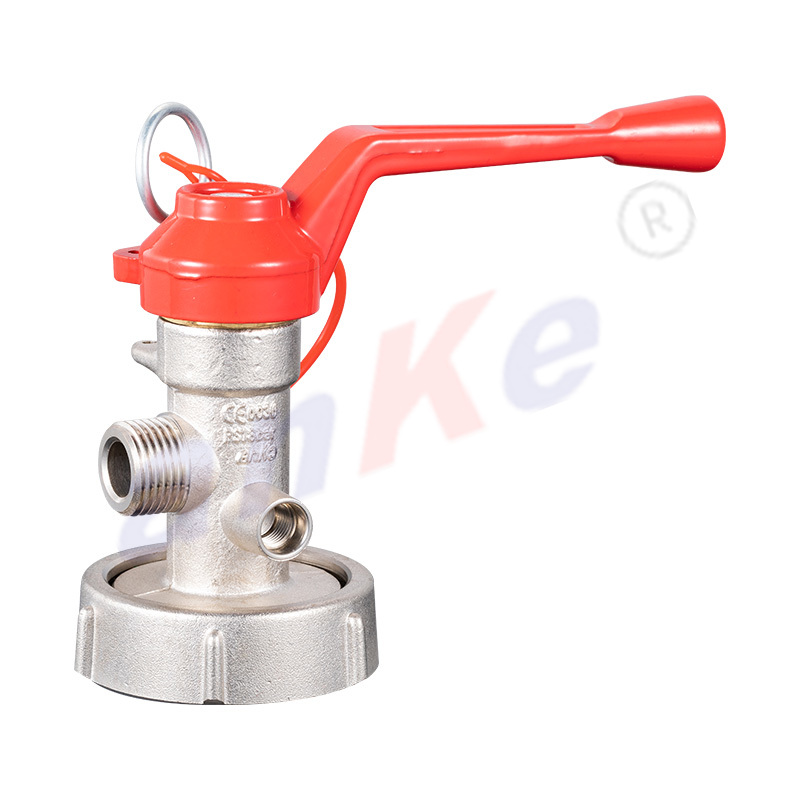
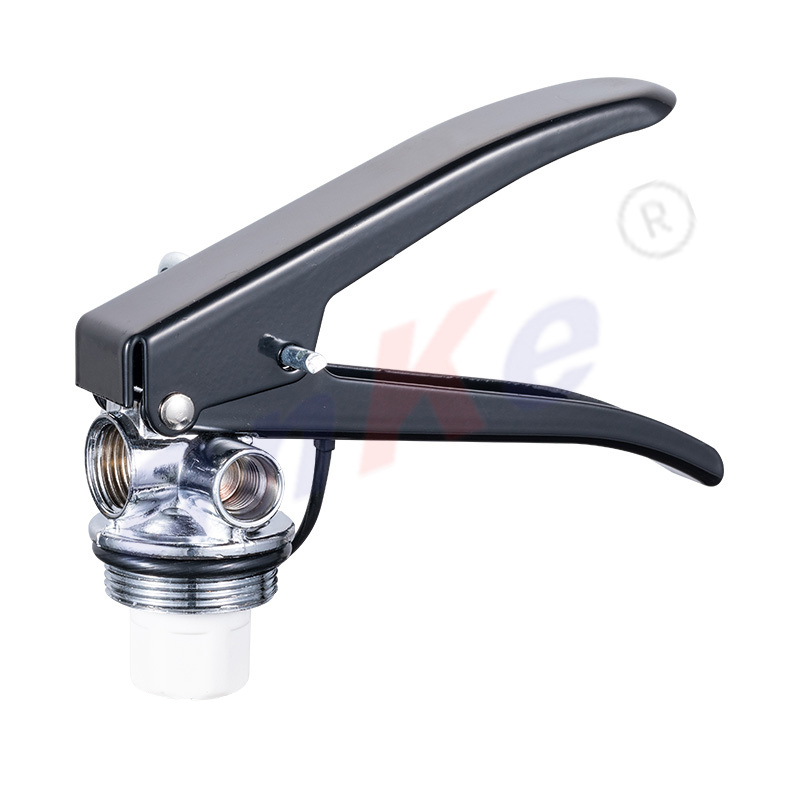
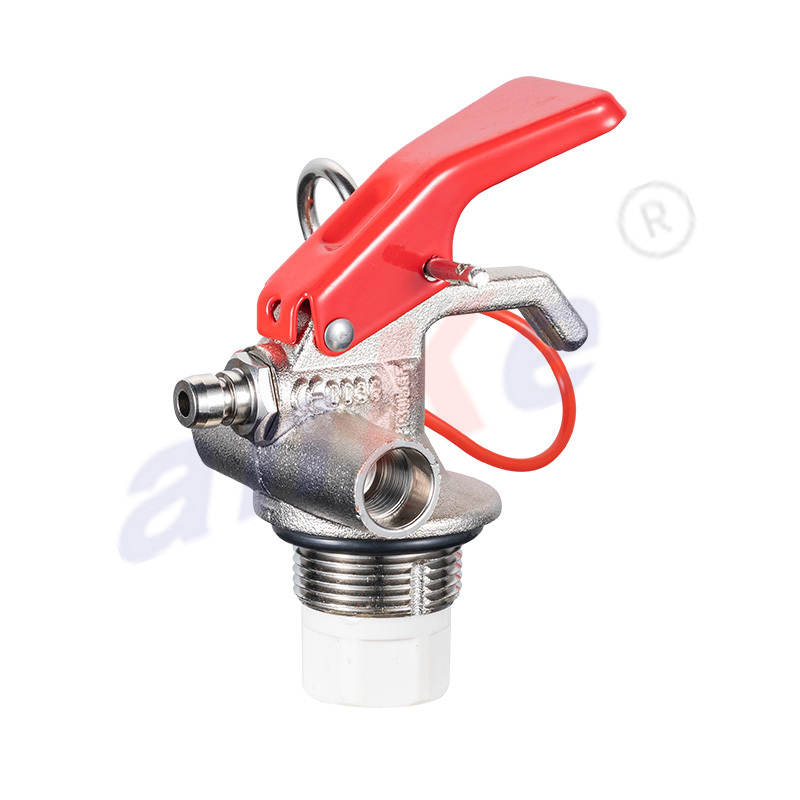
| Valve | Forged Brass | Controls the release of CO2 | Must be equipped with an overpressure safety burst disc |
| Horn | High-strength Polyethylene or Non-conductive Plastic | Rapidly vaporizes and directs the CO2 discharge | Must possess anti-static and thermal insulation properties |
| Dip Tube | Aluminum or Reinforced Plastic | Ensures liquid CO2 is discharged from the bottom first | Must extend to 10-15mm from the cylinder bottom |
Physical State Transition Parameters
During the operation of a Portable CO2 Fire Extinguisher, the medium undergoes drastic physical changes:
Internal State: Approximately 2/3 liquid and 1/3 gas (saturated vapor).
Instant of Discharge: Pressure drops sharply; about 30% of the liquid converts to solid "dry ice" particles, while 70% converts to gas.
Temperature Surge: The instantaneous temperature at the nozzle outlet can drop to -78.5°C (-109°F).
Extinguishing Efficiency and Coverage Capability
The fire extinguishing effectiveness of the Portable CO2 Fire Extinguisher is supported by rigorous experimental data for different fire scales.
Fire Rating Reference
| Capacity (kg) | Fire Rating | Max Oil Tray Area Extinguished (sq.m) | Remarks |
| 2 kg | 21B - 34B | 0.66 - 1.06 sq.m | Suitable for single computers or small distribution boxes |
| 3 kg | 55B | 1.73 sq.m | Standard laboratory configuration |
| 5 kg | 70B - 89B | 2.20 - 2.80 sq.m | Core configuration for industrial engine rooms and power rooms |
Discharge Performance Parameters
Discharge Residual Rate: After discharge, the residue in the cylinder must not exceed 10% of the rated filling weight.
Discharge Lag Time: The time from opening the valve to the agent discharge should be less than 3 seconds.
Environmental Adaptability and Compatibility
The performance of the Portable CO2 Fire Extinguisher varies significantly under different environmental conditions:
Impact of Temperature on Pressure
CO2 vapor pressure increases sharply with rising temperature, which is the primary reason it is forbidden to store it in high-temperature environments:
At 20°C: Internal pressure is approximately 5.7 MPa.
At 50°C: Internal pressure can surge to over 16 MPa.
Safety Factor: The burst pressure of qualified cylinders is usually set at more than 2.5 times the working pressure.
Space Volume and Oxygen Dilution Ratio
When used in confined spaces, personnel safety concentration limits must be considered:
Lethal Concentration: When CO2 concentration in the air reaches 10%, a person will quickly lose consciousness.
Extinguishing Concentration: A design concentration of 30% - 34% is typically required to completely extinguish complex fires.
Calculation Formula: V(CO2) = W x 0.51 (where W is the CO2 weight in kg, and 0.51 is the volume in cubic meters per kg of liquid converted to gas).
Safety Precautions for Operation
Protection against physical injury is the top priority when operating a Portable CO2 Fire Extinguisher:
Frostbite Protection: CO2 is extremely cold when discharged (approx. -78°C). Strictly prohibit holding the horn during use; you must hold the specially designed insulated handle to avoid severe low-temperature frostbite.
Preventing Reignition: Once the CO2 dissipates, if the object's surface temperature remains above the ignition point, the fire can easily reignite. Continuous observation after extinguishing is required.
Indoor Ventilation: After indoor use, open doors and windows immediately and wait for the CO2 to disperse before re-entering.
Static Accumulation: Static electricity may be generated at the horn during rapid discharge. In environments with high concentrations of flammable and explosive gases, be aware of the risk of static sparks.
Vision Obstruction: The white CO2 "snow mist" formed during discharge may briefly obstruct vision; operators should maintain a stable center of gravity and ensure a clear evacuation path.
Maintenance and Inspection Standards
| Inspection Item | Passing Standard | Frequency |
| Weight Loss Rate | Actual weight loss must not exceed 5% of the rated charge | Every 6 months |
| Hose and Horn | No cracks, no blockages, no obvious aging | Monthly visual check |
| Hydrostatic Test | Cylinders must usually withstand 22.5 - 25 MPa test pressure | Every 5 years |
| Cylinder Appearance | No corrosion, no dents, intact paintwork | Monthly visual check |
FAQ
Q: Why does the CO2 fire extinguisher not have a pressure gauge?
A: Because the Portable CO2 Fire Extinguisher contains liquid CO2, and the internal pressure depends primarily on temperature rather than the amount of content. The only standard to check if it is sufficiently filled is weighing (subtract the TW (Tare Weight) stamped on the cylinder shoulder from the total measured weight).
Q: Will this extinguisher damage electronic components?
A: No. This is its greatest advantage. It is a "clean" agent that does not leave corrosive dust like dry powder extinguishers, nor does it cause short circuits or liquid damage like foam extinguishers.
Q: Can it be used in strong outdoor winds?
A: The effect is poor. Because CO2 is a gas, it is easily dispersed by the wind, making it difficult to maintain the concentration required for extinguishing. If outdoor use is necessary, always discharge from the upwind side and stay as close to the fire as possible.
Q: Is there a risk of electric shock when extinguishing energized fires?
A: As long as a safe distance (recommended 1.5 meters or more) is maintained, CO2 itself is non-conductive. However, note that static electricity may be generated at the nozzle due to high-speed airflow friction, so the insulated handle must be held firmly.
 Phone: +86-13456107058/+86-15967800709
 Tel: +86-574-62010128/+86-574-62010688
 E-mail:
  Factory: Huilong Village, Huangjiabu Town, YuyaoCity,Zhejiang Province, China





 Domestic Trade Manager
 Foreign Trade Manager
 VR Catalogue
