
 en
en  English
 中文简体
中文简体 Español

In modern industrial and commercial building fire safety systems, the reliability of a fire extinguisher often depends on its core component—the fire extinguisher valve. As a precision control unit for the release of fire extinguishing media, the manufacturing process, material selection, and sealing technology of the valve are directly related to the response speed and discharge efficiency during a fire event.
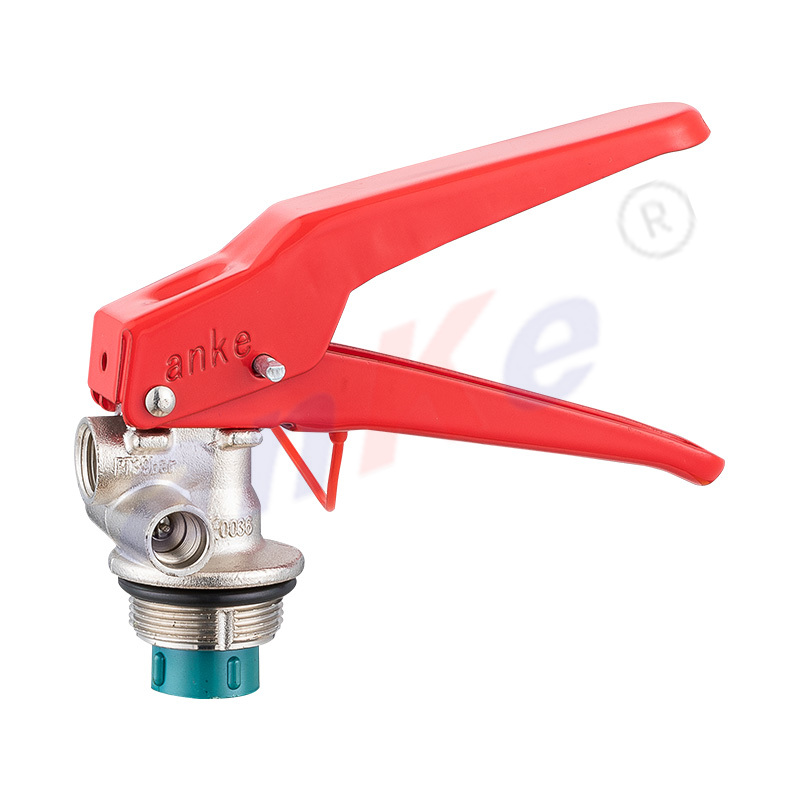
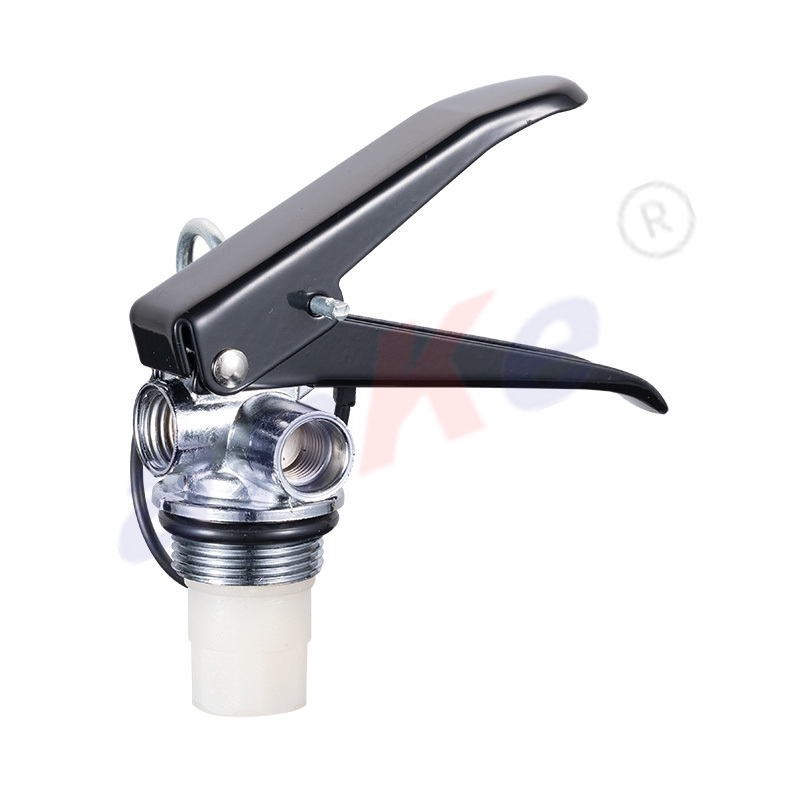
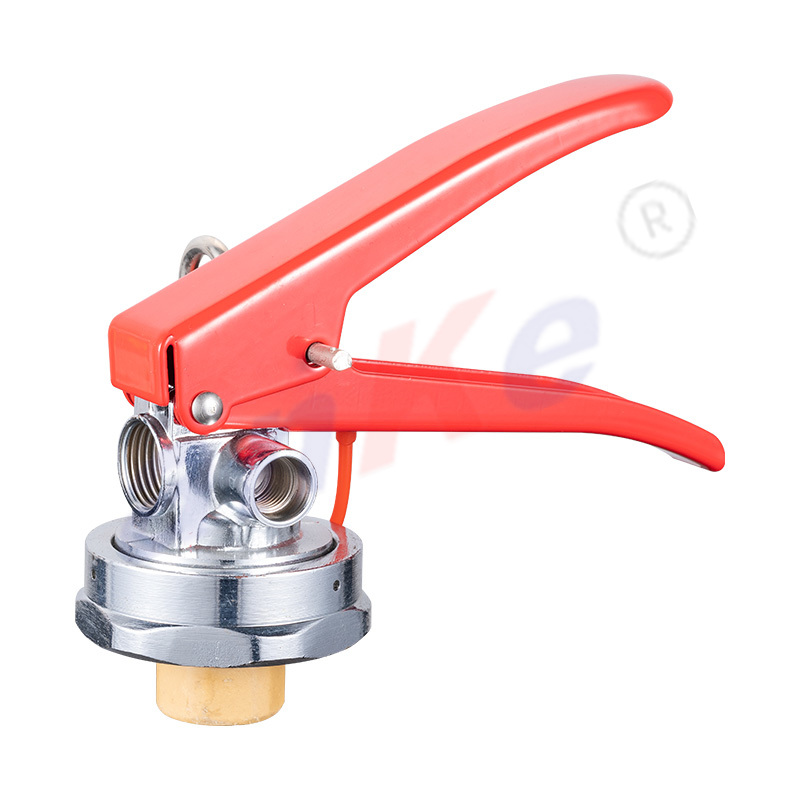
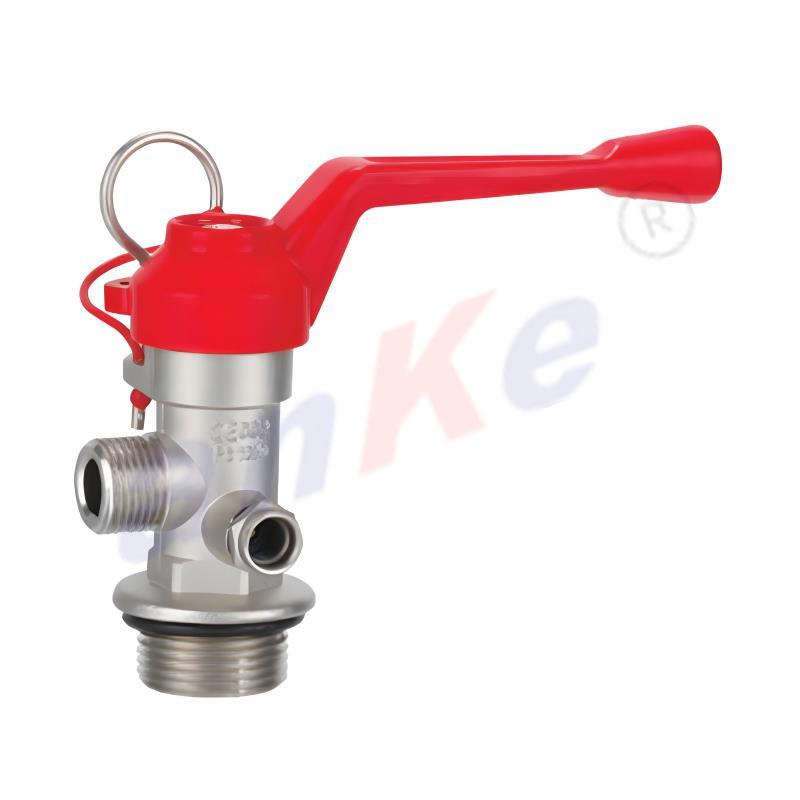
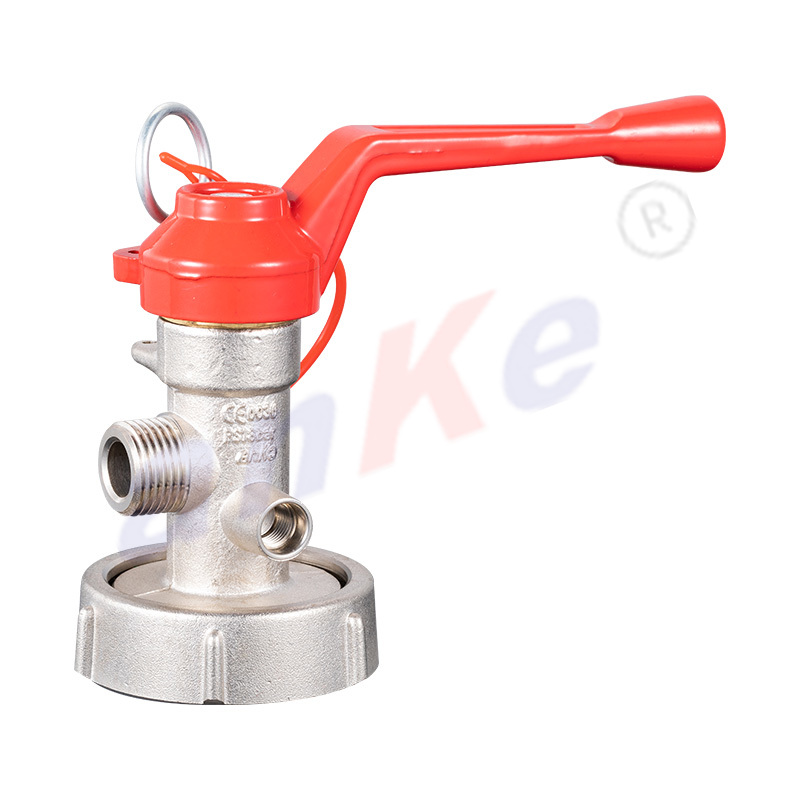
Structural Design and Material Standards of fire suppression valve
A fire suppression valve in a fire protection system must be able to maintain long-term stable sealing performance in extreme environments. High-quality valves are typically manufactured from forged brass or stainless steel to withstand the stress challenges of high-pressure environments.
For dry powder, foam, and water-based extinguishers, the internal sealing gaskets of the valve body are mostly made of EPDM or FKM, which have excellent aging resistance and chemical stability. The precision machining of the valve stem must reach the micrometer level to ensure that the fire extinguisher valve can open quickly without jamming the moment the handle is pressed, thereby ensuring the agent is completely sprayed within the rated time.
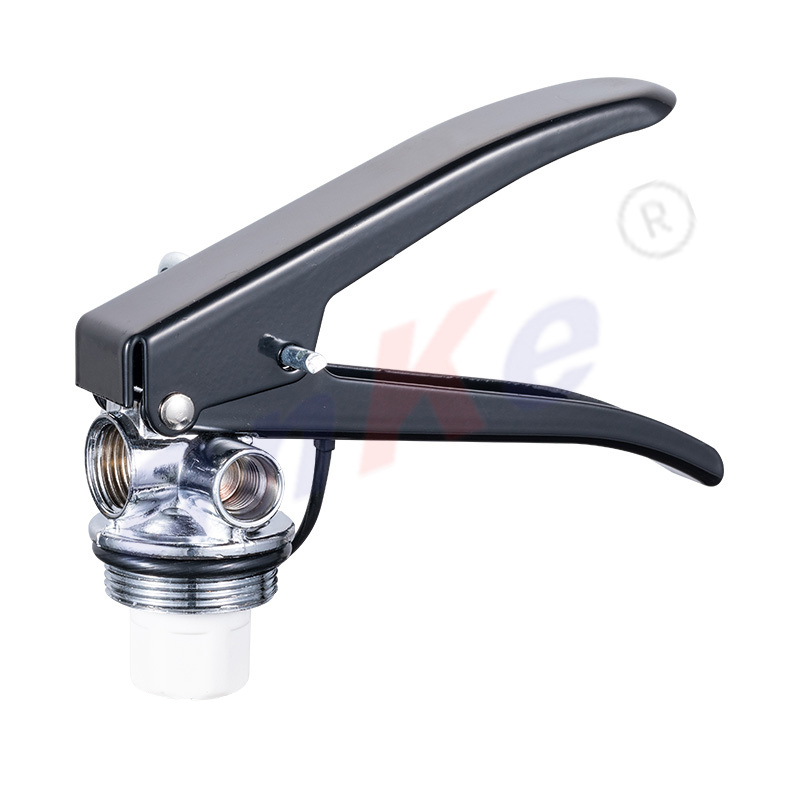
co2 fire extinguisher valve: Professional Selection for High-Pressure Challenges
Carbon dioxide fire extinguishers are high-pressure gas storage devices, and their internal pressure fluctuates drastically with ambient temperature. Therefore, the design requirements for a co2 fire extinguisher valve are much higher than those for ordinary low-pressure valves.
Pressure Relief Safety Device: All compliant co2 fire extinguisher valve units must be equipped with a safety burst disc. When the internal pressure exceeds the safety threshold (usually around 22.5MPa), the burst disc will automatically rupture, releasing pressure to prevent the cylinder from exploding.
Low-Temperature Brittleness Resistance: Since CO2 discharge is accompanied by a sharp drop in temperature (reaching as low as -78.5 degrees Celsius), the valve material must have excellent low-temperature impact resistance to prevent the valve body from brittle cracking in extreme cold states.
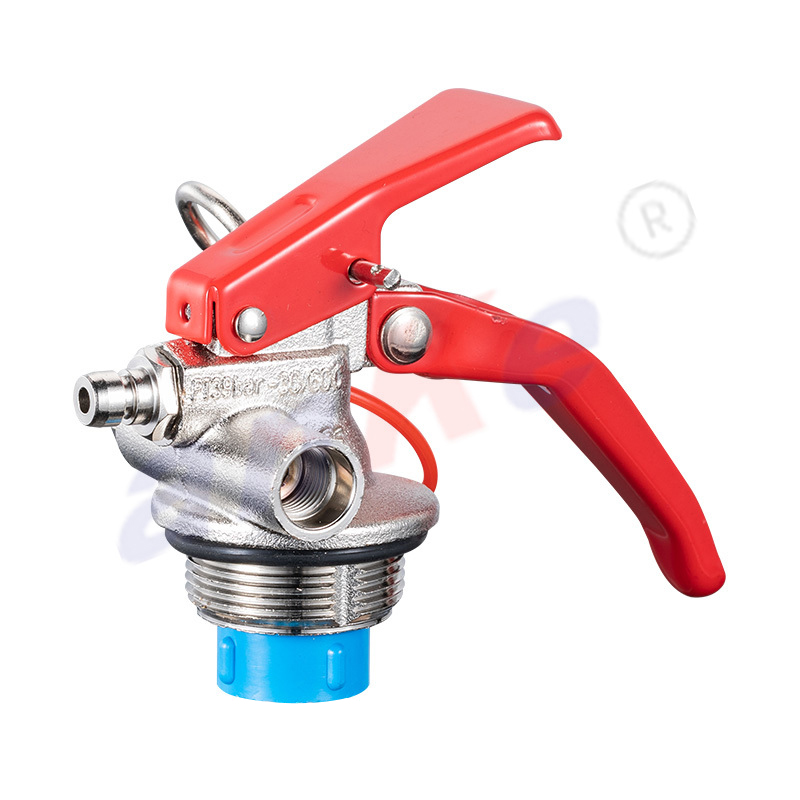
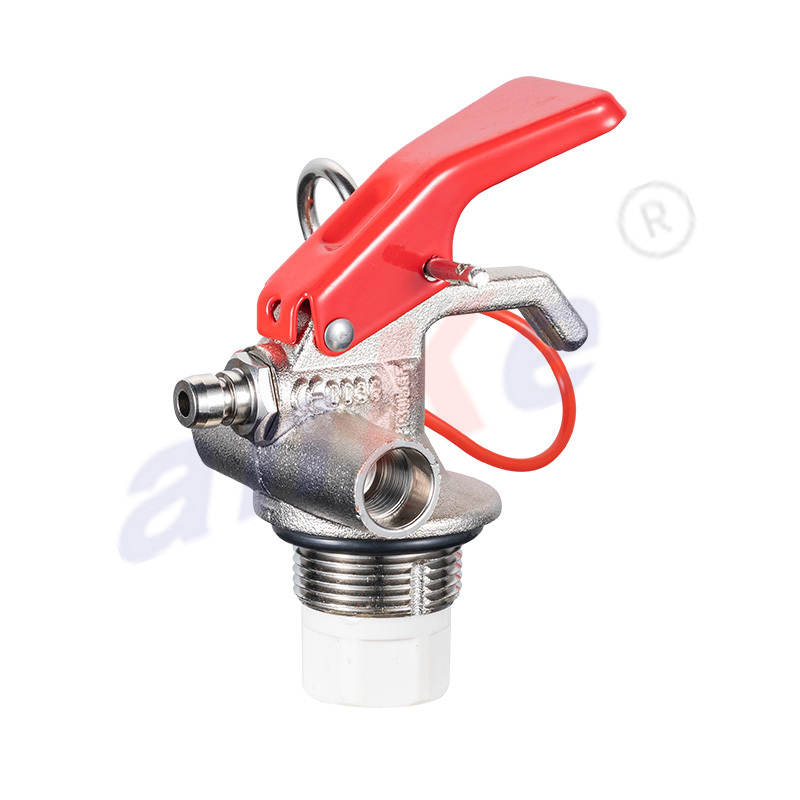
Technical Advantages of water fire extinguisher with schrader valve
In terms of maintenance and pressure monitoring of water-based fire extinguishers, the water fire extinguisher with schrader valve provides great convenience. The Schrader valve (similar to a car tire valve) is mainly used for charging propellant gas (such as nitrogen) and daily pressure testing.
Airtightness Verification: Through this interface, technicians can quickly read the internal pressure using a precision pressure gauge, ensuring the fire extinguisher is always in a standby state.
Recharge Efficiency: This configuration makes the operation of the extinguisher valve more standardized during routine maintenance, significantly shortening the man-hour cost for recharging and overhauling.
General Performance and Standard Parameters of abc fire extinguisher valve
The abc fire extinguisher valve is the most widely used valve type, mainly for ammonium phosphate dry powder fire extinguishers. Since it covers Class A, B, and C fires, there are strict requirements for the flow rate and spray angle of the valve.
The following is a comparison of typical technical parameters for mainstream fire extinguisher valves:
Comparison Table of fire extinguisher valve Specifications
| Parameter Item | abc fire extinguisher valve | co2 fire extinguisher valve | extinguisher valve (Water-based) |
|---|---|---|---|
| Working Pressure | 1.2 MPa - 1.5 MPa | 5.6 MPa - 15.0 MPa | 1.2 MPa - 1.5 MPa |
| Body Material | HPb59-1 Brass / Aluminum Alloy | HPb59-1 Forged Brass | Chrome-plated Brass / Stainless Steel |
| Sealing Method | Soft Seal (EPDM/NBR) | Hard Seal or Special PTFE | Soft Seal (EPDM) |
| Charging Interface | M10x1 / M12x1 | W21.8x1/14 / M22x1.5 | schrader valve |
| Operating Temperature | -20 to +55 degrees Celsius | -30 to +55 degrees Celsius | +5 to +55 degrees Celsius |
Troubleshooting and Maintenance of extinguisher valve
In fire inspections, the status of the extinguisher valve determines the effectiveness of the entire equipment. The following are professional handling methods for common problems with the fire extinguisher valve:
Pressure Gauge Needle at Zero: This usually means the seal of the fire suppression valve has failed or there is a micro-leak at the valve stem. For models equipped with a schrader valve, the valve core can be checked first for looseness. If the seal fails, the entire valve assembly must be replaced rather than simply adding gas.
Discontinuous Spray: In an abc fire extinguisher valve, if the dry powder becomes clumped due to moisture, it may block the valve core outlet. Periodically invert the fire extinguisher to loosen the powder and check if there are foreign objects deposited in the valve cavity.
Excessive Opening Force: If the force required to manually open the fire extinguisher valve exceeds the standard specification, it is often due to oxidative corrosion caused by the valve stem not being moved for a long time. During routine maintenance, ensure the safety pin is easy to pull out and the handle moves flexibly.
The Precision Core Ensuring Fire Extinguishing Efficacy
Choosing a high-quality fire extinguisher valve is the first line of defense for protecting life and property. Whether it is the co2 fire extinguisher valve for high-pressure environments or the water fire extinguisher with schrader valve for easy maintenance, its manufacturing precision, wall thickness design, and spring tension have undergone rigorous calculation.
During procurement and installation, attention should be paid to the material certification number and factory pressure test records of the valve. A well-designed fire suppression valve not only provides a perfect spray curve but also ensures that there is no leakage of the fire extinguishing agent during years of storage, achieving the goal of immediate activation and successful suppression.
 Phone: +86-13456107058/+86-15967800709
 Tel: +86-574-62010128/+86-574-62010688
 E-mail:
  Factory: Huilong Village, Huangjiabu Town, YuyaoCity,Zhejiang Province, China





 Domestic Trade Manager
 Foreign Trade Manager
 VR Catalogue
