
 en
en  English
 中文简体
中文简体 Español

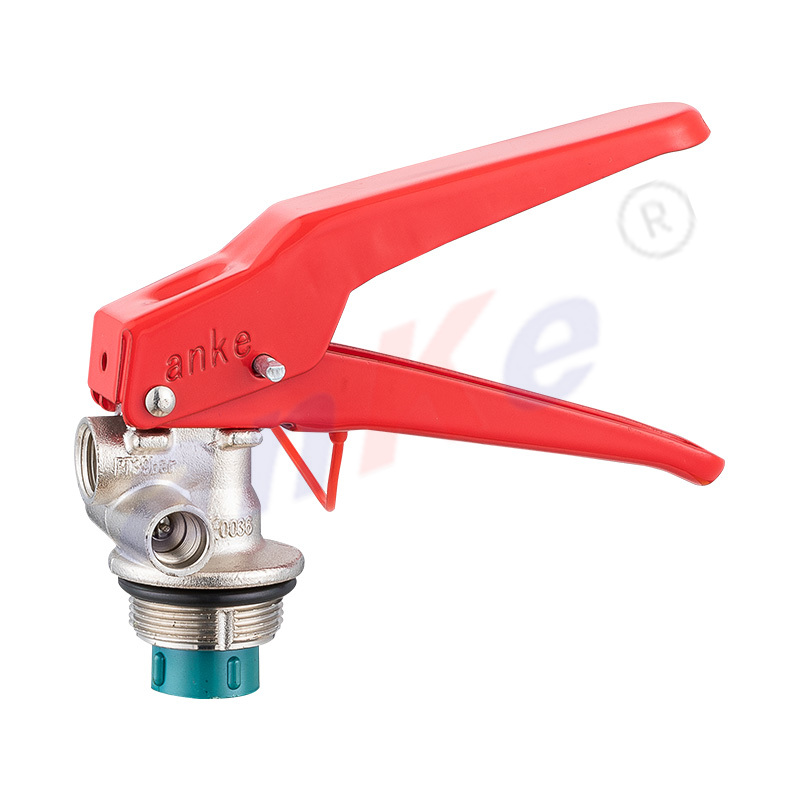
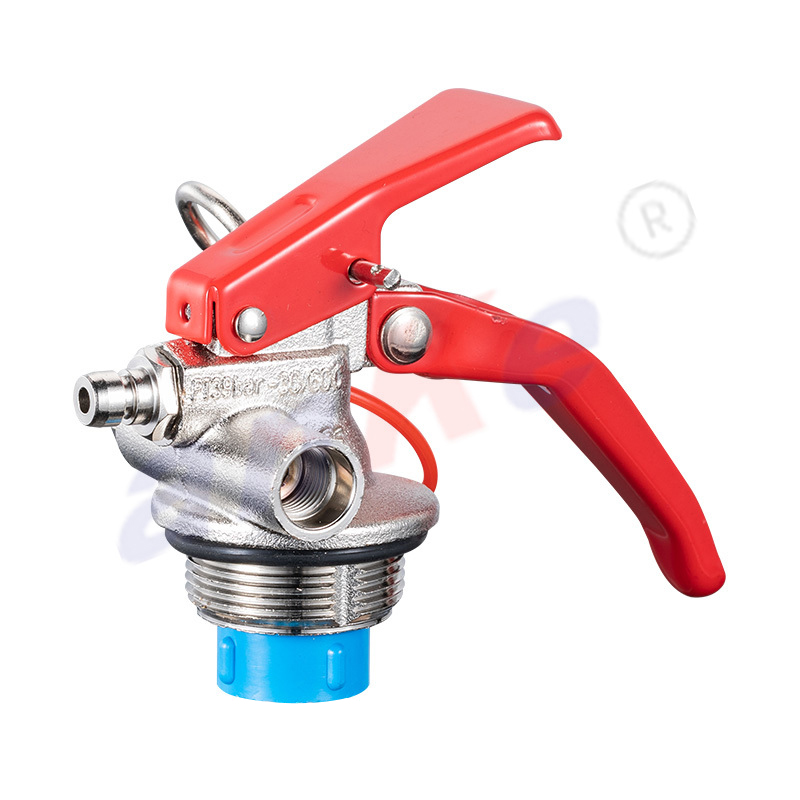
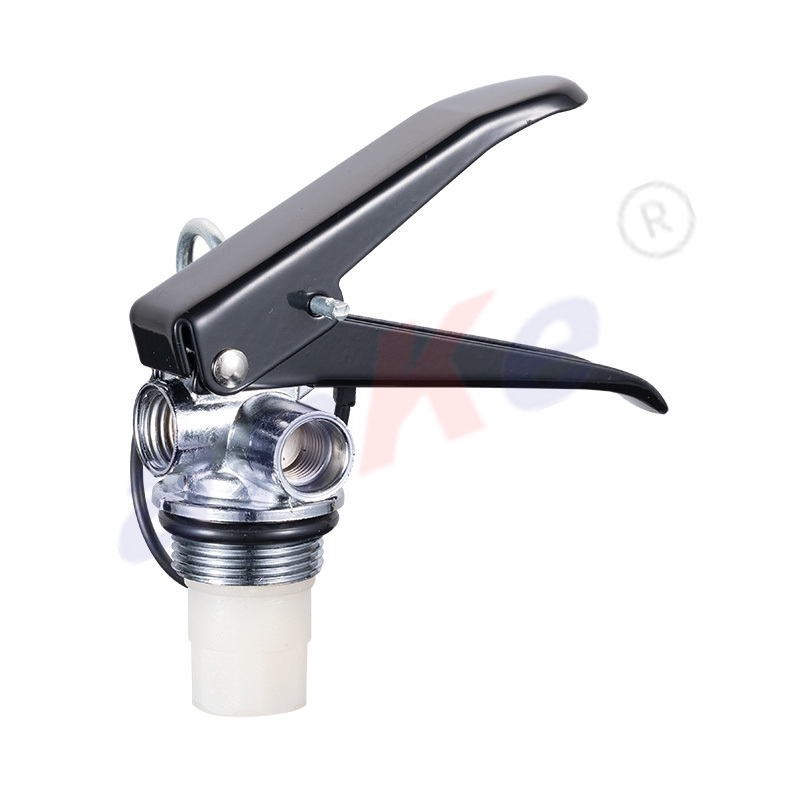
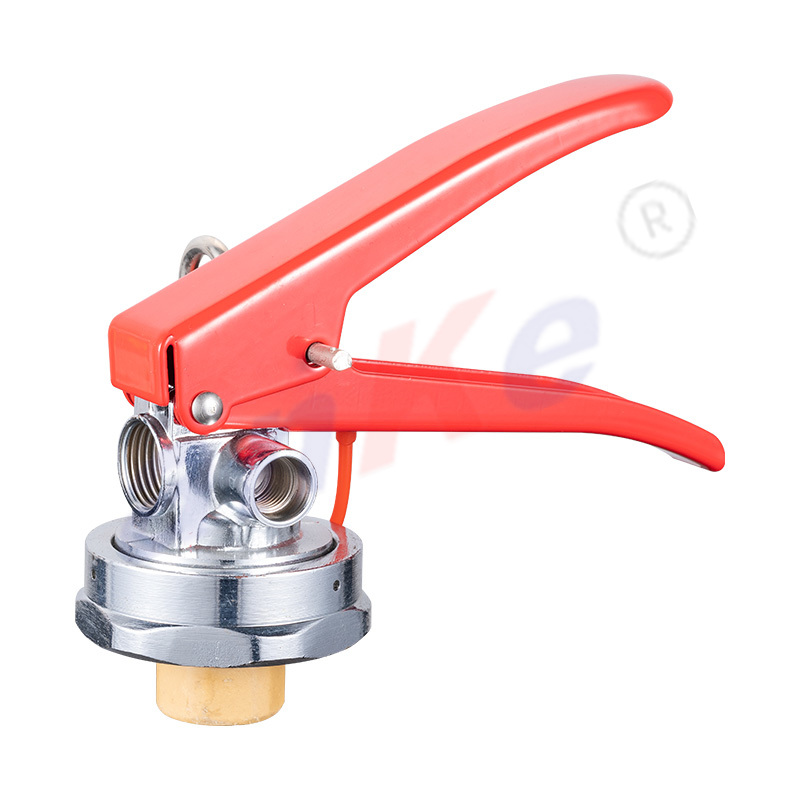
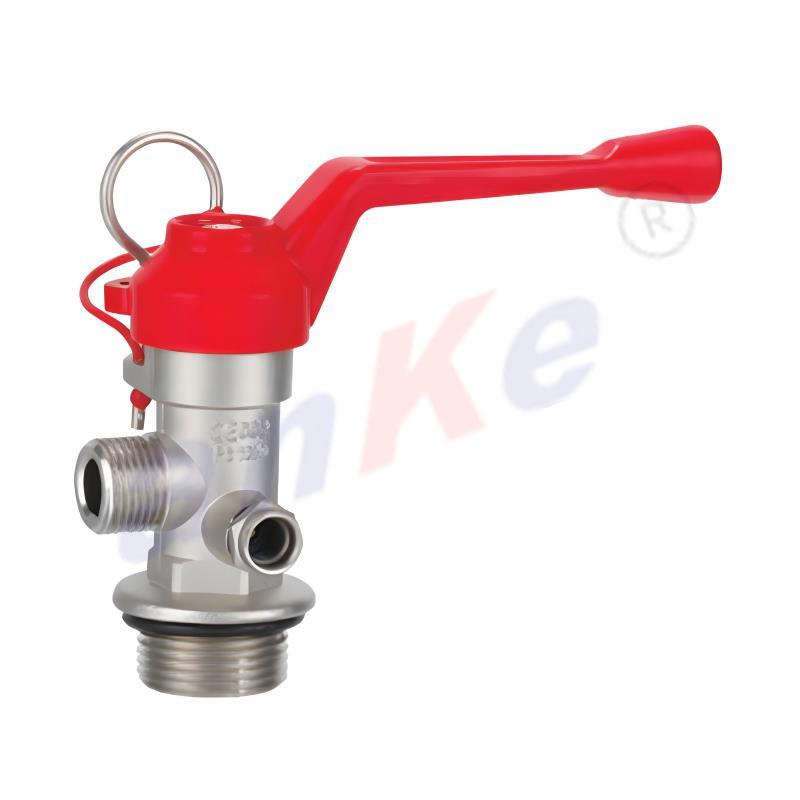
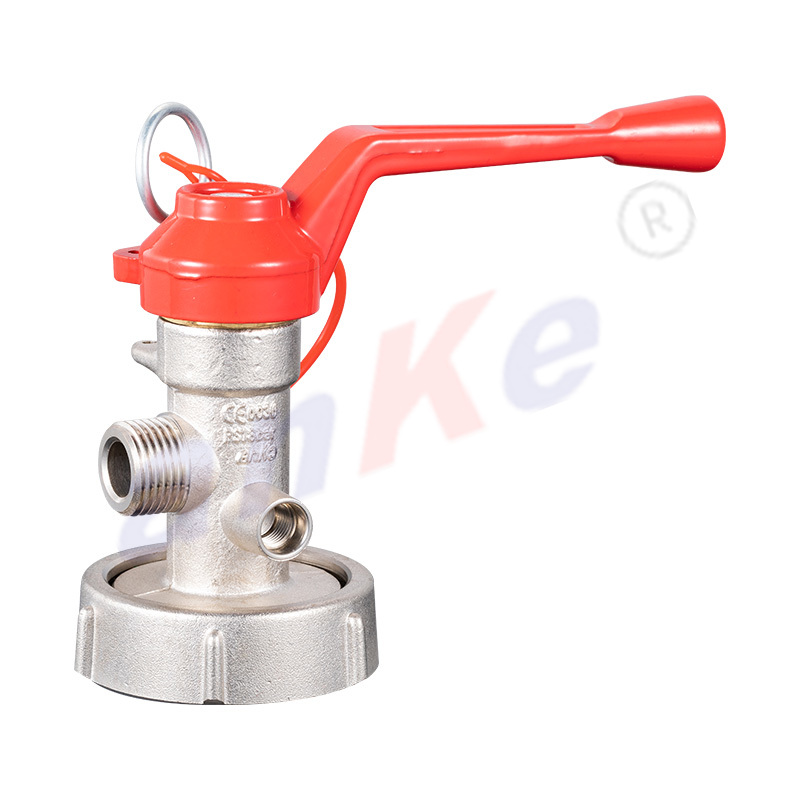
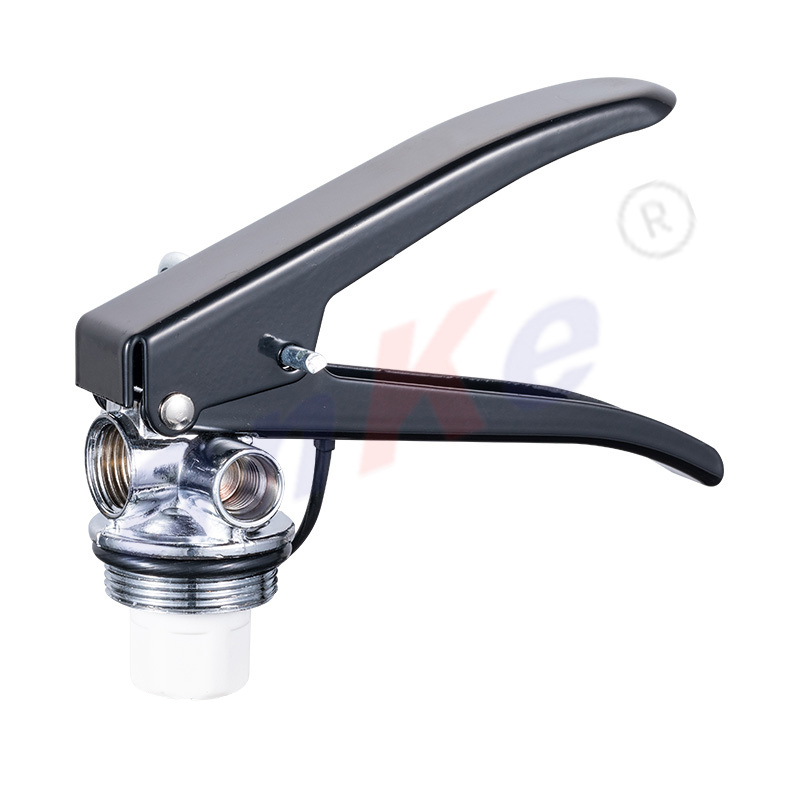
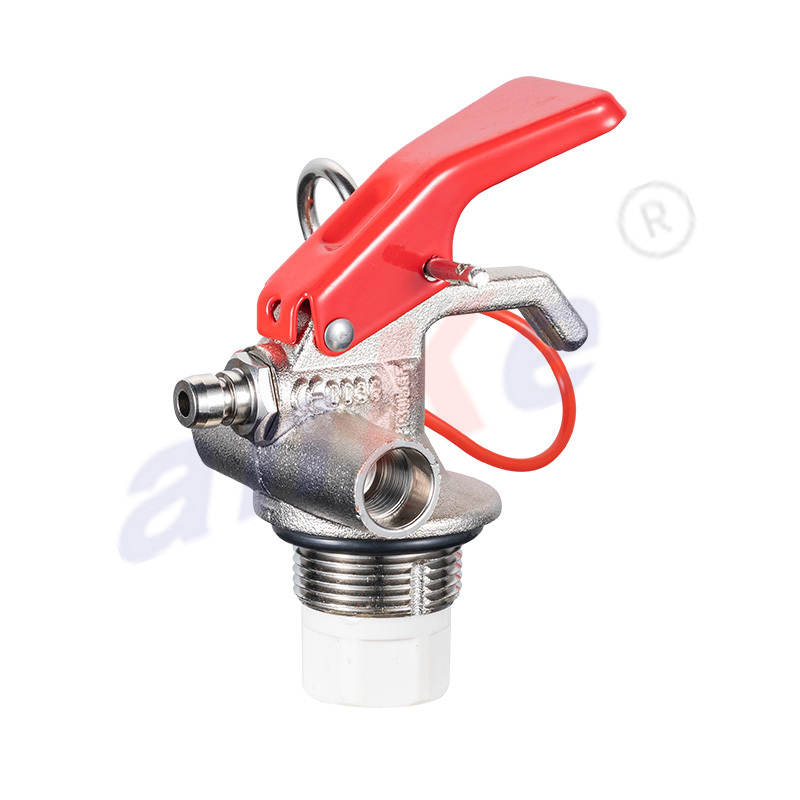
Gas extinguisher valves are critical components of fire suppression systems. Their performance directly affects fire extinguishing efficiency and operational safety. Regular disassembly and cleaning of valves are essential to ensure the long-term reliability of extinguishers. Valve structures are complex, with multiple precision components, and improper handling can lead to seal failure, leakage, or inability to release gas. This article details the professional considerations for disassembling and cleaning gas extinguisher valves.
Pre-Disassembly Preparation
Before disassembling a gas extinguisher valve, ensure that the extinguisher is completely depressurized and the internal pressure is within a safe range. Use specialized pressure release tools or vents to avoid accidental discharge during handling. Operators should wear protective gloves and safety goggles and ensure proper ventilation in the workspace to avoid exposure to residual gas.
Prepare a complete set of tools, including open-end wrenches, hex keys, torque wrenches, and specialized tools for replacing seals. Record valve model, production batch, and installation location to ensure correct reassembly and component matching.
Disassembly Considerations
When disassembling the valve, loosen connecting nuts or bolts gradually from the outside in, preventing internal parts, such as springs, from ejecting unexpectedly. For valves with safety pins or triggering mechanisms, deactivate the trigger system to ensure mechanical parts are in a safe state. Avoid applying excessive force, which could damage the valve body or sealing surfaces.
Precision components such as springs, valve stems, and seats should be placed on a clean tray and organized to prevent loss or misplacement. Different gas types, such as CO₂, FM-200, or Novec 1230, may require specific disassembly sequences and tools. Always follow the valve manufacturer’s instructions.
Cleaning Process Considerations
Use professional-grade cleaning agents suitable for gas extinguisher valves. Avoid general-purpose solvents that may corrode seals or metal components. Clean internal passages, nozzles, and valve seats thoroughly to remove debris, oil, and dust. Use soft brushes or non-metallic tools to avoid scratching sealing surfaces. Wipe springs and valve stems with lint-free cloths to ensure smooth surfaces.
Do not immerse O-rings and seals in cleaning solutions for prolonged periods, as this can cause hardening or degradation. After cleaning, use compressed air to dry internal passages, ensuring no moisture or particles remain that could cause leakage or blockage after reassembly.
Inspection and Replacement Considerations
During cleaning, inspect all components, including the valve body, stem, seals, springs, and trigger mechanism, for wear, deformation, cracks, or corrosion. Replace any damaged or aged parts to maintain sealing performance and operational reliability.
When replacing seals, use materials that meet original specifications, such as FKM, PTFE, or low-temperature resistant elastomers, to ensure pressure tolerance, chemical resistance, and long-term stability. Follow the correct installation sequence and apply the recommended torque using a torque wrench to prevent leaks due to over-tightening or insufficient tightening.
Reassembly and Functional Testing
After cleaning and replacement, conduct functional testing. Manual operation should be smooth without binding, and the trigger mechanism must respond reliably. Perform leak tests and pressure tests if necessary to verify that the valve maintains proper sealing and that discharge passages are clear. Record maintenance details, including disassembly date, replaced parts, and test results, to support future periodic maintenance.
Safety and Environmental Considerations
Ensure a safe working environment during disassembly and cleaning. Keep fire sources and flammable materials away. Residual gas or cleaning liquids must be disposed of according to environmental regulations to prevent contamination. Operators should be professionally trained and familiar with the structure and handling procedures of different types of gas extinguisher valves to avoid operational hazards.
 Phone: +86-13456107058/+86-15967800709
 Tel: +86-574-62010128/+86-574-62010688
 E-mail:
  Factory: Huilong Village, Huangjiabu Town, YuyaoCity,Zhejiang Province, China





 Domestic Trade Manager
 Foreign Trade Manager
 VR Catalogue
