
 en
en  English
 中文简体
中文简体 Español

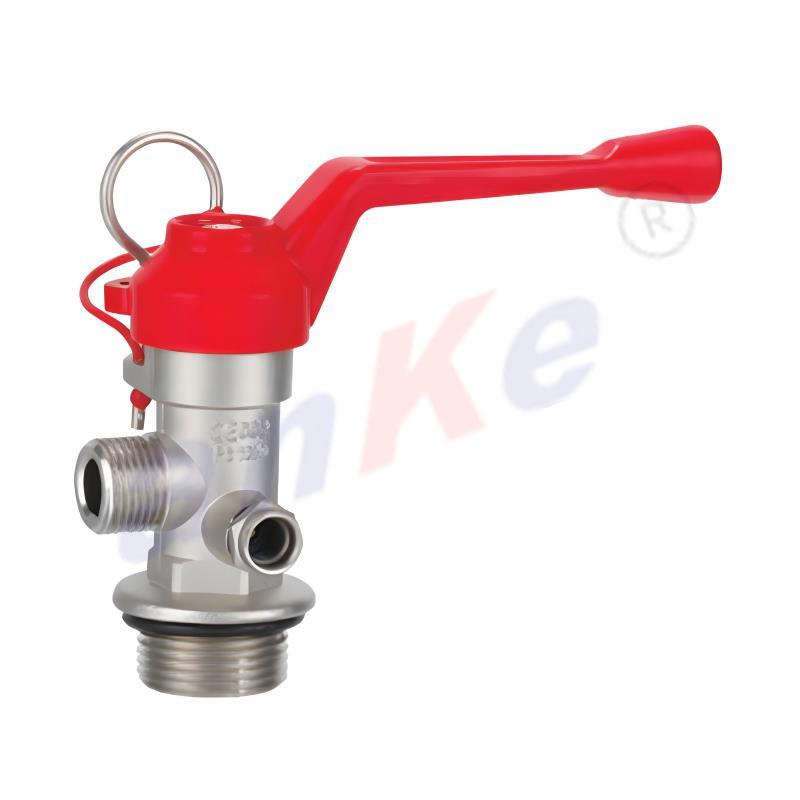
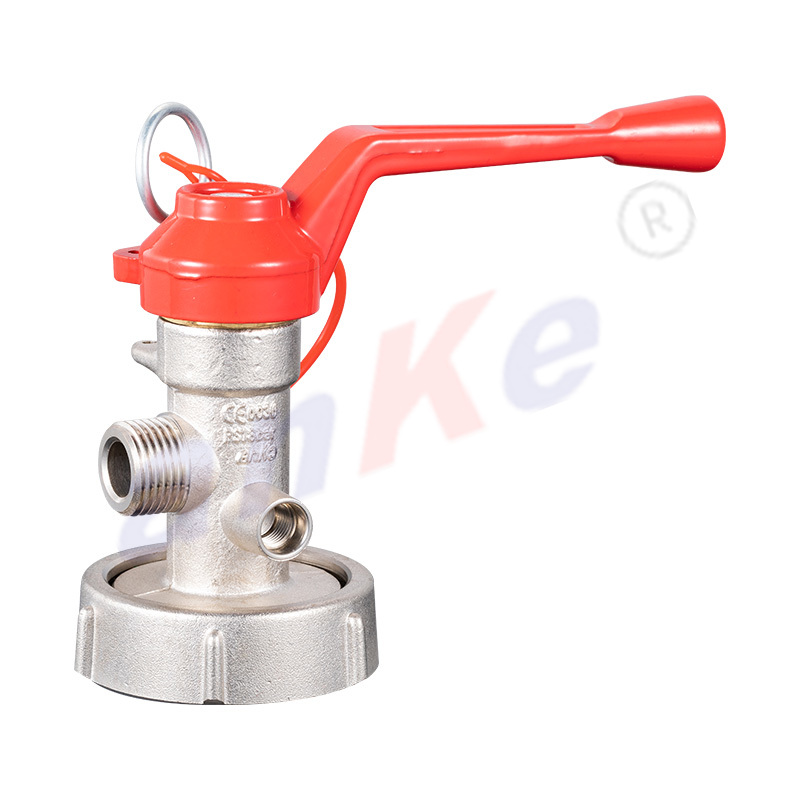
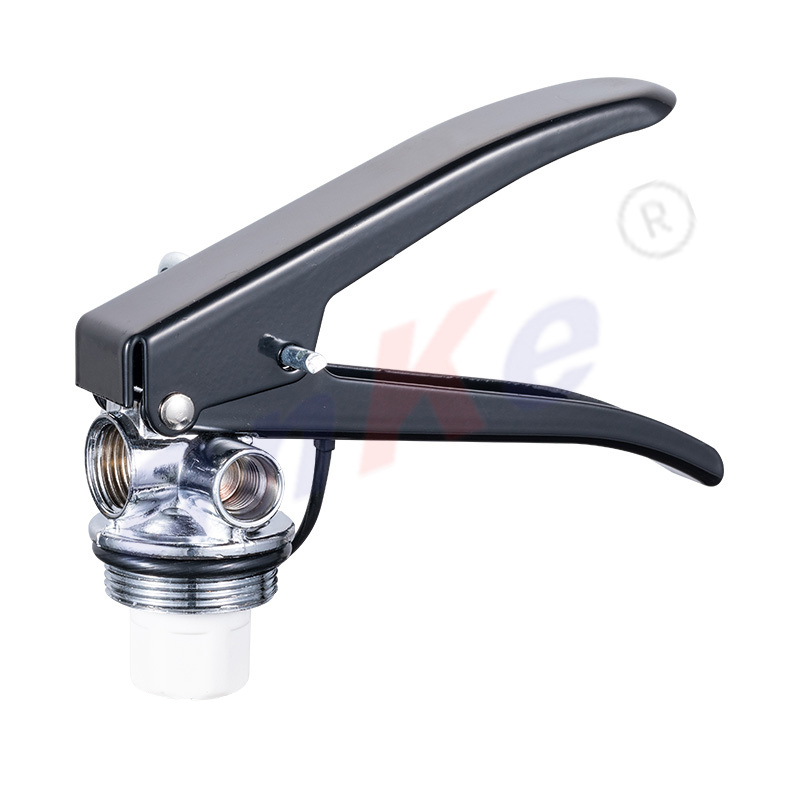
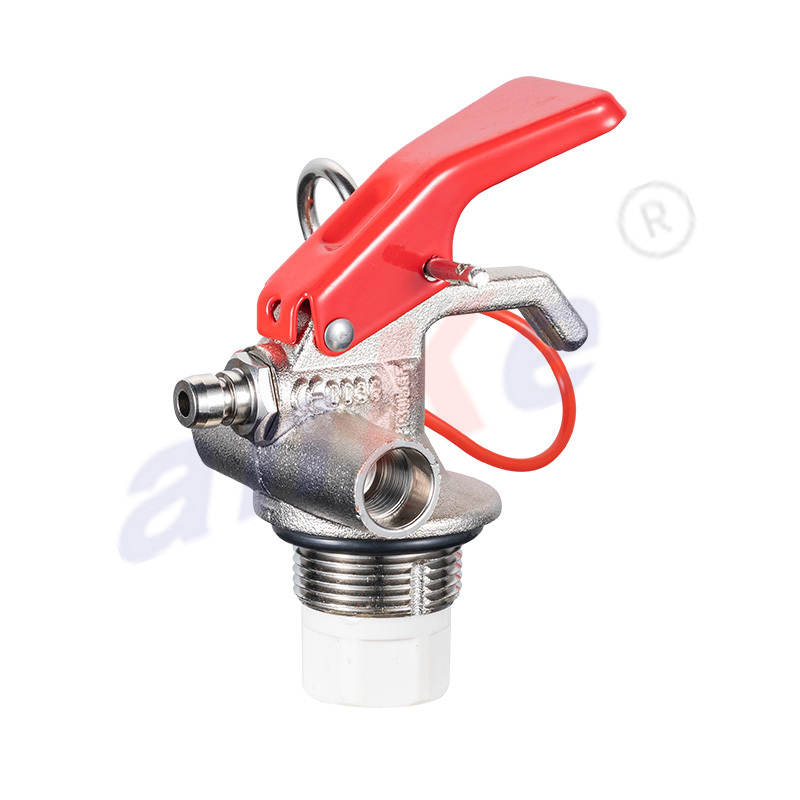
The high pressure valve of a fire extinguisher is a critical component that directly affects the reliability and safety of the device. Under high-pressure conditions, the valve must maintain excellent sealing performance and structural integrity. Therefore, conducting systematic pressure (proof) tests and leakage tests is essential to ensure that the valve meets performance standards and is safe for use.
Pressure Testing Methods
Pressure testing is a key procedure to verify whether the high pressure valve can withstand its working and extreme pressures without structural failure. Typically, pressure tests include static and dynamic testing methods.
1. Static Pressure Testing
Static pressure testing involves installing the fire extinguisher high pressure valve on a dedicated test bench and gradually applying pressure up to 1.5 to 2 times the rated working pressure. The pressure is maintained for a specific duration, usually between 1 to 5 minutes. The valve’s deformation and any signs of leakage are observed to evaluate its pressure-bearing capacity and the integrity of the sealing components.
Detection during static testing often uses pressure sensors for real-time monitoring and visual inspections for cracks, bulges, or leaks. Static testing helps identify material fatigue, weak welds or connections, and insufficient sealing performance. For metal valves, static testing also reveals potential structural defects or micro-cracks before deployment.
2. Dynamic Pressure Testing
Dynamic pressure testing simulates the valve’s real-world operation by rapidly opening and releasing pressure. This method applies quick pressurization and depressurization using air or hydraulic fluid to evaluate the valve’s responsiveness and sealing under sudden load changes.
Dynamic testing is particularly important for dry powder and CO₂ fire extinguishers, where fast discharge is critical. It ensures that the valve opens and closes properly under extreme conditions, maintaining reliable performance during emergencies.
Leakage Testing Methods
Leakage testing ensures that the high pressure valve maintains its seal over long periods of storage and use. Leakage can compromise extinguisher performance and pose safety risks. Common leakage testing methods include gas tightness testing, hydrostatic testing, and bubble detection.
1. Gas Tightness Testing
Gas tightness testing usually employs dry air or nitrogen to pressurize the valve. Pressure gauges monitor the pressure over time, and any drop beyond acceptable limits indicates leakage.
For higher precision, helium leak detection may be used. Helium molecules are small and diffuse easily, making it possible to detect even minute leaks. This method is widely applied in aerospace-grade fire extinguishers and high-pressure systems.
2. Hydrostatic Leakage Testing
Hydrostatic testing fills the valve with water or a suitable liquid, then applies pressure higher than the working pressure while checking for leaks at the valve body and connections. This method provides a clear visual indication of sealing deficiencies or valve seat damage and is commonly used in industrial production.
After hydrostatic testing, valves must be drained and treated to prevent corrosion. Proper handling ensures that the test does not adversely affect the valve’s long-term durability.
3. Bubble Leak Detection
Bubble testing is suitable for small high-pressure valves and quick inspections. The valve is submerged in soapy water or a specialized leak detection solution, pressurized, and observed for bubble formation. The position of bubbles indicates the leak location, making this method efficient for production line quality control.
Standards and Precautions
Pressure and leakage testing of high pressure valves must comply with relevant standards such as ISO 7165, EN 3, and NFPA 10. Test procedures require controlled pressure ramp rates and hold times to avoid false results. Environmental factors such as temperature, humidity, and valve preparation state can also affect outcomes.
Before testing, valve components including the stem and seals must be inspected for cracks, burrs, or foreign material. After testing, visual and functional inspections confirm that the valve remains safe and operational.
 Phone: +86-13456107058/+86-15967800709
 Tel: +86-574-62010128/+86-574-62010688
 E-mail:
  Factory: Huilong Village, Huangjiabu Town, YuyaoCity,Zhejiang Province, China





 Domestic Trade Manager
 Foreign Trade Manager
 VR Catalogue
