
 en
en  English
 中文简体
中文简体 Español

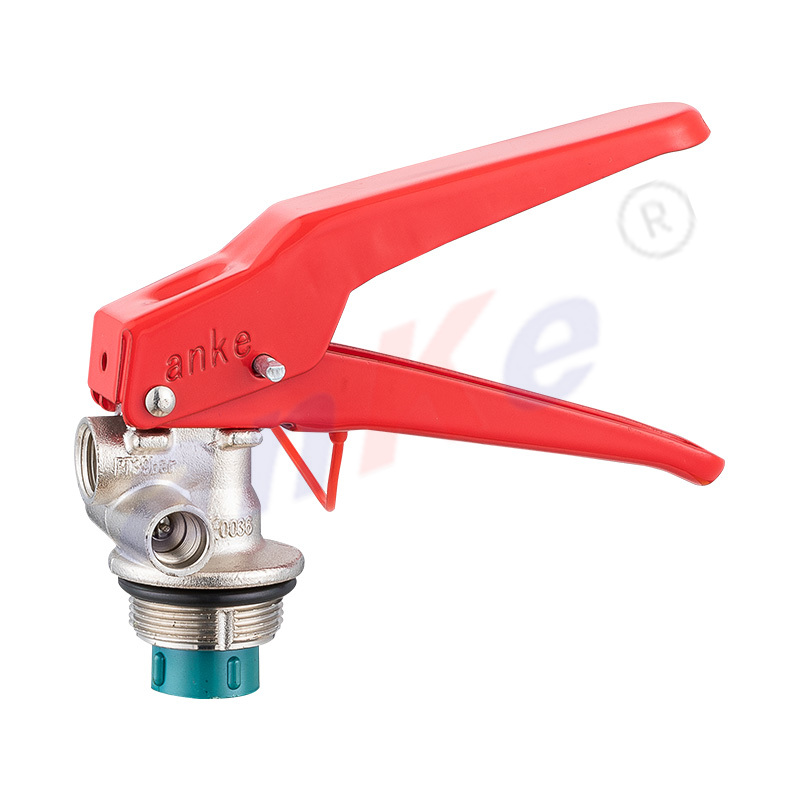
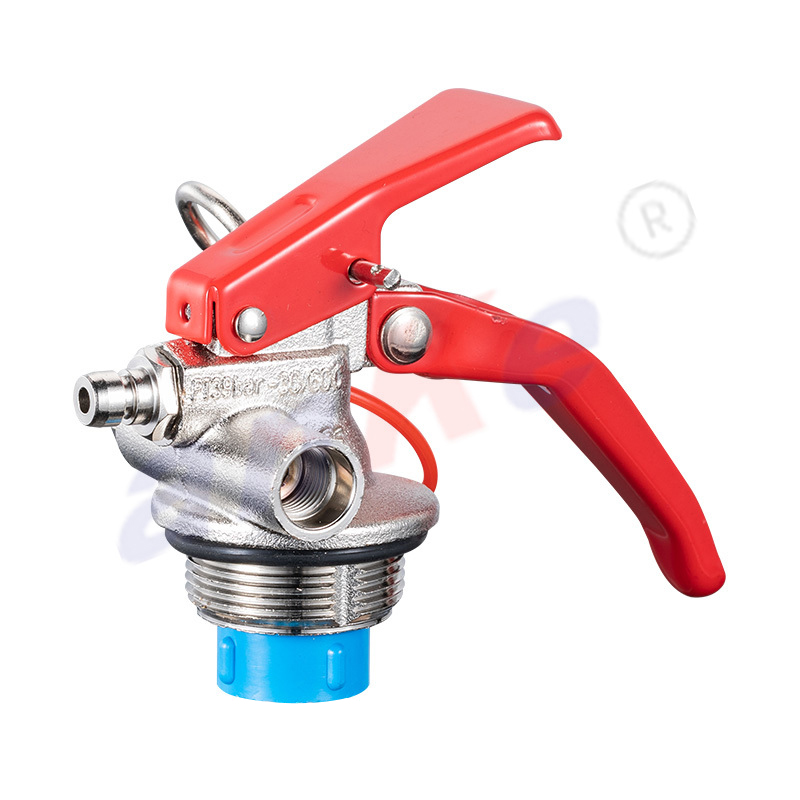
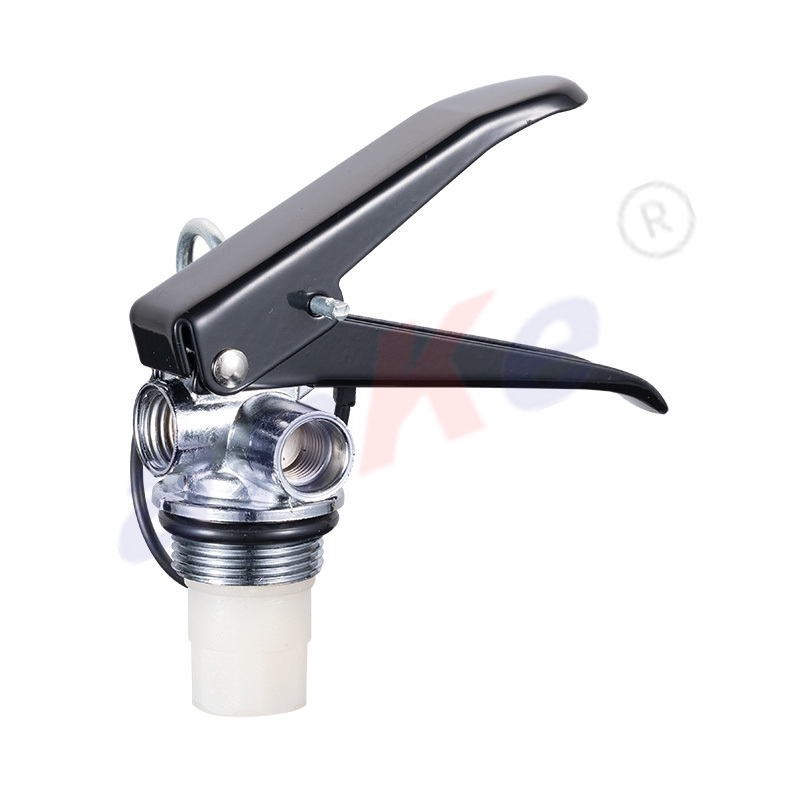
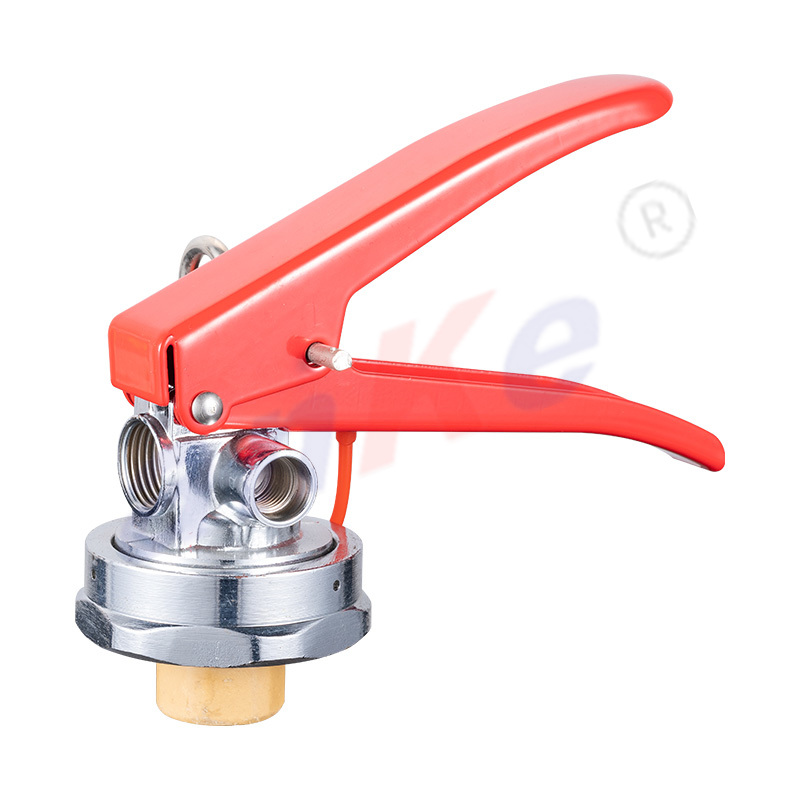
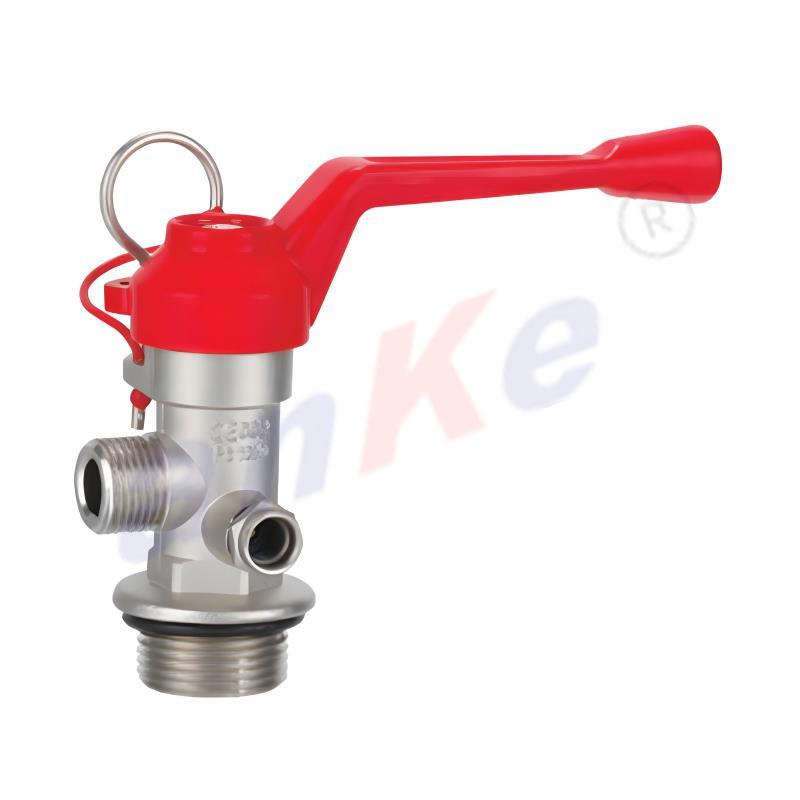
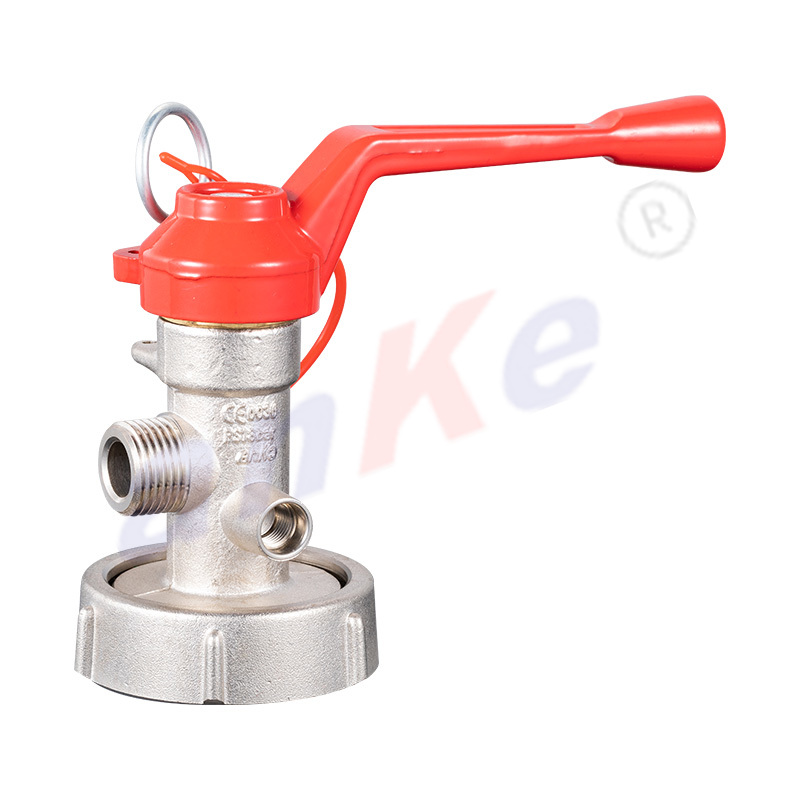
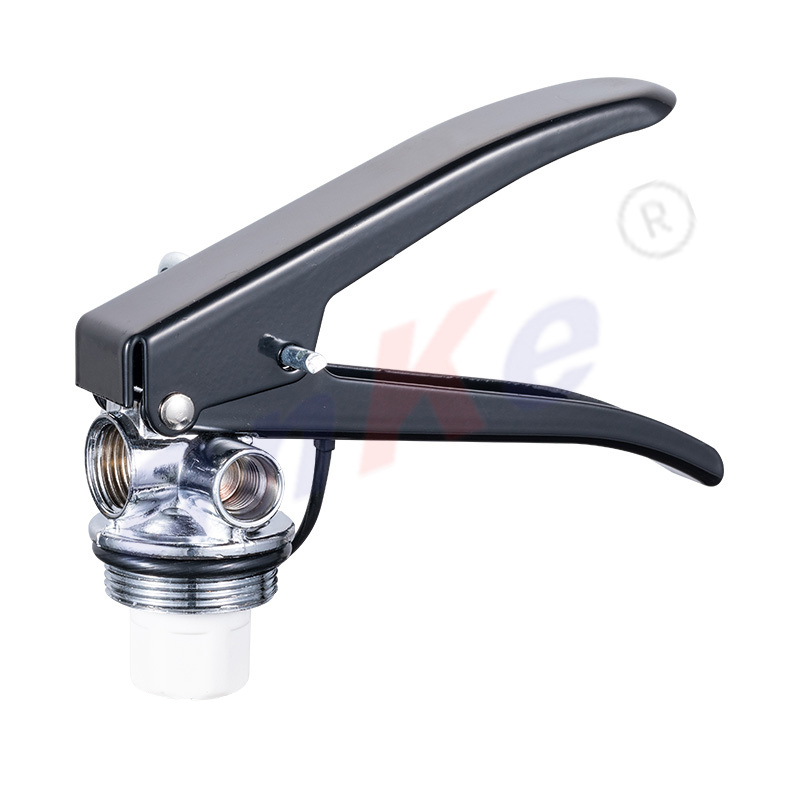
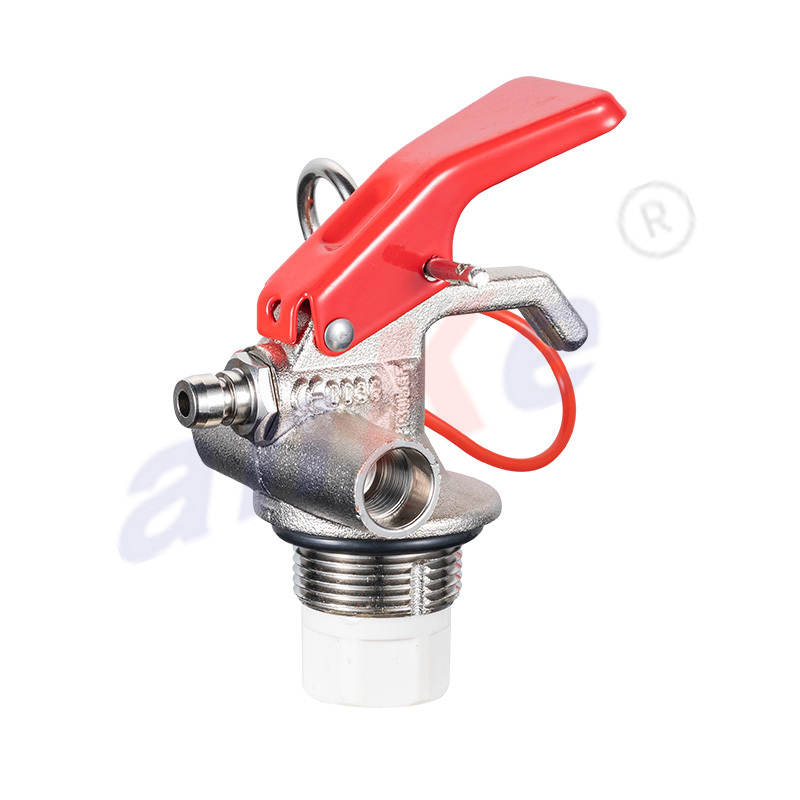
The fire extinguisher high pressure valve is a critical component of a fire extinguisher, directly affecting its reliability and safety. During long-term use and storage, high pressure valves may experience various faults. Identifying common fault types and analyzing their causes is essential to ensure fire safety and equipment reliability.
1. Leakage Faults
Leakage is one of the most common faults in high pressure valves. Leaks can occur at valve body connections, the valve stem sealing surfaces, or the sealing rings.
The main causes include material aging, seal wear, insufficient machining accuracy, damaged threads, or improper assembly. Long-term storage in high-temperature, humid, or corrosive environments can cause rubber or plastic seals to harden or crack, resulting in seal failure. Valve leakage not only reduces the amount of extinguishing agent but also poses potential safety risks.
2. Difficulty in Opening or Complete Failure to Open
Difficulty in opening the valve or complete failure to open is a typical operational fault.
Causes include valve stem sticking, spring failure, internal corrosion, or blockage by foreign particles. Over time, dust, dry powder, or crystallized residues can accumulate on the valve stem, increasing friction and affecting valve responsiveness. Difficulty in opening can prevent the extinguisher from discharging the extinguishing agent in an emergency, compromising firefighting effectiveness.
3. Valve Closure Failure or Backflow
A valve that does not close tightly can cause backflow or continuous leakage of the extinguishing agent, reducing operational safety.
Common causes are worn sealing surfaces, deformed valve stems, or weakened spring tension. Frequent opening and closing or prolonged exposure to high pressure can cause the valve stem to deform slightly, preventing the sealing surface from fully contacting. Closure failure not only wastes extinguishing agent but also poses risks during storage and transportation.
4. Valve Body Cracks or Structural Damage
Valve body cracking is a rare but severe fault.
Causes include material defects, casting or welding flaws, prolonged overpressure, and external mechanical impact. Large pressure fluctuations or impact during installation can cause microcracks to propagate. Valve body failure can lead to instantaneous extinguisher malfunction, posing serious hazards to operators and the surrounding environment.
5. Spring Failure
The internal spring in a high pressure valve is essential for controlling opening and closing. Spring failure affects the valve’s precise operation.
Causes include fatigue, corrosion, or material hardening. Insufficient spring tension can cause delayed valve movement or incomplete resetting of the valve stem, directly reducing sealing performance and affecting discharge speed.
6. Damage to the Operating Mechanism
Damage to the operating mechanism, such as pull rings, handles, or knobs, can prevent normal operation.
Causes are typically mechanical wear, long-term friction, or external force deformation. A damaged operating mechanism reduces ease of use and may prevent the extinguisher from being activated in an emergency.
7. Corrosion and Contamination
High pressure valves are susceptible to corrosion and contamination in humid, salty, or corrosive environments.
Corrosion can damage valve body materials, cause sticking of the valve stem, or degrade sealing surfaces. Contaminants such as dry powder residues or particles can obstruct valve movement, reducing reliability.
 Phone: +86-13456107058/+86-15967800709
 Tel: +86-574-62010128/+86-574-62010688
 E-mail:
  Factory: Huilong Village, Huangjiabu Town, YuyaoCity,Zhejiang Province, China





 Domestic Trade Manager
 Foreign Trade Manager
 VR Catalogue
