
 en
en  English
 中文简体
中文简体 Español

Introduction: Clean Agent Protection for High-Value Assets
Gaseous fire suppression systems utilize "clean agents" that extinguish fire primarily through chemical interference or rapid cooling, leaving virtually no residue. These systems are non-conductive and non-corrosive, making them the preferred choice for protecting high-value, mission-critical assets that would be damaged by water, foam, or dry chemicals. We design and supply comprehensive systems using leading agents, including FM200, Novec 1230, and Inert Gas blends (e.g., IG-55/IG-541).
Our systems are custom-engineered based on the protected volume, hazard type, and required agent concentration. The core components include high-pressure storage cylinders, proprietary discharge valves, piping, and specialized nozzles, all manufactured to rigorous international standards (ISO 14520, NFPA 2001). We ensure full compliance with occupational health and safety limits, particularly concerning oxygen reduction and acute toxicity levels.
By specializing in total-flooding systems, we guarantee rapid extinguishment (typically within 10 seconds for chemical agents) while maintaining the integrity of sensitive electronics and documents, offering superior protection for data centers, control rooms, archives, and telecom facilities. (Approx. 570 words)
Related Products
-
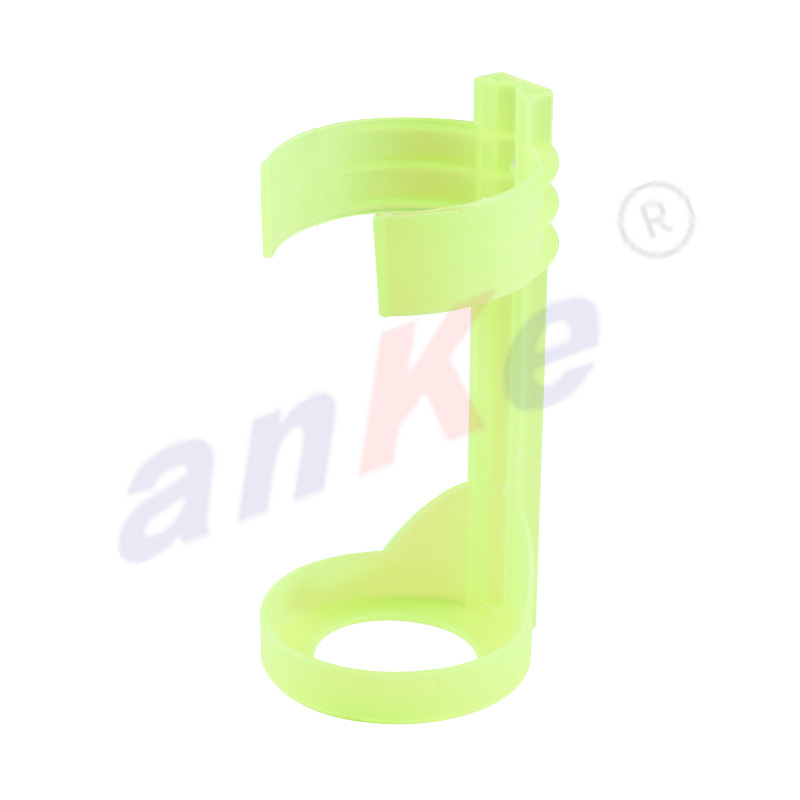
Fire Extinguisher Plastic Wall Mount Bracket 5017
-
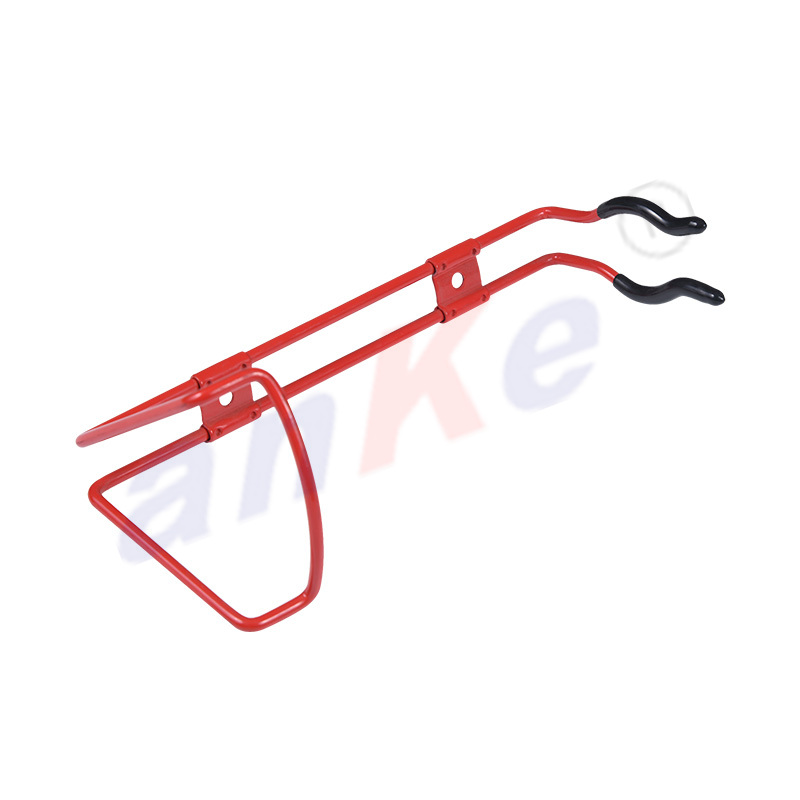
Fire Extinguisher Holder Extinguisher Steel
-

Fire Extinguisher Valve 1083
-
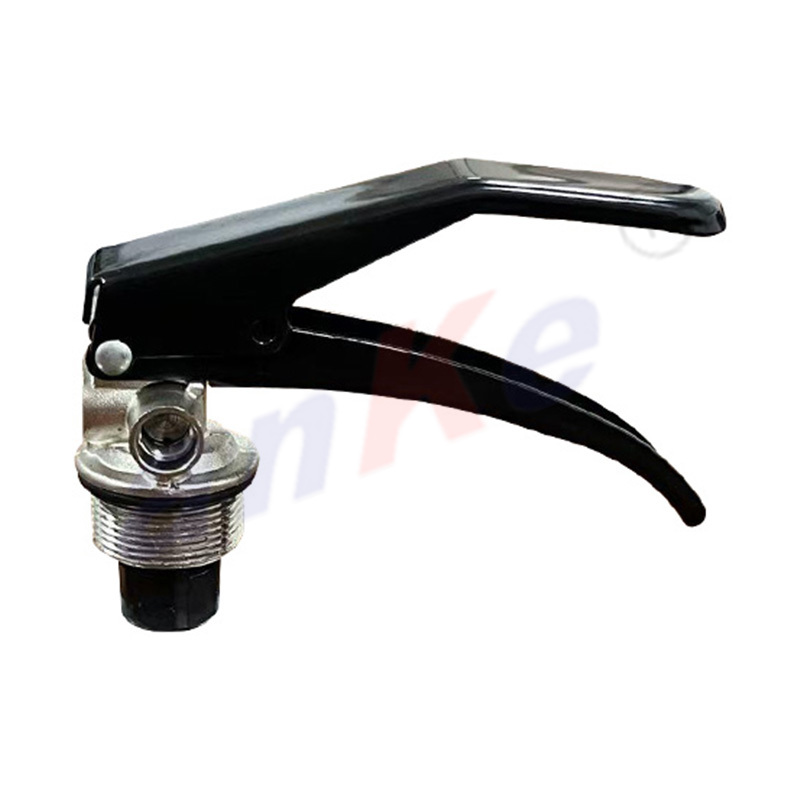
Fire Extinguisher Valve 1089C
-
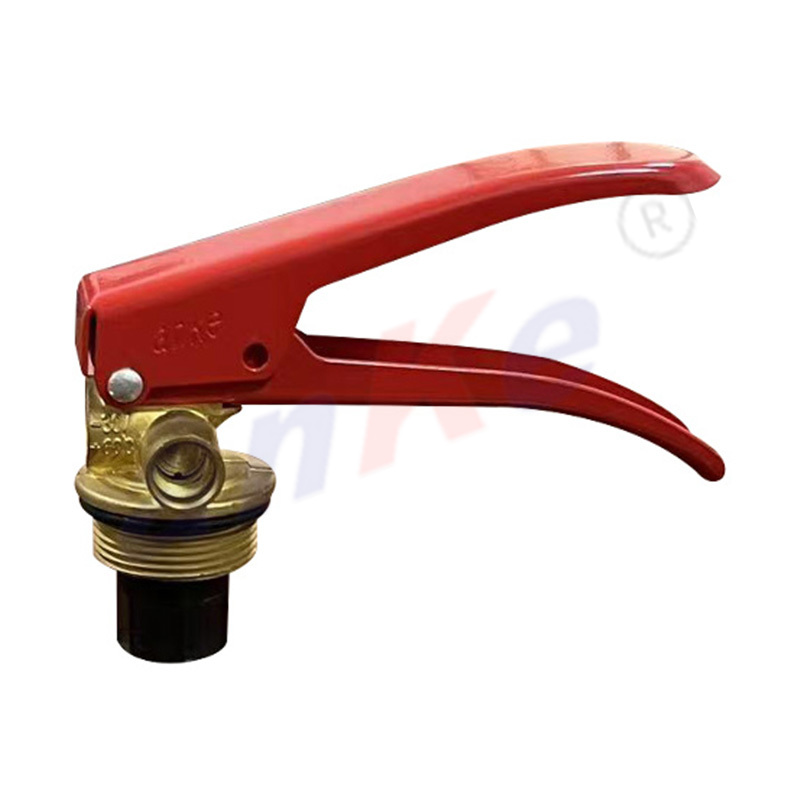
Fire Extinguisher Valve 1101E
-
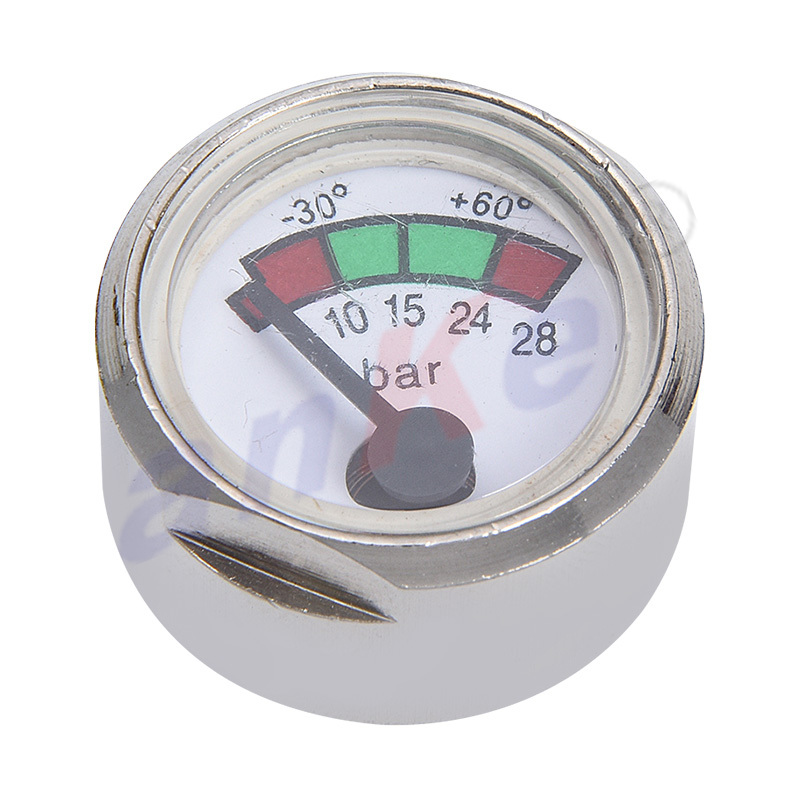
Fire Extinguishers Imitation Pressure Gauge
-
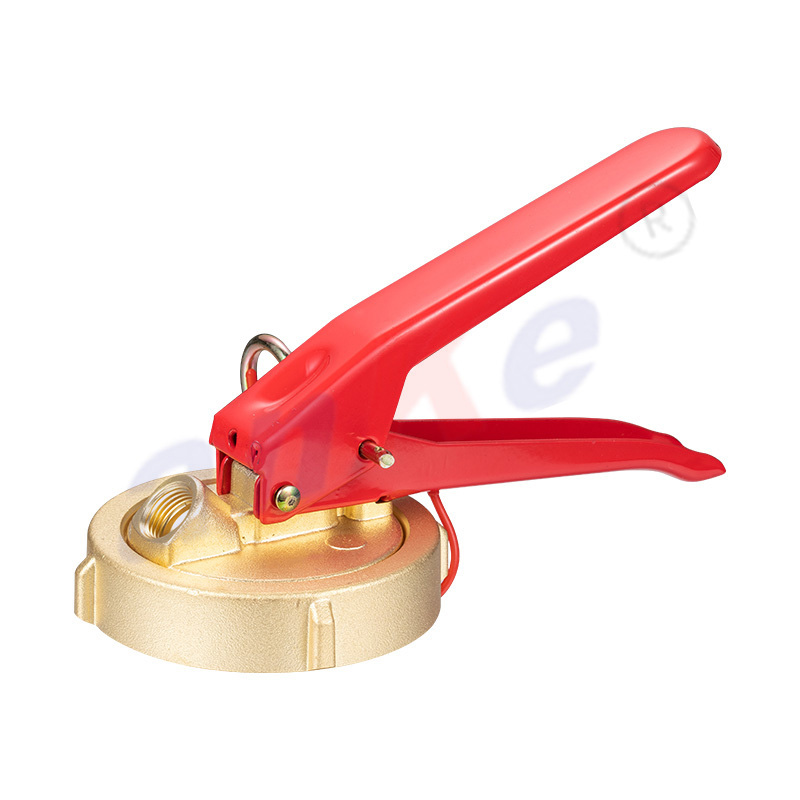
Fire Eipument Cylinder Valve for 6-9KG Cartridge Fire Extinguisher 1046
-
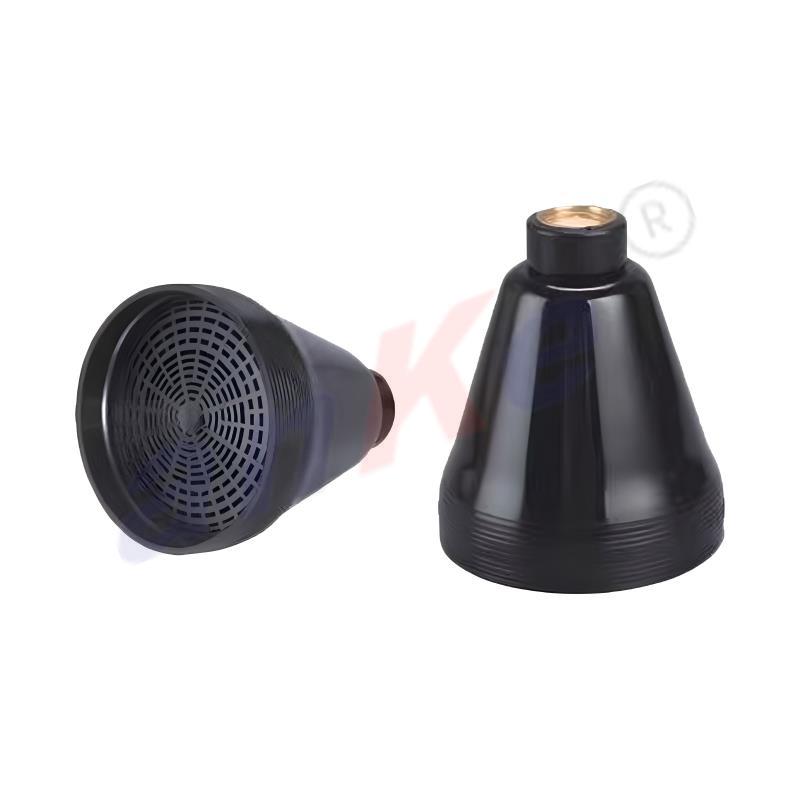
Fire Discharge Horn for 2-3KG CO2 Fire Extinguisher 19-36
-
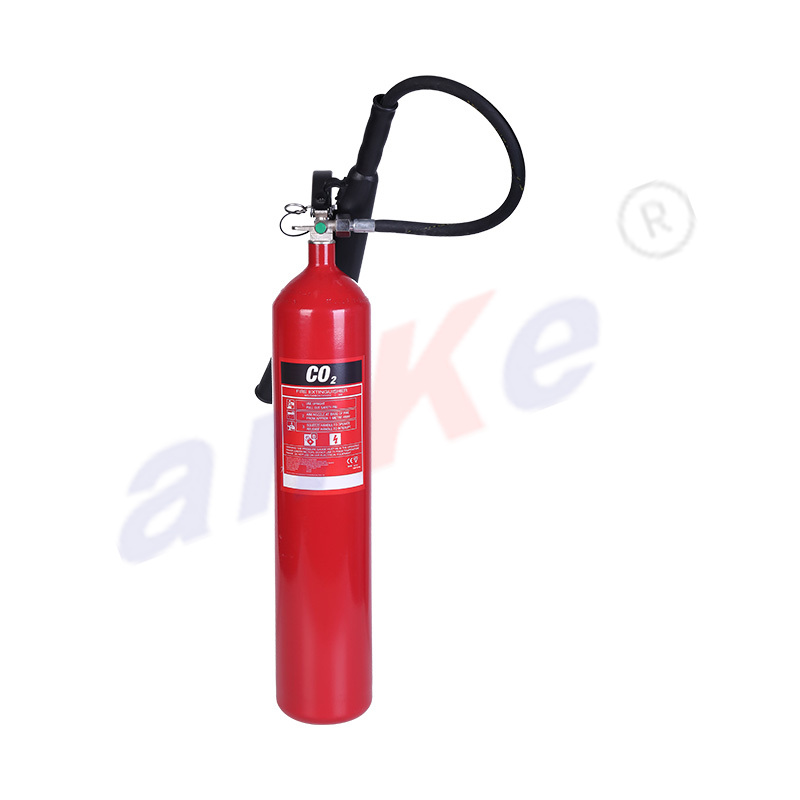
5KG Portable CO2 Alloy Steel Fire Extinguisher
-
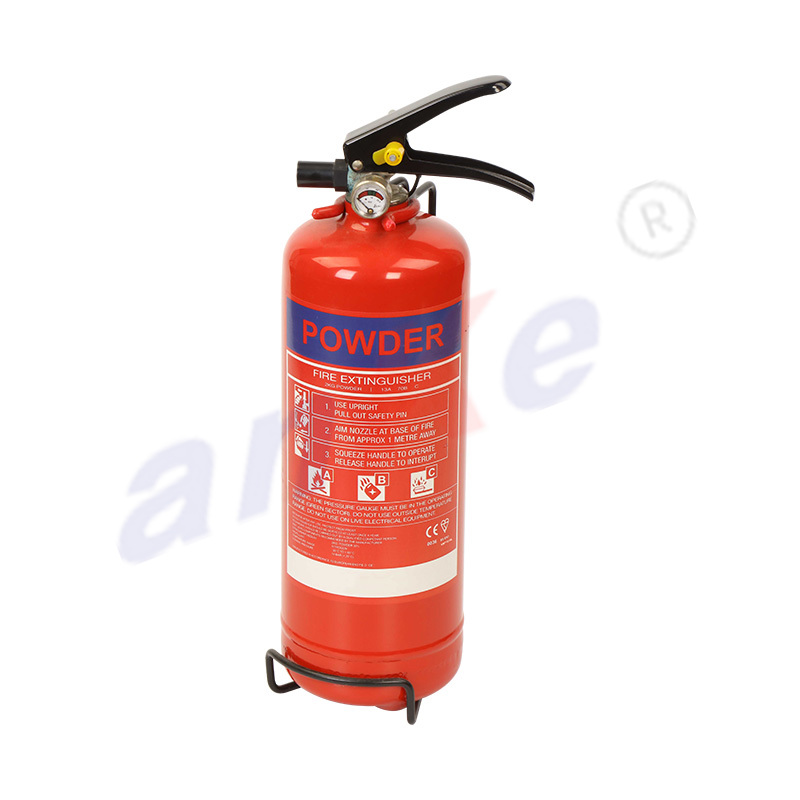
2KG Home Fire Eipument 30% ABC Dry Powder Fire Extinguisher
-
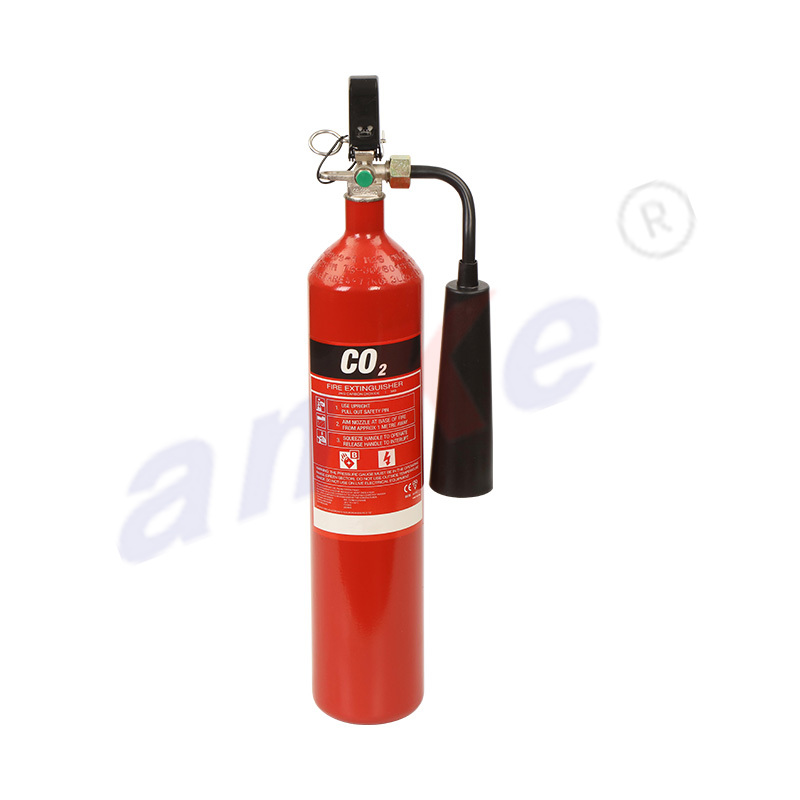
2KG Home Safety Emergency CO2 Alloy Steel Fire Extinguisher
-
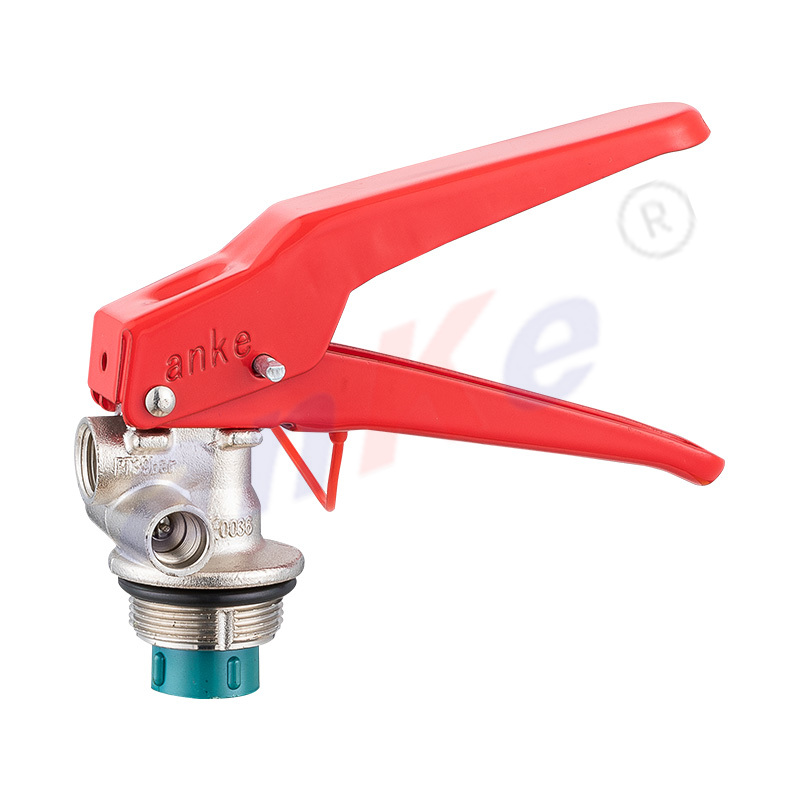
4-12KG Dry Powder Fire Extinguisher Valve 1001
Advantage: Cleanliness, Speed, and Personnel Safety
- Zero Residue: Agents evaporate cleanly after discharge, eliminating the need for extensive cleanup and minimizing equipment downtime.
- Ultra-Fast Extinguishment: Chemical agents (FM200/Novec 1230) achieve full suppression concentration in 10 seconds or less, halting fire spread instantly.
- High ODP/GWP Performance: Utilizing agents with Zero Ozone Depletion Potential (ODP) and Low Global Warming Potential (GWP), meeting modern environmental regulations.
- Precision Engineering: Cylinders, valves, and piping are custom-sized and hydro-tested for the specific agent and pressure, ensuring reliable discharge performance.
- Designed for Occupied Spaces: Inert Gas systems reduce oxygen only to safe levels (12-15%), making them suitable for areas where immediate evacuation may be delayed.
- UL/FM Component Approval: Critical components (cylinders, valves, nozzles) are third-party listed, guaranteeing system integrity and performance.
Specification: Agent Type and System Parameters
| Agent Types | FM200 (HFC-227ea), Novec 1230 (FK-5-1-12), Inert Gas (IG-55, IG-541) |
| System Type | Total Flooding (Engineered and Pre-Engineered) |
| Extinguishing Mechanism | Chemical Heat Absorption (FM200/Novec) / Oxygen Reduction (Inert Gas) |
| Discharge Time | 10 seconds (FM200/Novec); 60 to 120 seconds (Inert Gas) |
| Cylinder Pressure | 25 bar to 300 bar (Dependent on Agent) |
| System Components | Agent Cylinder, Valve Assembly, Discharge Nozzles, Detection System, Manual Release |
| Standard Compliance | NFPA 2001, ISO 14520, UL/FM Approved Components |
| Design Concentration | 5% to 10% (Chemical Agents); 37.5% to 50% (Inert Gas) |
Protection of Critical & High-Value Assets
Data Centers & Server Farms
Novec 1230 or FM200 systems used to protect server racks and electronic equipment without causing downtime or physical damage.
Telecommunication Switch Sites
Utilizing clean agents for fast suppression in remote or unmanned telecom facilities where continuity is vital.
Archives & Museums
Inert gas systems (IG-55) used to protect historical documents and valuable artifacts, preventing water or chemical damage.
Industrial Control Rooms
Protecting critical Human-Machine Interface (HMI) and electrical control panels in manufacturing or power generation plants.
Marine Engine Rooms
CO2 or Clean Agent systems used in engine compartments of commercial vessels where space and residue are critical concerns.



 Phone: +86-13456107058/+86-15967800709
 Tel: +86-574-62010128/+86-574-62010688
 E-mail:
  Factory: Huilong Village, Huangjiabu Town, YuyaoCity,Zhejiang Province, China





 Domestic
 Overseas
 VR Catalogue
