
 en
en  English
 中文简体
中文简体 Español

Introduction: Pressure Control in System Piping and Vessels
Pneumatic Safety Relief Valves (SRVs) are essential safety devices designed to automatically relieve excessive pressure from a system (such as air tanks, closed-loop water systems, or high-pressure gas lines) to prevent catastrophic failure, rupture, or equipment damage. In fire protection, they are critical for maintaining supervisory air pressure and for high-pressure clean agent cylinder integrity.
These valves are set to "pop" open when the internal pressure exceeds a predetermined set point, instantly venting the excess pressure until the system pressure drops to a safe level, at which point the valve reseats. SRVs are characterized by their set pressure, blowdown (the difference between set and reseat pressure), and flow capacity (CFM or L/min).
For fire applications, they are used to protect air compressors used for dry pipe/pre-action systems (NFPA 13), protect water lines from thermal expansion, and ensure the safety of high-pressure clean agent cylinders (NFPA 2001). All valves must be UL listed or ASME certified to ensure accurate pressure relief. (Approx. 540 words)
Related Products
-
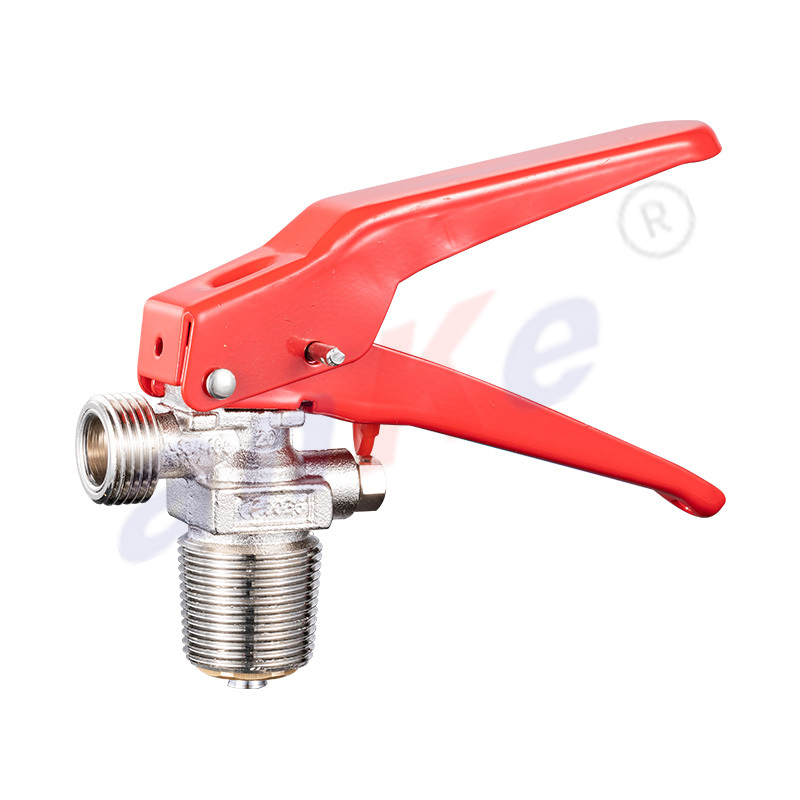
Italian style CO2 Fire Extinguisher Valve with Safety Divice Suit For 2-9KG Cylinders Nickel-plating and chrome-plating 2016
-
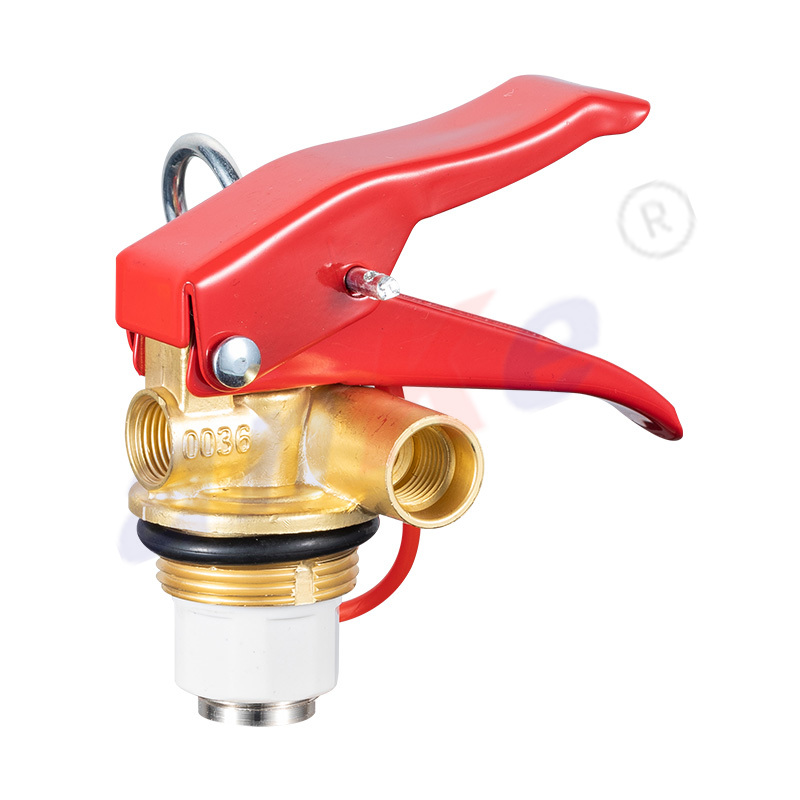
1-2KG Fire Extinguisher Brass Safety Cylinder Valve 1135
-
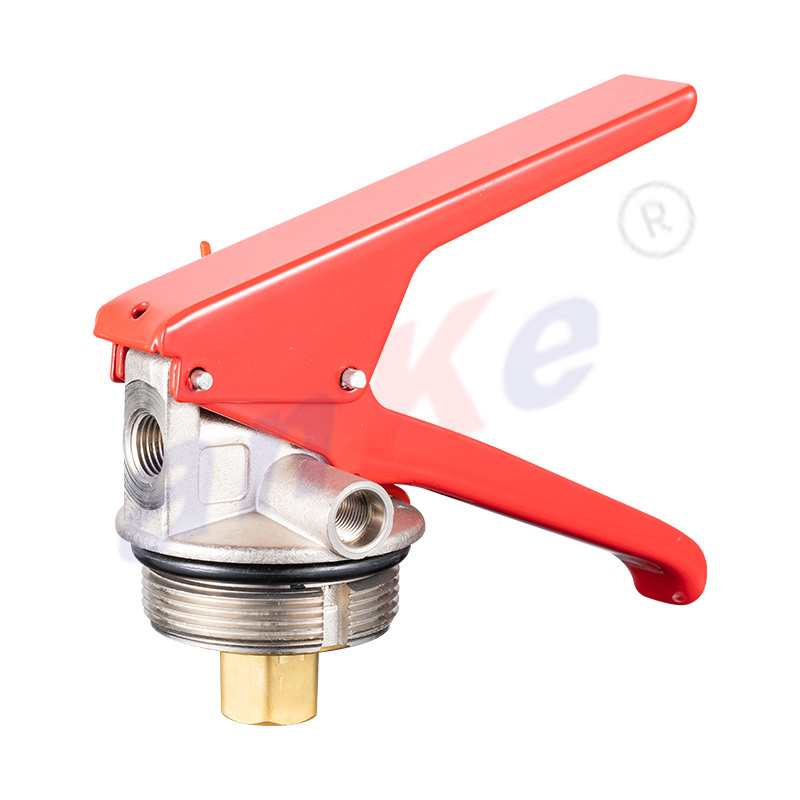
Red Safety Handle Valve for 6-9KG Fire Extinguisher 1107
-
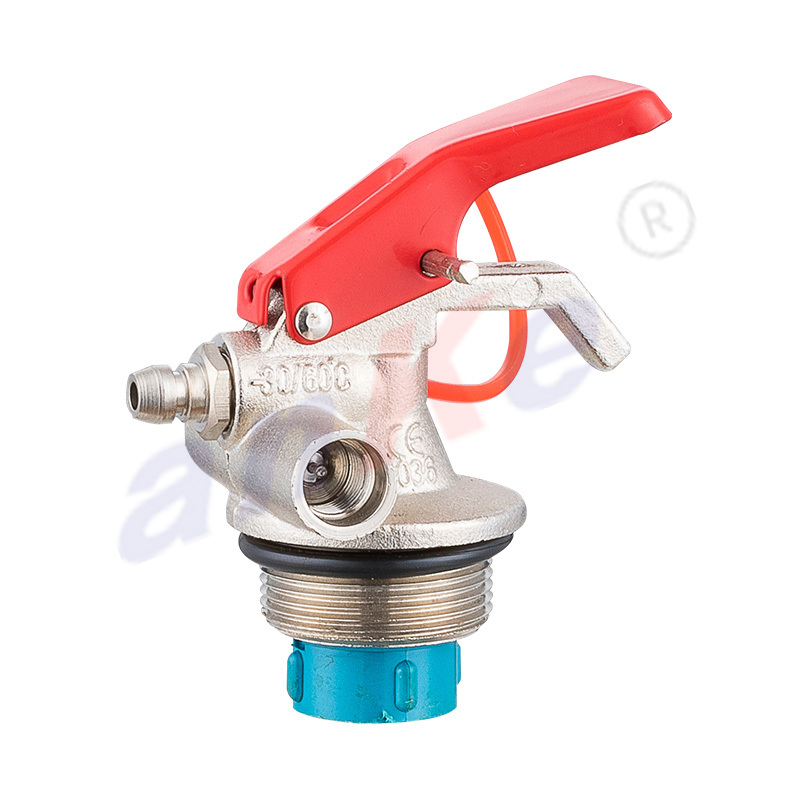
1-2KG Water/ Powder Fire Extinguisher Fire Eipument Safety Valve 1002C
-
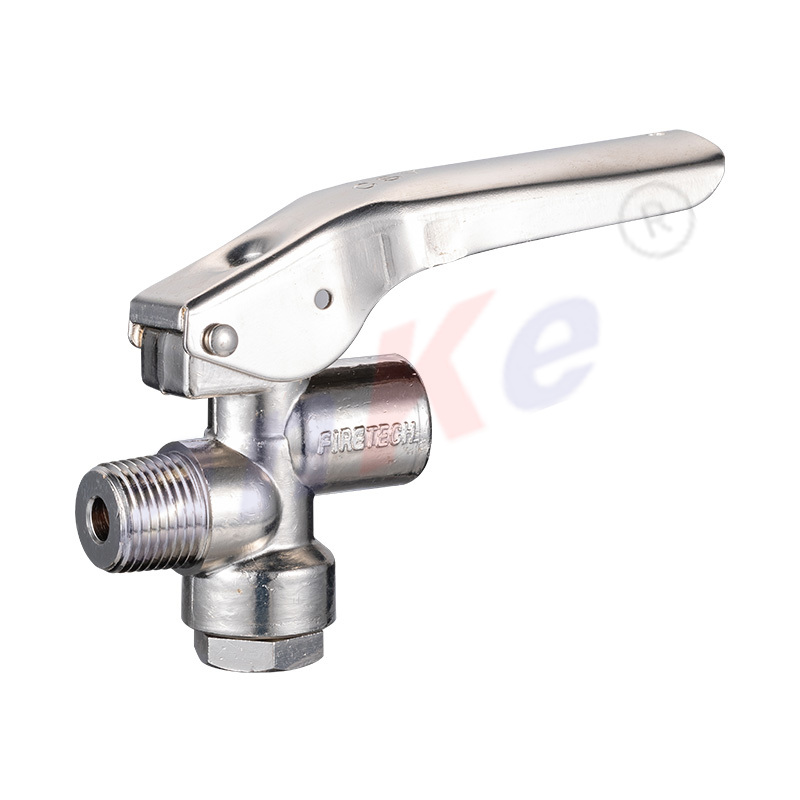
Silver Fire Cylinder Valve Safety Release Valve for Fire Extinguisher 2076
-
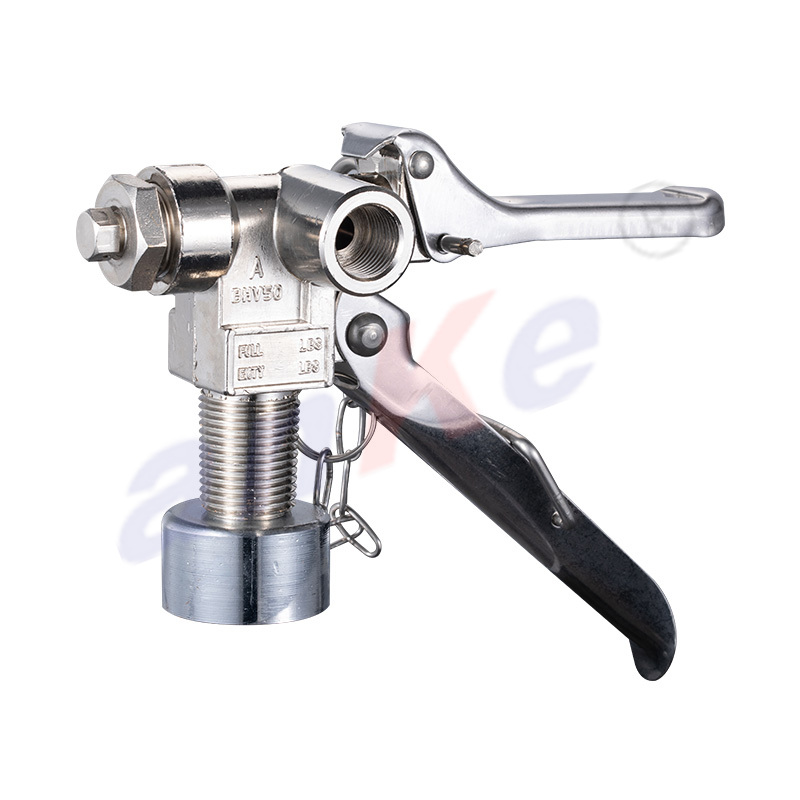
Practical Safety Stainless Steel Fire Extinguisher Valve 2060
-
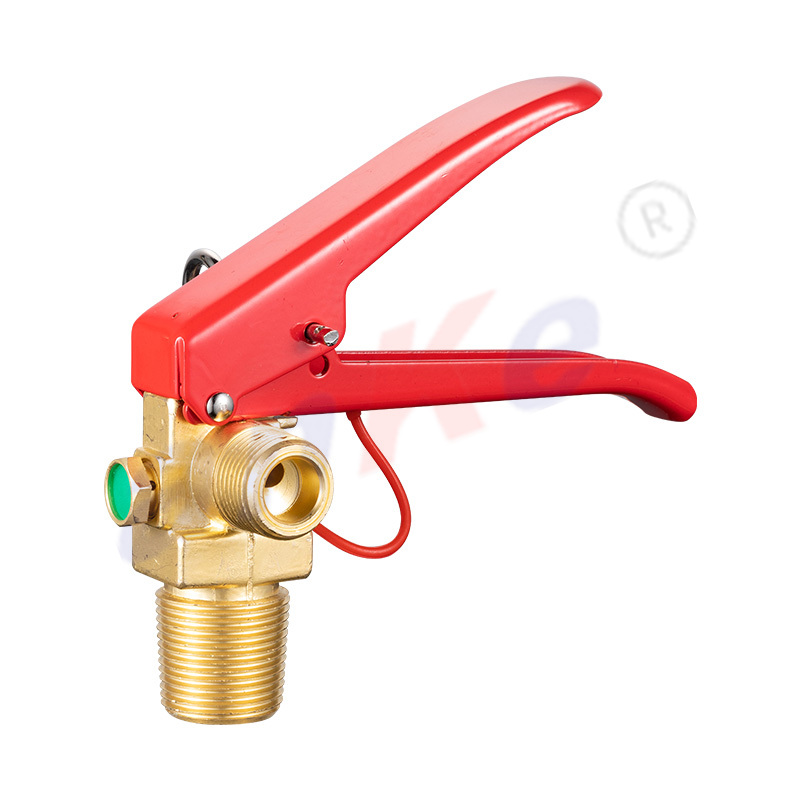
Brass Body Red Handle Safety valve for 2KG, 3KG CO2 fire extinguisher 2007
-
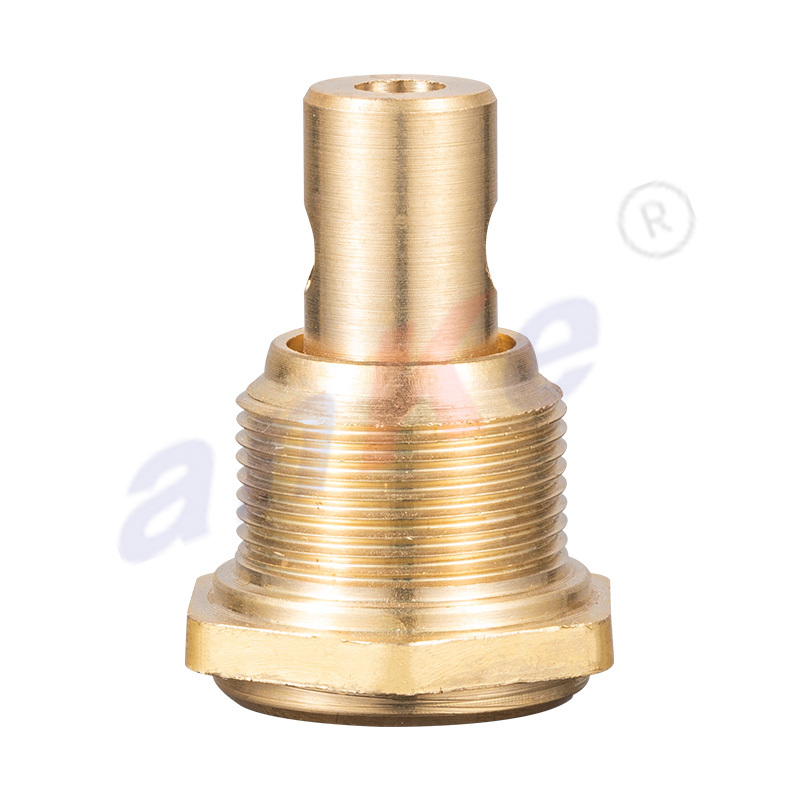
Tank Hexagon Safety Gas Valve Q-001
-
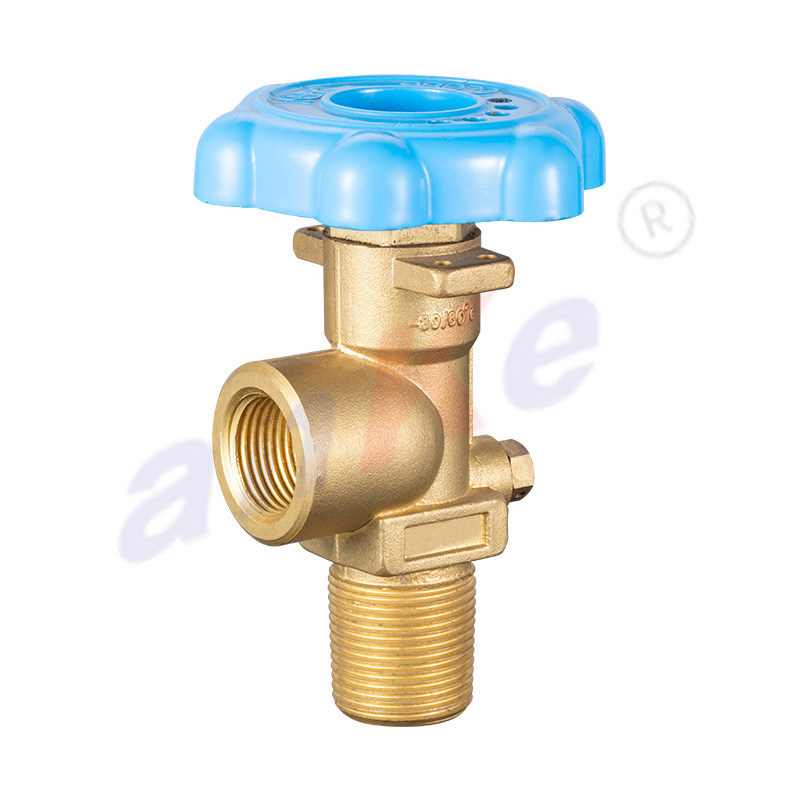
High Quality Handwheel Gas valve Safety Gas Control Valve 2013
-

9KG 20% ABC Dry Powder Safety High quality Fire Extinguisher
-
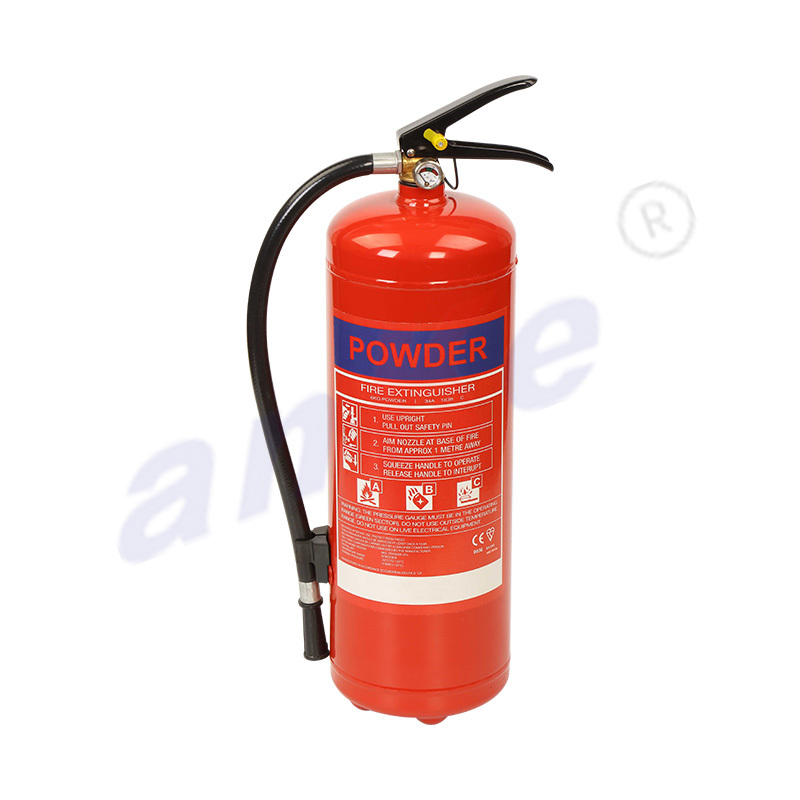
6KG Foam Fire Extinguisher Safety Fire Eipument
-
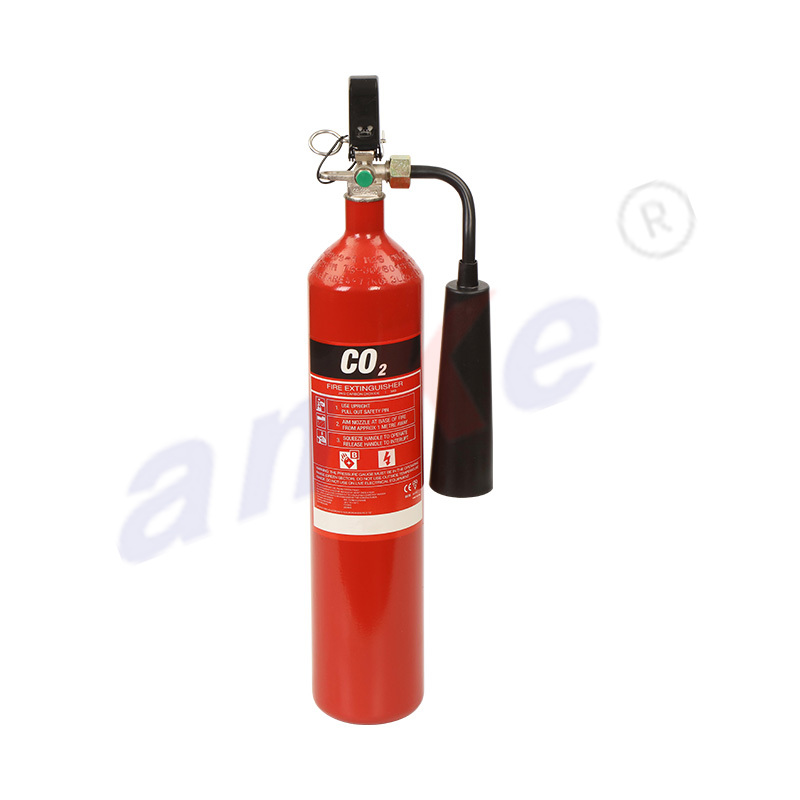
2KG Home Safety Emergency CO2 Alloy Steel Fire Extinguisher
Advantage: ASME Certified Accuracy, Safety, and Reliability
- Catastrophic Failure Prevention: Guarantees that internal system pressure will not exceed the design limits of the piping, tanks, or vessels.
- Precise Set Point: Valves are factory-tested and sealed to ensure they open precisely at the designated pressure, meeting strict ASME or UL standards.
- Corrosion Resistance: Stainless steel options (316) are available for protection in chemical environments or high-humidity areas.
- NFPA Compliance: Essential for meeting the overpressure protection requirements of NFPA 13 (sprinklers) and NFPA 2001 (clean agents).
- Automatic Reset: The spring-loaded design ensures the valve automatically closes (reseats) after relieving the pressure, minimizing agent/air loss.
- Tamper Proof: Valves are typically supplied with a lock wire or seal to prevent unauthorized alteration of the factory-set pressure.
Specification: Set Pressure, Blowdown, and Flow
| Valve Type | Spring-Loaded Safety Relief Valve (SRV) |
| Actuation | Automatic, Spring-Activated Pressure Release |
| Set Pressure Range | 10 psi to 6000 psi (Dependent on Application) |
| Blowdown (Reseat) | 2% to 7% Below Set Pressure (Typical) |
| Flow Capacity | Rated in SCFM or L/min (Dependent on Orifice Size) |
| Connection Size | 1/4 inch to 2 inch NPT/BSP |
| Standard Compliance | ASME Boiler and Pressure Vessel Code, UL Listed, NFPA 13/2001 |
| Material | Brass, Bronze, or Stainless Steel (316) |
Overpressure Protection for System Integrity
Dry Pipe / Pre-Action Air Compressors
Installed on the air supply line or receiver tank to ensure the compressor does not exceed the maximum allowable supervisory air pressure in the sprinkler system (NFPA 13).
Clean Agent Cylinder Safety
Integrated into the cylinder valve assembly to relieve pressure if the cylinder is exposed to fire/extreme heat, preventing tank rupture (NFPA 2001).
Closed-Loop Water Systems
Installed on the discharge of the fire pump or closed water loop to relieve pressure caused by thermal expansion or sudden pump surges.
Fire Pump Casing Relief
Small relief valves used to prevent overheating and overpressure within the fire pump casing during "churn" (no flow) conditions.
High-Pressure Gas Storage
Used on storage tanks for inert gas agents (e.g., Nitrogen, Argon) to prevent overpressure due to temperature changes.




 Phone: +86-13456107058/+86-15967800709
 Tel: +86-574-62010128/+86-574-62010688
 E-mail:
  Factory: Huilong Village, Huangjiabu Town, YuyaoCity,Zhejiang Province, China





 Domestic
 Overseas
 VR Catalogue
