The Vital Role of the Portable Fire Extinguisher in Modern Safety
In the complex world of fire safety, the Portable Fire Extinguisher stands as a primary line of defense. It is a specialized device designed to suppress or extinguish small fires, preventing them from developing into life-threatening emergencies. The effectiveness of a Portable Fire Extinguisher is rooted in its immediate accessibility and its ability to deliver a concentrated extinguishing agent directly to the source of ignition. Whether in a residential kitchen, a commercial office, or a high-risk industrial facility, having the right Portable Fire Extinguisher is not just a regulatory requirement but a fundamental necessity for protecting lives and valuable assets.
The reliability of any Portable Fire Extinguisher is deeply connected to the quality of its internal components. Ningbo Kaituo Valve Co., Ltd., also known as Ningbo Anke Fire Equipment Co., Ltd., is a young and dynamic factory specializing in the research and development, production, and export of high-tier fire equipment. Founded in 2001, the company has spent over two decades perfecting the accessories that make a Portable Fire Extinguisher functional. By owning the anke brand and a number of national high-tech patents, they have established themselves as a leader in providing the international market with high-quality fire protection products. Their focus on the production of various types of Portable Fire Extinguisher accessories, marine gas cylinder valves, and gas valves ensures that the fire suppression industry has access to the most durable hardware available.
When a fire occurs, the pressure-containing components of a Portable Fire Extinguisher must perform without fail. Ningbo Kaituo Valve Co., Ltd. has implemented continuous improvement and process reforms to ensure their products meet the highest international standards. In 2007, their products obtained the EU EN and CE certification, proving their suitability for global safety applications. For any facility manager or homeowner, understanding the mechanics and classifications of their Portable Fire Extinguisher is the first step toward a comprehensive safety plan.
Comprehensive Fire Classifications for Portable Fire Extinguisher Selection
Choosing the correct Portable Fire Extinguisher requires a thorough understanding of the different classes of fire. Each class is defined by the fuel source, and using an incompatible Portable Fire Extinguisher can result in catastrophic failure or even personal injury. Below is a detailed breakdown of these classifications and the corresponding Portable Fire Extinguisher types designed to handle them.
| Fire Class |
Fuel Source Type |
Ideal Portable Fire Extinguisher Agent |
| Class A |
Ordinary combustibles such as wood, paper, cloth, and many plastics. |
Water, ABC Dry Chemical, or Foam Portable Fire Extinguisher. |
| Class B |
Flammable liquids like gasoline, oil, grease, and oil-based paints. |
CO2, Dry Chemical, or Foam Portable Fire Extinguisher. |
| Class C |
Flammable gases including propane, butane, and methane. |
Dry Powder Portable Fire Extinguisher. |
| Class D |
Combustible metals such as magnesium, titanium, and sodium. |
Specialized Dry Powder Portable Fire Extinguisher only. |
| Class E |
Energized electrical equipment, computers, and motors. |
CO2 or Non-conductive Dry Chemical Portable Fire Extinguisher. |
| Class F/K |
Cooking oils and fats used in commercial and domestic kitchens. |
Wet Chemical Portable Fire Extinguisher. |
The Importance of Class-Specific Agents
A Portable Fire Extinguisher designed for Class A fires works primarily by cooling the fuel below its ignition temperature or by coating the surface to block oxygen. However, if a water-based Class A Portable Fire Extinguisher is used on a Class B grease fire, the water will sink and vaporize instantly, causing the burning oil to splash and spread the fire. This is why multi-purpose Portable Fire Extinguisher units, often labeled as ABC, are so popular in general environments. These units utilize a dry chemical powder that is effective across three major classes, providing a versatile solution for most common fire hazards.
Specialized Industrial Hazards
In environments dealing with combustible metals, a standard Portable Fire Extinguisher is ineffective. A Class D fire requires an agent that can absorb heat and smother the metal without reacting with it. Similarly, Class F/K fires in kitchens require a Portable Fire Extinguisher that can create a "saponification" effect, turning the burning fat into a non-flammable soap. Ningbo Anke Fire Equipment Co., Ltd. provides the high-quality valves and accessories needed for these specialized Portable Fire Extinguisher models, ensuring that the heavy-duty agents are discharged safely and effectively.
Technical Analysis of Extinguishing Agents in a Portable Fire Extinguisher
The internal medium of a Portable Fire Extinguisher dictates how it interrupts the combustion process. Different environments require different agents to minimize collateral damage and maximize suppression speed.
Dry Chemical Agents
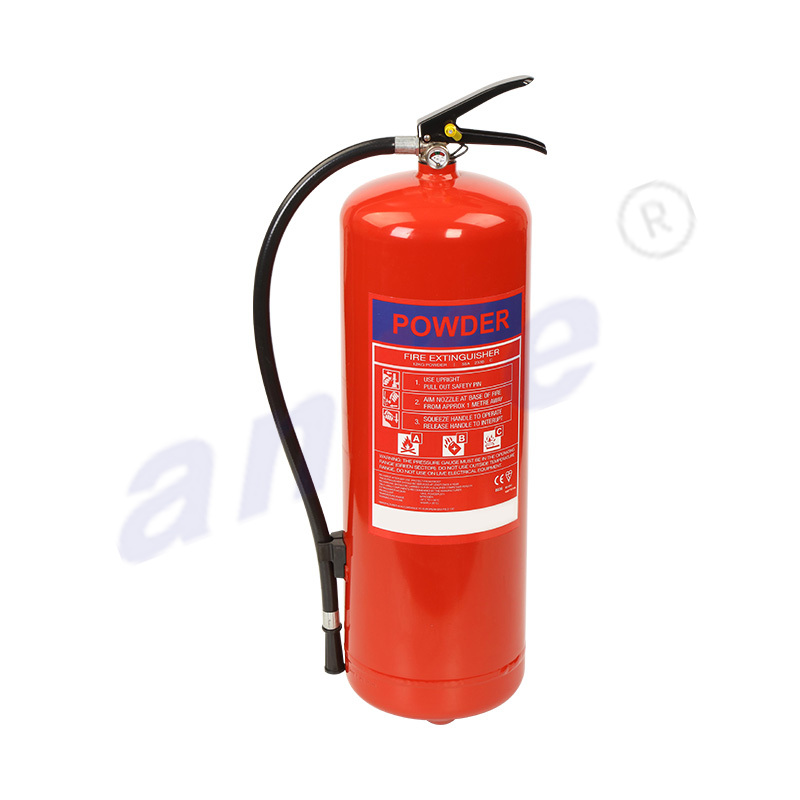
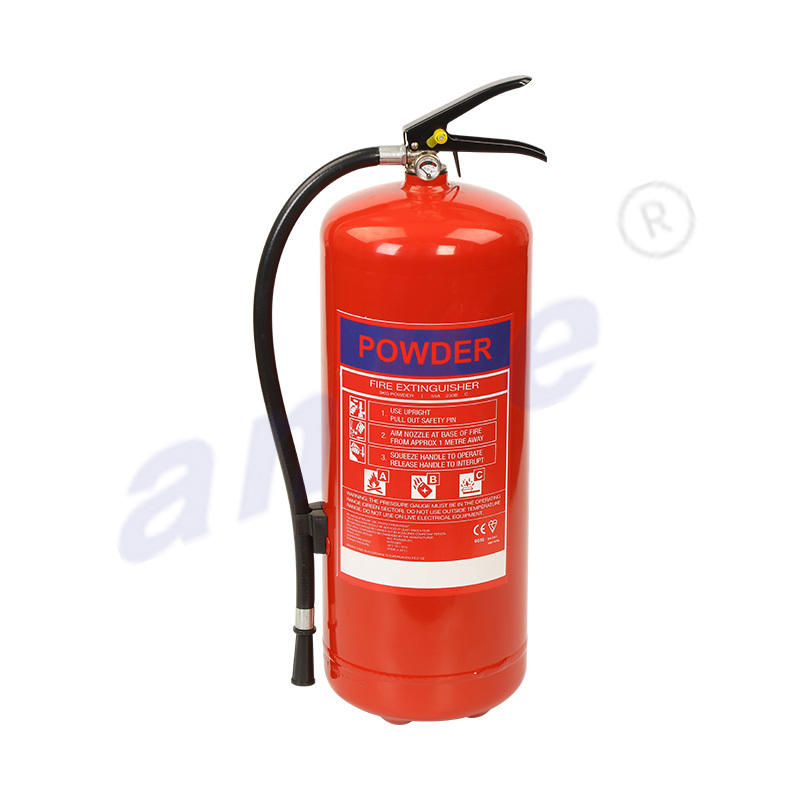
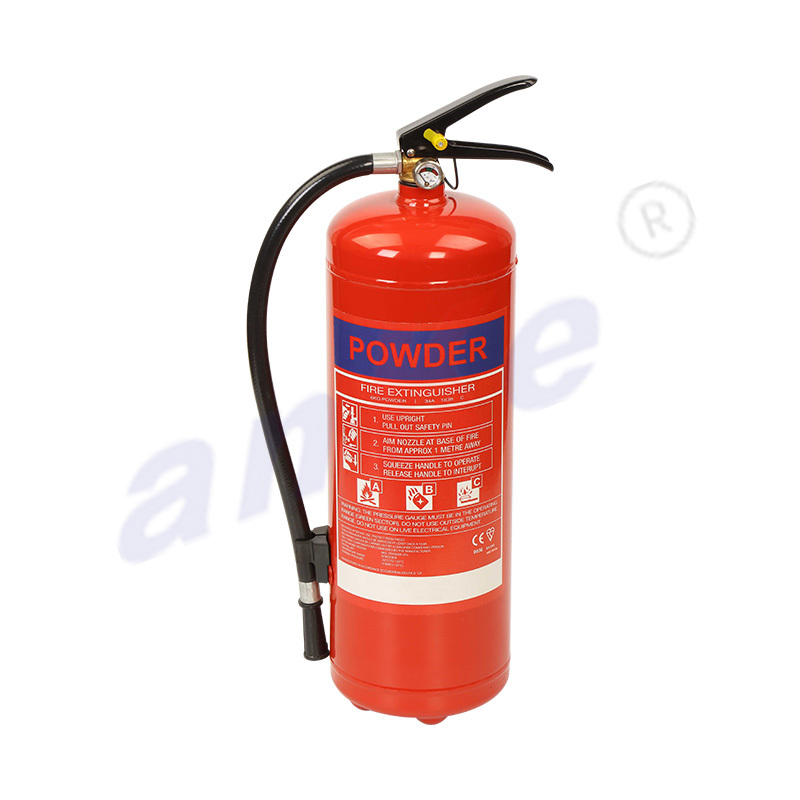
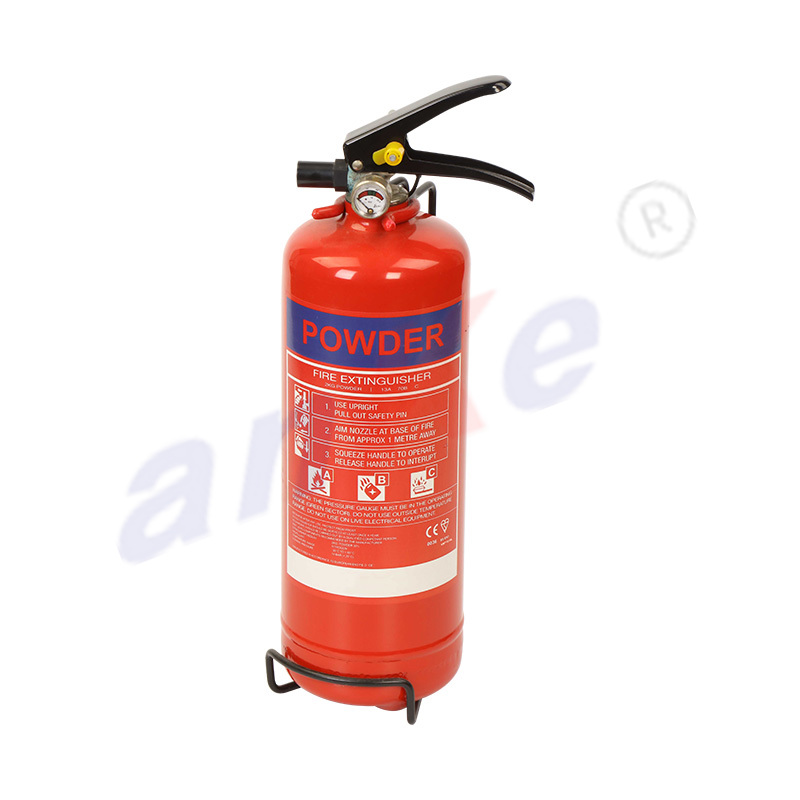
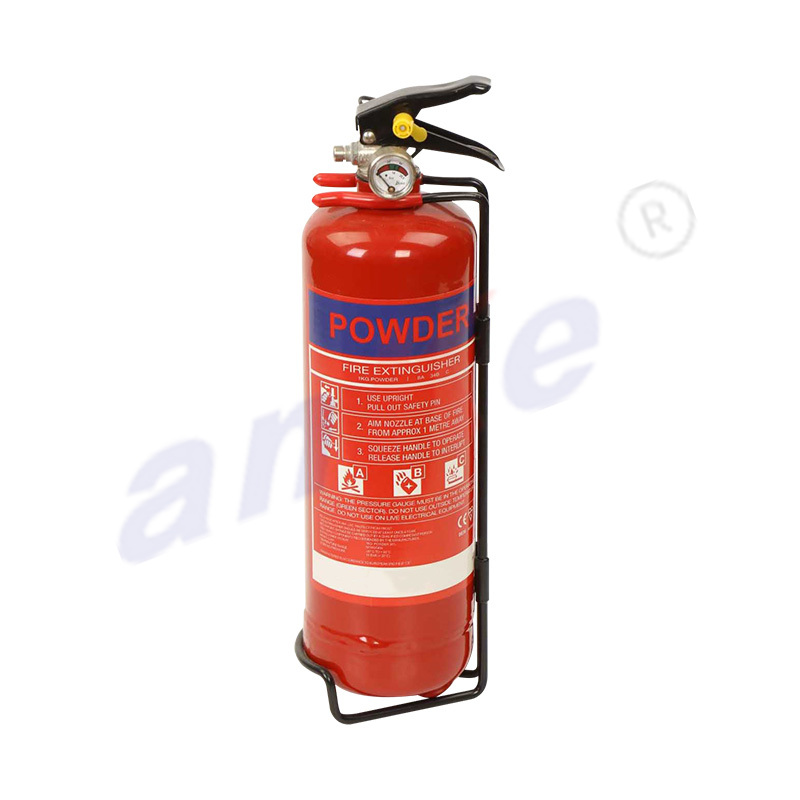
The most common agent found in a Portable Fire Extinguisher is monoammonium phosphate (ABC powder). This powder is highly effective because it breaks the chemical chain reaction of the fire. When discharged from a Portable Fire Extinguisher, the powder melts and forms a barrier between the fuel and the oxygen. Because these powders can be abrasive, the valves produced by Ningbo Kaituo Valve Co., Ltd. are engineered to resist clogging, ensuring the Portable Fire Extinguisher remains reliable even after years of being stored.
Carbon Dioxide (CO2) Agents
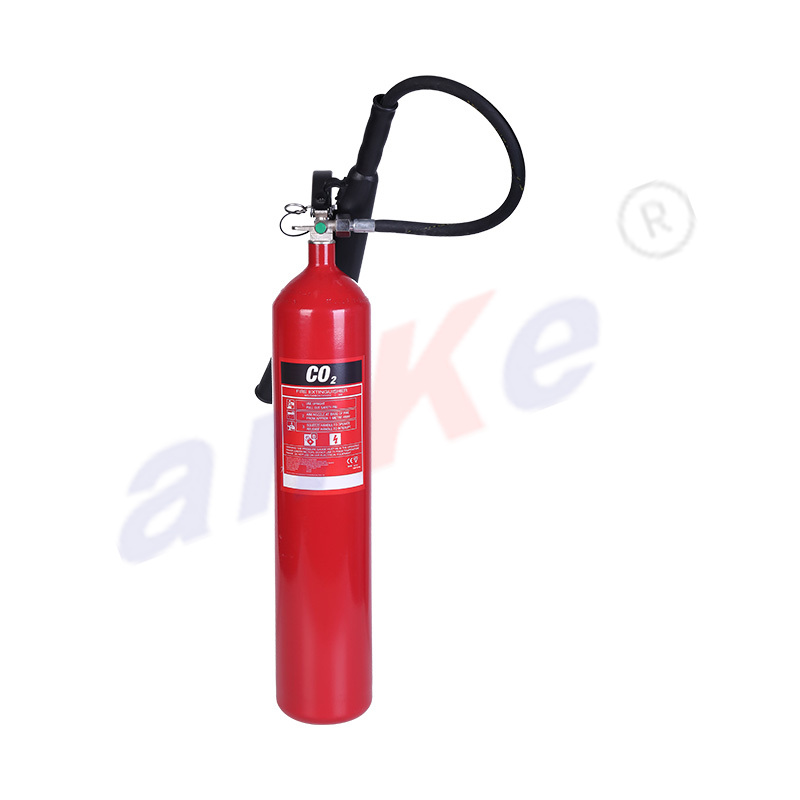
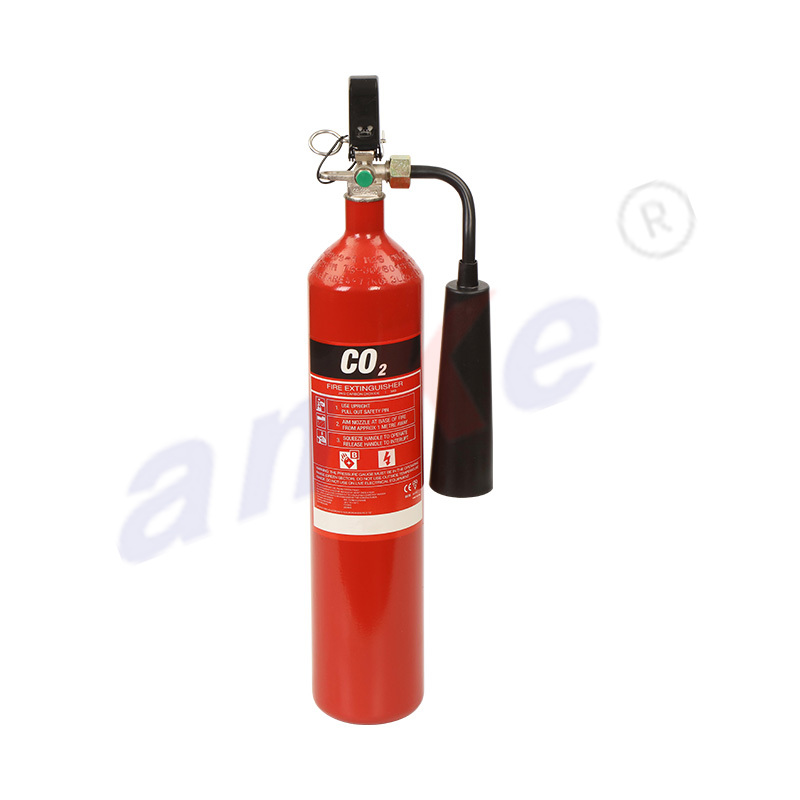
A CO2 Portable Fire Extinguisher is preferred for protecting sensitive electronic equipment. CO2 is a non-conductive, clean gas that leaves no residue after use. It works by displacing the oxygen around the fire. Since CO2 is stored at very high pressures, the Portable Fire Extinguisher must be equipped with superior valves. Ningbo Anke Fire Equipment Co., Ltd. specializes in marine gas cylinder valves and high-pressure gas valves that are ideal for CO2 Portable Fire Extinguisher applications, providing the necessary strength to contain the gas safely until deployment.
Foam and Water Agents
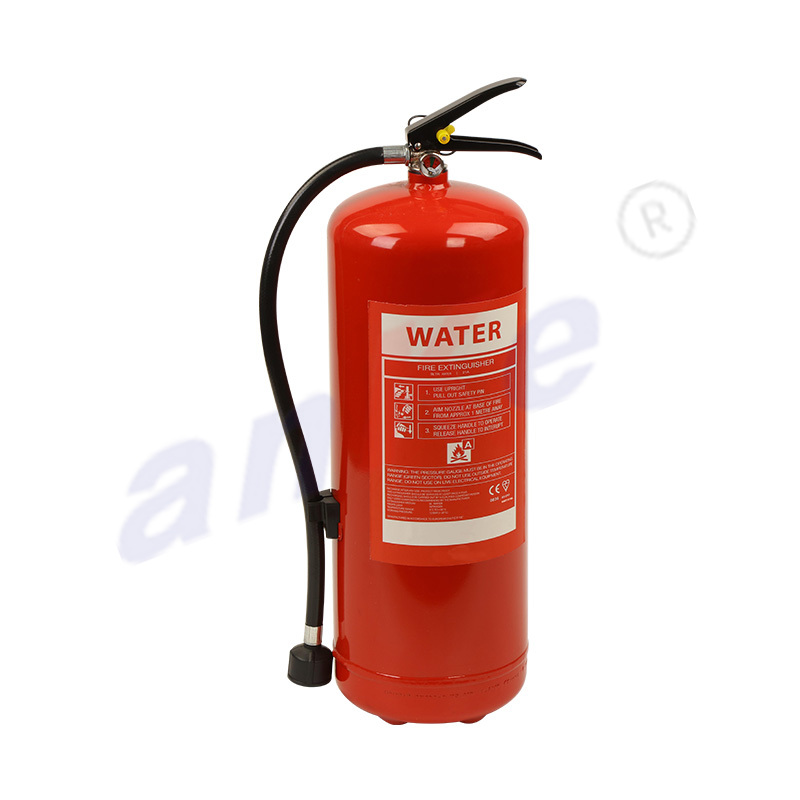
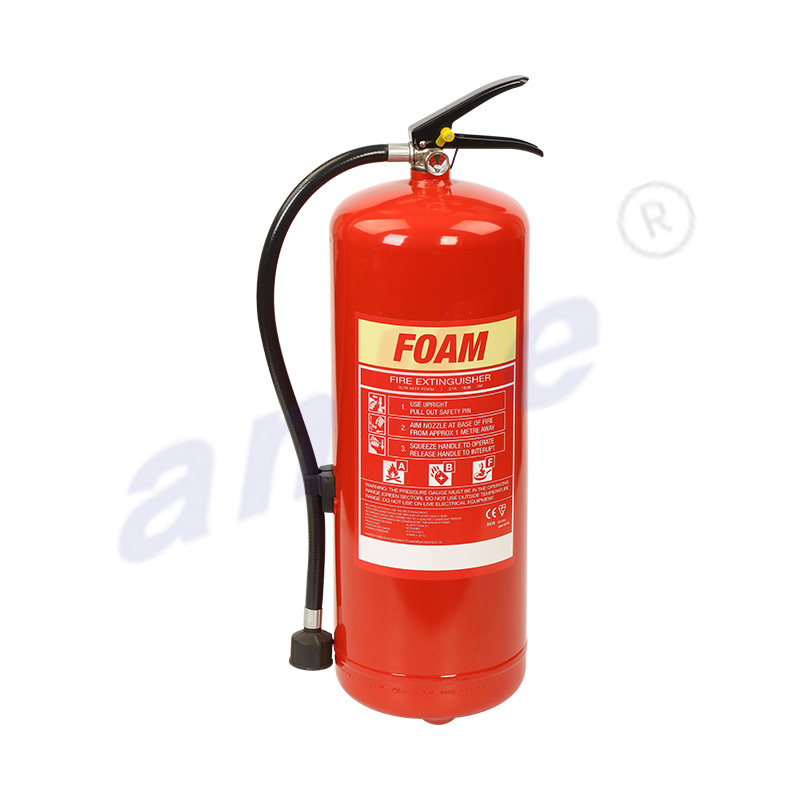
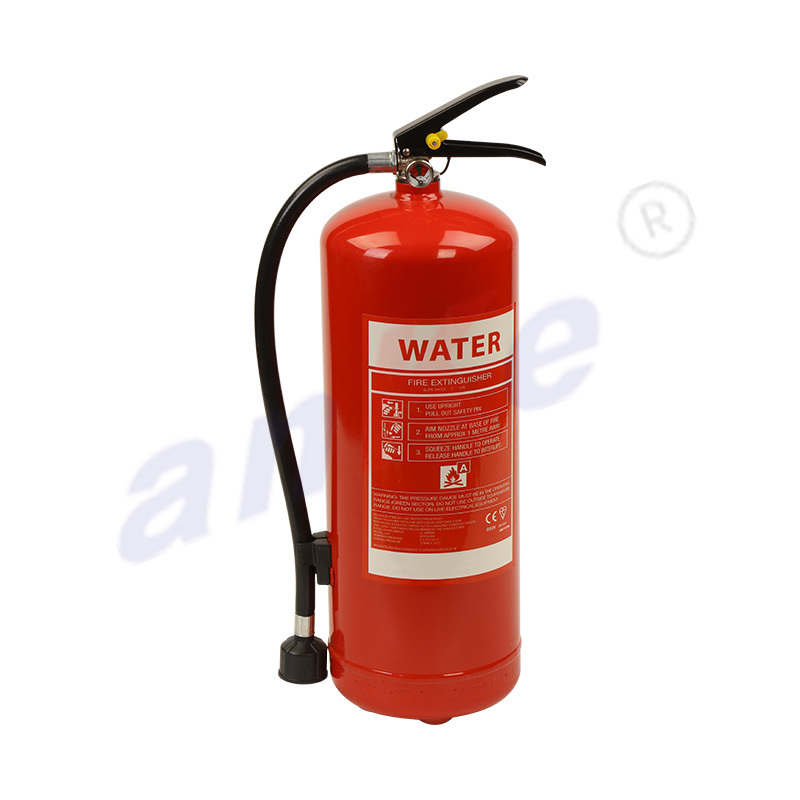
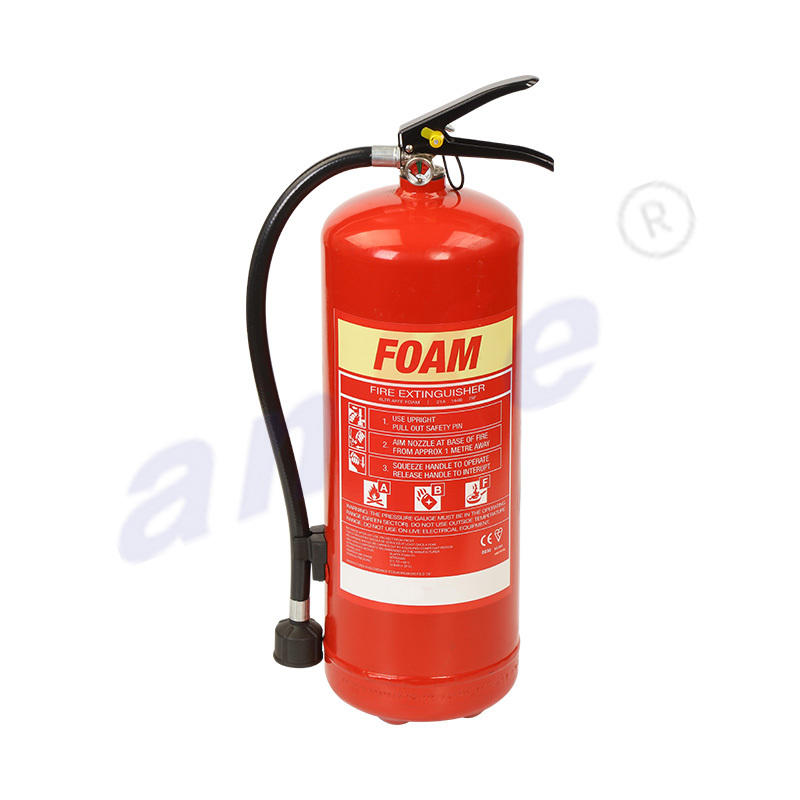
Water-based Portable Fire Extinguisher units are excellent for deep-seated Class A fires. Foam units add a layer of aqueous film that floats on flammable liquids, making them highly effective for Class B hazards. The nozzle and valve design of the Portable Fire Extinguisher must be precisely calibrated to ensure the foam expands correctly. Through their professional research and development, Ningbo Kaituo Valve Co., Ltd. has optimized these accessories to ensure peak performance for the anke brand of products.
Engineering Excellence: The Construction of a Portable Fire Extinguisher
A Portable Fire Extinguisher is a high-pressure vessel that must remain dormant for years yet function perfectly in seconds. The construction quality determines the lifespan and safety of the device.
The Cylinder and Pressure Vessel
The body of a Portable Fire Extinguisher is typically made of high-strength steel or aluminum. It must withstand significant internal pressure without leaking. Any Portable Fire Extinguisher exported to the international market must undergo rigorous pressure testing. Ningbo Kaituo Valve Co., Ltd. ensures that the accessories they provide contribute to the overall structural integrity of the Portable Fire Extinguisher, adhering to the EU EN and CE standards they achieved in 2007.
The Valve and Discharge Mechanism
The valve is the most critical mechanical part of a Portable Fire Extinguisher. It controls the release of the extinguishing agent and maintains the seal of the propellant gas. Ningbo Anke Fire Equipment Co., Ltd. has built its reputation on the production of these high-quality fire extinguisher accessories. Their valves are designed to be intuitive and robust, allowing for a Portable Fire Extinguisher to be operated easily by anyone during an emergency. The precision machining of their gas valves ensures that there is no pressure loss over time, keeping the Portable Fire Extinguisher ready for action at any moment.
Pressure Gauges and Siphon Tubes
Every rechargeable Portable Fire Extinguisher is equipped with a pressure gauge. This gauge provides a visual confirmation that the Portable Fire Extinguisher is pressurized and ready. Inside, a siphon tube extends to the bottom of the cylinder, ensuring that the extinguishing agent—rather than just the propellant gas—is what exits the nozzle. Ningbo Kaituo Valve Co., Ltd. provides a complete range of these components, ensuring that every part of the Portable Fire Extinguisher assembly meets their high-tech patent standards.
Operational Mastery: The PASS Method for the Portable Fire Extinguisher
Knowledge of how to use a Portable Fire Extinguisher is as important as having the device itself. The industry-standard PASS method ensures that the user operates the Portable Fire Extinguisher effectively while maintaining a safe distance from the flames.
Step-by-Step PASS Procedure
- Pull: The user must pull the safety pin located at the top of the Portable Fire Extinguisher. This pin is held in place by a plastic tamper seal, which breaks when pulled. This action unlocks the handle, allowing the Portable Fire Extinguisher to be discharged.
- Aim: The nozzle of the Portable Fire Extinguisher should be pointed at the base of the fire. Aiming at the top of the flames is a common mistake that wastes the extinguishing agent. By targeting the fuel at the base, the Portable Fire Extinguisher can effectively break the fire's foundation.
- Squeeze: Squeeze the lever of the Portable Fire Extinguisher firmly. This opens the valve and allows the pressurized agent to escape through the hose. The high-quality lever mechanisms from Ningbo Kaituo Valve Co., Ltd. are designed for smooth operation under stress.
- Sweep: Using a side-to-side motion, sweep the Portable Fire Extinguisher spray across the base of the fire. The user should continue this motion until the fire is completely out or the Portable Fire Extinguisher is empty.
Safety Precautions During Operation
When operating a Portable Fire Extinguisher, the user should always keep their back to a clear exit. This ensures that if the Portable Fire Extinguisher fails to control the fire, the user can escape safely. Furthermore, it is essential to watch the area for several minutes after the fire appears to be extinguished, as reignition can occur if the fuel source remains hot enough. The reliability of anke brand accessories ensures that the Portable Fire Extinguisher provides a consistent and powerful discharge to minimize these risks.
Strategic Deployment and Layout of the Portable Fire Extinguisher
The placement of a Portable Fire Extinguisher determines how quickly a fire can be addressed. A poorly placed Portable Fire Extinguisher is essentially useless in a fast-moving fire emergency.
Commercial and Industrial Layout
In large facilities, the distance between any point in the building and the nearest Portable Fire Extinguisher should be minimized. For Class A hazards, the travel distance should generally not exceed 75 feet. For higher-risk Class B hazards, the Portable Fire Extinguisher should be even closer. Ningbo Kaituo Valve Co., Ltd. works with international partners to provide the necessary hardware for these large-scale installations, ensuring that every Portable Fire Extinguisher in a facility is equipped with certified, high-performance valves.
Residential Placement
Every home should have at least one Portable Fire Extinguisher on every floor. The kitchen is the most likely place for a fire to start, but the Portable Fire Extinguisher should not be placed directly next to the stove. Instead, it should be mounted near the entrance of the kitchen, allowing someone to grab the Portable Fire Extinguisher while moving away from the danger. Garages and workshops are also critical areas for Portable Fire Extinguisher placement, especially if flammable liquids or tools are stored there.
Marine and Vehicle Installation
A Portable Fire Extinguisher in a marine environment faces unique challenges, such as salt-air corrosion. This is why the marine gas cylinder valves produced by Ningbo Anke Fire Equipment Co., Ltd. are so vital. Their specialized valves are built to withstand harsh conditions, ensuring the Portable Fire Extinguisher remains functional despite the corrosive environment. In vehicles, the Portable Fire Extinguisher should be securely mounted to prevent it from becoming a projectile during an accident, yet remain easily accessible to the driver.
Rigorous Maintenance Protocols for the Portable Fire Extinguisher
A Portable Fire Extinguisher is a life-saving tool that requires regular maintenance. Neglecting a Portable Fire Extinguisher can lead to its failure during a crisis, with potentially fatal consequences.
Monthly Visual Inspections
The owner of a Portable Fire Extinguisher should perform a basic inspection once a month. This includes checking that the Portable Fire Extinguisher is in its designated location, the pressure gauge is in the green "ready" zone, and the safety pin is intact. Any signs of rust or damage to the valve, often sourced from specialized manufacturers like Ningbo Kaituo Valve Co., Ltd., should be addressed immediately. A clogged nozzle or a dented cylinder can compromise the safety of the Portable Fire Extinguisher.
Professional Annual Maintenance
Most fire codes require a Portable Fire Extinguisher to be inspected annually by a certified technician. This technician will check the weight of the Portable Fire Extinguisher, inspect the internal components, and ensure the extinguishing agent is not compacted. Ningbo Anke Fire Equipment Co., Ltd. provides high-quality replacement accessories that technicians use to keep Portable Fire Extinguisher units in peak condition. Their professional sales team is always ready to provide accurate services and technical details to maintenance professionals worldwide.
Hydrostatic Testing and Recharging
Over time, the metal cylinder of a Portable Fire Extinguisher may weaken. Hydrostatic testing involves filling the Portable Fire Extinguisher with water at high pressure to check for leaks or structural failure. This is typically done every 5 to 12 years depending on the Portable Fire Extinguisher type. If a Portable Fire Extinguisher has been discharged, it must be recharged. The high-quality gas valves from Ningbo Kaituo Valve Co., Ltd. are designed to handle multiple recharges, making them a cost-effective and environmentally friendly choice for the anke brand.
Understanding the Tactical Limits of a Portable Fire Extinguisher
It is crucial to recognize when a Portable Fire Extinguisher is the right tool and when it is time to evacuate. A Portable Fire Extinguisher is designed for "incipient stage" fires—those that are still small and haven't spread beyond their point of origin.
Environmental Factors
If a room is filled with thick, toxic smoke, a Portable Fire Extinguisher should not be used. The smoke is often more dangerous than the flames, and attempting to use a Portable Fire Extinguisher in low visibility can lead to disorientation. Additionally, if the fire is spreading rapidly or if the heat is too intense to get within the effective range of the Portable Fire Extinguisher, the only safe course of action is to pull the fire alarm and exit the building.
Discharge Time and Range
A standard 5lb Portable Fire Extinguisher usually has a discharge time of only 12 to 15 seconds. This leaves very little room for error. The effective range of a Portable Fire Extinguisher varies between 6 to 20 feet depending on the agent. Users must be trained to maximize these few seconds of suppression. The precision-engineered valves from Ningbo Anke Fire Equipment Co., Ltd. ensure that the discharge is consistent, giving the user the best possible chance to put out the fire before the Portable Fire Extinguisher is empty.
Frequently Asked Questions regarding the Portable Fire Extinguisher
Can a Portable Fire Extinguisher be kept in a car during the summer?
Yes, but it must be stored correctly. Most Portable Fire Extinguisher units are rated for temperatures up to 120 degrees Fahrenheit. If a car sits in direct sunlight, internal temperatures can exceed this. It is best to mount the Portable Fire Extinguisher in the trunk or in a shaded area of the vehicle. High-quality valves from Ningbo Kaituo Valve Co., Ltd. are tested for pressure stability, which helps the Portable Fire Extinguisher withstand temperature fluctuations.
What should I do if my Portable Fire Extinguisher is in the "red" zone?
If the pressure gauge of your Portable Fire Extinguisher is in the red zone, it is either under-pressurized or over-pressurized. In either case, the Portable Fire Extinguisher is unsafe or unreliable. You should have it serviced by a professional immediately. Ningbo Anke Fire Equipment Co., Ltd. provides the reliable fire extinguisher accessories needed to fix these pressure issues and return the Portable Fire Extinguisher to service.
Does a Portable Fire Extinguisher leave a mess?
This depends on the agent. A CO2 Portable Fire Extinguisher leaves no residue at all. However, a dry chemical ABC Portable Fire Extinguisher leaves a fine yellow powder that can be difficult to clean and may damage sensitive electronics. For clean-room environments, a specialized clean-agent Portable Fire Extinguisher is recommended. The anke brand offers various options for different environmental needs.
Is the powder in a Portable Fire Extinguisher dangerous?
The powder in a standard Portable Fire Extinguisher is generally considered non-toxic but can be a respiratory irritant. It is important to ventilate the area thoroughly after use. If the powder from a Portable Fire Extinguisher gets on your skin or in your eyes, it should be washed away with plenty of water.
Why are the valves from Ningbo Kaituo Valve Co., Ltd. preferred in the industry?
Because of their dedication to quality and innovation. Since 2001, Ningbo Kaituo Valve Co., Ltd. has focused on international standards, and their 2007 EU EN and CE certifications are a testament to their reliability. Their specialized marine and gas valves ensure that a Portable Fire Extinguisher can perform in the most demanding global conditions, earning them a stellar international reputation.
How often should I replace my Portable Fire Extinguisher?
Disposable Portable Fire Extinguisher units should generally be replaced every 12 years. Rechargeable units can last much longer if they pass their periodic hydrostatic tests and annual inspections. Using high-quality components from Ningbo Anke Fire Equipment Co., Ltd. can significantly extend the reliable service life of your Portable Fire Extinguisher fleet.
Can I use one Portable Fire Extinguisher for all fires?
While an ABC Portable Fire Extinguisher is very versatile, it is not a "one size fits all" solution. Special hazards like metal fires or large grease fires require specialized Portable Fire Extinguisher units. Always check the label on your Portable Fire Extinguisher to ensure it matches the risks in your specific environment.
For any further questions or to explore high-quality fire suppression components, we welcome all customers to call and visit Ningbo Kaituo Valve Co., Ltd.. Our company has a professional sales team to provide accurate services, ensuring you have the best hardware for your Portable Fire Extinguisher needs.

 en
en  English
 中文简体
中文简体 Español









 Phone: +86-13456107058/+86-15967800709
 Tel: +86-574-62010128/+86-574-62010688
 E-mail:
  Factory: Huilong Village, Huangjiabu Town, YuyaoCity,Zhejiang Province, China





 Domestic
 Overseas
 VR Catalogue
