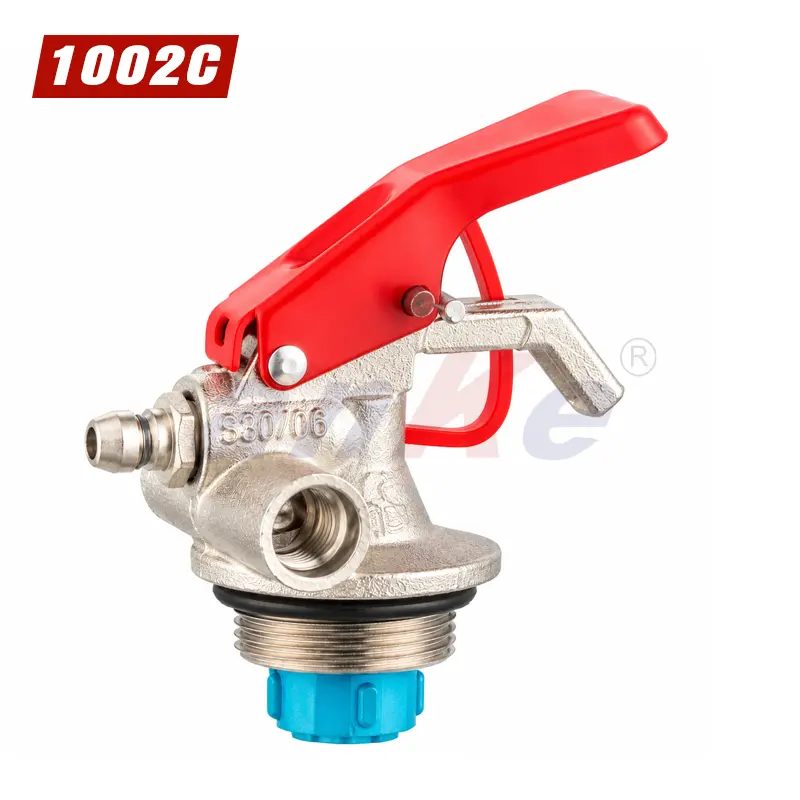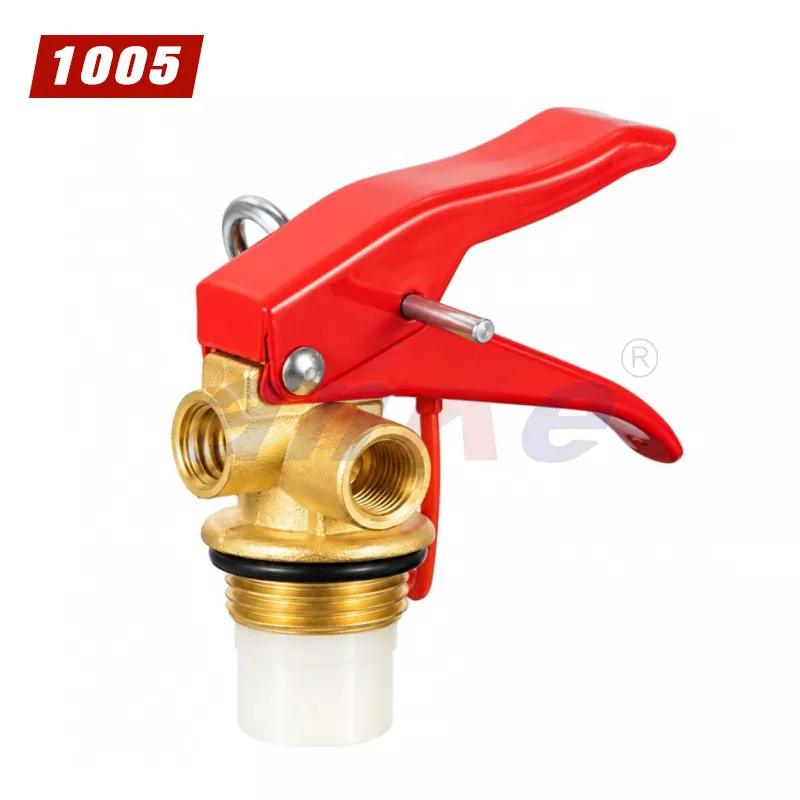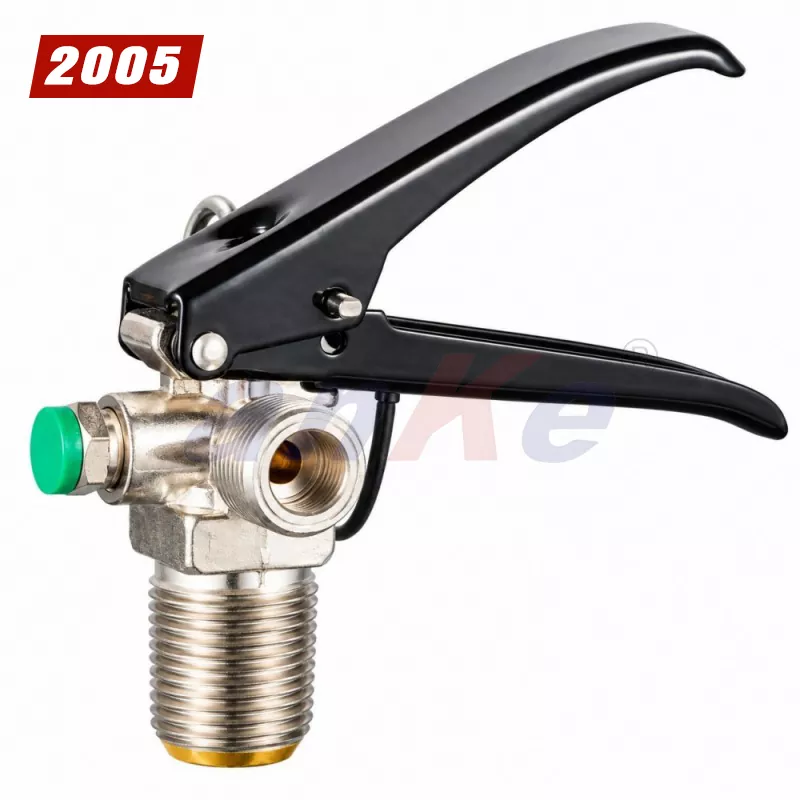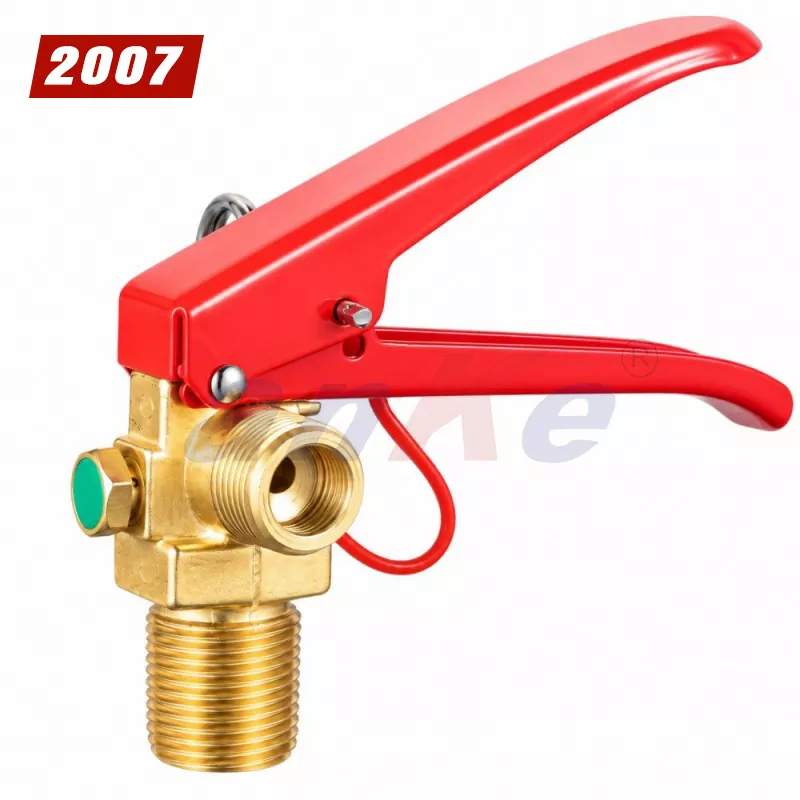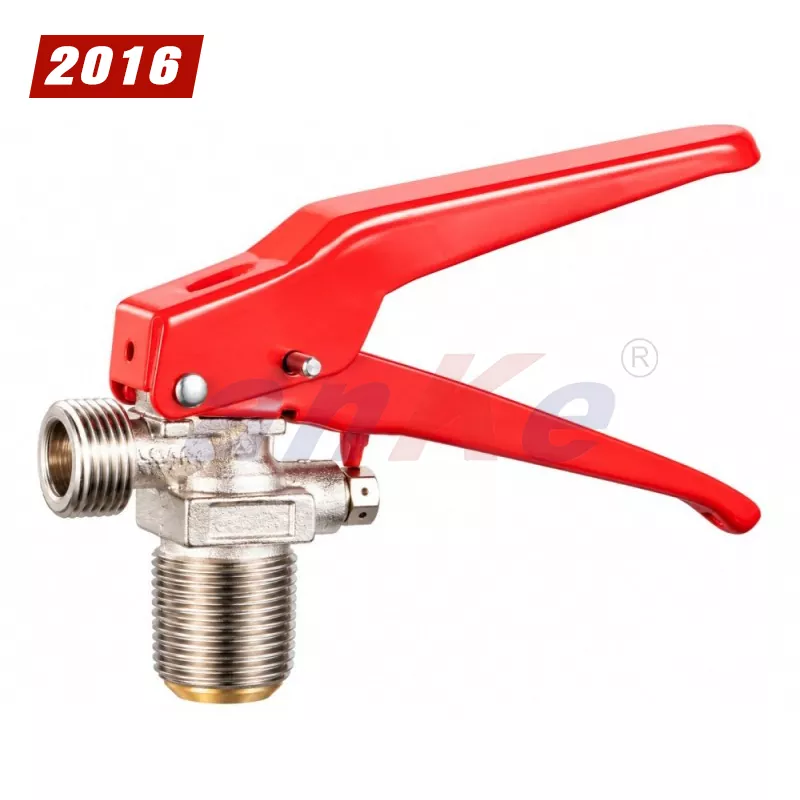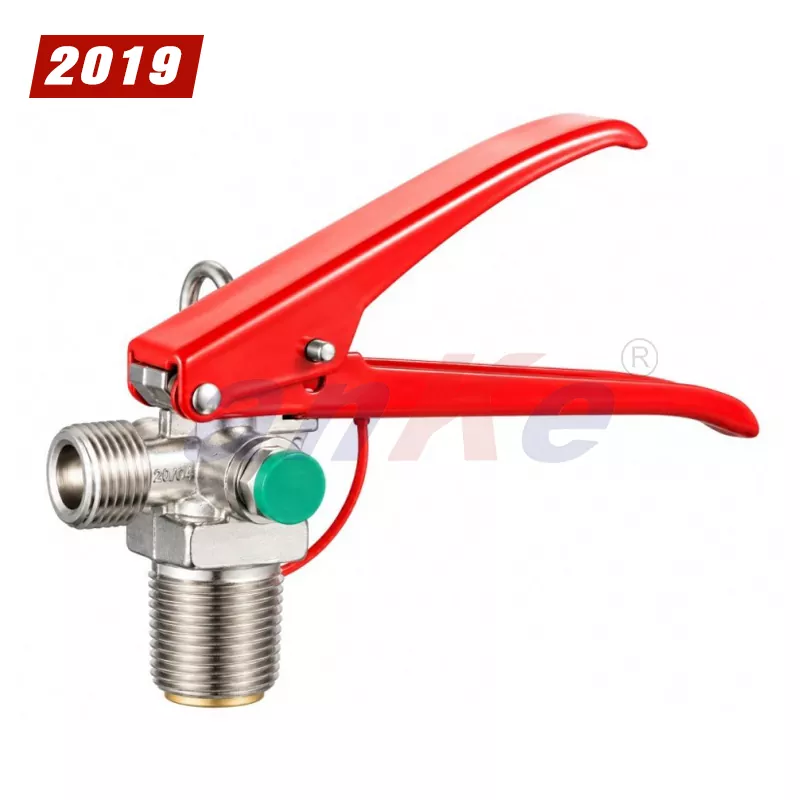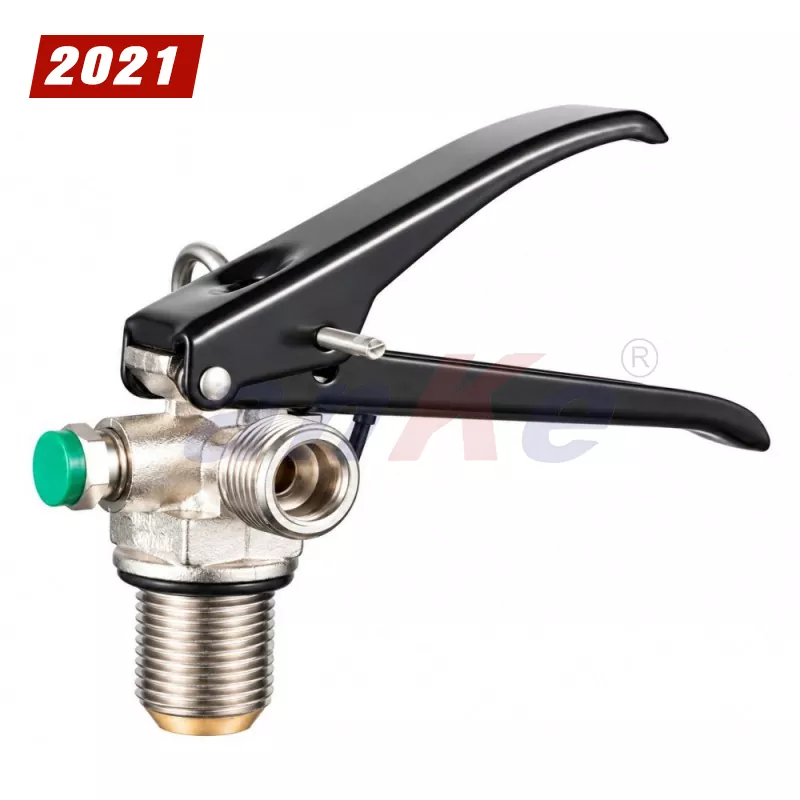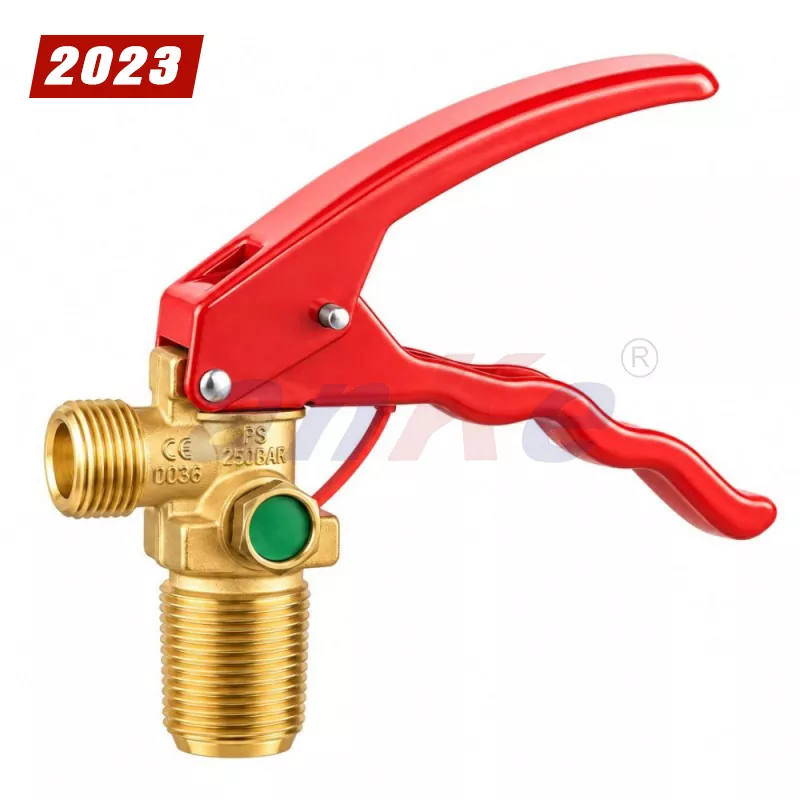
A CO2 fire extinguisher valve is a high-pressure control component designed for carbon dioxide fire extinguishers, such as CO2 Valve for 2-5KG CO2 fire extinguisher 2023 and 2-9KG CO2 Fire Extinguisher valve Brass Valve 2048. It provides a secure connection between the cylinder and discharge assembly while controlling the release of pressurized CO2 during operation. Available in different connection designs and operating configurations, CO2 extinguisher valves play an essential role in cylinder sealing, discharge control, pressure safety, and fire extinguisher assembly.
Unlike conventional stored-pressure powder or water extinguisher valves, a CO2 fire extinguisher valve operates in a system containing carbon dioxide stored under pressure, typically as a liquid-vapor mixture at ordinary ambient temperatures.
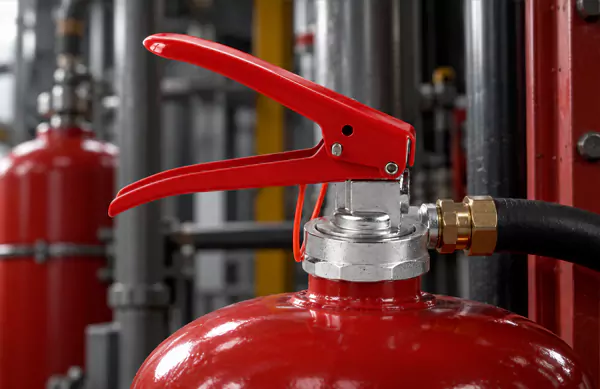
The valve is mounted at the cylinder neck and connected to the appropriate discharge horn or hose assembly. When the operating mechanism is activated, carbon dioxide flows through the valve and expands as it is discharged, providing the extinguishing medium for the intended fire protection application.
CO2 valves are commonly used in portable carbon dioxide extinguishers, including configurations such as 2kg, 3kg, and 5kg models. Different valve designs accommodate variations in cylinder connections, discharge arrangements, and operating mechanisms.
High-Pressure Valve Design and Structural Components
The structural design of a CO2 extinguisher valve differs from that of many low-pressure portable extinguisher valves because of the pressure characteristics of stored carbon dioxide.
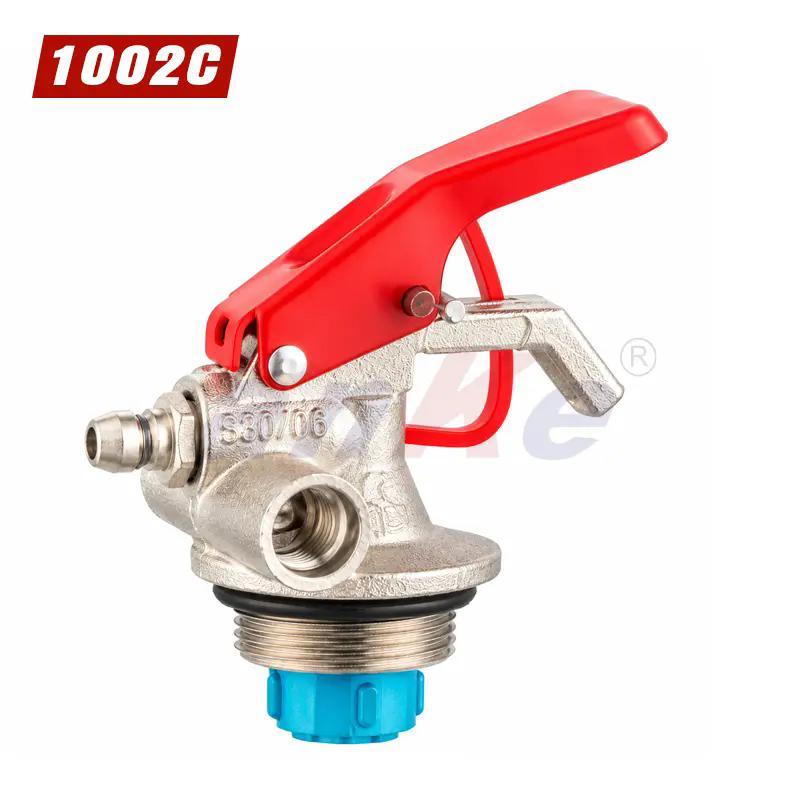
A typical valve assembly consists of a pressure-containing body, valve stem, valve seat, sealing components, operating mechanism, and cylinder connection. Depending on the design, it may also incorporate a pressure relief device or other protective components.
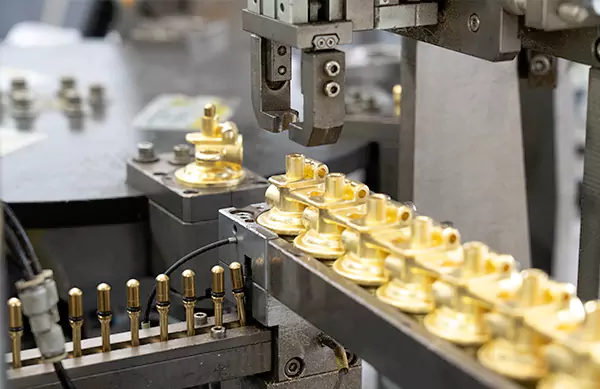
The valve body is commonly manufactured from copper alloys or brass materials selected for mechanical strength and machinability. The internal components are arranged to maintain a secure closure during storage while allowing controlled discharge during operation.
Particular attention is given to the pressure-containing passages, sealing interfaces, and mechanical connection between the valve and cylinder.
CO2 Storage Characteristics and Discharge Operation
Carbon dioxide extinguishers operate differently from extinguishers that use a separate compressed gas to expel powder or water.
Inside a typical CO2 extinguisher, the extinguishing medium itself is stored under pressure. When the valve opens, the pressure difference between the cylinder and the surrounding atmosphere causes carbon dioxide to flow toward the discharge assembly.
As the carbon dioxide expands, its temperature falls significantly. This makes the discharge arrangement and operating components particularly important to the overall extinguisher design.
A CO2 valve therefore serves several connected functions: retaining the extinguishing medium during storage, opening the discharge path when activated, and providing the mechanical interface for the extinguisher's operating and discharge components.
Safety Relief Devices and Pressure Protection
Pressure protection is an important design consideration for CO2 cylinder valves.
The internal pressure of a carbon dioxide cylinder changes with temperature. Excessive heating can create hazardous pressure conditions, making appropriate cylinder and valve pressure protection essential.
Depending on the valve design and applicable requirements, a CO2 extinguisher valve may incorporate a pressure relief arrangement, such as a rupture disc assembly.
The relief device is a protective component rather than a normal operating control. Its function is separate from the valve's main opening and closing mechanism.
Pressure-containing components, relief arrangements, and cylinder connections form part of the overall safety design of the extinguisher assembly.
Common Applications of CO2 Fire Extinguisher Valves
CO2 extinguishers are widely selected for certain fire protection applications because carbon dioxide is a non-conductive extinguishing medium that leaves no conventional powder or water residue after discharge.
Typical installation environments include:
- Electrical equipment rooms and selected electrical installations
- Commercial and industrial facilities
- Workshops containing compatible machinery and equipment
- Laboratories and technical work areas
- Facilities handling certain flammable liquids
The suitability of a CO2 extinguisher for a particular hazard depends on its fire rating, the operating environment, ventilation, and applicable fire protection requirements.
Because carbon dioxide can displace breathable oxygen, its use in enclosed or poorly ventilated spaces requires particular attention to personnel safety.
Cylinder Connections and Discharge Assembly Compatibility
The connection between the valve and cylinder is a critical consideration for extinguisher manufacturers.
CO2 extinguisher valves may be manufactured with different cylinder inlet threads and outlet connections. These interfaces determine how the valve is installed and how the discharge assembly is attached.
In addition to the thread designation, manufacturers consider the valve's installation dimensions, sealing arrangement, discharge orientation, and compatibility with the operating handle or other actuation components.
The discharge assembly may include a hose, horn, or other components designed specifically for carbon dioxide service.
A well-matched valve and discharge arrangement helps support consistent extinguisher assembly and convenient servicing throughout the product's intended life.
Selecting CO2 Valves for Extinguisher Manufacturing
For extinguisher manufacturers and distributors, valve selection is closely connected to the design of the complete CO2 extinguisher.
Important purchasing considerations include the cylinder type, connection dimensions, pressure rating, valve material, discharge configuration, operating mechanism, and applicable product standards.
Buyers sourcing replacement valves also need to consider the exact extinguisher model and existing valve arrangement rather than selecting components by extinguisher capacity alone.
Clear product drawings and technical specifications make it easier to distinguish between valve variants and organize procurement for different extinguisher models.
FAQ
Q1: What is the difference between a CO2 fire extinguisher valve and a dry powder extinguisher valve?
A1: A CO2 valve is designed for the pressure and discharge characteristics of stored carbon dioxide. A conventional dry powder valve controls the release of powder carried by a pressurizing gas. The two types differ in their pressure requirements, discharge arrangements, and system design.
Q2: Do CO2 fire extinguisher valves have pressure gauges?
A2: Many conventional portable CO2 extinguishers do not use the pressure gauge arrangement commonly found on stored-pressure powder extinguishers. The CO2 charge is generally assessed by mass during servicing.
Q3: Why is a pressure relief device important for a CO2 valve?
A3: A pressure relief device provides a protective function when pressure reaches specified abnormal conditions. It forms part of the safety arrangement for the cylinder and valve assembly.
Q4: Can one CO2 valve be used with different extinguisher capacities?
A4: A valve design may be compatible with more than one extinguisher capacity when the cylinder connection, pressure requirements, discharge arrangement, and complete assembly specifications match.
Q5: What information is useful when purchasing CO2 extinguisher valves in bulk?
A5: The cylinder specification, inlet and outlet connections, required valve configuration, operating mechanism, applicable standards, and purchase quantity are useful starting points for identifying the appropriate product.