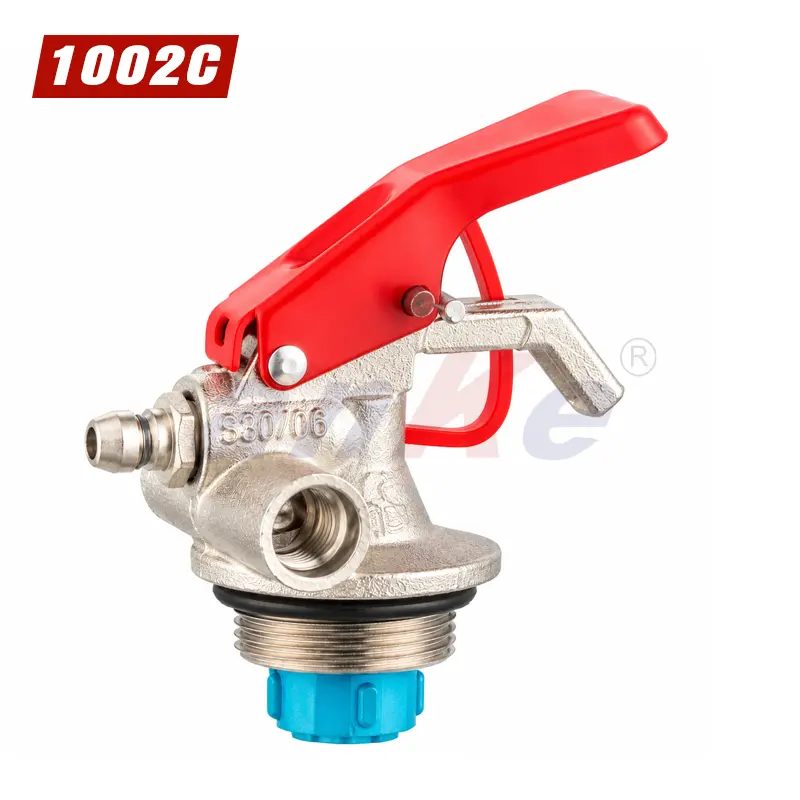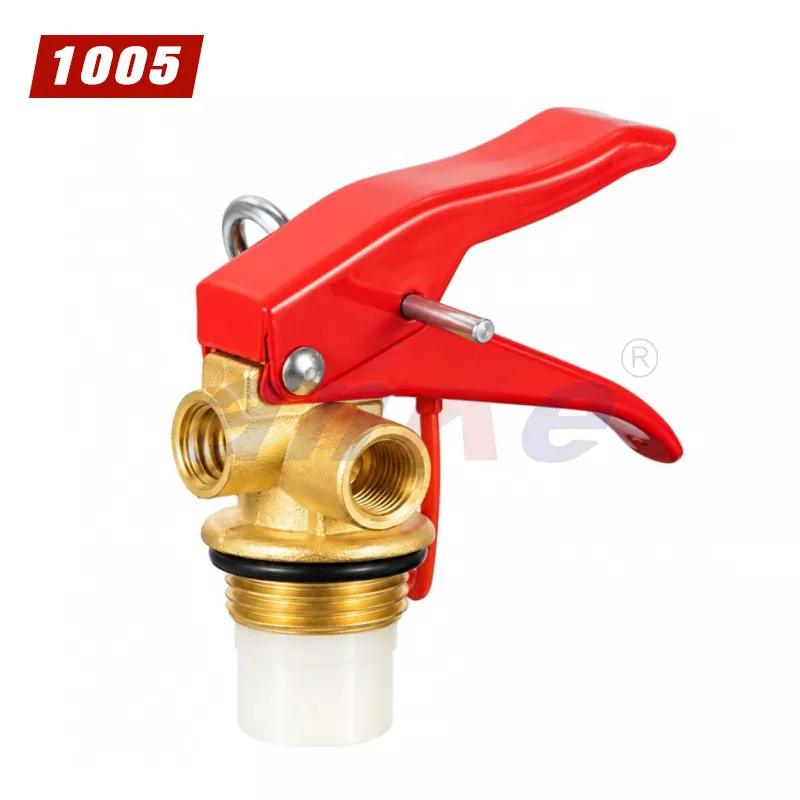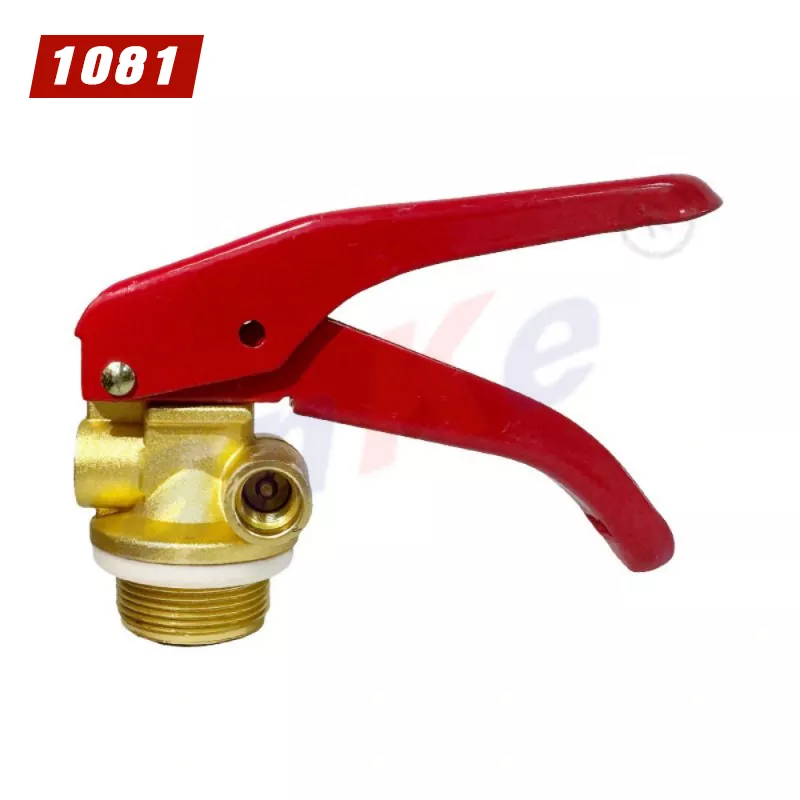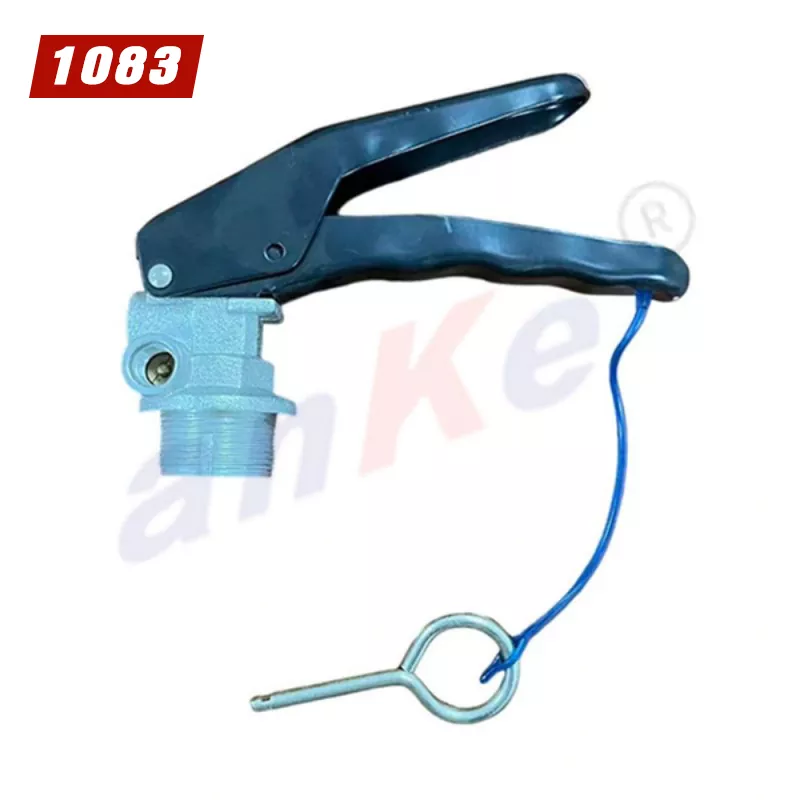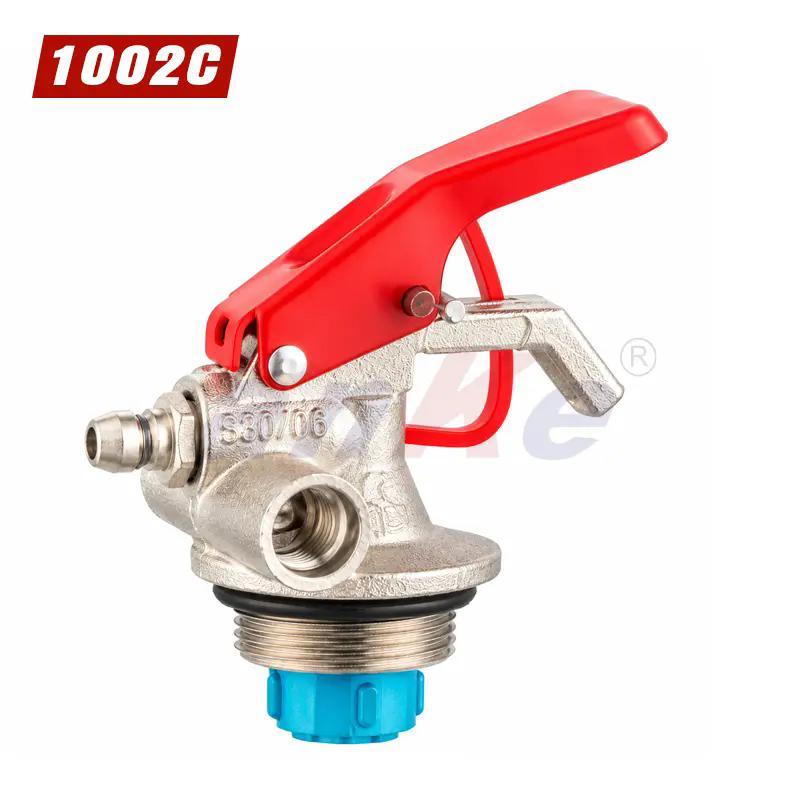
An aluminum fire extinguisher valve is a lightweight valve component manufactured from aluminum alloy for compatible fire extinguisher assemblies, like 4-12kg aluminum extinguisher valve 1087c(aluminum) and 1-2KG fire extinguisher aluminum valve 1095(aluminum). Combining reduced material weight with good machinability and flexible structural design, aluminum valves provide an alternative to traditional brass or copper-alloy configurations. They are used in extinguisher designs where weight, component dimensions, material selection, and overall product configuration are important considerations.
Material selection plays an important role in the design and manufacture of portable fire extinguishers. In addition to the cylinder and extinguishing agent, the valve assembly contributes to the overall weight, appearance, handling characteristics, and component arrangement of the finished product.
Aluminum fire extinguisher valves offer a different material approach from conventional brass valves. Aluminum alloys are valued for their relatively low density, machinability, and ability to support a variety of component geometries.
Depending on the extinguisher design, aluminum valves may be incorporated into compatible dry powder, water-based, or other extinguisher configurations. Their application depends on the valve's engineering design and compatibility with the extinguishing medium and pressure system.
For fire extinguisher manufacturers, aluminum valves represent a material-based product category that can support different product development and procurement priorities.
Why Choose Aluminum for Fire Extinguisher Valves?
One of aluminum's most recognizable characteristics is its relatively low density.
Compared with brass, aluminum alloy can provide a substantial material weight reduction for components of comparable volume. This characteristic is useful in products where overall equipment weight is part of the design process.
Aluminum also offers good machining characteristics, allowing manufacturers to produce threaded connections, internal passages, and other mechanical features required in a valve body.
Aluminum alloys can be selected for different combinations of mechanical properties, corrosion behavior, and manufacturing requirements.
These characteristics make aluminum a material option for fire extinguisher manufacturers exploring lightweight product configurations.
Aluminum vs. Brass Fire Extinguisher Valves
Aluminum and brass are both used in valve manufacturing, but they offer different material characteristics.
| Comparison | Aluminum Alloy | Brass |
|---|---|---|
| Material density | Lower | Higher |
| Component weight | Lightweight potential | Heavier for similar volume |
| Machinability | Generally good | Generally good |
| Corrosion behavior | Depends on alloy and environment | Depends on alloy and environment |
| Surface appearance | Metallic silver or treated finish | Yellow-gold or plated finish |
| Design considerations | Alloy grade, strength, surface and thread design | Alloy grade, strength and connection design |
Neither material is universally better for every extinguisher application.
The appropriate choice depends on the pressure-containing design, extinguishing medium, environmental conditions, connection requirements, and manufacturing objectives.
For example, aluminum may be attractive where reduced component weight is a priority, while brass may be selected for established valve configurations and particular manufacturing or service requirements.
Aluminum Alloy Selection and Manufacturing Considerations
Aluminum valve performance depends on the specific alloy and manufacturing process rather than the material name alone.
Alloys such as 6061 are used in precision-machined industrial components because they offer a useful combination of machinability and mechanical properties.
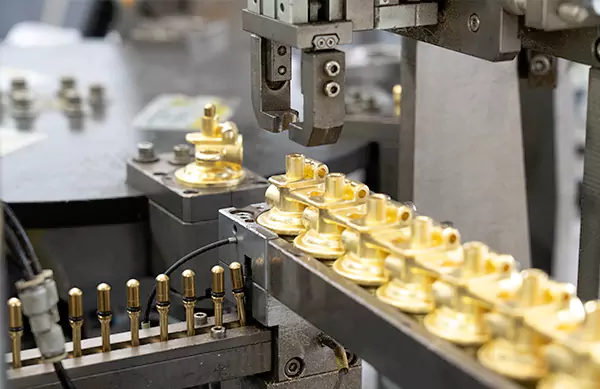
The manufacturing process may involve producing a valve-body blank, machining the required geometry, forming connection threads, and preparing surfaces for assembly.
Important structural features include the cylinder inlet, discharge outlet, internal valve passage, valve seat, and operating mechanism interfaces.
The manufacturing method and dimensional requirements are selected according to the valve design and the intended extinguisher configuration.
For manufacturers developing new valve products, aluminum's machining characteristics can provide flexibility when designing component layouts and connection geometries.
Surface Finishing and Product Appearance
Surface treatment
Aluminum components may use suitable protective or decorative finishing processes, depending on the alloy and design.
Visual consistency
Surface appearance and finish consistency can contribute to the overall presentation of the assembled extinguisher.
Surface treatment is an important consideration in the design of aluminum valve components.
Depending on the alloy and manufacturing requirements, suitable treatments may be used to influence surface appearance, wear characteristics, or resistance to particular environmental conditions.
The selected finish must also be compatible with the valve's dimensional and functional requirements.
For extinguisher manufacturers developing a consistent product range, valve appearance can form part of the overall component and product design strategy.
Lightweight Design and Portable Extinguisher Applications
Portable fire extinguishers are designed to be stored, carried, positioned, and operated when needed.
The valve assembly is only one contributor to the total extinguisher weight, but its material selection can influence the finished product.
Lightweight aluminum valve configurations may be considered for compact portable extinguishers, vehicle-mounted products, and other compatible equipment designs where component weight is relevant.
The potential benefit is especially meaningful when manufacturers evaluate multiple components as part of an overall weight-management strategy.
However, a lighter valve does not independently determine the portability or operating performance of an extinguisher. Cylinder construction, extinguishing-agent quantity, handle design, and other components also influence the finished product.
Structural Design and Component Integration
An aluminum valve must work as part of a complete extinguisher assembly.
The body material influences how mechanical features are designed, including threaded interfaces, sealing surfaces, and areas that carry operating loads.
Aluminum alloys have different mechanical and thermal properties from brass. These differences are relevant when developing threaded connections, selecting assembly methods, and designing pressure-containing components.
The operating handle, stem, spring, valve seat, and sealing elements must be integrated into a compatible assembly.
Component integration also influences maintenance procedures and replacement-part identification.
For manufacturers using multiple valve materials across their product range, distinguishing aluminum and brass valve configurations helps maintain clear production documentation and spare-parts management.
Applications in Fire Extinguisher Product Development
Aluminum fire extinguisher valves are particularly relevant to manufacturers evaluating new product configurations.
Possible development priorities include reducing component weight, optimizing valve-body geometry, coordinating external appearance, and standardizing compatible parts across selected extinguisher models.
A material-based approach can also help buyers compare valve options beyond extinguisher capacity alone.
For example, a manufacturer may evaluate aluminum and brass valve configurations for the same intended extinguisher category, comparing mechanical design, assembly requirements, component sourcing, and overall product cost.
This type of comparison allows material selection to become part of a broader product-development decision rather than an isolated purchasing choice.
Purchasing Aluminum Fire Extinguisher Valves
For distributors and extinguisher manufacturers, purchasing aluminum valves involves both material and assembly considerations.
The specified aluminum alloy, cylinder inlet, outlet connection, valve dimensions, operating mechanism, and extinguishing-agent compatibility are central to product identification.
Buyers may also consider surface finish, component appearance, drawing requirements, and consistency across different production batches.
Where aluminum valves are being evaluated as alternatives to existing brass configurations, a direct dimensional comparison alone is insufficient. The complete valve design and intended extinguisher application must also be considered.
Clear technical specifications support accurate component selection and more efficient communication between purchasing teams and manufacturers.
FAQ
Q1: What are the main advantages of an aluminum fire extinguisher valve?
A1: The main advantages include lower material density, good machinability, and flexibility in component design. These characteristics can support lightweight extinguisher configurations.
Q2: Is an aluminum fire extinguisher valve better than a brass valve?
A2: Neither material is universally superior. Aluminum offers a weight advantage, while brass has its own established manufacturing and application characteristics. The best choice depends on the extinguisher design and service requirements.
Q3: What aluminum alloy is used for fire extinguisher valves?
A3: Different aluminum alloys may be used depending on the valve design. Aluminum alloy 6061 is one material used in machined industrial components, but the actual valve material must match the specified product.
Q4: Can aluminum valves be used for different extinguishing agents?
A4: Aluminum valve designs may be developed for different extinguisher categories. Compatibility depends on the extinguishing medium, pressure requirements, sealing materials, and complete valve configuration.
Q5: Can an aluminum valve directly replace a brass fire extinguisher valve?
A5: A replacement requires more than matching the external dimensions. The valve's material properties, pressure rating, thread specifications, sealing arrangement, and compatibility with the complete extinguisher must all be considered.