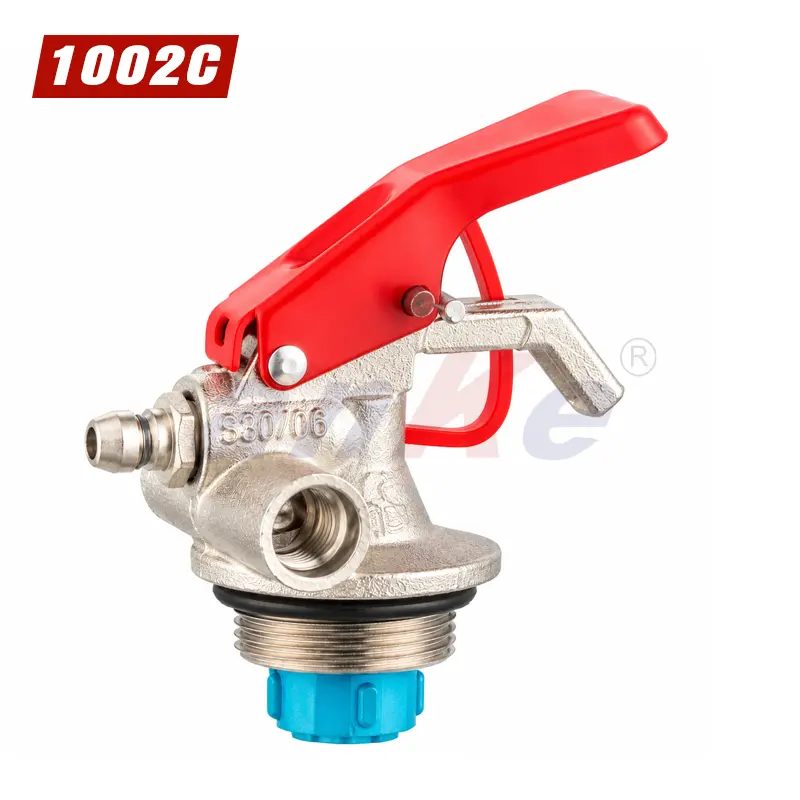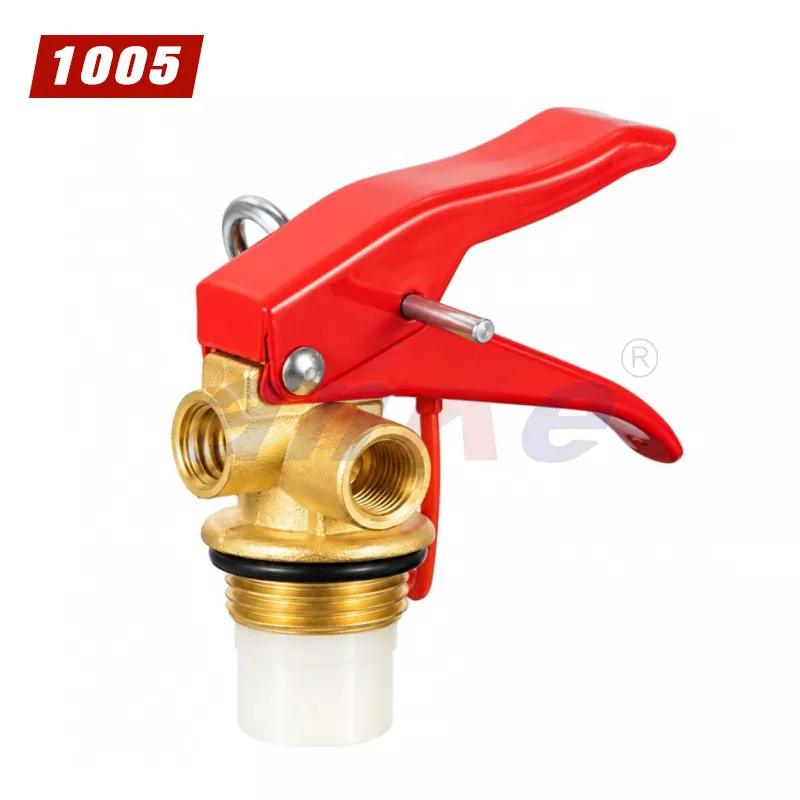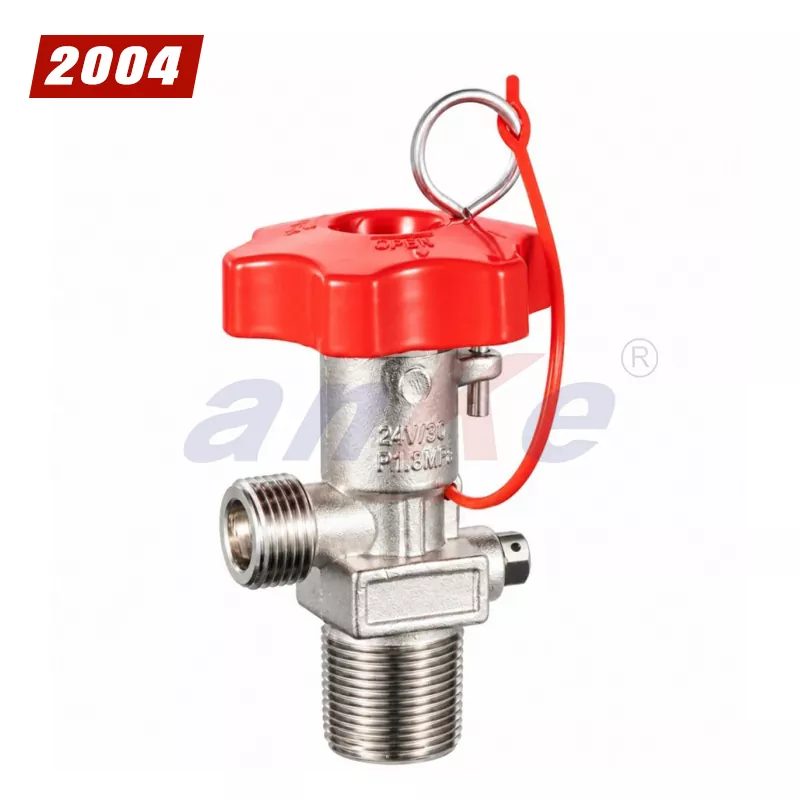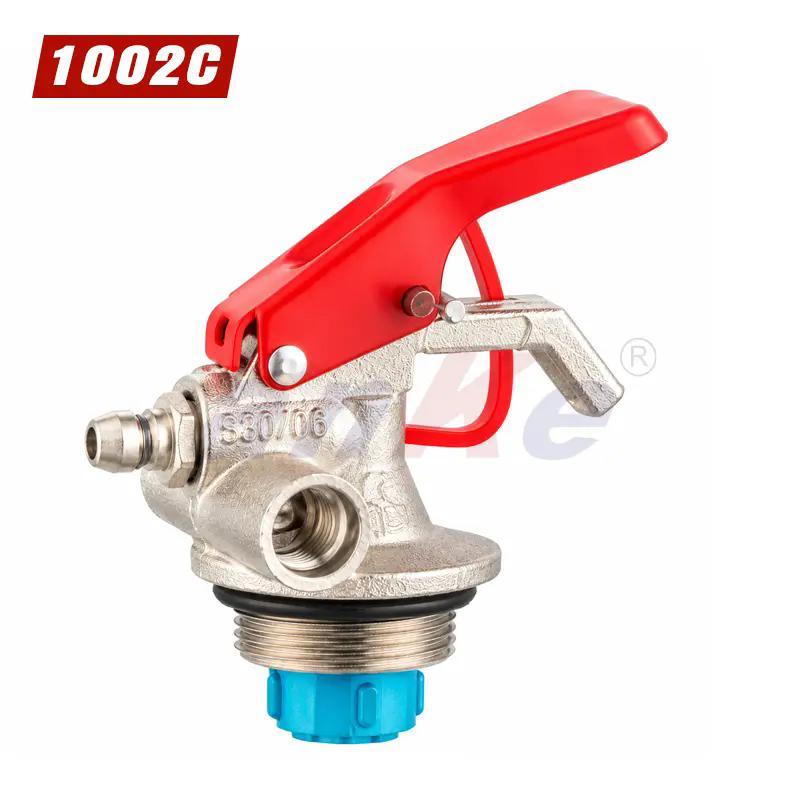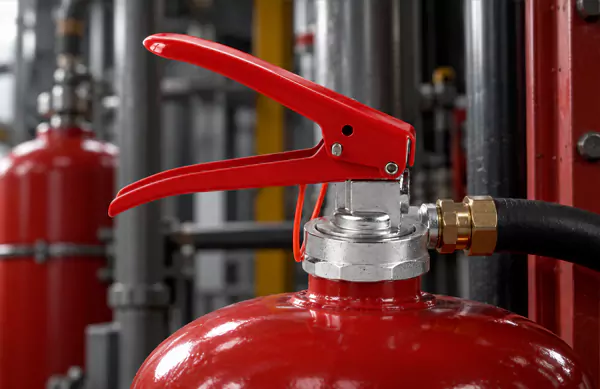
A gas valve is a mechanical control component used to regulate, isolate, or direct the flow of gas within a designated system, which including Brass Male Thread Connecting Gas Valve 2071 and Black Handwheel extinguisher Valve 2011. Gas valves are available in different structural designs, connection configurations, and operating mechanisms to accommodate gas cylinders, distribution equipment, and industrial gas-handling applications. Selecting the appropriate valve supports system compatibility, controlled gas delivery, and practical equipment operation.
Gas valves are important components in gas storage, transmission, and distribution systems. Their main purpose is to provide a controlled passage through which gas can flow, while allowing the passage to be opened, closed, or adjusted according to the valve's intended function.
Different applications require different valve structures. A cylinder valve may control gas release from a pressurized container, while a pipeline valve may be used to isolate sections of a distribution system. Some designs use manual handwheels or levers, whereas others incorporate specialized actuation mechanisms.
Gas valves are used in a variety of industrial and commercial systems. Their construction, materials, sealing arrangements, and operating characteristics are determined by the gas medium and the conditions of the intended application.
Understanding Different Gas Valve Functions
Gas valves can perform several different functions within a gas-handling system.
Gas isolation
Isolation valves provide an open or closed flow path, allowing a section of equipment or piping to be separated from the gas supply.
Gas flow control
Certain valve designs permit adjustment of the gas passage to influence flow. The degree of control depends on the internal structure and intended operating function.
Cylinder gas release
Cylinder valves provide a mechanical connection between a pressurized gas container and its associated gas-delivery equipment.
Gas distribution
In gas distribution systems, valves may be installed at selected points to support operation, servicing, and system segmentation.
These functions are not interchangeable across all valve designs. Each application requires a valve developed for its particular operating conditions.
Valve Body Materials and Their Practical Advantages
Material selection influences the mechanical properties, manufacturing characteristics, and application suitability of a gas valve.
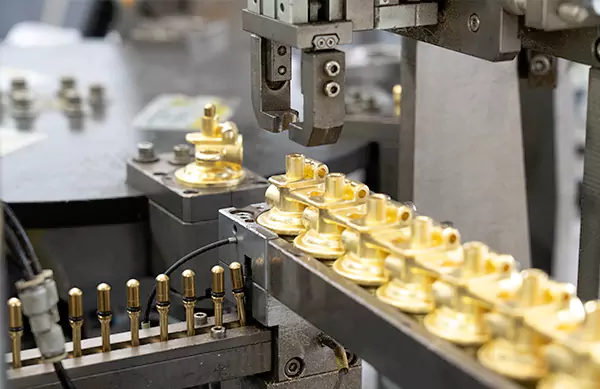
Brass and copper alloys are frequently used in gas valve manufacturing because they offer good machinability and can be formed into complex connection and sealing geometries.
Stainless steel is another material option for applications requiring particular corrosion resistance or mechanical characteristics.
Different materials also influence valve weight, manufacturing processes, surface finish, and cost.
For industrial buyers, material selection is closely related to the gas medium, system pressure, environmental exposure, and expected operating conditions.
The valve body is only one part of the material selection process. Internal components, including stems, seats, springs, and sealing elements, must also be suitable for the intended gas service.
aluminum fire extinguisher valve
Manual Operation and Valve Mechanisms
Manual gas valves commonly use a handwheel, lever, or other mechanical operating device.
In a handwheel-operated design, rotation moves an internal component to open or close the gas passage. Lever-operated designs may use a shorter rotational movement, depending on the valve mechanism.
The operating arrangement affects how the valve is installed, accessed, and used. Handwheel clearance, operating direction, and connection orientation are therefore relevant considerations during equipment design.
A suitable operating mechanism helps ensure that the valve can be accessed and operated within the physical layout of the gas system.
Applications Across Gas-Handling Systems
Gas valves are used in multiple industries, although individual products are designed for specific gases and operating conditions.
Compressed Gas Equipment
Cylinder valves are used in compatible compressed-gas storage and supply arrangements. They provide the connection between the gas container and downstream equipment.
Industrial Gas Distribution
Gas valves may be installed within designated piping networks to provide isolation or flow-control functions.
Gas Supply Assemblies
Valves can form part of gas manifolds, distribution assemblies, and equipment supply connections where compatible gas-handling components are required.
Fuel-gas applications, including natural gas and LPG systems, require components specifically approved and rated for the relevant service. General industrial gas valves are not automatically suitable for combustible-gas installations.
Connection Types and Installation Arrangements
Gas valves are manufactured with different inlet and outlet connections to suit the equipment in which they are installed.
Common connection concepts include threaded interfaces, designated cylinder connections, and other engineered mechanical joints.
The connection design affects installation procedures, sealing methods, and the relationship between the valve and surrounding equipment.
For cylinder applications, the valve must match the cylinder connection and gas service. For piping applications, the valve dimensions and connection system must correspond to the specified pipeline arrangement.
Valve orientation and installation space are also important. The selected valve should allow appropriate access to the operating mechanism and any required maintenance points.
Gas Compatibility and Sealing System Design
Gas compatibility is a central consideration in valve selection.
Different gases have different chemical and physical properties. These differences influence the selection of valve body materials, sealing elements, internal components, and connection arrangements.
The sealing system prevents unintended gas escape when the valve is closed. Depending on the design, it may include a valve seat, stem seal, gasket, or other sealing components.
Some gas services require specialized material combinations or additional cleanliness and safety provisions. Oxygen service, for example, has requirements that differ from ordinary fuel-gas or inert-gas applications.
Gas valves should therefore be classified by their intended medium and service conditions rather than by their external appearance alone.
Gas Valve Procurement for Equipment Manufacturers
Gas valves are often purchased as components of a larger equipment assembly.
For equipment manufacturers, a consistent valve configuration can simplify component matching, assembly planning, inventory management, and replacement-part identification.
A practical purchasing specification includes the gas medium, intended application, pressure and temperature ratings, connection dimensions, body material, operating mechanism, and applicable standards.
For projects involving multiple gas systems, maintaining clear product identification is especially useful. Valves with similar appearances may have different internal designs or approved applications.
Technical drawings and product specifications help purchasing teams organize suitable components for different equipment configurations.
FAQ
Q1: What is the main function of a gas valve?
A1: A gas valve controls the passage of gas within a designated system. Depending on its design, it may provide isolation, flow adjustment, or controlled release from a gas cylinder.
Q2: What materials are commonly used for gas valves?
A2: Brass, copper alloys, and stainless steel are common material options. The appropriate material depends on the gas medium, pressure, temperature, and service environment.
Q3: Are gas cylinder valves and pipeline valves the same?
A3: No. Cylinder valves are designed for specific cylinder connections and gas-storage applications, while pipeline valves are designed for installation in piping systems. Their structures and operating requirements can differ.
Q4: Can a gas valve be used for both natural gas and LPG?
A4: A valve may be suitable for both services only when its design, materials, pressure rating, and relevant approvals cover both applications. Gas compatibility is a product-specific requirement.
Q5: What should industrial buyers consider when ordering gas valves?
A5: The most important considerations include gas type, valve function, operating pressure, temperature, connection specification, material, operating mechanism, and applicable regulatory requirements.