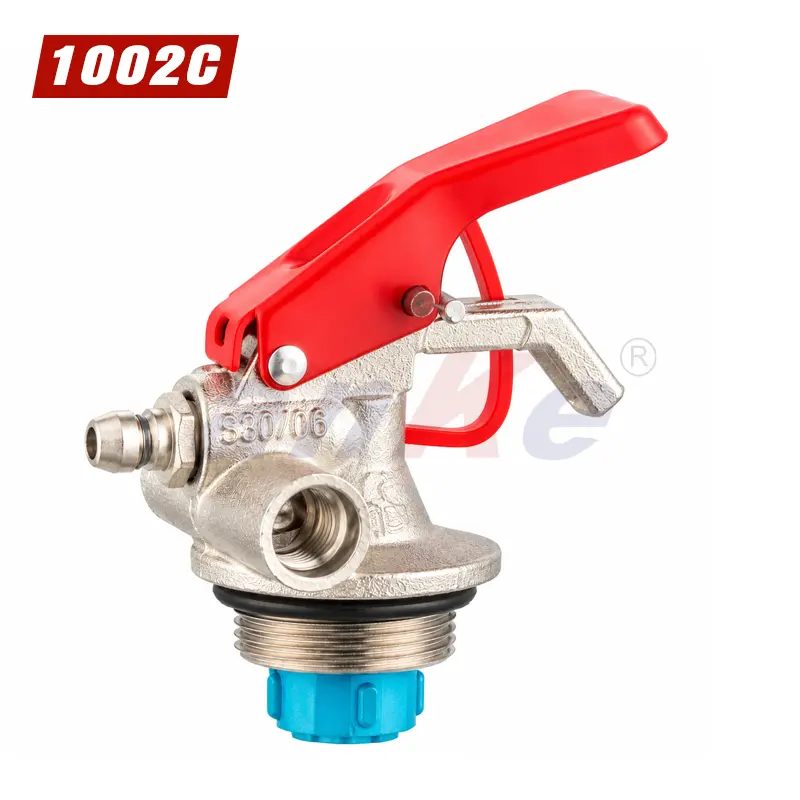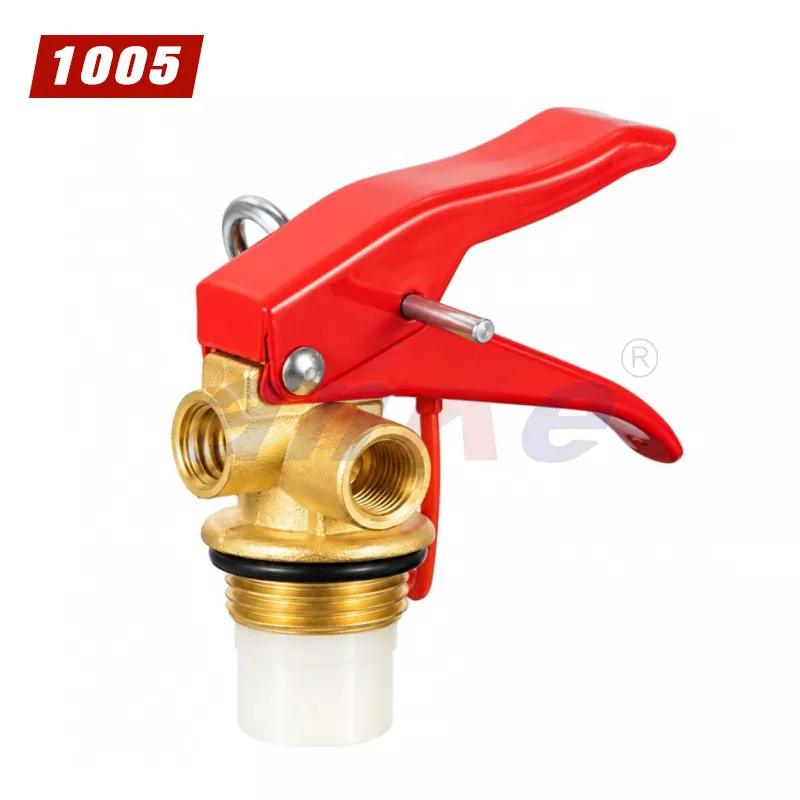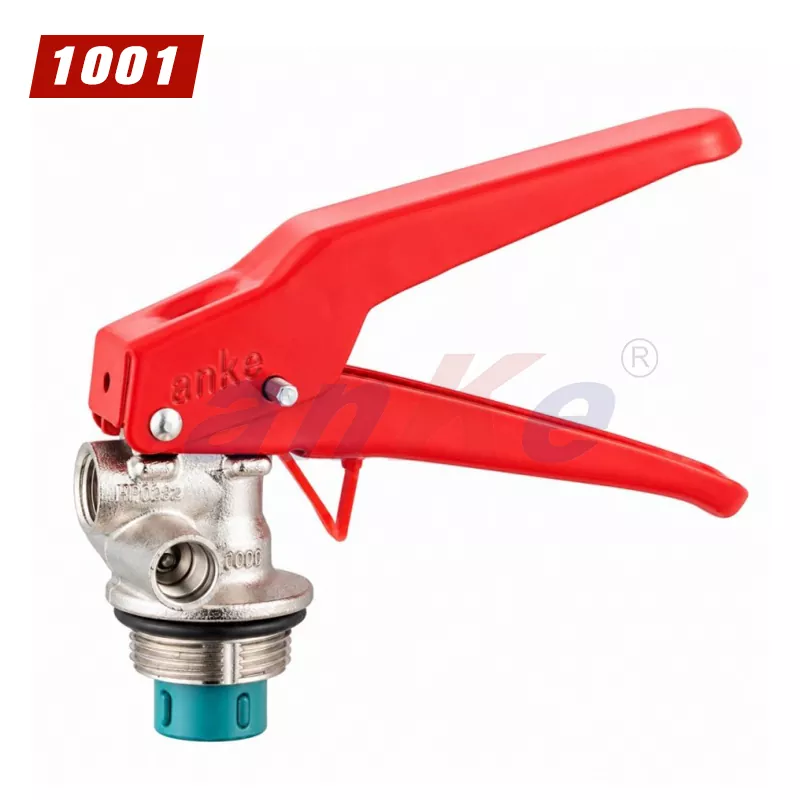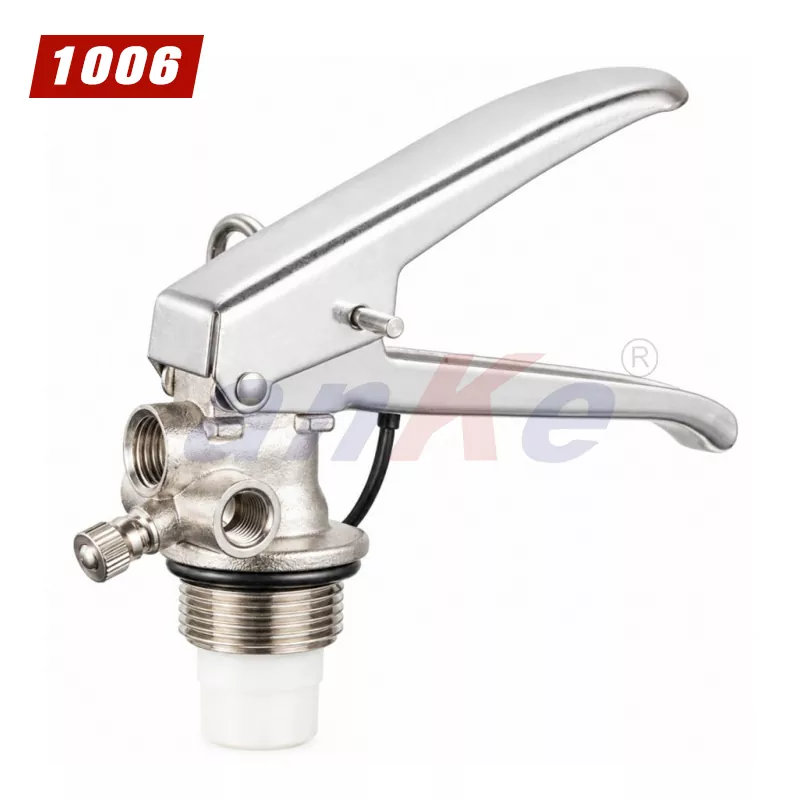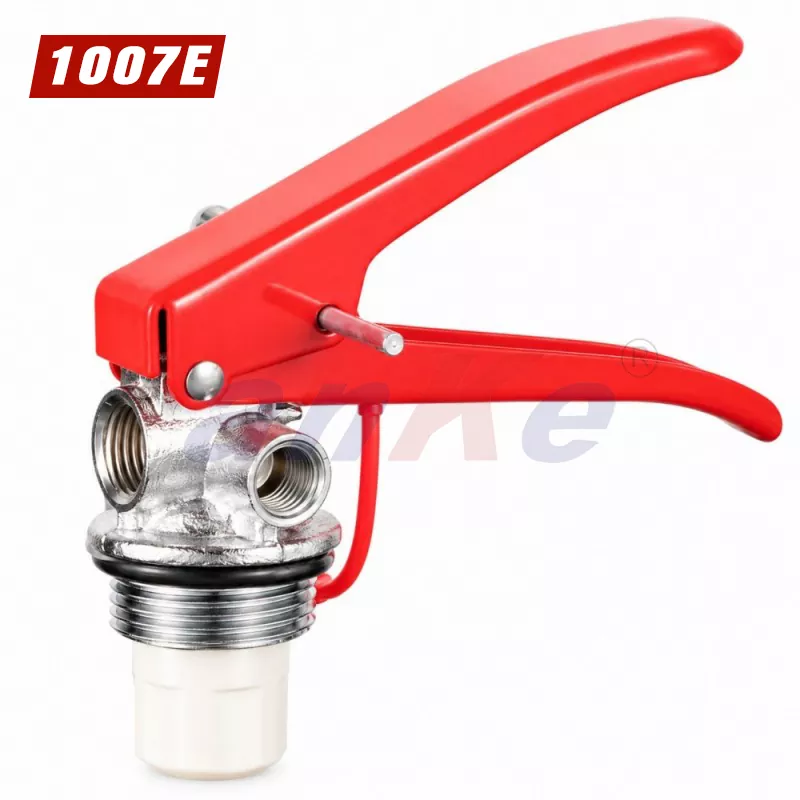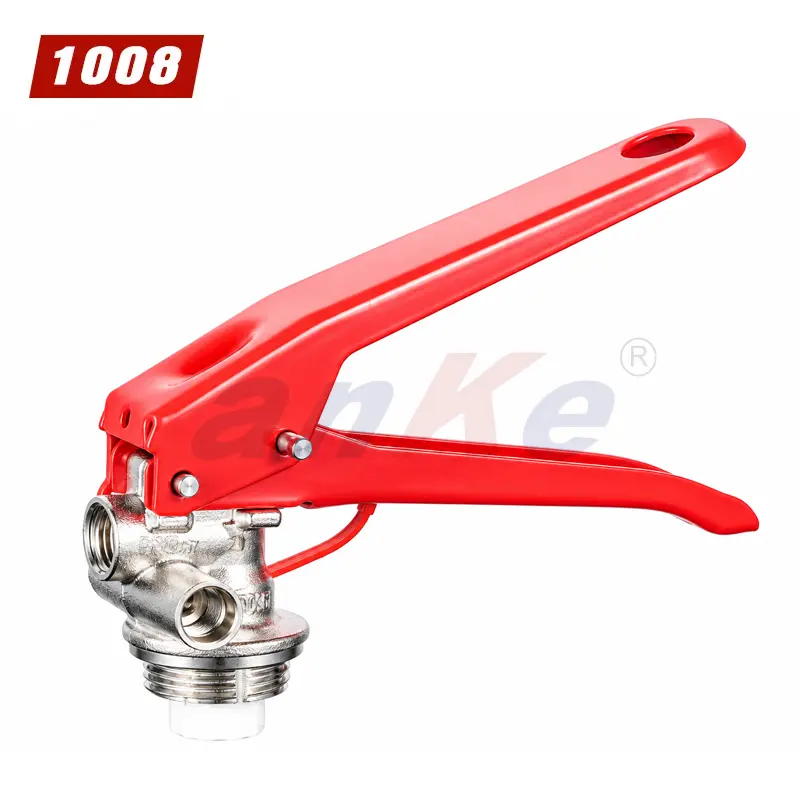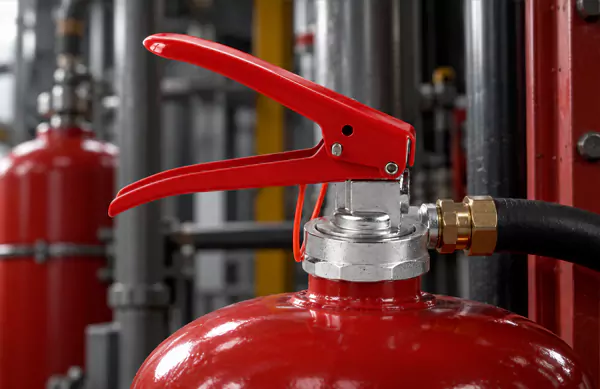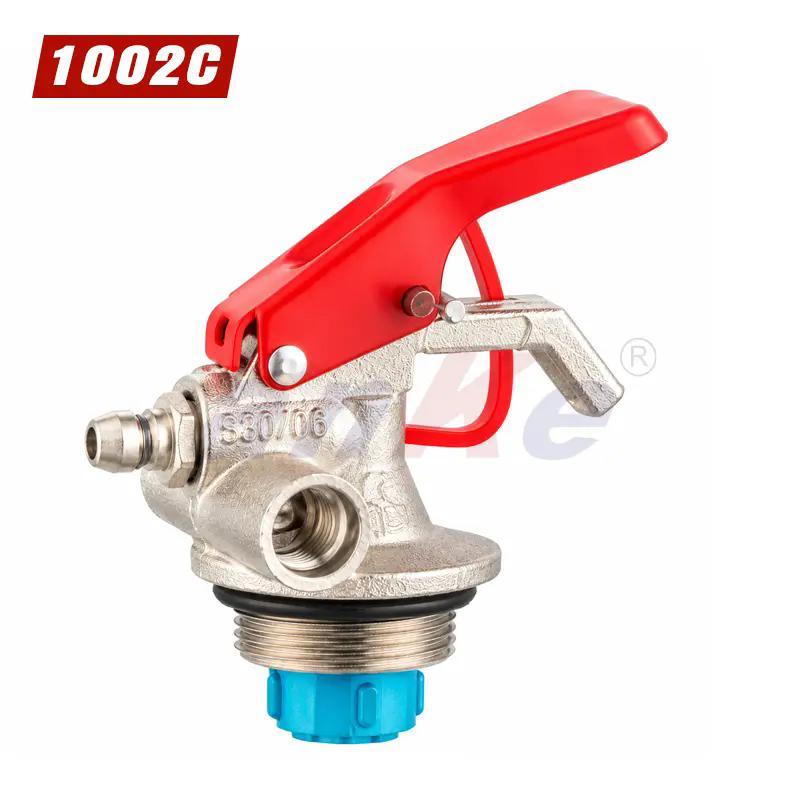
Fire extinguisher valves are critical control components that connect the extinguisher cylinder to the discharge assembly and regulate the release of the extinguishing agent during operation. Available in a range of designs, materials, and connection configurations, these valves support safe pressure retention, reliable activation, and controlled discharge across portable and mobile fire extinguisher systems.
Selecting the correct valve requires more than matching cylinder capacity. The valve must be compatible with the extinguishing agent, cylinder thread, operating pressure, discharge arrangement, and the applicable product standard. For distributors, extinguisher manufacturers, and OEM buyers, clear technical specifications and documented quality control are essential to reliable procurement.
Product Overview
What Is a Fire Extinguisher Valve?
A fire extinguisher valve is a mechanical assembly mounted at the extinguisher cylinder neck. It provides a pressure-containing connection, retains the extinguishing agent and propellant during storage, and opens the discharge path when the operating mechanism is activated.
Depending on the extinguisher type, the valve may be designed for stored-pressure dry powder, water, foam, carbon dioxide, or other specialized extinguishing systems. Each design reflects the pressure characteristics, agent properties, and operating requirements of the complete extinguisher.
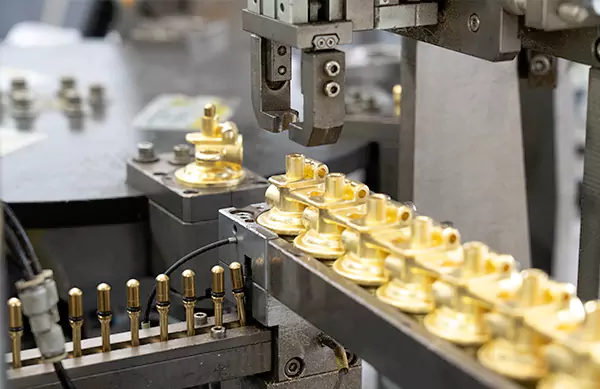
A typical valve assembly may include a valve body, valve stem, valve seat, sealing components, operating handle or lever, safety pin, tamper seal, pressure gauge port where applicable, dip tube connection, and discharge outlet. The exact configuration varies by model and intended application.
Key Functions and Design Considerations
Pressure Retention and Sealing
The valve must maintain a secure seal during storage to prevent agent leakage or propellant loss. Sealing performance depends on the valve seat design, stem seal arrangement, O-ring materials, and the compatibility of these components with the extinguishing agent.
Controlled Discharge
When activated, the valve opens a controlled passage for the extinguishing agent. The internal flow path, discharge port, and operating mechanism should support consistent discharge performance in accordance with the extinguisher's approved design.
Safety and Operating Features
Many fire extinguisher valves incorporate a safety pin and tamper seal to help prevent accidental operation. Some designs also include a pressure relief device or rupture disc for pressure protection. The presence and function of these features depend on the valve type and applicable requirements.
Material and Component Compatibility
Valve bodies are commonly manufactured from brass, copper alloys, aluminum alloy, or stainless steel. Internal components such as stems, springs, and seats are selected for mechanical strength and chemical compatibility. The material combination must suit the extinguishing agent, operating pressure, environmental conditions, and target market requirements.
Common Valve Types and Configurations
| Valve Type | Typical Application | Key Considerations |
|---|---|---|
| Dry Powder Valve | Stored-pressure dry chemical extinguishers | Powder flow path, moisture resistance, gauge port, dip tube connection |
| Water Valve | Water and water-additive extinguishers | Corrosion resistance, sealing, discharge hose connection |
| Foam Valve | AFFF, AR-AFFF, and fluorine-free foam extinguishers | Chemical compatibility, elastomer selection, proportional discharge |
| CO2 Valve | Carbon dioxide extinguishers | High-pressure design, relief device, discharge horn or hose compatibility |
| Aluminum Valve | Lightweight extinguisher configurations | Alloy grade, weight reduction, surface finish, thread design |
| Gas Valve | Gas cylinders and industrial gas-handling equipment | Gas compatibility, pressure rating, connection type, sealing system |
Technical Specifications to Confirm
Before ordering fire extinguisher valves, buyers should confirm the following technical information for each specific model:
- Valve type and intended extinguisher category: Dry powder, water, foam, CO2, or other designated service.
- Cylinder connection: Thread type, nominal diameter, pitch, tolerance, and sealing arrangement.
- Working pressure and test pressure: Ratings applicable to the complete extinguisher assembly.
- Body material and surface treatment: Brass, aluminum alloy, stainless steel, plating, passivation, or other finish.
- Internal component materials: Stem, spring, seat, and sealing element materials suitable for the agent.
- Discharge arrangement: Outlet connection, hose or horn compatibility, and orientation.
- Operating mechanism: Handle, lever, handwheel, or other actuation method.
- Pressure gauge port: Presence, thread, and compatibility where applicable.
- Safety features: Safety pin, tamper seal, pressure relief device, or rupture disc.
- Applicable standards and certification status.
Applications
Fire extinguisher valves are used across a wide range of fire protection equipment and environments. The suitability of a specific valve depends on the complete extinguisher design and the identified fire hazards.
- Commercial buildings: Offices, retail premises, hotels, and public facilities.
- Industrial facilities: Manufacturing plants, workshops, maintenance areas, and chemical storage sites.
- Warehouses and logistics centers: Storage facilities and distribution hubs.
- Vehicle and mobile equipment: Passenger vehicles, commercial fleets, and mobile machinery.
- Marine and offshore applications: Vessel engine rooms and designated marine fire protection points.
- Construction sites: Temporary fire protection arrangements where permitted.
How to Select the Right Fire Extinguisher Valve
Choosing a suitable valve requires a systematic review of the extinguisher design and intended service conditions.
- Identify the extinguisher type and agent: Confirm whether the valve is intended for dry powder, water, foam, CO2, or another agent.
- Verify cylinder compatibility: Match the inlet thread, sealing arrangement, and installation dimensions to the cylinder.
- Confirm pressure ratings: Check the working pressure, test pressure, and any relief device requirements.
- Review material compatibility: Ensure the valve body, seals, and internal components are suitable for the agent and environment.
- Check discharge requirements: Confirm the outlet connection, flow path, and compatibility with the hose, horn, or nozzle.
- Evaluate operating and safety features: Confirm the handle type, safety pin, tamper seal, and pressure gauge arrangement where required.
- Verify regulatory compliance: Confirm that the valve and complete extinguisher meet the standards of the destination market.
Quality Verification and Documentation
Reliable product documentation and consistent quality control are important factors in fire protection procurement. Suppliers should be able to provide appropriate technical and inspection records for the specific valve model.
Documentation may include product drawings, material specifications, dimensional inspection records, operating function checks, leakage test records, pressure test records, and applicable certificates or declarations of conformity. The exact documentation package depends on the product and the buyer's requirements.
OEM/ODM and Wholesale Supply
For extinguisher manufacturers, importers, distributors, and wholesalers, valve sourcing often involves customization and volume supply requirements. Potential project requirements may include:
- Customized thread specifications and connection dimensions.
- Material selection and surface treatment options.
- Handle, lever, or handwheel configuration.
- Brand marking, logo stamping, and packaging coordination.
- Sample evaluation and qualification testing.
- Batch quality requirements and inspection documentation.
- Order quantity, delivery schedule, and after-sales support.
Customization availability, minimum order quantities, lead times, and production capacity should be confirmed for each specific project.
Frequently Asked Questions
What is the main function of a fire extinguisher valve?
A fire extinguisher valve retains the extinguishing agent and propellant during storage, provides a secure cylinder connection, and opens the discharge path when the extinguisher is operated. It is a critical component for pressure retention, controlled discharge, and safe operation.
Can one valve be used for different extinguisher types?
No. Valve designs are specific to the extinguisher type, agent, pressure characteristics, and discharge arrangement. A valve intended for dry powder should not be assumed suitable for CO2, foam, or water extinguishers without engineering verification.
What materials are commonly used for fire extinguisher valves?
Common valve body materials include brass, copper alloys, aluminum alloy, and stainless steel. Sealing components may use NBR, EPDM, Viton, or other elastomers selected for compatibility with the extinguishing agent and operating conditions.
What information is needed for a valve quotation?
Provide the extinguisher type, agent, cylinder connection specification, required working pressure, valve configuration, material preference, operating mechanism, target market, certification requirements, order quantity, and delivery destination. Technical drawings help ensure accurate evaluation.
Are fire extinguisher valves certified for international markets?
Certification status depends on the specific valve model, its design, testing, and destination market. Buyers should verify that the relevant documentation covers the exact product being purchased and the applicable regulatory requirements.