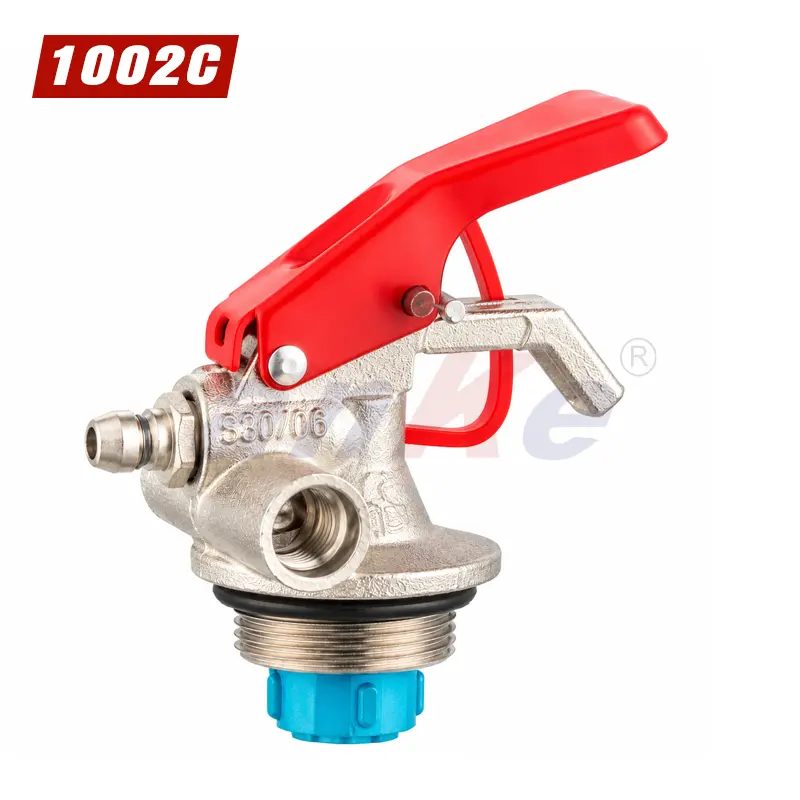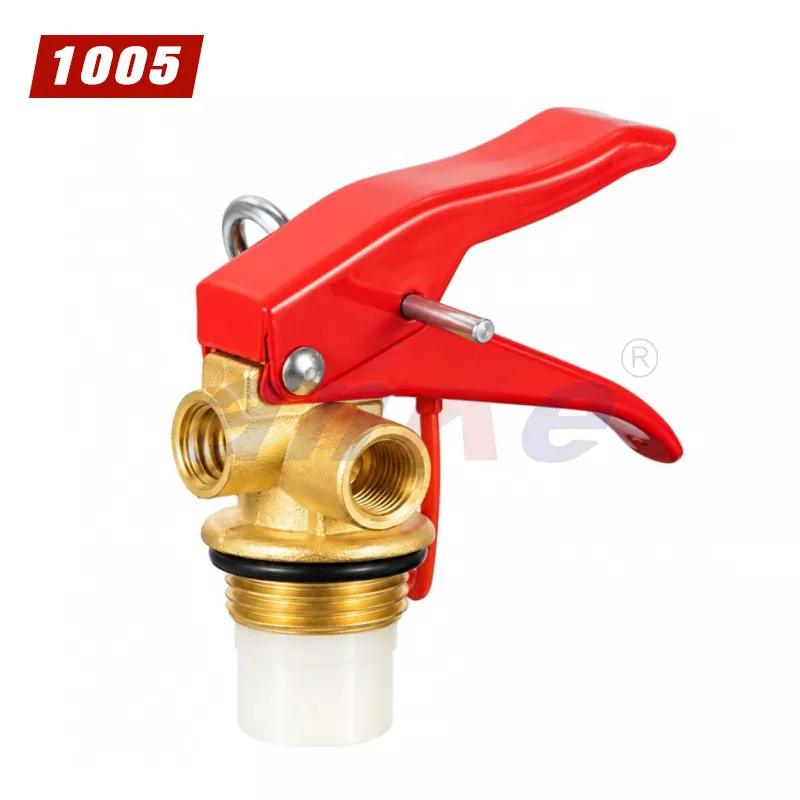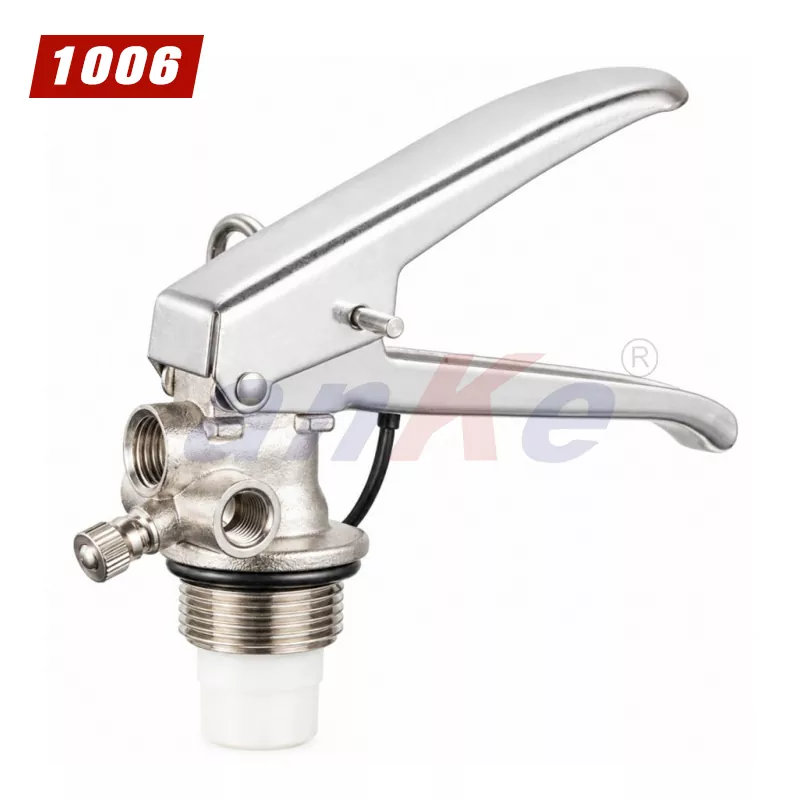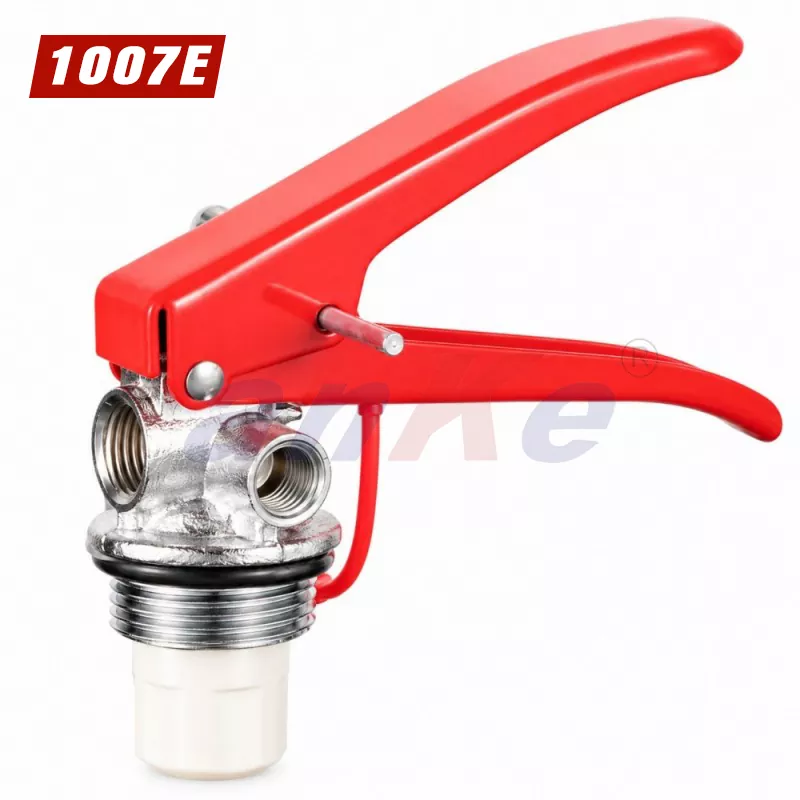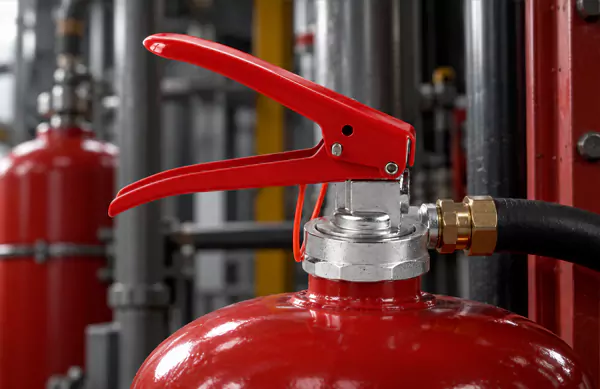
A Portable Water Fire Extinguisher is a portable fire protection device designed primarily for controlling Class A fires involving ordinary combustible materials, such as wood, paper, cardboard, and certain textiles. It uses water as the extinguishing agent to cool burning materials and help prevent fire re-ignition when used appropriately.
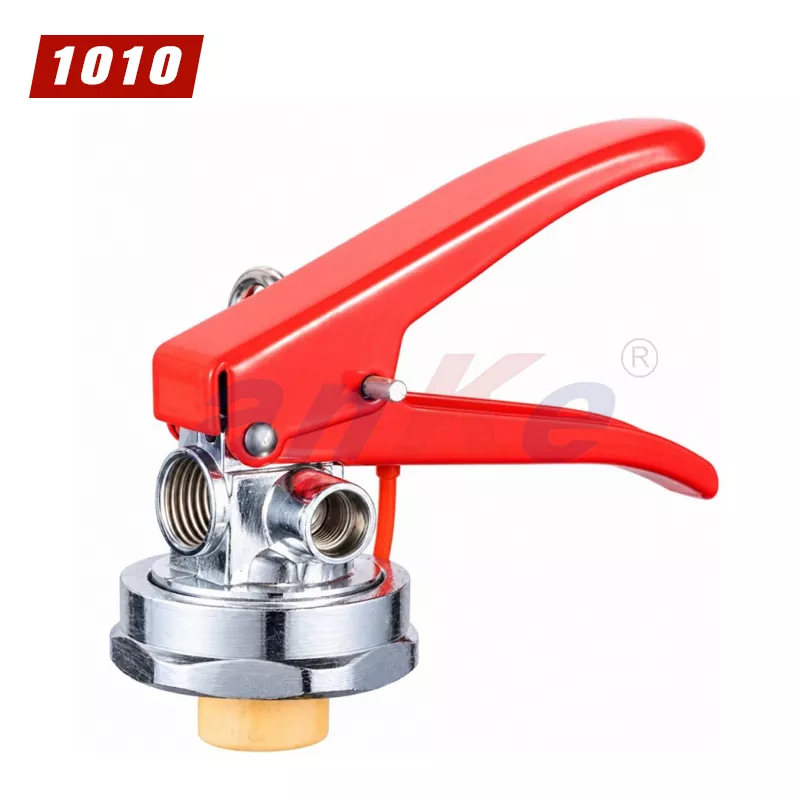
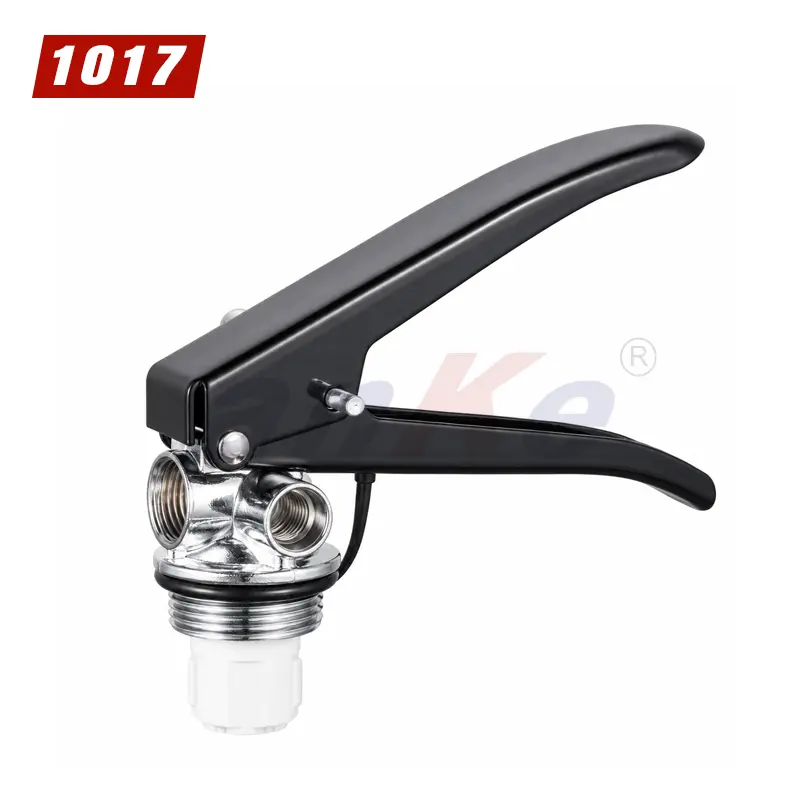
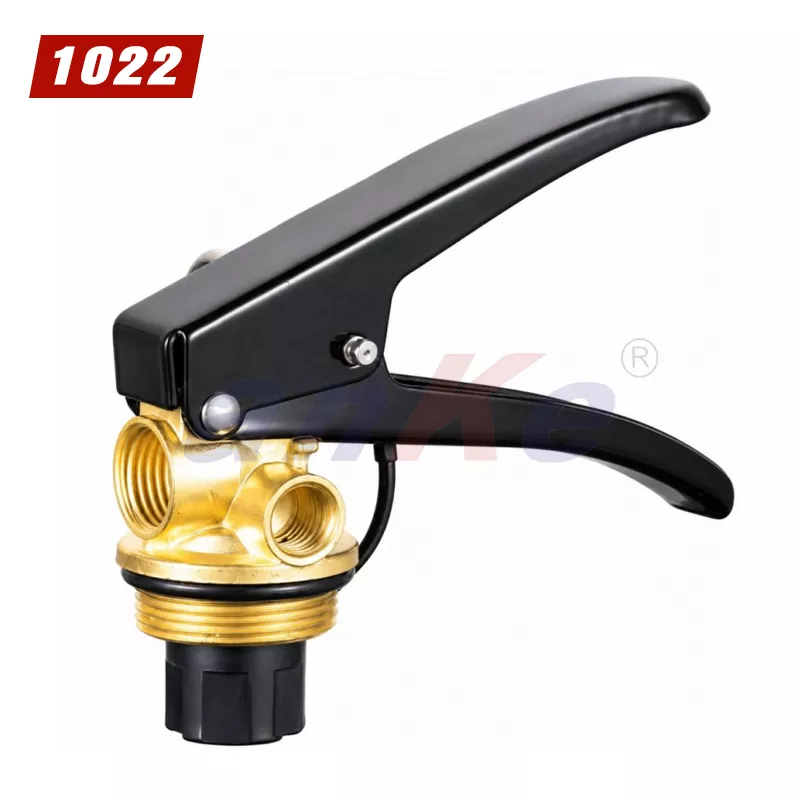
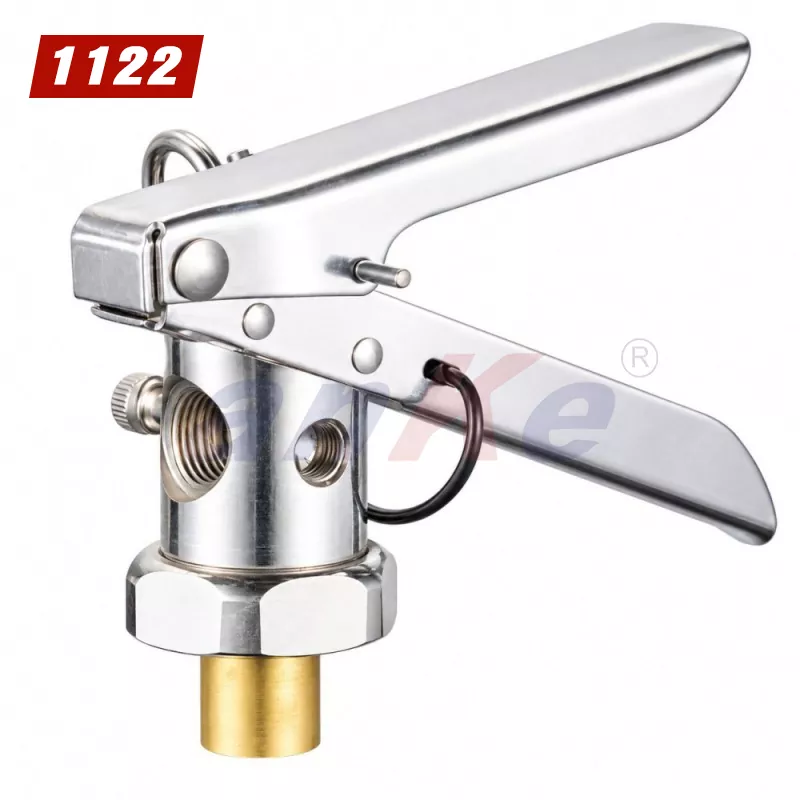
For commercial buildings, warehouses, educational facilities, offices, and other environments where ordinary combustible materials are present, portable Water Fire Extinguisher Valves can be an important component of a properly designed fire protection system.
When selecting a portable water fire extinguisher, buyers should evaluate its rated fire performance, operating pressure, cylinder capacity, valve assembly, applicable certification requirements, and compatibility with local fire safety regulations.
ANKE, the brand of Ningbo Kaituo Valve Co., Ltd., specializes in the manufacturing and supply of fire extinguisher valves and related products. We support B2B buyers, distributors, importers, and fire protection equipment manufacturers seeking reliable component supply and potential OEM/ODM cooperation.
Contact our team to discuss fire extinguisher valve requirements, technical specifications, and product sourcing options.
Product Details
What Is a Portable Water Fire Extinguisher?
A portable water fire extinguisher is a manually operated firefighting device that discharges water onto suitable combustible materials to reduce their temperature and suppress combustion.
Unlike dry powder or carbon dioxide extinguishers, water-based extinguishers primarily work through cooling. Their suitability depends on the type of fire, the extinguisher's tested performance, and the conditions at the installation site.
A conventional water extinguisher is generally intended for Class A fires. It must not be used on energized electrical equipment, flammable liquid fires, or other hazards for which water is unsuitable, unless the specific extinguisher is explicitly designed, tested, and approved for that application.
Key Product Components
A typical portable water fire extinguisher may include:
- Cylinder: Stores the extinguishing agent and, depending on the design, the operating pressure.
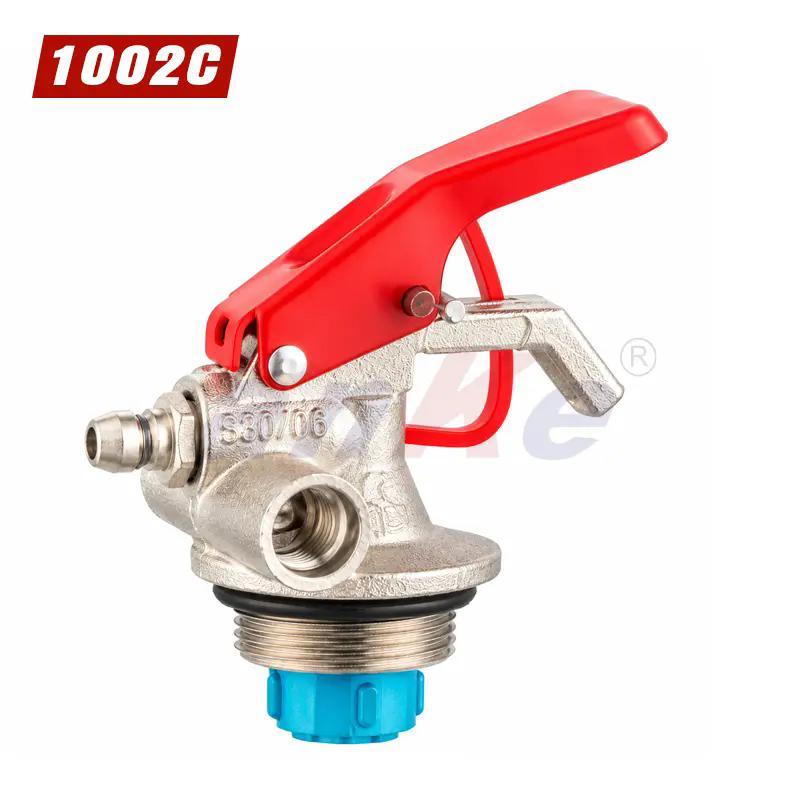
- Valve assembly: Controls the release of the extinguishing agent.
- Operating handle or lever: Enables manual activation.
- Discharge hose and nozzle: Direct the water stream toward the fire.
- Pressure gauge: Indicates internal pressure on applicable pressurized models.
- Safety pin and tamper seal: Help prevent accidental operation and indicate whether the extinguisher has been tampered with.
The exact configuration varies by model, operating mechanism, capacity, and applicable product standard.
Key Features and Advantages
Portable and Convenient Operation
Portable water fire extinguishers are designed to be carried and operated by trained users. Their portability allows suitable models to be positioned at designated fire protection points for rapid access during an emergency.
Effective Cooling for Class A Fires
Water absorbs heat from burning solid materials, helping lower their temperature and suppress combustion. The effectiveness of a specific extinguisher depends on its tested fire rating, discharge characteristics, and correct application.
Practical for Suitable Indoor Environments
Depending on local fire safety requirements and the building's risk assessment, water extinguishers may be suitable for areas containing paper products, wooden materials, cardboard packaging, and other ordinary combustibles.
Valve Assembly and Component Compatibility
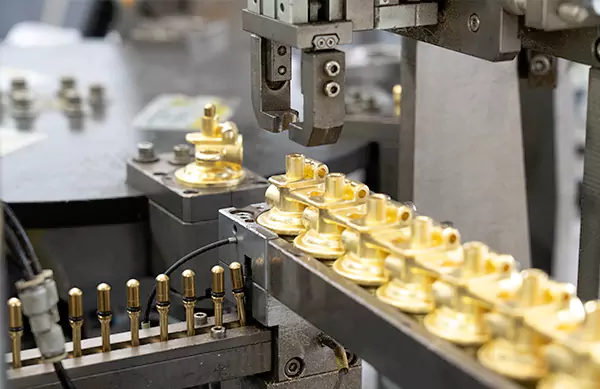
The valve is a critical component of a portable water fire extinguisher. Buyers should evaluate operating reliability, sealing performance, pressure compatibility, connection dimensions, corrosion resistance, and conformity with the applicable product design.
ANKE supplies fire extinguisher valves and related products. Valve selection should be based on the extinguisher manufacturer's engineering requirements and validated system compatibility.
Applications of Portable Water Fire Extinguishers
Portable water fire extinguishers may be used in environments where Class A fire hazards are present and water-based extinguishing agents are appropriate.
Typical applications include:
- Offices and commercial buildings: Areas containing paper, cardboard, and ordinary furnishings.
- Schools and educational facilities: Approved locations with ordinary combustible materials.
- Warehouses and storage facilities: Areas storing suitable solid combustible goods, subject to the site's fire risk assessment.
- Manufacturing facilities: Designated areas where water is suitable for the identified fire hazards.
- Retail and public buildings: Locations where the fire protection plan specifies water extinguishers.
The final selection and placement of fire extinguishers should follow applicable building codes, fire safety regulations, hazard assessments, and instructions from qualified fire protection professionals.
Why the Extinguisher Valve Matters
A portable water fire extinguisher relies on a properly engineered valve assembly to control agent discharge and support safe operation.
When sourcing extinguisher valves, professional buyers should consider the following factors:
- Pressure and design compatibility: The valve must be suitable for the extinguisher's design pressure and operating conditions.
- Sealing performance: Appropriate seals and validated manufacturing processes help reduce the risk of leakage.
- Connection dimensions: Inlet threads, sealing interfaces, and mounting dimensions must match the cylinder and other system components.
- Material suitability: Materials should be selected for the agent, environmental conditions, mechanical loads, and applicable corrosion requirements.
- Testing and traceability: Buyers should establish the required inspection records, batch identification, and acceptance criteria with the supplier.
Ningbo Kaituo Valve Co., Ltd., under the ANKE brand, focuses on fire extinguisher valves and related products. For water extinguisher projects, provide your required valve drawings, connection specifications, pressure requirements, and target-market standards so the appropriate component can be evaluated.
OEM and ODM Cooperation
If you require customized services, you may need to provide the following data or requirements.
Depending on the product and manufacturing scope, potential project requirements include:
- Valve configuration and connection customization.
- Material and sealing component selection.
- Technical drawing review.
- Product identification and packaging coordination.
- Sample evaluation and qualification testing.
- Batch quality requirements and inspection documentation.
Customization availability, minimum order quantities, lead times, and production capacity must be confirmed for each project.
To request a quotation, provide your target application, required valve or extinguisher configuration, estimated order quantity, destination market, and relevant technical drawings.
Installation and Maintenance
Correct installation and regular maintenance are essential to maintaining extinguisher readiness.
General considerations include:
- Install extinguishers in accessible, clearly identified locations.
- Select the extinguisher type according to the fire hazards and applicable regulations.
- Follow the manufacturer's mounting and operating instructions.
- Inspect the pressure indicator, where fitted, and check for visible damage, leakage, corrosion, or missing safety components.
- Arrange professional servicing and required periodic inspections in accordance with local regulations and manufacturer instructions.
- Remove damaged or discharged units from service until they have been appropriately inspected and restored.
Maintenance intervals and procedures vary by jurisdiction and extinguisher type. Always follow the applicable regulations and the manufacturer's instructions.
Frequently Asked Questions
What is a portable water fire extinguisher used for?
A conventional portable water fire extinguisher is primarily intended for Class A fires involving ordinary combustible materials, such as wood, paper, and cardboard. The approved applications of the specific model should always be checked before use.
Is a water fire extinguisher suitable for electrical fires?
A conventional water extinguisher should not be used on energized electrical equipment because of the risk of electric shock. Select an extinguisher specifically approved for the identified electrical hazard and follow applicable safety procedures.
Can a water fire extinguisher be used on flammable liquids?
Conventional water extinguishers are generally unsuitable for flammable liquid fires because water may spread burning liquids. Use an extinguisher rated for the relevant fire hazard.
What specifications should buyers check before purchasing?
Important parameters include capacity, fire rating, operating pressure, cylinder material, valve configuration, discharge performance, applicable standards, certification scope, and maintenance requirements.
What should I consider when sourcing water extinguisher valves?
Check the required connection dimensions, operating pressure, sealing materials, corrosion resistance, functional requirements, component compatibility, inspection documentation, and destination-market regulations.