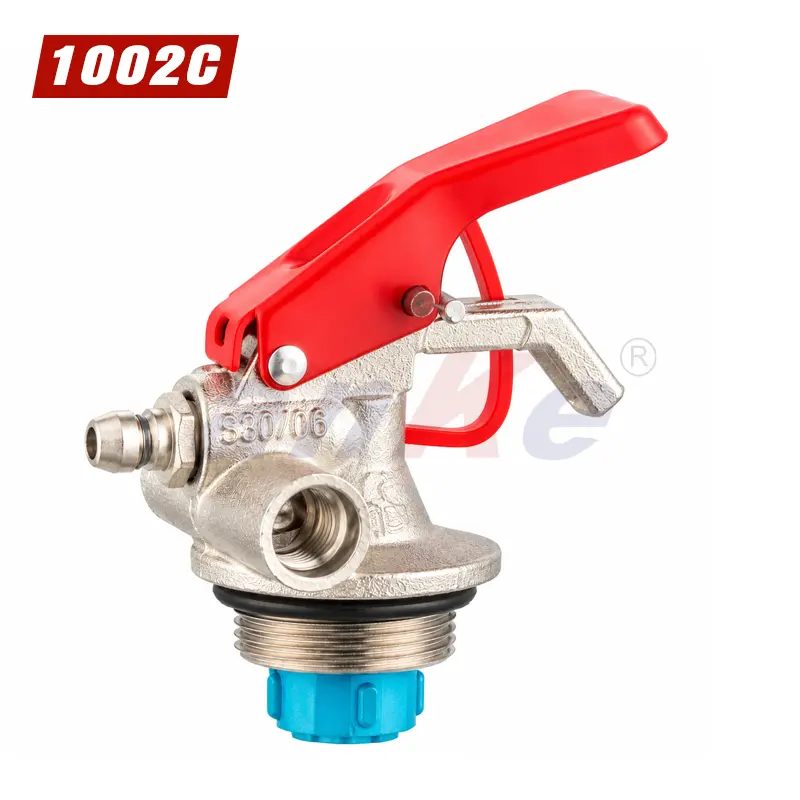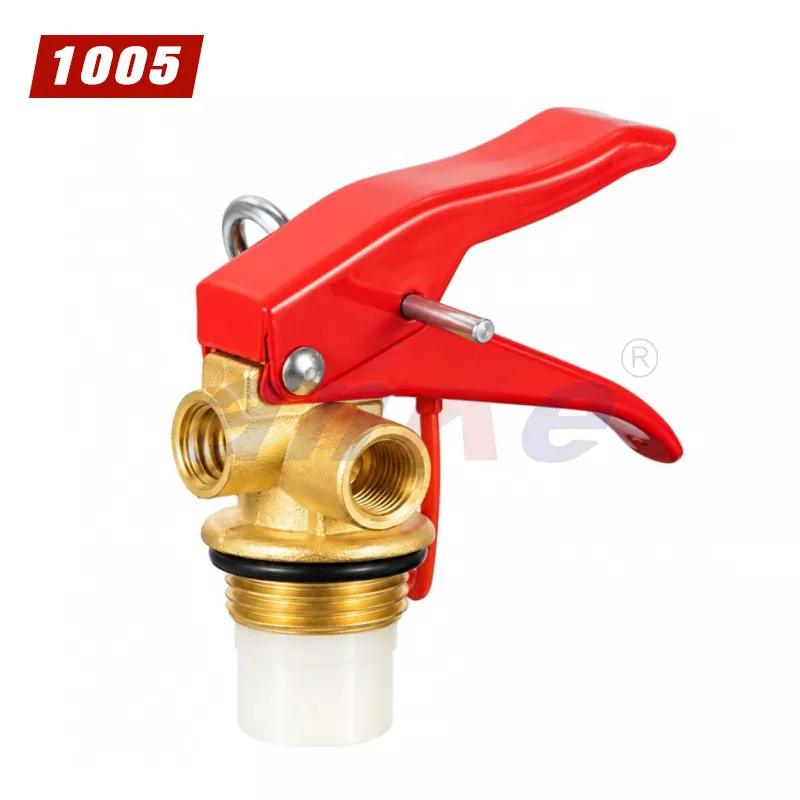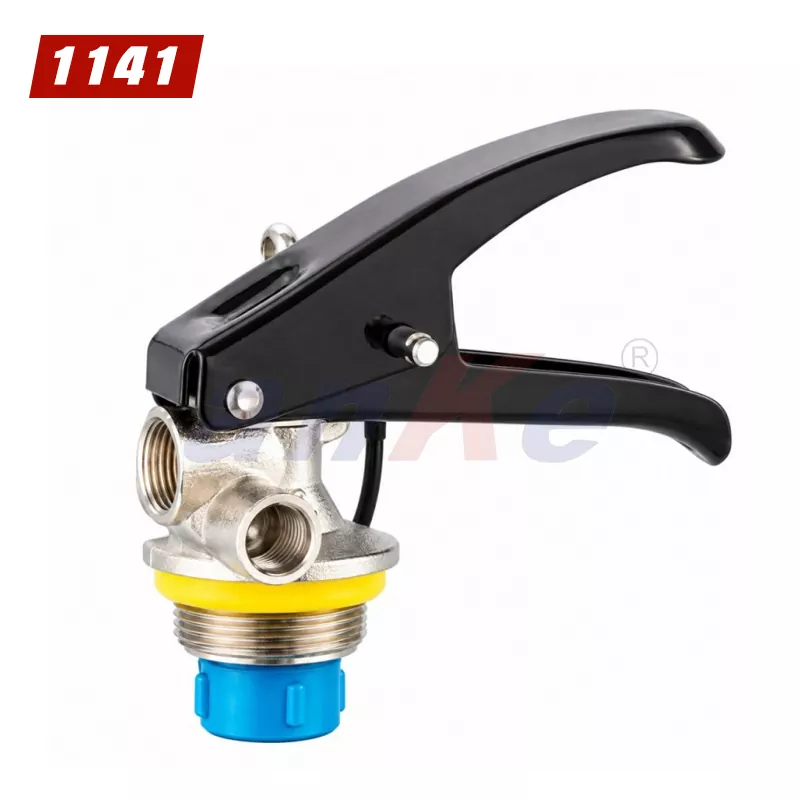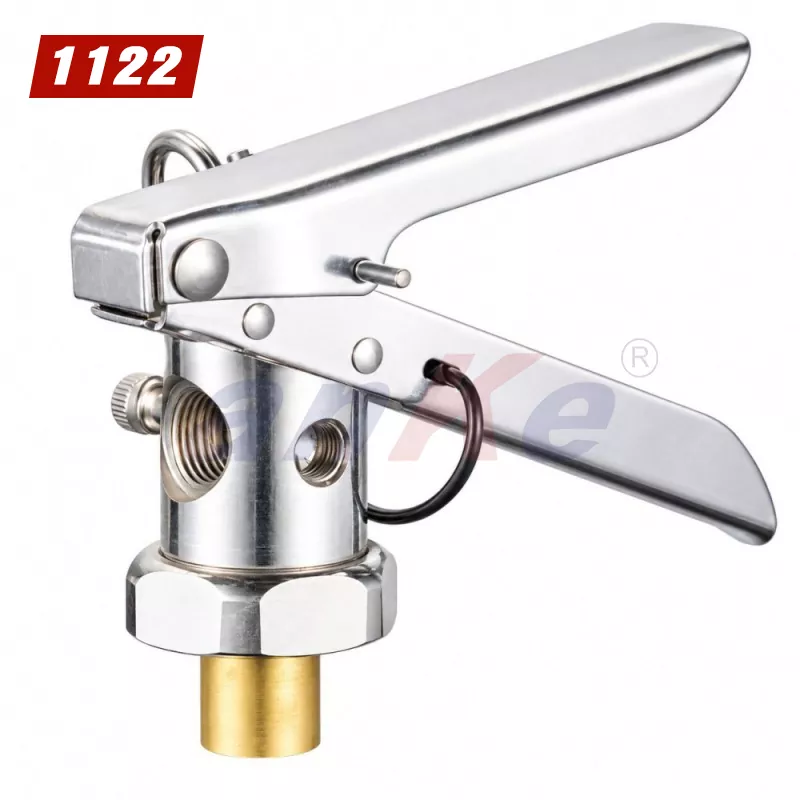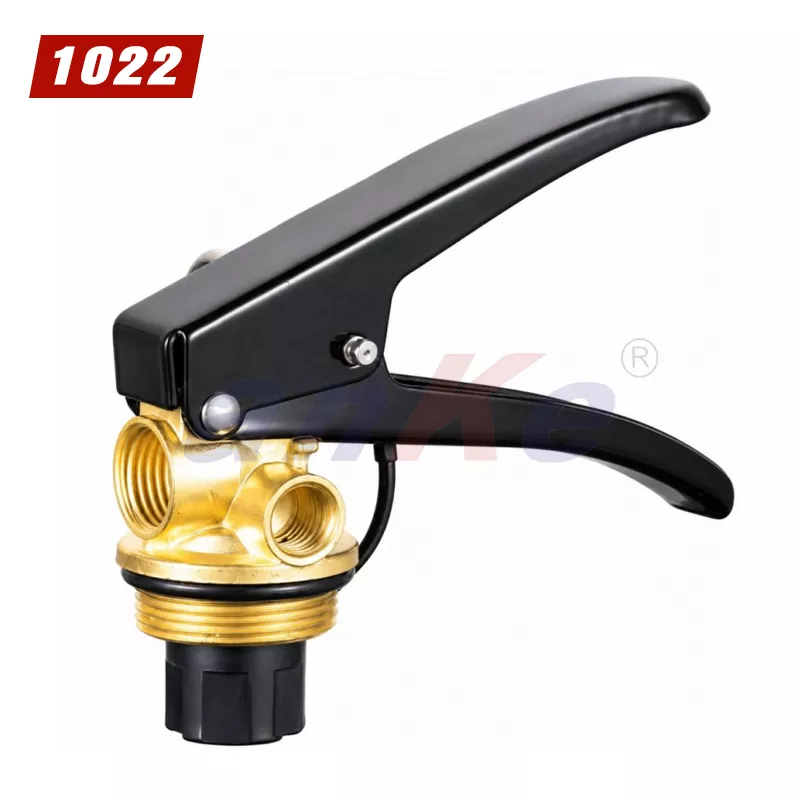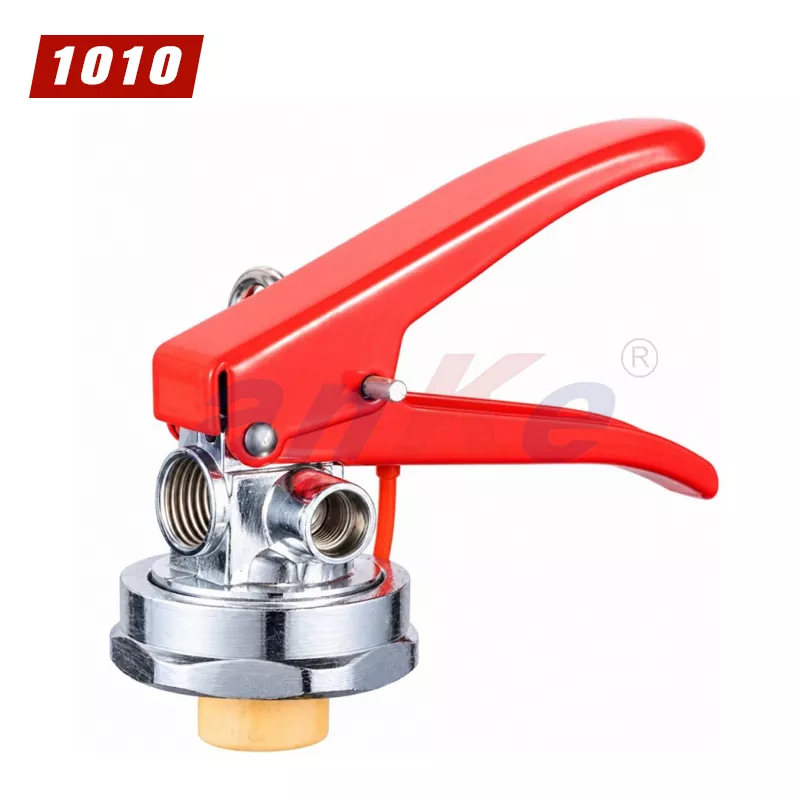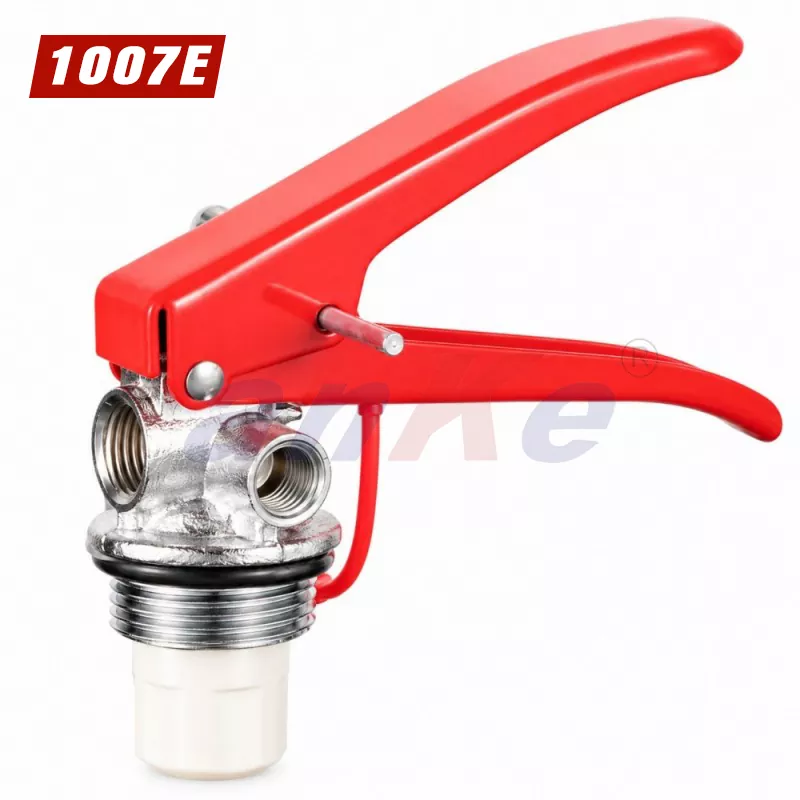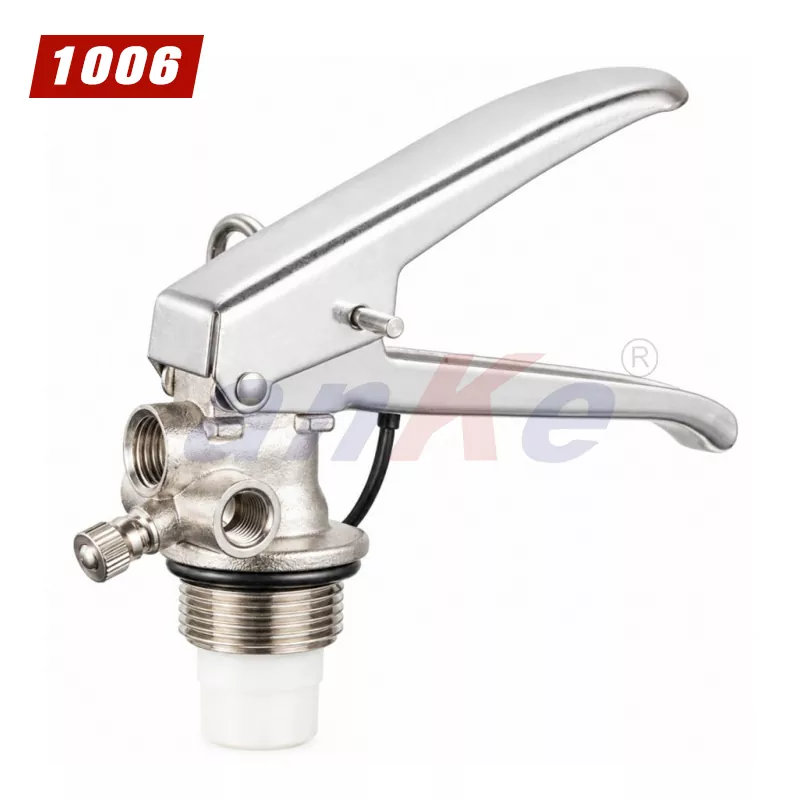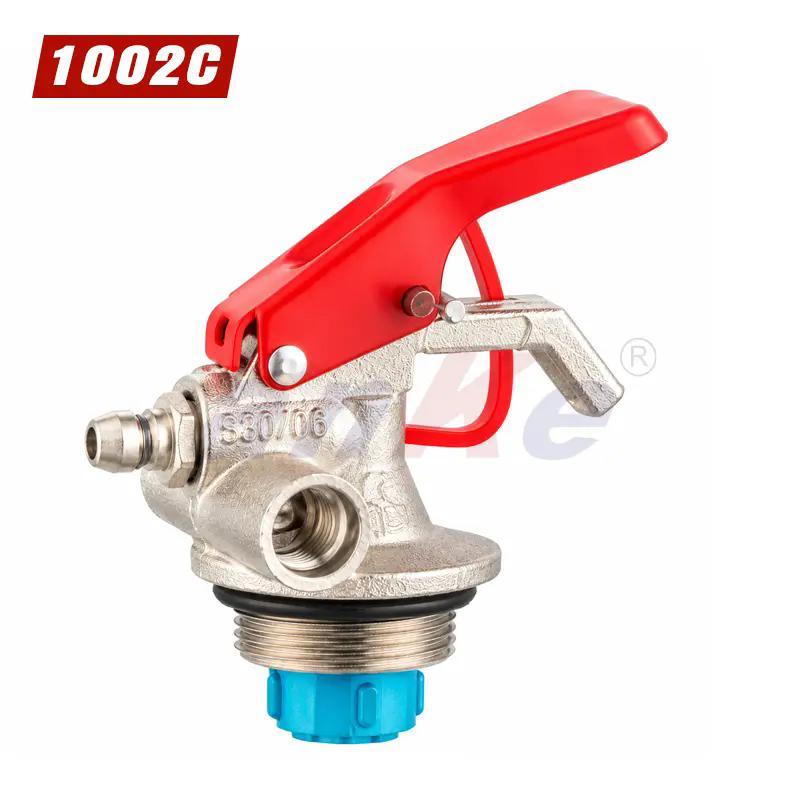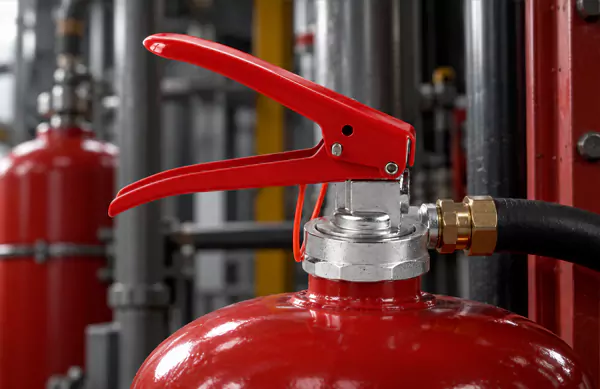
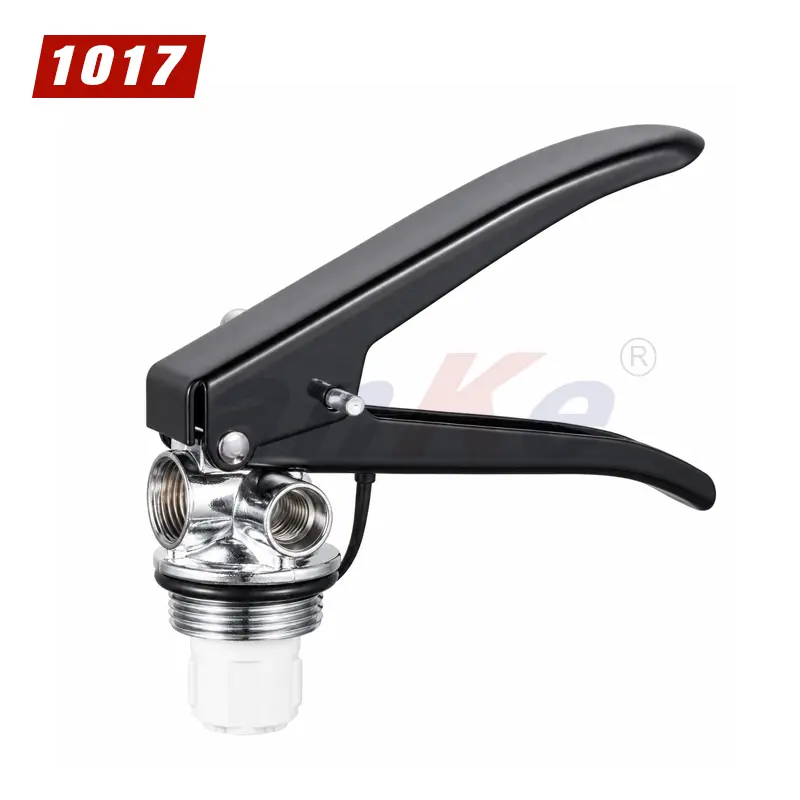
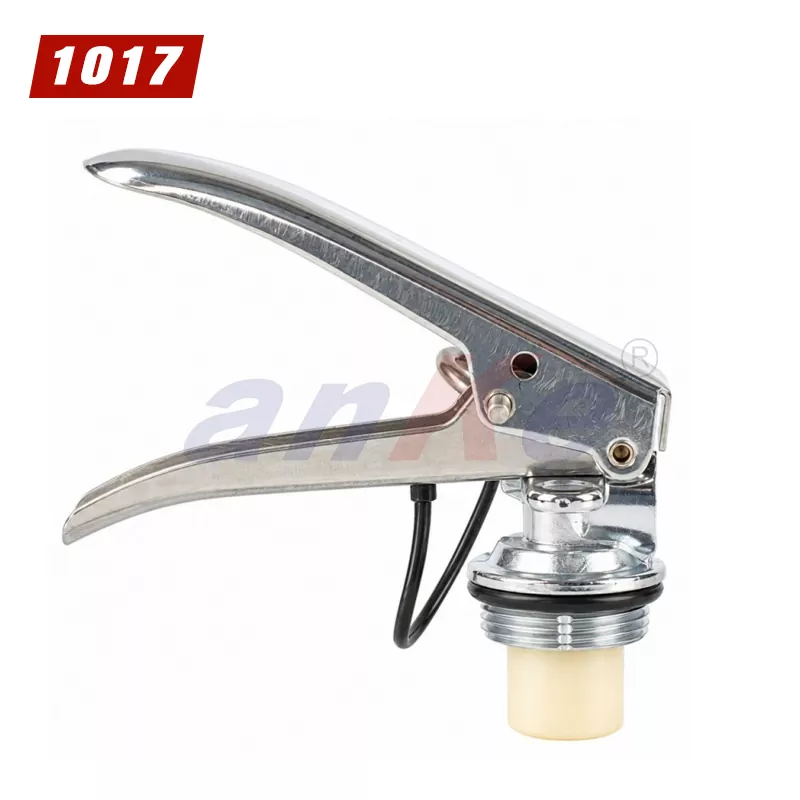
The 3-9kg Water Based Fire Extinguisher Valve is widely used in industrial manufacturing facilities, hazardous chemical warehouses, gas stations, transportation vehicles (such as trucks, buses, and construction machinery), commercial buildings, data center server rooms, and harsh environments such as coastal areas with high salt fog, these fire extinguishers whether used to combat fires involving solids, flammable liquids, or gases, or sudden fires in electrical equipment are designed with high weather resistance, shock resistance, and leak-proof features to ensure they respond immediately and deliver a stable spray when it matters most.
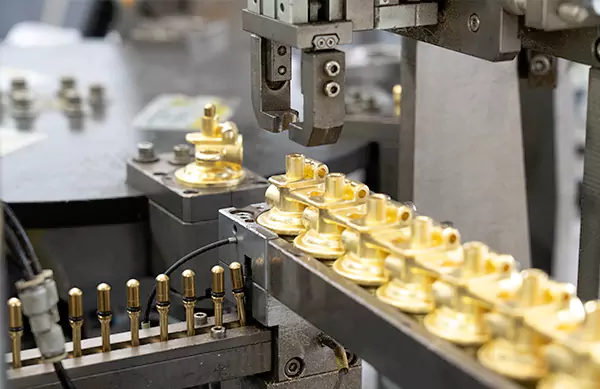
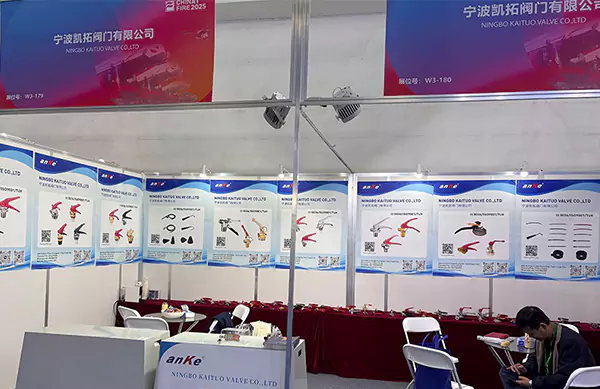
With multiple automated production lines, the company has an annual production capacity of 3.5 million sets of valves. Products are exported in stable, bulk quantities to markets around the world year-round. Physical Factory and Factory Audit Services: The factory covers an area of 12,000. We welcome customers to schedule on-site factory audits at any time.
| Item | Specification |
|---|---|
| Material | Copper/Aluminium |
| Surface treatment | According to customer requirements (chrome/nickel plated) |
| Inlet thread | M30X1.5/ 9/16UNF |
| Outlet thread | M16X1.5/G1/4 |
| Gauge thread | M10X1/NPT1/8 |
| Dip tube pipe thread | M16X1.5/M16X1 |
G1/4 is a parallel thread under ISO 228, and it does not seal on the thread flanks. Pressure tightness at a G1/4 port is achieved at a sealing face or with a gasket — typically a bonded washer or a profile sealing ring seated against a machined shoulder. This is a different sealing principle from NPT, which is tapered and seals by thread interference. Applying an NPT-style sealant approach to a G1/4 port, or the reverse, is a common assembly error.
Published assembly torque data for G1/4A ports in brass and aluminium fittings falls in a broad range depending on the sealing form: approximately 28–40 Nm for sealing-ring and flat-sealing configurations, and higher for metal-edge sealing forms. For brass and aluminium components, the upper end of a steel-fitting torque range should not be applied; general assembly guidance for these materials calls for a reduction of roughly 35% relative to the steel reference value. The correct figure belongs to the outlet component manufacturer’s specification, and the sealing washer material should be checked against the agent and the ambient conditions rather than selected only by thread size.
The parameter table lists copper or aluminium as alternatives. The two materials are not interchangeable across all service conditions without review.
Copper alloy bodies are forged and offer high mechanical strength and good resistance to the corrosion mechanisms encountered in water-based and foam agent service. Aluminium alloy bodies reduce weight, which matters for portable units where total mass affects handling, but aluminium has a different galvanic relationship to steel brackets and to certain threaded fittings. Where an aluminium valve is mated to a dissimilar metal in a wet or coastal environment, the joint should be reviewed for galvanic corrosion risk, and the surface treatment (anodising, plating, or paint) becomes part of the corrosion protection rather than a cosmetic choice.
The choice between copper and aluminium should be tied to the cylinder material, the mounting arrangement, and the expected exposure. A copper valve selected for a coastal installation and an aluminium valve selected for the same location on weight grounds do not carry the same corrosion margin even when both pass the same salt spray test on the valve body alone.
Portable extinguishers maintained under schedules aligned with EN 3-7 commonly follow annual basic inspection, a 5-year extended service involving internal examination and recharge, and a 10-year hydraulic test at the cylinder’s stamped PT value. Valve replacement is most consistently associated with the 10-year overhaul, or with an earlier intervention where inspection finds corrosion at the inlet sealing face, a gauge port that does not hold pressure, deformation of the outlet threads, or a lever and safety-pin mechanism that does not operate smoothly.
The 5-year extended service is also the point at which the dip tube and the discharge path are examined internally. On a valve where the outlet and dip tube threads share the same nominal designation (M16×1.5), the two connections should be identified separately in the service documentation, because a tube swapped between them would not produce the intended discharge behaviour. Where a safety device is present elsewhere in the assembly rather than integrated into the valve, the 5-year and 10-year checks should confirm that function independently of the valve’s own visual condition.
Precision Pressure Control & Instant Activation:
Equipped with an ergonomic, anti-misoperation stainless steel lever mechanism and high-sensitivity safety pin. The valve opens smoothly under physical activation, ensuring instant discharge of fire extinguishing agents with optimal spray velocity.
Corrosion & Harsh Environment Resistance:
Forged from dense copper alloy (forged brass) or lightweight aluminum alloy, each valve body undergoes specialized anti-oxidation and surface plating treatment.
Engineered for global OEM assembly and replacement markets, our valves perform reliably across high-risk environments:
Industrial & Hazardous Locations: Chemical warehouses, manufacturing plants, gas stations, and refinery yards.
Transportation & Logistics: Trucks, commercial buses, railway cars, and heavy construction equipment.
Commercial & Critical Infrastructure: Office towers, shopping malls, data center server rooms, and healthcare facilities.
Marine & Coastal Installations: Offshore platforms, marine vessels, and port terminals requiring elevated salt-fog corrosion protection.
· 3.5 Million Units Annual Capacity:
· Operating out of a 12,000 m² modern manufacturing facility, Ningbo Kaituo Valve Co., Ltd. utilizes fully automated CNC machining, high-precision thread cutting, and automated assembly lines to support high-volume OEM/ODM demand.
· Strict 100% Quality Inspection:
· Every production lot undergoes rigorous air-tightness testing, hydraulic pressure testing, and dimensional verification according to international standards (including EN 3 and European Pressure Equipment Directive PED benchmarks).
· Transparent B2B Service & On-Site Factory Audits:
· We maintain full traceability from raw brass bar stock to final packaged valves. Global buyers, importers, and fire protection distributors are fully welcome to schedule on-site or video factory audits at any time.
A1: We have ISO, CE, TüV, MPA, BSI and other certifications.
A2: Our valves are designed and manufactured in strict compliance with international standards:
Valve bodies and stems are forged from HPb59-1 lead brass bar stock, conforming to Chinese GB/T 5231 and GB/T 4423 standards.
Safety pressure relief structures are incorporated to prevent overpressure explosion risks.
Thread specifications for cylinder connections strictly follow internationally accepted standards (such as PZ27.8, M30×1.5, etc.), ensuring compatibility with mainstream fire extinguisher cylinders.
Seals are made of NBR (nitrile rubber) for long-term sealing performance.
Our products have obtained EN, CE and ISO certifications, ensuring safe export to European and global markets.
A3: Not exactly. Fire extinguisher valves are our core products, but our business scope goes far beyond that.
A4: The valve is a pressure accessory under PED 2014/68/EU. Its category depends on the PS and DN values at the valve interface and on the fluid group, read from the applicable classification table. Portable extinguisher vessels are classified at least in Category III, but the valve’s treatment within that assembly follows the PS and DN calculation rather than a fixed category assigned to the valve part number.
A5: Neutral salt spray testing for portable extinguisher external components is commonly run for 480 hours under ISO 9227 or ASTM B117, with assessment for red rust and for free movement of the operating mechanism after exposure. Nickel plating is the finish most frequently selected for coastal and offshore service. The 480-hour cycle is a baseline; actual service life depends on plating thickness, adhesion, and the corrosivity of the specific location.
A6: G1/4 is a parallel thread and does not seal on the thread flanks. It seals at a shoulder face or with a gasket. Thread sealant alone will not produce a reliable joint on a parallel-thread port. The sealing washer material should be selected for the agent and the ambient conditions, and the assembly torque should follow the outlet component specification rather than a generic value.
A7: Valve replacement is most typically associated with the 10-year hydraulic test and overhaul, or with an earlier intervention if inspection finds corrosion at the sealing face, a leaking gauge port, deformed threads, or a lever mechanism that does not return cleanly. The 5-year extended service is the point at which the dip tube and discharge path are internally examined. Where overpressure protection is located elsewhere in the assembly, that function should be verified at both the 5-year and 10-year interventions.
A8: Not without review. Aluminium reduces weight, but its galvanic relationship to adjacent steel or dissimilar fittings differs from copper, and the surface treatment becomes part of the corrosion protection system rather than a finish choice. The valve material should be selected together with the cylinder material and the mounting arrangement, not on weight grounds alone.
Address
Factory: Huilong Village, Huangjiabu Town, Yuyao City, Zhejiang Province, China
Branch Office: Hengye Building 509, No.158 Tai'an Middle Road, Yinzhou District, Ningbo, Zhejiang, China
Tel