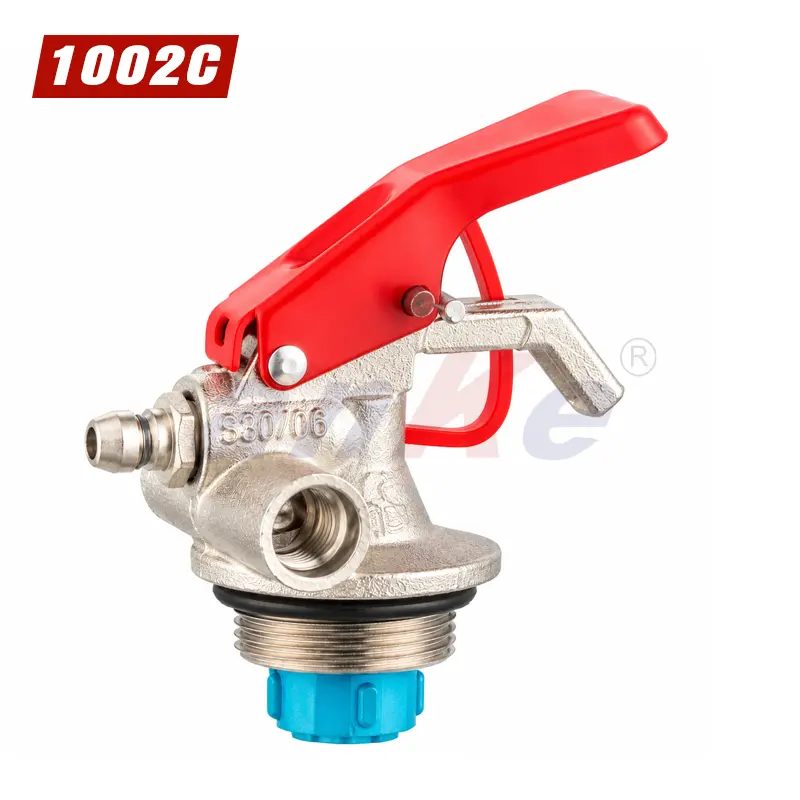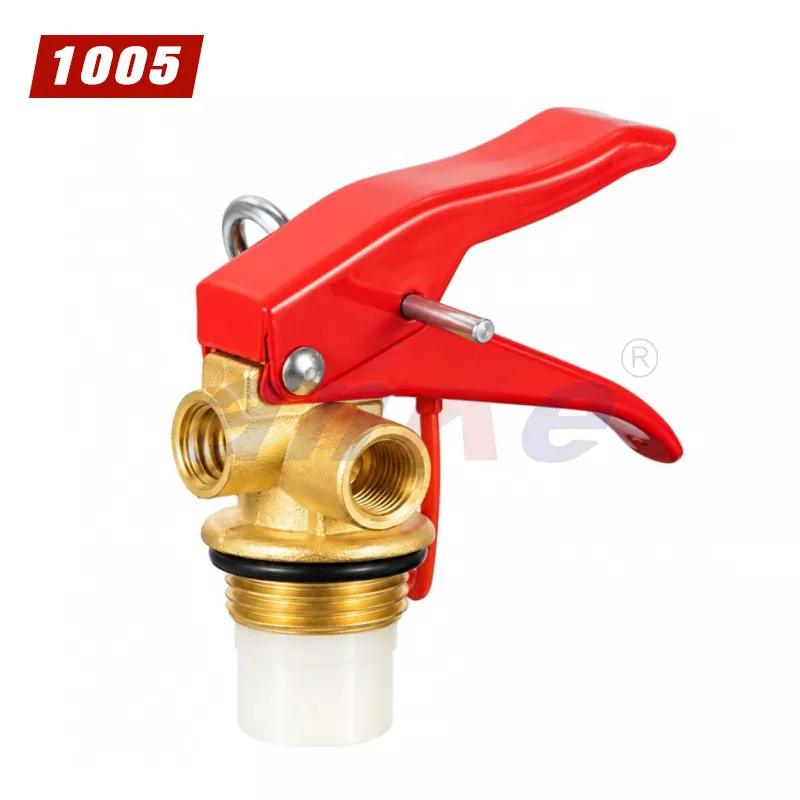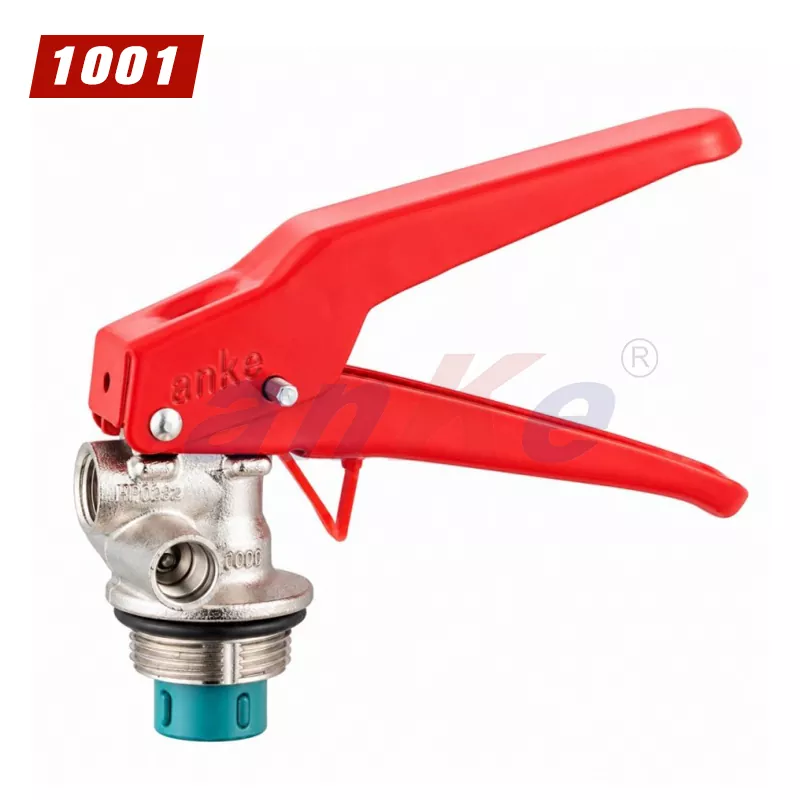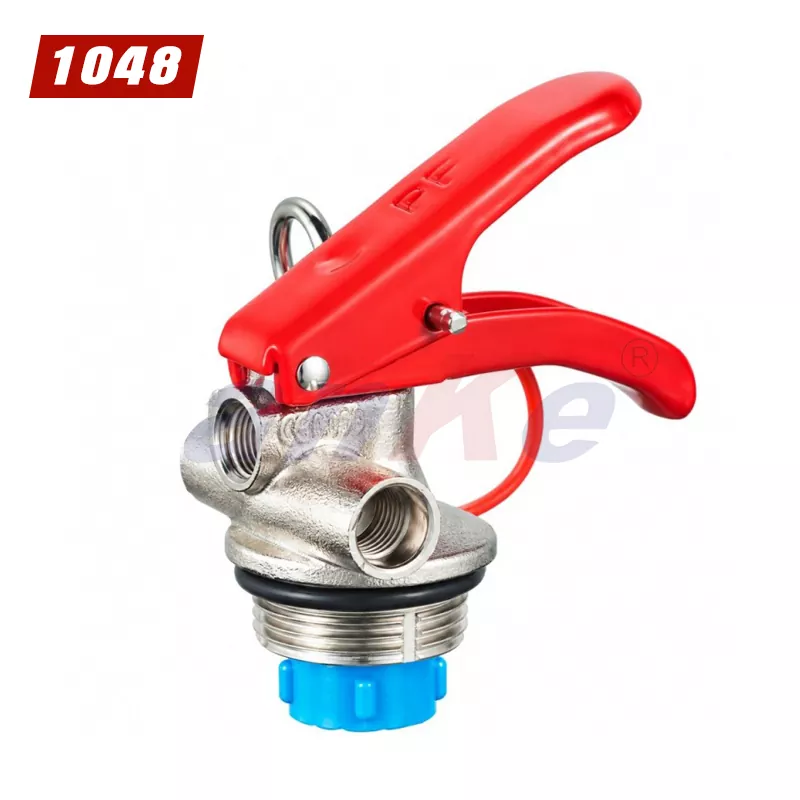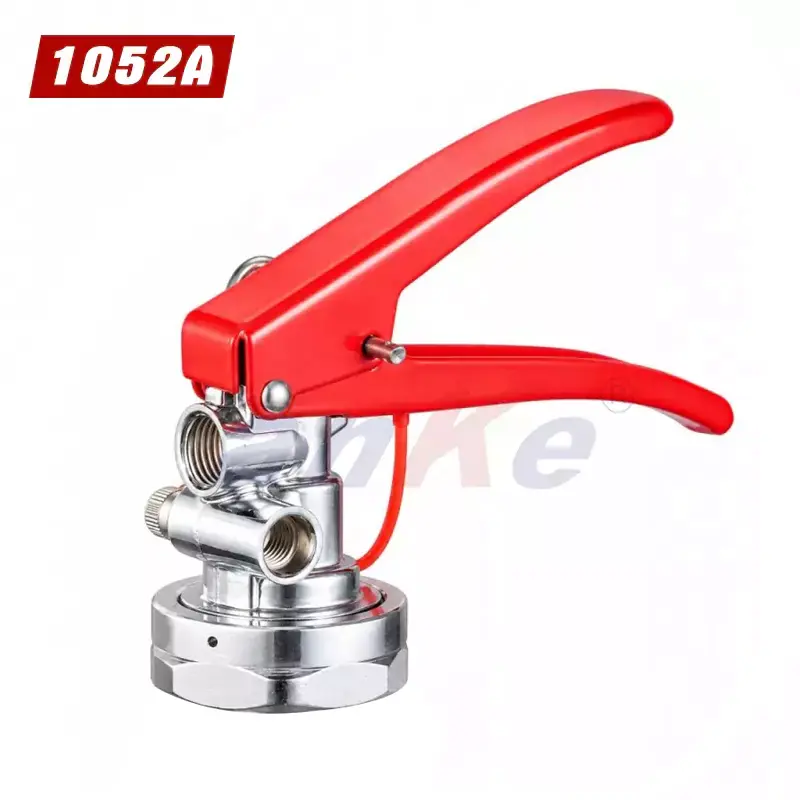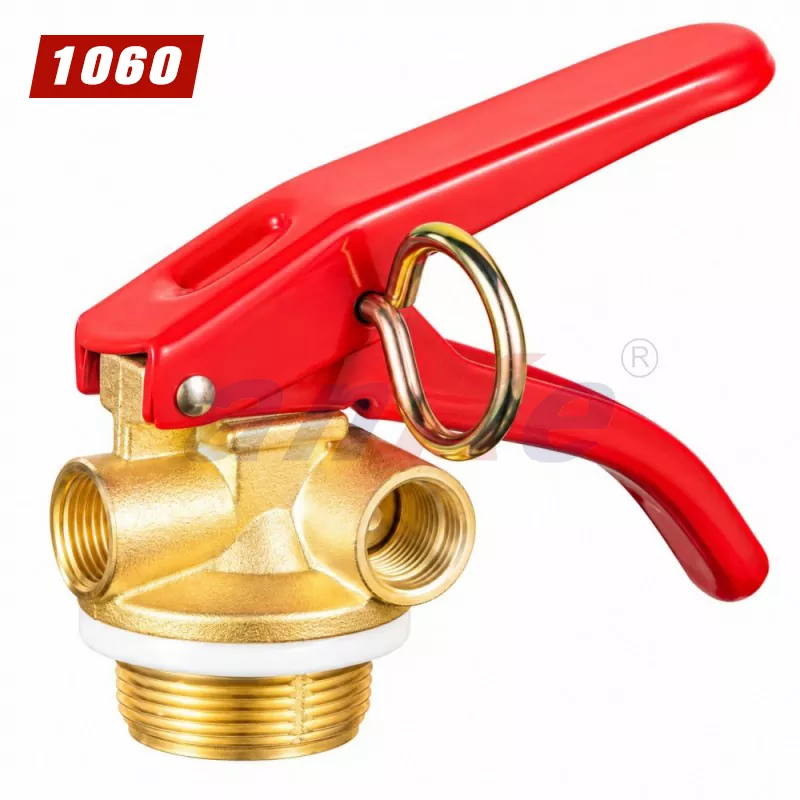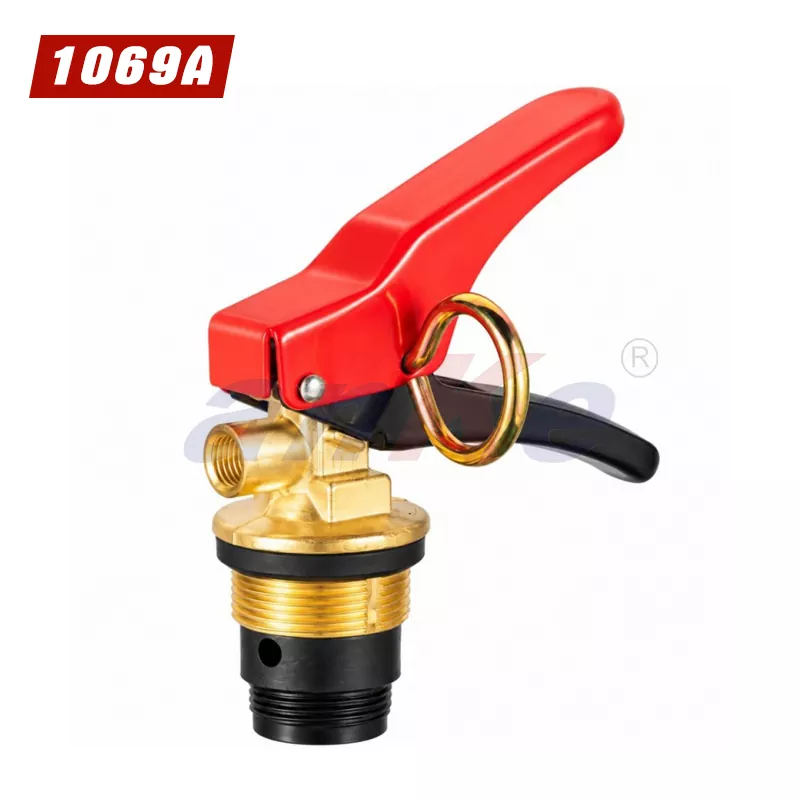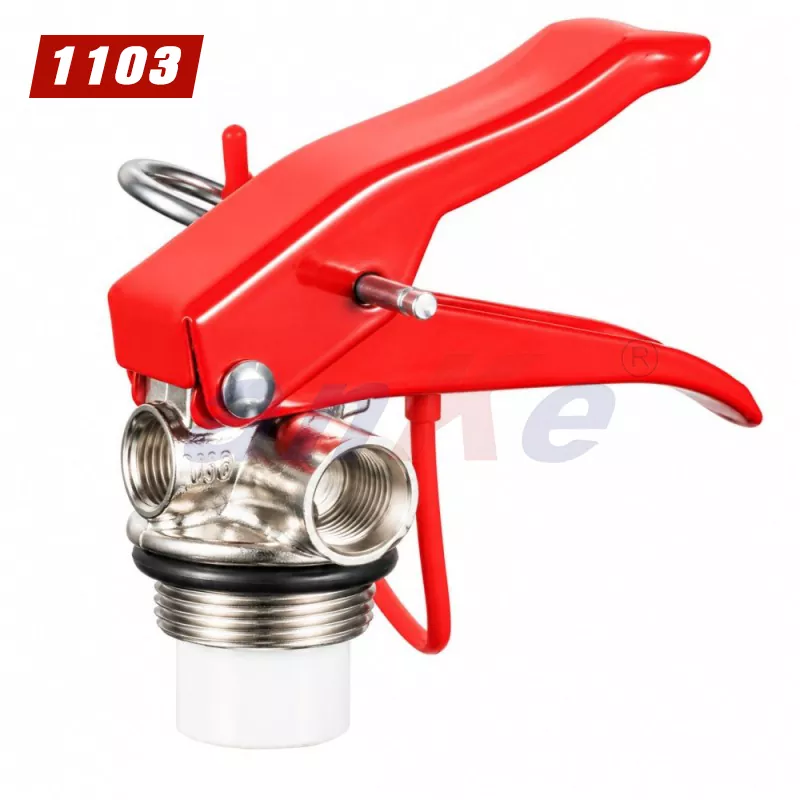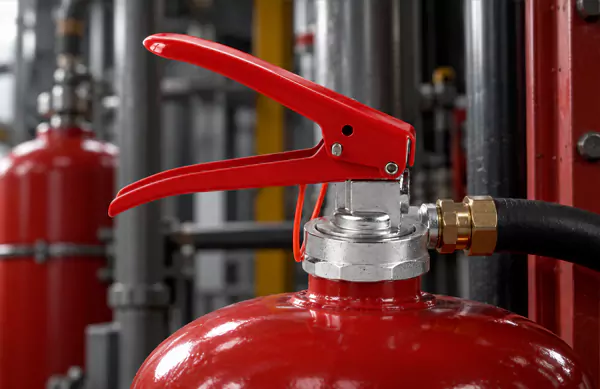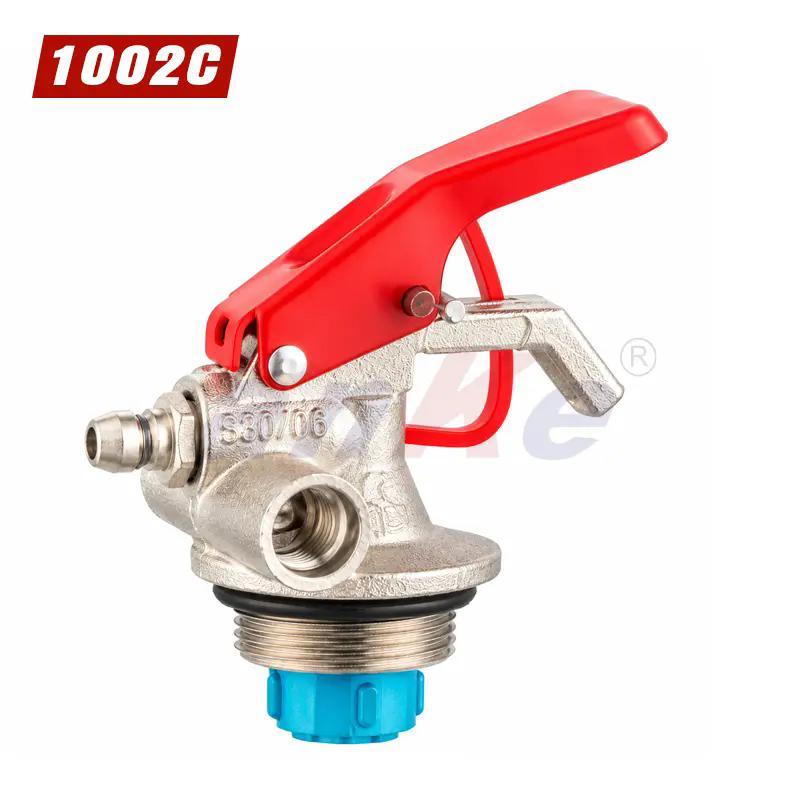
A Foam Fire Extinguisher Valve is a heavy-duty fluid control device engineered specifically for AFFF (Aqueous Film Forming Foam), AR-AFFF (Alcohol-Resistant Foam), and fluorine-free foam fire extinguishers. Installed directly on the cylinder throat, its primary function is to maintain an airtight seal for both the pressurized expellant gas (typically nitrogen) and the liquid foam concentrate, while facilitating rapid, proportional, and non-clogging discharge during Class A and Class B (flammable liquid) fire emergencies. Because foam solutions contain active chemical surfactants and water, these valve bodies are precision-machined from corrosion-resistant forged brass (CW617N / HPb59-1) or stainless steel, further enhanced with electroless nickel plating or deep passivation to prevent internal scaling and chemical erosion.
Foam fire extinguisher valves—such as those for 3-9Kg foam Fire Extinguisher Valve and 4-12L Fire extinguisher foam Valve are fall under this category.
Material and Construction
The foam fire extinguisher valve is a key control component designed for compatible foam fire extinguishers. It regulates the discharge of the foam extinguishing agent and supports reliable operation during fire emergencies. Depending on the product design and application requirements, the valve body may be manufactured from brass, copper alloy, aluminum alloy, or other suitable materials.
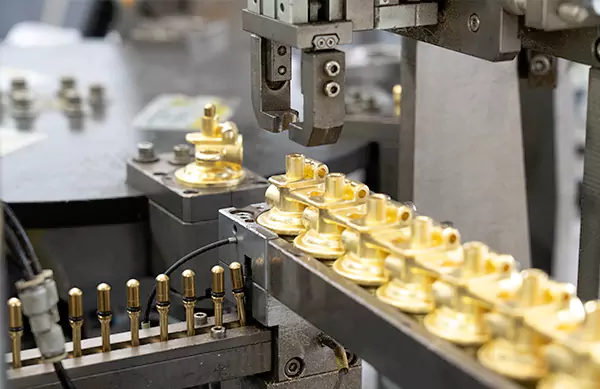
Heavy-duty hot forging creates a dense, non-porous metallurgical structure. Surface Anti-Corrosion Treatment: Valve bodies undergo precision electroless nickel plating, chrome plating, or passivation, creating an impermeable barrier against aggressive AFFF and alcohol-resistant foam concentrates. Valve Core Assembly: High-tensile stainless steel (SUS304/316) springs, brass stems, and CNC-machined valve seats work in unison to ensure instant actuation and zero-jamming operation.
Main Function and Applications
Target Fire Hazards: Specially engineered to control Class A (solid combustibles) and Class B (flammable liquid fires, such as gasoline, diesel, solvents, and alcohol derivatives) by suppressing vapors and starving the fire of oxygen.
Key Application Sectors: Commercial parking garages, fuel-handling stations, chemical storage facilities, logistics warehouses, marine vessel engine rooms, and pharmaceutical plants.
Capacity Classifications and Structural Types
To ensure precise engineering compatibility, foam fire extinguisher valves are categorized across specific capacity ratings and structural designs:
- 2L – 3L Portable Foam Valves: Compact, lightweight forged brass or aluminum assemblies fitted with integrated M10×1 gauge ports and vibration-resistant seals, widely installed in passenger vehicles, commercial delivery fleets, and small workshops.
- 6L – 9L Mainstream Commercial Foam Valves: The international industry standard for commercial protection. Features optimized internal flow channels to achieve maximum foam expansion ratios and long-range throw distance.
- 25L – 50L (and 100L) Heavy-Duty Wheeled/Trolley Valves: Engineered for mobile trolley units protecting high-risk industrial hazards (refineries, fuel docks, airports). Fitted with large-bore flow paths, heavy-duty handwheels/control levers, and high-capacity Safety Relief Valve.
- OEM / Custom Configurations: Fully customizable to customer drawings, including customized handle lengths, brand logo stamping, customized dip tube threads, and specialized sealing compounds.
Working Pressure and Pressure Resistance
Working pressure is an important technical parameter for a foam fire extinguisher valve. The valve must be designed and tested for the pressure conditions specified for the complete extinguisher assembly, including the cylinder, propellant system, and discharge components.
The applicable pressure rating depends on the extinguisher design, pressurization method, operating temperature range, and relevant product standards. Therefore, the rated working pressure and test pressure should be verified using the manufacturer's technical documentation and applicable certification requirements.
Thread Specifications and Cylinder Connection
The inlet thread connects the foam fire extinguisher valve to the extinguisher cylinder. Correct thread compatibility is essential for proper installation, mechanical integrity, and reliable sealing.
Depending on the cylinder design and target market, the connection may use metric threads, pipe threads, or another designated thread system. The exact thread type, nominal diameter, pitch, tolerance, and sealing arrangement must be verified against the product drawing and applicable standard.
Sealing Performance and Chemical Compatibility
The sealing system helps prevent leakage of the extinguishing agent or propellant during storage and operation. Depending on the valve design, seals may be manufactured from rubber, elastomers, or other engineered materials suitable for the intended service conditions.
For foam fire extinguisher valves, chemical compatibility is an important selection consideration. Different foam agents may contain different surfactants and additives, which can affect the long-term performance of sealing materials and internal valve components. Compatibility should therefore be verified against the specific foam concentrate or premixed solution.
Quality verification may include dimensional inspection, operating-function checks, leakage testing, and pressure-related testing required by the applicable standards. Claims concerning leak resistance, corrosion resistance, service life, or pressure performance should be supported by relevant test records.
Chemical Compatibility and Sealing Performance
Long-term pressure retention relies heavily on the elastomer compound selected for internal O-rings and valve seat gaskets:
Elastomer Selection: Standard NBR (Nitrile Rubber) is suitable for basic water/foam mixtures, whereas EPDM or Viton (FKM) elastomers are strictly recommended for AFFF 3%, AR-AFFF, and Fluorine-Free (F3) foam concentrates to eliminate chemical swelling or premature hardening.
Conclusion
A foam fire extinguisher valve is an essential control component that regulates the discharge of the extinguishing agent from a compatible foam fire extinguisher. Available in different materials, connection designs, and configurations, the valve should be selected according to the extinguisher model, rated working pressure, cylinder thread, sealing requirements, and chemical compatibility with the foam agent. Accurate technical specifications, suitable material selection, and documented quality testing help support reliable operation and compliance with applicable safety requirements.
FAQ
Q13: How does a fire extinguisher valve work?
A13: The fire extinguisher valve is the core component that controls the discharge of extinguishing agent. Its working principle is as follows: In the non-operating state, the valve maintains absolute airtightness to prevent propellant gas leakage. When the operating handle is pressed down, the valve stem moves downward, opening the valve passage, and internal pressure drives the extinguishing agent out through the nozzle or hose. Upon releasing the handle, the internal spring system automatically resets the valve stem, and the valve closes again, stopping agent discharge—this design allows intermittent operation, conserving extinguishing agent. The valve stem is the most critical component and the most frequently replaced part during maintenance, as its reliability directly determines whether the extinguisher will function properly in a fire emergency.
Q14: What material options are available for your valves? What are their advantages?
A14: Kaituo Valve offers multiple material choices to suit different application scenarios and customer requirements:
Brass (HPb59-1 Lead Brass): The classic valve material, forged for excellent corrosion resistance and mechanical strength, suitable for most conventional fire extinguisher applications.
Aluminum Alloy (AL6061): Aluminum valves offer moderate strength, good formability, corrosion resistance, and machinability, with the added benefit of lighter weight for improved portability and handling. Some aluminum valves can be chrome or nickel plated for enhanced aesthetics and durability.
Stainless Steel: For highly corrosive environments or specialized applications, stainless steel valves provide superior corrosion resistance and durability, maintaining stable performance under high temperature and pressure conditions to extend fire extinguisher service life.
Customers can select the most suitable material based on extinguisher type, operating environment, and budget. Customized surface treatment options (chrome plating, nickel plating, electrophoretic coating, etc.) are also available upon request.
Q16: What after-sales services and technical support do you provide?
A16: Kaituo Valve is committed to providing comprehensive after-sales support:
Professional Technical Support: Our sales and technical teams are always ready to assist with product selection, installation guidance, and usage inquiries. You can contact us via our website, phone, or email, and our expert team promises a response within 12 hours.
Customization Services: We can customize thread specifications, surface finishes, compatibility with different extinguisher models, and more according to customer requirements.
Quality Assurance: Our products are certified with EU EN, CE, and ISO9001 quality system certifications, with strict implementation of quality management systems.
Stable Supply: With a monthly production capacity exceeding 400,000 valves, we ensure reliable delivery for large-volume orders.