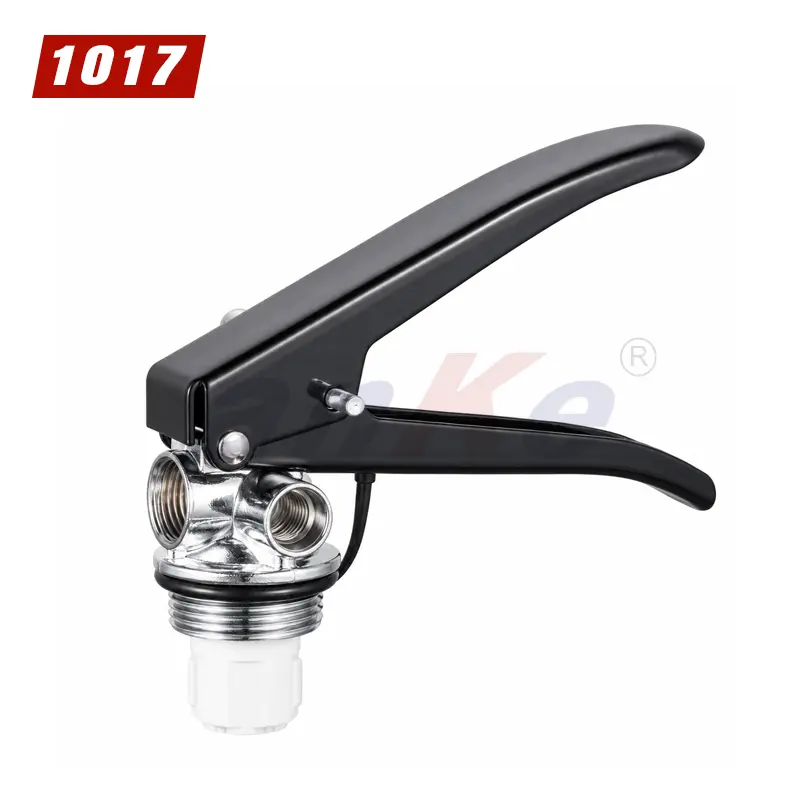
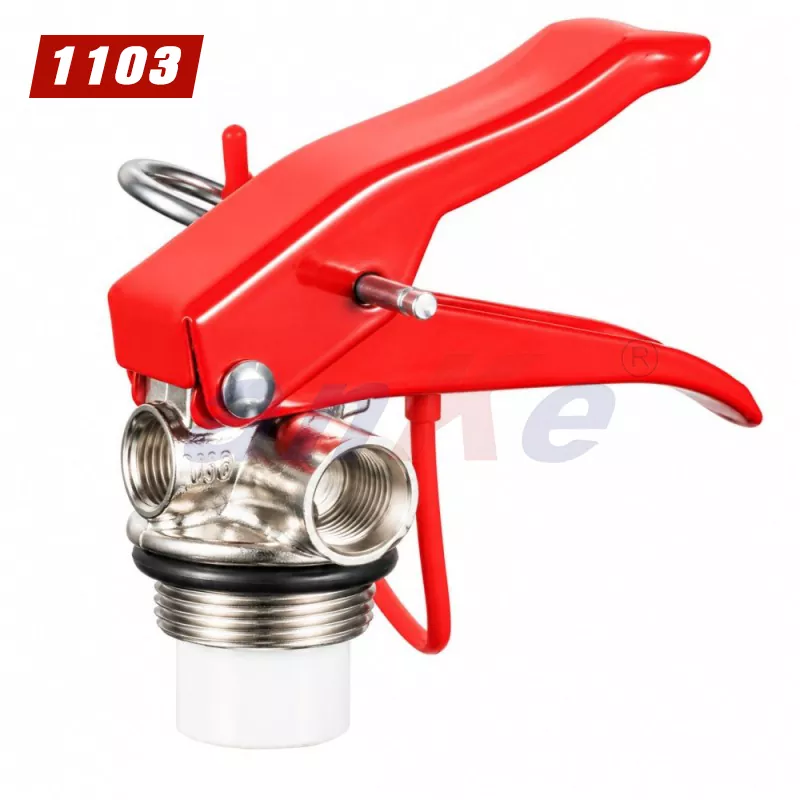
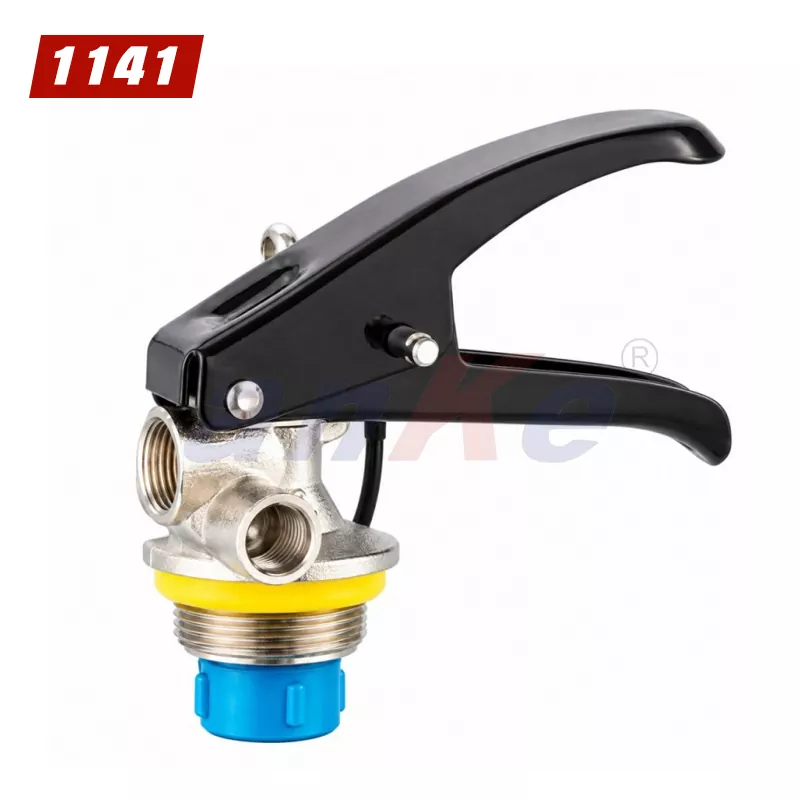
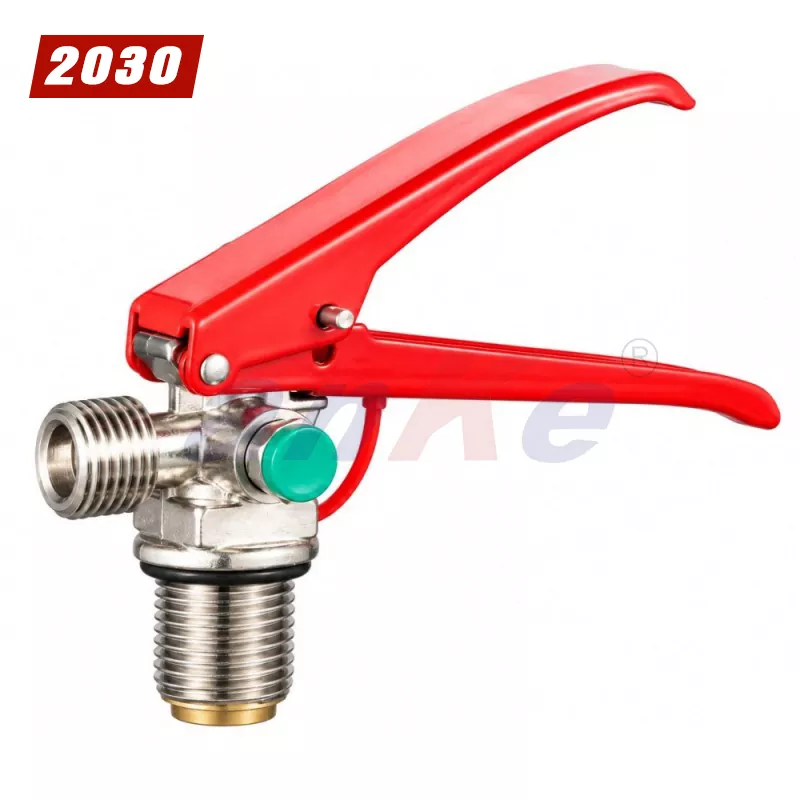
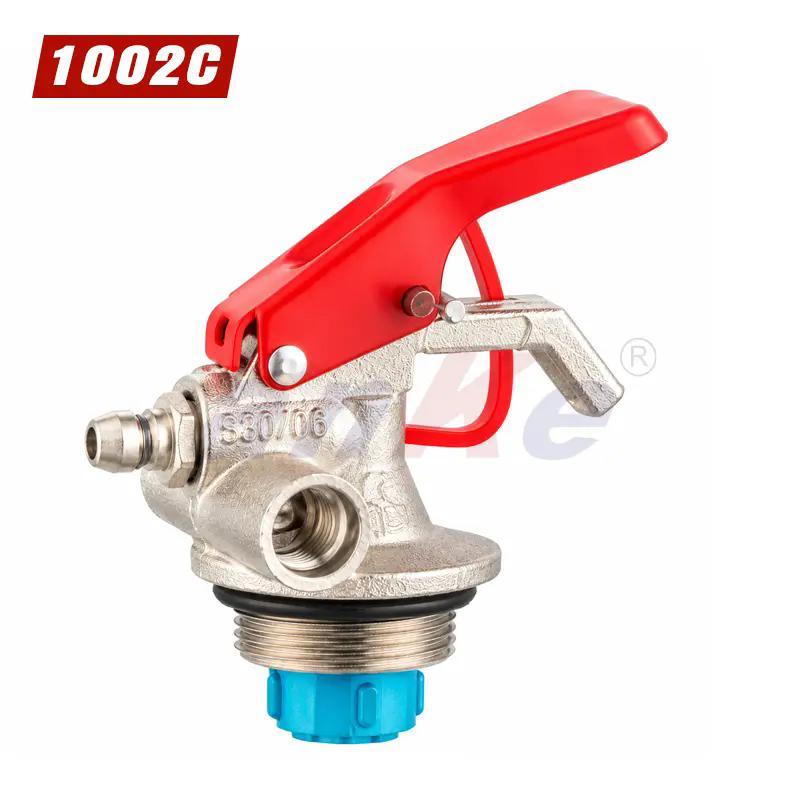
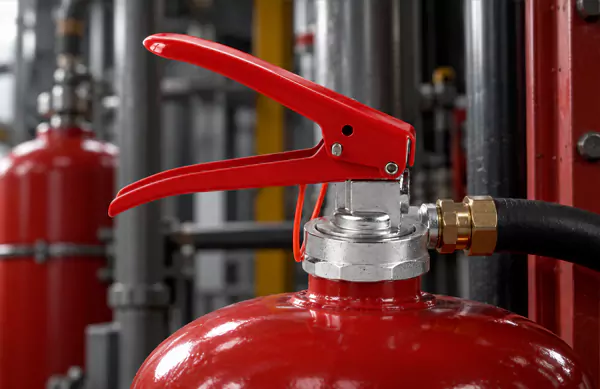
In the field of fire-fighting equipment, the "presence" of fire extinguishers is often overshadowed by dry powder tanks, pressure gauges or spray nozzles. However, it is precisely that unremarkable component - the dry powder fire extinguisher valve - that determines whether a fire extinguisher can "spray and extinguish immediately" in critical moments.
As the "heart" of the fire extinguisher, the dry powder fire extinguisher valve performs multiple functions such as sealing, opening, releasing and safety protection. A qualified dry powder fire extinguisher valve must remain stable in high temperatures, high pressures and corrosive powder media for a long time, and complete the activation action in an emergency with a millisecond response.
The core structure and working principle of the valve of a dry powder fire extinguisher
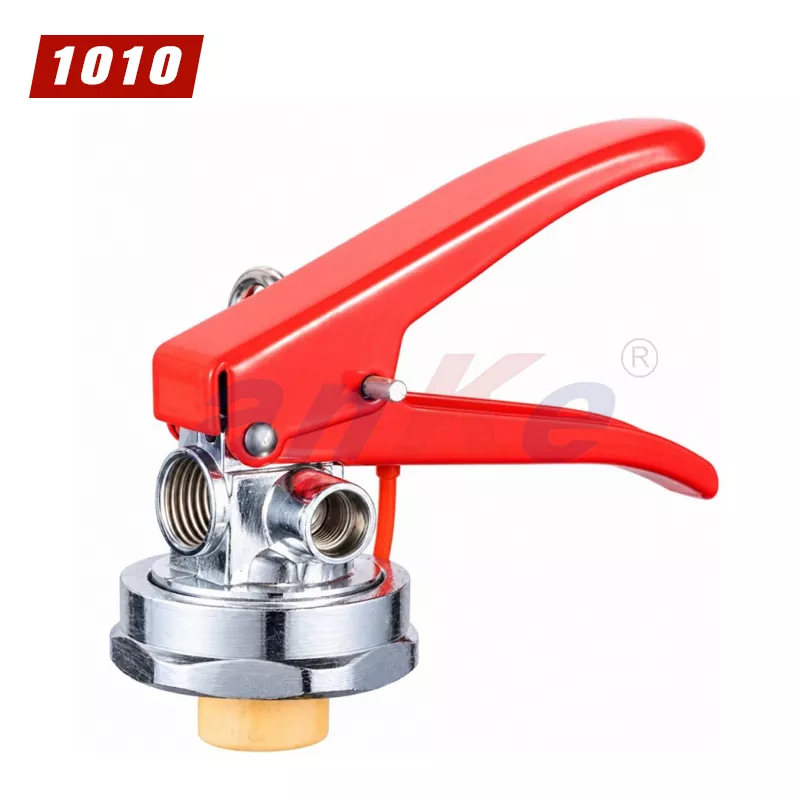
The valve of a dry powder fire extinguisher is usually composed of components such as the valve body, valve stem, handle, pull handle, spring, and sealing parts. According to the normative appendix of the national standard GB 4351, the valves of portable dry powder fire extinguishers are classified into two types based on the pressure driving mode: pressure storage type and gas cylinder storage type.
Taking the typical pressure storage type dry powder fire extinguisher valve as an example: the internal passage of the valve body is in contact with the lower-pressing type valve core through a conical sealing surface. The spring presses the valve core tightly against the sealing surface to form a reliable seal. When the operator removes the safety pin and presses the pull handle, the pull handle pushes the valve core downward, compressing the spring, and opening the passage. Under the pre-filled nitrogen pressure, the dry powder fire extinguishing agent is sprayed out at high speed through the nozzle.
Material selection is the foundation of the valve's performance. According to the current standard requirements, the valve body and valve stem are recommended to be made of HPb59-1 leaded brass rods through forging, and the sealing parts are selected as nitrile rubber. The Shore hardness is controlled within the range of (75 ± 5) HA. Such a material combination takes into account strength, corrosion resistance, and sealing reliability.
Safety design: The "invisible guardian" of the fire extinguisher valve
The valve of a dry powder fire extinguisher is not just a "switch". It integrates multiple safety protection mechanisms:
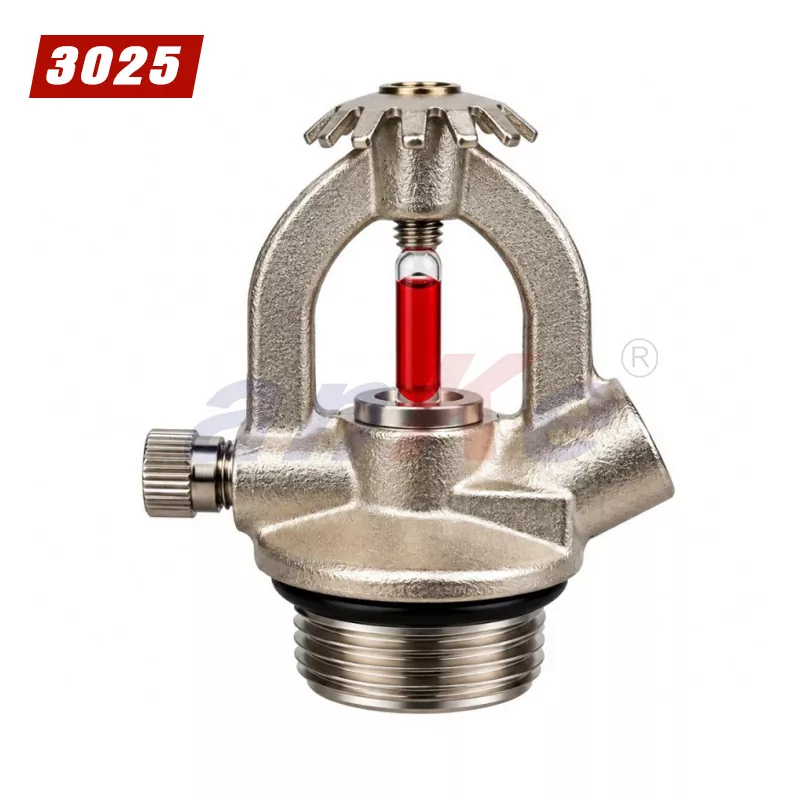
Overpressure protection device. For valves with a working pressure greater than 2.5 MPa, the standard requires the installation of an overpressure protection device. Its action pressure should not exceed the water pressure test pressure of the fire extinguisher and should not be lower than the maximum working pressure. This means that a qualified valve can safely release pressure when the internal pressure abnormally rises, preventing the tank from bursting.
Unloading groove structure. At the threaded part where the valve connects to the cylinder, if a unloading groove design is adopted, the length of the unloading groove should not be less than 3 pitch lengths, and the depth should be greater than the pitch height. The purpose of this design is: when maintenance personnel attempt to disassemble the valve, the residual pressure in the tank can be released before the screw completely detaches, avoiding the valve "flying off" and causing injury.
Safety pin and safety distance. The distance between the round head end face of the valve stem and the pull handle when the safety pin is not pulled out (safety distance) should be greater than 1 mm, and the valve stem stroke should be greater than 3 mm. These seemingly minor dimensions directly affect whether the fire extinguisher will be accidentally opened.
Manufacturing and testing: How a good valve is made
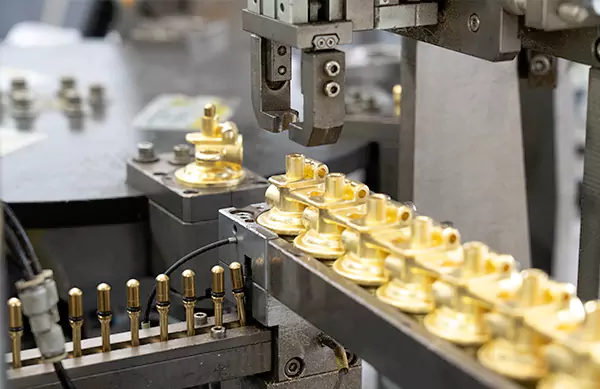
The manufacturing of dry powder fire extinguisher valves involves multiple stages such as forging, precision machining, surface treatment, and assembly testing. Taking the forged copper alloy valve body as an example, the material needs to undergo strict chemical composition and mechanical property inspections to ensure compliance with GB/T 5231 and GB/T 4423 regulations.
The assembled valve needs to undergo a series of factory tests: the sealingity test ensures no leakage when closed and the bubble leakage amount at each connection part does not exceed 20 per minute when opened; the working reliability test requires the valve to remain flexible and reliable after multiple actions and without structural damage; the salt spray corrosion resistance test verifies the long-term stability of the valve in humid or corrosive environments.
For products exported to the European market, the valves also need to meet the requirements of the EN 3 series standards. EN 3-8:2021 specifically stipulates the structural, pressure resistance, and mechanical test requirements for portable fire extinguishers with a maximum allowable pressure not exceeding 30 bar.
Global market trend: Steady growth in demand for dry powder valves
From the global market perspective, the fire extinguisher valve market is in a stage of steady expansion. According to industry research data, the global market size of fire extinguisher valves is approximately 1.5 billion US dollars in 2024 and is expected to grow to 3.2 billion US dollars by 2034, with a compound annual growth rate of approximately 8.1%.
Asia-Pacific region is one of the fastest-growing regional markets. The rapid urbanization, industrial development, and increasingly strict fire safety regulations are driving the demand for high-quality fire extinguisher valves in countries such as China and India. Meanwhile, there is a continuous strong demand in the European market for valves that meet the EN standards, especially in the fields of building fire protection system renovation and industrial safety upgrade.
A notable trend is the emergence of intelligent valve technology. Fire extinguisher valves that integrate sensors and Internet of Things functions can achieve remote monitoring of pressure status and fault warning, providing new possibilities for preventive maintenance of fire-fighting equipment.
Why Dry Powder Valves Are More Important Than You Think
Dry powder fire extinguishers are widely used in homes, vehicles, offices, warehouses, and industrial sites. When a fire occurs, users have only one chance - to pull out the safety pin and press the handle. If the valve gets stuck due to corrosion, fails in sealing, or has structural defects and cannot be opened, the fire extinguisher becomes a "silent iron canister".
That's why choosing a dry powder fire extinguisher valve that has been rigorously tested and meets international standards is far more important than you might think. For fire extinguisher manufacturers and purchasers, the quality of the valve directly determines the reliability rating of the entire machine and the safety of users' lives and property.
Regarding us
Ningbo Kaituo Valve Co., Ltd. (Ningbo Anke Fire Equipment Co., Ltd.) has been dedicated to the research and manufacturing of dry powder fire extinguisher valves and fire protection accessories since 2001. Its products include ABC dry powder fire extinguisher valves, pressure storage valves, wheeled fire extinguisher valves, and various accessories. 100% of its products are exported to dozens of countries around the world. The company holds certifications such as CE, TÜV, and ISO 9001, and provides OEM/ODM customization services.
We use cookies to offer you a better browsing experience, analyze site traffic and personalize content. By using this site, you agree to our use of cookies. Privacy Policy