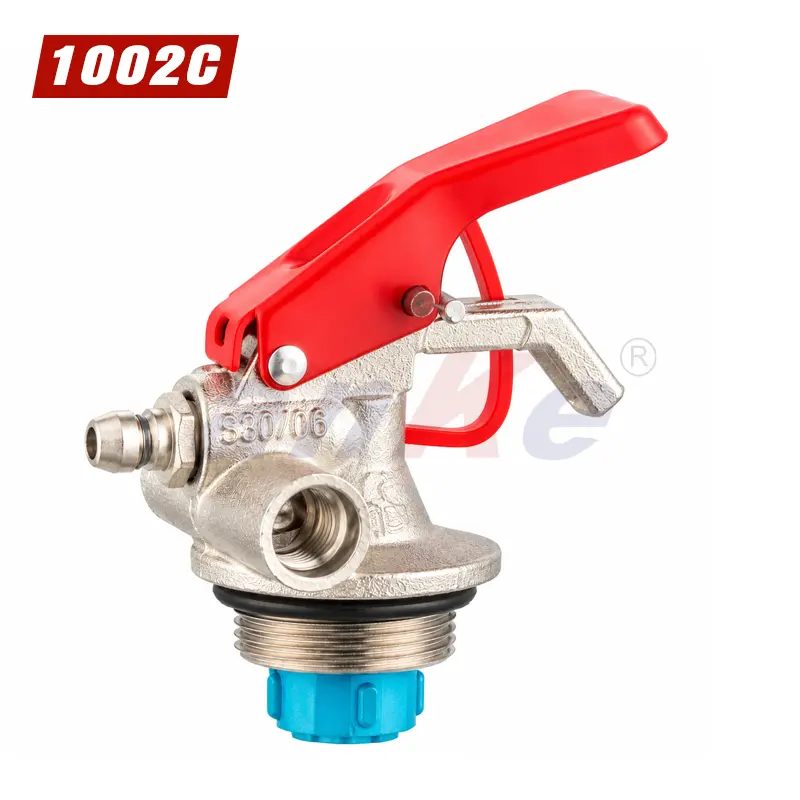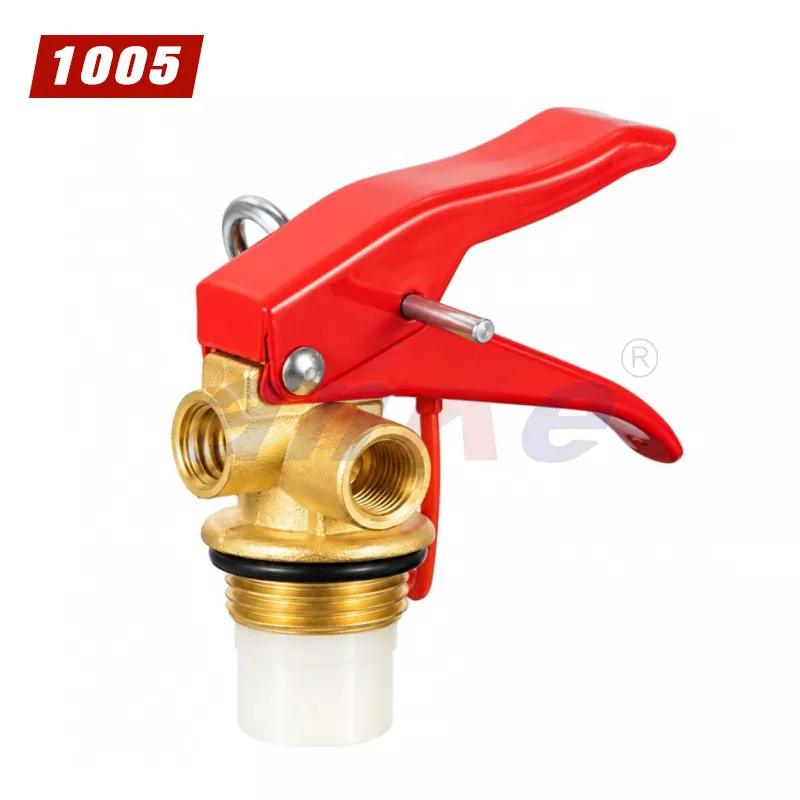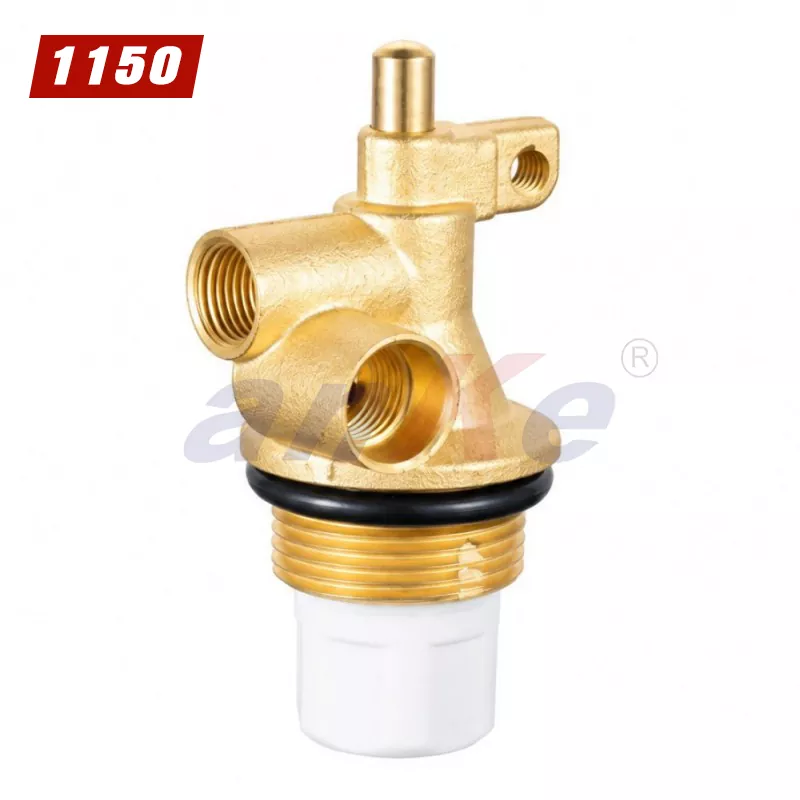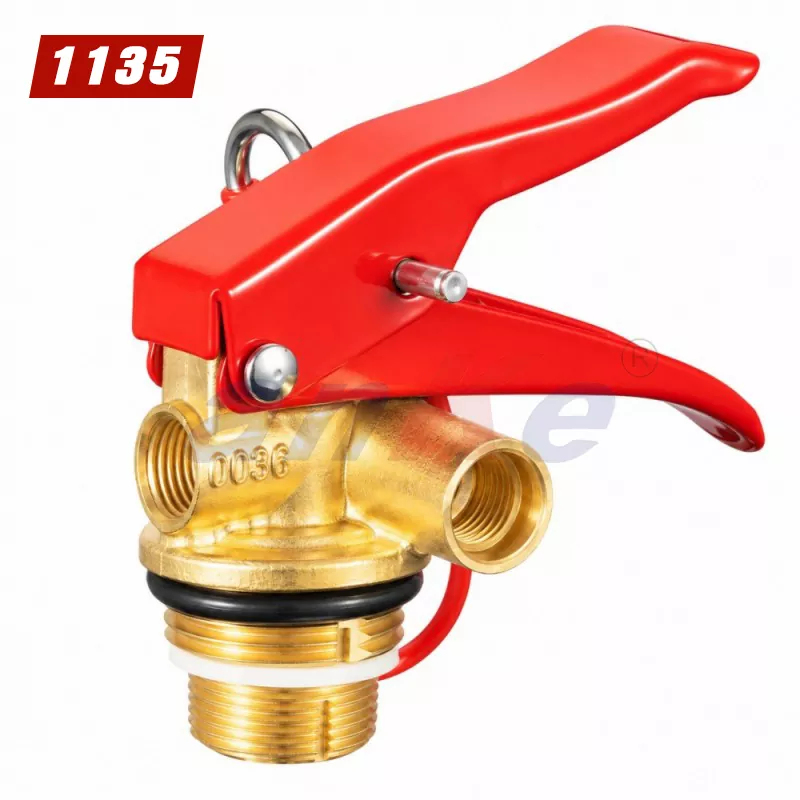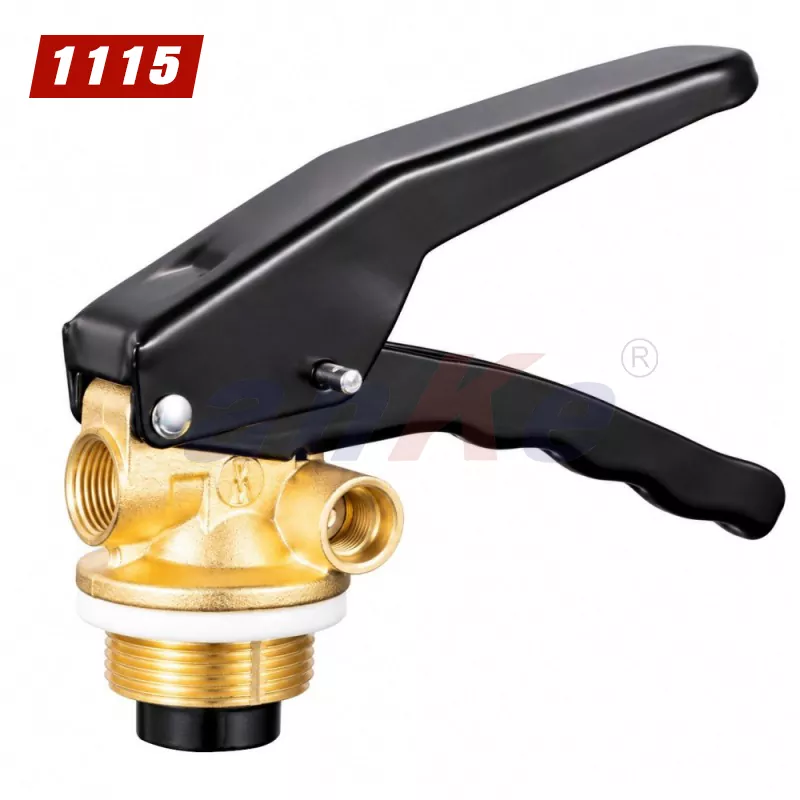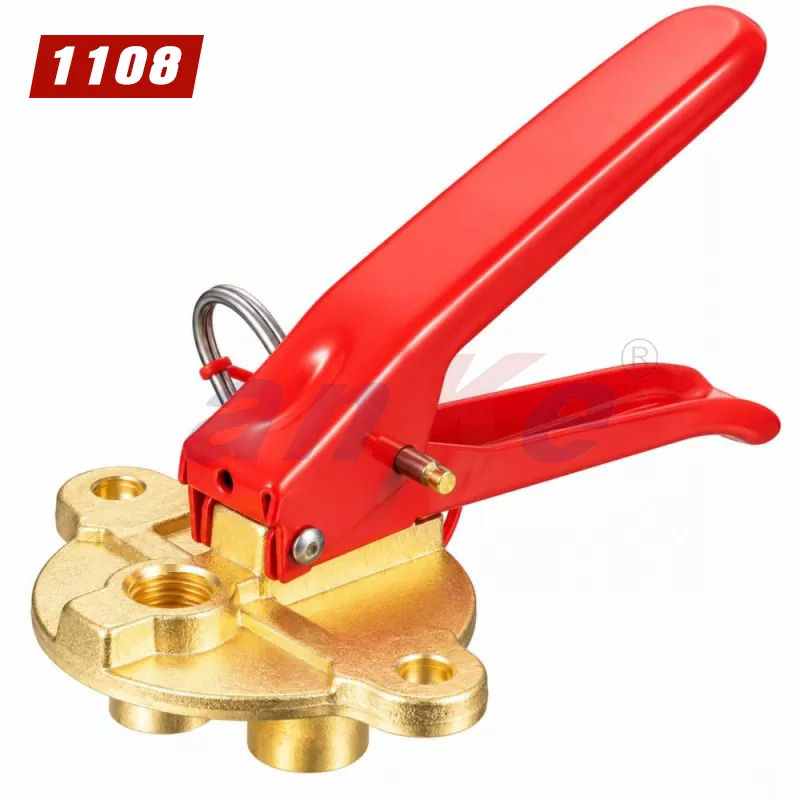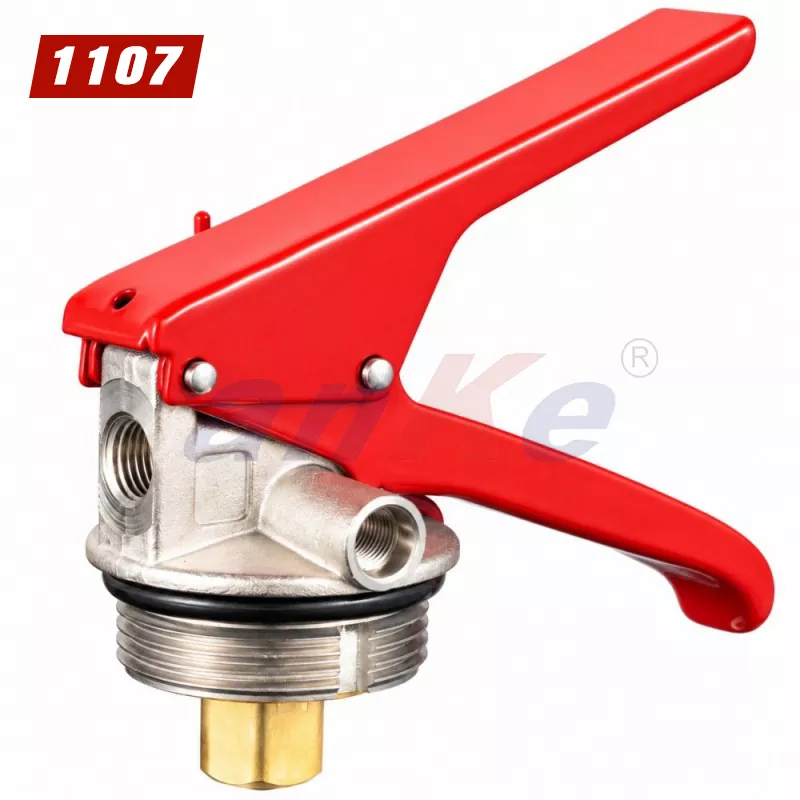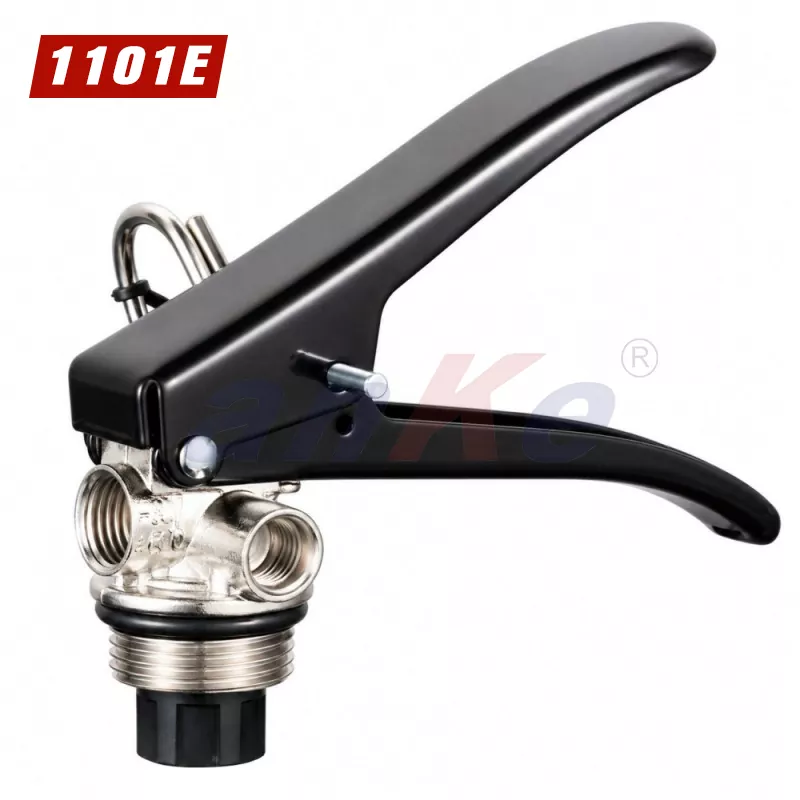
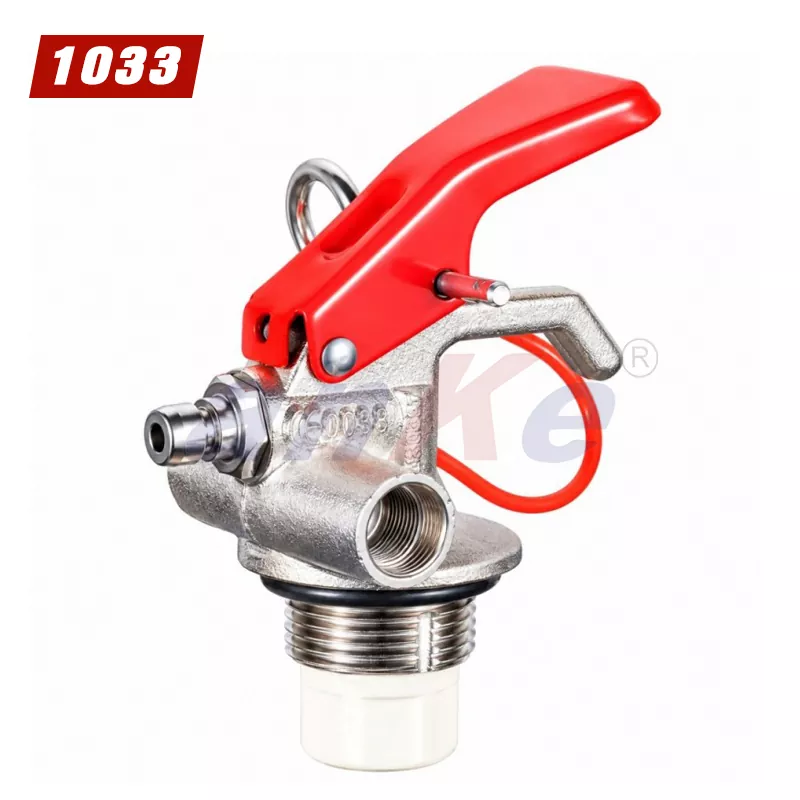
The 1-2KG Dry Powder Fire Extinguisher Valve 1033 is described in the source material as a 1–2 kg dry powder fire extinguisher valve. It is intended to control the release of dry powder extinguishing agent during operation. The product description emphasizes precise pressure control and a quick-start mechanism designed to release the agent promptly when the extinguisher is activated.
The valve includes a safety device and an anti-misoperation concept in the product introduction. The specification also lists a 22–26 bar safety device and a check valve. These components are intended to support safe storage, controlled operation, and backflow prevention within a compatible extinguisher assembly.
The copper valve body provides a machinable base for the threaded connections and internal valve structure. The surface treatment can be customized with chrome or nickel plating according to the customer’s requirements.
|
Parameter |
Specification |
|
Valve Type |
1-2KG Dry Powder Fire Extinguisher Valve |
|
Material |
High-quality Copper |
|
Surface treatment |
According to customer requirements (chrome/nickel plated) |
|
Inlet thread |
M24X1.5 |
|
Outlet thread |
G1/8 |
|
Gauge Connection thread |
M10X1-12.5 |
|
Dip tube pipe thread |
M16X1.5 |
|
Safety Device (Bar) |
22-26 |
|
Check Valve |
Yes |
|
Applicable Cylinder |
1-2KG Fire Extinguisher |
|
Customization |
Thread configuration, surface finish, handle style, and other parameters upon request |
The safety device range listed for the 1033 is 22–26 bar. This figure has meaning only in relation to the cylinder it is fitted to. Dry powder portable extinguishers of this size commonly operate at a nominal pressure around 1.2 MPa (12 bar) at 20°C, with a cylinder hydrostatic test pressure (PT) typically stamped at 25 or 27 bar, depending on the manufacturer and the market standard the cylinder is built to. A safety device opening in the 22–26 bar band sits below those PT values, which is the intended relationship: the safety device should relieve before the cylinder is exposed to a pressure that approaches its test value.
The 1033 safety setting is consistent with that principle for a cylinder with a PT of 25 bar or 27 bar. It should not be transferred to a cylinder with a different PT without confirming the relationship. A cylinder rated at a higher PT does not require a higher safety setting, and a cylinder with a lower PT may require a lower one. The controlling document is the cylinder drawing and the finished extinguisher’s pressure specification, not the valve parameter alone.
The check valve listed as “Yes” addresses a separate function. It prevents backflow from the discharge path into the cylinder head space. This matters during recharging operations and where the discharge assembly is removed or replaced. Its presence does not substitute for the overpressure function of the safety device, and the two are independent features within the same valve body.
M24×1.5 is a metric fine parallel thread. Pressure tightness is achieved at a sealing face or through a gasket, not on the thread flanks. The tightening torque therefore has two functions: retaining the joint against vibration and service loads, and compressing the gasket to the degree required for a seal without permanently deforming the copper body or the cylinder neck.
General reference data for copper M24×1.5 threaded fittings lists a maximum torque of approximately 100 Nm. That is a fitting-level figure. For a 1–2 kg dry powder extinguisher built to an EN 3-7 type configuration, published assembly data for a comparable valve lists a tightening torque range of 45–68 Nm. The gap between 68 Nm and 100 Nm is not a margin to be consumed; the lower range reflects the cylinder neck design, the gasket type, and the wall thickness of a small portable cylinder, which are different constraints from those of a general pipe fitting.
Applying a general fitting torque to an extinguisher neck can compress the gasket beyond its elastic range, distort the neck seat, or leave the copper body with residual stress that only becomes visible during a later hydrostatic test. The applicable torque should come from the cylinder manufacturer’s assembly specification, and the gasket material should be confirmed against the dry powder agent and the expected storage temperature range.
Published valve requirements distinguish between the structural strength of the valve body and the operating function of a safety device. In one commonly referenced formulation, a valve in the closed position is subjected to 3.6 times the maximum working pressure for one minute and must not burst. That test addresses whether the valve body itself can contain pressure beyond its normal operating envelope.
The safety device, where fitted, is tested separately for its opening pressure and reseating behaviour. The 22–26 bar figure for the 1033 belongs to that second category: it describes when the device is intended to vent, not the pressure at which the valve body is expected to fail.
The practical consequence for a buyer is that passing a burst test does not confirm the safety device is set correctly, and a correctly set safety device does not confirm the valve body has adequate burst margin. Both need to be confirmed from test records for the specific valve configuration, and the finished extinguisher’s pressure envelope should be checked against both.
G1/8 is a parallel thread under ISO 228. Like the M24×1.5 inlet, it seals at a face or with a washer, not on the thread flanks. The outlet connects to the discharge hose or nozzle assembly, and the sealing method at that interface should be specified by the discharge component manufacturer.
On a 1–2 kg dry powder extinguisher, the outlet flow path is short and the agent velocity is relatively high during discharge. A G1/8 outlet that is correctly matched to the hose bore and nozzle produces the intended discharge pattern; a restriction at this interface changes the discharge time and the spray characteristics. The outlet thread and the hose or nozzle connection should therefore be confirmed as a pair, not independently. Where the finished extinguisher design includes a hose, the hose length and bore add a further variable that the valve outlet alone does not define.
Dry powder extinguishing agents based on ammonium phosphate or sodium bicarbonate are delivered as a finely divided solid in a pressurized head space. The elastomer in the valve does not sit in continuous contact with the powder in the same way a seal in a liquid-agent valve sits in contact with its medium, but it is exposed to the agent during filling, discharge, and any period of partial settling.
NBR (nitrile butadiene rubber) is commonly used in dry powder extinguisher valve seals because of its resistance to the oil- and fat-containing media that can be present in some powder formulations and its adequate performance across the storage temperature range typically specified for portable extinguishers. EPDM is also used where the agent formulation or the cleaning or maintenance regime introduces a compatibility requirement that NBR does not meet.
The material choice belongs to the finished extinguisher specification, not to the valve part number in isolation. Buyers specifying the 1033 for a powder formulation that differs from the standard ABC or BC composition should confirm the seal material against that formulation rather than assuming that a valve described as suitable for dry powder service covers every powder type.
Dry powder portable extinguishers are commonly maintained on a schedule that begins with an initial inspection period and a first full service at a defined interval, followed by periodic re-inspection. In several market frameworks, the first full service involving a hydrostatic test of the cylinder falls at the fifth year from manufacture, with subsequent interventions at shorter intervals, and the extinguisher is retired at a defined end-of-life point.
The 1033 does not need to be replaced at every inspection. Its condition is checked at each intervention, and replacement is associated with the hydrostatic test or with findings such as corrosion at the inlet sealing face, a safety device that has vented or been painted over, a check valve that no longer holds, or an operating mechanism that does not move through its full travel. Because this valve integrates both a safety device and a check valve, the 5-year and subsequent inspections should verify both functions, not only the external condition of the body. A safety device that has previously vented may not reseat to its original setting, and a check valve that has been exposed to powder and moisture may not seal in the reverse direction even when the valve appears intact externally.
The 1-2KG Dry Powder Fire Extinguisher Valve 1033 may be considered for compatible 1–2 kg portable extinguishers used in:
1. Offices
2. Vehicles
3. Residential buildings
4. Retail premises
5. Small workshops
6. Public facilities
Buyers should confirm the cylinder neck thread, pressure gauge thread, discharge outlet, extinguishing agent, safety device setting, and applicable market standard before selecting the valve
The a quick-start mechanism and safety devices including a pressure-release valve and an anti-misoperation locking mechanism. These features are relevant to the user experience of a portable extinguisher:
1. The handle and operating mechanism should be easy to identify.
2. The locking arrangement should help prevent unintended activation.
3. The valve should allow the extinguisher to be operated promptly when required.
4. The complete assembly should maintain the intended pressure and sealing performance.
Buyers should request a sample before bulk production when the valve will be used in a new extinguisher configuration. The sample evaluation can include:
1. Thread fit with the cylinder.
2. Gauge and discharge assembly compatibility.
3. Handle operation.
4. Locking mechanism.
5. Dip tube connection.
6. Visual finish.
7. Pressure and leakage test documentation.
This is a practical way to reduce assembly problems before a larger order.
Dry powder extinguishers rely on a pressurized cylinder and a discharge system designed for the intended agent. The 1-2KG Dry Powder Fire Extinguisher Valve 1033 must match:
1. Cylinder neck thread.
2. Dip tube arrangement.
3. Outlet and hose/nozzle connection.
4. Pressure gauge interface.
5. Safety-device configuration.
6. Approved operating pressure.
7. Compatibility of internal sealing components with the agent and storage conditions.
The 1033's M24X1.5 inlet and G1/8 outlet provide the starting point for this verification.
A: 1–2KG fire extinguishers.
A: The supplied specification states 22–26 bar.
A: Yes, according to the specification.
A: The product description identifies it as a dry powder extinguisher valve.
A: Request a sample and technical drawing to verify the complete extinguisher configuration before bulk purchasing.
A: The setting should be checked against the cylinder’s hydrostatic test pressure. A 22–26 bar safety device sits below a cylinder PT of 25 or 27 bar, which is the intended relationship. It should not be used on a cylinder with a different PT without confirming that the relationship still holds.
A: General fitting data for copper M24×1.5 lists a maximum around 100 Nm, but published assembly data for a comparable EN 3-7 dry powder extinguisher valve lists 45–68 Nm. The lower range reflects the cylinder neck design and gasket constraints of a small portable cylinder. The cylinder manufacturer’s assembly specification is the controlling document.
A: No. The check valve prevents backflow. The safety device at 22–26 bar addresses overpressure. The two functions are independent, and the presence of one does not substitute for the other. Both should be verified at each service intervention.
A: NBR is commonly used in dry powder extinguisher valves for its resistance to oil- and fat-containing media and its performance across the usual storage temperature range. Where the powder formulation or maintenance regime introduces a specific compatibility requirement, the seal material should be confirmed against that formulation rather than assumed.
Address
Factory: Huilong Village, Huangjiabu Town, Yuyao City, Zhejiang Province, China
Branch Office: Hengye Building 509, No.158 Tai'an Middle Road, Yinzhou District, Ningbo, Zhejiang, China
Tel