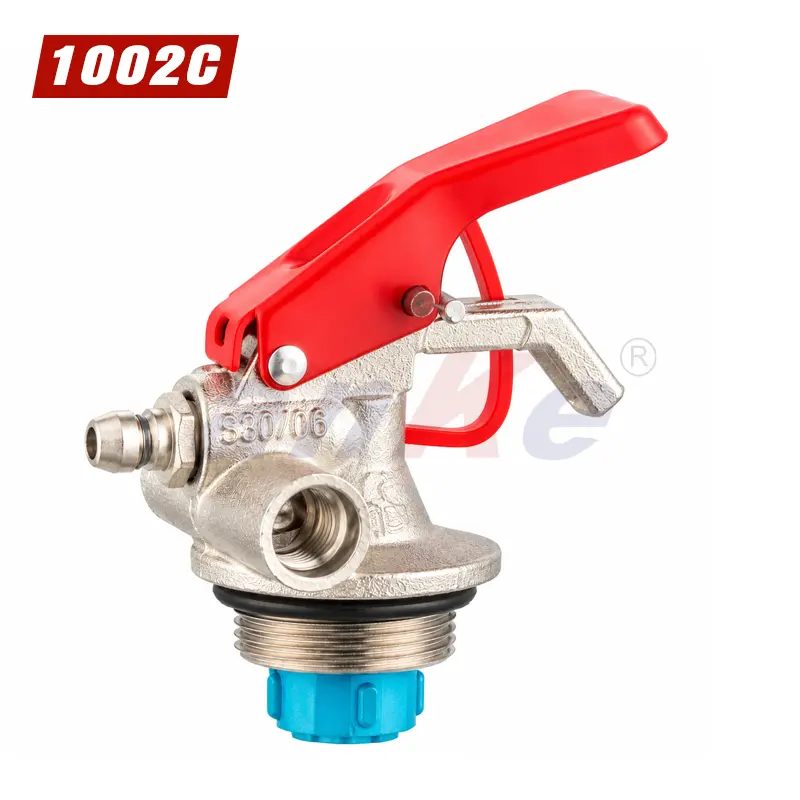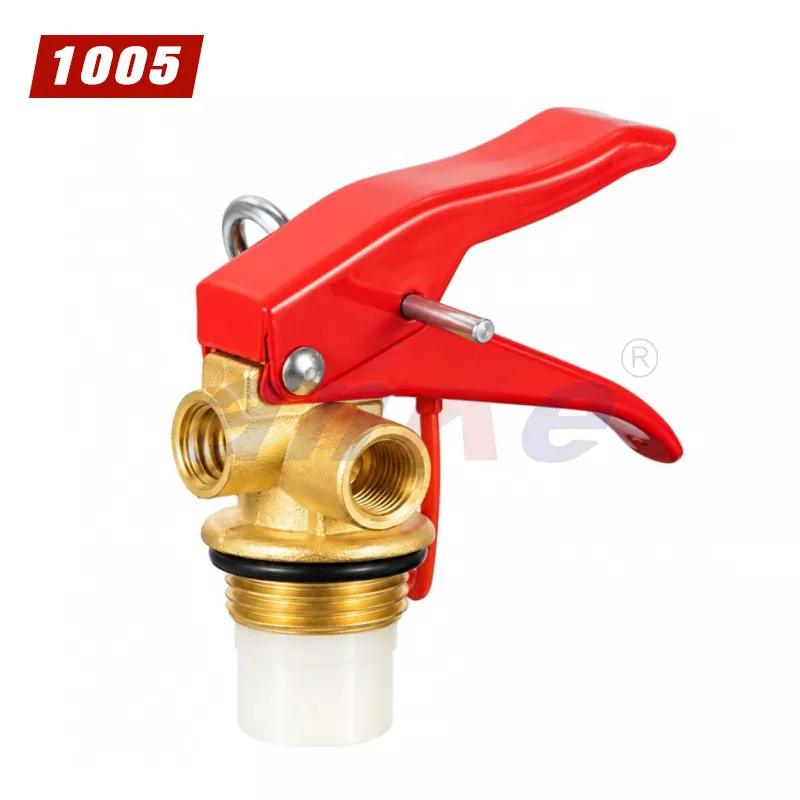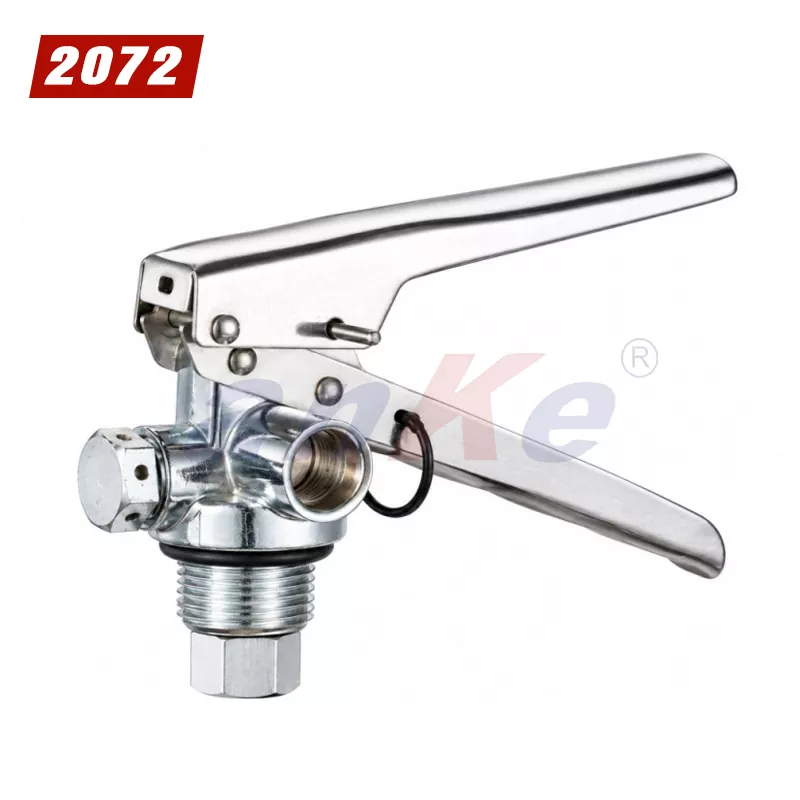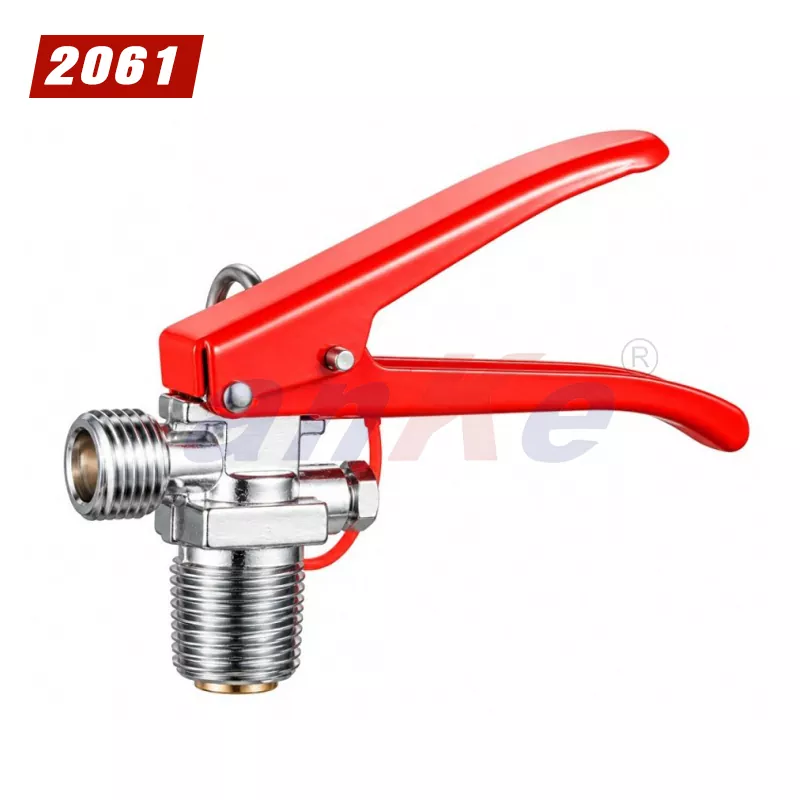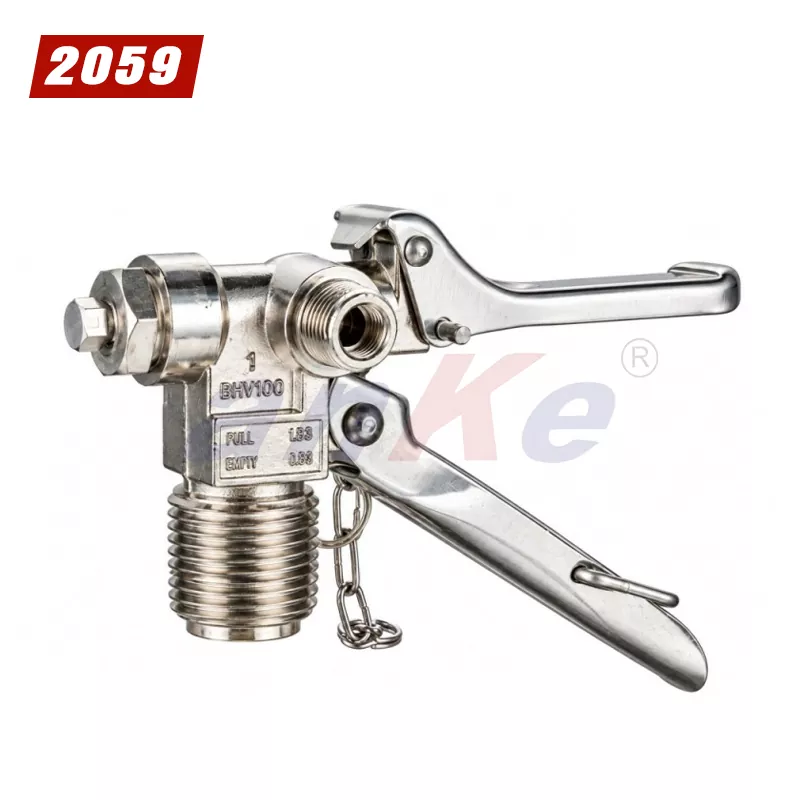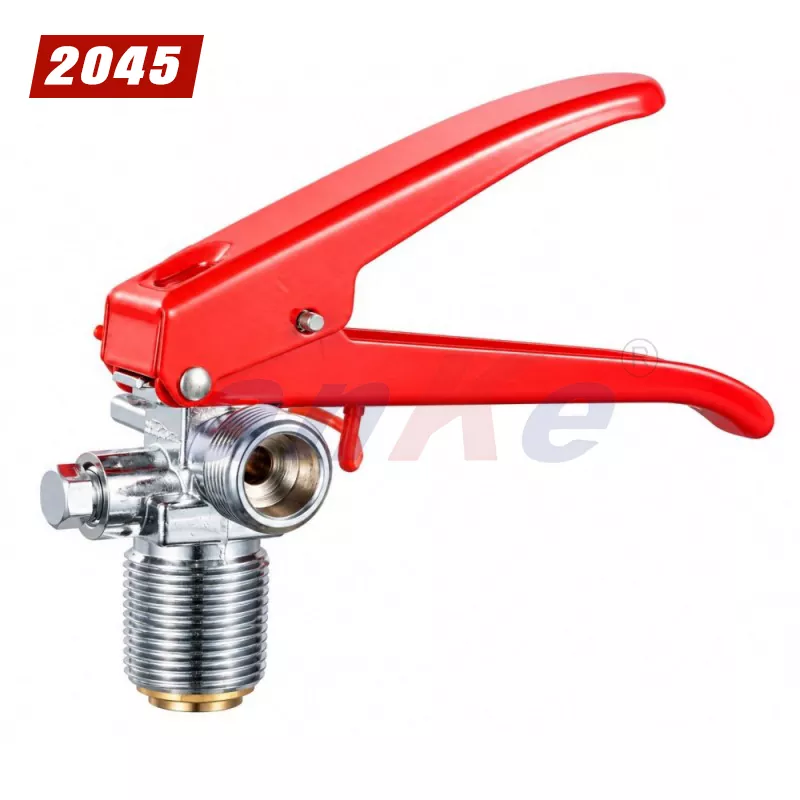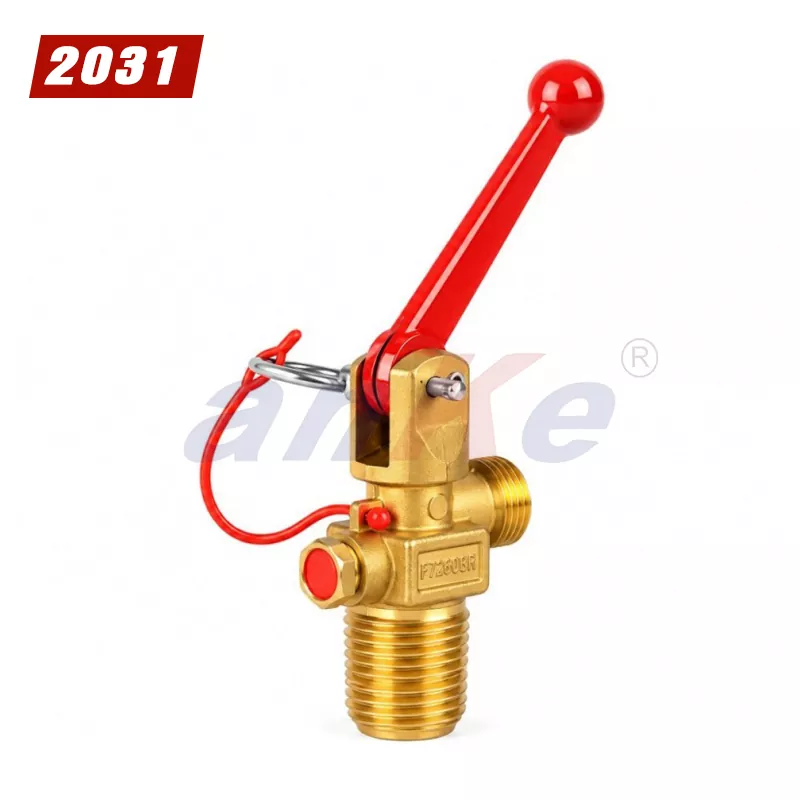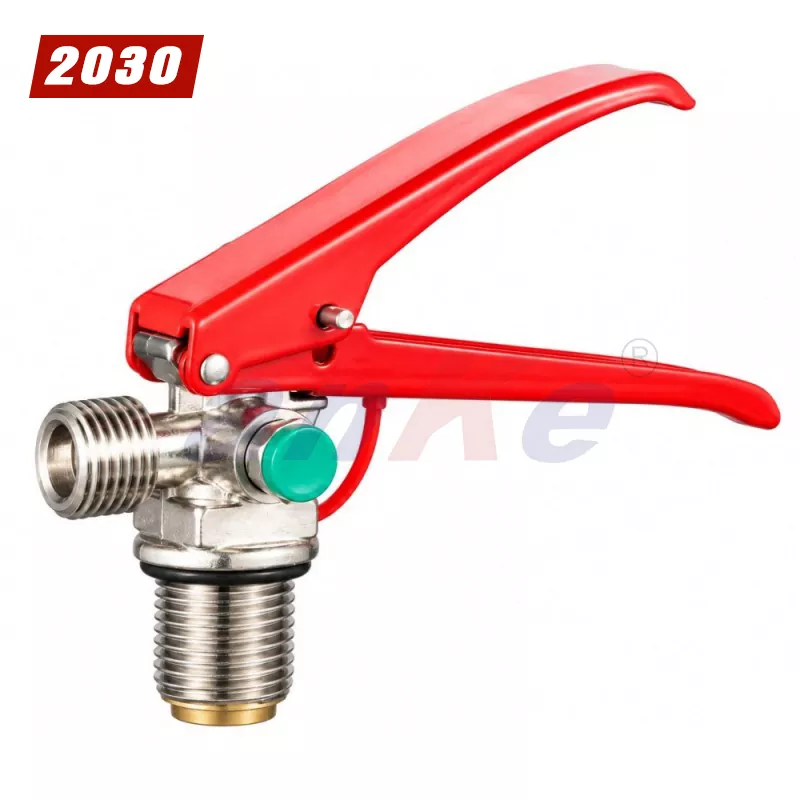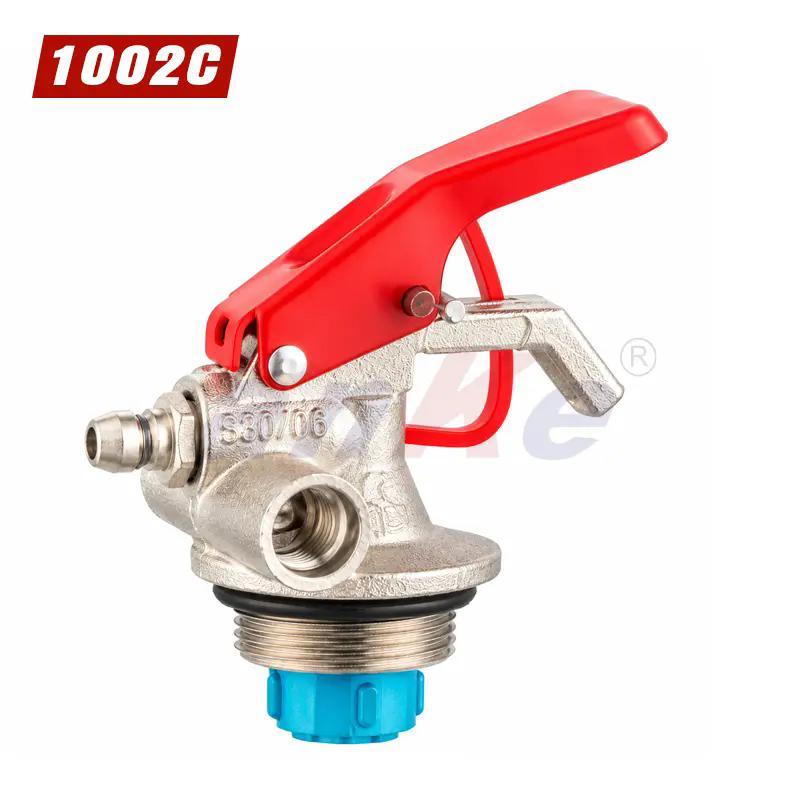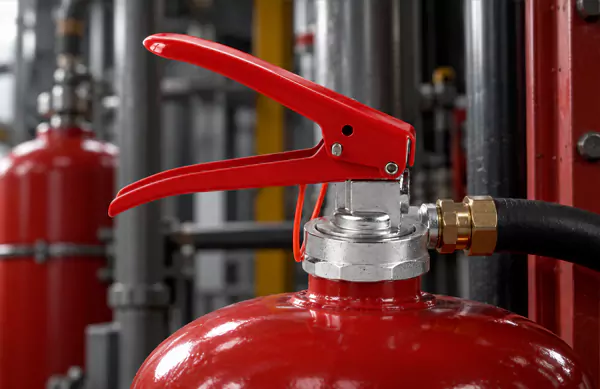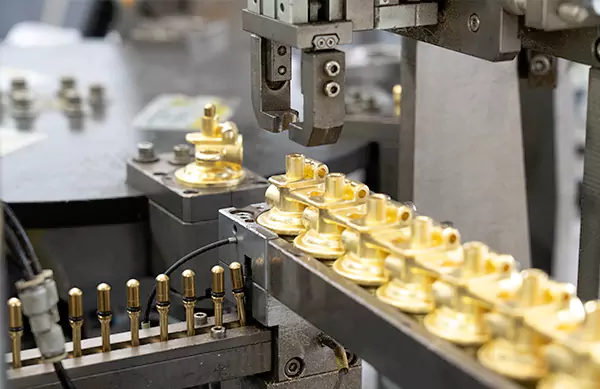
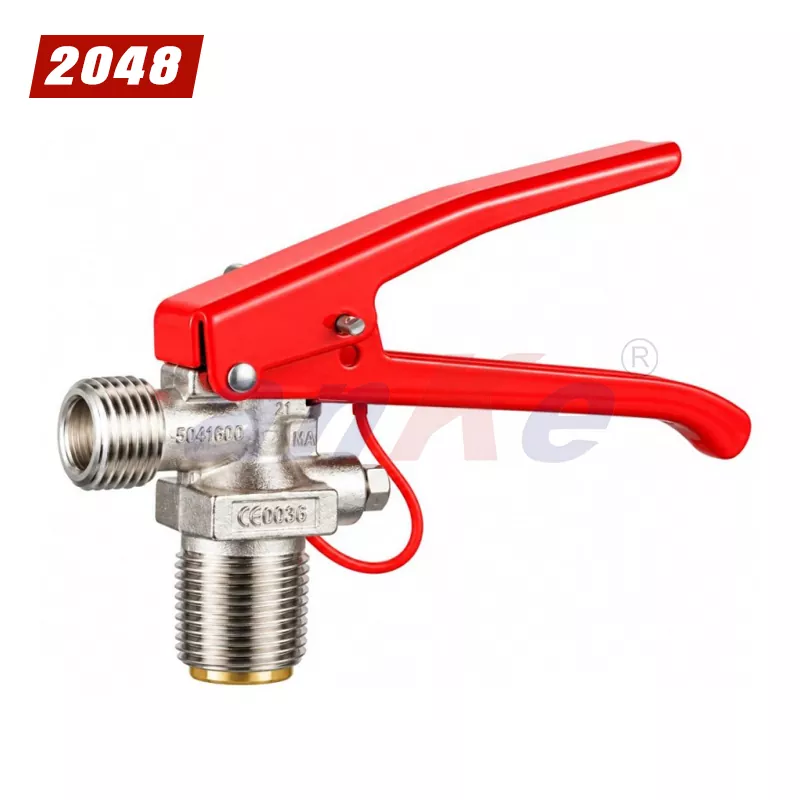
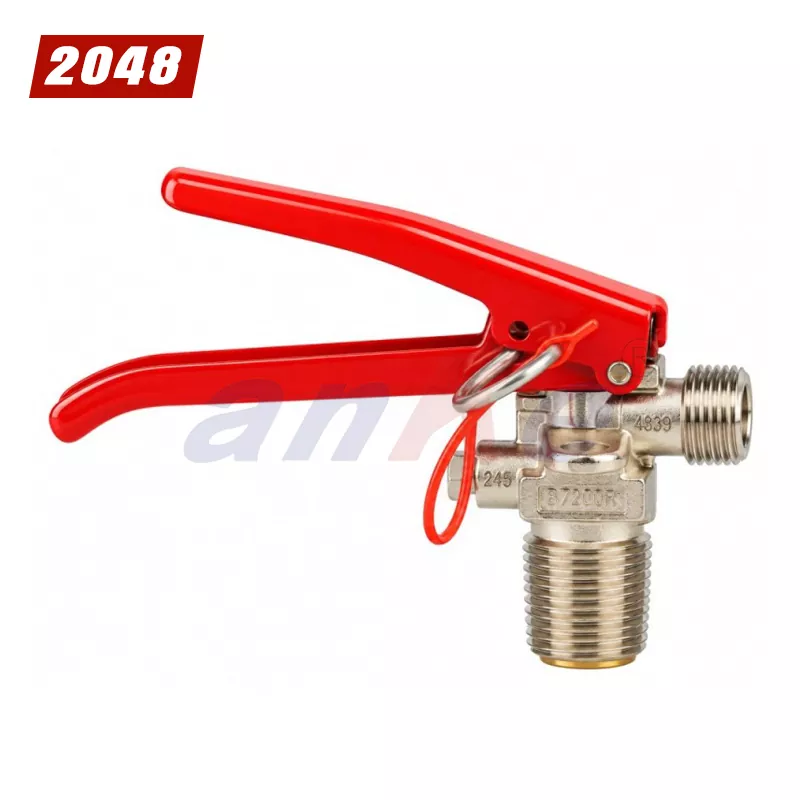
2-9KG CO2 Fire Extinguisher valve Brass Valve is specifically designed for 2–9 kg CO2 fire extinguishers and is suitable for a wide range of settings, including homes, offices, and industrial facilities. Because CO2 extinguishers leave no residue, they are widely used to combat various types of fires, such as those involving electrical equipment or flammable liquids.
In terms of fire safety, 2-9KG CO2 Fire Extinguisher valve Brass Valve has undergone rigorous quality testing and complies with CE and ISO 9001 international certifications. The valve has passed high-strength pressure resistance tests, ensuring safety under high pressure while delivering reliable sealing and rapid response capabilities across a temperature range of -40°C to +60°C; furthermore, every unit undergoes both burst and pressure testing.
We offer customization services, allowing for detailed adjustments based on customer requirements—such as the color of the lifting handle, thread size, and so on.
| Surface treatment | According to customer requirements(Chrome-plated or nickel-plated) |
| INLET THREAD | PZ27.8 |
| OUTLET THREAD | W21.8-14 |
| DIP TUBE THREAD | M10X1 |
| SAFETY DEVICE(BAR) | 200±15 |
| Another | Can be customized according to customer requirements. |
The 200 ± 15 bar safety device setting on this valve belongs to a specific pressure hierarchy that differs fundamentally from a stored-pressure dry powder or water extinguisher. A CO2 cylinder at normal ambient temperature is not a low-pressure vessel. Published specifications for 2–9 kg CO2 portable extinguishers consistently list a working pressure of 174 bar and a cylinder test pressure of 250 bar, with the bursting disc calibrated at 200 ± 15 bar or 200 ± 20 bar depending on the manufacturer[reference:0][reference:1].
The relationship between these three figures defines the safety logic. The working pressure of 174 bar sits in the lower part of the range the cylinder experiences in service. The bursting disc at 200 ± 15 bar opens at a pressure above the working pressure but below the cylinder test pressure of 250 bar. The disc therefore vents the contents before the cylinder is exposed to a pressure approaching its test value. A 200 ± 15 bar setting is consistent with that relationship for a CO2 cylinder tested at 250 bar.
This setting should not be transferred to a cylinder with a different test pressure or a different filling ratio without confirming that the hierarchy still holds. For CO2, the pressure inside a closed cylinder is a direct function of temperature, not of the amount of gas in the same way as a stored-pressure unit. At 60°C, internal pressure in a CO2 extinguisher may exceed 150 bar; a cylinder left in a vehicle under sun load or near a fire scene can approach the upper end of its normal pressure range quickly[reference:2]. The 200 ± 15 bar disc is the element that vents before that temperature-driven rise reaches the cylinder’s test value. The stamped test pressure on the specific cylinder and the disc setting should be read together, and the assembly’s pressure documentation should confirm that the vent occurs below the cylinder’s containment limit.
PZ27.8 is a tapered thread specific to gas cylinder necks. It is not a metric parallel thread and does not behave like one during assembly. The basic dimensions are a nominal diameter of 27.8 mm at the gauge plane, 14 threads per inch, a pitch of 1.814 mm, a thread angle of 55°, and a taper of 3:25[reference:3]. The taper is the defining feature: the thread itself contributes to the seal through radial interference as the valve is advanced, unlike the parallel threads used on many lower-pressure extinguisher inlets where a face gasket performs the sealing function.
For steel CO2 cylinders, PZ27.8 is the specified neck thread under the applicable cylinder standard[reference:4]. The valve inlet must be matched to that neck, and the assembly torque belongs to the cylinder manufacturer’s specification rather than to a general thread chart. Because the seal depends on thread engagement and interference, both under- and over-tightening affect the joint in ways that a parallel-thread connection does not: insufficient engagement leaves the taper short of its sealing position, while excessive torque can distort the neck or damage the thread form. The dimensional drawing should identify the PZ27.8 inlet with its gauge-plane position, and the assembly should follow the cylinder manufacturer’s torque value for the specific neck.
The outlet is W21.8-14, a threaded connection associated with DIN 477 No. 6 for CO2 and other industrial gases[reference:5]. On a CO2 extinguisher, this outlet connects to the discharge hose or horn assembly. The W21.8-14 designation defines the thread form and size, but the sealing method at the outlet depends on the mating hose or horn fitting. For CO2 service, the outlet joint must be rated for the full cylinder pressure, and the hose or horn assembly should be specified as a matched pair with the valve outlet rather than selected independently.
The M10×1 dip tube connection feeds liquid CO2 from the bottom of the cylinder. CO2 is stored as a liquid under pressure, and the dip tube ensures that liquid rather than gas reaches the valve on activation; gas discharge would reduce extinguishing effectiveness substantially[reference:6]. The dip tube length and cut angle should be confirmed against the cylinder depth, because a tube that does not reach the liquid phase or that sits too close to the base affects discharge behaviour even when the valve itself is functioning correctly.
The −40°C to +60°C operating range stated for this valve is broader on the cold side than the −20°C or −30°C lower limits commonly cited for CO2 extinguishers in some market specifications[reference:7]. The lower figure matters for the seal material, not only for the metal components. NBR remains the common base elastomer for CO2 valve seats, but its low-temperature behaviour changes as the formulation is adjusted; a compound selected for flexibility at −40°C is not identical to one optimised for room-temperature sealing. Where the destination market or the intended storage condition requires operation at the lower end of the stated range, the seal compound should be confirmed against that temperature rather than assumed from the valve’s broad range.
The safety device membrane is also a temperature-sensitive element. A bursting disc is a one-time device, and its burst pressure is calibrated at a reference temperature. Exposure to repeated thermal cycling or to a temperature outside the design range can shift the burst characteristic. The disc should be treated as a calibrated component, not as a generic metal diaphragm, and its condition belongs in the same periodic inspection as the valve seat and the outlet connection.
A1: We offer quotations on an EXW or FOB basis only. For initial orders, production begins upon receipt of a 30% deposit, with the remaining 70% balance due prior to pickup. For long-term partnerships, we offer extended payment terms and product discounts.
A2: We are an independent, professional manufacturer of fire extinguisher valves, offering ODM and OEM services.Valves can be finished with chrome or nickel plating, and the handles and threads can be customized to meet specific customer requirements.
A3: The minimum order quantity for this valve is 500 pcs; however, if purchased together with other fire extinguisher accessories, the minimum order quantity may be adjusted depending on the circumstances.
A4: CO2 portable extinguishers commonly operate at 174 bar working pressure with a cylinder test pressure of 250 bar, and the bursting disc is set at 200 ± 15 bar or 200 ± 20 bar. The disc is intended to vent above the working pressure but below the test pressure, so that the cylinder is not exposed to a pressure approaching its containment limit. The setting should be checked against the stamped test pressure on the specific cylinder before the valve is selected.
A5: Yes, in a different sense from a parallel thread. PZ27.8 is a tapered thread (14 TPI, 1.814 mm pitch, 3:25 taper) and the radial interference of the taper contributes to the seal as the valve is advanced onto the neck. Assembly torque therefore affects both retention and sealing, and the cylinder manufacturer’s torque value for the specific PZ27.8 neck should be used.
A6: W21.8-14 is a threaded outlet associated with DIN 477 No. 6, used for the discharge hose or horn assembly on CO2 extinguishers. The outlet thread and the hose or horn fitting should be confirmed as a matched pair, because the sealing method at the joint depends on the mating component as well as on the valve outlet.
A7: The range applies to the valve’s intended operating envelope, but the seal compound should be confirmed for the lower end specifically. NBR formulations differ in low-temperature flexibility, and a compound suitable for −40°C is not automatically the same as one selected for room-temperature service. The bursting disc is also a calibrated element whose burst pressure is referenced to a temperature, and it should be treated as a component with its own service limits rather than as a passive metal diaphragm.
Address
Factory: Huilong Village, Huangjiabu Town, Yuyao City, Zhejiang Province, China
Branch Office: Hengye Building 509, No.158 Tai'an Middle Road, Yinzhou District, Ningbo, Zhejiang, China
Tel