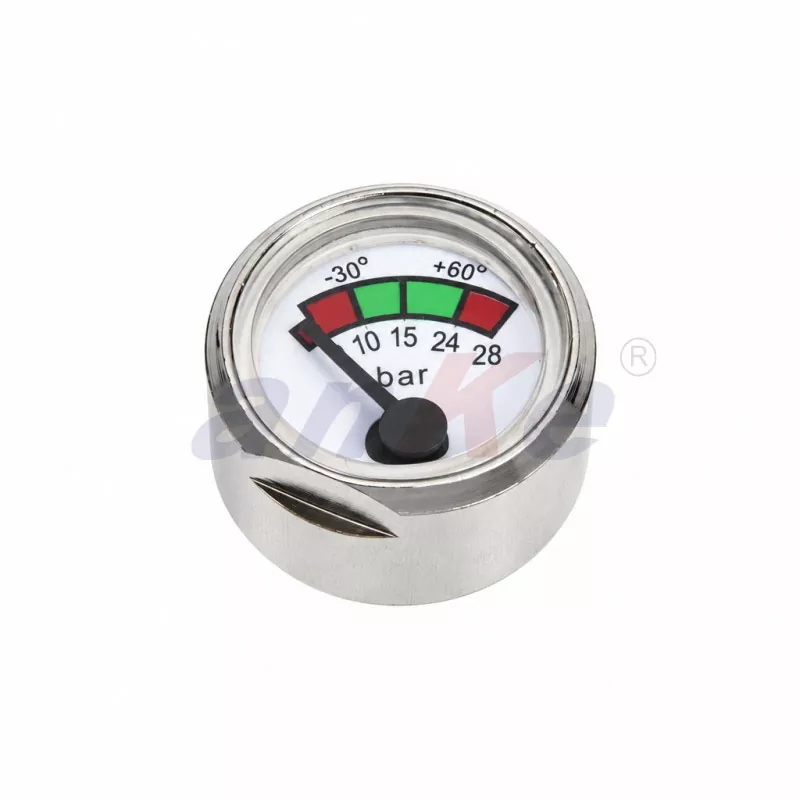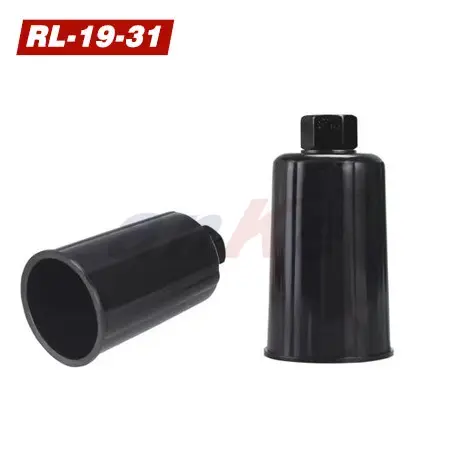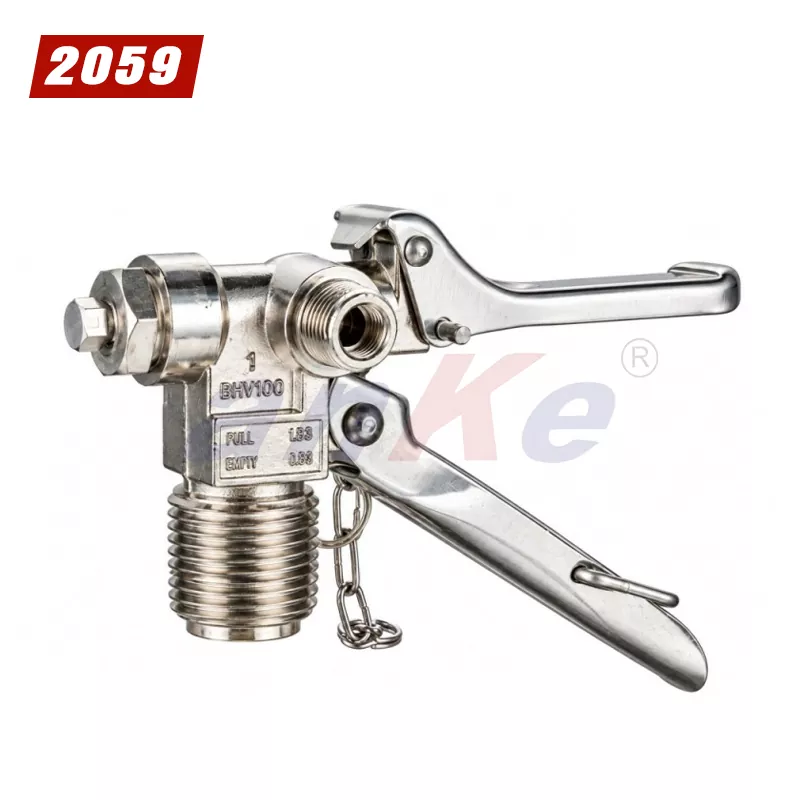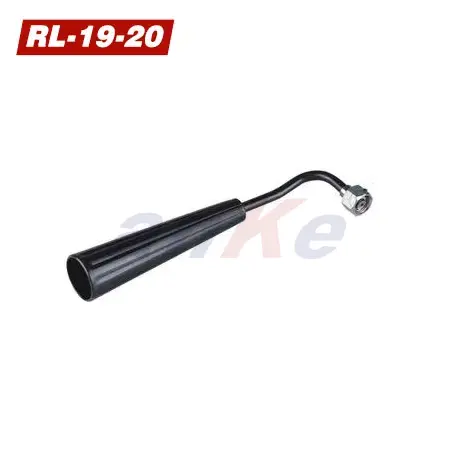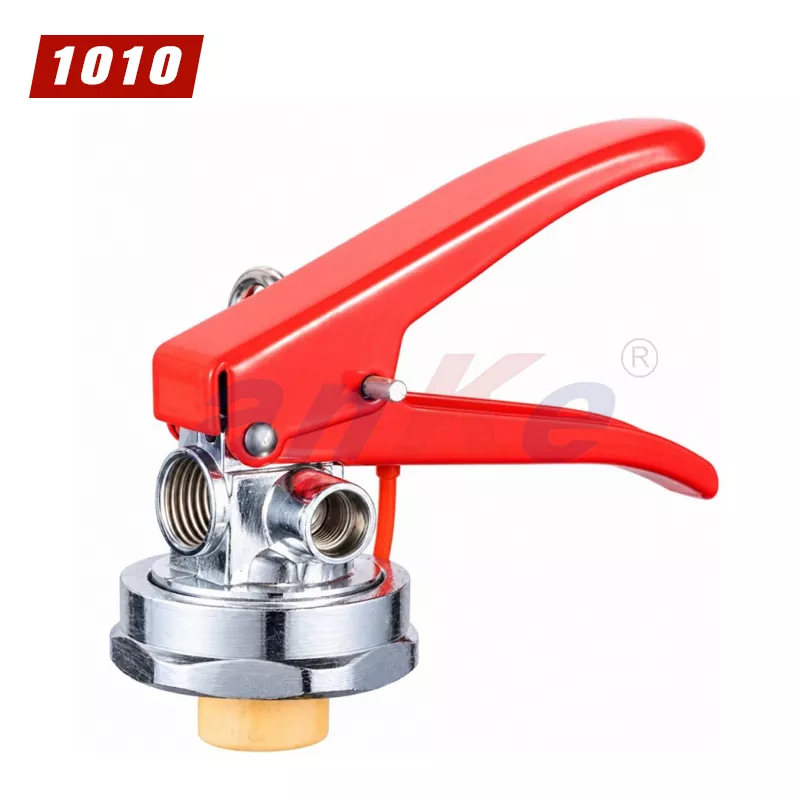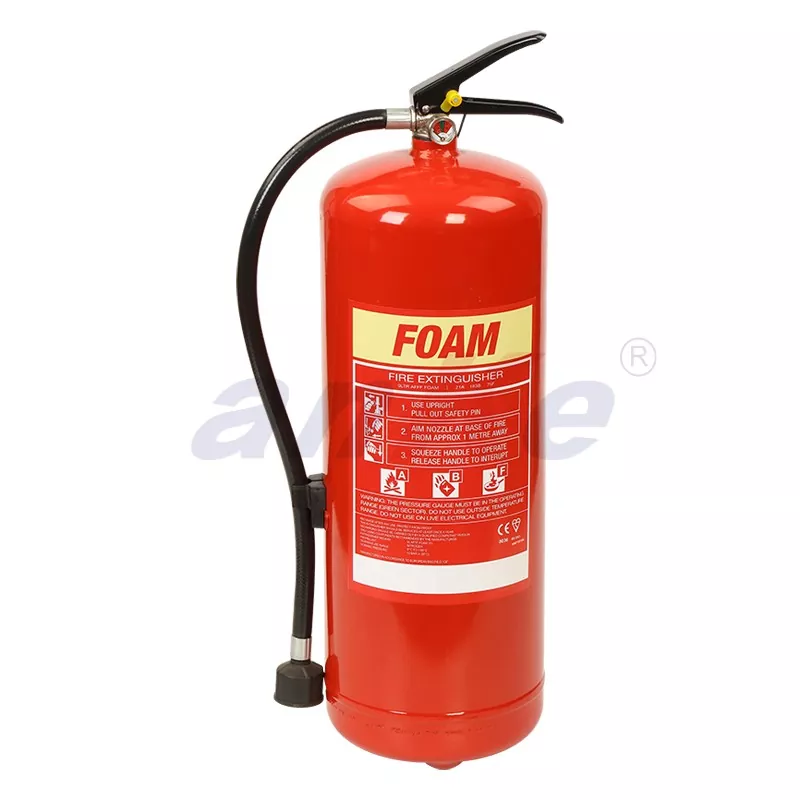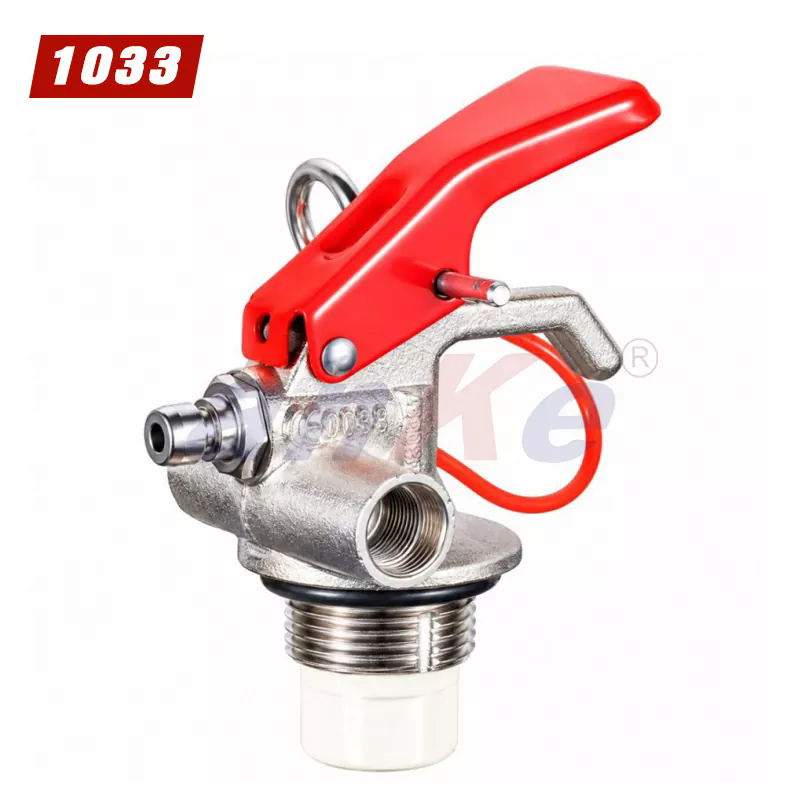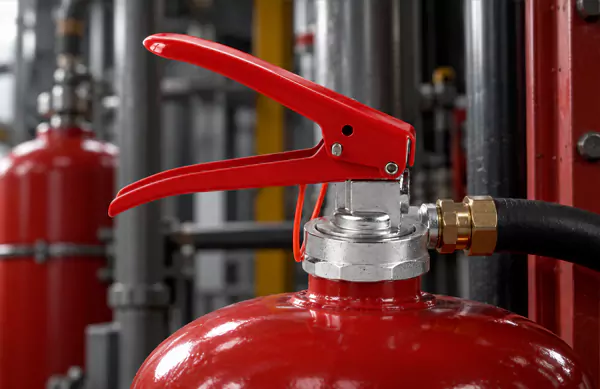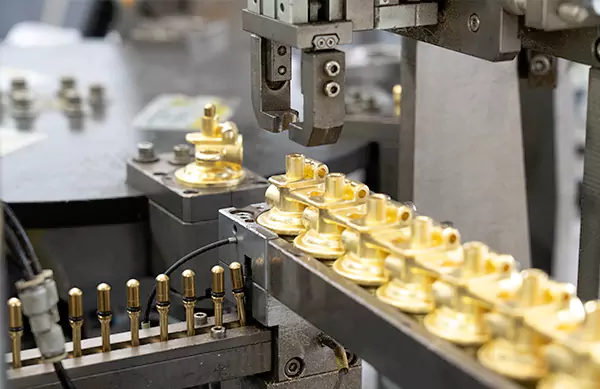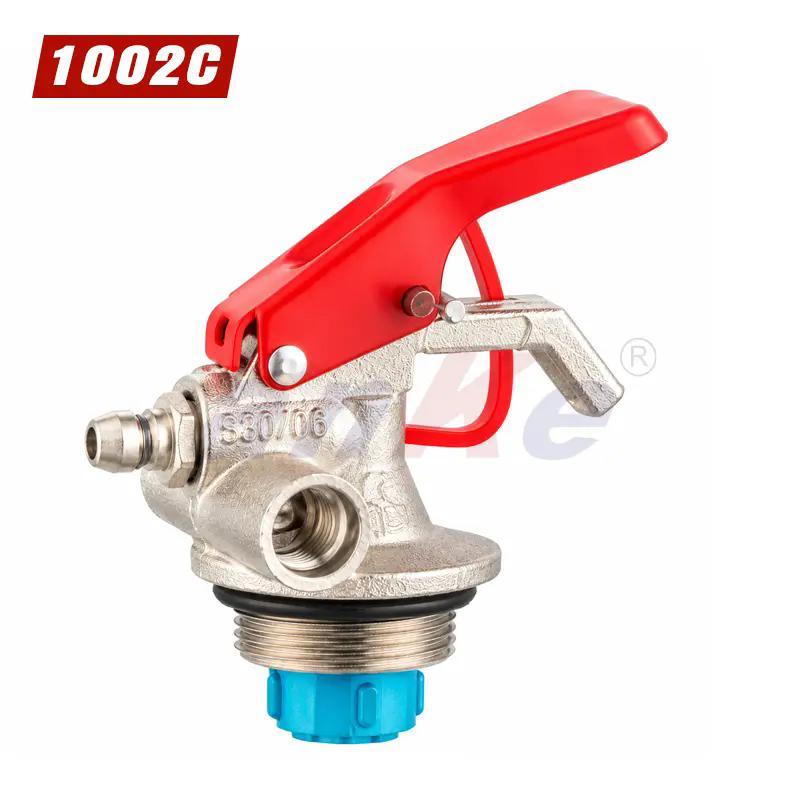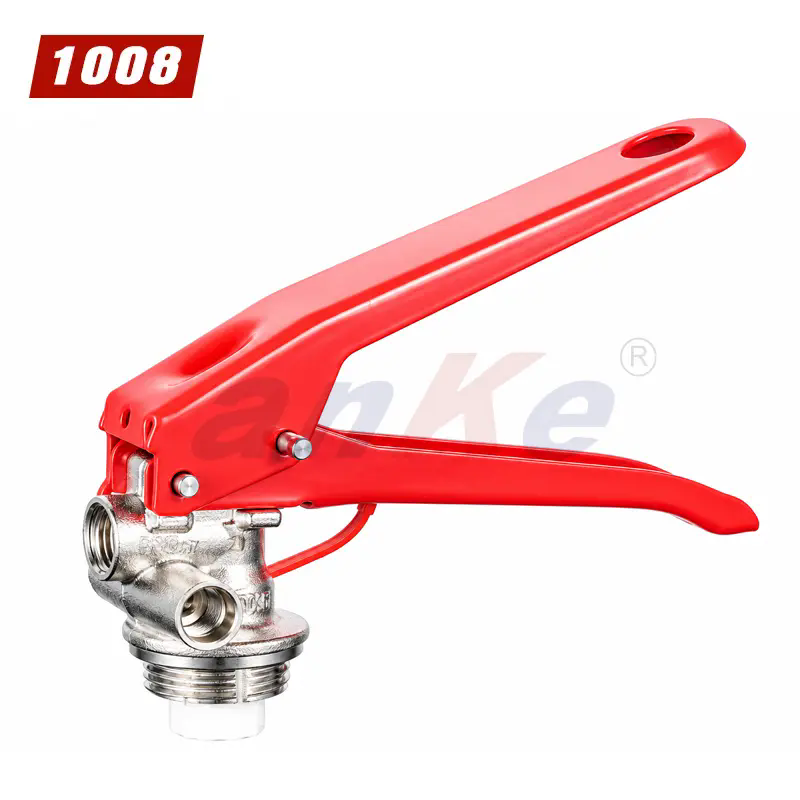
Copper material plays an important role in the manufacturing of Dry Powder Fire Extinguisher Valves because it influences machining behaviour, component accuracy, surface finishing, and the consistency of assembled connections. A valve is not simply an outlet fitted to a fire extinguisher cylinder. It is a functional assembly containing threaded connections, sealing interfaces, operating components, and, depending on the model, safety-related devices. The material selected for these components must therefore support the mechanical and dimensional requirements of the intended application.
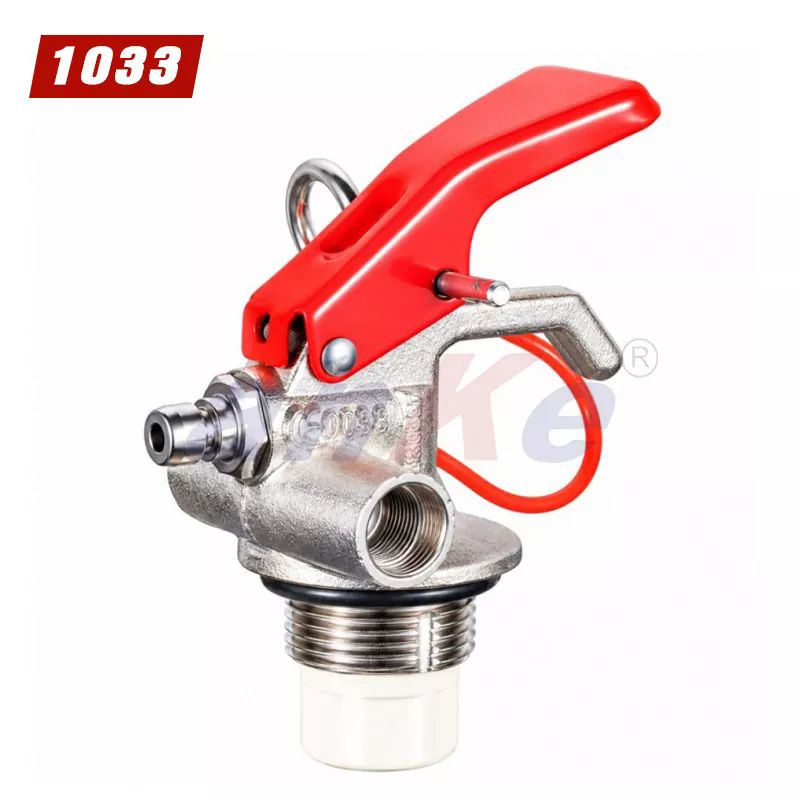
For manufacturers and distributors, understanding the relationship between copper and valve production helps with material evaluation, model selection, and quality control. Copper is used in the 1033 and 1005 models supplied by Ningbo Kaituo Valve Co., Ltd. Both models have defined connection specifications, while their configurations differ in safety-device and check-valve arrangements. These differences matter when matching a valve to an extinguisher design, particularly when buyers are sourcing components for OEM assembly or replacement programmes.
Material selection affects almost every stage of valve production, from the initial component design to machining, surface treatment, assembly, and inspection. Copper is valued in many engineering applications for its combination of machinability, thermal conductivity, and corrosion-related characteristics. However, the actual performance of a finished valve depends on the copper grade, component geometry, manufacturing process, surface condition, and service environment. It is therefore important to assess the material as part of a complete valve design rather than treating the word copper as a universal performance guarantee.
Machining is one of the main considerations when producing valve bodies and connection components. Threaded ports, internal passages, sealing surfaces, and component interfaces must be manufactured to dimensions compatible with the corresponding parts. Copper materials can generally be machined using established metalworking processes, but their behaviour varies according to alloy composition, temper, and mechanical properties. Cutting conditions that work well for one copper grade may not produce the same surface finish or dimensional stability with another.
For a valve body, dimensional control is particularly important around threaded connections. An inlet thread must match the extinguisher cylinder connection, while outlet and accessory ports must correspond to the intended discharge assembly and pressure gauge arrangement. Incorrect thread dimensions can create installation difficulties, leakage risks, or incompatibility with the rest of the extinguisher system. This is why material selection and machining control need to be considered together.
In practical production planning, manufacturers should pay attention to several areas:
These controls are relevant because a valve is an assembled component. A correctly machined external thread does not automatically mean that every internal interface is suitable. Manufacturers must consider the relationship between the valve body, sealing elements, operating components, and accessories. Ningbo Kaituo Valve Co., Ltd. supplies copper valve models with specified connection arrangements, giving buyers a defined starting point for compatibility checks.
Corrosion resistance is another reason copper-based materials are used in engineering components. Copper can develop a surface layer through exposure to its environment, but the behaviour of that layer depends on the surrounding conditions. Moisture, chemical exposure, storage conditions, contact with dissimilar metals, and the exact copper composition can all influence surface changes over time. Buyers should not assume that every copper grade provides identical resistance in every environment.
Surface treatment can provide an additional means of controlling appearance and surface characteristics. Chrome and nickel plating are available as customisation options for the relevant valve products. These finishes can change the external appearance and surface characteristics of a component, but their suitability depends on coating quality, substrate preparation, coating thickness, and the intended service environment. Plating should not be treated as a substitute for correct base-material selection or sound component design.
When evaluating a plated valve, procurement and quality teams should consider the following points:
Our material evaluation process should begin with the actual operating and environmental requirements of the extinguisher assembly. For example, a valve intended for a general indoor application may have different surface-treatment requirements from one expected to be stored or transported under more demanding conditions. Our factory should also work from an agreed material and finish specification so that purchasing, production, and inspection teams are evaluating the same requirements.
No. Material selection contributes to mechanical performance, but pressure suitability is determined by the complete design and its verification. The geometry of the valve body, wall thickness, thread engagement, sealing arrangement, component assembly, and relevant test requirements all influence pressure-related performance. A statement that a valve is made from copper is not enough to establish its working pressure, test pressure, or service temperature.
This distinction is important when comparing products. The 1033 model has a specified safety-device setting of 22–26 bar. This figure describes the safety-device data associated with that model. It must not be interpreted as a universal operating pressure or applied automatically to the 1005 model. The working pressure and test pressure need to be confirmed against the specific product documentation and the requirements of the complete extinguisher system.
For buyers, the most useful approach is to request the relevant technical documentation and confirm the intended application before approving a component. Anke can be approached with the required model, connection details, and project specifications so that the appropriate configuration can be discussed. Material, finish, and pressure-related requirements should be documented separately rather than inferred from the general product description.
The manufacturing of a fire extinguisher valve involves more than selecting a suitable metal and machining it into a body. The component must accommodate several interfaces, including the cylinder inlet, discharge outlet, pressure gauge connection where applicable, and dip-tube connection. Each interface has a specific function and must remain compatible with the associated extinguisher components. Copper material influences how these features are manufactured, but the final design must also account for thread geometry, sealing requirements, mechanical loading, and assembly sequence.
Threaded connections are among the most important dimensional features of a valve. They allow the valve to be installed on the extinguisher cylinder and connected to other parts of the assembly. A mismatch in thread form, diameter, or pitch can prevent proper installation or create an unreliable connection. For this reason, buyers should identify the connection specifications before ordering rather than relying on a model name or a general description such as copper fire extinguisher valve.
The two available models covered in this product range share the following connection specifications:
| Connection position | Thread specification | Application within the valve assembly |
| Inlet | M24 × 1.5 | Connection to the compatible extinguisher cylinder |
| Outlet | G1/8 | Connection for the corresponding discharge arrangement |
| Pressure gauge connection | M10 × 1-12.5 | Connection for a compatible pressure gauge where specified |
| Dip-tube connection | M16 × 1.5 | Connection to the compatible dip tube |
These specifications provide a practical reference for engineering and purchasing teams. Nevertheless, the complete thread standard, tolerance, sealing method, and mating-part requirements should be checked against the technical drawing or confirmed product documentation. Thread dimensions alone do not establish whether two components are fully interchangeable. For example, the sealing arrangement and available installation space may differ even when two parts appear to have similar nominal thread sizes.
When reviewing a new valve for an existing extinguisher design, our technical checklist should include the cylinder connection, outlet arrangement, gauge port, dip-tube interface, and the physical dimensions of the surrounding assembly. Our team should also establish whether the requested part is an original component, a replacement, or a component for a new OEM design. This distinction helps prevent an apparently suitable connection from being approved without a complete compatibility review.
Two valves may use the same base material and thread dimensions but still have different internal configurations. The 1033 and 1005 models illustrate this point. Their connection specifications are the same, but their safety-device and check-valve arrangements are different. A buyer who focuses only on the inlet and outlet threads may overlook a functional difference that affects the intended extinguisher design.
| Parameter | Model 1033 | Model 1005 |
| Intended extinguisher capacity range | 1–2 kg | 1 kg |
| Material | Copper | Copper |
| Inlet thread | M24 × 1.5 | M24 × 1.5 |
| Outlet thread | G1/8 | G1/8 |
| Gauge thread | M10 × 1-12.5 | M10 × 1-12.5 |
| Dip-tube thread | M16 × 1.5 | M16 × 1.5 |
| Safety device | Yes, 22–26 bar setting | No |
| Check valve | Yes | No |
| Surface finish options | Chrome or nickel plating can be customised | Chrome or nickel plating can be customised |
The table shows why model-level identification is essential. The 1033 is intended for 1–2 kg extinguisher applications and includes a check valve and a safety device with a specified setting of 22–26 bar. The 1005 is intended for a 1 kg application and does not include either of those features. The safety-device setting listed for the 1033 should not be used as the operating-pressure specification for either model.
For an OEM project, the selection process should start with the extinguisher design and its required functions. If a project requires a check valve or a particular safety-device arrangement, the buyer must confirm that the selected model includes the required configuration. If those features are not required, the design team should still verify that the proposed valve is appropriate for the complete assembly and applicable regulatory requirements.
Sealing reliability depends on the condition and compatibility of multiple surfaces and components. The valve body provides the structural interfaces, while the sealing elements and mating parts establish the intended connection. A surface that is damaged, contaminated, or outside its required dimensions may compromise the assembly even when the main body material is suitable.
During production and assembly, manufacturers should pay attention to the following considerations:
These points are relevant to copper components because the material itself cannot compensate for poor machining or incorrect assembly. Similarly, a plated surface does not correct a dimensional mismatch or a damaged sealing interface. A dependable valve requires the right material, suitable component geometry, controlled manufacturing, and appropriate verification.
Ningbo Kaituo Valve Co., Ltd. offers model configurations with defined connection dimensions and optional surface finishes. For OEM buyers, it is useful to provide the intended extinguisher capacity, valve model, thread requirements, accessory arrangement, and finish preference in one technical enquiry. This reduces the risk of misunderstandings between the product specification and the actual assembly requirement.
Customisation should be based on a clear engineering requirement rather than a general request for a different valve. A buyer may need a particular surface finish, a specified accessory arrangement, or confirmation that an existing extinguisher design can accept one of the available models. Each request should be reviewed according to its effect on dimensions, material, function, and verification requirements.
For example, chrome or nickel plating can be requested as a finish option, but buyers should clarify the appearance and coverage requirements. If a project needs a different working pressure, test pressure, temperature range, or discharge characteristic, those values must be confirmed for the specific design. They should not be assumed from the copper material or transferred from another model.
Our product specification should clearly distinguish standard model information from project-specific requirements. This is particularly important when a distributor is purchasing several valve configurations for different extinguisher capacities. Our purchasing records should identify the model number, material, connection dimensions, safety-device arrangement, check-valve configuration, and finish. Maintaining this information helps keep repeat orders consistent and makes technical communication more efficient.
Material selection becomes meaningful only when it is supported by appropriate production controls and product verification. In fire extinguisher applications, a valve is part of a safety-related assembly. Buyers therefore need more than a material description or a list of nominal thread sizes. They should understand what is being supplied, which model configuration is involved, what documentation is available, and how the product is checked against the agreed specification.
A structured inspection plan should cover the material, dimensions, surface condition, assembly interfaces, and any applicable functional requirements. The exact inspection methods and acceptance limits depend on the product design, technical specification, and relevant standards. A buyer should not assume that one general inspection certificate automatically covers every requirement for the complete extinguisher.
A practical incoming or production inspection plan can include the following stages:
Material verification is particularly important when a project specifies copper. Buyers should distinguish copper from brass and other copper-based alloys. These materials are not interchangeable descriptions. If a drawing or purchasing specification requires a particular copper grade, the supplier should confirm the actual material designation and supporting documentation. A broad product description is not sufficient evidence of a specific chemical composition or mechanical property.
Surface inspection also deserves attention. Where chrome or nickel plating is specified, the acceptance criteria should cover the required finish and any visible coating defects. If certain surfaces have dimensional or functional requirements, the effect of plating on those areas should be considered during the design and inspection stages.
Our quality requirements should be agreed before the order enters production or procurement. Our factory should receive the same approved specifications used by the buyer's engineering and quality teams, including drawings, thread requirements, material details, and any agreed inspection criteria. This makes it easier to identify deviations and avoid relying on assumptions during final acceptance.
The choice between these models should be based on extinguisher capacity and required valve functions. Both are copper models with the same listed inlet, outlet, gauge, and dip-tube thread specifications. Their differences are found in their intended capacity range and configuration.
The 1033 is specified for 1–2 kg extinguisher applications. It includes a check valve and a safety device with a stated setting of 22–26 bar. This configuration may be relevant where the extinguisher design requires those features. However, the safety-device setting must be checked against the complete system design and applicable requirements. It is not a substitute for confirming working pressure or test pressure.
The 1005 is specified for a 1 kg application. It has the same listed connection dimensions but does not include a check valve or safety device. This makes it important for buyers to consider the intended assembly rather than selecting a valve solely because the thread sizes match.
When comparing the models, use the following decision points:
It is also important to distinguish a valve component from a complete fire extinguisher. Standards and approvals applicable to a complete extinguisher do not automatically establish that an individual valve has the same certification status. Buyers should confirm the scope of each certificate, test report, and declaration before making compliance claims or using a component in a regulated market.
A clear enquiry helps the supplier identify the requested model and assess whether it matches the intended application. It should contain more than a product name. For a repeat order, the buyer should also provide the existing part number or approved drawing so that the new supply can be checked against the previous specification.
The following information is useful when requesting a quotation or technical review:
Where the buyer is replacing an existing valve, photographs and dimensional drawings can help with initial identification. However, visual similarity is not proof of interchangeability. The internal arrangement, thread standard, sealing interface, and safety-device configuration still need to be verified. This is especially important when the replacement is intended for an extinguisher already certified as a complete product.
Ningbo Kaituo Valve Co., Ltd. supplies the 1033 and 1005 copper models with defined connection specifications and optional chrome or nickel plating. Buyers can make the enquiry more precise by stating the required configuration and providing the relevant technical information. This allows the product to be assessed against the actual assembly rather than selected on appearance alone.
Fire extinguisher valves operate within a system that includes the cylinder, extinguishing agent, discharge arrangement, seals, and other components. The performance of the complete assembly depends on how these elements work together. A valve material specification cannot establish the pressure rating of the entire extinguisher, and a safety-device setting should not be confused with a general operating-pressure limit.
For the 1033 model, the specified safety-device setting is 22–26 bar. The 1005 model is listed without a safety device. Buyers should obtain model-specific technical information for working pressure, test pressure, temperature limits, and other performance values rather than applying figures from a different product. If a project requires compliance with EN 3 or another market standard, the buyer should verify whether the available documentation covers the individual valve, the complete extinguisher, or both.
Our procurement process should keep these categories separate: material evidence, dimensional inspection, functional verification, pressure-related testing, and regulatory compliance. Our team should not treat a material certificate as a pressure-test report or assume that a component approval covers the complete extinguisher. This separation makes technical review more transparent and supports more reliable purchasing decisions.
For distributors and OEM manufacturers, the practical benefit is straightforward. A well-defined specification reduces the risk of receiving a valve with the wrong connection, finish, or internal configuration. It also gives engineering and quality teams a common reference when evaluating samples, approving production, and arranging repeat purchases.
Copper affects valve manufacturing through its machining characteristics, material consistency, surface-treatment options, and suitability for the designed component geometry. However, dependable performance depends on much more than the base material. Thread accuracy, sealing interfaces, assembly control, model configuration, and product verification all contribute to the suitability of a valve for its intended extinguisher system.
Ningbo Kaituo Valve Co., Ltd. offers the 1033 and 1005 copper models with defined connection specifications and optional chrome or nickel plating. The 1033 is intended for 1–2 kg applications and includes a check valve and a 22–26 bar safety-device setting, while the 1005 is intended for 1 kg applications without those two features. Contact our team with your required model, extinguisher capacity, connection details, finish preference, and technical documentation requirements to discuss the appropriate valve configuration for your OEM or distribution project.
Does copper provide better machinability for fire extinguisher valve production?
Copper materials can be suitable for machining valve components, including threaded connections and shaped internal features, but machinability depends on the specific copper grade, material condition, cutting method, and component design. Buyers should confirm the specified material rather than assuming that every copper grade behaves identically during production.
Are the 1033 and 1005 copper valves interchangeable because they have the same thread dimensions?
No. Although both models share the listed M24 × 1.5 inlet, G1/8 outlet, M10 × 1-12.5 gauge, and M16 × 1.5 dip-tube connections, their configurations differ. The 1033 is intended for 1–2 kg applications and includes a check valve and a safety device with a 22–26 bar setting. The 1005 is intended for a 1 kg application and does not include either feature. Compatibility must be confirmed against the complete extinguisher design.
Can chrome or nickel plating change the performance of a copper valve?
Chrome or nickel plating changes the external surface finish and may influence surface characteristics, but its suitability depends on substrate preparation, coating quality, coverage, and dimensional requirements. Plating does not replace correct material selection, accurate machining, or functional testing. Buyers should specify the required finish and confirm the inspection criteria for the finished component.
Does the 22–26 bar figure represent the working pressure of the 1033 valve?
No. The 22–26 bar figure is the stated safety-device setting for the 1033 model. It should not be treated as the valve's general working pressure, test pressure, or a pressure specification for the 1005 model. Those values must be confirmed through the relevant model-specific technical documentation and complete extinguisher design requirements.
What should an OEM buyer verify before ordering copper fire extinguisher valves?
An OEM buyer should confirm the model, extinguisher capacity, copper material specification, all connection threads, check-valve and safety-device configuration, surface finish, and applicable pressure and temperature requirements. The buyer should also clarify which inspection reports, material records, and compliance documents are required, ensuring that component documentation is not confused with certification of the complete extinguisher.