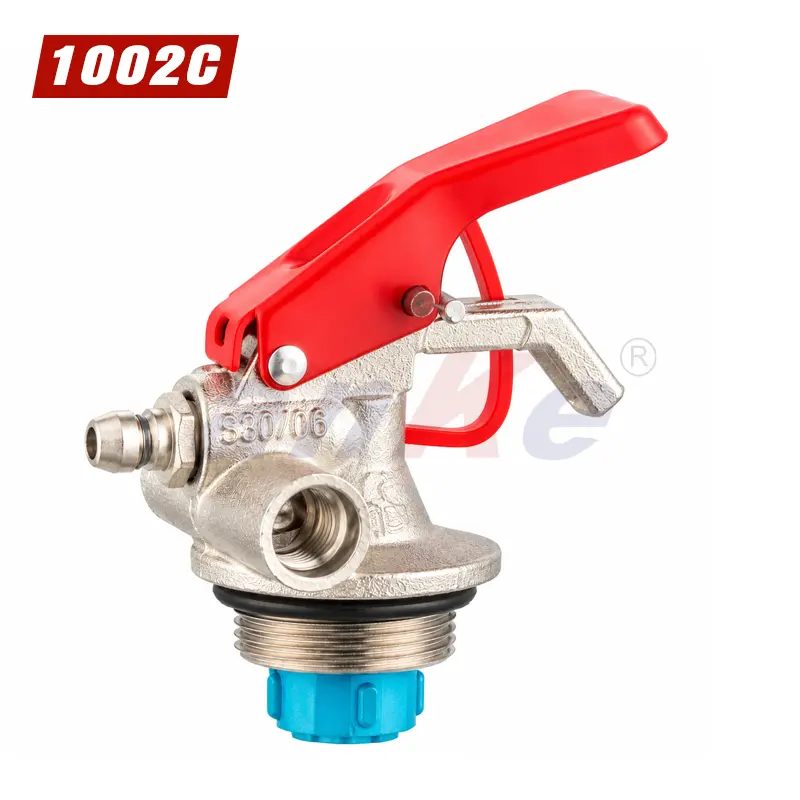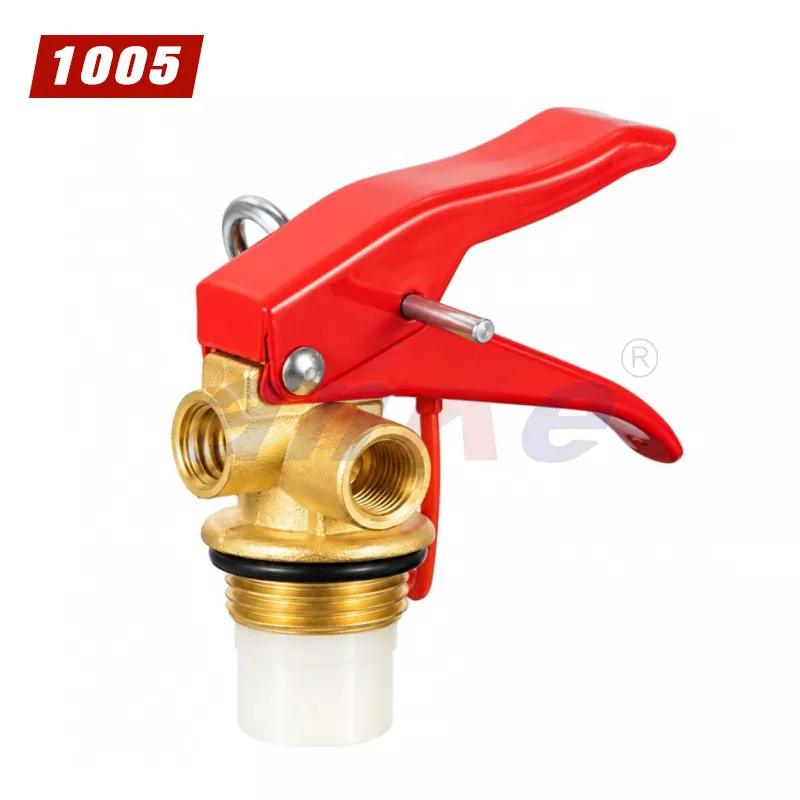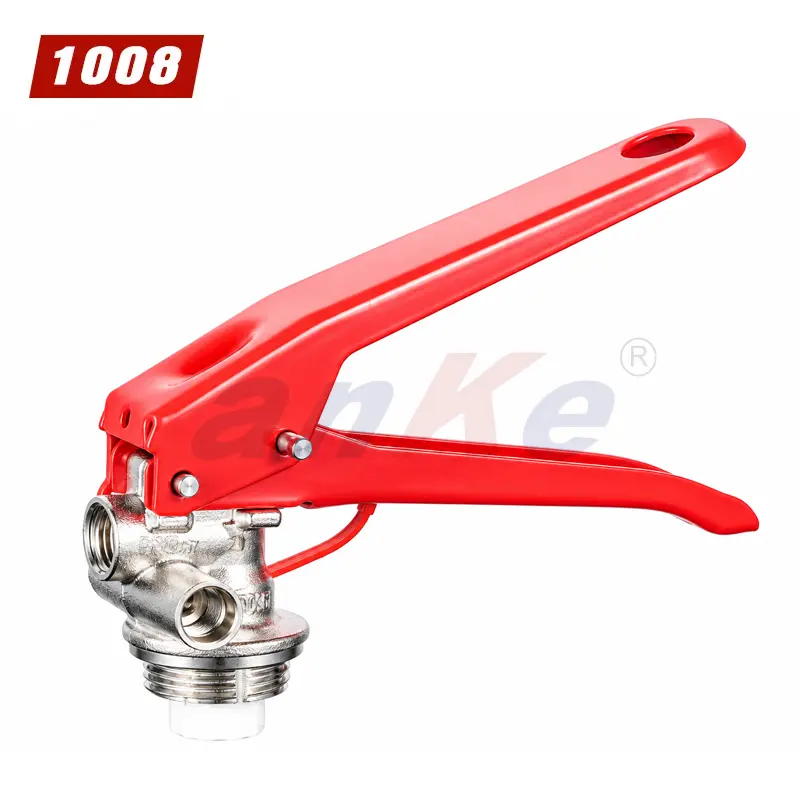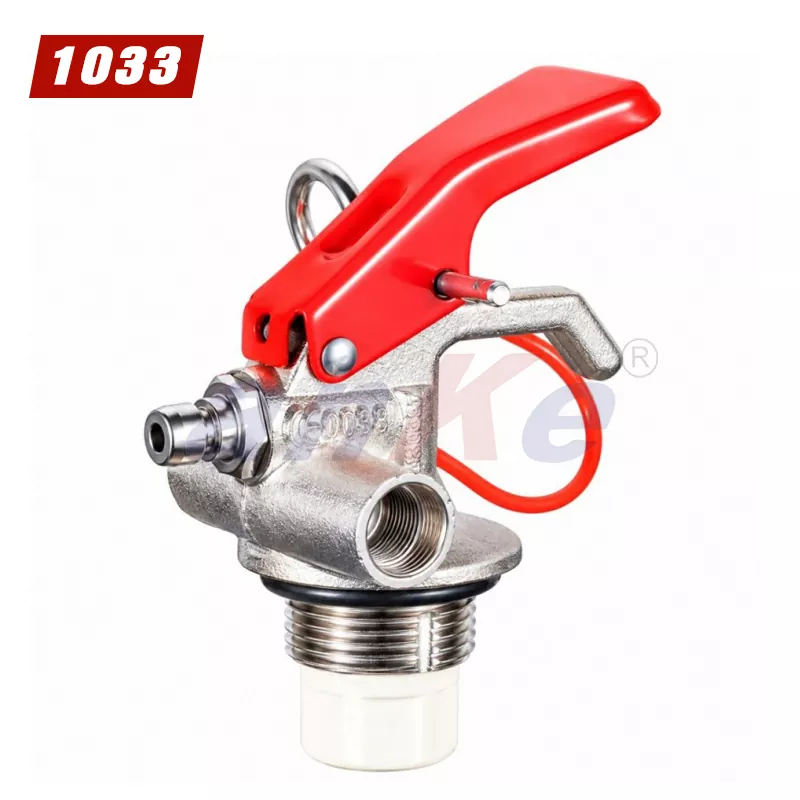
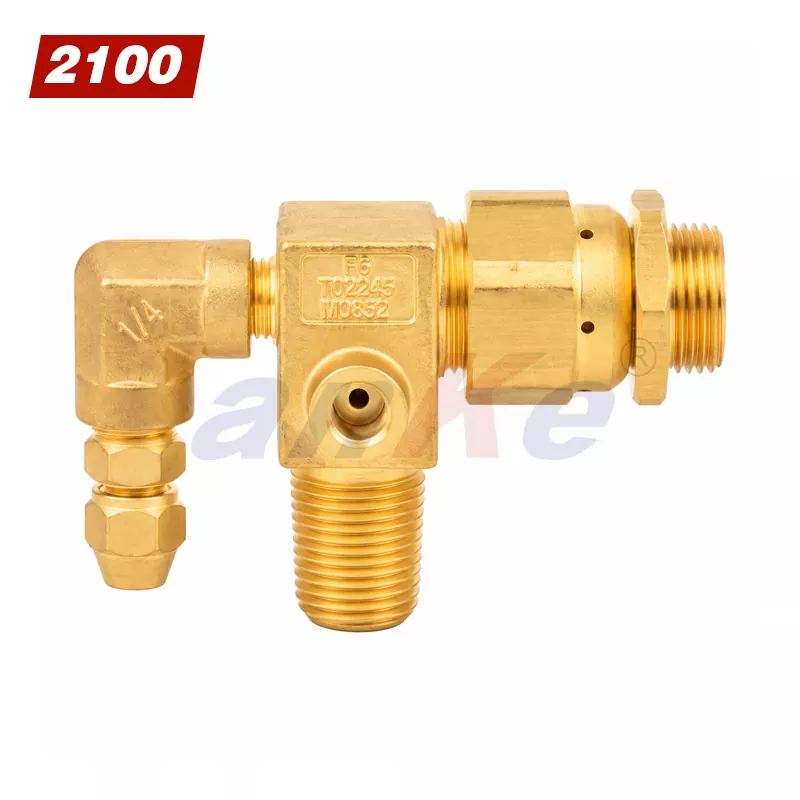
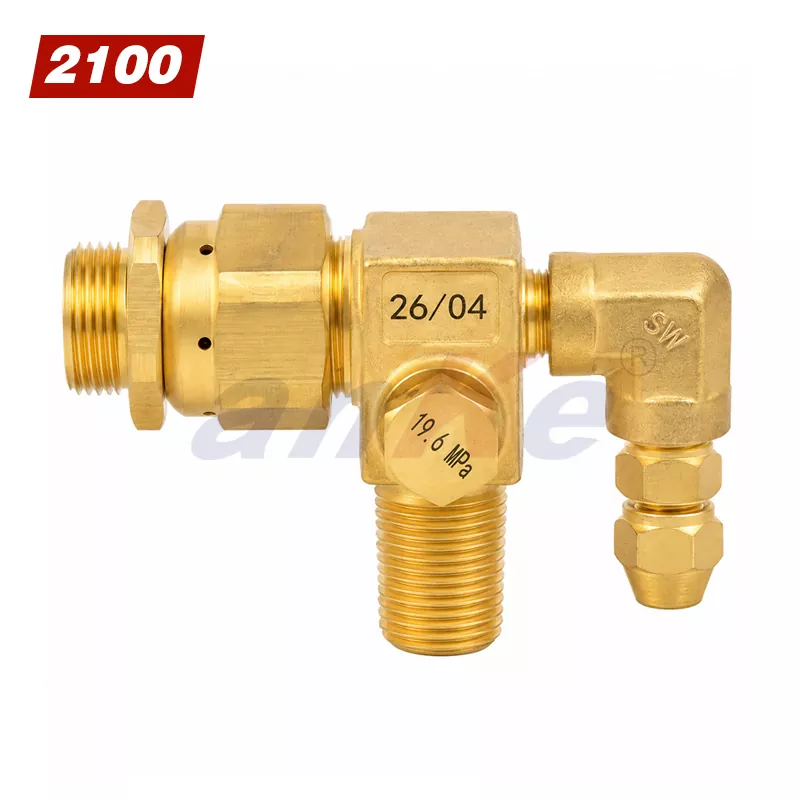
The Pneumatic Actuator for Gas Fire Suppression Systems is an important control component used in pneumatic activation arrangements for gas fire protection equipment.
In a gas fire suppression system, the actuator performs a mechanical operation in response to an applied pneumatic signal or pressure source. Depending on the system configuration, this action can trigger a connected cylinder valve or another designated control mechanism.
The actuator is designed with a brass main body and integrated connection structures to support pneumatic communication between compatible system components.
Its functional design makes it suitable for applications where controlled pneumatic activation is required as part of an engineered fire suppression system.
The actuator features a brass body that provides mechanical strength, corrosion resistance under suitable operating conditions, and durability for industrial fire protection applications.
Designed to operate through pneumatic pressure, the actuator supports mechanical activation of compatible gas suppression valve assemblies.
The component features several threaded connection points for integration with designated pneumatic lines and associated equipment.
Its integrated body and connection arrangement help simplify equipment integration and provide a relatively compact installation configuration.
Threaded sections and connection interfaces are designed to facilitate secure assembly with compatible components.
The Pneumatic Actuator operates through a pressure-driven mechanical activation process.
Depending on the fire suppression system design, the operating sequence generally involves the following stages:
1. Activation Signal: A pneumatic pressure signal is supplied through the designated control line.
2. Pressure Transmission: The pressure enters the actuator through its specified pneumatic connection.
3. Mechanical Movement: The internal actuation mechanism responds to the applied pressure.
4. Valve Activation: The actuator operates the connected valve mechanism according to its designed configuration.
5. System Operation: The compatible gas suppression system proceeds with its designed extinguishing agent release sequence.
The actual operating pressure, actuation direction, and connection arrangement depend on the specific actuator model and system configuration.
This pneumatic actuator is intended for integration into compatible gas fire suppression systems and related pneumatic control assemblies.
Potential applications include:
· Nitrogen-driven pneumatic activation assemblies.
· Gas fire suppression cylinder valve control systems.
· Centralized gas fire suppression installations.
· Pneumatic control arrangements for industrial fire protection equipment.
· Fire suppression system assemblies manufactured by OEM equipment suppliers.
System compatibility must be confirmed before selecting the actuator for a specific installation.
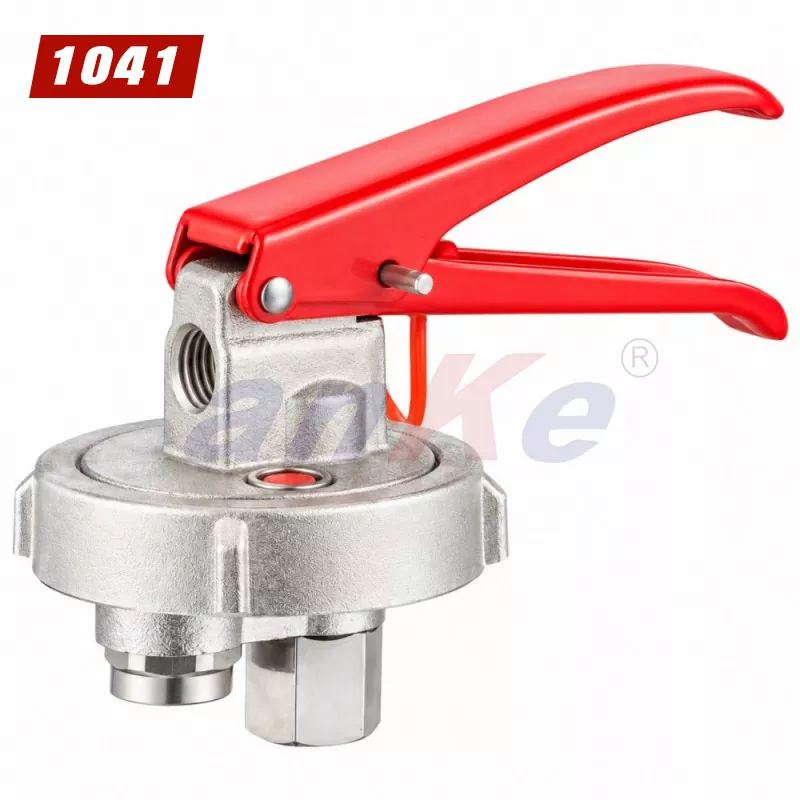
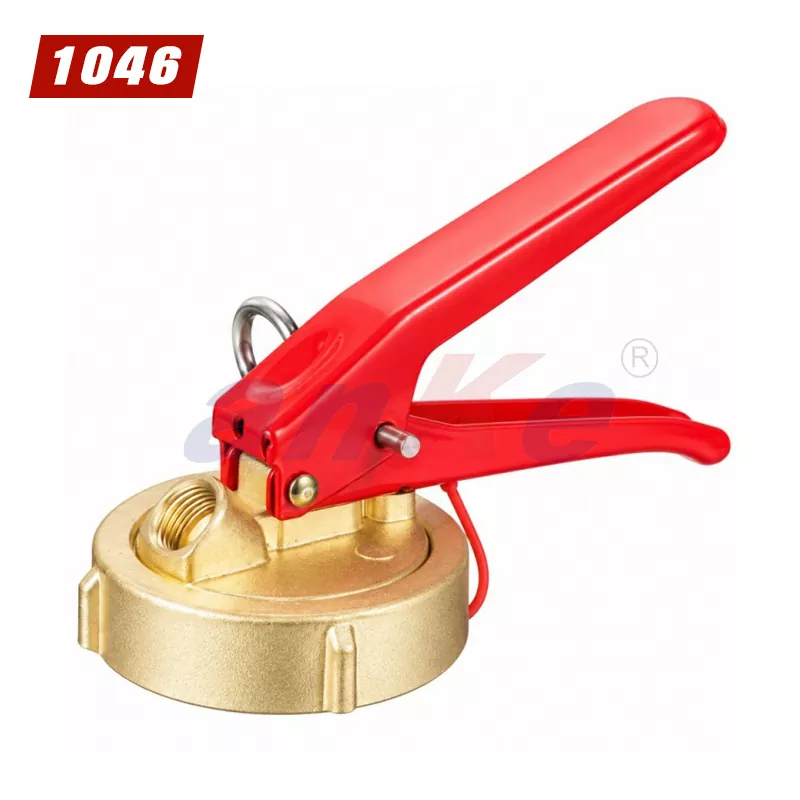
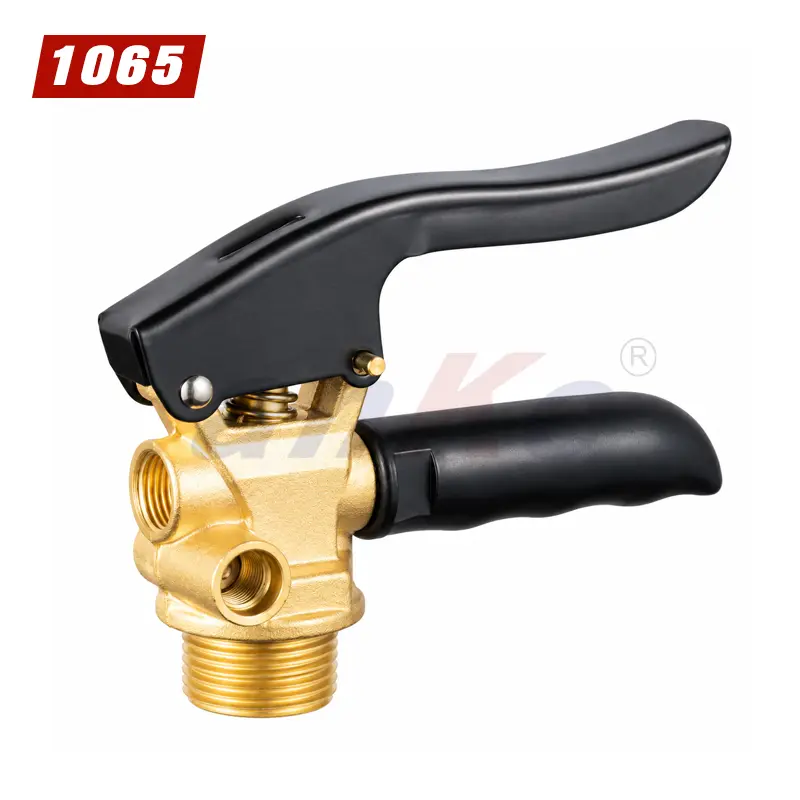
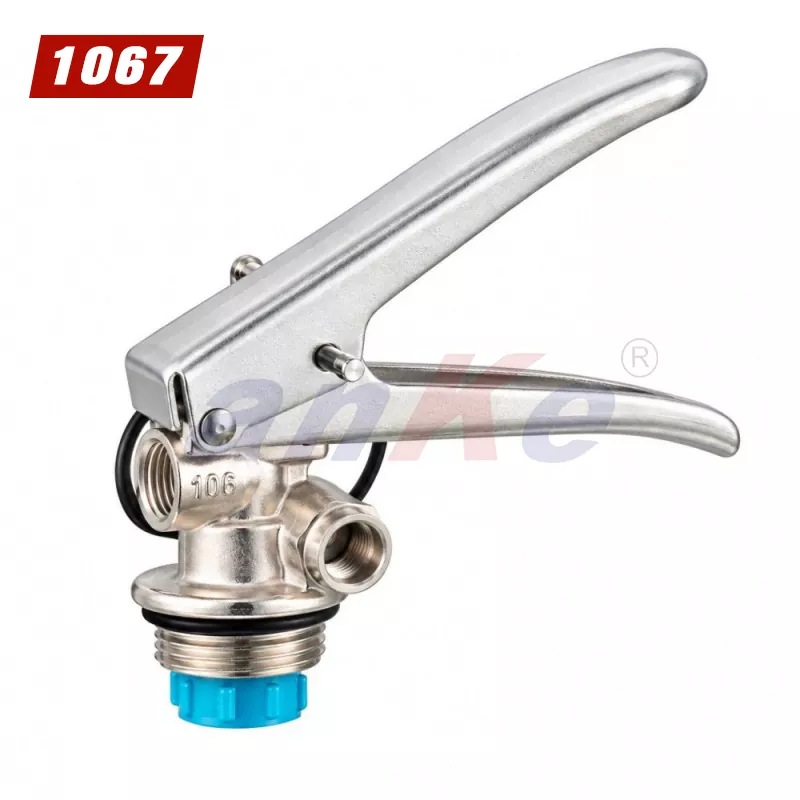
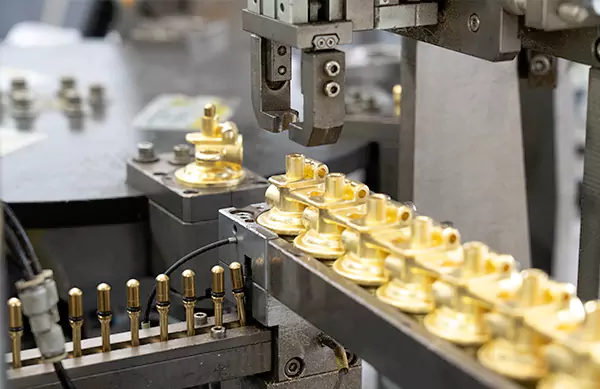
The product shown features a brass main body and multiple brass connection components.
Its visible structural characteristics include:
· Brass actuator body.
· Threaded bottom connection.
· Side-mounted threaded connection.
· Integrated hexagonal connection components.
· Multiple pneumatic interface positions.
· Machined external threads and connection surfaces.
These features are intended to support mechanical installation and pneumatic connection within compatible fire suppression equipment.
For fire suppression components, manufacturing consistency and dimensional accuracy are essential to reliable system integration.
Important quality-control considerations for this type of pneumatic actuator include:
· Brass material verification.
· Dimensional and thread inspection.
· Internal passage inspection.
· Connection and sealing inspection.
· Pressure resistance testing according to the approved design.
· Functional actuation testing.
· Batch traceability and final product inspection.
Manufacturing inspection procedures and test requirements should follow the applicable product specifications and relevant fire protection standards.
A pneumatic actuator uses pressure-driven mechanical movement to operate a compatible valve or control mechanism. It supports the activation sequence of a gas fire suppression system.
The product shown features a brass main body and brass connection components. Exact material grades should be confirmed through the product material specification.
It may be suitable for compatible nitrogen-driven pneumatic activation arrangements. The operating pressure, interface dimensions, and system configuration must be verified before application.
Customization may be available depending on the manufacturer's production capabilities. Buyers can provide technical drawings, connection specifications, or application requirements for evaluation.
Please provide the cylinder valve model, connection thread specifications, operating pressure, and system configuration. These details are necessary to verify compatibility.
Address
Factory: Huilong Village, Huangjiabu Town, Yuyao City, Zhejiang Province, China
Branch Office: Hengye Building 509, No.158 Tai'an Middle Road, Yinzhou District, Ningbo, Zhejiang, China
Tel